Vitamin Metabolism
(0 Results)
Vitamin metabolism plays a key role in supporting a healthy lifestyle, as vitamins are involved in a wide range of processes throughout the body. Exploring options that may help maintain your vitamin metabolism could be a positive step toward your wellness goals. Whether you’re looking for multivitamins, single nutrients, or specialized formulas, discover a variety of choices that may fit your daily routine and nutritional preferences.
-

-

-

-

-

-

-

-

-

-

-
-
 185$24.99
 -

-

-
-

-

-
-

-
-

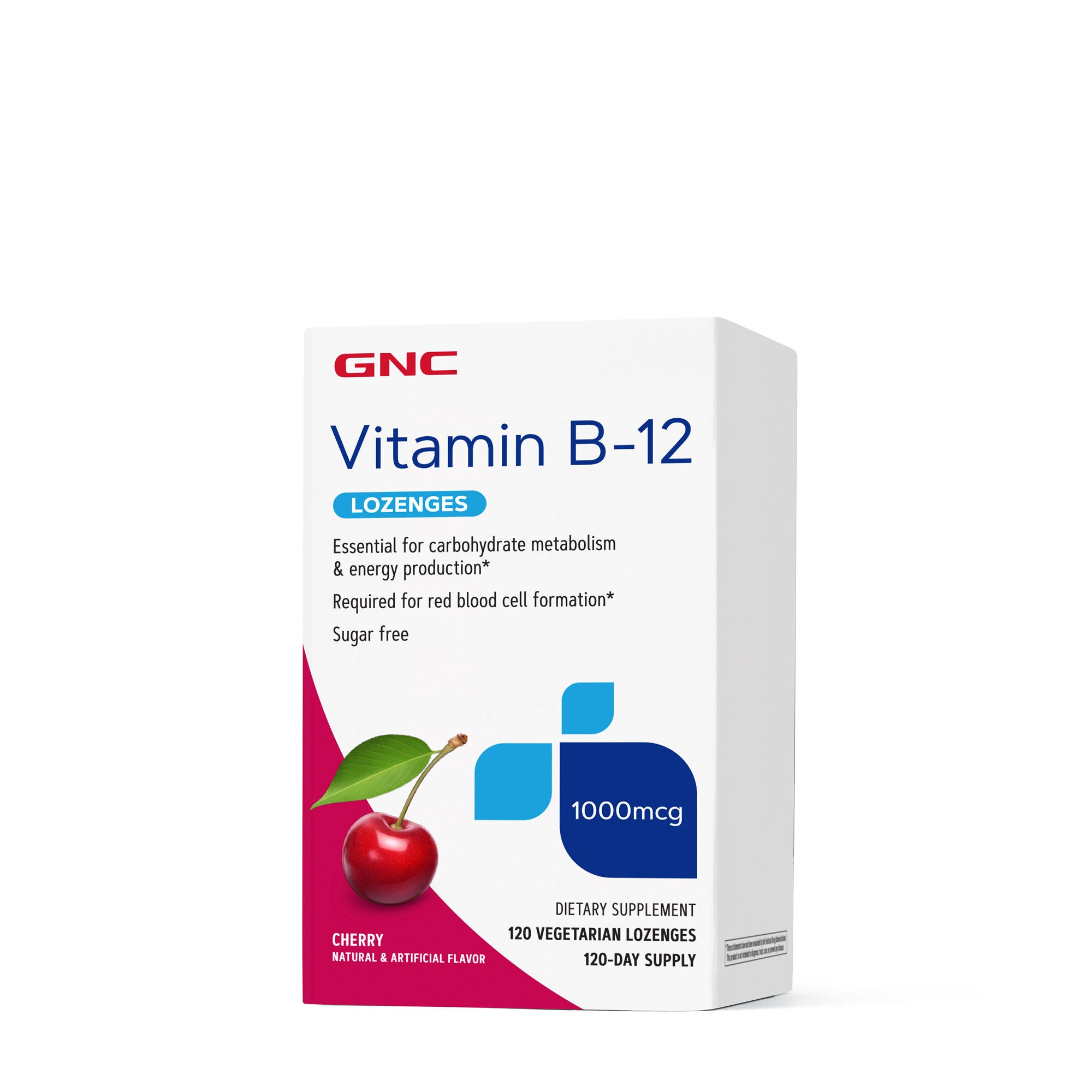
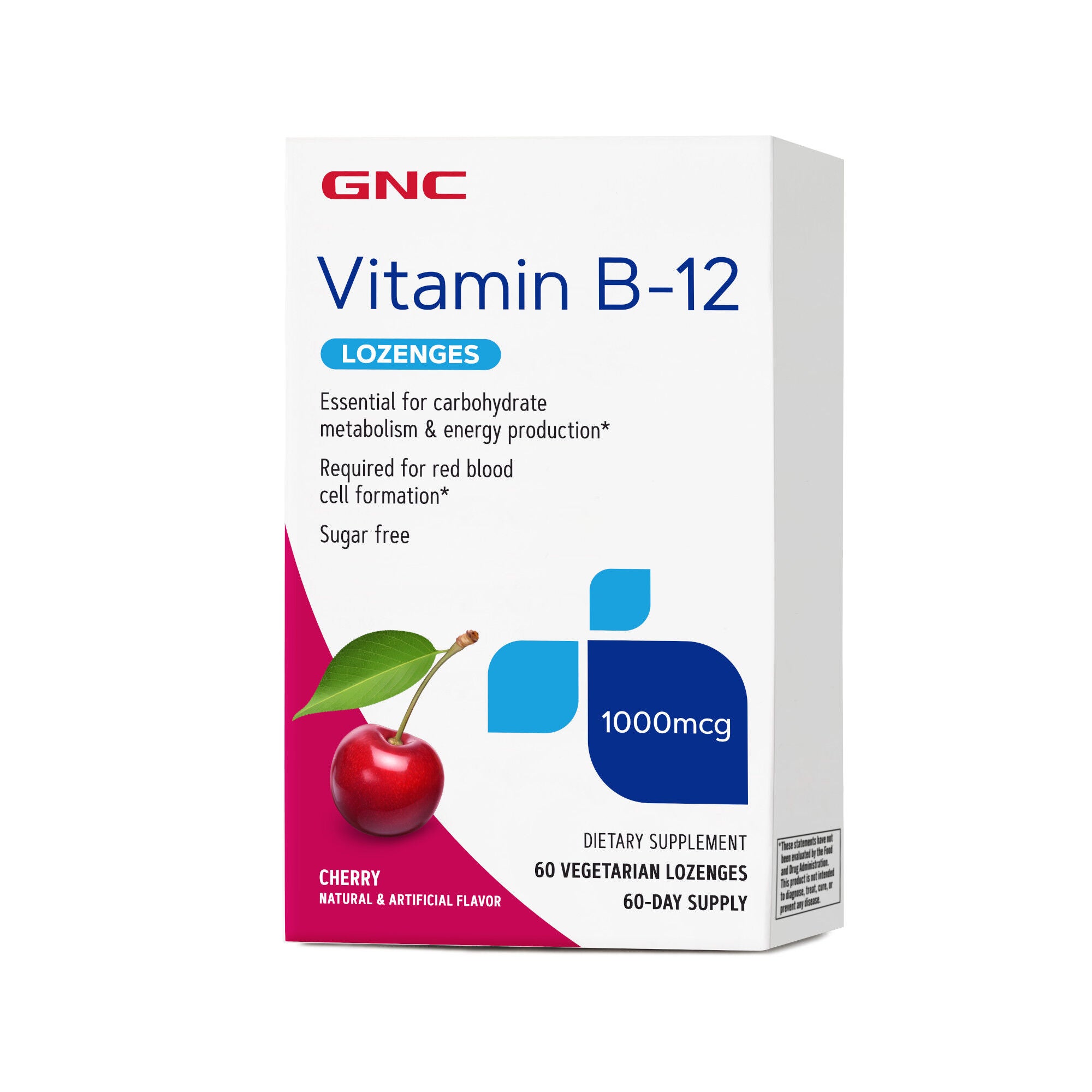

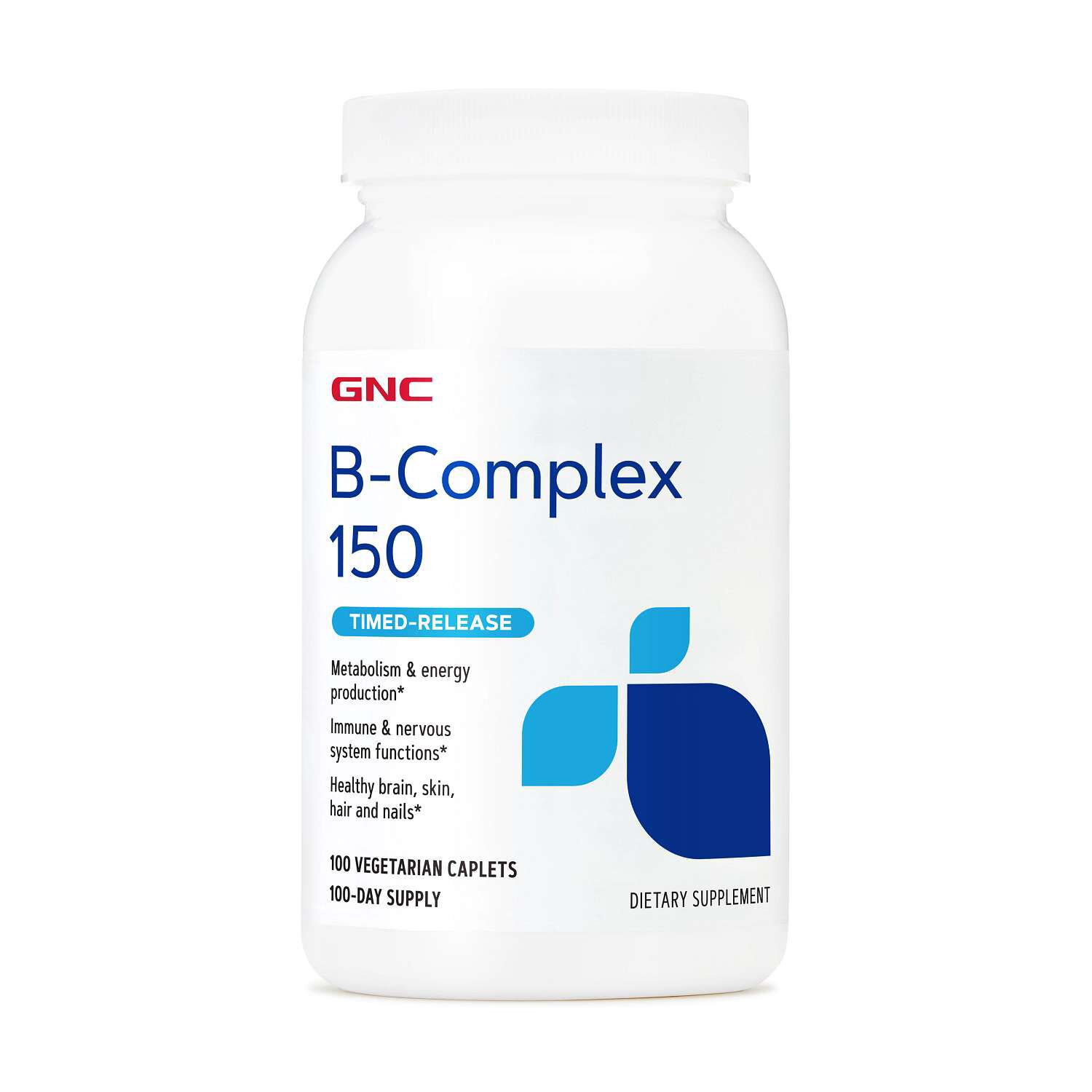
Vitamin metabolism refers to the many processes that allow the body to use nutrients from food and beverages. Vitamins do not act as a single switch for metabolism, and no one nutrient may create a dramatic change in how quickly the body uses fuel. Instead, several vitamins and minerals may take part in everyday pathways that support the conversion of carbohydrates, fats, and protein into usable energy. B-complex vitamins receive particular attention in this area because B1, B2, B3, B5, B6, B7, B9, and B12 may serve as coenzymes in nutrient metabolism. In simple terms, they could help the body carry out the steps involved in processing the foods that fill a breakfast bowl, a lunch container, or a family dinner plate. Vitamin D, magnesium, and iron are also commonly considered when shopping for nutrients connected with metabolism. Vitamin D may support muscle function and the body’s normal use of nutrients, while magnesium could contribute to normal muscle and nerve function as well as the body’s handling of carbohydrates. Iron may support oxygen transport, which matters because cells use oxygen as part of normal energy production. A multivitamin, B-complex formula, or single-nutrient supplement may fit different routines depending on dietary preferences, existing intake, and guidance from a qualified healthcare professional. Anyone comparing options may want to review the Supplement Facts panel, serving size, nutrient forms, and amounts per serving rather than choosing based only on a prominent front-label phrase. It may also be useful to consider whether a formula is designed for daily use, whether it includes nutrients already present in another supplement, and whether the format—capsules, tablets, gummies, powders, or liquid—feels realistic for the intended routine. A product that sits beside a morning coffee maker, lunch bag, or evening meal may be easier to remember than one that does not fit naturally into the day. People with varied schedules, limited food preferences, or a desire to organize their pantry may browse vitamin metabolism products as part of a broader wellness routine. Those who spend more time indoors during cooler months may also look at formulas containing vitamin D, while active adults may compare products featuring B vitamins and magnesium. These considerations do not replace personalized guidance, and taking more than the suggested serving may not provide added value when dietary intake is already sufficient.
Shopping for vitamin metabolism products can be a practical way to make a nutrient routine feel more organized, whether the purchase is for personal use or a thoughtful gift. A B-complex formula may suit a colleague who enjoys keeping a neatly planned morning routine, while a multivitamin may appeal to a family member who wants a simple addition to an established wellness cabinet. A magnesium-containing product could be considered for someone who already pays close attention to daily nutrition, and a vitamin D option may be relevant for a person who prefers to review nutrient intake as daylight hours shift during the cooler part of the year. Gift shoppers may want to choose based on the recipient’s habits instead of making assumptions about their needs: a compact bottle may work well for a frequent traveler, a chewable format may be convenient for someone who dislikes swallowing tablets, and a powder may suit a person who blends a morning smoothie before heading out the door. Reading the label is especially important when combining a multivitamin with separate B-complex, vitamin D, magnesium, or iron products, since overlapping ingredients could lead to an intake higher than intended. People who are pregnant, managing an ongoing health concern, following a restricted eating pattern, or taking prescription products may wish to speak with a healthcare professional before adding a supplement. The same consideration applies to anyone who has been told that a nutrient is low or who is considering a higher-potency formula. Supplements may complement a varied eating pattern that includes colorful produce, grains, beans, nuts, seeds, dairy or fortified alternatives, and protein foods, but they are not a substitute for balanced meals or regular care from a qualified professional. For shoppers building a broader nutrient routine, browsing Essential Vitamins may make it easier to compare related options in one place. As the weather warms and later as cooler days settle in, a consistent routine may be easier to maintain when products are paired with familiar habits such as breakfast, filling a water bottle, or preparing a work bag. The most suitable choice may be the one that matches the shopper’s dietary preferences, schedule, format preference, and guidance from a healthcare professional, with careful attention to serving directions and the full list of ingredients.
Best Sellers
-
 Gorilla Mind
 -
 Gorilla Mind
 -
 Gorilla Mind