Vitamins That Support A Healthy Metabolism
(0 Results)
Unlock the potential of a vibrant lifestyle with vitamins that may help support a healthy metabolism. These essential nutrients could play a crucial role in converting food into energy, helping you maintain optimal energy levels throughout the day. Whether you're looking to boost your daily routine or seeking ways to complement your wellness goals, incorporating the right vitamins might be the key to enhancing metabolic processes. Explore options that could assist in promoting overall vitality and help you feel your best every step of the way.
-
-

-

-
-
-

-
-

-
-

-
-

-

-
-
-
-
 $15.99
 -
 Purity Products$19.99



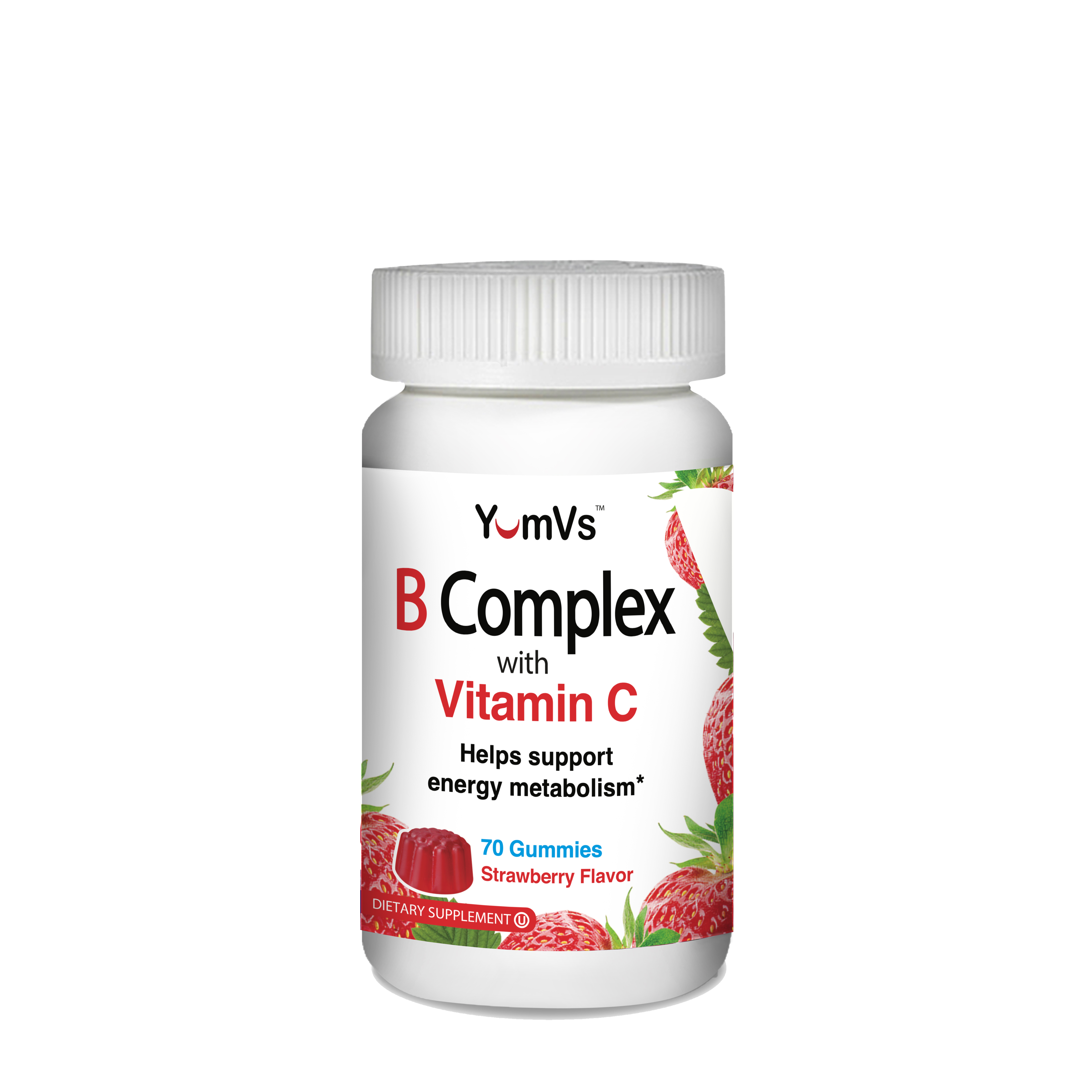
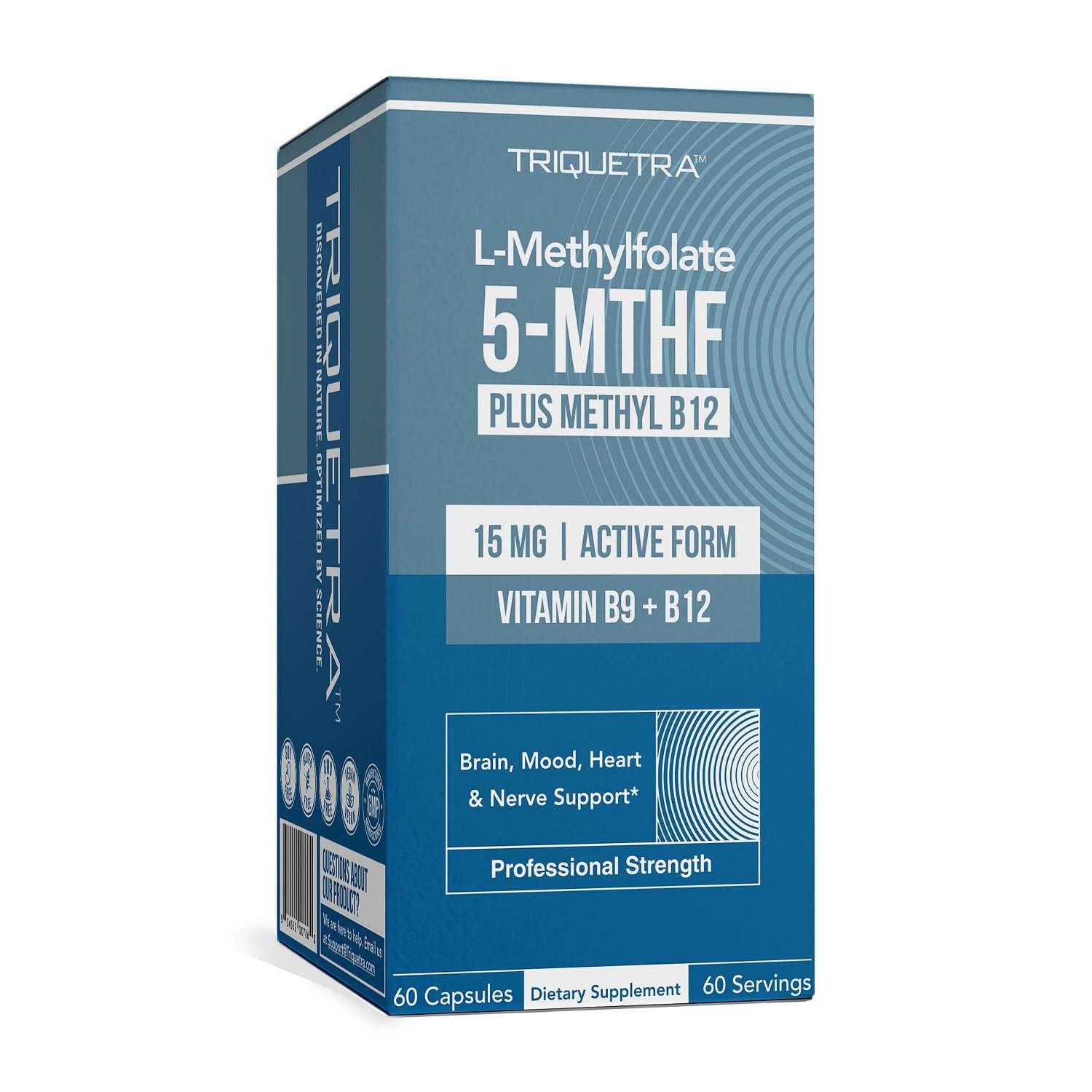
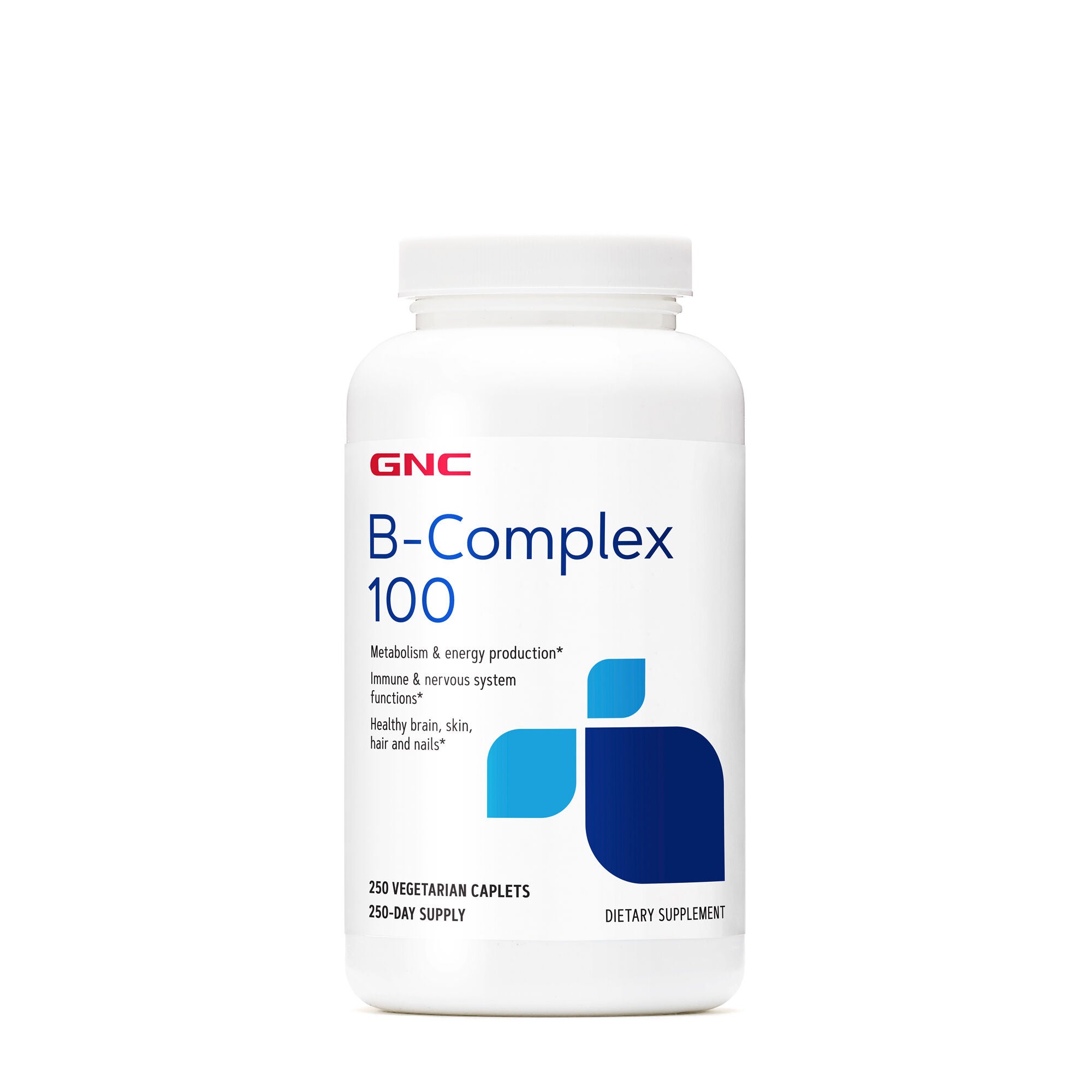
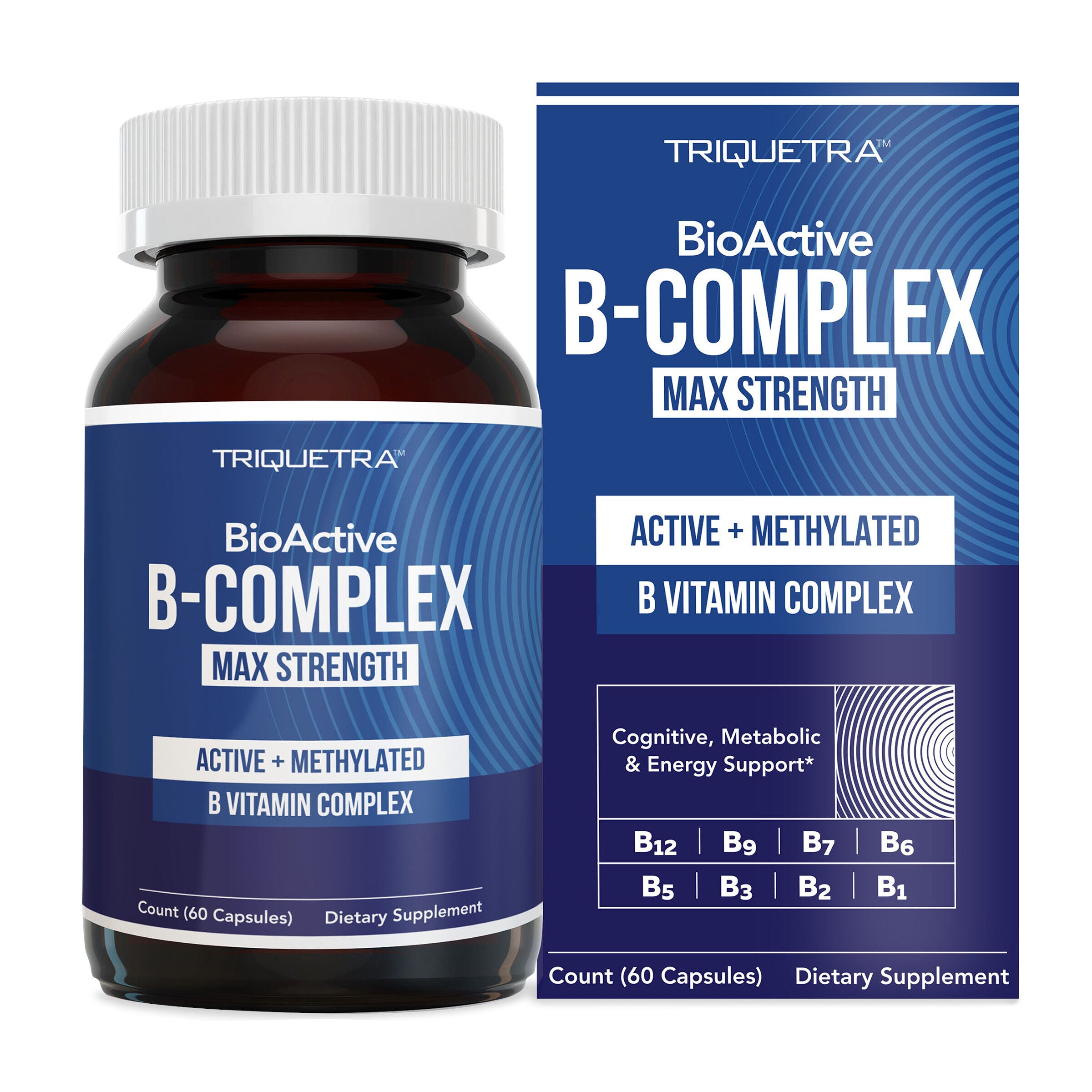
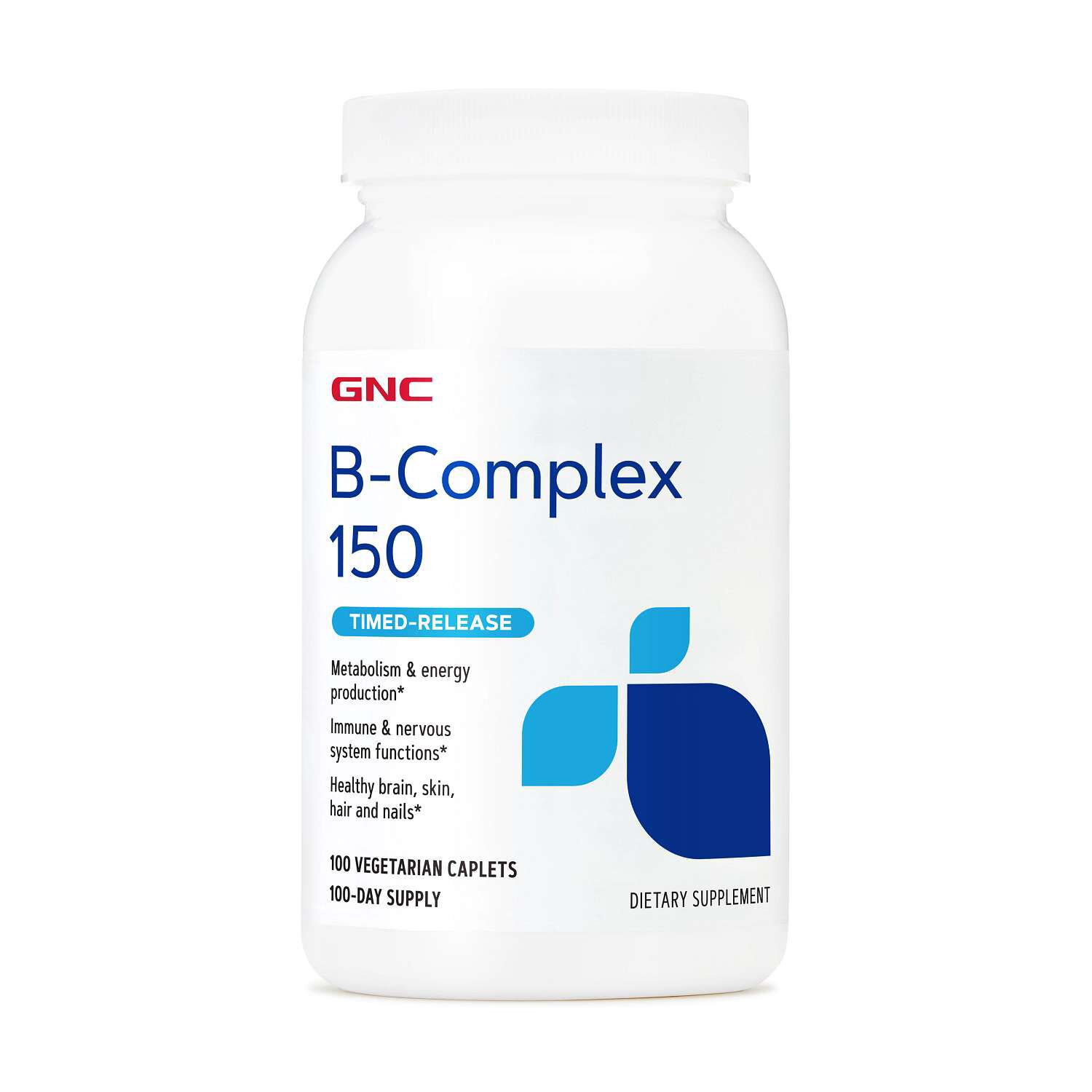
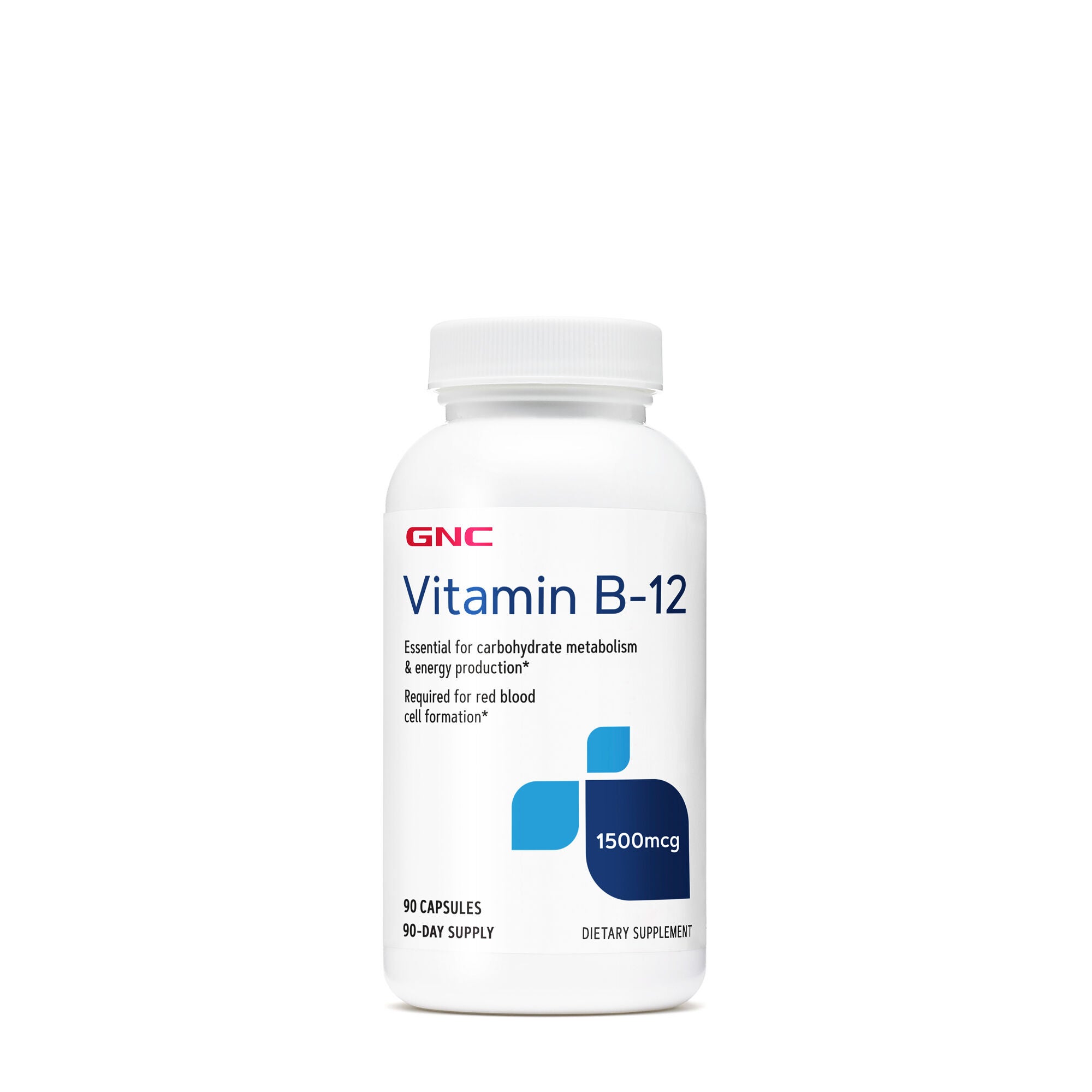
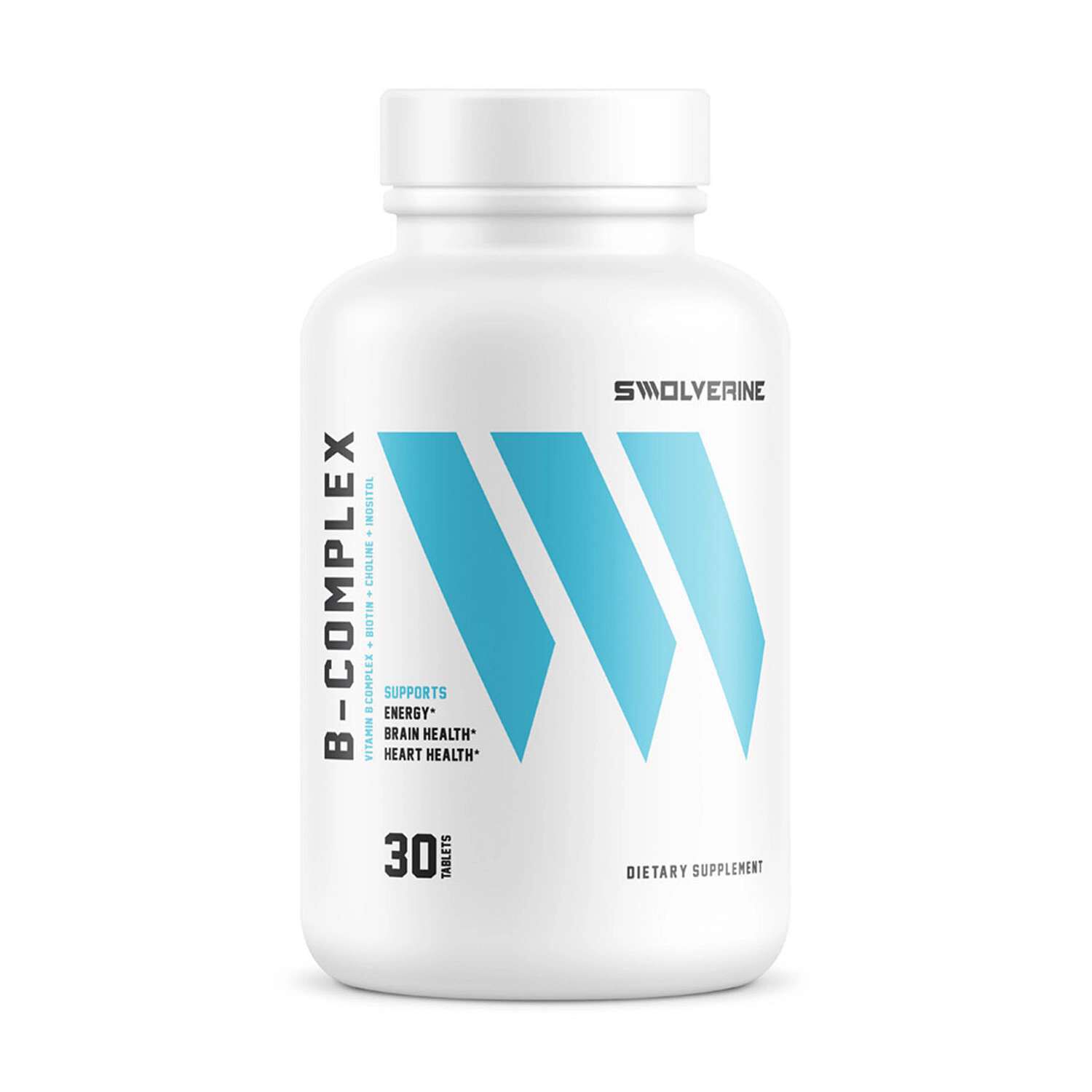
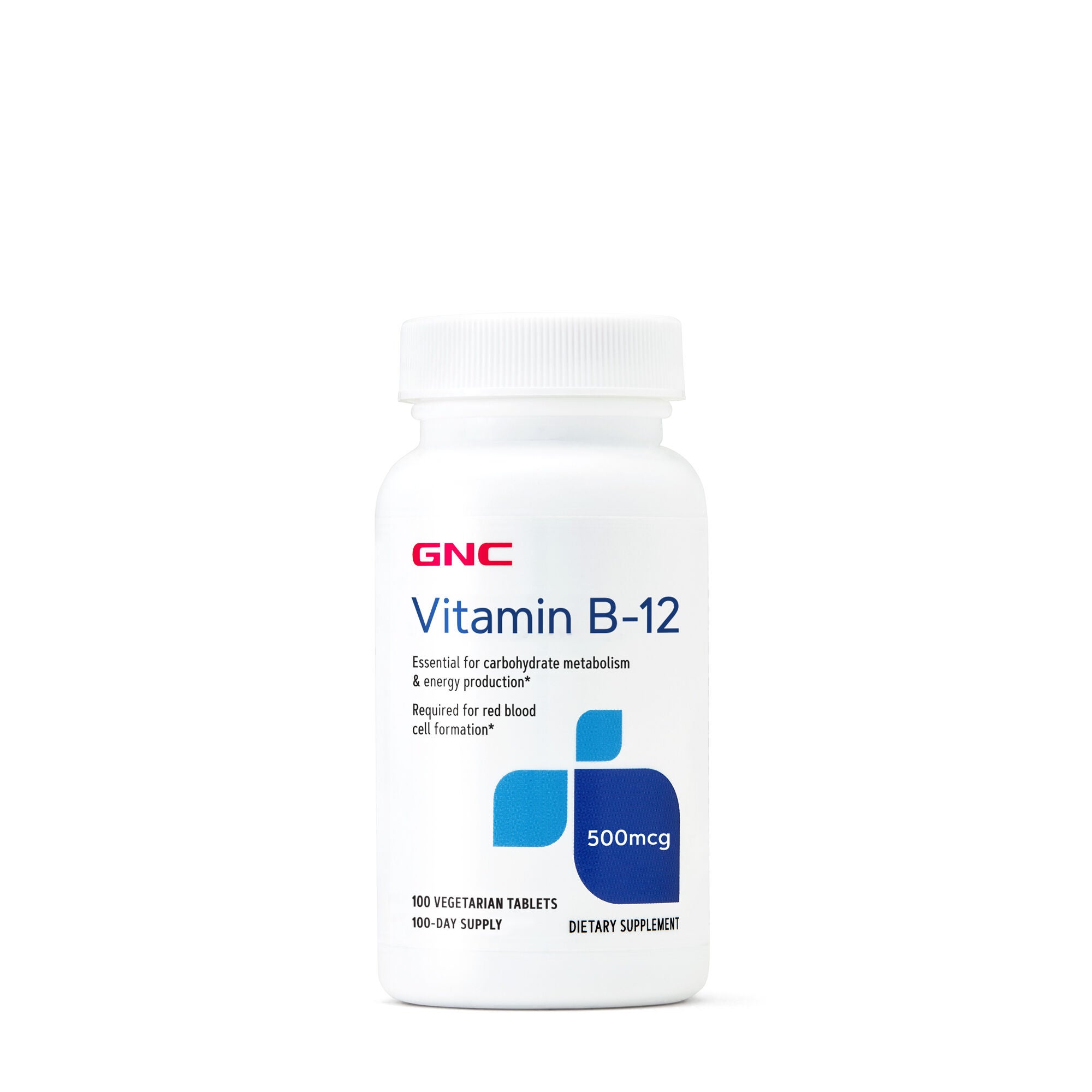
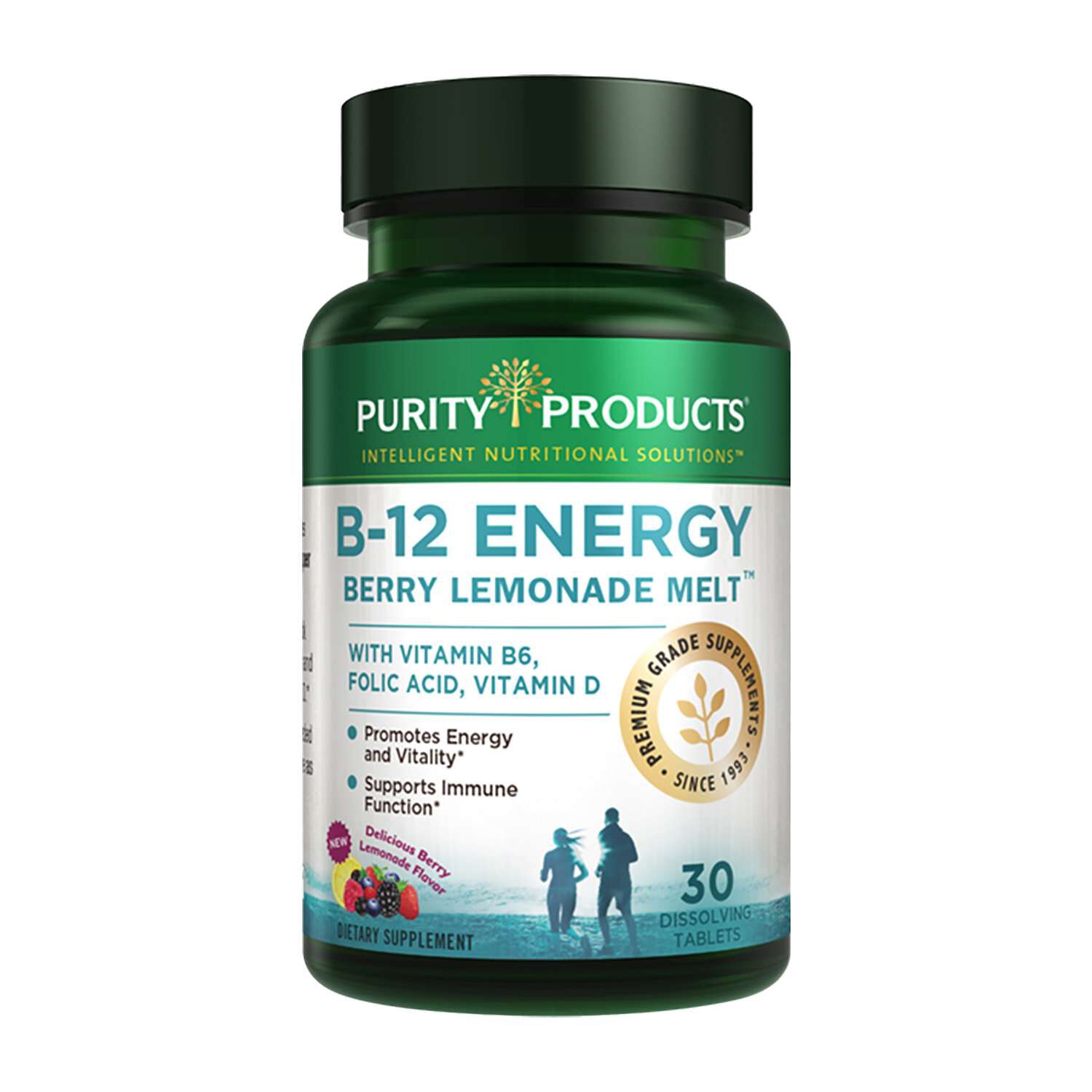
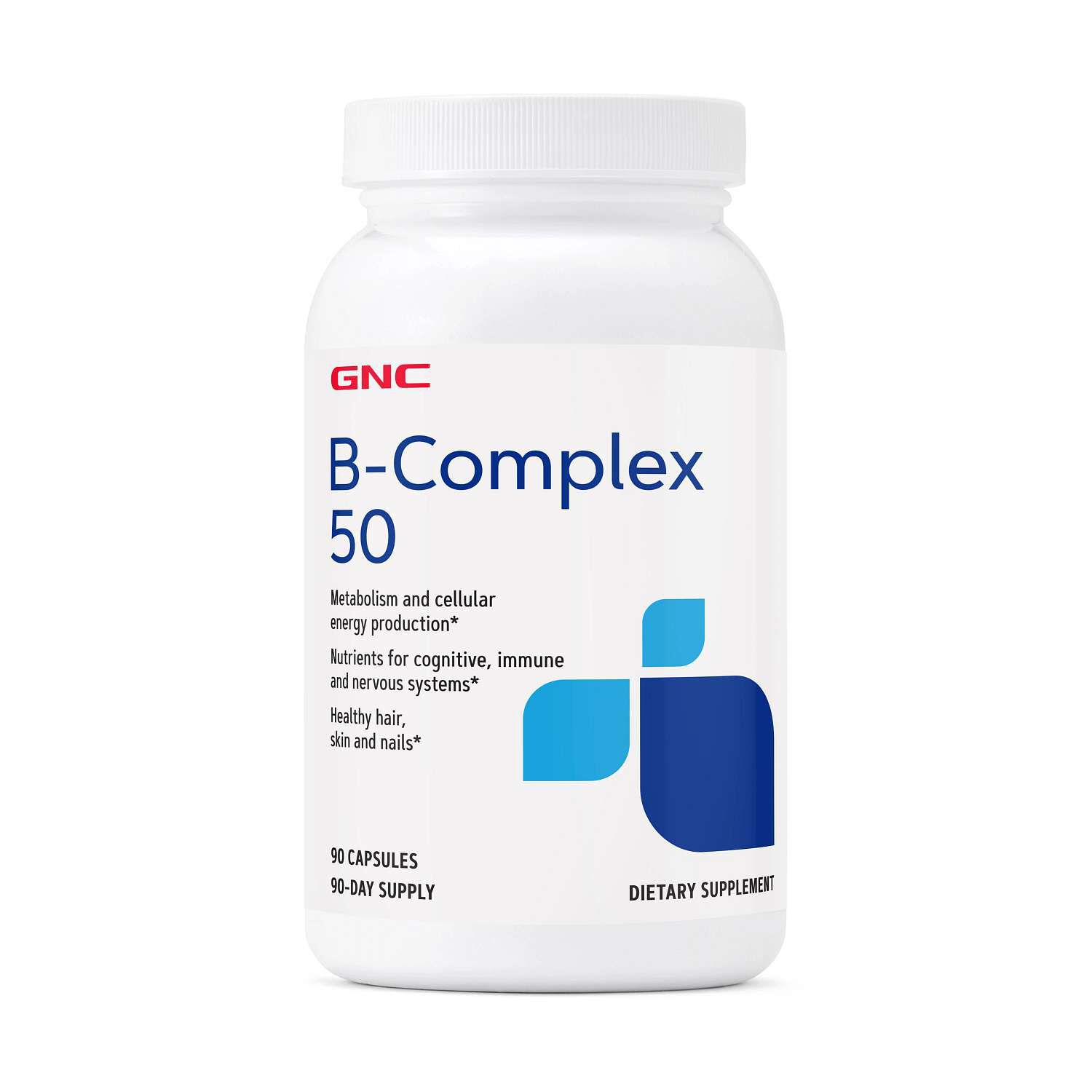
Vitamins that support a healthy metabolism may complement a balanced eating pattern by supplying nutrients involved in the body’s everyday use of food. Metabolism refers to the chemical processes that convert food into usable energy and provide building blocks for normal maintenance. It is not simply a measure of how energetic someone feels. Carbohydrates, fats, and proteins provide fuel, while vitamins have different roles in the processes that put that fuel to use. B vitamins are often central to this category because of their involvement in energy metabolism. These include thiamin, riboflavin, niacin, pantothenic acid, vitamin B6, biotin, folate, and vitamin B12. A supplement containing these nutrients may support normal energy metabolism, but vitamins themselves are not a source of calories. The distinction matters when comparing a metabolism-focused vitamin with a snack, a protein shake, or a caffeinated beverage: these products serve different purposes. A larger vitamin amount should not be treated as evidence of a faster metabolism, and a metabolism-focused label is not a weight-management outcome. Instead, the useful starting point is the nutrient content, intended use, and format. Some shoppers prefer a single vitamin that fits a particular dietary preference; others look for a B-complex formula or a multivitamin with a broader nutrient assortment. Food remains part of that context, with whole grains, beans, eggs, dairy foods, fish, meat, and fortified foods contributing different B vitamins. For someone whose weekly menu emphasizes plant-based foods, vitamin B12 may be a particular label consideration because naturally occurring dietary sources are primarily animal foods. A shopper with a varied menu may be more interested in how a formula fits alongside existing food and supplement choices. These differences make a clearly labeled formula more informative than broad language about energy. Comparing the actual nutrients provides a grounded way to browse this category without assuming that every metabolism supplement has the same purpose.
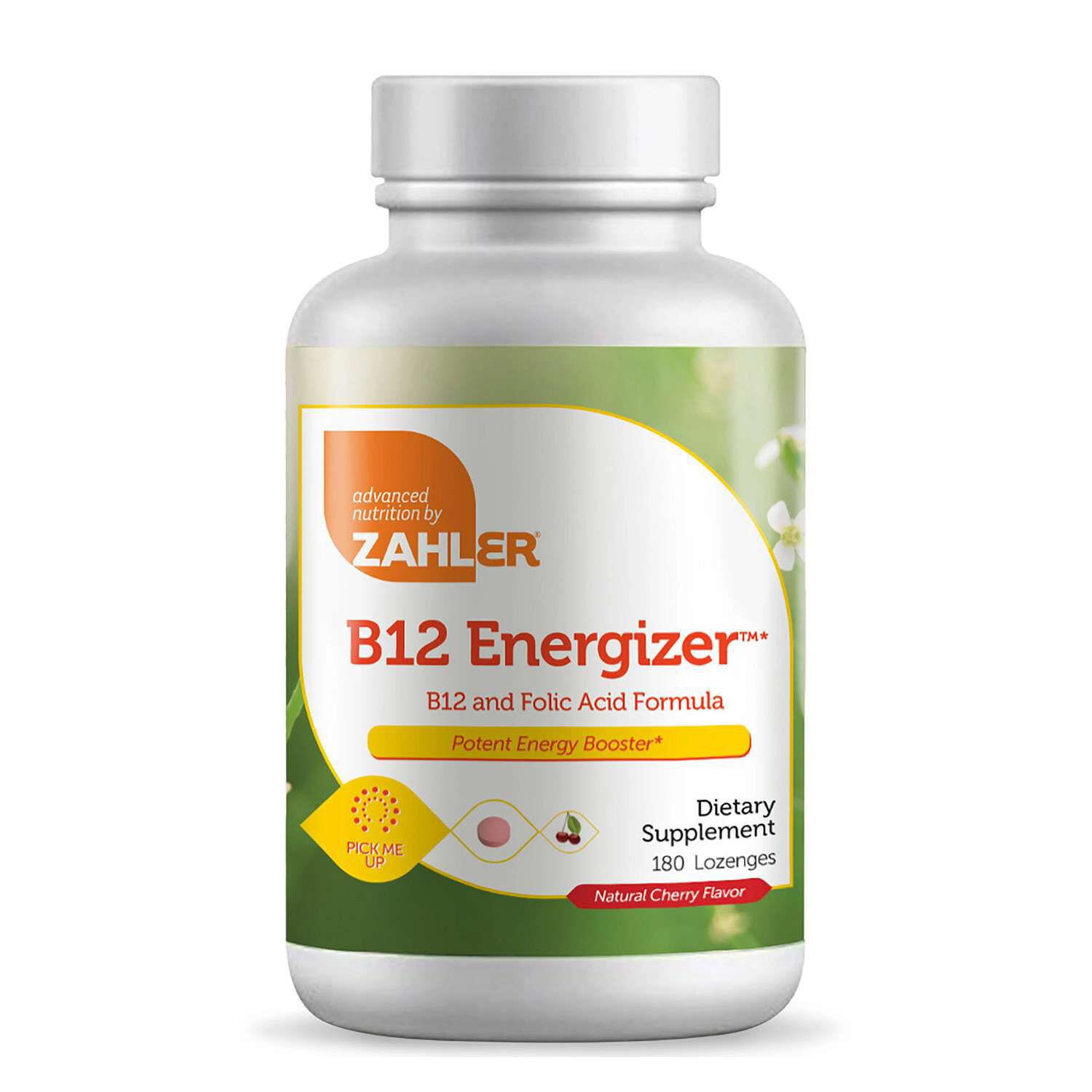
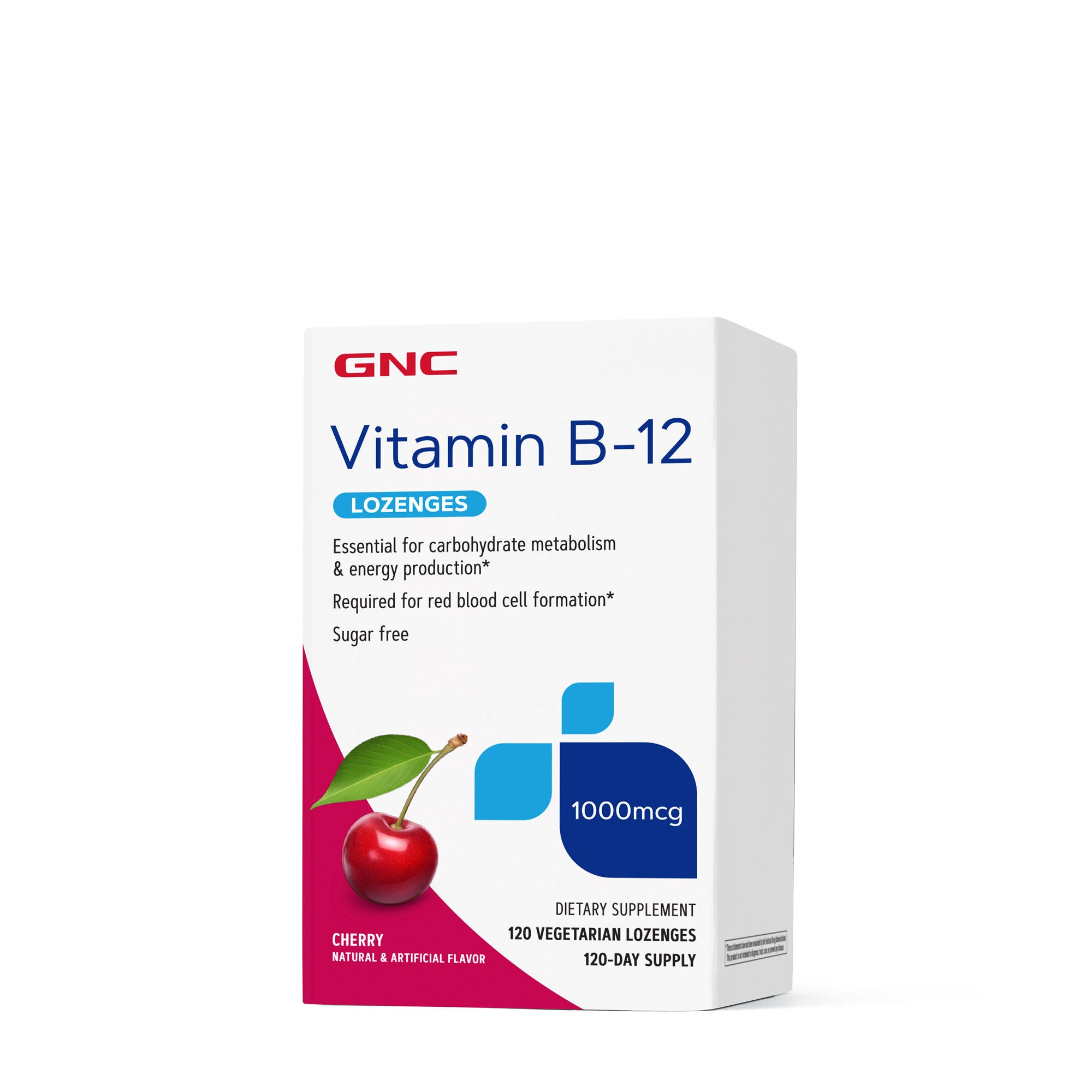
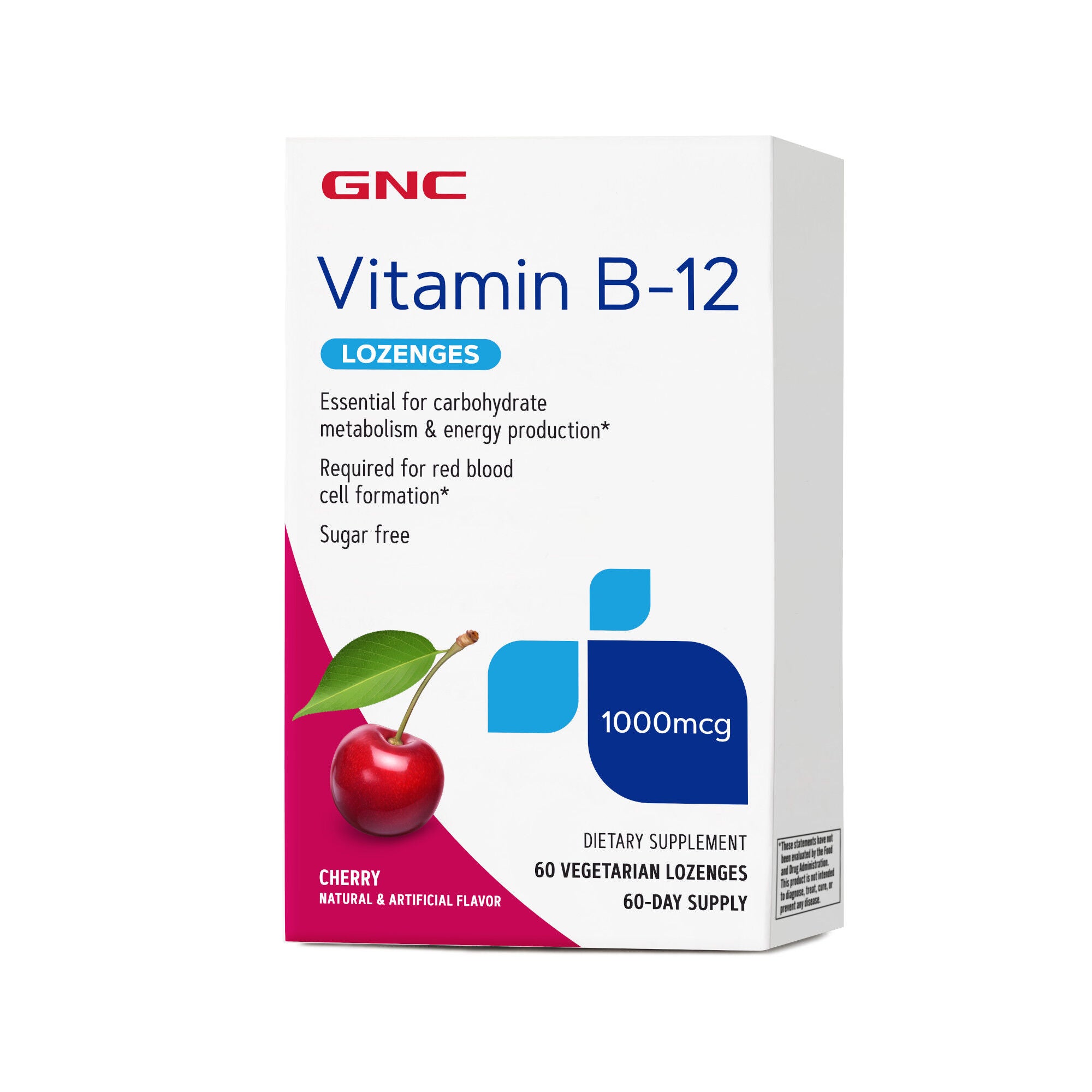
Format is another practical distinction among metabolism-support vitamins. Tablets, capsules, softgels, gummies, liquids, and lozenges each bring a different experience to a daily routine. A tablet or capsule may suit someone who prefers a straightforward format without a flavored chew, while a gummy introduces considerations such as taste, texture, and sugar content. Liquid vitamins come with serving measurements and dispensing instructions, so the bottle design and included measuring device deserve attention. Lozenges have their own directions for use, which may differ from those for a conventional tablet. Shoppers interested in that format can explore Vitamin B12 Lozenges For Healthy Metabolism and compare nutrient amounts, flavors, and serving sizes. No format alone establishes that a vitamin is a better match; the full formula and its labeled use matter as well. Capsule shells may contain gelatin or plant-derived materials, while gummies may use gelatin or pectin. Other ingredients can include sweeteners, colors, flavors, and ingredients used to hold a tablet together. Those details are relevant for shoppers with dietary preferences or ingredient restrictions, even when two labels feature the same vitamin. The Supplement Facts panel also helps distinguish the amount per serving from the amount in an individual tablet, gummy, or lozenge. A serving can contain more than one piece, making the directions important when comparing packages. Percent Daily Value offers a shared reference for nutrient amounts, although a higher percentage does not automatically mean a more suitable choice. A B-complex formula and a multivitamin may contain overlapping nutrients, so viewing their labels side by side gives a clearer picture than considering each package in isolation. For a routine that already includes fortified cereal, a nutrition beverage, or another supplement, that wider view is especially relevant. The goal of comparison is a product whose ingredients, serving format, and intended use align with the shopper’s preferences, rather than a label selected solely for its largest number.
Quality information and everyday handling round out the comparison. A readable ingredient list, specific nutrient amounts, clear directions, and accessible manufacturer information give shoppers concrete details to evaluate. When a package carries independent testing or verification information, the scope of that assessment matters: testing for identity, composition, or certain contaminants is different from evidence about a particular wellness outcome. A verification mark should be considered for what it actually assesses, not as proof that a formula will change how someone feels. Packaging also deserves a practical look. A secure closure, an intact protective seal when provided, and legible storage instructions are useful details for products intended for repeated use. Vitamins are not all packaged or stored alike; some liquids have instructions that differ after opening, and gummies or lozenges can have texture-related storage considerations. Following the label’s storage directions, retaining the original container, and keeping the closure secure may help preserve product quality through the marked expiration date. A bottle left beside a steamy shower presents a different storage environment from a dry cabinet, and a container carried in a gym bag faces more movement than one kept at home. Those ordinary details can influence which packaging style feels manageable. The same is true of serving format: someone who packs breakfast before an early commute may value a different option than someone who keeps a consistent sit-down morning routine. Adult formulas also have intended-use information that should not be assumed to apply to every member of a household. Rather than treating metabolism vitamins as an interchangeable purchase, shoppers can compare the nutrient selection, dietary compatibility, directions, and packaging together. Vitamins may support normal metabolic processes as part of an eating and lifestyle pattern that also includes regular meals, movement, and rest. A well-matched choice begins with realistic expectations and a clear understanding of what is in the container, how it is intended to be used, and where it fits into everyday life.