





Vitamins With Citrus Extract
(0 Results)
Vitamins with citrus extract offer a vibrant way to support your daily wellness routine. Packed with ingredients derived from oranges, lemons, and other citrus fruits, these supplements may appeal to those seeking a refreshing addition to their nutritional regimen. Explore a variety of options that could help you meet your daily vitamin needs while enjoying the essence of citrus. Whether you’re looking for convenient tablets, chewables, or gummies, vitamins with citrus extract might provide a flavorful boost to your supplement lineup.
-

-

-
-
 MRI Performance$29.99
-
 $24.99
-


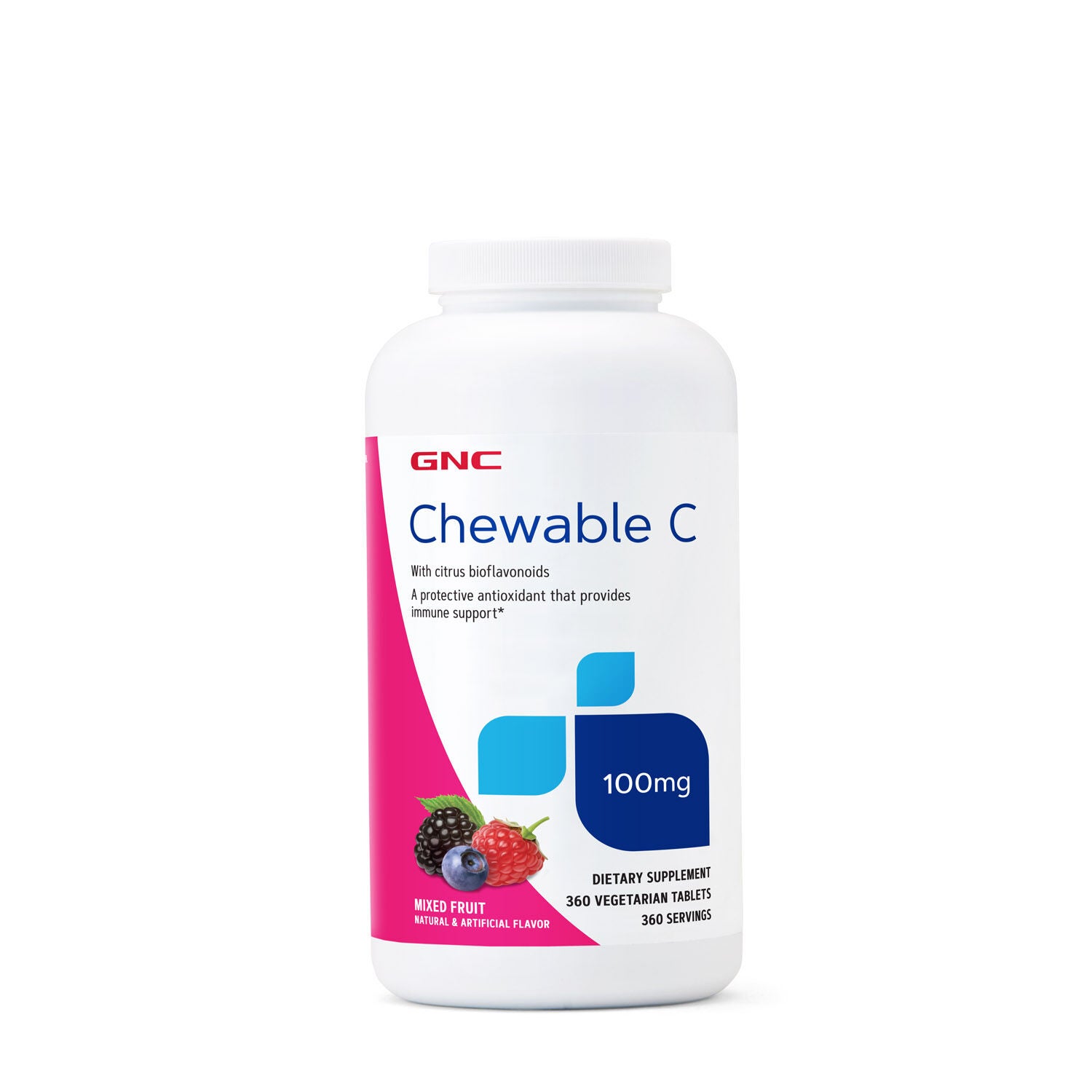
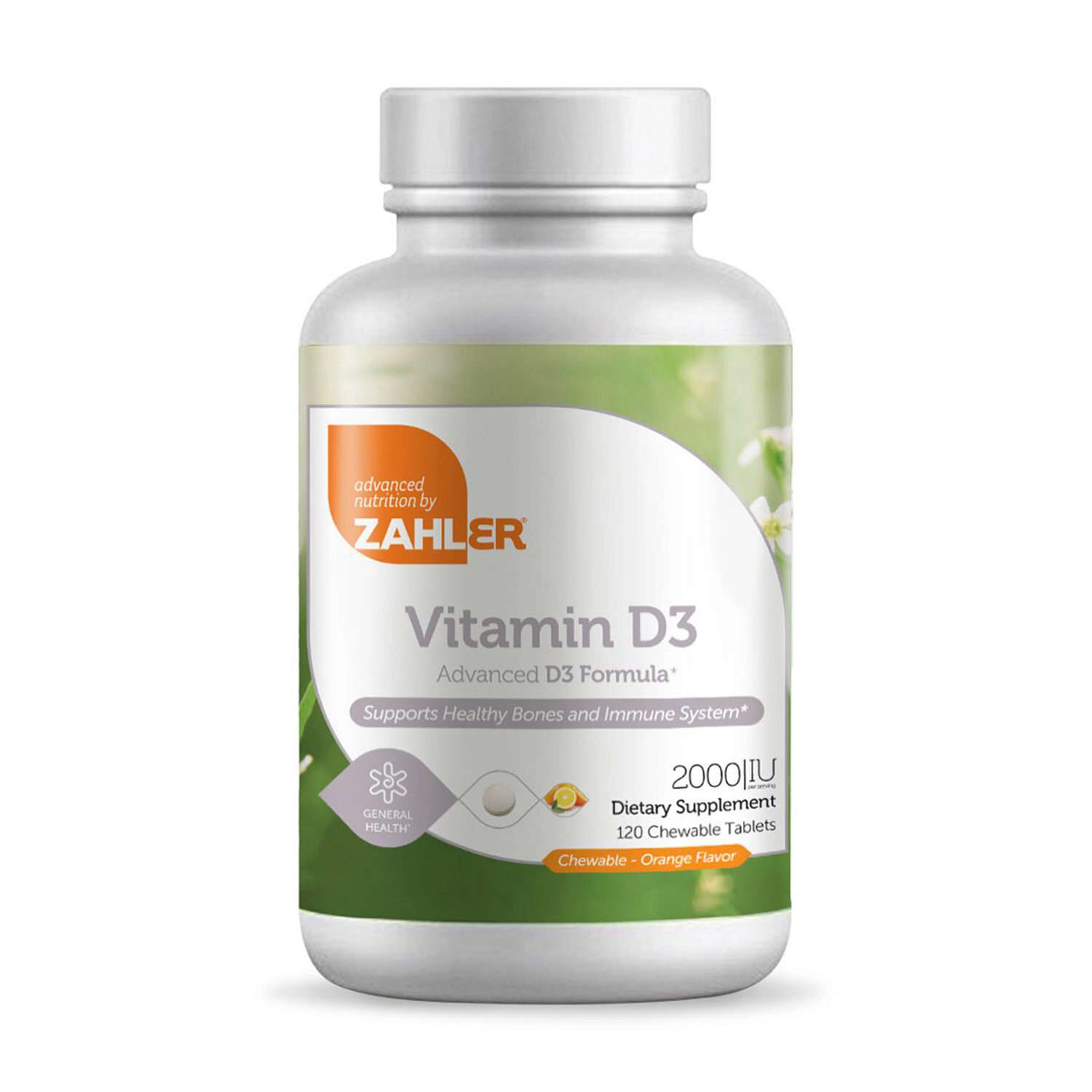
Vitamins with citrus extract combine one or more vitamins, most often vitamin C, with ingredients derived from citrus fruits such as oranges, lemons, limes, or grapefruit. Depending on the formula, the citrus ingredient may be a fruit extract, peel extract, or blend of citrus bioflavonoids. These terms describe different ingredients, so two citrus-focused supplements can have quite different compositions even when their names sound similar. Citrus bioflavonoids are naturally occurring plant compounds found in citrus fruits; ingredient lists may identify individual compounds such as hesperidin or describe them collectively as a citrus bioflavonoid complex. Vitamin C and citrus extract are separate label details: the vitamin may appear as ascorbic acid or another named form, while the citrus component appears elsewhere in the formula. A citrus reference alone does not establish that all of the vitamin C comes directly from fruit. Some formulas pair vitamin C with a citrus extract, while others include citrus ingredients alongside several vitamins and minerals. The distinction between an extract, a fruit powder, and a flavoring also matters. An extract is made from selected plant material through an extraction process, while a fruit powder and an orange flavor describe different ingredient types. Neither a bright orange color nor a tangy taste confirms the presence of citrus extract. For a clearer picture of a formula, the Supplement Facts panel and ingredient list provide more useful detail than fruit imagery on the package. Those sections identify the nutrients, serving size, and named citrus components, although the amount of each ingredient may not always be listed separately. A statement naming the plant part, such as orange peel, adds another useful detail about the ingredient’s source. This category brings together formulas with a shared citrus connection, but the actual vitamin content, botanical ingredients, and serving format remain the defining differences between them.
The physical format is another distinction among vitamins with citrus extract, especially for adults considering how a supplement might fit into an established routine. Capsules, tablets, chewables, gummies, and powders each involve a different experience, from a capsule taken with water to a powder measured and mixed according to its directions. A capsule may appeal to someone who prefers little flavor, while a chewable could suit someone who enjoys a more noticeable citrus taste. Capsule shells may contain gelatin or plant-derived materials such as cellulose; gummies may use gelatin or pectin. These ingredients matter to shoppers with dietary preferences, and the presence of a fruit extract does not, by itself, describe the rest of the formula. Gummies and chewables can also contain sugars, sweeteners, colors, and ingredients used for texture. Powders have their own details to consider, including serving measurements, mixing directions, and whether the package contains individual portions or a larger container. Texture and flavor are separate from nutrient content: a citrus-flavored gummy and a capsule containing citrus peel extract are not interchangeable descriptions. For shoppers whose main interest is an orange taste, Orange Flavored Vitamins offers a related category, though orange flavor and citrus extract should still be treated as distinct features. A person who enjoys a tangy chewable after breakfast may prioritize taste and texture, while someone who keeps supplements beside a water glass may prefer a capsule format. The number of pieces in a serving deserves attention as well. One serving might consist of more than one capsule, tablet, or gummy, and the amounts on the Supplement Facts panel refer to that stated serving. Package counts therefore tell only part of the story. Serving format, ingredient composition, and the directions together give a more useful sense of what taking a particular type of formula would involve.
Intended use and label detail help distinguish a straightforward vitamin C formula with citrus extract from a broader combination containing additional nutrients and botanical ingredients. An adult looking for a single-nutrient supplement may have different preferences from someone comparing formulas with several vitamins and minerals. Age designations also matter; a fruit flavor or gummy shape is not enough to determine the intended user. The package directions and age information describe that more clearly. Across formats, meaningful points of comparison include the named vitamin forms, amounts per serving, citrus source, other ingredients, and any stated dietary attributes. A short ingredient list is not automatically a better match for every shopper, just as a longer list does not establish a more suitable formula. Someone who prefers a plant-derived capsule shell may focus on capsule materials, while someone with a particular food allergy may pay closer attention to ingredient and allergen statements. Packaging and storage are practical considerations, too. A well-closed container stored as directed, away from moisture and direct sunlight, may help preserve the product’s intended condition. A dry cupboard away from a sink is a different setting from a damp bathroom shelf, and leaving the original label attached keeps serving directions and ingredient information close at hand. For travel, retaining the labeled packaging also keeps those details accessible rather than separating the contents from their identification. Powders may have specific instructions about closing the container and using a dry measuring utensil; gummies and chewables may have their own storage directions. The printed date and any package-specific handling instructions remain relevant regardless of the citrus source. Ultimately, vitamins with citrus extract are best understood through their actual composition rather than an assumed connection between fruit flavor and nutritional content. Clear labeling makes it easier to distinguish the vitamin, the citrus ingredient, and the format, allowing personal preferences about taste, texture, dietary ingredients, and everyday use to shape the comparison.
Best Sellers

Related Pages

Top Collections
- Joint Mobility Supplement Packs
- Daily Collagen Supplements | Top Brands & Deals | GNC
- GLP 1 Support For Adults
- Zinc Supplements | Top Brands at Great Prices | GNC
- Supplements For Yoga Joint Flexibility
- Supplements For Balance
- Capsule Supplements For Energy And Stamina
- Adult Mobility Supplements
- Chronic Fatigue Supplements
- Vitamins For Hair Loss