





Water Soluble Vitamin C Supplements
(0 Results)
Water soluble vitamin C supplements offer a convenient way to support your daily wellness routine. These supplements are designed for easy mixing with water, making them a popular choice for those seeking flexibility in their supplement regimen. With a variety of forms and flavors available, water soluble vitamin C supplements may fit seamlessly into your lifestyle, whether you’re at home or on the go. Explore options that could help you stay on track with your nutritional goals.
-

-

-
-
-
-

-
-
 Nature's Lab$16.99
-
-

-

-
_Front.jpg?sw=305&sh=305&sm=fit "Pure Way-C Vitamin C and Bioflavonoids 1000+ mg - 90 Tablets (90 Servings) | GNC")


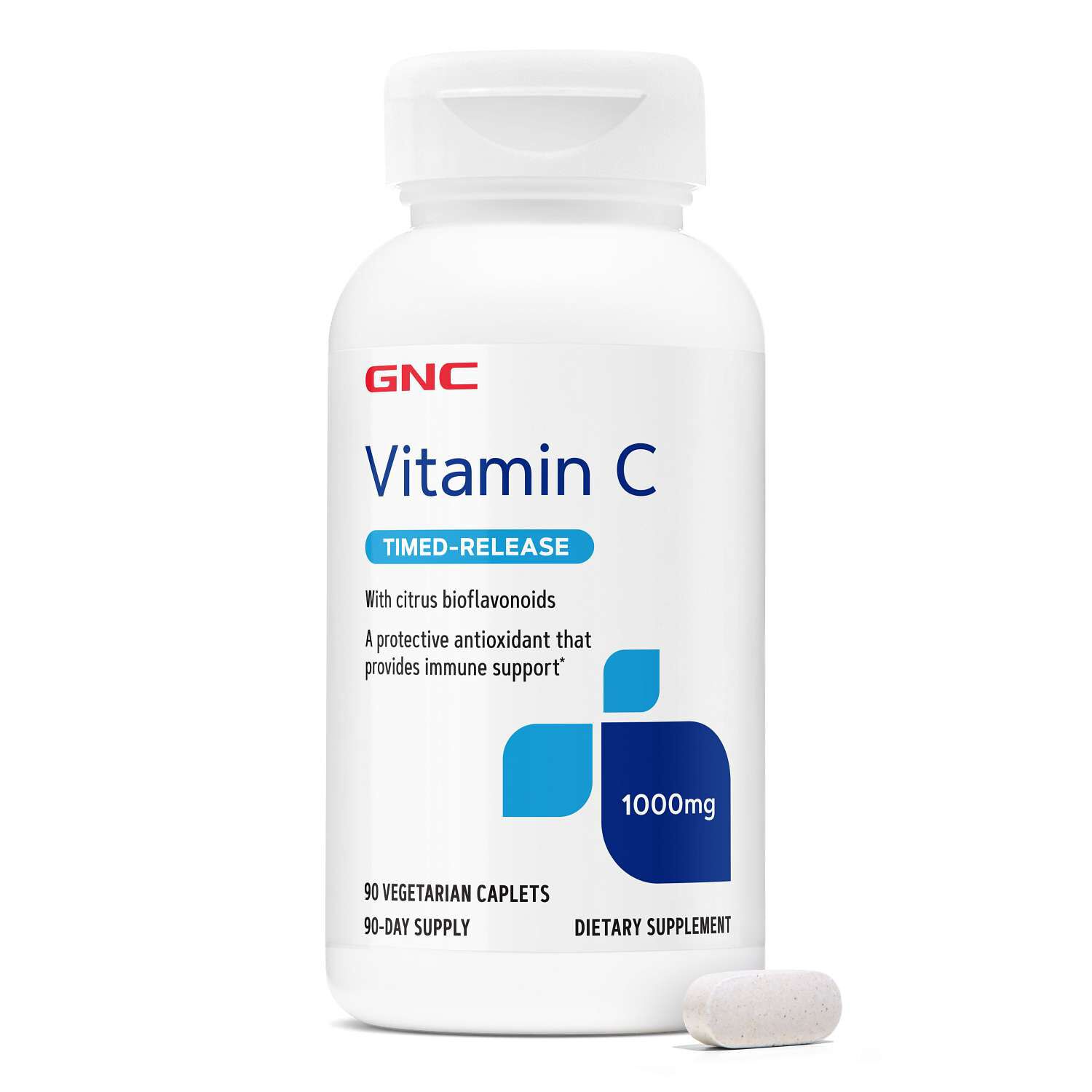
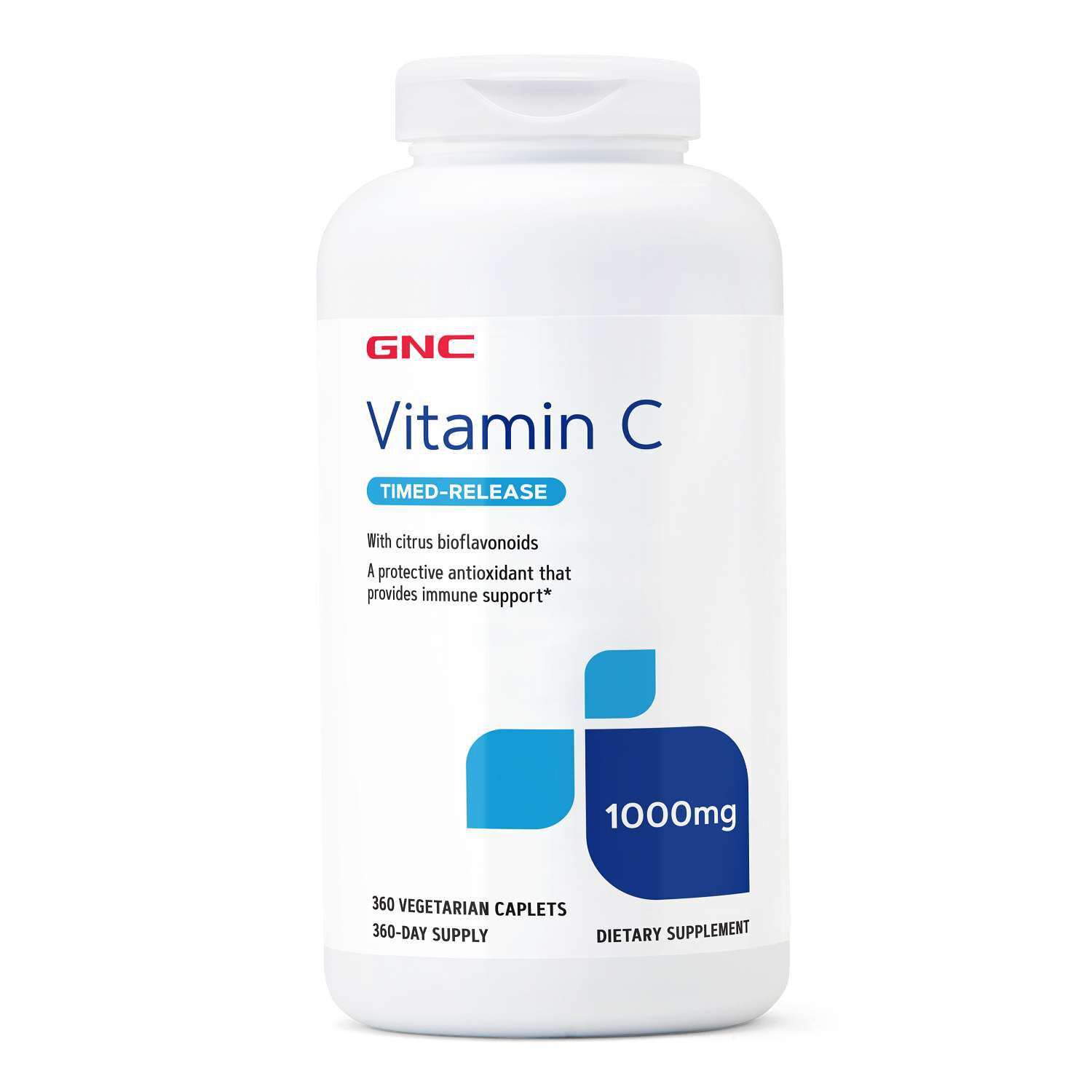


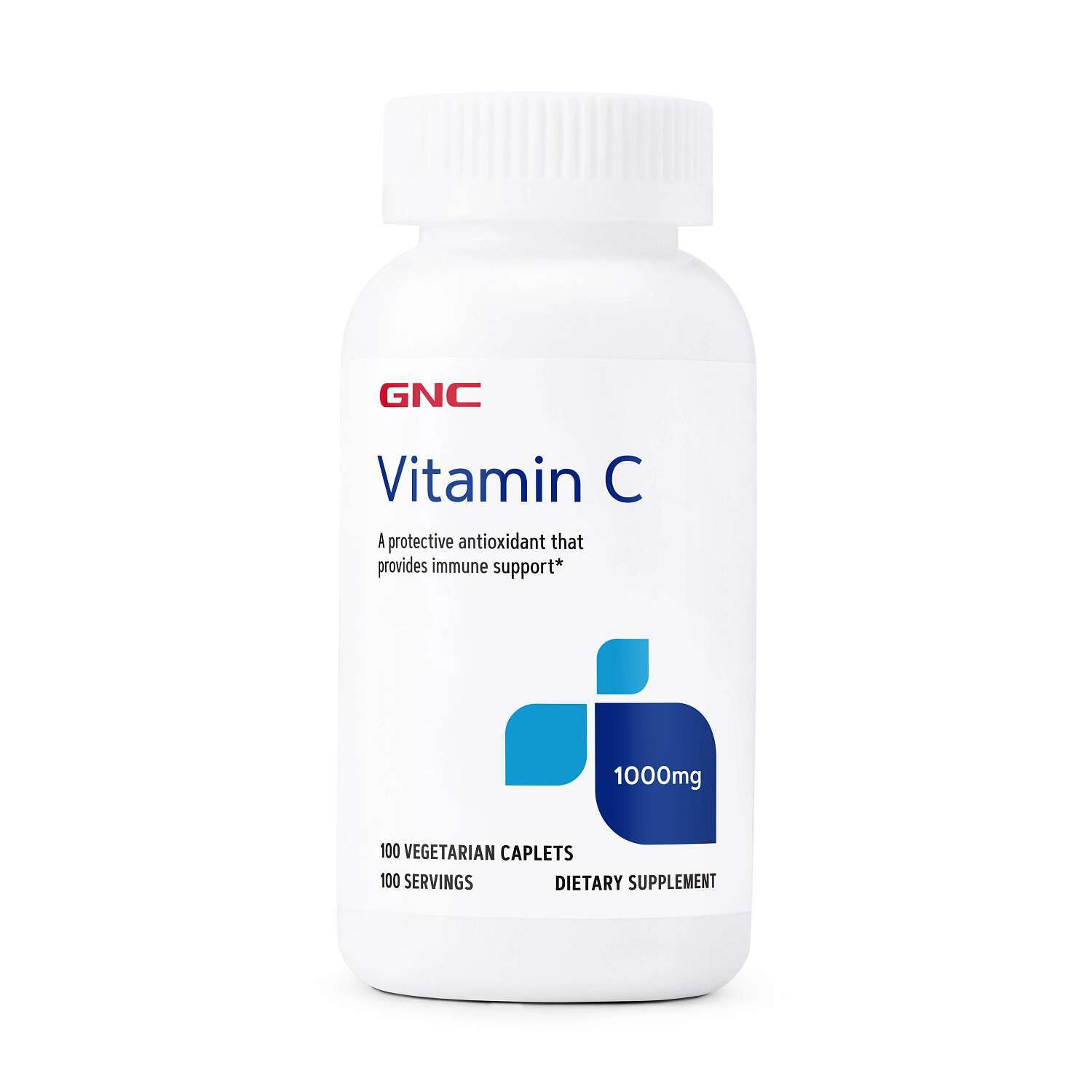
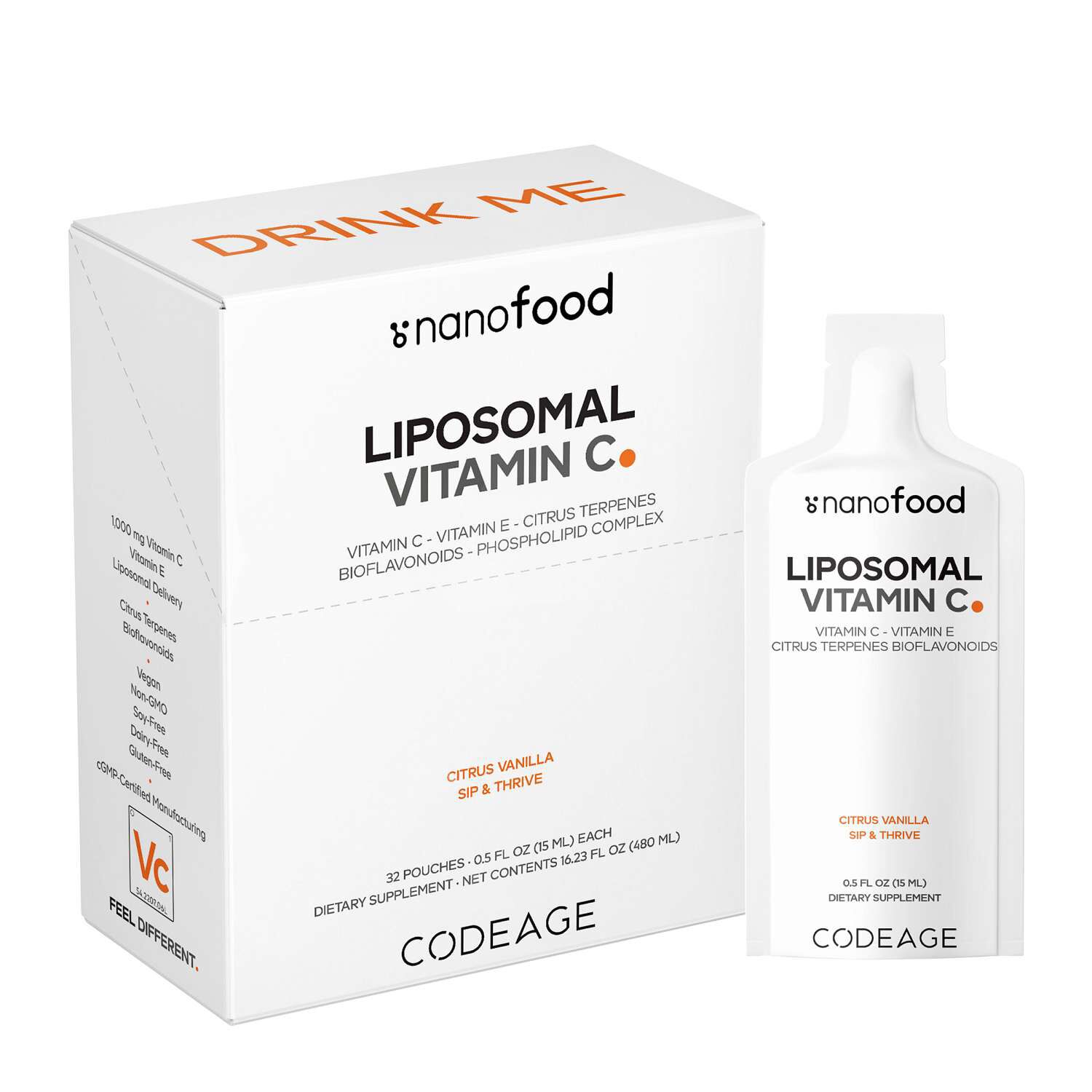
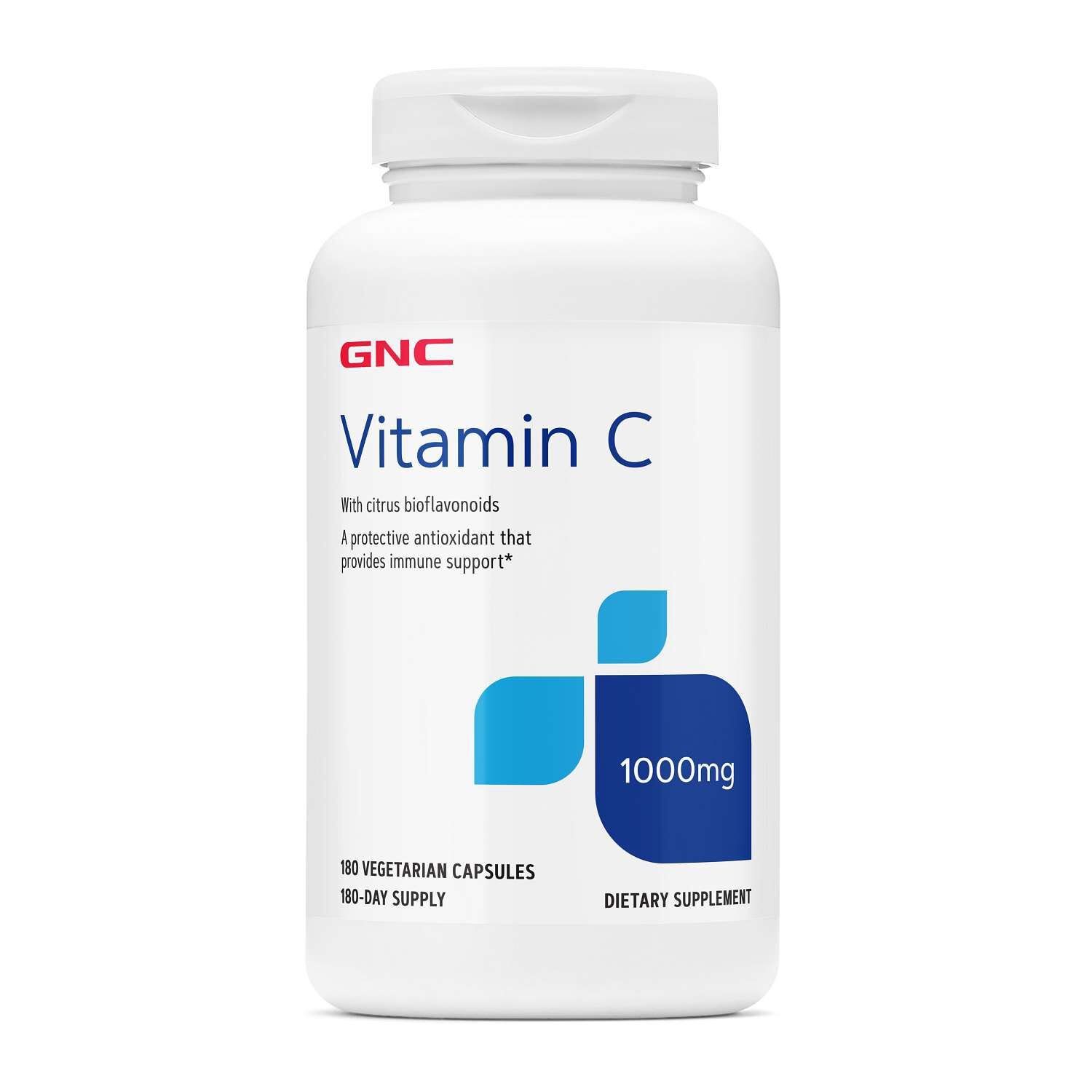
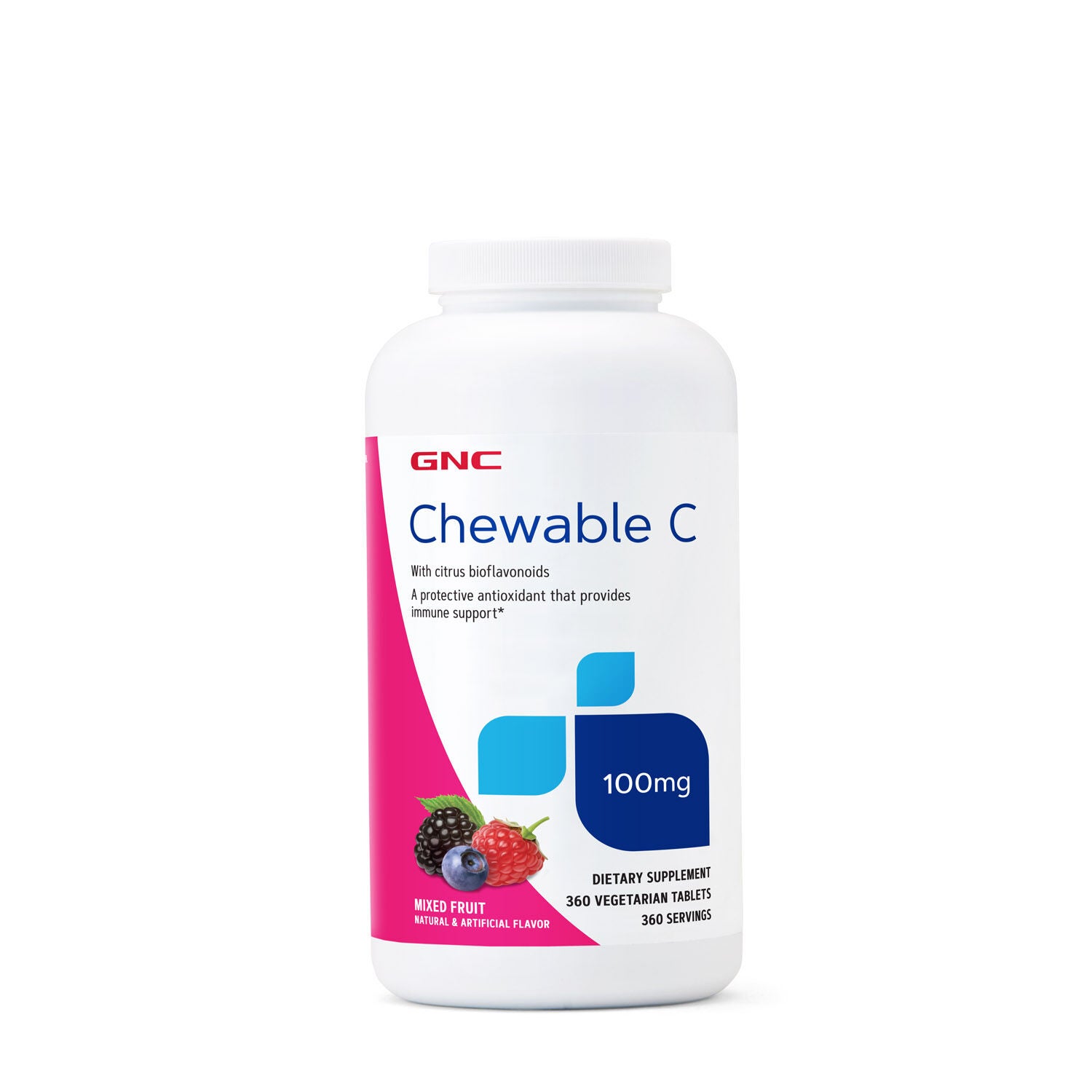
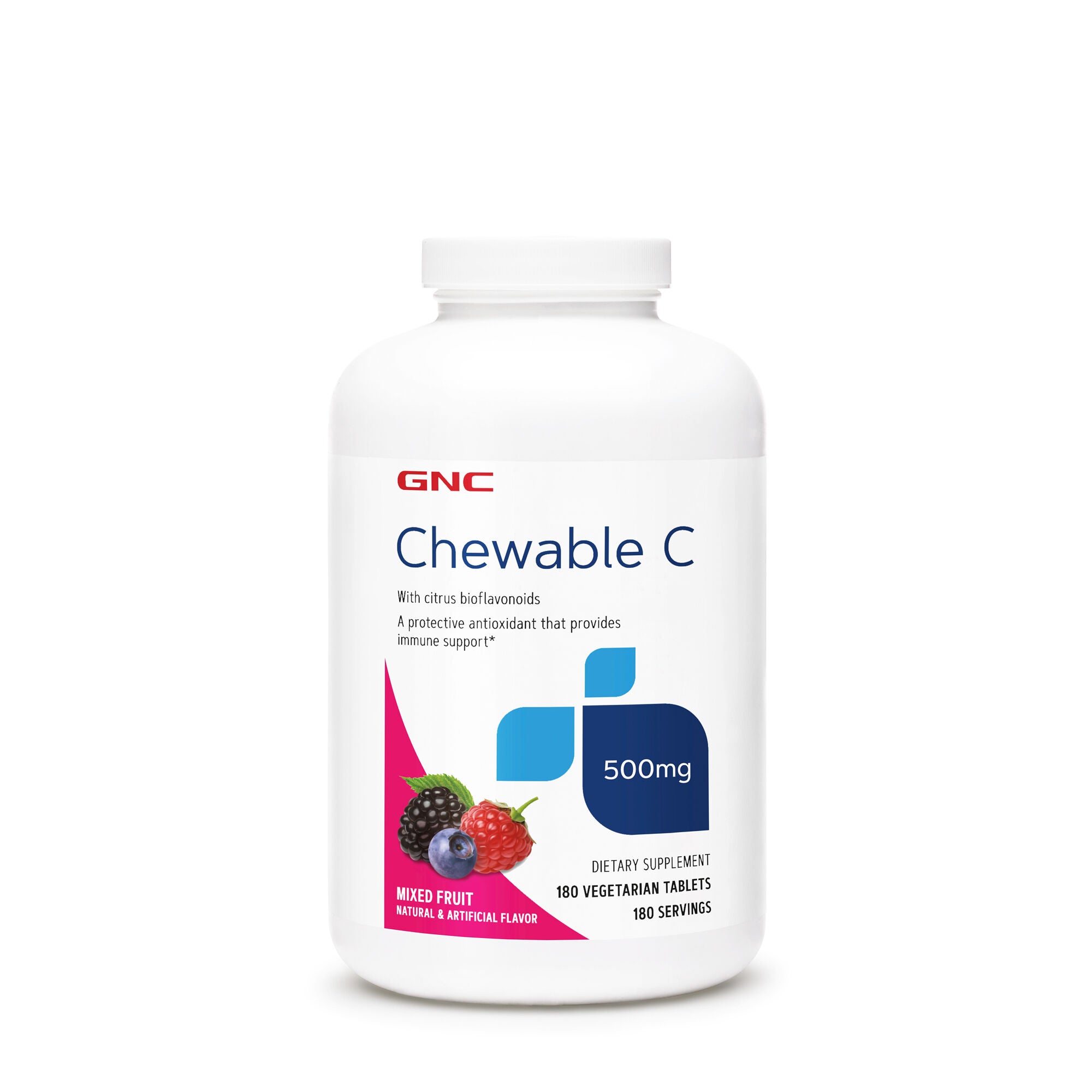
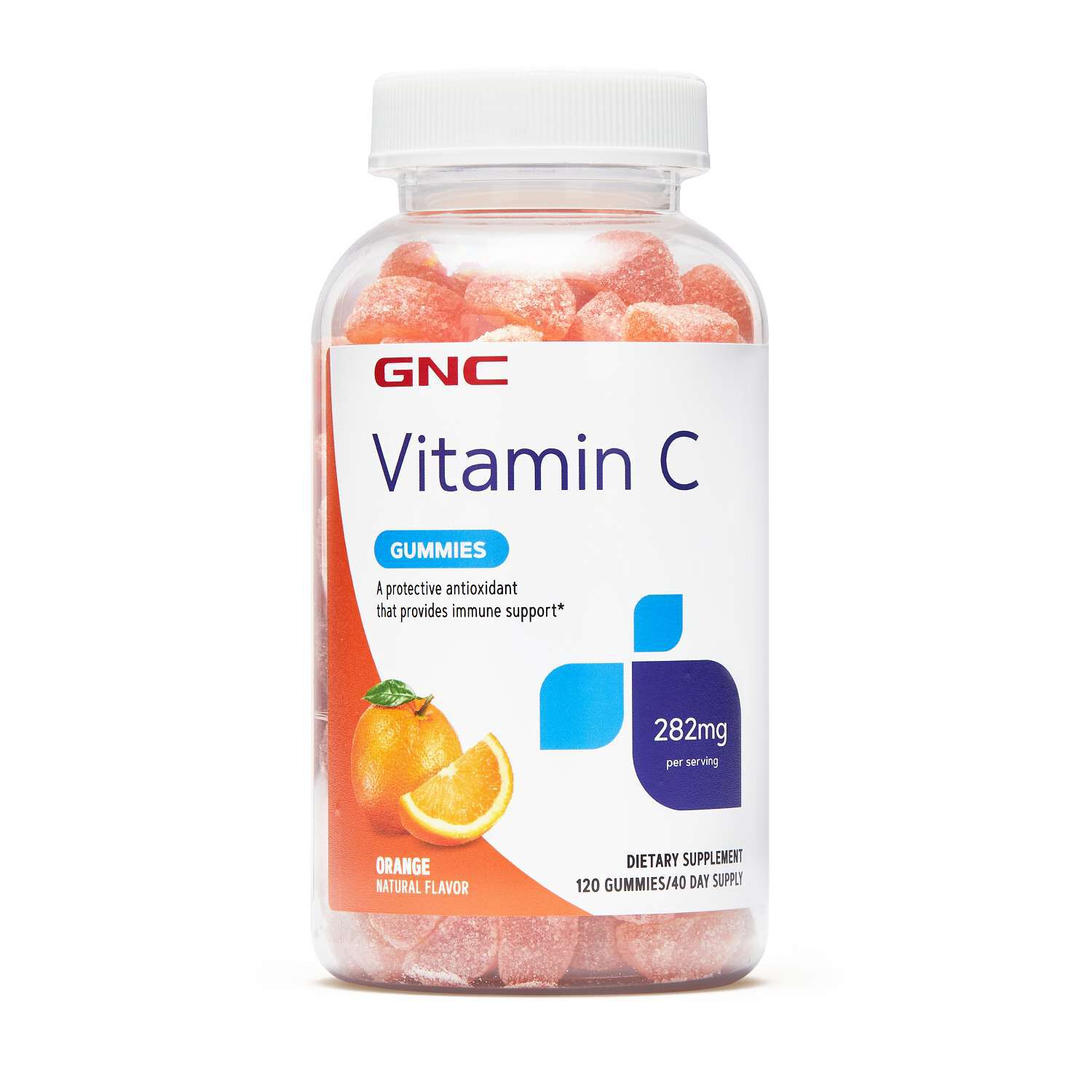
Water-soluble vitamin C supplements contain vitamin C, a nutrient that naturally dissolves in water. Vitamin C is not stored by the body in large amounts, and it occurs naturally in foods such as oranges, strawberries, kiwifruit, bell peppers, and broccoli. Supplements may complement the vitamin C supplied by a varied diet, with formats suited to different preferences and routines. Water solubility describes the nutrient itself; it does not mean every finished supplement is intended to dissolve in a drinking glass. A tablet or capsule may contain water-soluble vitamin C while being designed to swallow, whereas a drink powder is formulated for mixing according to its package directions. This distinction matters when comparing the familiar bottle on a kitchen shelf with a scoopable powder or a carton of individual packets. Ascorbic acid is a common form of vitamin C, while mineral ascorbates, including calcium ascorbate and sodium ascorbate, are other forms used in supplements. These ingredient names describe different chemical forms rather than a change from water-soluble to fat-soluble vitamin C. Beyond the vitamin source, the finished formula may include ingredients that shape its texture, flavor, color, or physical form. Capsules have a shell, chewables have a texture intended for chewing, and flavored powders have a taste profile that becomes part of the drinking experience. Someone who prefers a supplement without a noticeable flavor may approach the category differently from someone who enjoys a citrus-flavored drink alongside breakfast. Neither preference changes what water-soluble means. The practical comparison is between the vitamin source, the amount per serving, the other ingredients, and the way the format fits into an established routine. A straightforward formula and a blend containing several nutrients also represent different shopping choices, even when vitamin C appears prominently on both labels.
The Supplement Facts panel provides a useful basis for comparing water-soluble vitamin C supplements because serving sizes are not necessarily the same across formats. A serving might consist of one capsule, more than one chewable, a measured scoop, or a specified amount of liquid. The vitamin C amount shown per serving therefore deserves consideration alongside the number of pieces or the volume involved. A large number on the front of a package does not, by itself, describe how much is contained in each individual tablet or gummy. Percent Daily Value provides another label reference, but it is different from the amount expressed in milligrams. Ingredient lists add details that the nutrient panel alone may not convey, including capsule materials, sweeteners, flavorings, and ingredients used to hold a tablet together. Some capsule shells contain gelatin, while others use plant-derived materials; that distinction may matter to shoppers with particular dietary preferences. Chewables, gummies, and drink mixes also differ in sugar content, sweetness, texture, and serving size. An unflavored powder has a different sensory profile from a sweetened fruit-flavored mix, and neither description establishes how it will taste in every beverage. Sodium content is another meaningful point of comparison, especially because sodium ascorbate identifies a sodium-containing form of vitamin C. Ascorbic acid and calcium ascorbate name different vitamin sources, although the rest of a formula still matters when evaluating its sodium content. Shoppers interested in that distinction can also explore Vitamin C Supplements Without Sodium when comparing ingredient lists. Other nutrients, botanical ingredients, or flavor blends may appear alongside vitamin C, so the name on the front is only part of the description. For someone who prefers a short ingredient list, a single-nutrient formula presents a different choice from a broader blend. These differences concern composition and personal preferences, not a reason to assume that a more elaborate formula is a better match.
Everyday handling often makes the differences between supplement formats more tangible. A bottle of capsules takes up a different amount of space from a powder tub with a scoop, and an individually portioned packet involves less measuring than a loose powder. For someone who keeps breakfast simple, a familiar format beside the cereal bowl may fit the routine more naturally than a drink that requires mixing. Someone who already prepares a beverage may prefer a powder, provided the label identifies it as suitable for that use. Powder texture, the recommended mixing volume, and the need for stirring are practical details worth comparing; the fact that vitamin C is water-soluble does not establish that every ingredient in a blend will disappear into a clear liquid. Chewable texture and flavor intensity are similarly personal, particularly for shoppers who dislike a lingering sweet or tart taste. Packaging also shapes the experience over time. A wide opening accommodates a scoop differently from a narrow bottle opening, while a secure closure matters when a container is handled repeatedly. Storage directions, the package date, and the condition of the container remain relevant whether the format is a capsule, gummy, tablet, powder, or liquid. Moisture exposure may change a powder’s texture, and removing supplements from their original packaging separates them from their ingredient information and directions. For households with several supplements on the same shelf, clearly distinguishable labels and readable serving information are useful practical features. Package count also has more meaning when considered with the stated serving size, rather than as an isolated number. A bottle containing many small pieces may represent a different number of servings from a bottle with fewer pieces. Across water-soluble vitamin C supplements, the most useful distinctions remain concrete: the form of vitamin C, the amount in a labeled serving, the supporting ingredients, the taste or texture, and the handling involved. Together, those details describe how a supplement may fit personal preferences without treating water solubility as a special feature unique to one format.
Best Sellers

Related Pages
Top Collections
- Chronic Fatigue Supplements
- Vitamins For Hair Loss
- Capsule Supplements For Energy And Stamina
- Supplements For Yoga Joint Flexibility
- Zinc Supplements For Men
- Best Brand of Magnesium Glycinate
- Cortisol Supplements
- Supplements For Energy And Wellness
- Joint Mobility Supplement Packs
- Peptide Supplements