





Women's Multivitamins For Brain Support
(0 Results)
Women’s multivitamins for brain support are designed to help fill nutritional gaps and offer key nutrients that may contribute to overall well-being. With a focus on supporting women’s unique health needs, these multivitamins could be an easy addition to your daily routine. Explore a variety of options that might help you prioritize your wellness goals and maintain a balanced lifestyle.
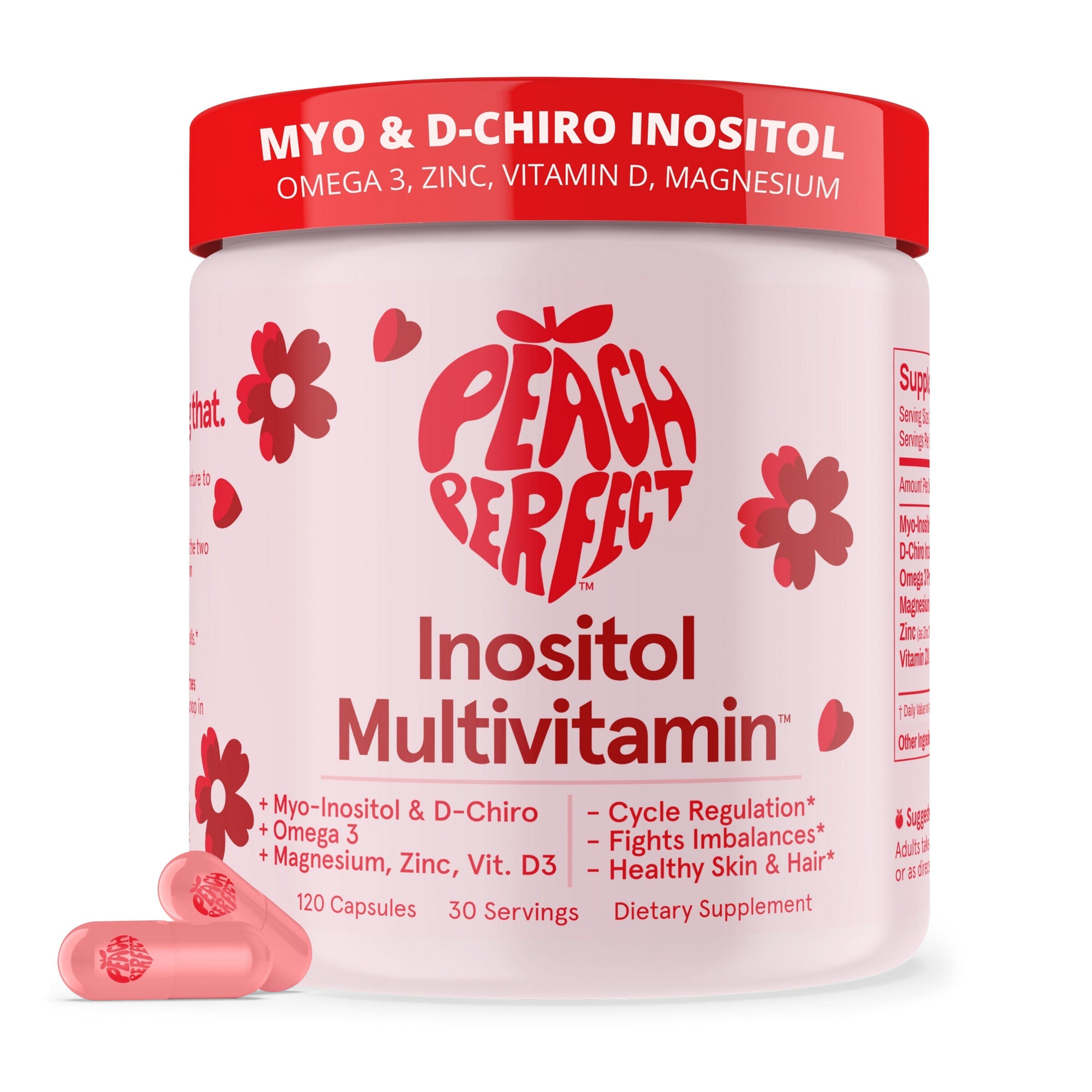
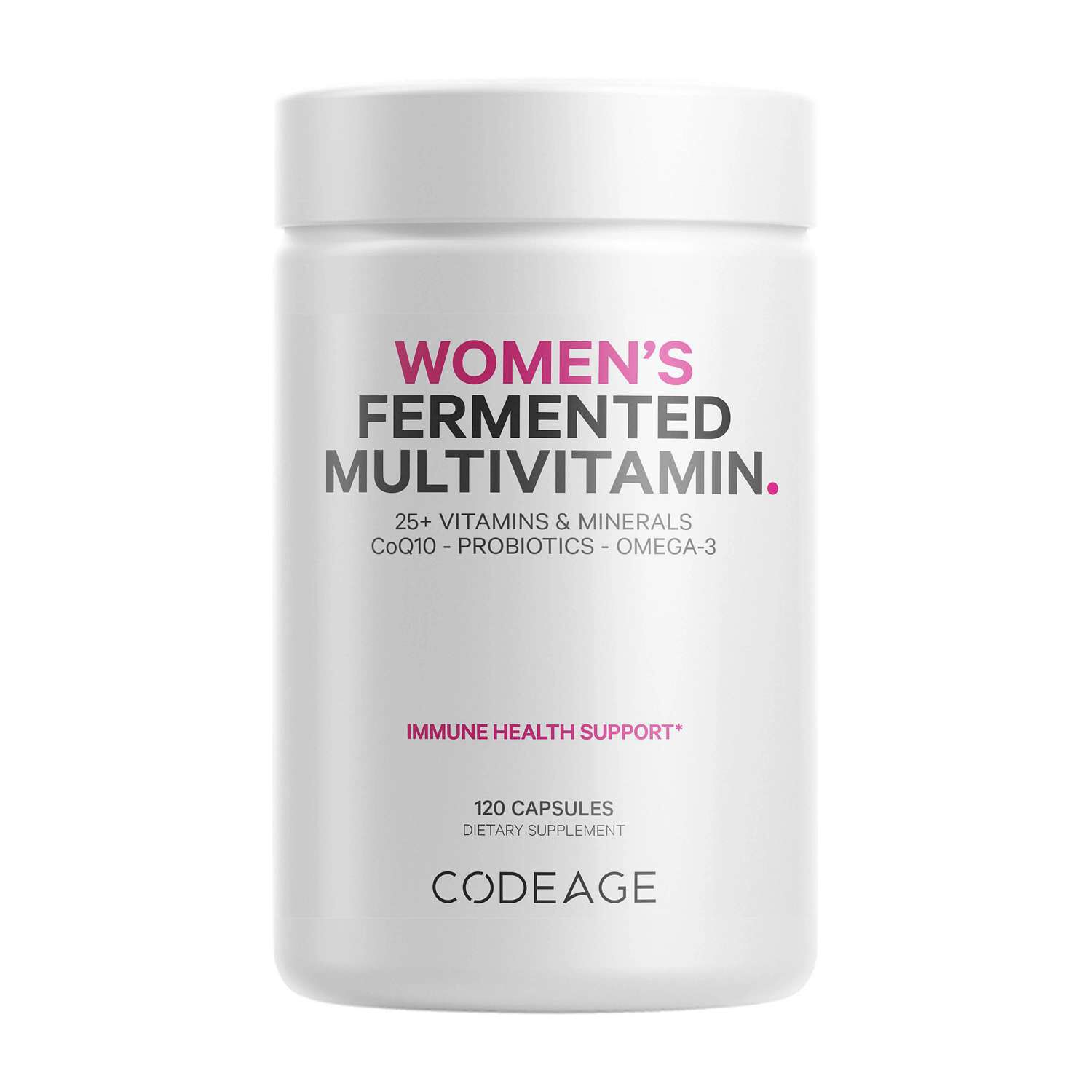
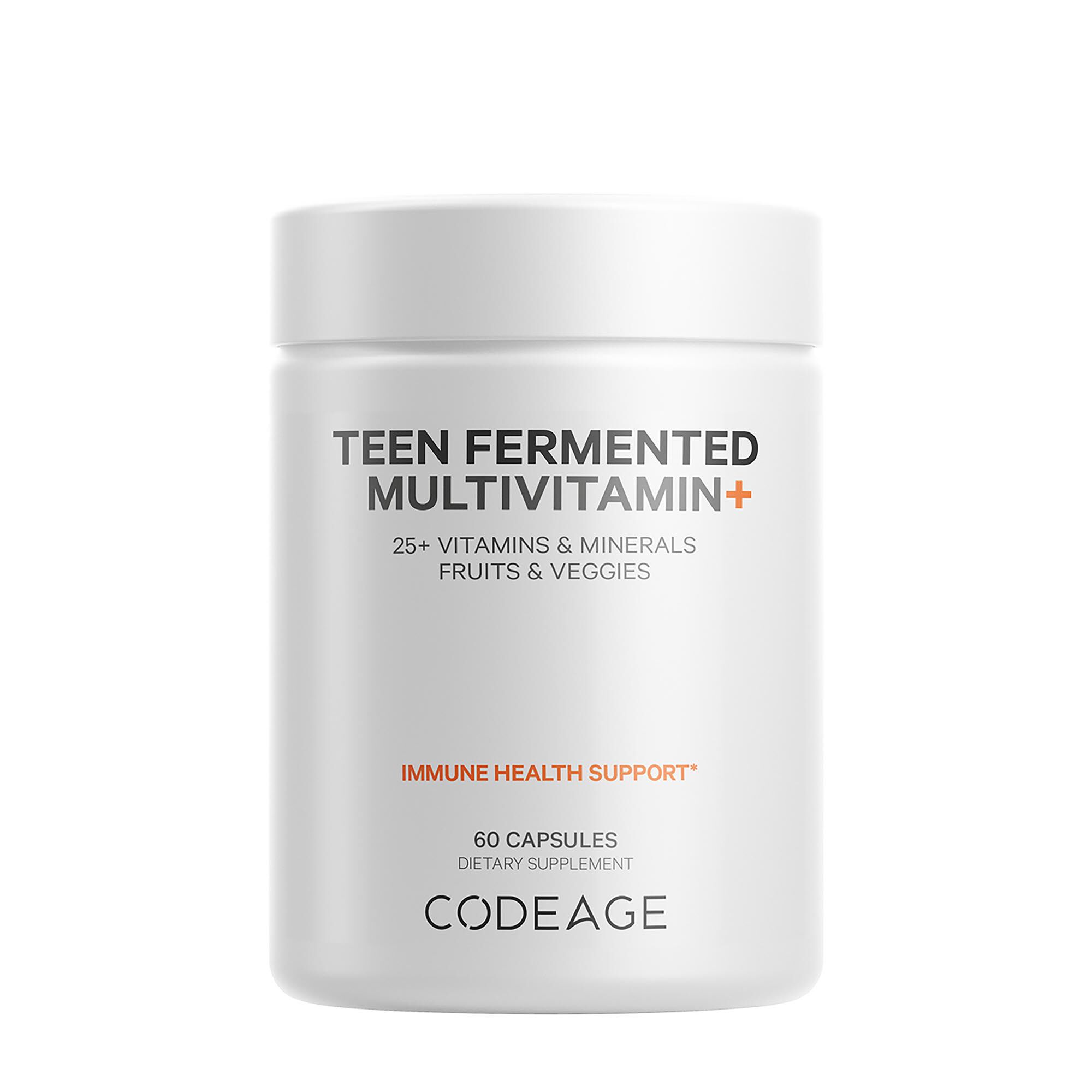
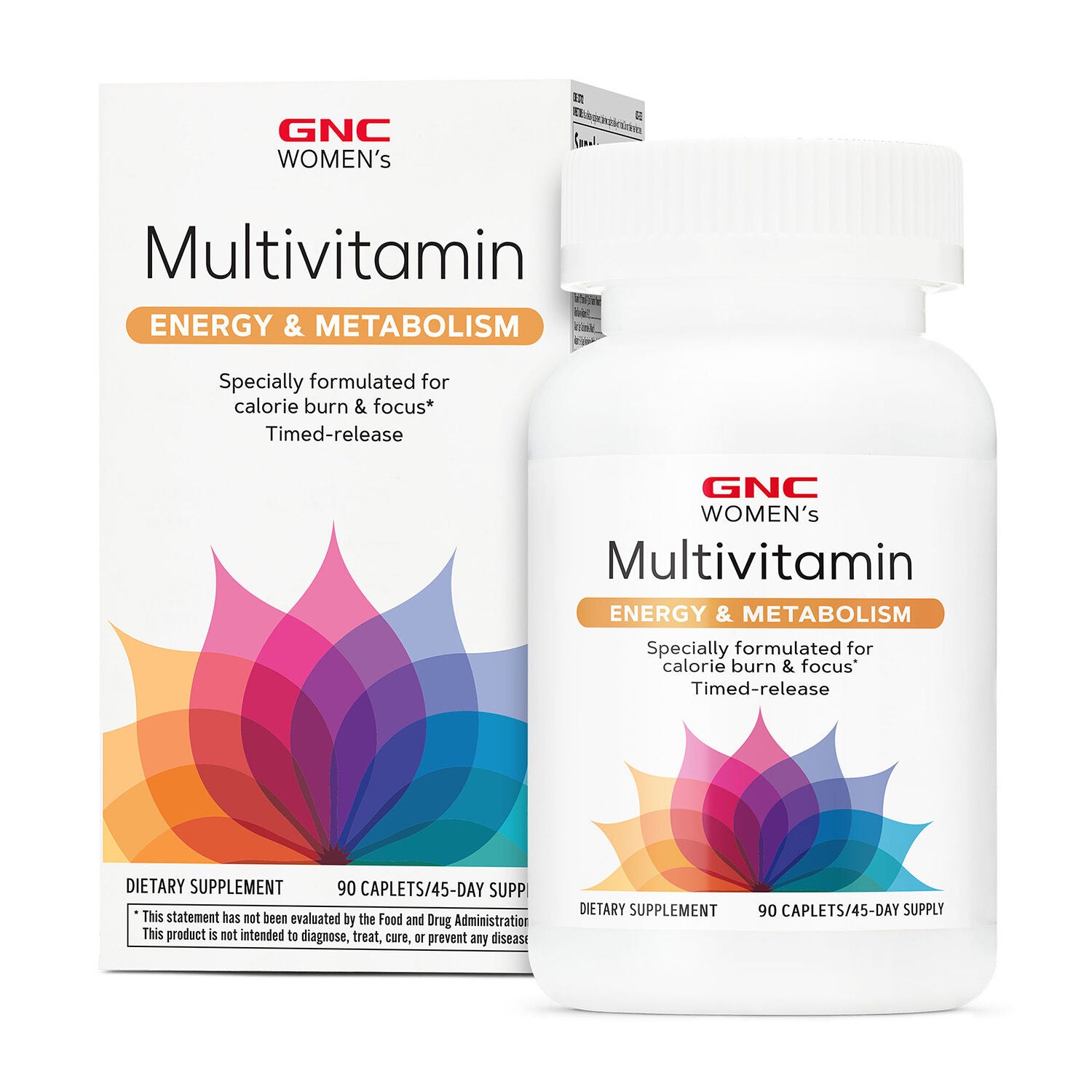

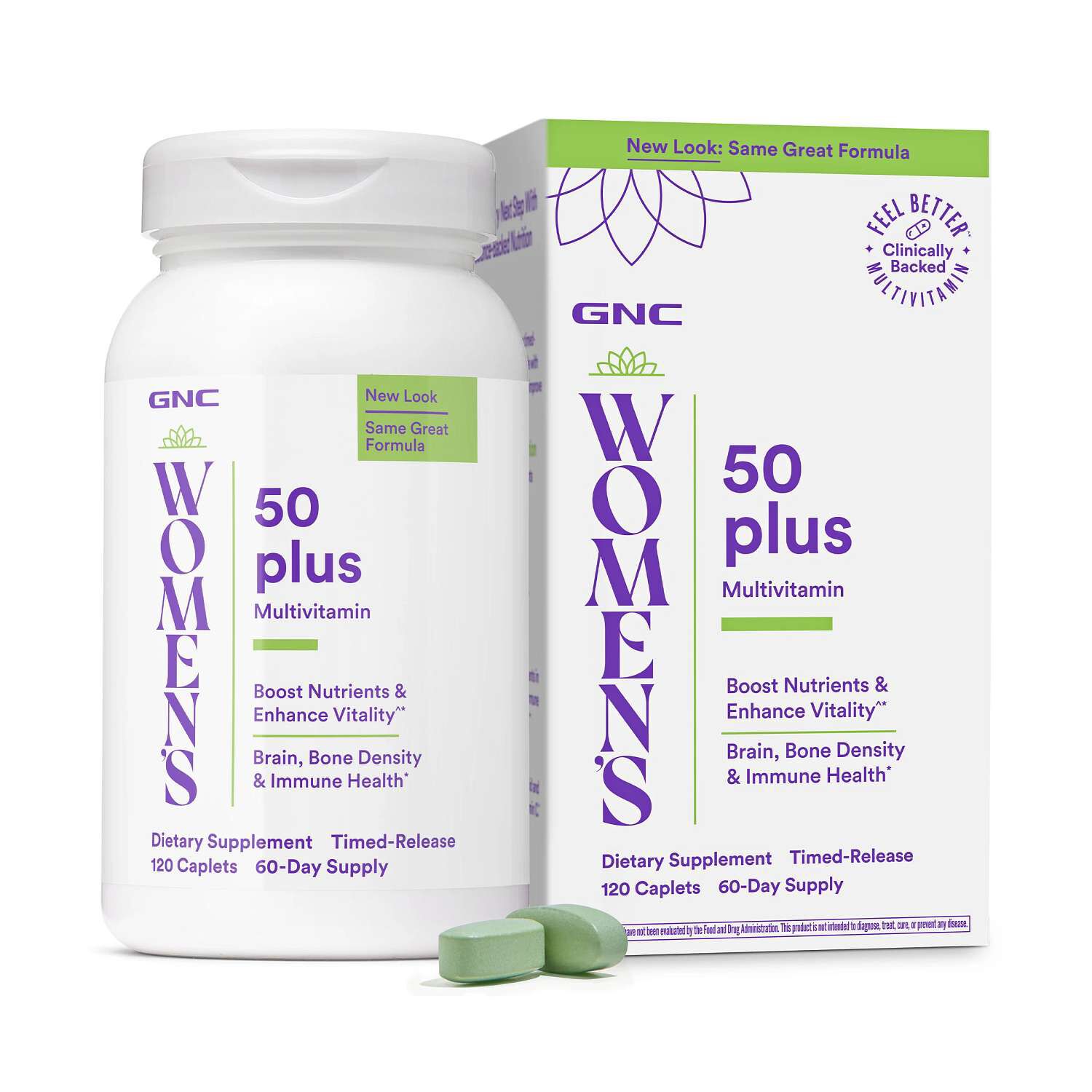
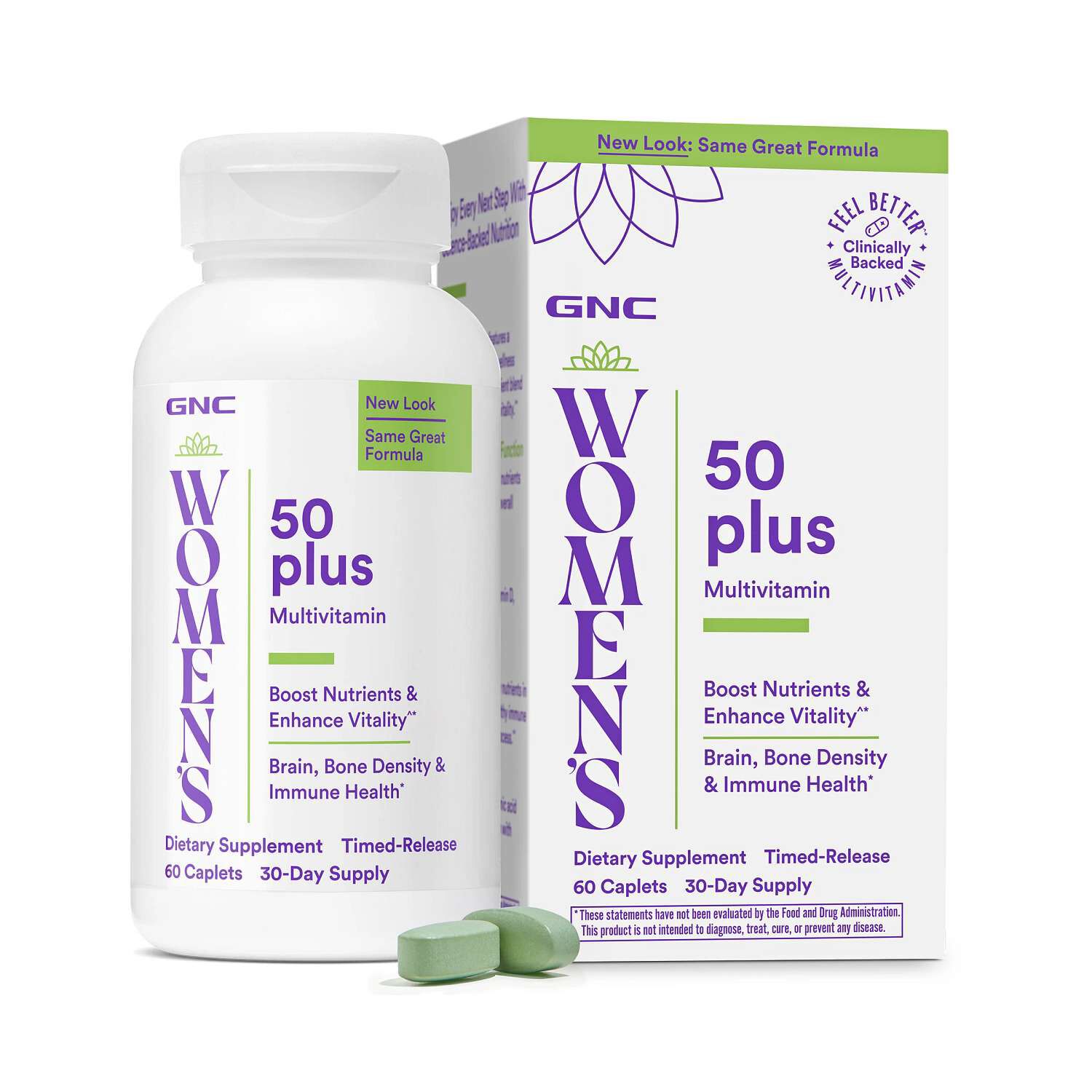
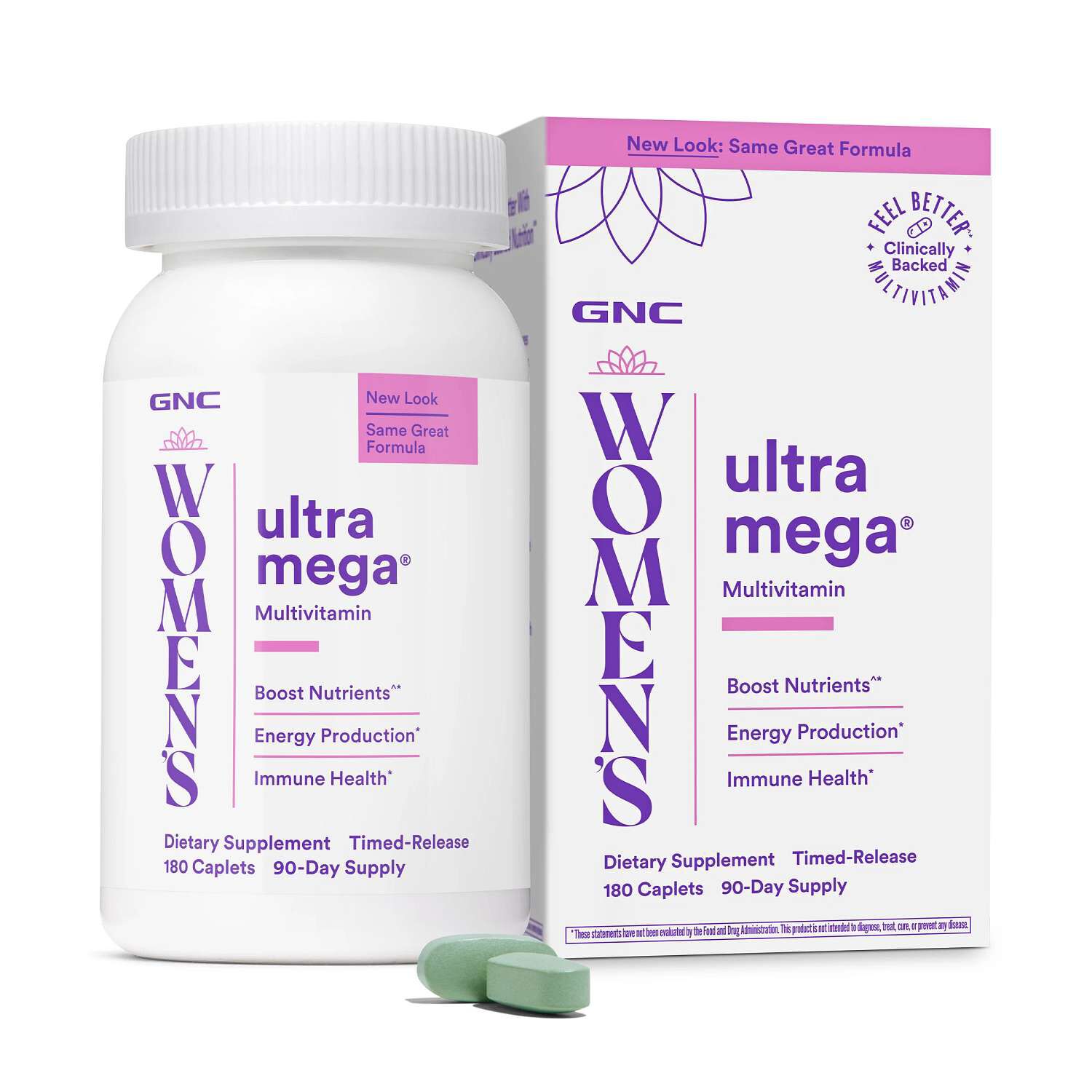
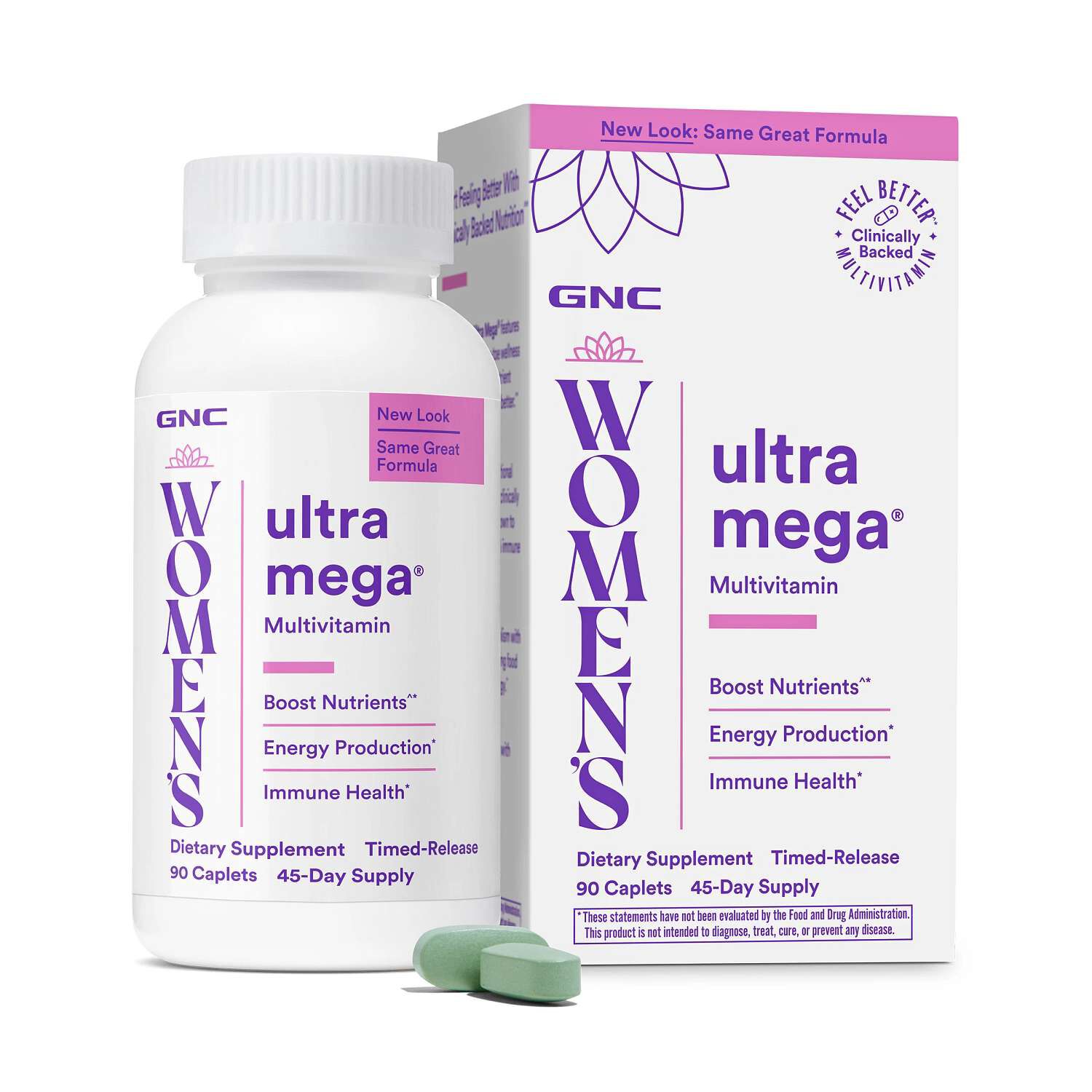
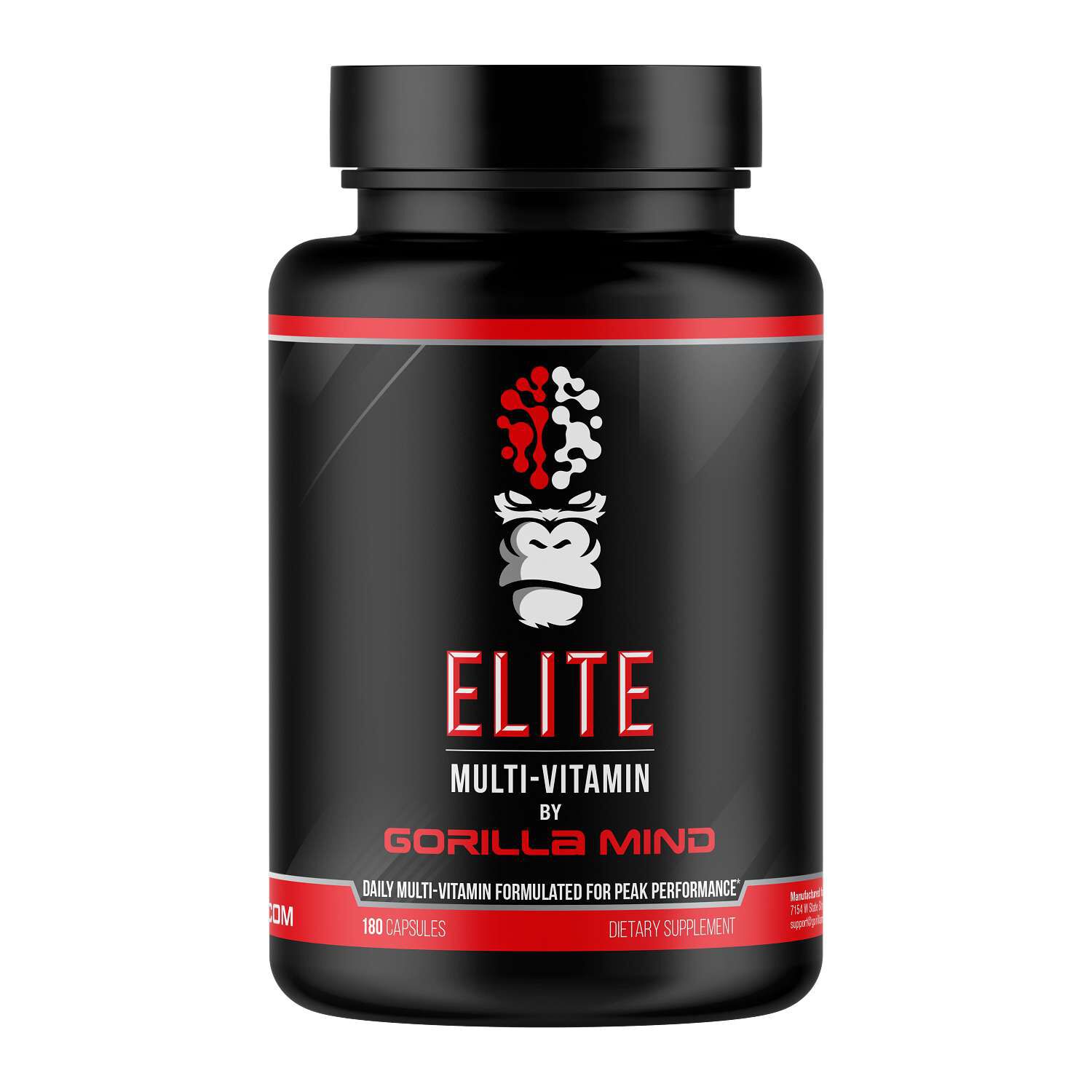
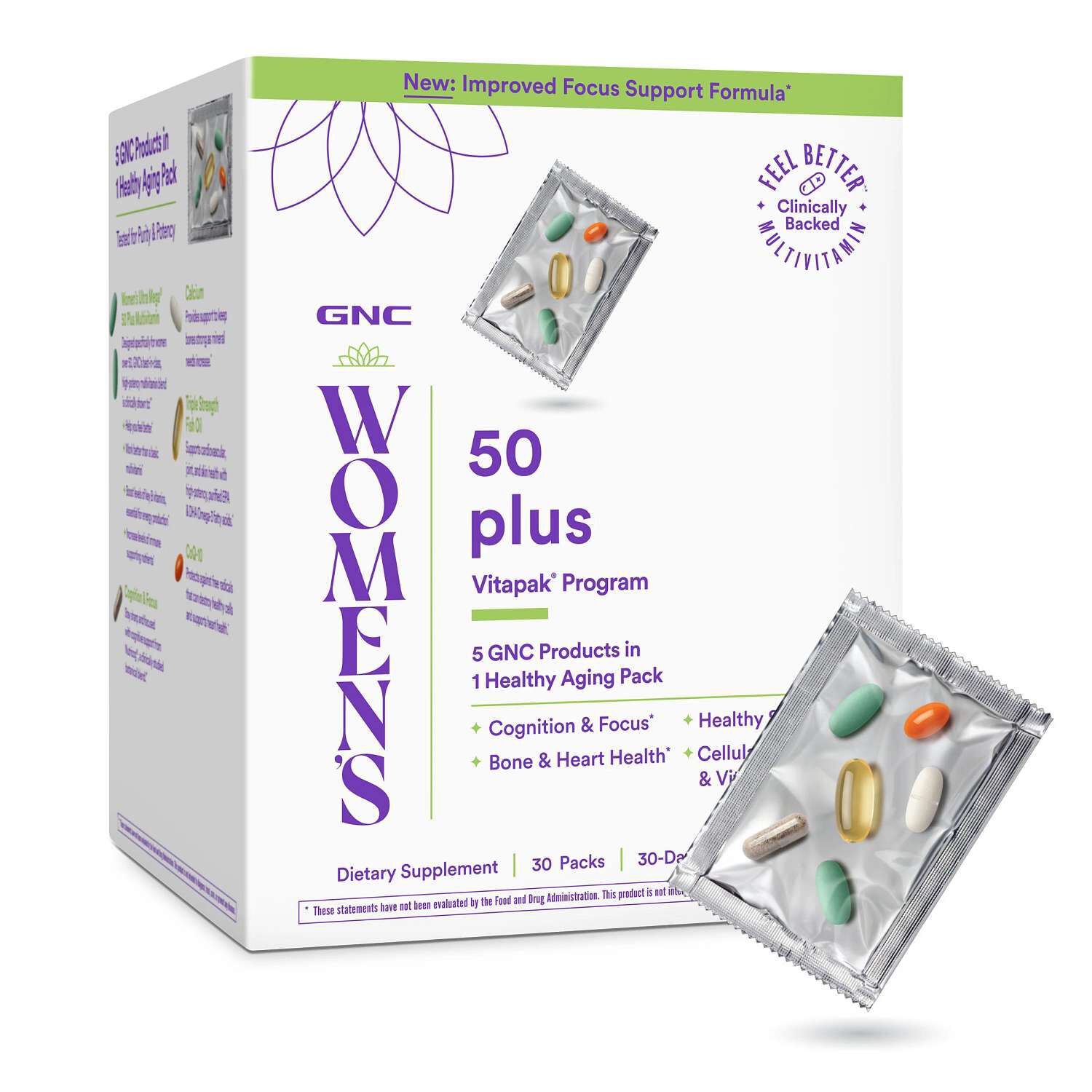
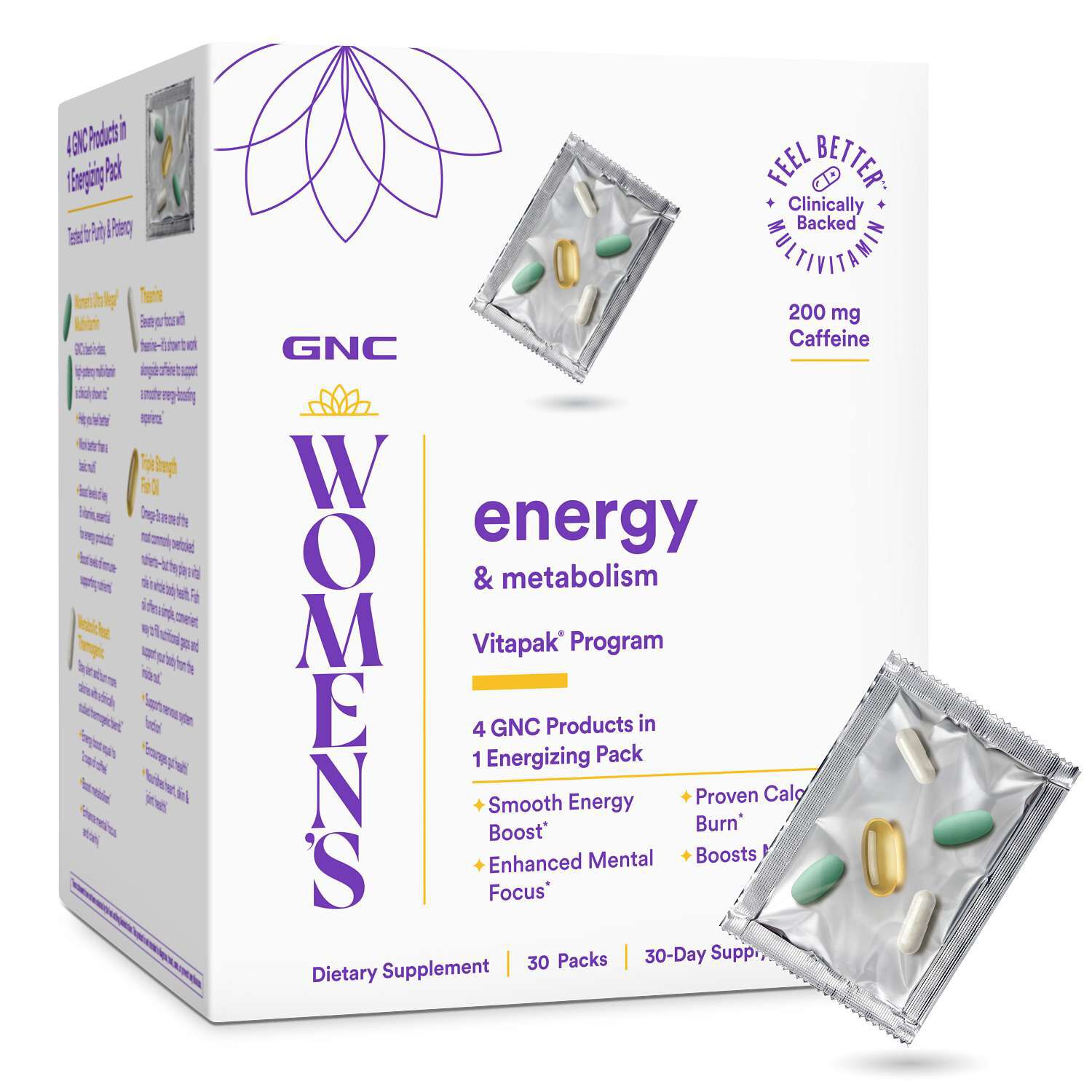
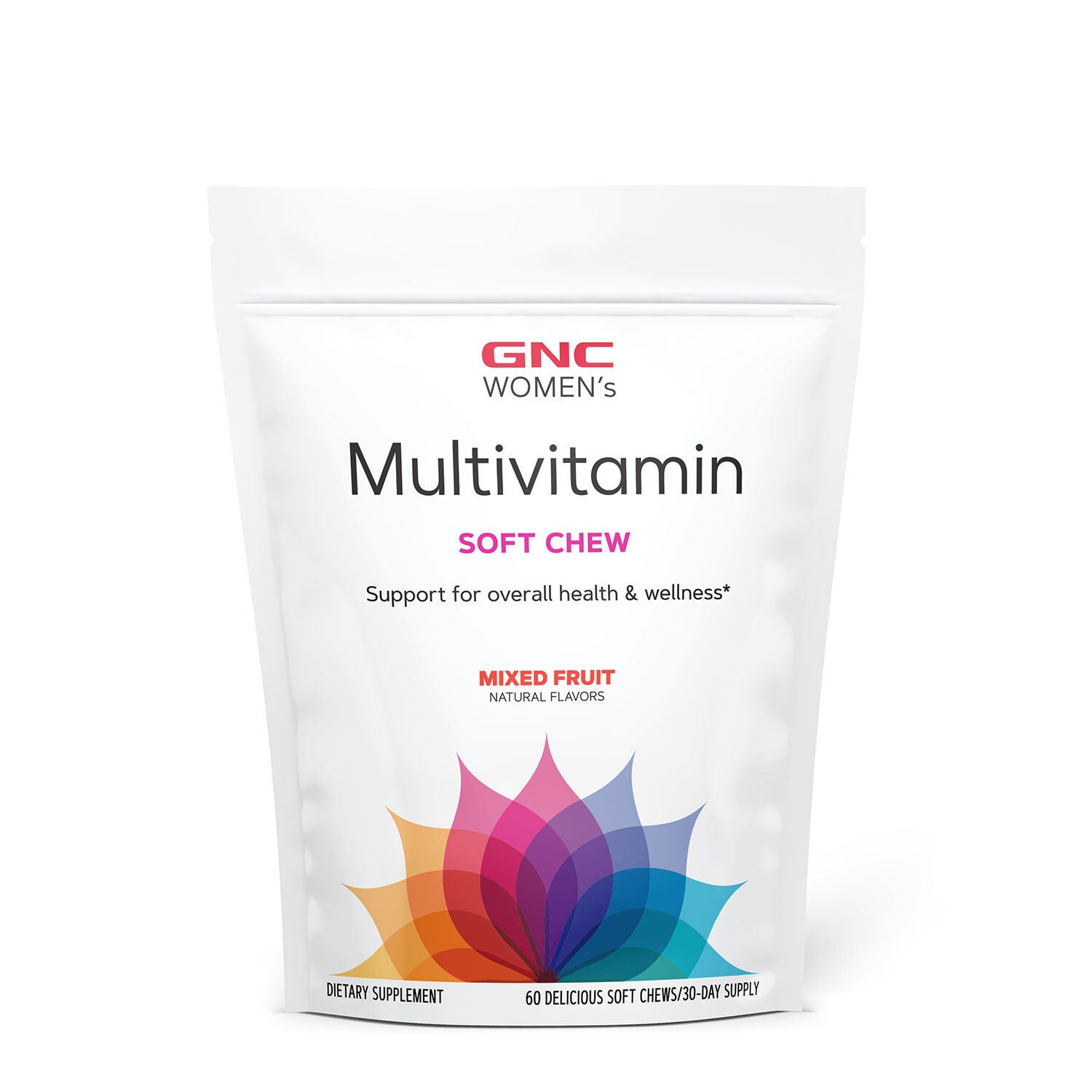


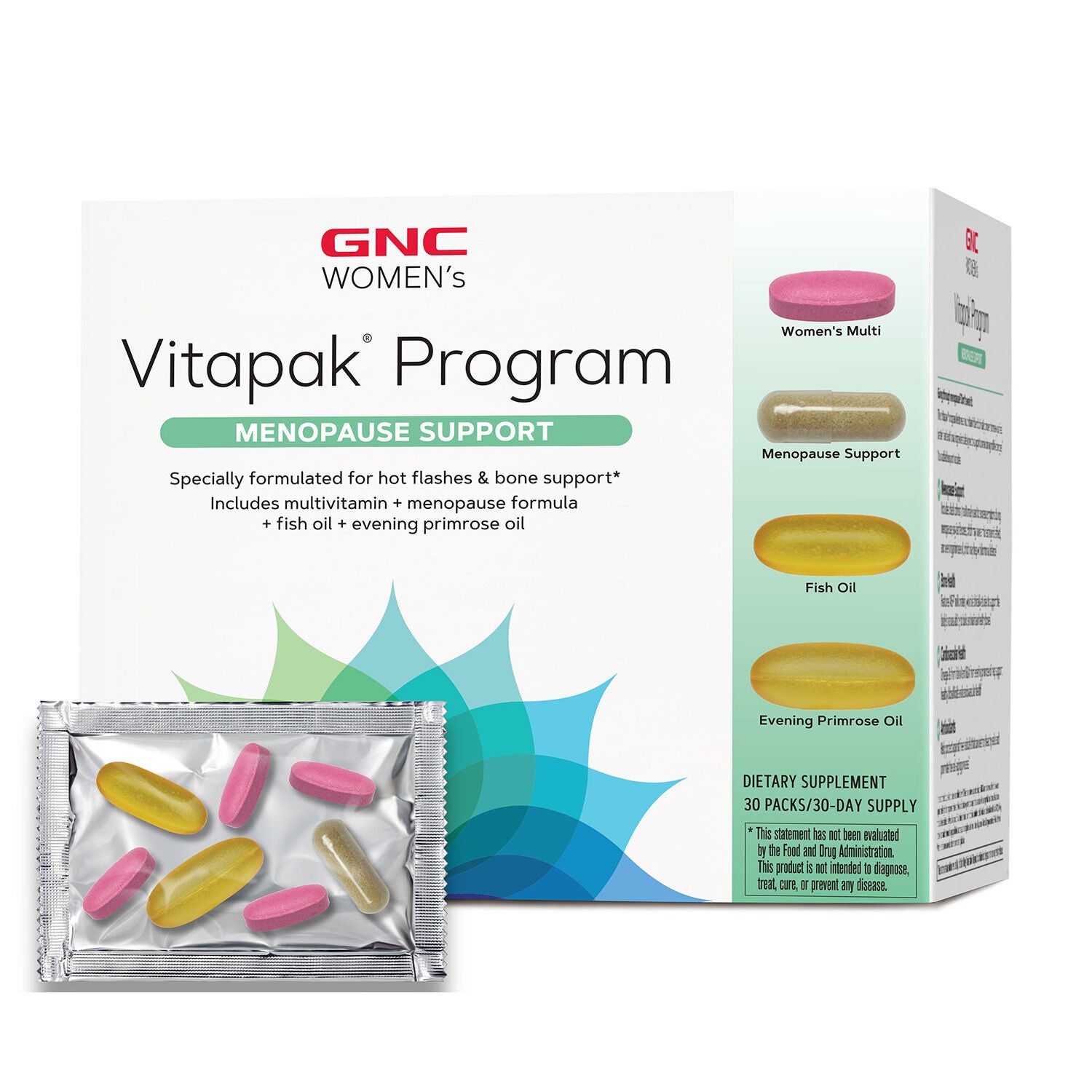
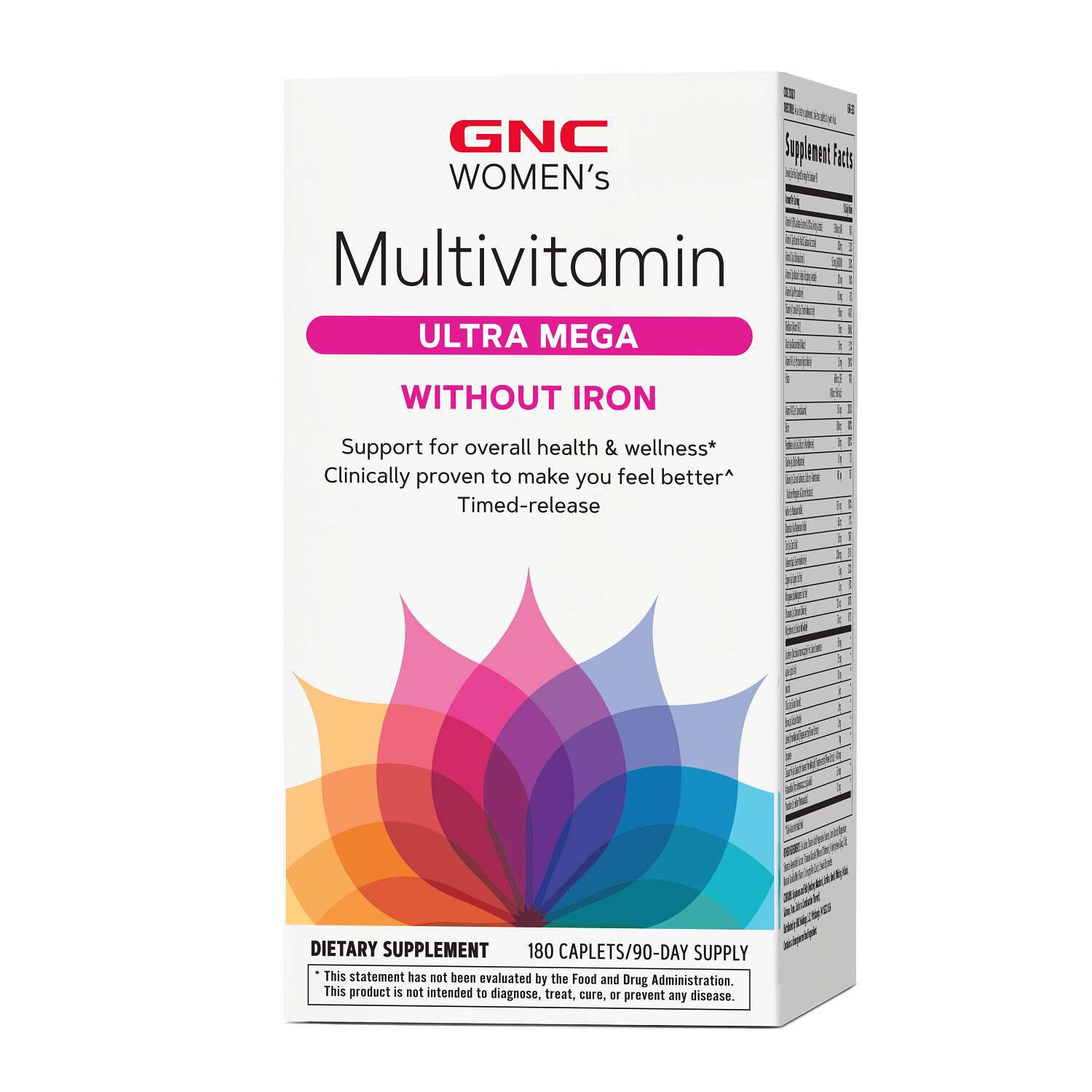
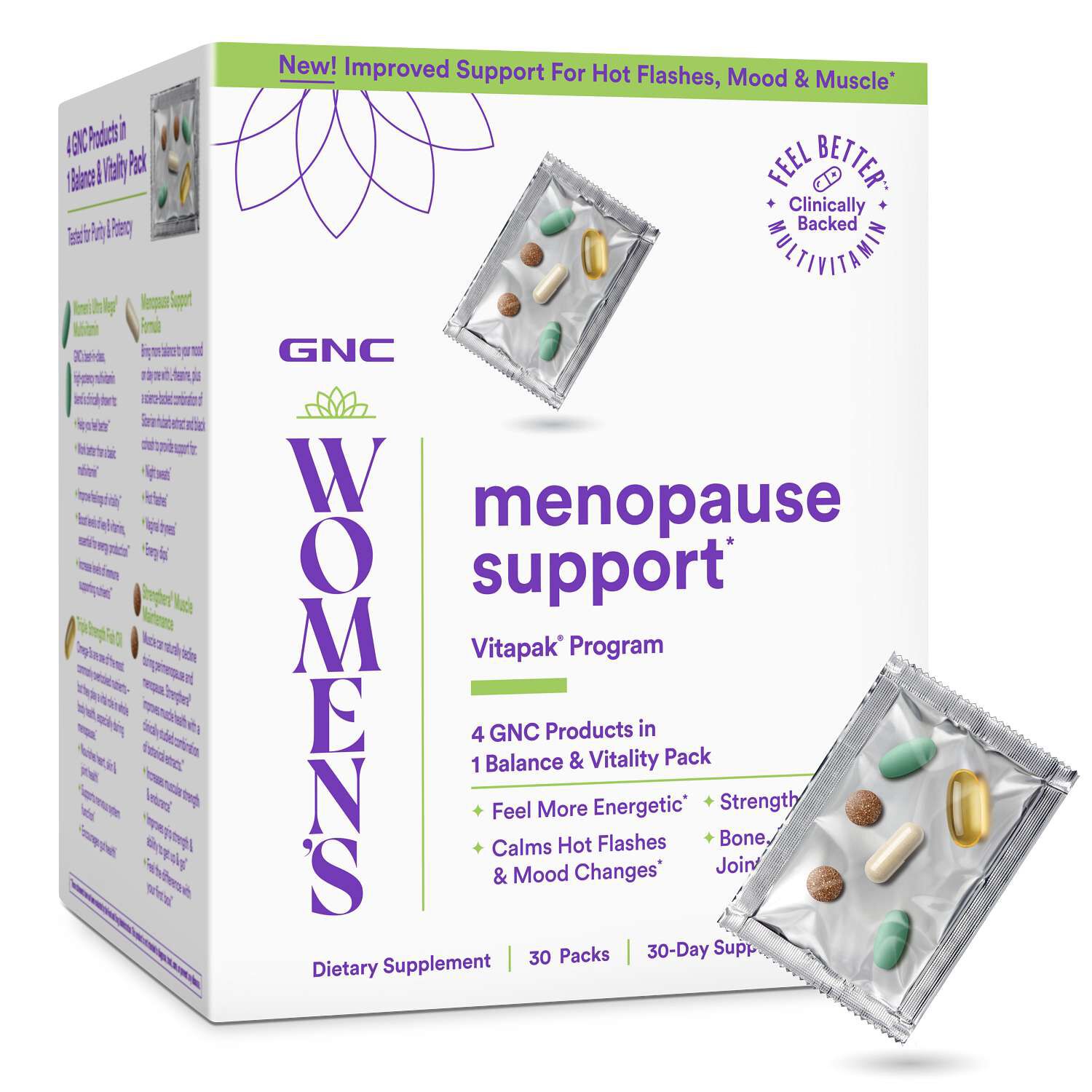

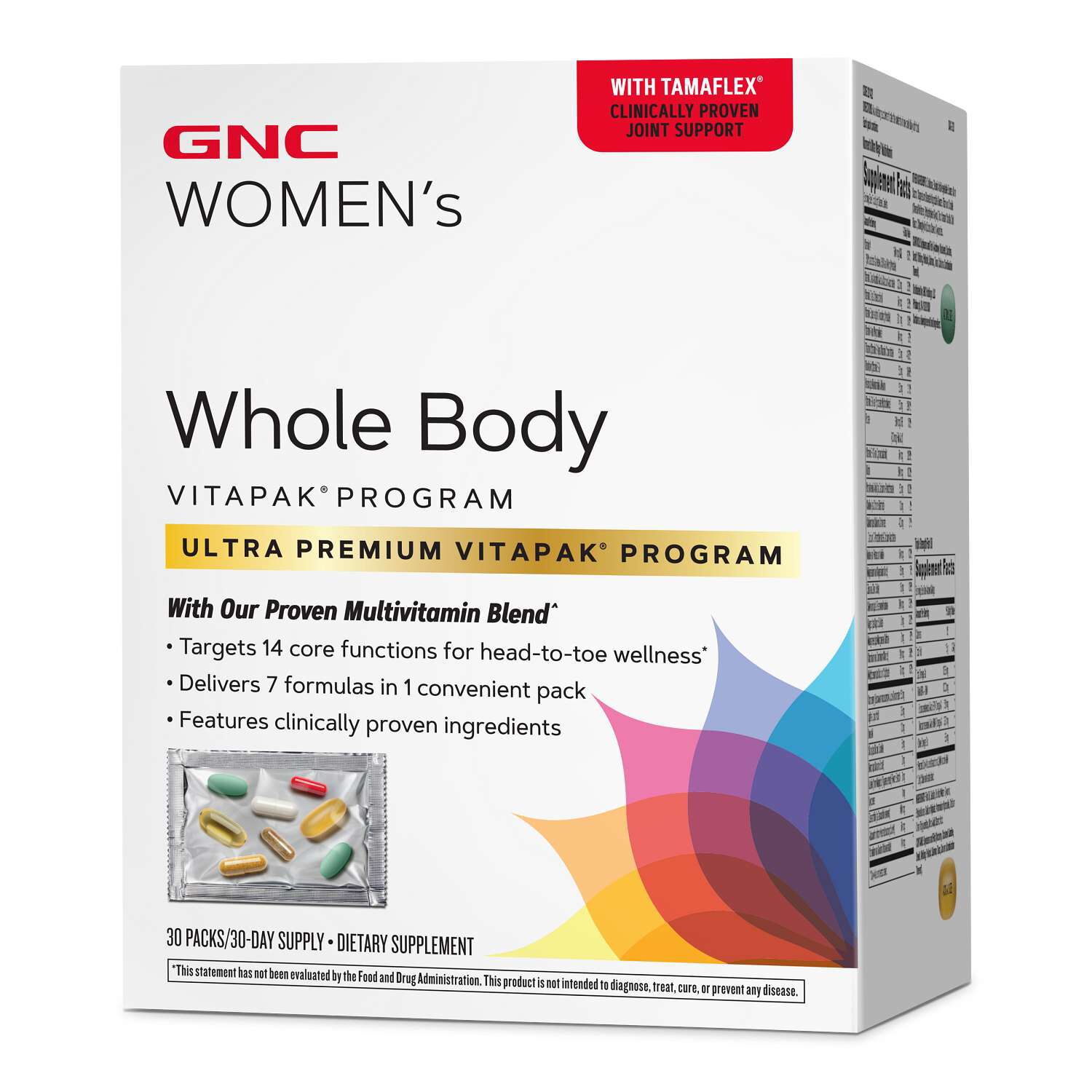
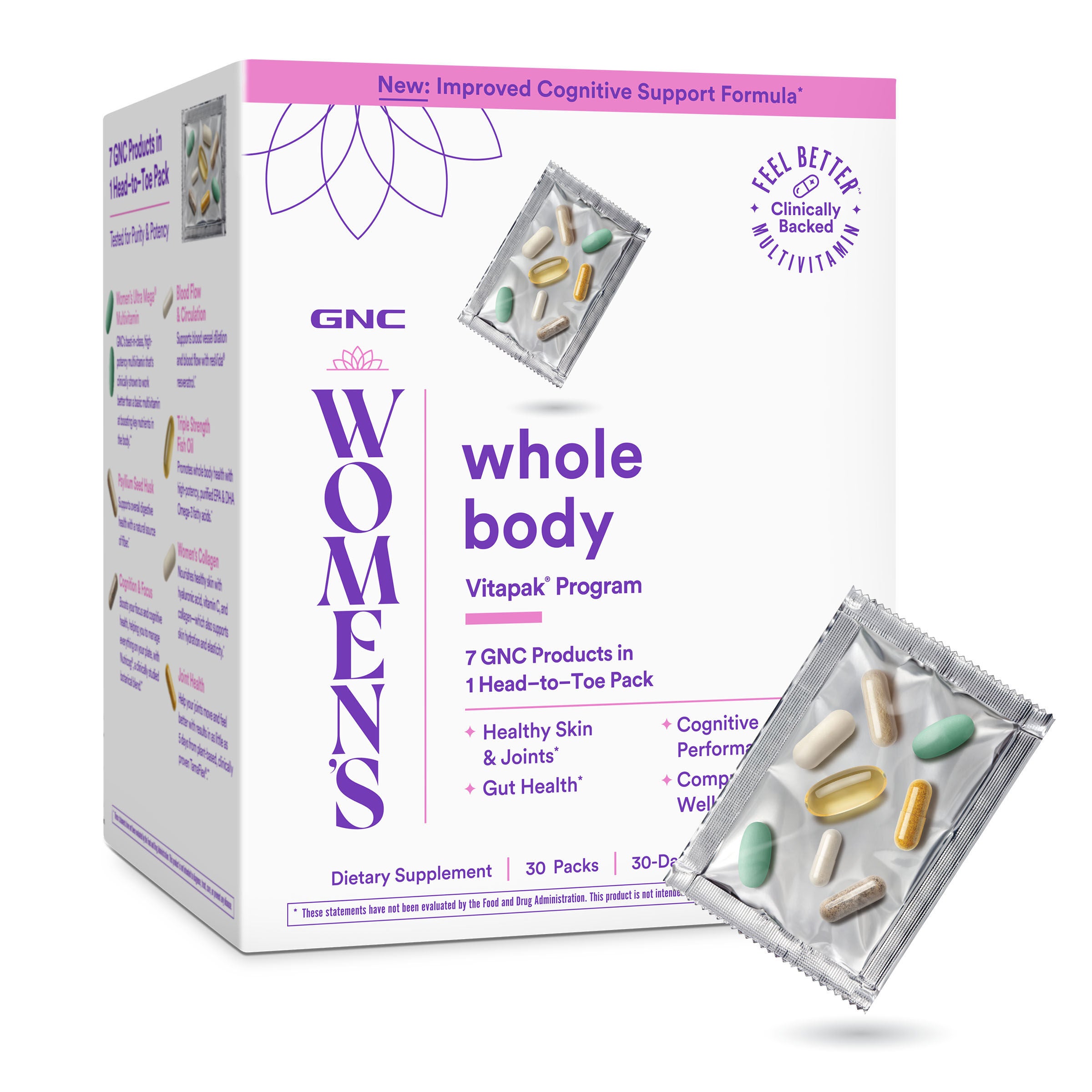

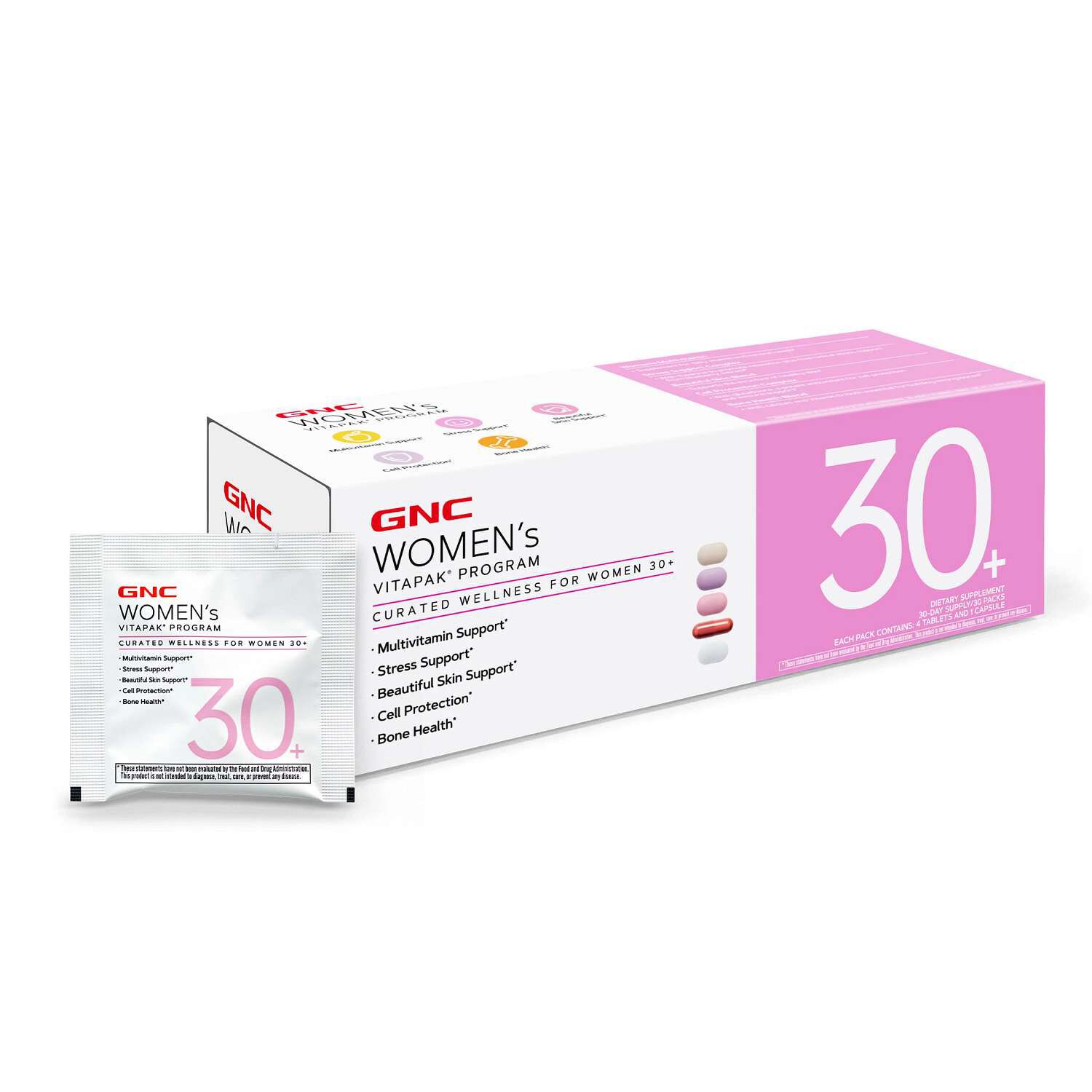

Women’s multivitamins for brain support may complement everyday nutrition with combinations of B vitamins, vitamin D, zinc, and magnesium, depending on the formula. These supplements bring several nutrients into one daily format, with ingredient amounts and serving sizes that vary across the category. Everyday concentration, memory, and mental clarity are common reasons women explore brain-focused nutrition, but a multivitamin’s contents are more informative than its name alone. There is no single standard blend behind the phrase brain support. Some formulas emphasize B vitamins, while others include a broader selection of vitamins and minerals associated with general nutritional needs. B vitamins are a family of nutrients, so labels may list thiamin, riboflavin, niacin, vitamin B6, folate, biotin, pantothenic acid, and vitamin B12 separately. The presence of one does not indicate that every other B vitamin is included. Vitamin D, zinc, and magnesium also appear in varying amounts, making the Supplement Facts panel an important part of understanding a formula’s composition. Folate may be listed in dietary folate equivalents, while vitamin B12 is commonly measured in micrograms. These details make comparisons more meaningful than simply counting the ingredients on the front of a bottle. Women who eat few animal-derived foods may pay particular attention to vitamin B12 content, while others may be comparing formulas with or without iron. Adult age designations matter as well, since women’s multivitamins intended for different stages of adulthood can have different nutrient profiles. The same brain-support theme can therefore encompass several approaches to daily nutrition rather than one uniform formula. A useful match reflects the woman’s eating pattern, preferred format, and intended use, without treating a multivitamin as a prediction of sharper thinking or a different workday. A familiar nutrient name also says little about its quantity, which is why the amount per serving deserves as much attention as the ingredient list.
Format is often the most noticeable difference once a multivitamin becomes part of an ordinary day. Tablets, capsules, softgels, gummies, and powders offer different experiences in size, texture, flavor, and preparation. A woman who prefers a neutral taste may gravitate toward a capsule or tablet, while someone who dislikes that format may prefer a chewable option. Gummies have their own texture and flavor, and their serving size may include more than one piece. Powders involve measuring and mixing, with preparation details that belong on the package. None of these formats, by itself, establishes whether a formula is a better match for brain-focused nutrition. The nutrient amounts in the stated serving remain the basis for comparison. A bottle’s piece count is also different from its number of servings: several capsules or gummies may make up one serving. Capsule shells and other ingredients can matter to women with particular food preferences. Gelatin, plant-derived capsule materials, sweeteners, colors, and flavorings may all appear outside the main vitamin and mineral listing. Vegetarian preferences and food sensitivities make these details relevant alongside the featured nutrients. Texture and size deserve similar attention, especially for anyone who already knows which supplement formats feel comfortable to use. Packaging adds another practical consideration. A securely closing bottle, readable directions, and clearly printed date information are useful features for something intended to sit on a kitchen shelf or travel in a bag. Storage instructions identify the conditions intended for the formula, and original packaging keeps those instructions together with the ingredient details. Moisture, light, and heat are relevant storage considerations when named on the label. For shared households, a clearly identified container also distinguishes one person’s multivitamin from other supplements nearby. These everyday characteristics may make a format more convenient, but they do not establish a difference in cognitive outcomes. Convenience is most useful when it fits the labeled serving directions rather than obscuring them.
The intended use of a women’s multivitamin for brain support is nutritional supplementation within a broader daily routine. A woman moving between meetings, coursework, family responsibilities, or a creative project may be interested in this category, as may an older adult comparing women’s formulas with different age designations. Those situations explain the appeal of a straightforward daily format without suggesting that a demanding schedule calls for larger amounts of nutrients. A multivitamin may help address some dietary gaps, but it is not a substitute for varied meals, sleep, or time away from a demanding task. Food also brings textures, flavors, protein, fiber, and other components that a vitamin and mineral formula does not duplicate. A lunch of beans, vegetables, and whole grains, for example, has a different nutritional composition from a supplement serving. That distinction keeps the category in perspective: brain-focused wording describes an intended nutritional emphasis, not an assured change in memory, attention, or performance. More ingredients or larger quantities do not, on their own, demonstrate a better fit. Women who already use individual vitamins, mineral supplements, or fortified nutrition drinks may also encounter the same nutrients in several places. The amounts listed across those labels provide context that a single bottle cannot. Product descriptions are most useful when they clearly distinguish the serving size, nutrient quantities, other ingredients, and intended adult audience. For women exploring a related nutritional emphasis, multivitamins for women’s vitamin C support offer another way to compare women’s daily formulas by their stated focus. Across these categories, the details that matter remain concrete: which nutrients are included, how much a serving contains, what the format is like, and how the labeled use fits an established routine. A thoughtful selection centers on those particulars rather than dramatic expectations, leaving room for individual preferences and the wider eating habits that shape everyday nutrition.
Best Sellers
Related Pages

Top Collections
- Zinc Supplements | Top Brands at Great Prices | GNC
- Cortisol Supplements
- NAD+ Supplement Tablets
- Top Rated Collagen | Shop Customer Favorites | GNC
- Best Brand of Magnesium Glycinate
- Peptide Supplements
- Vitamins That Help Support Weight Gain
- Protein Powders For Muscle Growth Support
- Vitamins For Hair Loss
- Peptide Supplements for Muscle Growth