Brain Health Multivitamin Tablets
(0 Results)
Supporting your mind and staying sharp could start with the right nutrition. Brain health multivitamin tablets are designed for those seeking to nourish their cognitive wellness through a daily supplement routine. Whether you’re looking to stay focused at work or support memory as you age, these tablets may fit seamlessly into your lifestyle. Explore options that could help you prioritize your mental clarity and overall well-being.
-
_Front.jpg?sw=305&sh=305&sm=fit "Junior Multi - 90 Tablets - 90 Tablets (90 Servings) | GNC")
-

-

-
-

-

-

-
-
 10$17.99
-

-

-
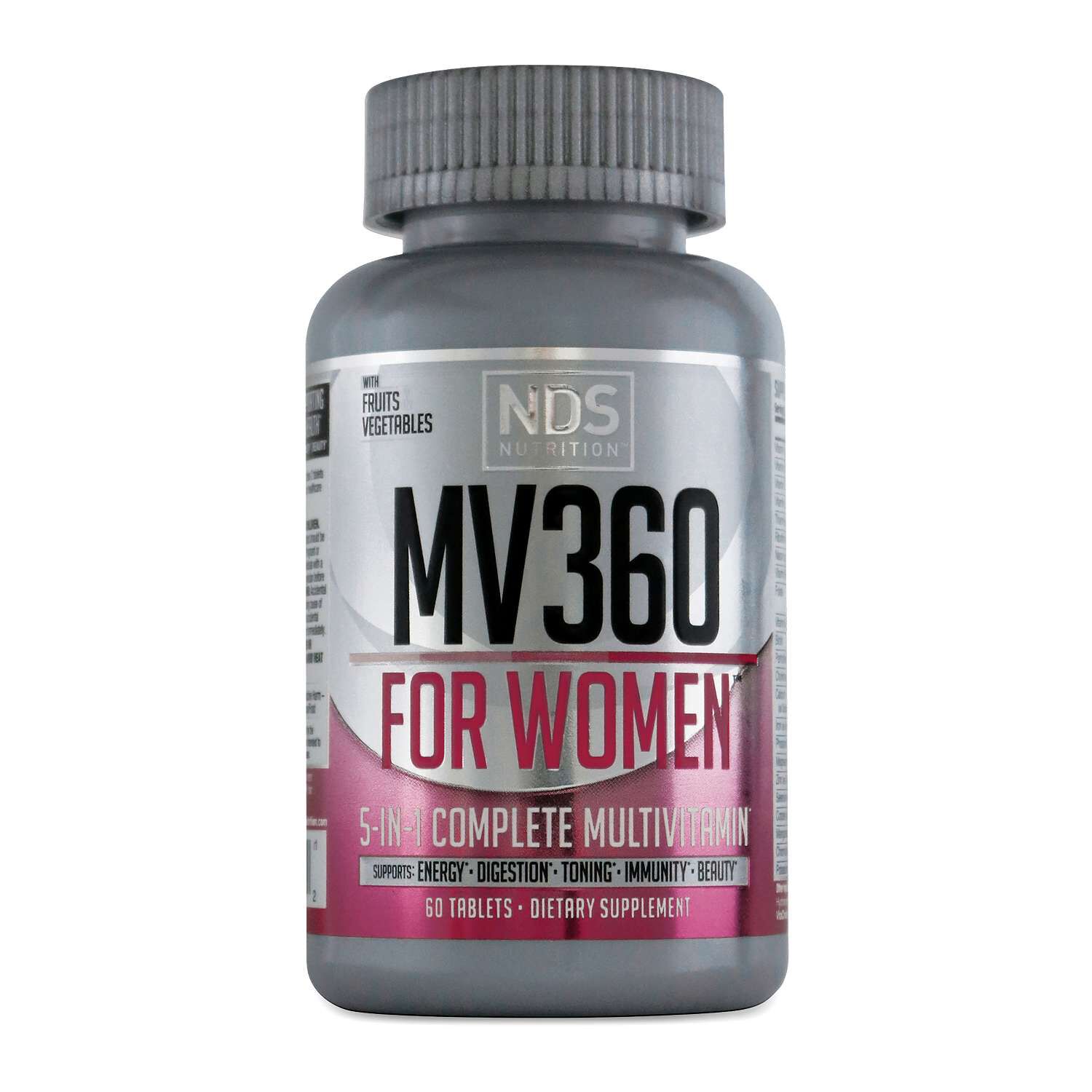 NDS Nutrition$49.99
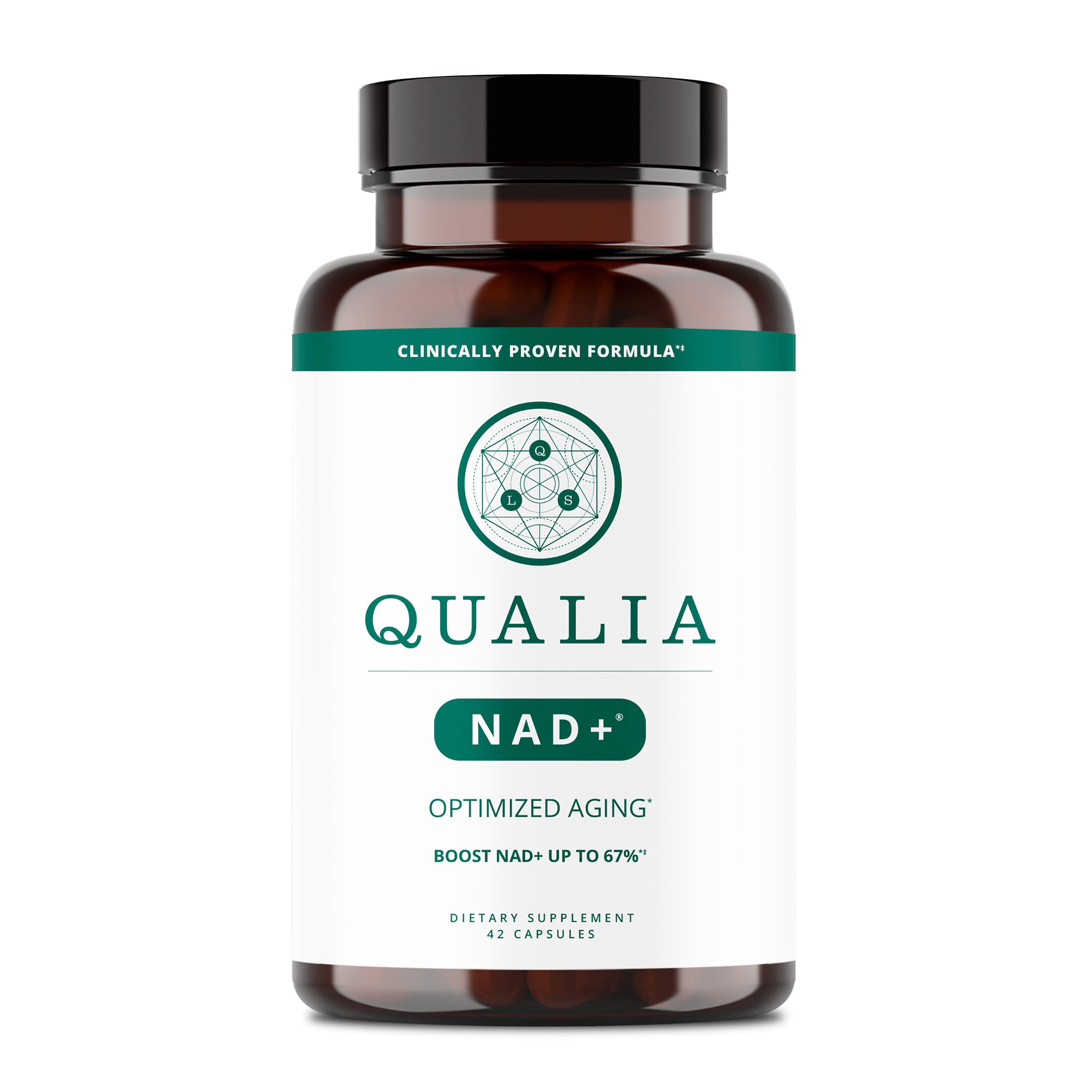
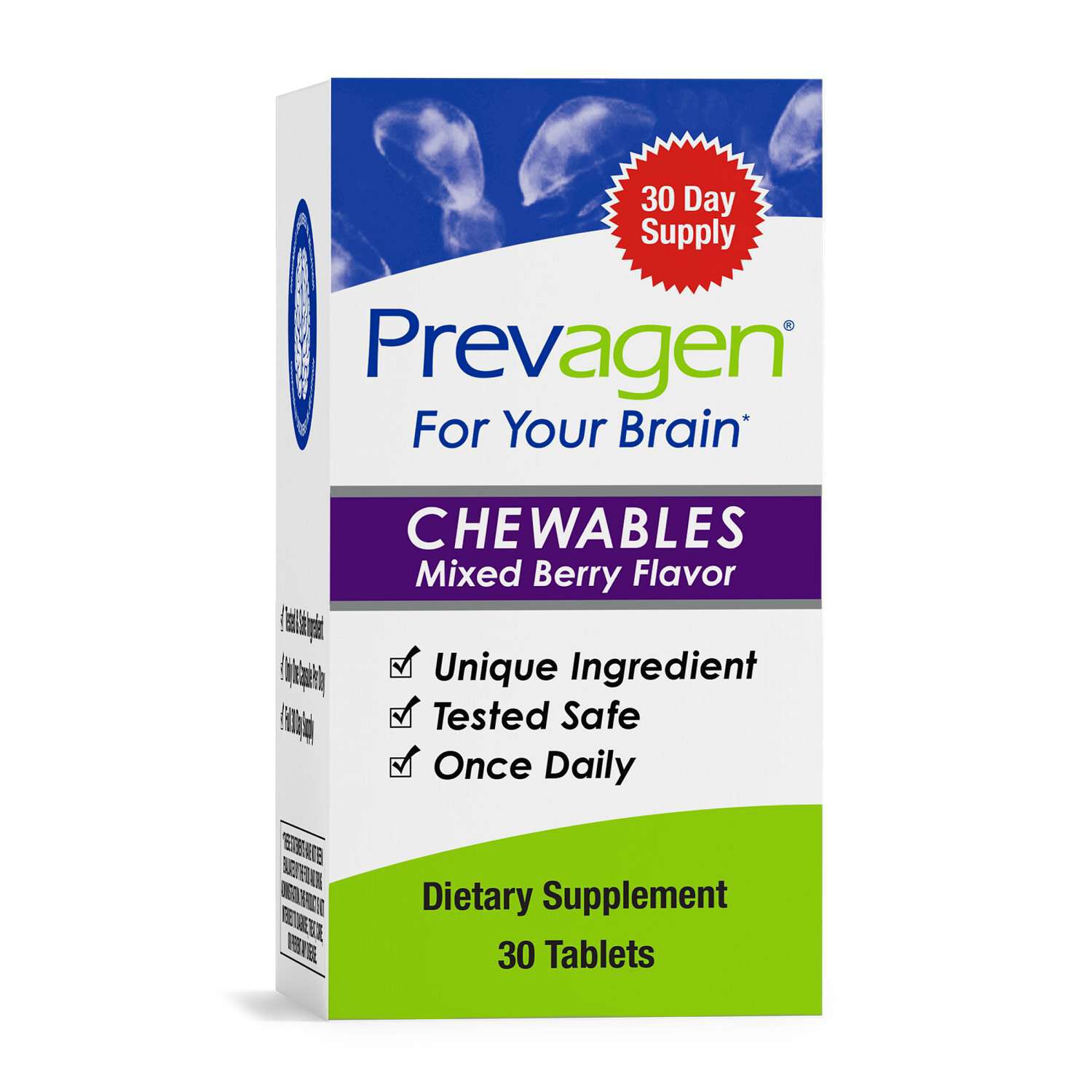
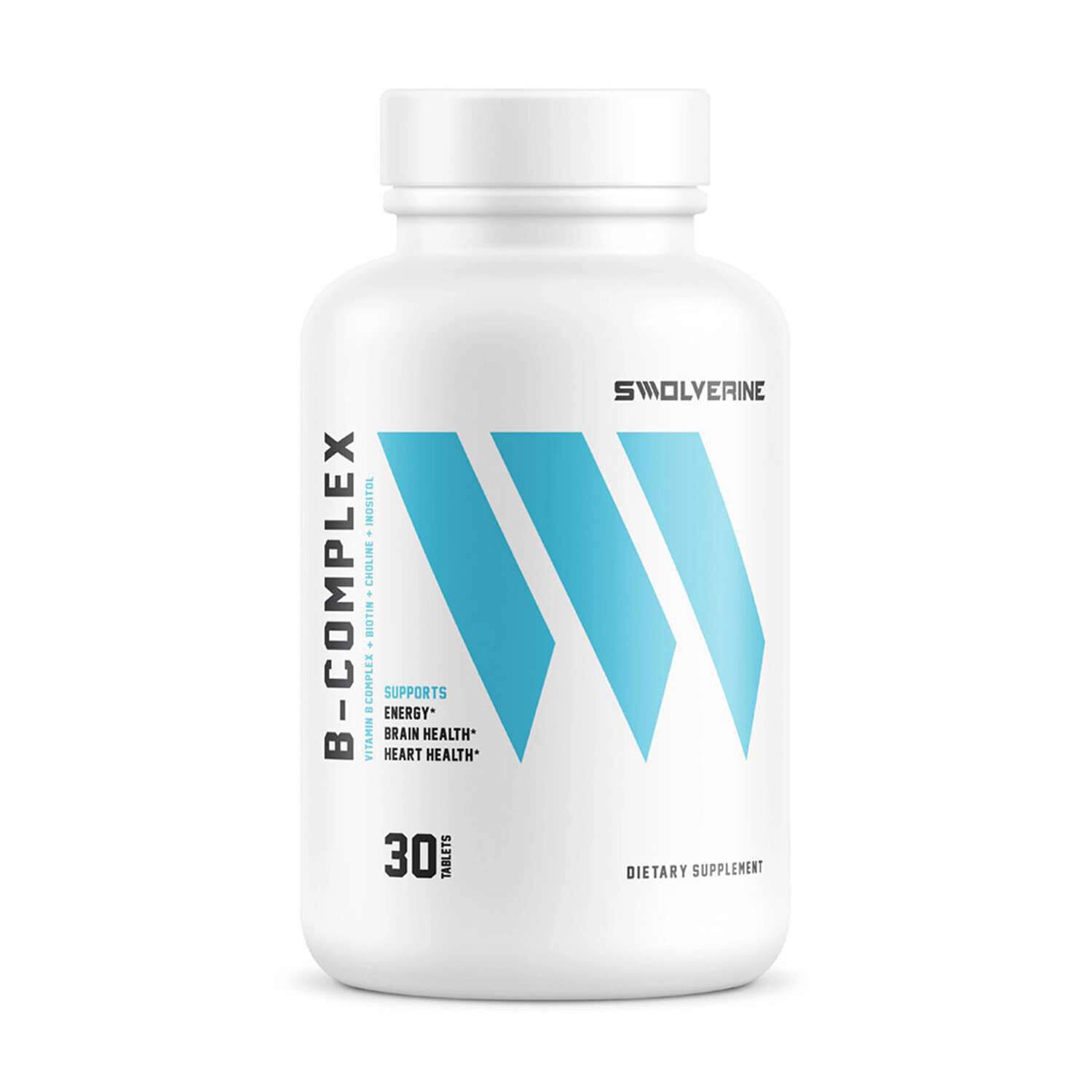
Brain health multivitamin tablets are dietary supplements that bring several vitamins, and often minerals, together in a tablet format for adults interested in cognitive wellness and everyday nutrition. Depending on their composition and a person’s eating habits, these formulas may help fill dietary gaps alongside a varied diet. The category includes different nutrient combinations, serving sizes, and intended audiences, so the phrase “brain health” is a starting point rather than a description of every formula. Vitamins such as B6, B12, and folate may appear alongside vitamin D and selected minerals, while some formulations also contain botanical ingredients or other dietary components. The ingredient panel distinguishes a broad multivitamin from a more narrowly focused supplement, showing which nutrients are included and how much each serving contains. For someone whose meals range from carefully prepared dinners to a sandwich between meetings, that detail may make a comparison more relevant than a long ingredient list alone. Brain health multivitamin tablets may appeal to adults who want to give their nutritional habits more attention, whether their days involve studying, working, managing a household, or pursuing personal projects. Those different routines do not necessarily call for the same formulation. Age ranges, dietary preferences, and the nutrients already present in meals and other supplements all provide context for understanding a label. Some formulas are designed around a particular adult life stage, while others take a broader approach to daily nutrition. A clear description of the intended user is useful because similarly named supplements can differ substantially beneath the front label. The most informative distinctions are often practical: the number of tablets in a serving, the quantities of individual nutrients, and whether the formula includes ingredients beyond vitamins and minerals. A thoughtful comparison centers on those details rather than treating a larger ingredient count as a measure of suitability. The category’s relevance comes from how a formulation may complement an individual’s existing approach to food and nutrition, not from its name alone.
Tablet design also deserves attention when comparing brain health multivitamins. These supplements are made from compressed ingredients, with additional components that help hold the tablet together or create its outer coating. The other-ingredients section may identify binders, coating materials, colors, and ingredient sources that matter to someone with particular dietary preferences. Vegetarian or vegan designations, allergen statements, and other dietary information belong to the individual formula; they cannot be assumed from the category name or from the appearance of the tablet. Shape, dimensions, surface texture, and the number of tablets per serving may influence whether a format feels manageable within an established routine. A smooth, coated tablet may appeal to someone who prefers that texture, while a person accustomed to smaller supplements may pay closer attention to dimensions. Photographs can show general shape and color, but written serving information offers a different and equally useful part of the comparison. A bottle containing a certain number of tablets does not necessarily contain that same number of daily servings. When a serving consists of two or more tablets, the nutrient amounts on the Supplement Facts panel refer to that serving rather than automatically referring to each tablet. Percent Daily Value offers another way to compare listed nutrients, although it does not represent a personalized assessment of nutritional needs. Some dietary ingredients do not have an established Daily Value, making their names and stated quantities particularly relevant. Descriptions of ingredient forms and sources may also matter to shoppers who have preferences developed through previous experience. These details allow distinctions between formulas that otherwise look similar on a shelf or screen. Even the opening of the container, the legibility of the label, and the clarity of the suggested-use directions are practical considerations for an item intended for repeated use. Together, composition and format provide a more grounded picture of a multivitamin than front-label language by itself.
The intended place for brain health multivitamin tablets is within an existing approach to everyday nutrition, not in place of meals, sleep, or other established habits. A bottle beside a breakfast setting may fit one person’s routine, while another person may prefer keeping supplements in a designated cabinet with the original labels visible. Suggested-use directions vary, including whether a serving is taken with food, so the package remains the reference for that particular formulation. Storage information matters as well: the container’s closure, instructions concerning moisture and sunlight, and the printed expiration date all describe how the tablets are intended to be kept. An original container preserves access to the ingredient list, serving directions, and other label information that can otherwise become separated from loose tablets. For households where several adults use different supplements, clearly identified containers may make personal routines easier to distinguish. Portability is another consideration, especially for someone who spends part of the day away from home, although the convenience of a smaller container should be weighed against retaining the relevant product information. Shoppers comparing audience-specific options may also find Men's Multivitamins For Mental Health relevant to their browsing, with the same attention to ingredient content, serving format, and intended use. An audience label offers context, while the Supplement Facts panel provides the details needed to understand a formula. Existing supplements are part of that context, since separate products can contain overlapping vitamins or minerals. A written ingredient list may also provide a useful basis for a conversation with a qualified healthcare professional when personal suitability is uncertain. Across this category, the meaningful differences are specific rather than dramatic: a different nutrient combination, a smaller tablet, a particular dietary designation, or a serving arrangement that may suit a familiar schedule. Brain health multivitamin tablets may complement daily nutritional habits when their composition and format align with the person considering them. Clear labeling and a realistic understanding of their intended role keep that comparison focused on the details that matter.
Best Sellers
-
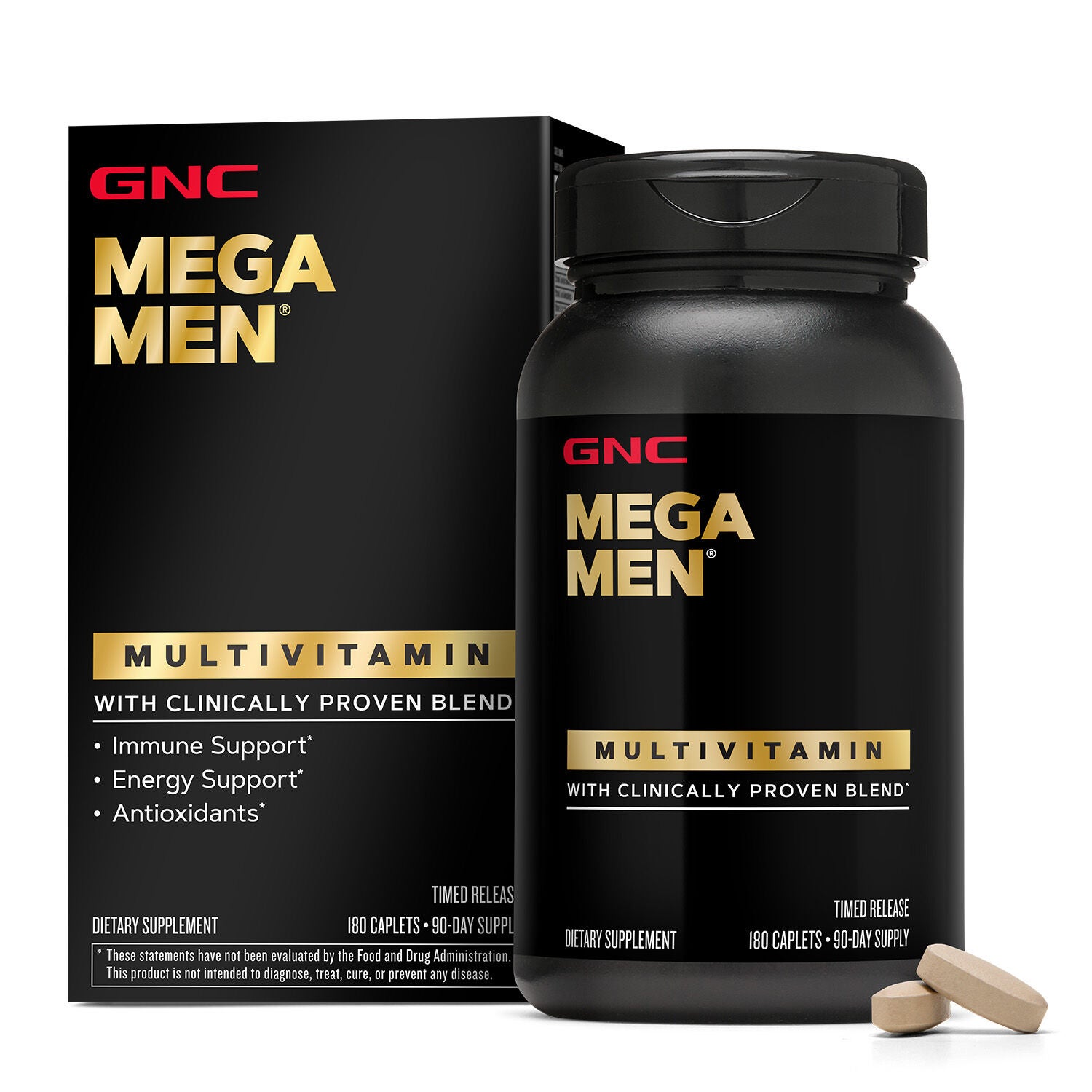 GNC Mega Men
-
 GNC Mega Men
-
 GNC Mega Men
-
 GNC Mega Men