Women's Multivitamins With Antioxidant Support
(0 Results)
Women’s multivitamins with antioxidant support could be a valuable addition to your daily wellness routine. Designed to address the unique nutritional needs of women, these formulas may help bridge nutrient gaps while providing antioxidants that might support your overall health goals. Explore a variety of options that could complement an active lifestyle and help you feel your best every day.
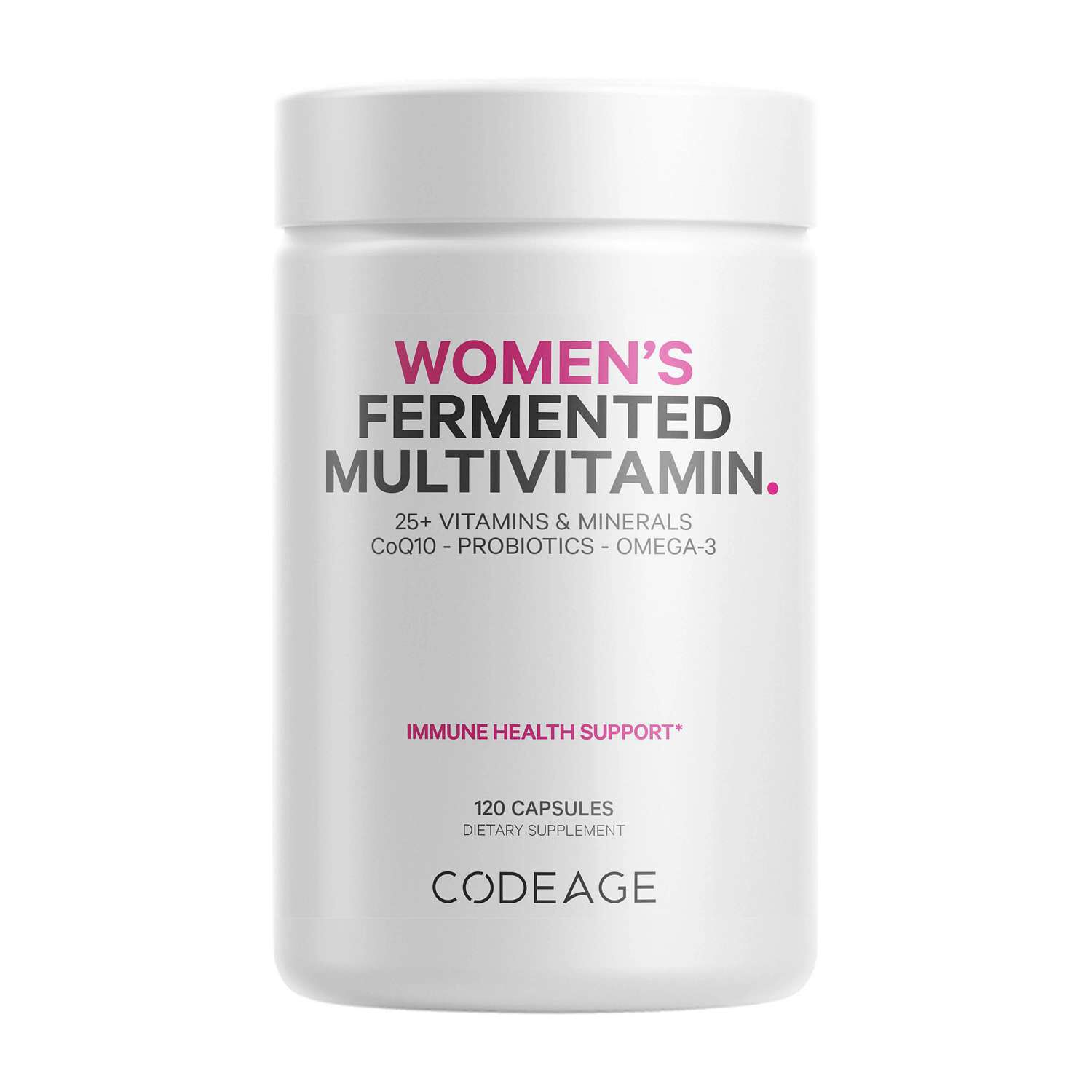
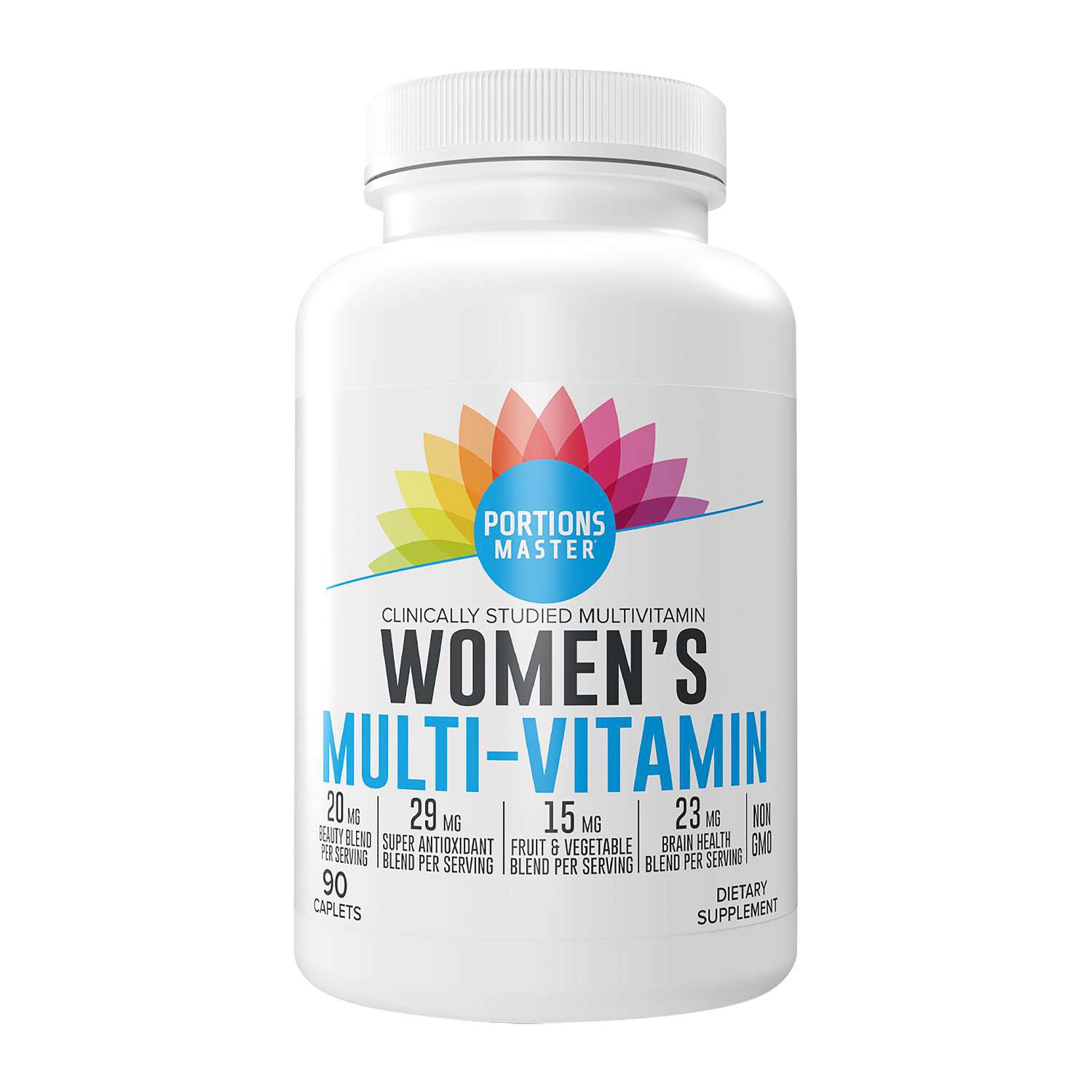
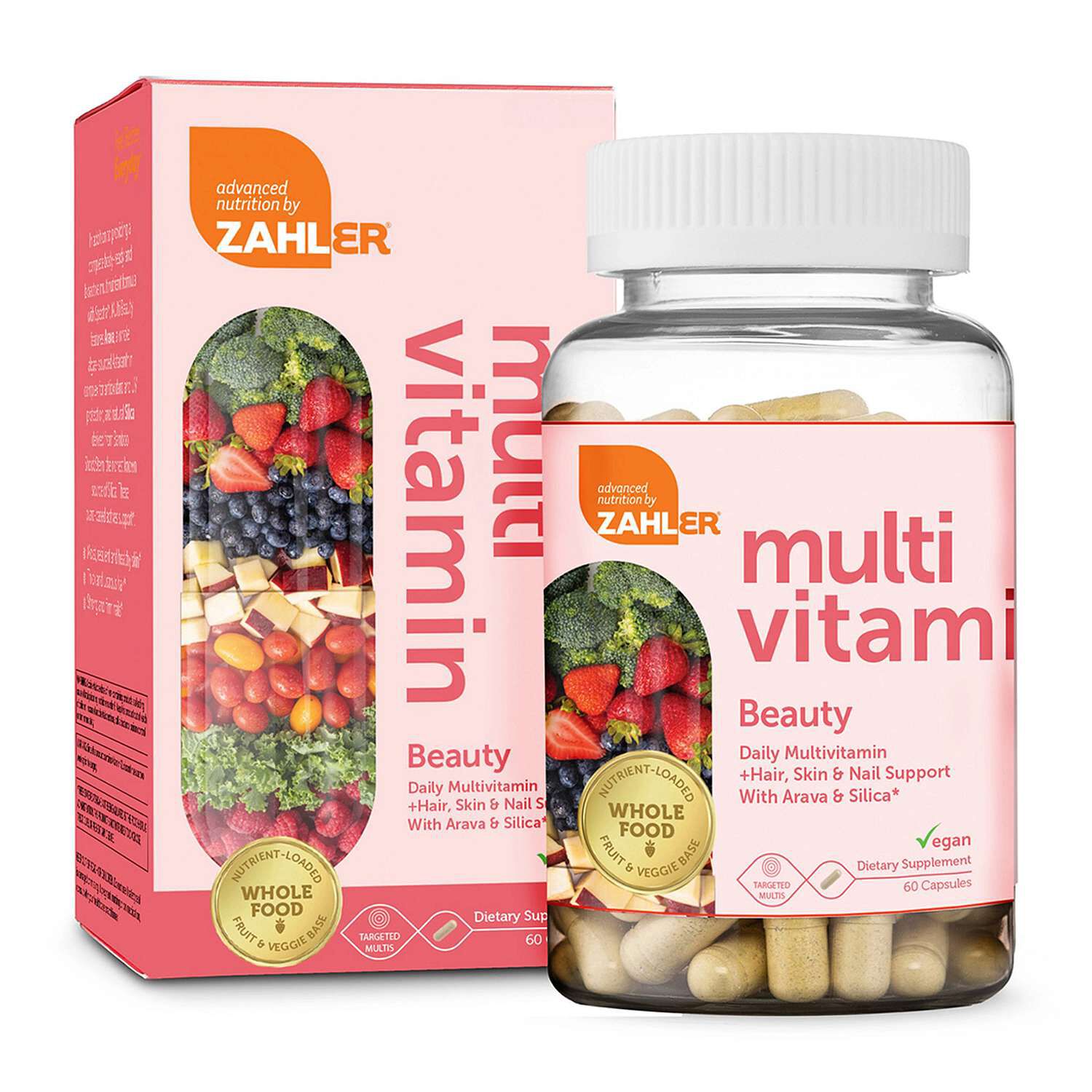
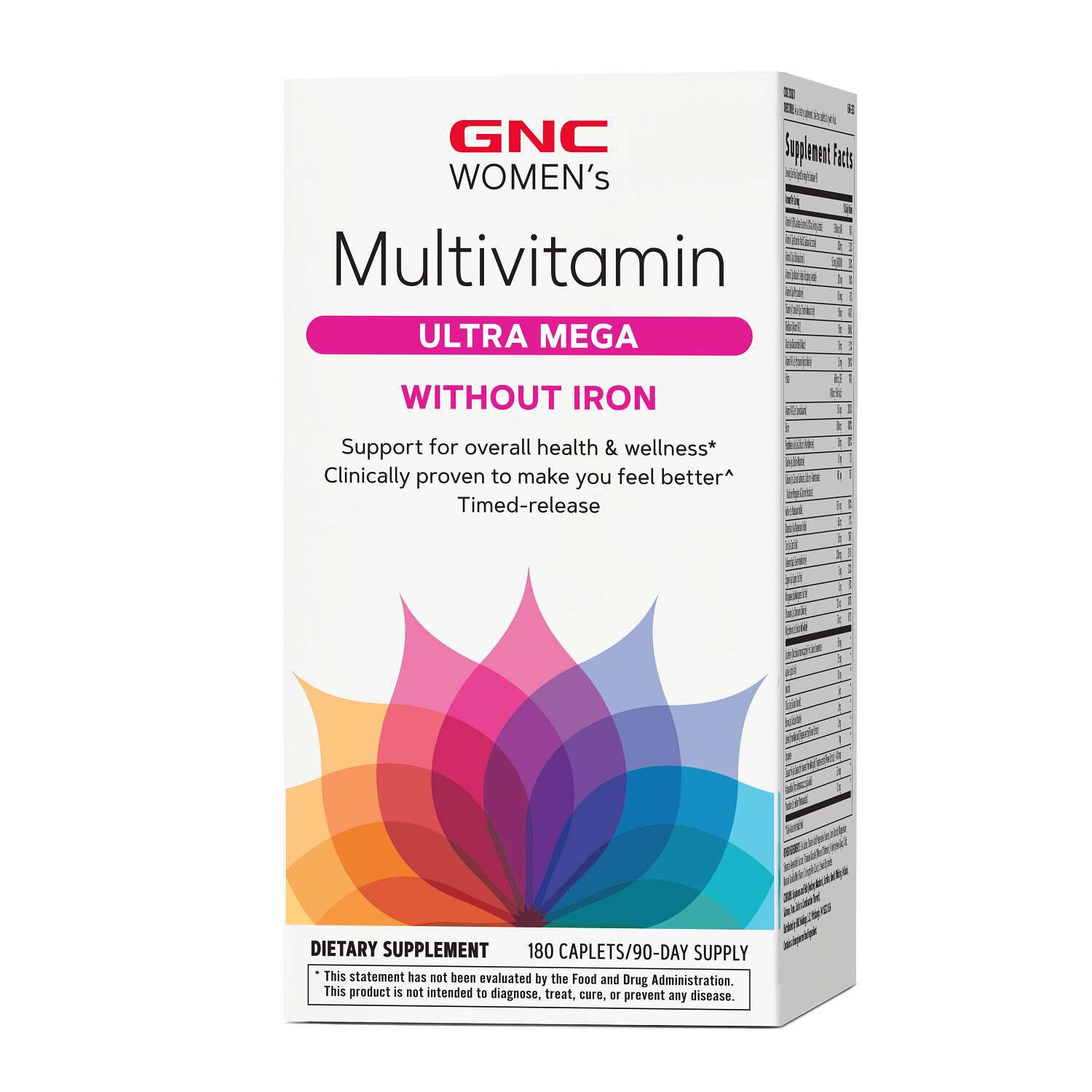
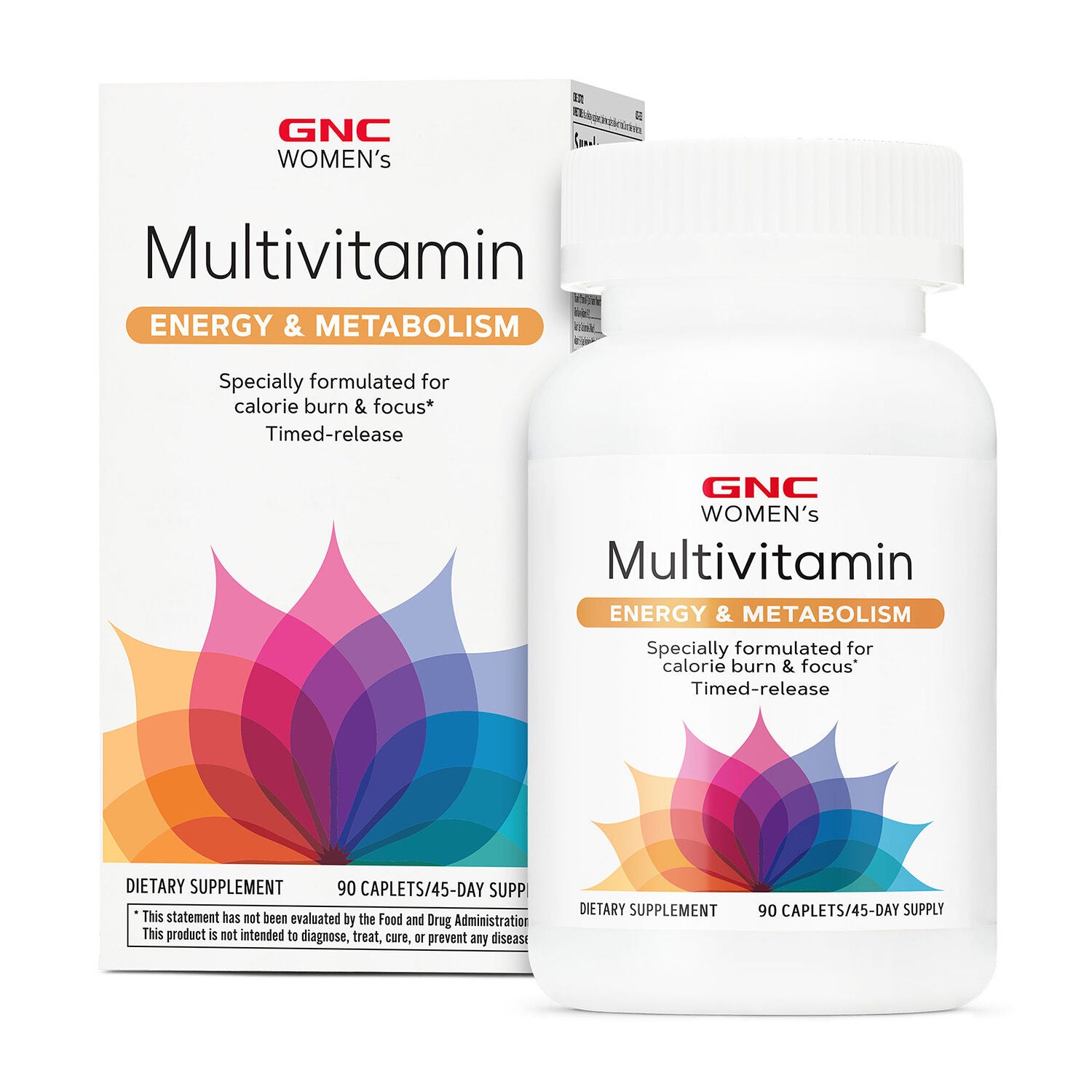

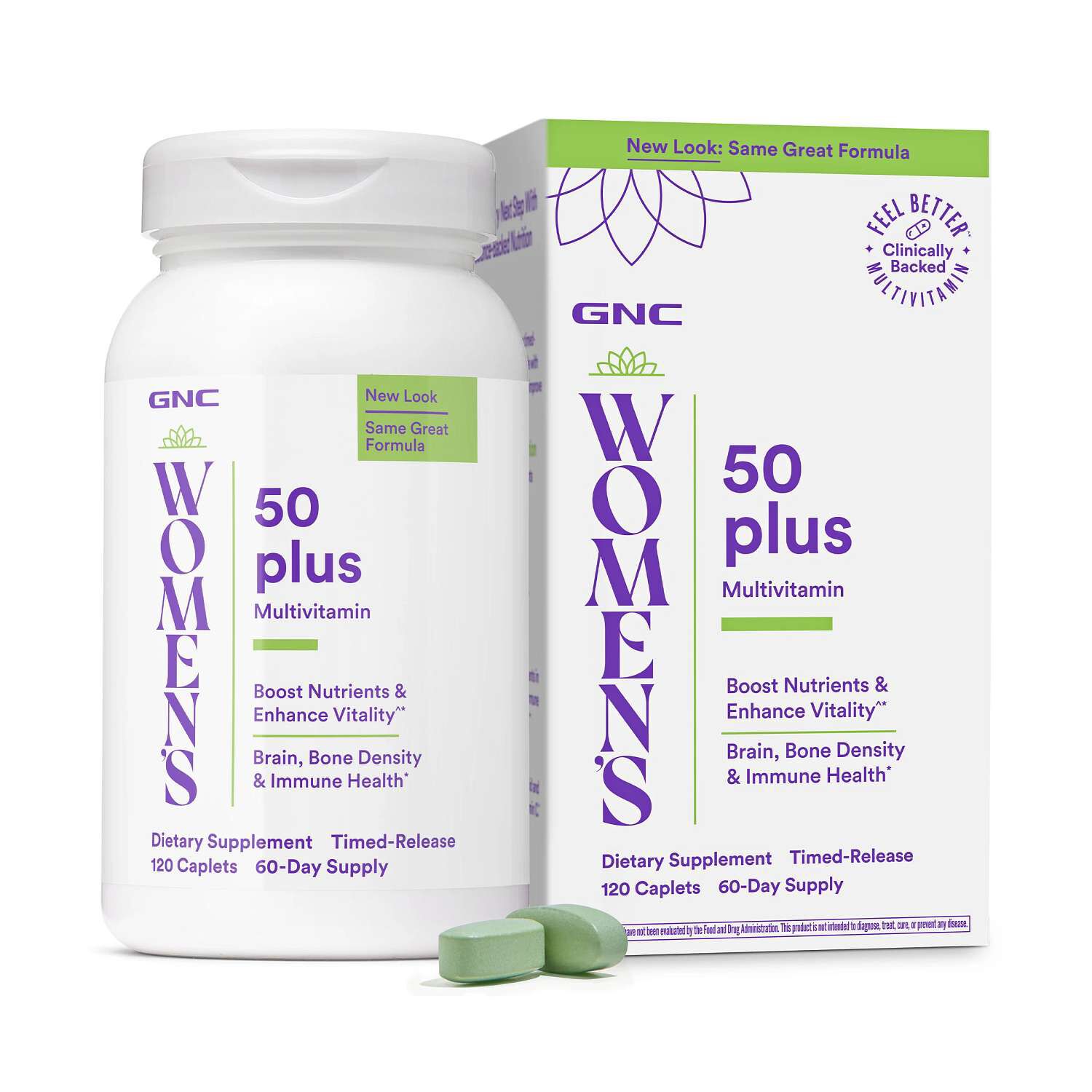
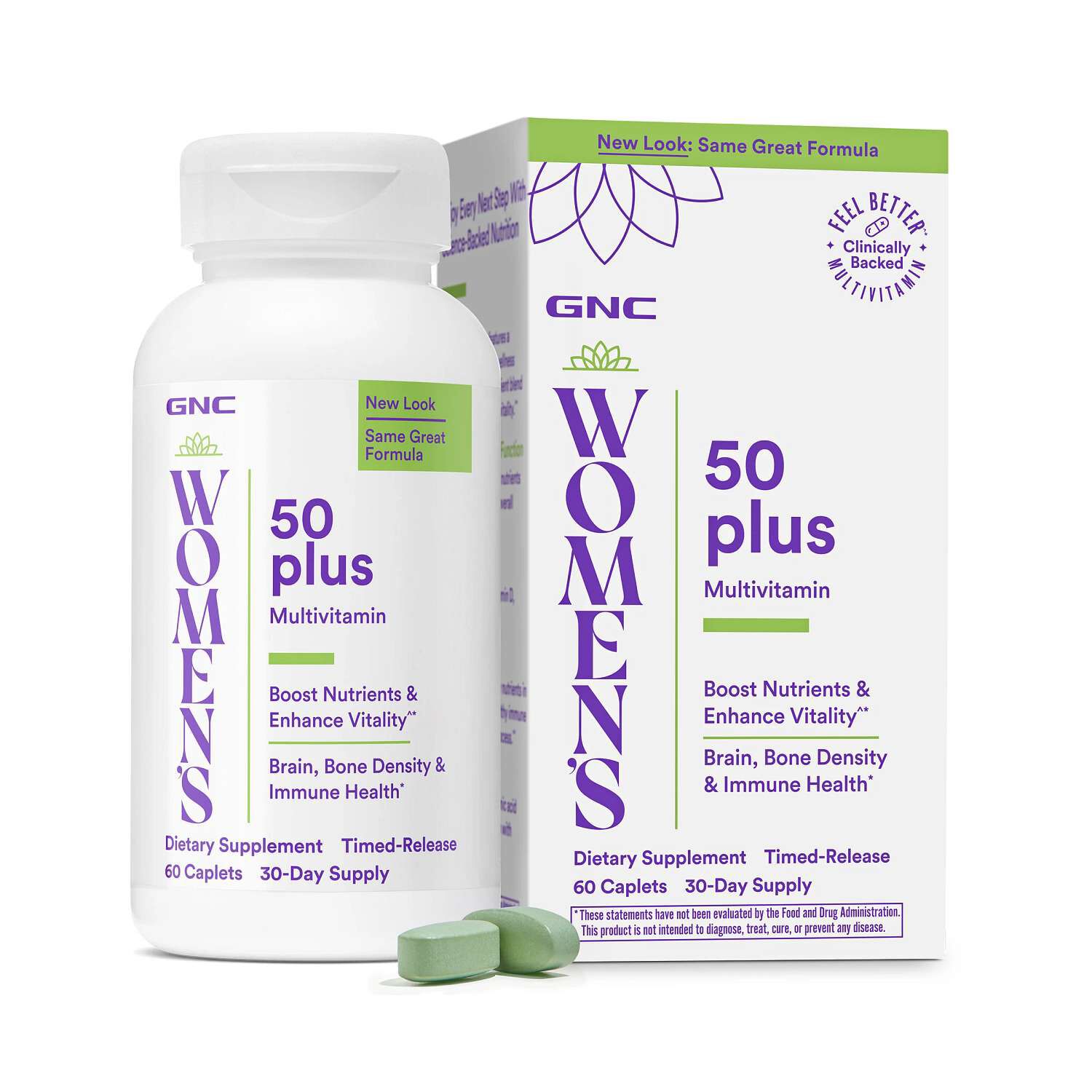
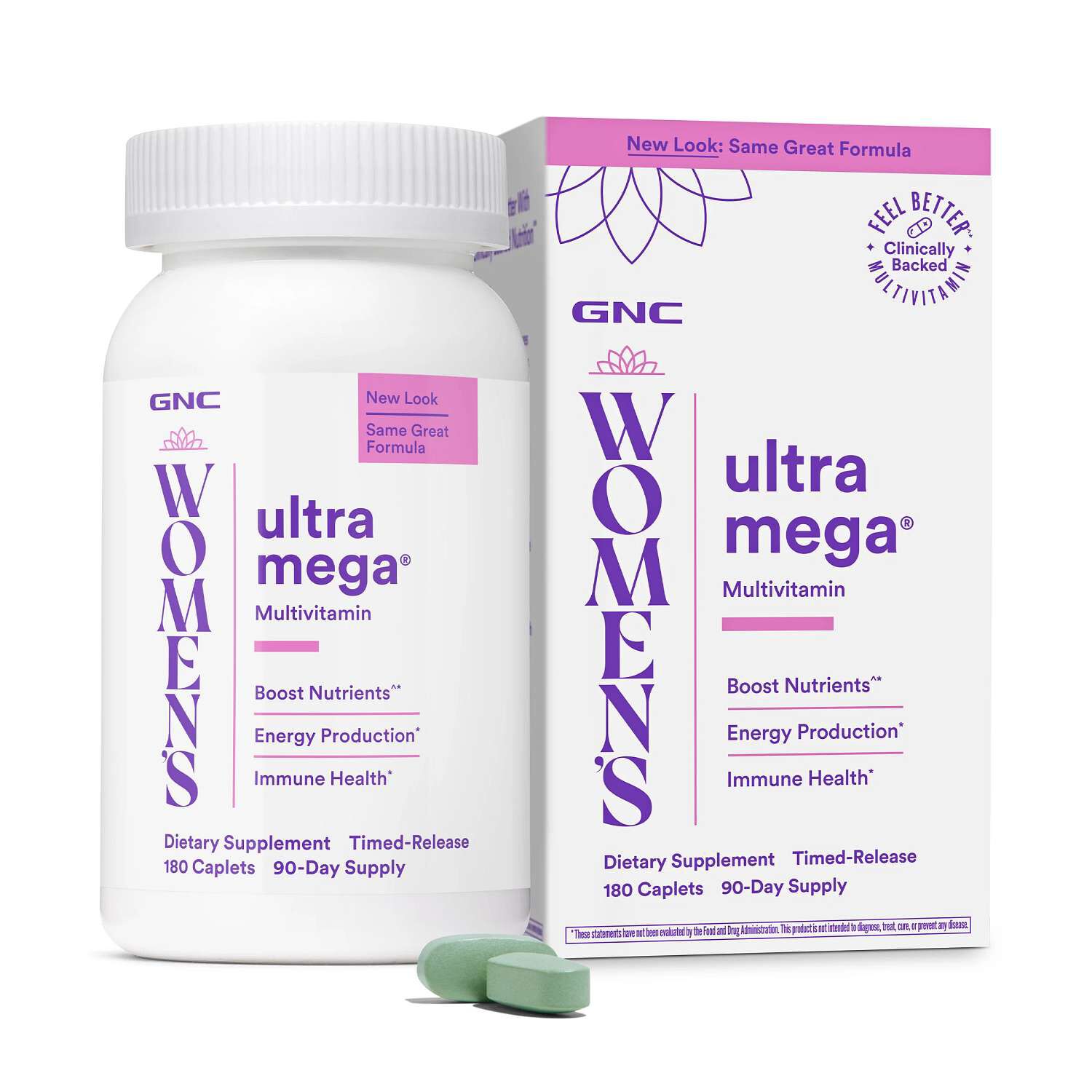
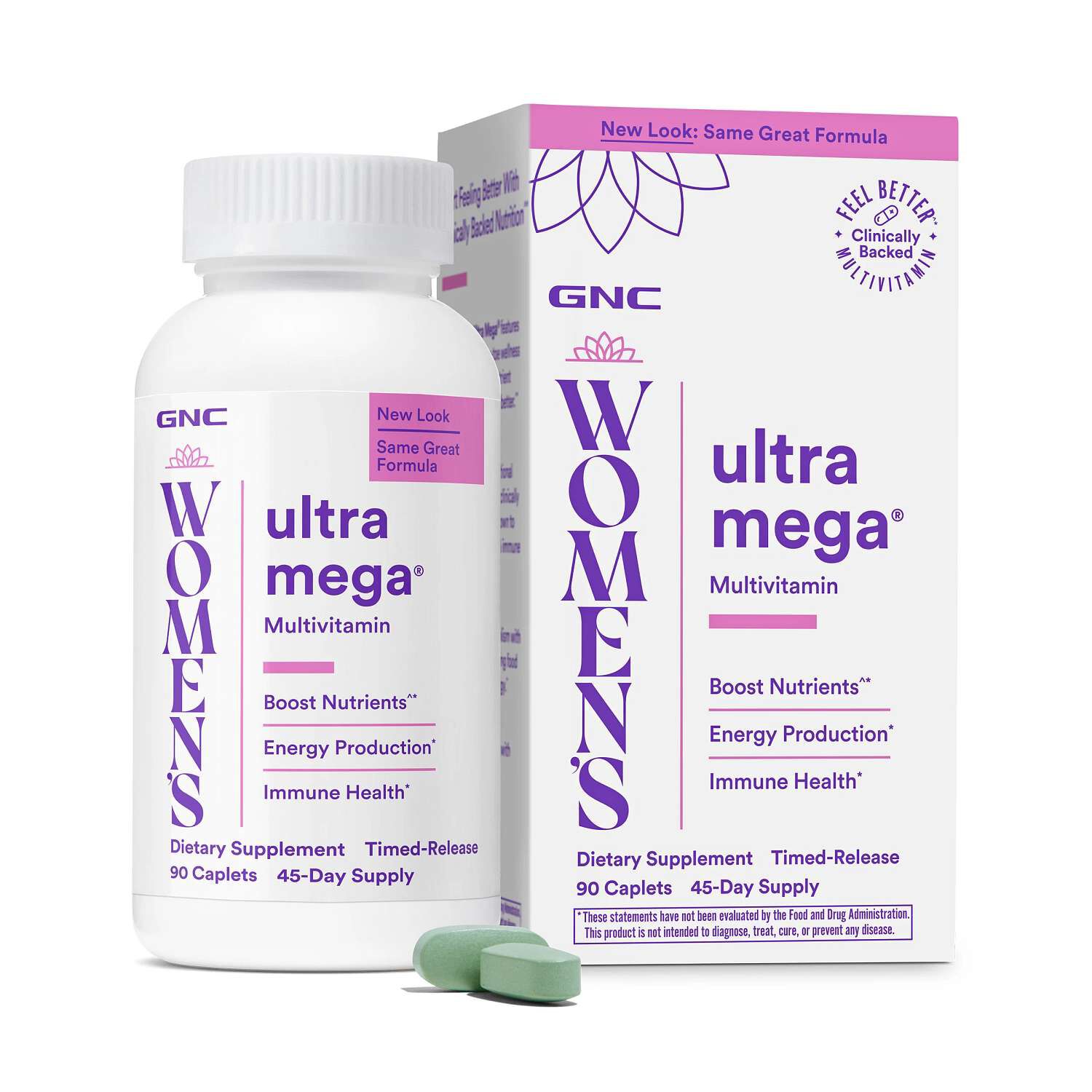
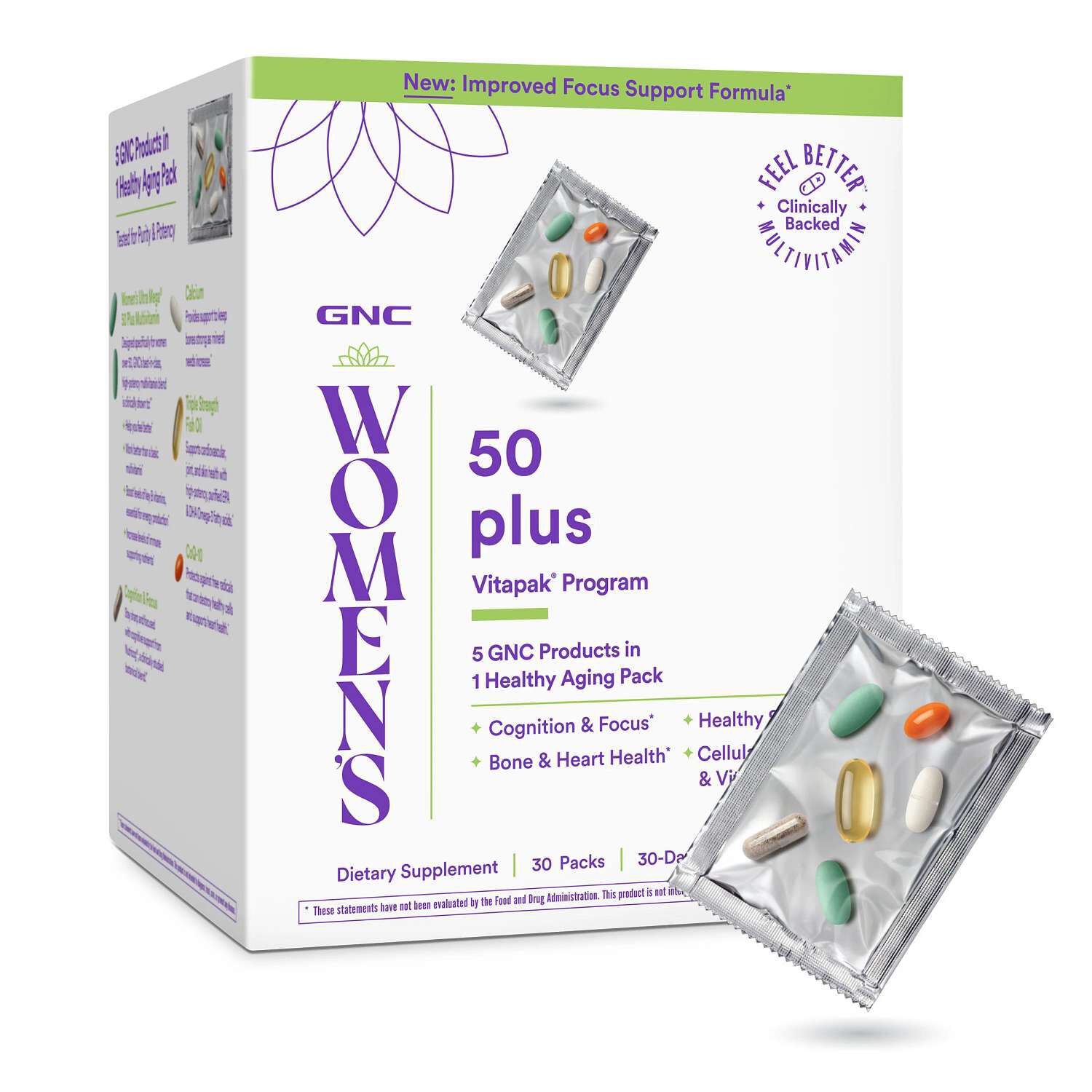

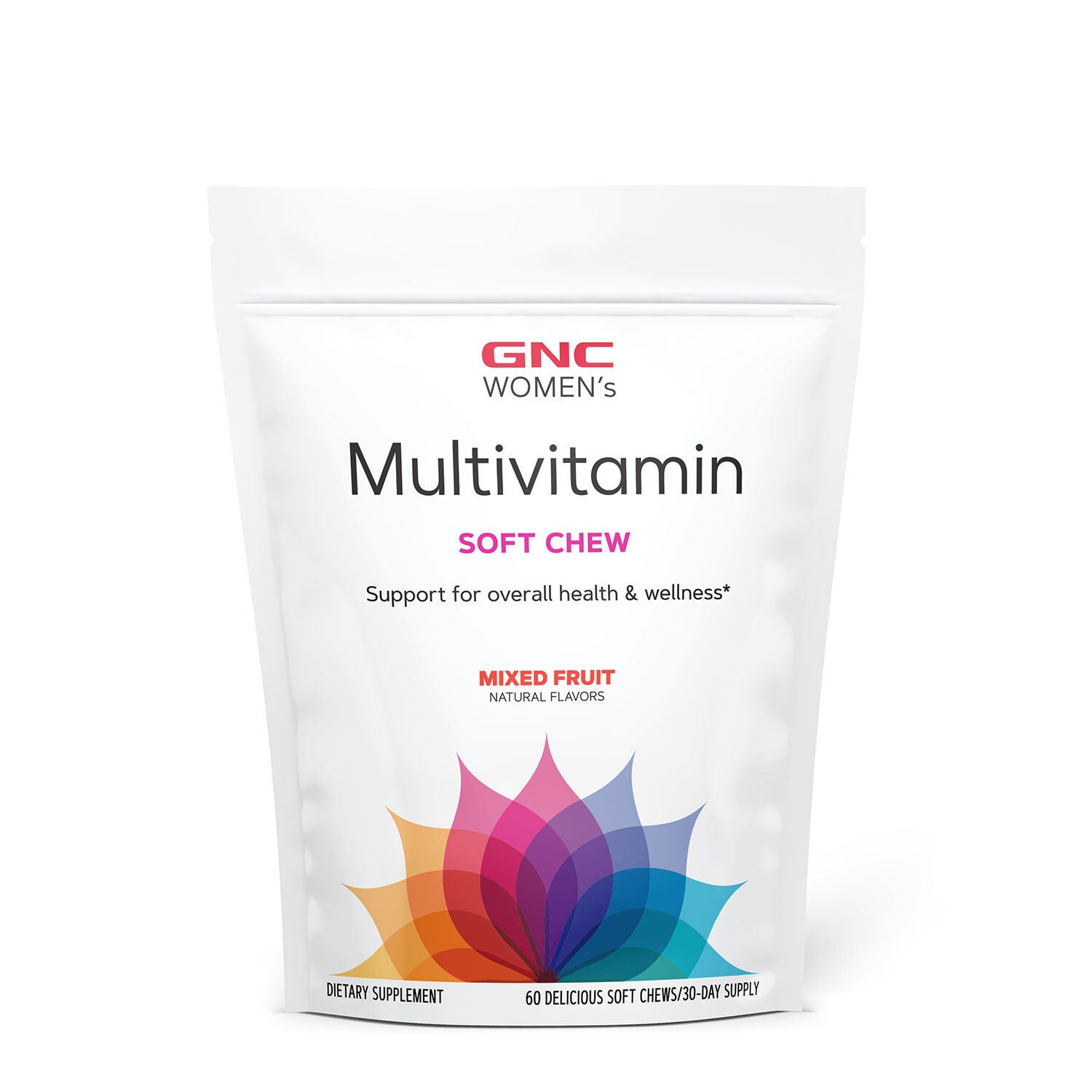


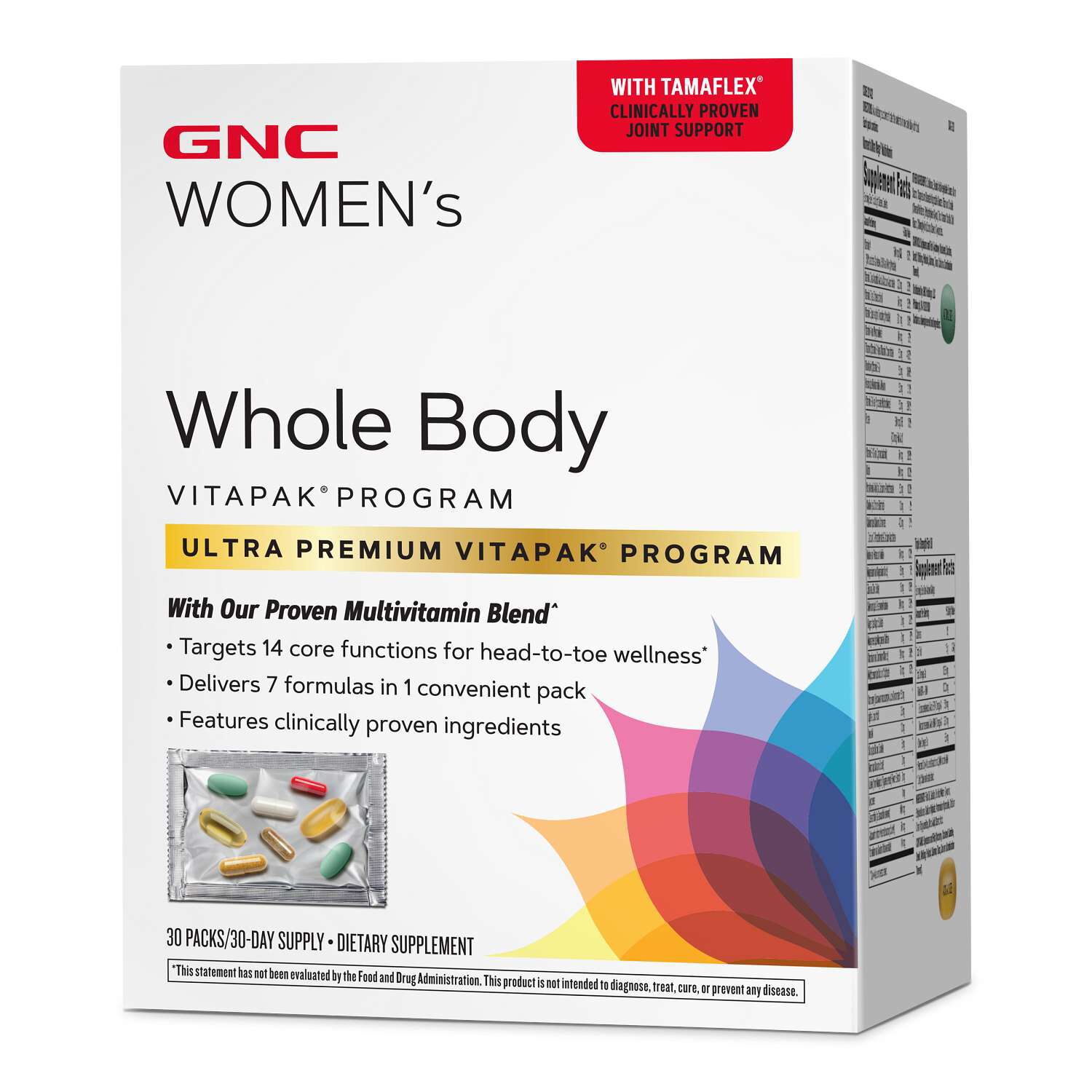
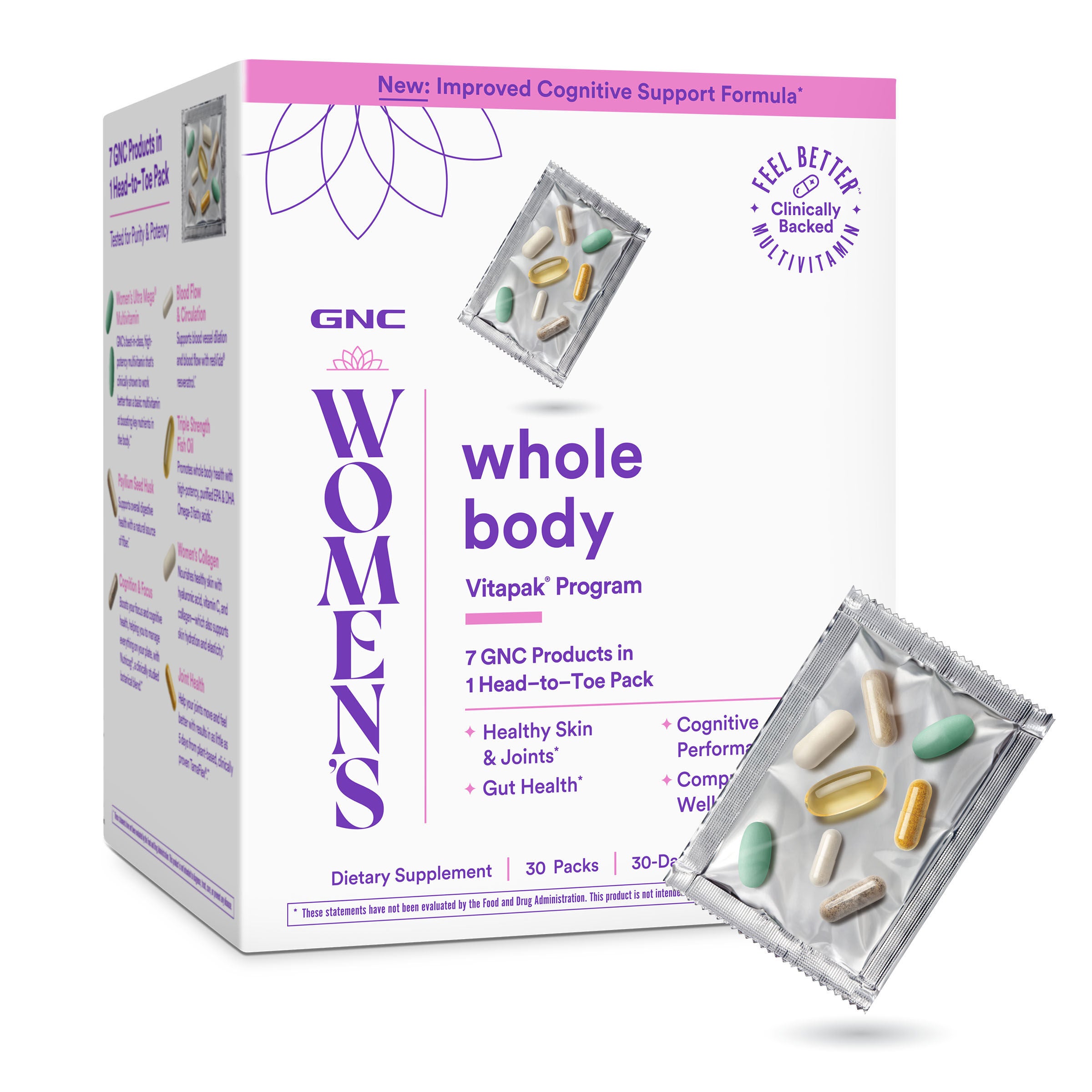
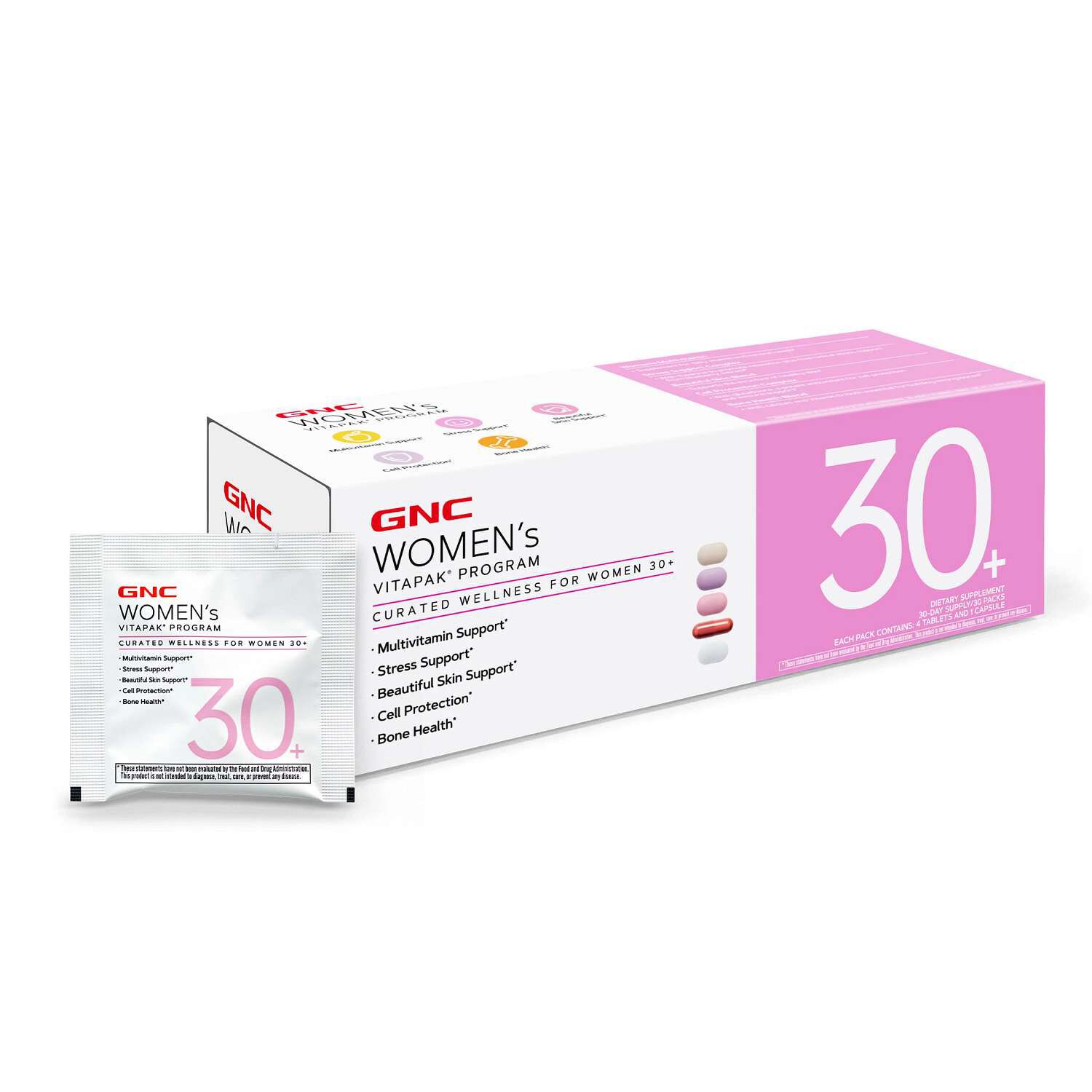


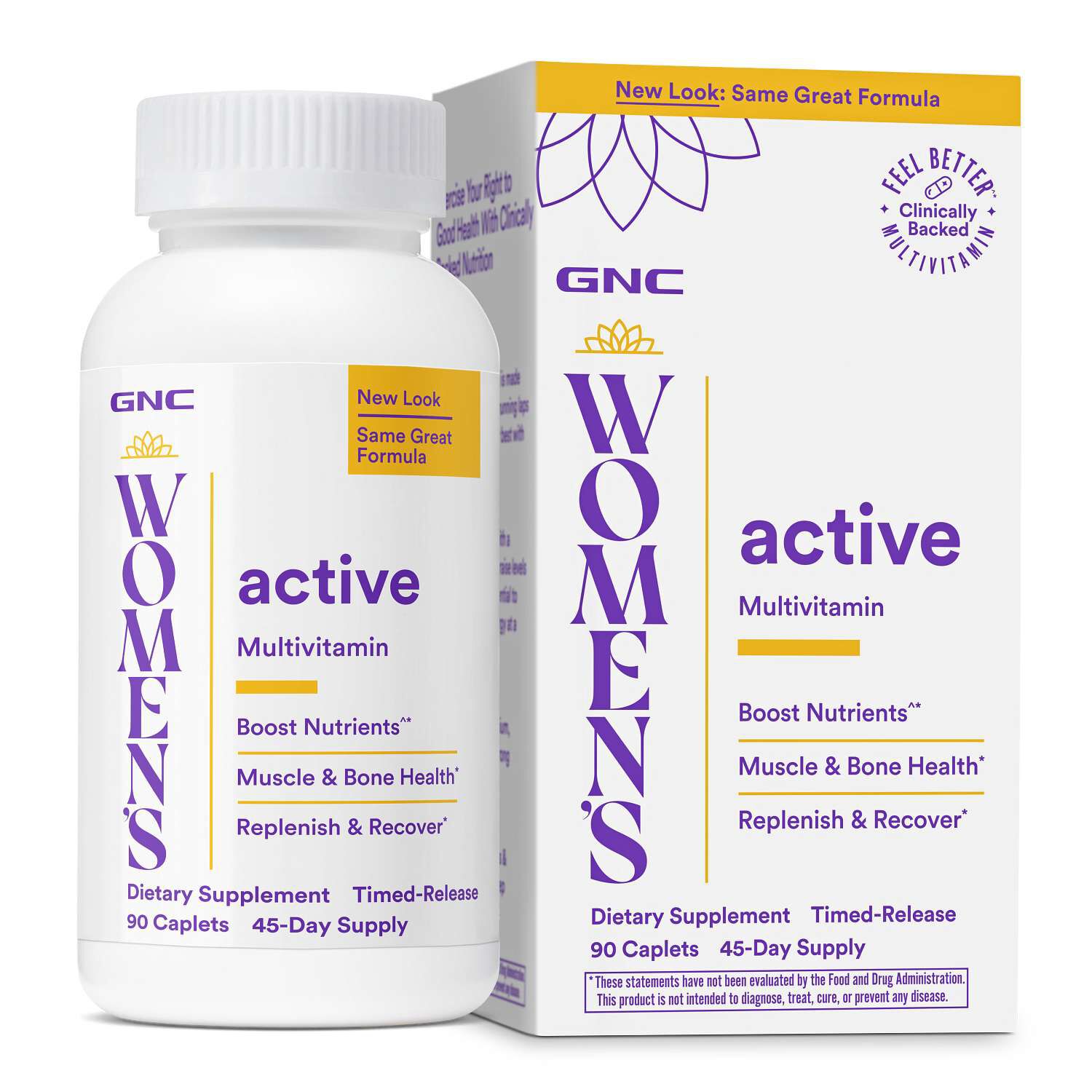
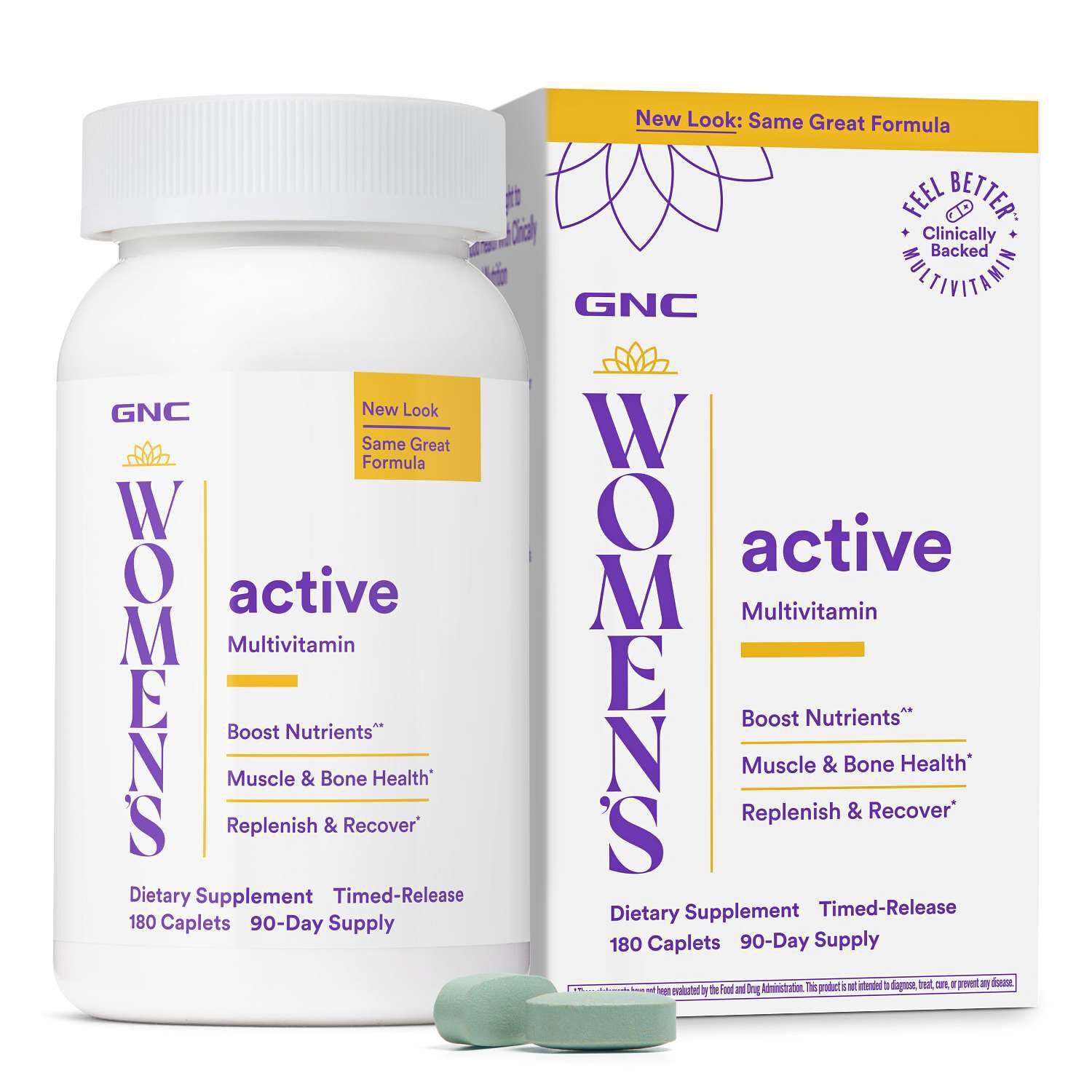
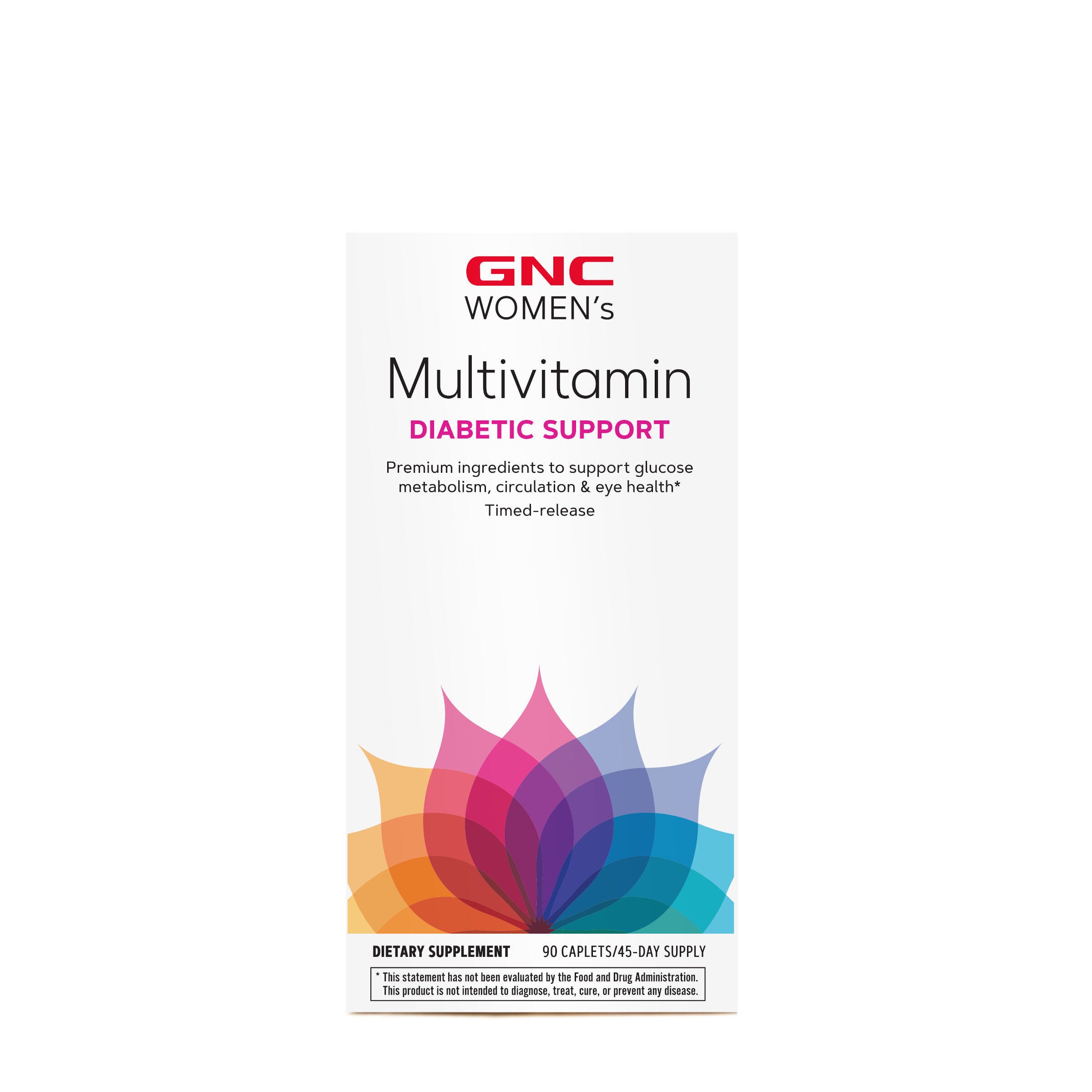
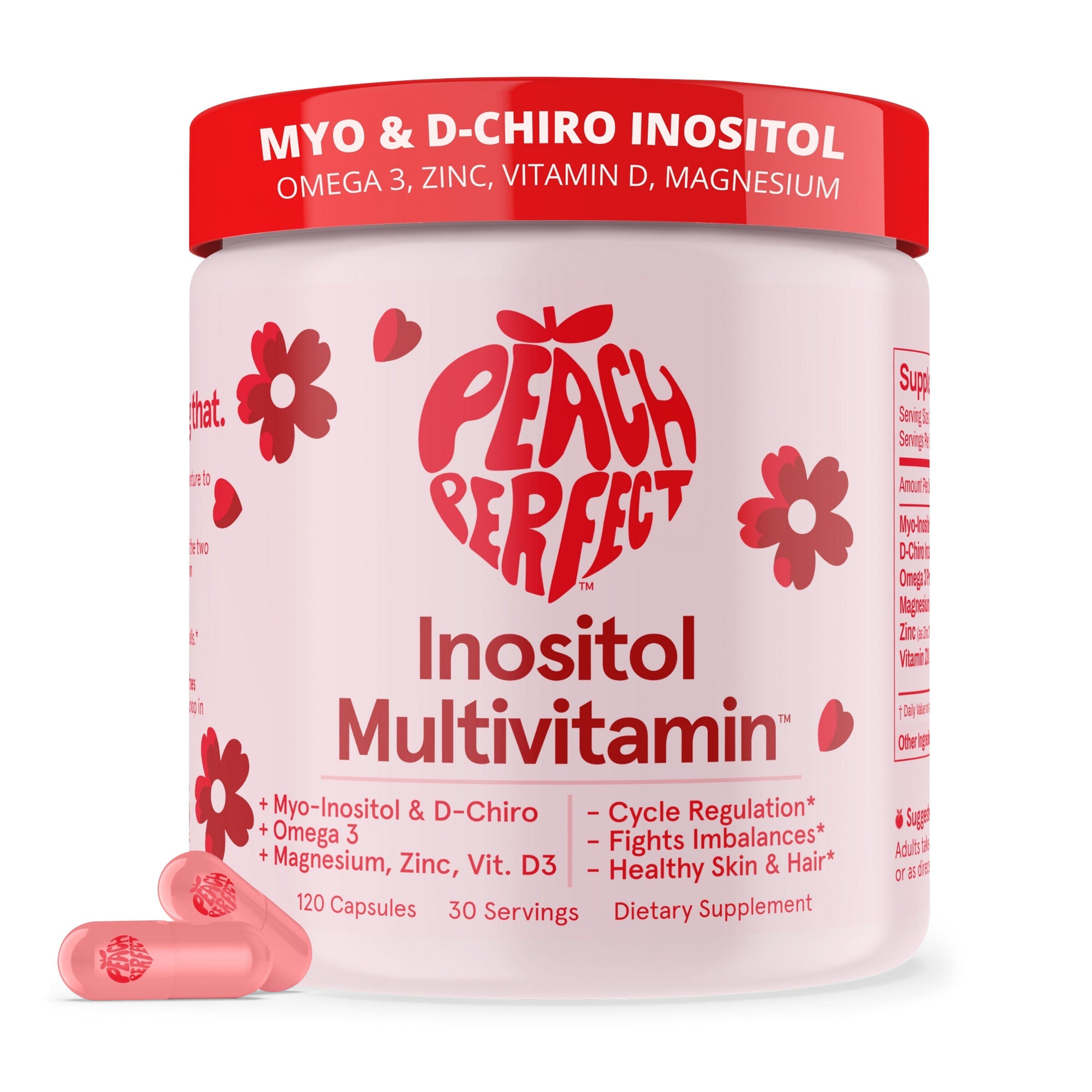
Women's multivitamins with antioxidant support are dietary supplements that combine a range of vitamins and minerals with antioxidant nutrients such as vitamins C and E, often alongside selenium or botanical ingredients. They are intended to accompany a varied diet and may help round out everyday nutrient intake. Within this category, antioxidant support is one feature of a broader multivitamin formula rather than a separate product format. A tablet, capsule, or gummy can contain antioxidant nutrients, and the ingredient list provides more useful detail than the format alone. Vitamins C and E are common ingredients to look for, while some formulas also contain zinc, selenium, or blends made with fruit and vegetable extracts. Pomegranate, blueberry, and green tea are examples of botanical sources that may appear on labels, although the presence of a plant ingredient does not establish how much of a particular nutrient the formula contains. Alongside these ingredients, women's multivitamins may include B vitamins, vitamin D, calcium, iodine, or other minerals. The exact combination and amounts vary, so two formulas described as offering antioxidant support can have noticeably different nutrient profiles. This variety reflects different approaches to formulation, including products labeled for adult women, particular age ranges, or specific dietary preferences. A woman balancing a commute, desk work, and evening activities might prefer a straightforward daily format, while someone who enjoys a consistent breakfast routine might choose a supplement that fits naturally beside that meal, when consistent with its label directions. The useful distinction is not how elaborate a formula sounds, but what it contains and how clearly that information is presented. A recognizable list of nutrients, a clearly stated serving size, and an intended audience shown on the label provide concrete context for comparing women's antioxidant multivitamins. Food remains part of that context: colorful produce, grains, beans, nuts, and other everyday foods contribute a range of nutrients, while a multivitamin offers a measured combination in a packaged supplement.
Comparing women's multivitamins with antioxidant support begins with the Supplement Facts panel, where nutrient amounts and Daily Value percentages appear alongside the stated serving size. A serving may be one tablet, multiple capsules, or several gummies, making the number of pieces an important detail for an everyday routine. The amount shown beside vitamin C or vitamin E generally refers to that full labeled serving, not necessarily to one piece. Daily Value percentages offer a standardized reference for comparing nutrient content, but a larger percentage alone does not describe the overall suitability of a formula. Other details deserve equal attention, including which minerals are present, whether botanical ingredients are listed individually or within a blend, and whether amounts are disclosed for each component. Iron is another meaningful distinction within women's multivitamins: some formulas contain it, while others omit it. For shoppers comparing that particular ingredient, Women's Multivitamins With Iron provides a related category to explore alongside antioxidant-focused options. Iron content and antioxidant ingredients are separate parts of a formula, so neither description tells the whole story on its own. Calcium and magnesium content also vary, and a women's multivitamin should not be assumed to contain substantial amounts of every mineral simply because the ingredient appears on the label. Beyond the nutrient panel, the other ingredients list identifies materials used to make the supplement, such as capsule shells, tablet coatings, sweeteners, colors, and flavorings. Capsules may use gelatin or a cellulose-based shell, while gummies may use gelatin or pectin for their chewy texture. These differences can matter to shoppers with vegetarian preferences or particular ingredient priorities. A fruit-flavored gummy does not necessarily contain the fruit extract featured in an antioxidant blend, and a botanical blend does not necessarily determine the flavor. Reading those details separately keeps comparisons grounded in the actual formulation. Labels can also identify added sugars, allergens, and whether a botanical ingredient contributes caffeine. A short, familiar-looking ingredient list and a longer list represent different formulation choices; neither should be treated as a shortcut for evaluating nutrient amounts, dietary fit, or the labeled serving.
Format, packaging, and storage are practical considerations that can make a women's multivitamin feel more compatible with daily life. Tablets often have a firm shape and may include a coating, while capsules enclose powdered or other ingredients within a shell. Their dimensions can vary even when two formulas contain similar nutrients, so package descriptions of size and serving format can be useful. Gummies offer a chewable alternative with distinct flavors and textures, though their nutrient combinations and serving sizes may differ from those of tablets or capsules. Someone who prefers a neutral-tasting supplement might favor a capsule, while someone who already keeps a small, orderly breakfast station might appreciate a clearly labeled bottle that belongs beside the usual morning necessities. A person who travels regularly may value packaging that remains easy to close securely and carries readable directions. These are considerations of convenience and preference, not evidence that one format has stronger antioxidant effects than another. The labeled directions establish the intended use, including serving information and any instructions about taking the supplement with food. Consistency also involves keeping track of the serving rather than relying on the number of pieces that looks familiar from a previous bottle. Storage directions matter because supplement ingredients, coatings, and textures can respond differently to their surroundings. Keeping the container closed and following its instructions for storage can help preserve the product's condition. A dry cabinet away from direct sunlight may be more appropriate than a bathroom shelf or a spot beside a steamy kettle, depending on the label. The expiration date, intact packaging, and legible ingredient information are additional details worth noting. Women's multivitamins with antioxidant support ultimately bring together nutrient composition and practical design: the combination of vitamins and minerals, the presence of botanical ingredients, the serving format, and the materials used to hold everything together. A well-matched choice is one whose label is understandable, whose ingredients align with the shopper's preferences, and whose intended use fits an established routine without replacing the variety and enjoyment of everyday meals.