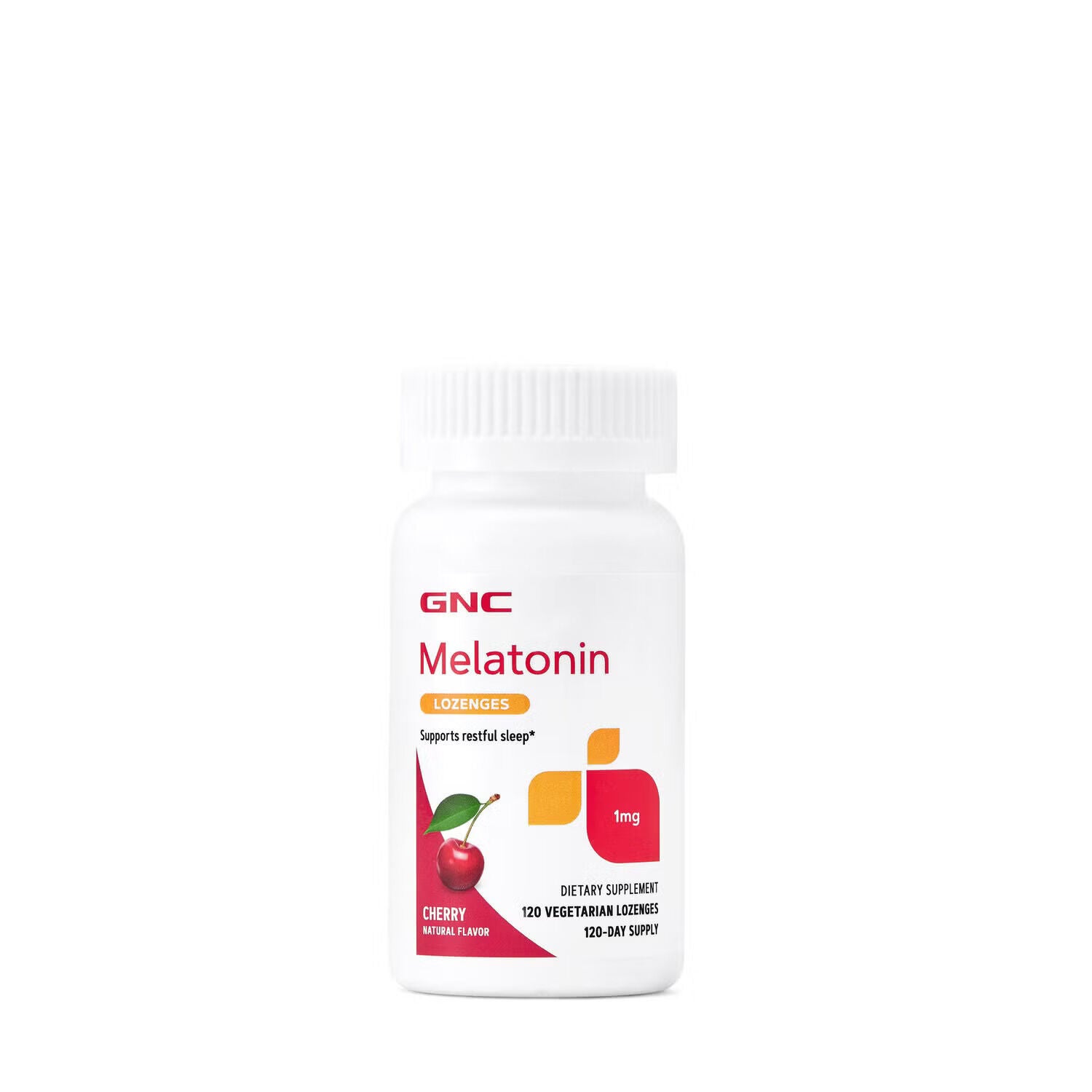
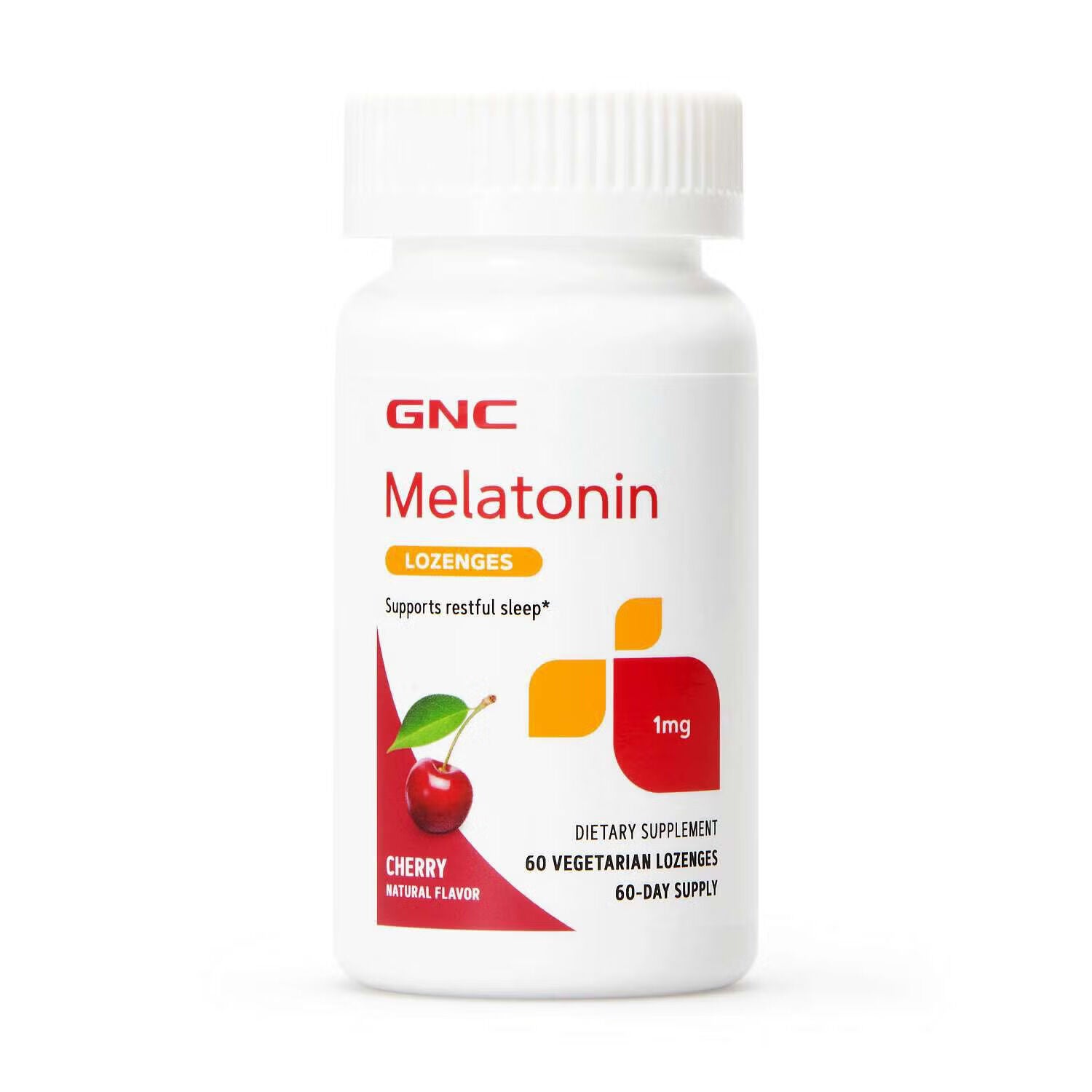
5mg Sleep Aid Supplements
(0 Results)
Discover a variety of options with our selection of 5mg sleep aid supplements. Designed for those seeking support for their nighttime routine, these supplements may help you wind down and prepare for restful evenings. Explore different forms and blends that could fit seamlessly into your daily schedule, making it easier to find a solution that aligns with your wellness goals. Find the right addition to your evening regimen with our range of thoughtfully chosen sleep aid supplements.
-

-

-
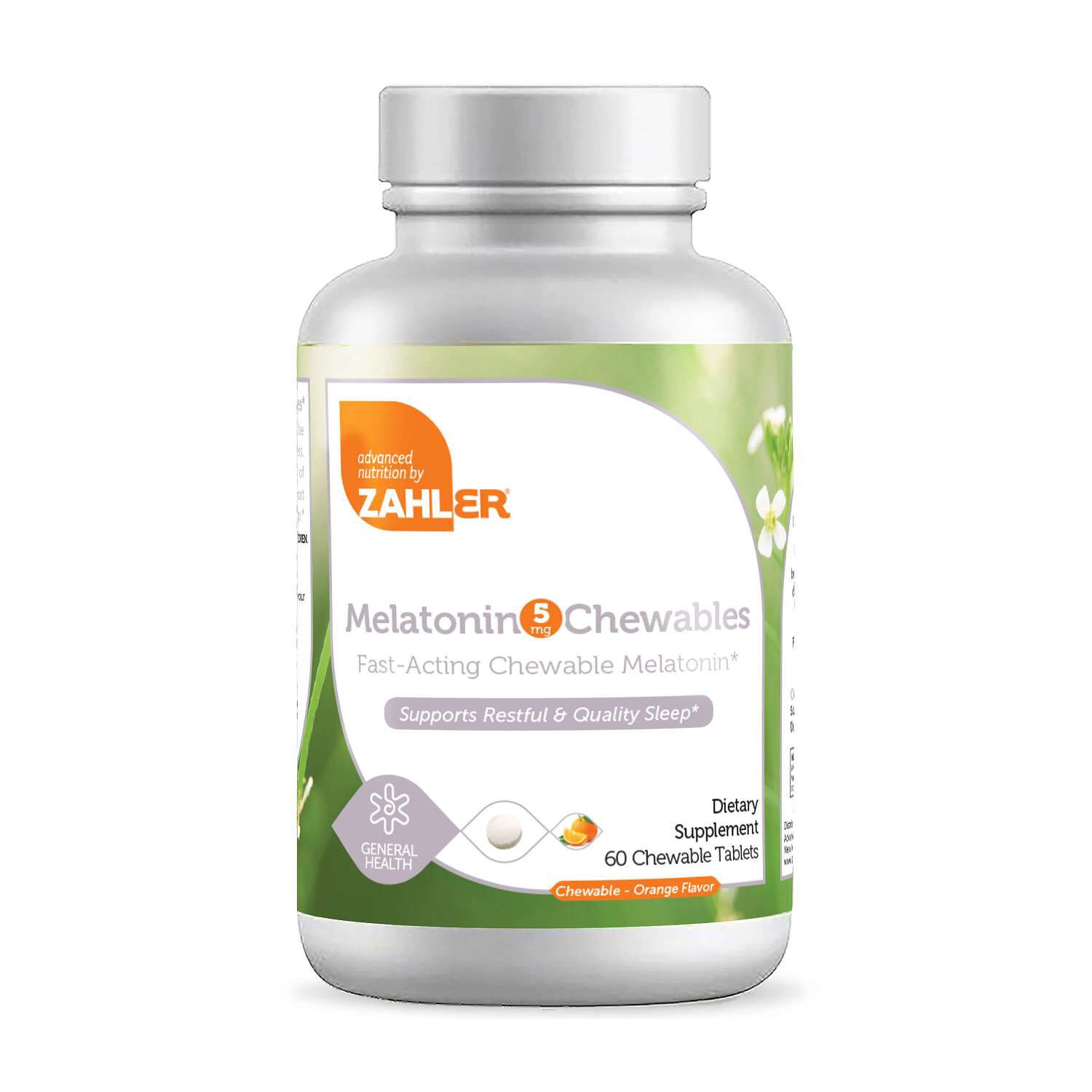 $13.99
-
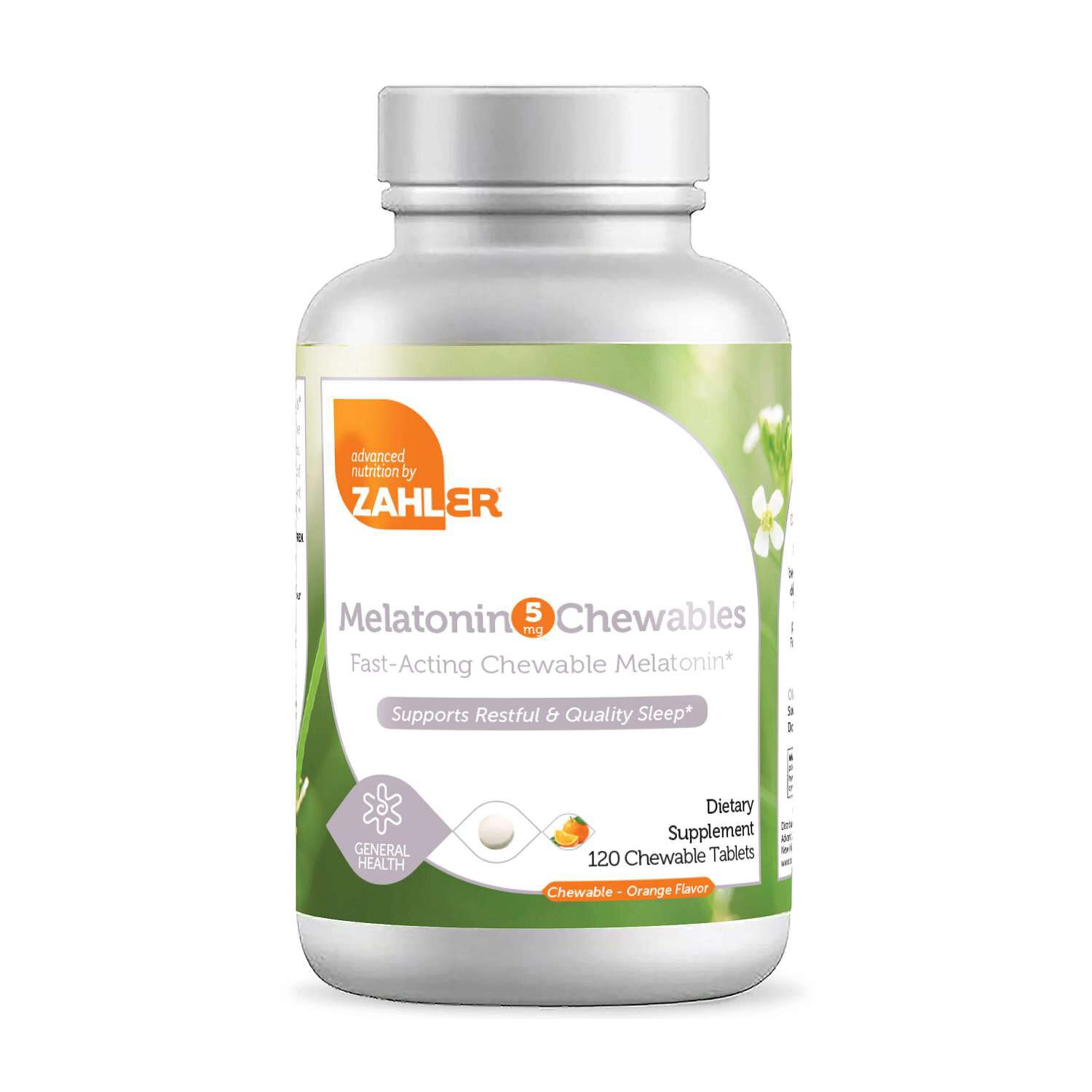 $17.99

5mg sleep aid supplements bring together a range of nighttime formulas, with melatonin among the most common ingredients associated with the 5 mg designation. That number describes an ingredient amount, not the size of the tablet, the weight of the gummy, or the amount of every ingredient in a blend. For shoppers comparing options, the clearest starting point is the Supplement Facts panel: it identifies the ingredient measured at 5 mg and the serving size that provides that amount. A serving might be one tablet or more than one gummy, so the number on the front of a package does not necessarily describe each individual piece. This distinction matters when comparing bottles with different counts or formats. Two packages can display the same 5 mg amount yet contain different numbers of servings. Formulas also vary in scope. Some feature melatonin as the only listed dietary ingredient, while others combine it with ingredients such as L-theanine, magnesium, or botanical extracts. A shorter ingredient list and a multi-ingredient blend represent different approaches to formulation; neither description alone establishes which option suits a particular shopper. For a closer look at options organized around that ingredient and amount, 5mg Melatonin Supplements offers a related category to explore. Within the broader sleep aid category, matching the front-label description with the details on the back helps distinguish the ingredient amount from the formula as a whole. Many nighttime supplements are labeled for adult use, and the intended audience and usage directions belong in that comparison alongside the format. The 5 mg designation is a useful browsing detail, but it is not a universal recommendation or a reason to assume that a larger amount would be a better fit. Clear labeling gives shoppers a more practical basis for comparing otherwise similar-looking options, especially when the packaging emphasizes flavor, format, or a blend name more prominently than serving information.
Format shapes the everyday experience of a 5 mg sleep aid supplement, from opening the container to measuring the labeled serving. Tablets offer a familiar solid format, although their dimensions, coatings, and shapes can differ. Capsules have a shell surrounding the ingredients, and that shell may be made with gelatin or plant-derived materials. Shoppers with dietary preferences can look beyond the main ingredient to the capsule material and the other ingredients listed on the package. Gummies introduce a chewable texture and a flavor component, with differences in sweetness, firmness, and the ingredients used to create their consistency. Pectin and gelatin are examples of gelling ingredients that may appear on gummy labels. Sugar content, sweeteners, colors, and flavorings are additional points of comparison, particularly for someone who prefers a less sweet addition to an evening routine. Dissolving tablets offer another format, with directions that can differ from those for conventional tablets or capsules. Their flavor and mouthfeel may be part of the selection process rather than an afterthought. A shopper who prefers an unflavored capsule has a different set of priorities from someone who values a chewable format, even when both are browsing the same labeled ingredient amount. Texture and taste are personal preferences, not evidence of how a supplement will perform. Terms describing release characteristics also deserve attention because they distinguish formulations beyond the basic tablet or capsule shape. Those terms should be considered alongside the package directions rather than interpreted as interchangeable descriptions. When comparing a melatonin-focused formula with a blend, the amounts of the accompanying ingredients matter as much as their names. Botanical listings may identify a plant part or extract, while mineral listings can name a particular form. These details create a more precise picture than a broad phrase on the front label. They also help shoppers distinguish meaningful formulation differences from differences in package design, flavor names, or container shape without treating one presentation as inherently preferable.
A useful comparison extends beyond the ingredient panel to the way a supplement fits into an organized household routine. For an adult browsing nighttime supplements, practical considerations might include a readable label, a manageable container, a preferred format, and directions that are easy to locate and understand. Someone who keeps personal-care items in a small cabinet may pay particular attention to bottle dimensions and closure style. Someone sharing a household may place more importance on keeping supplements clearly identified and stored separately from ordinary snacks, especially when the format is a flavored gummy. Original packaging preserves the connection between the contents and important details such as the serving size, ingredient list, lot information, and expiration date. A loosely filled travel container lacks much of that context unless those details remain accessible elsewhere. Package storage directions are also part of the comparison, since different formats can have different handling requirements. Keeping the closure secured and following the labeled storage conditions may help preserve the intended texture and condition of the contents. Packaging integrity matters as well: a clearly identified seal and legible printed information offer useful details to check when examining a container. These are everyday product-care considerations rather than signs that a formula will produce a particular outcome. Intended use is equally important. A sleep aid supplement may complement an adult evening routine, but the category name does not establish an individual result or make every formula interchangeable. The label remains the source for the manufacturer's intended use, directions, and cautions; a category description cannot replace those product-specific details. For browsing purposes, the most informative comparison brings together the ingredient measured at 5 mg, the amount per serving, the format, any accompanying ingredients, and the package instructions. That approach keeps the focus on observable differences. Whether the preference is for a straightforward tablet, a capsule with carefully specified materials, or a flavored chewable, the details behind the 5 mg designation provide a clearer picture of what each type of nighttime supplement contains and how it is presented.