

Chewable Sleep Aid Tablets
(0 Results)
Chewing your way to a restful night could be easier with chewable sleep aid tablets. Designed for those who prefer an alternative to traditional capsules or liquids, these convenient options may fit seamlessly into your nightly routine. Explore a variety of chewable sleep aid tablets that offer different flavors and formulas to suit your preferences, making it simple to find the right addition to your bedtime ritual.
-

-
 Chewable Tablets_Front.jpg?sw=305&sh=305&sm=fit "ChildCalm - 60 Chewable Tablets (30 Servings) | GNC")
-

-

-

-

-

-
 Purity Products$19.99
-
 $13.99
-
 $17.99
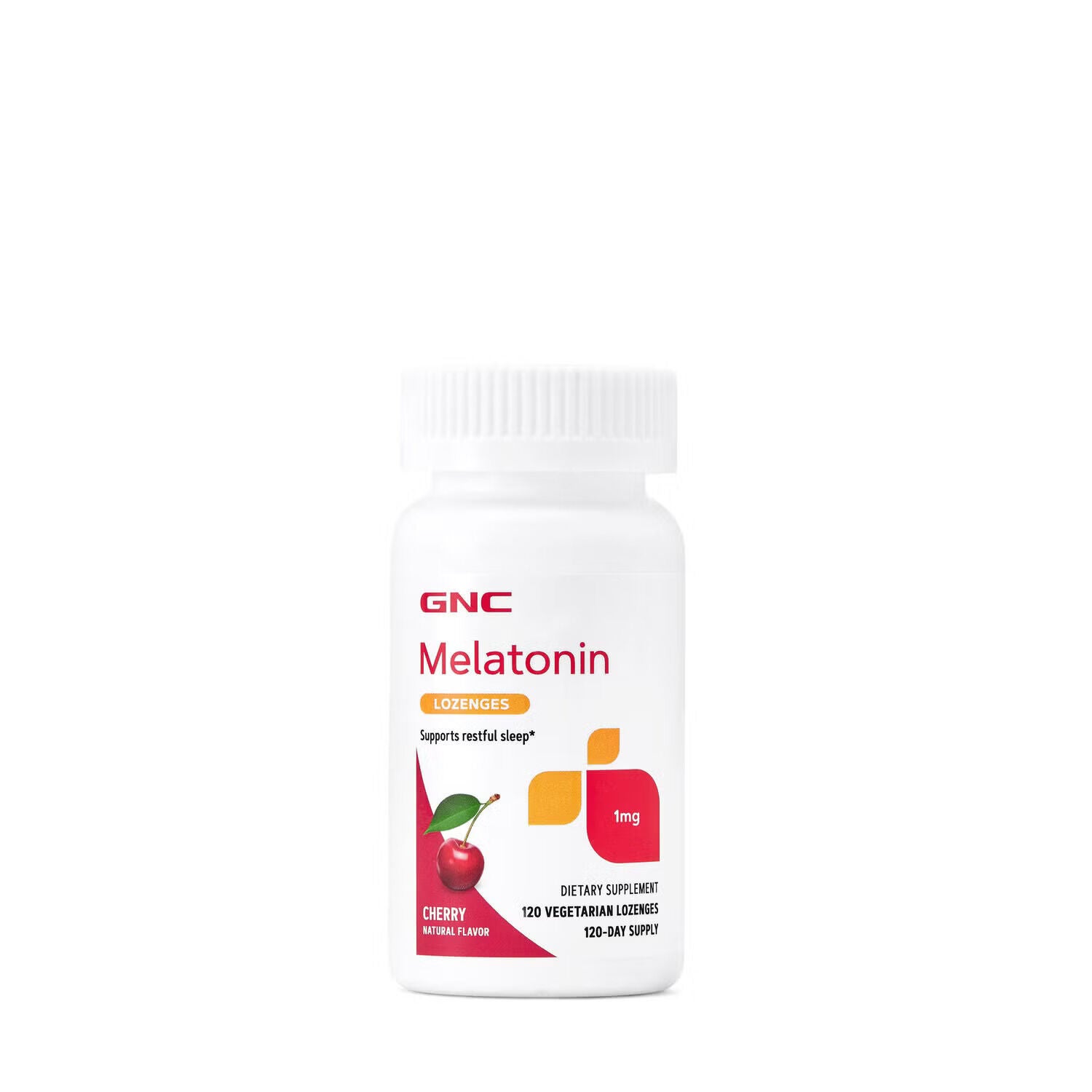
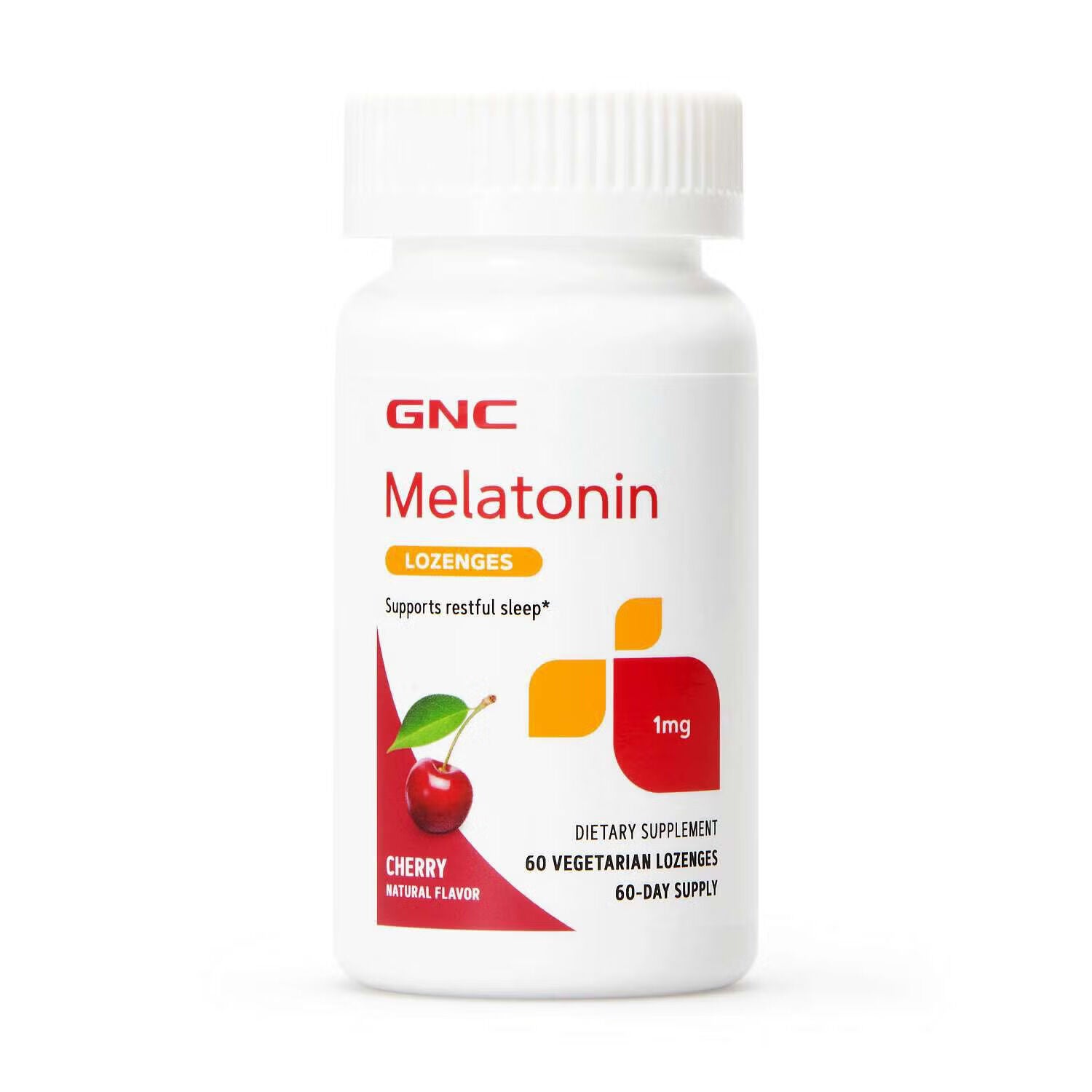
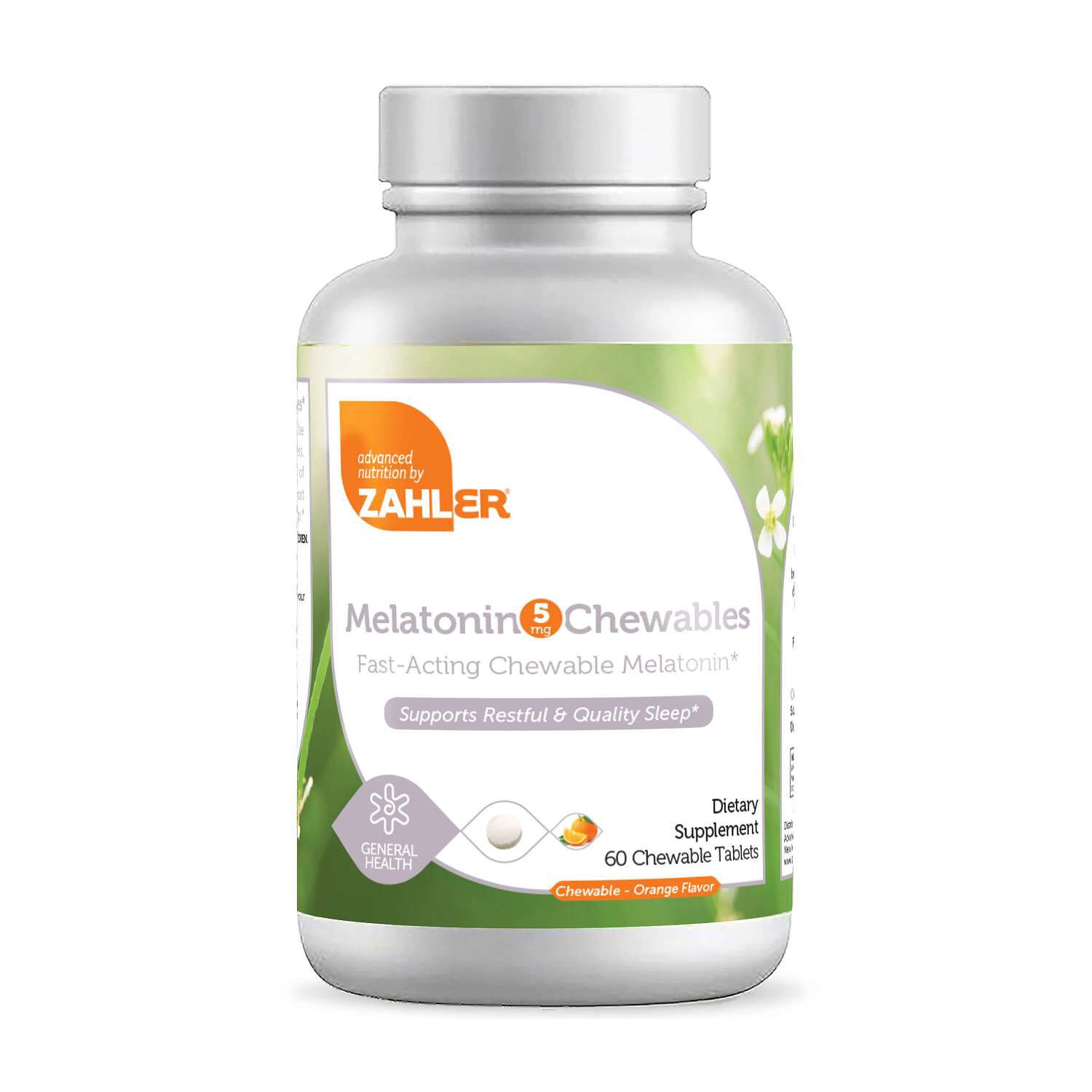
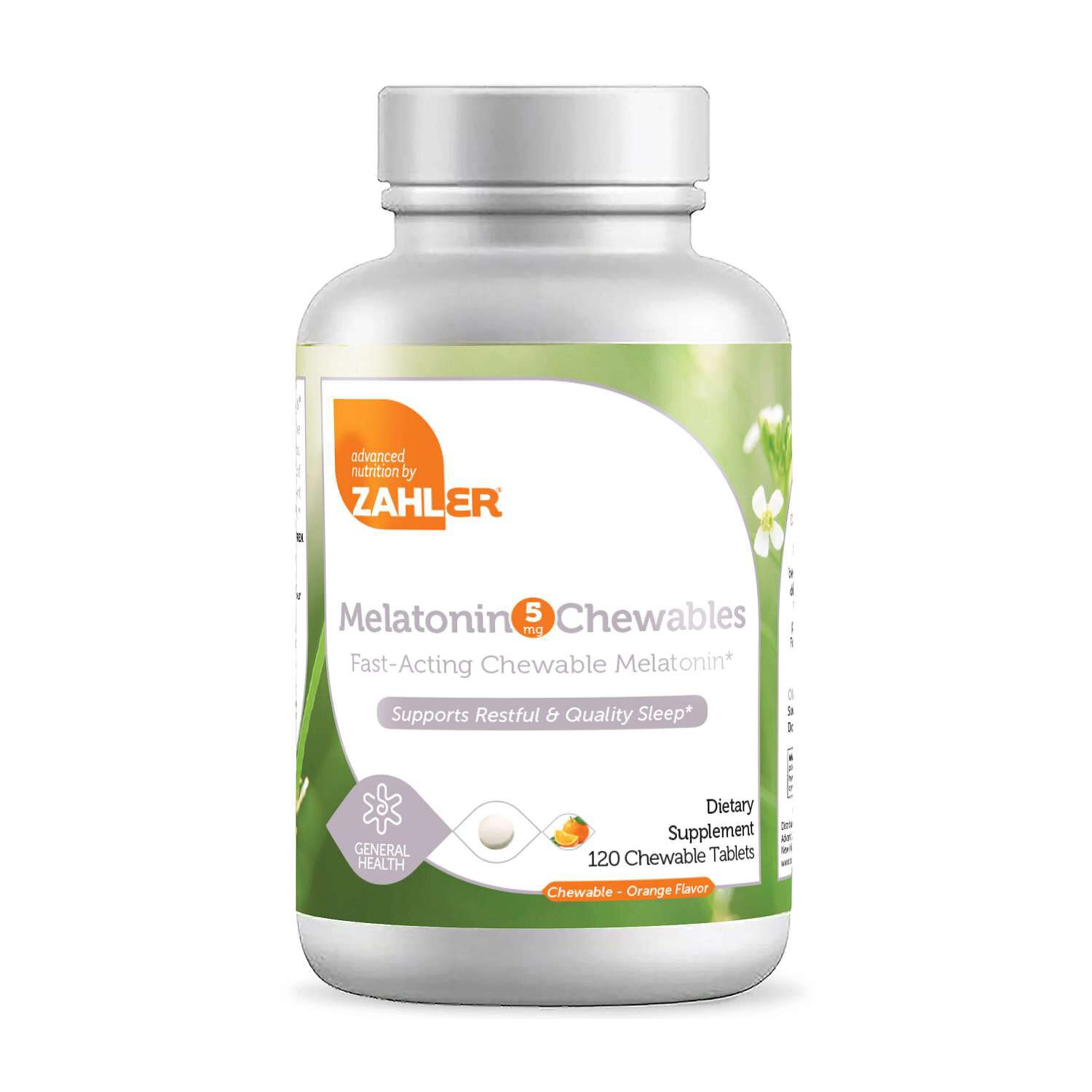
Chewable sleep aid tablets are dietary supplements made in a tablet format intended to be chewed rather than swallowed whole. Formulas in this category often feature melatonin, botanical ingredients, or a combination of ingredients associated with bedtime supplements. Melatonin is a hormone the body naturally produces and is also used as an ingredient in sleep supplements. Botanical blends may include chamomile, lemon balm, or other plant extracts, with the exact ingredients identified on the label. For adults who prefer a chewable format, these tablets may fit into an established evening routine without the experience of swallowing a capsule. Flavor and texture are part of that choice: a fruit-flavored tablet can have a distinctly different mouthfeel from a soft gummy, and a compressed chewable may be smooth, crumbly, or slightly powdery depending on its formulation. Although chewable tablets and gummies sometimes appear alongside one another, they are different formats with different ingredient needs. Gummies typically rely on a gel-like base, while tablets use ingredients that hold a compressed shape and allow it to break apart when chewed. A chewable tablet is also not necessarily the same as a tablet intended to dissolve on or under the tongue. The package identifies the intended method of use, so those descriptions are worth distinguishing when comparing formats. Some chewables are intended for use without water, but that feature depends on the label rather than the category name alone. The most useful starting point is the combination of format, ingredient list, labeled serving size, and intended audience. Two bottles described as chewable sleep supplements can differ substantially in those details, even when their flavors or packaging look similar. That makes the label a more meaningful point of comparison than the front-of-package description by itself, particularly for someone choosing between a familiar tablet format and a different kind of bedtime supplement.
The amount listed on a bottle deserves a closer look because an ingredient amount can refer to one tablet or to a serving made up of more than one tablet. Tablet count and serving count are separate measurements: a bottle with a larger number of tablets does not necessarily contain more labeled servings. The Supplement Facts panel shows serving size and the amounts of listed dietary ingredients, while the other ingredients section identifies components used for flavor, texture, color, and tablet structure. For shoppers comparing melatonin formulas, the distinction between milligrams per tablet and milligrams per serving is especially relevant. The related 5mg Sleep Aid Supplements category provides another way to browse by a stated amount, while each product label supplies the context needed to understand that amount. A larger number is not, by itself, a description of how a formula might fit an individual’s preferences or intended use. Single-ingredient and blended formulas also offer different comparison points. A melatonin-focused formula may appeal to someone who wants a shorter list of featured dietary ingredients, while a botanical blend includes additional plant-derived components to review. Those distinctions describe composition, not an assurance of a particular experience. With botanical ingredients, labels may identify the plant, the plant part, or an extract amount; these details help distinguish formulas that otherwise sound alike. Flavor ingredients deserve similar attention. Sweeteners, acids, and flavoring agents can shape whether a tablet tastes bright and fruity, mildly sweet, or more noticeably botanical. Some formulas use sugar alcohols, while others use different sweetening ingredients. Dietary preferences and ingredient exclusions are best compared against the full ingredient list and any applicable package statements. A familiar flavor name does not reveal every ingredient in the tablet, and a short front label does not replace the more detailed information elsewhere on the package.
Everyday fit also involves the physical details of the tablet and its container. Tablet size, shape, and firmness can influence whether a chewable format feels appealing, especially for someone who already has a clear preference for softer or firmer textures. Product descriptions and package photographs may offer clues about shape and packaging, although they cannot fully convey taste or mouthfeel. A compact bottle may suit a small bedside drawer, while individually packaged tablets may offer a different way to organize a travel bag when that packaging format is used. Neither appearance nor portability changes the labeled intended use. These are supplements rather than candy, even when the flavor is familiar and the tablet is small. Keeping the original packaging preserves access to ingredient details, directions, age designations, cautions, and storage information. It also keeps the lot information and expiration date connected to the contents. For this category, care is less about long-term durability and more about preserving the tablet’s intended condition throughout its labeled storage period. Moisture and an improperly closed container can affect the physical condition of compressed tablets, making closure design and package storage directions practical details rather than afterthoughts. A screw-top bottle, a flip-top container, and an individual packet each create a different handling experience. Someone comparing options for a shared household may pay particular attention to clear labeling and designated storage, while someone with limited drawer space may focus on container dimensions. Adult labeling is another distinct consideration; flavor and chewable texture do not establish that a formula is intended for every age group. Beyond packaging, a realistic comparison leaves room for personal preferences without assuming that one supplement will produce the same experience for everyone. Chewable sleep aid tablets may appeal to adults seeking a bedtime supplement in a familiar, flavored format, but the most informative distinctions remain concrete: what the formula contains, how much is listed per serving, how the tablet is intended to be used, and how its packaging fits into everyday life. Those details give the category substance beyond a flavor name or a prominent number on the bottle.