





Alfalfa Protein Powders
(0 Results)
Discover the potential benefits of incorporating alfalfa protein powders into your daily routine. These plant-based protein supplements might offer a natural and nutritious way to support your fitness goals and overall well-being. Rich in vitamins, minerals, and amino acids, alfalfa protein powders could be an excellent addition to smoothies, shakes, or recipes. Explore the variety of options available and find the perfect fit for your lifestyle and dietary needs.
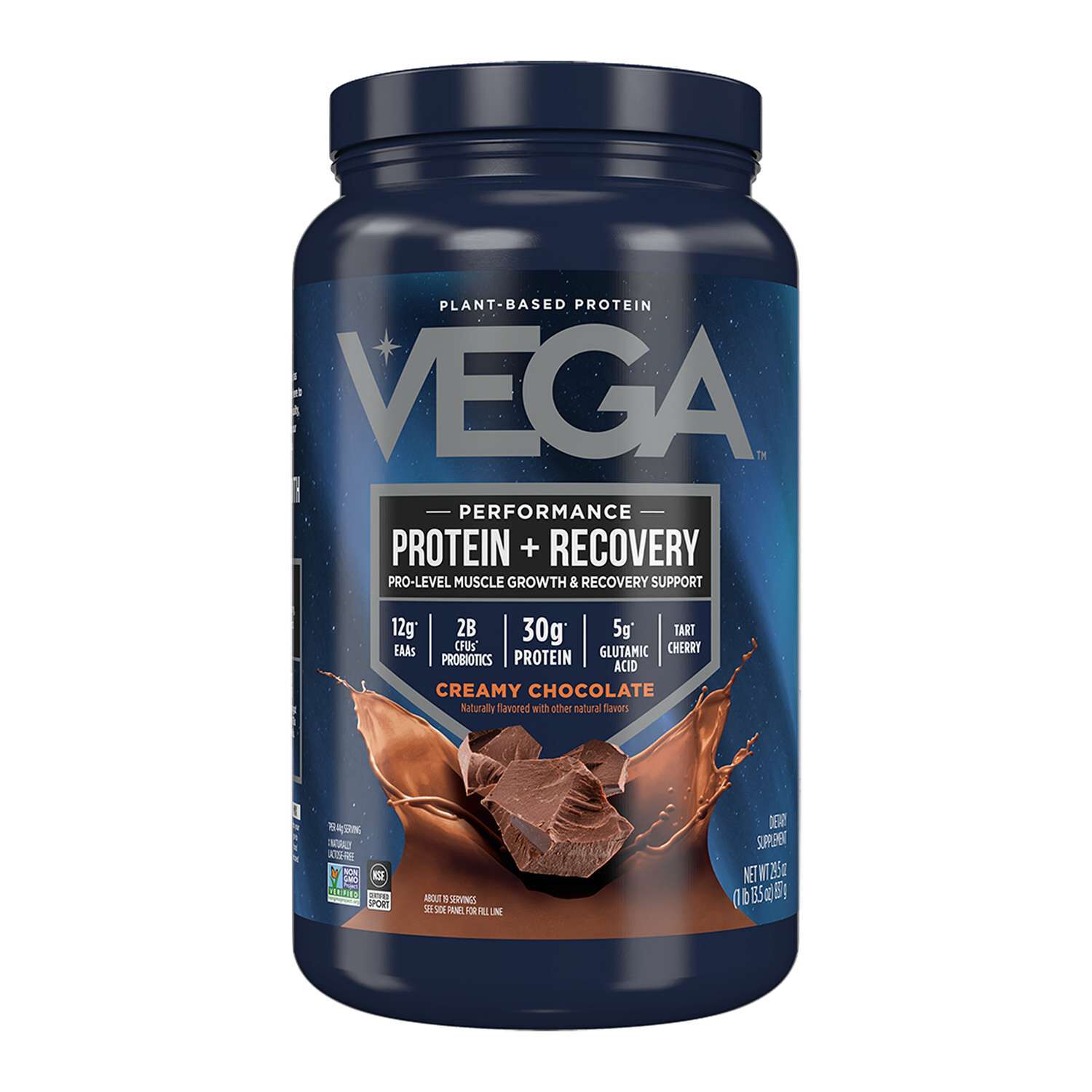

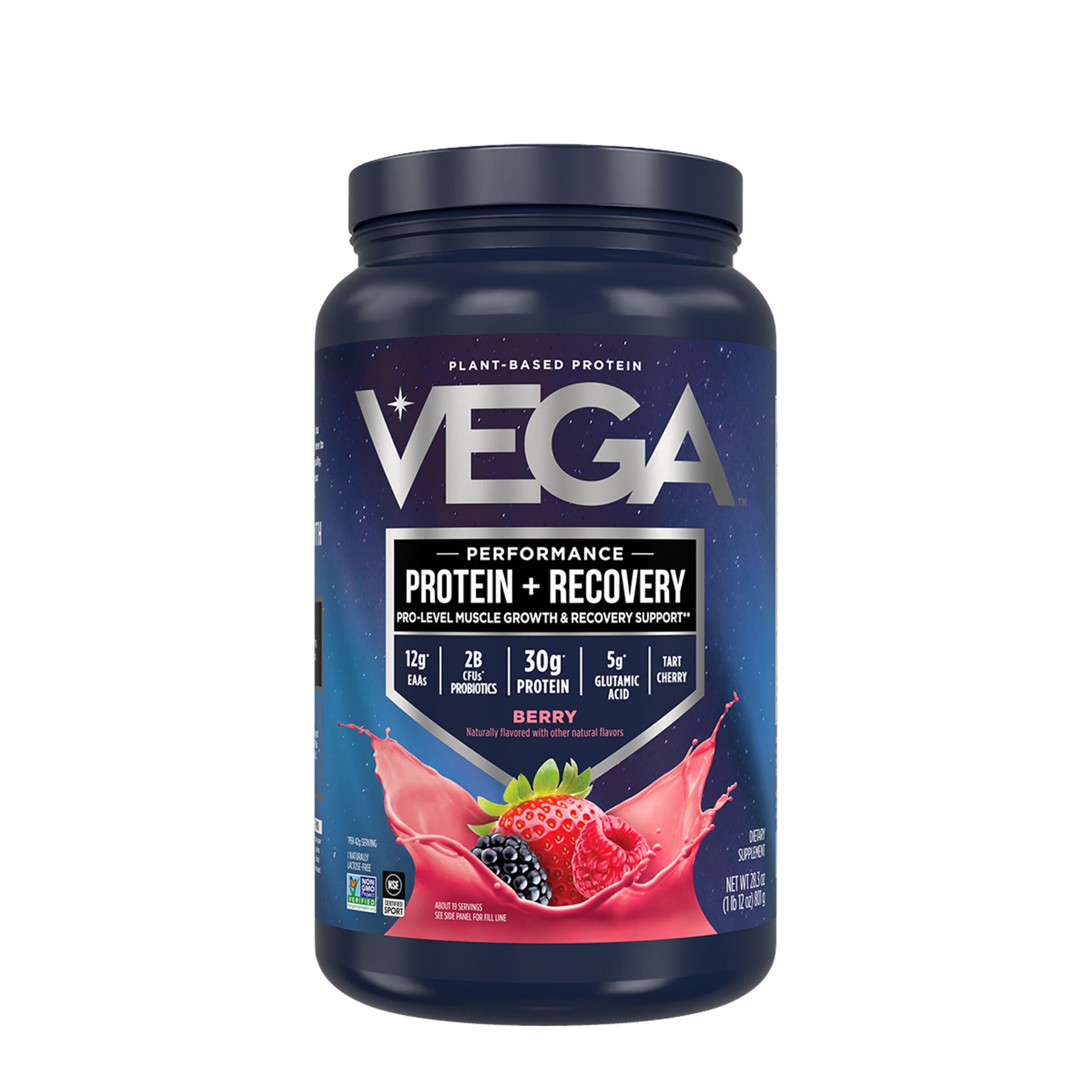

Alfalfa protein powders are plant-based powders made with protein sourced from the leaves or leaf juice of alfalfa, a leafy plant botanically known as Medicago sativa. The category can include concentrated alfalfa protein as well as formulas that pair alfalfa ingredients with protein from peas, rice, or other plants. That distinction matters because alfalfa leaf powder, alfalfa juice powder, and alfalfa protein concentrate describe different ingredients, not interchangeable names for the same thing. A leaf powder contains dried plant material, while a protein concentrate involves processing that separates and concentrates protein from other components. In a blended formula, alfalfa might appear alongside greens, flavorings, sweeteners, and several protein sources. The ingredient list identifies those components, while the Nutrition Facts or Supplement Facts panel gives the protein amount for the stated serving. A green appearance or a prominent alfalfa reference on the front of a package does not establish how much protein a serving contains. Likewise, descriptions such as plant-based or greens blend do not describe a uniform nutritional profile. Protein, carbohydrate, fat, fiber, and sodium amounts depend on the formula and serving size. Any listed vitamins or minerals also deserve consideration on their own terms rather than assumptions based on the plant ingredient. Amino acids are the building blocks of protein, and their proportions vary among sources and blends. Shoppers comparing alfalfa with Amino Acid Protein Powders may be interested in whether a formula provides information about its amino acid composition in addition to grams of protein. Together, the ingredient list, serving information, and any stated amino acid details offer a more useful picture than the name of the plant alone. For someone choosing between a concentrated protein ingredient and a broader greens mixture, those details define what goes into the scoop and how that scoop compares with other powders.
Flavor and texture are equally important parts of choosing an alfalfa-based powder, especially when the intended use is a drink mixed several times a week. Alfalfa ingredients can have an earthy, grassy character, though its strength varies with processing, concentration, and the surrounding formula. An unflavored powder is not necessarily tasteless; the term generally refers to the absence of added flavoring rather than the absence of the ingredient’s own taste. Vanilla, cocoa, fruit flavors, and sweeteners create different profiles, and the ingredient list identifies what is included. For a smoothie with banana, oats, and a plant-based beverage, an earthy powder could suit the familiar grain and fruit flavors. Berries or cocoa might make the green notes less noticeable, while a simple mixture with water may leave them more apparent. A powder intended for a small shaker bottle also presents different practical considerations from one destined for a countertop blender. Fine particles, thicker plant ingredients, and added fibers can influence the consistency, with some mixtures appearing smooth and others retaining a little graininess or settling after standing. Mixing directions provide the relevant starting proportions because a serving designed for a larger drink may feel dense in a smaller glass. Beginning with the package’s suggested liquid amount and adjusting within its directions may help match the drink to a preferred consistency. In a thicker preparation, such as oatmeal or a yogurt bowl, a powder may contribute a different texture than it does in a beverage. Alfalfa’s green color may also remain visible in pale foods, so appearance is part of the experience rather than a reliable measure of protein content. Familiar recipes, preferred sweetness, and the equipment already on the kitchen counter can all shape which formula feels practical. A powder chosen for its label still needs a flavor and texture that suit the way it will be served.
Alfalfa protein powders may appeal to adults who prefer plant-derived ingredients, people who regularly make smoothies, and shoppers exploring protein sources beyond their usual rotation. Some may prefer a concentrated alfalfa ingredient with a short ingredient list; others may favor a blend with a more familiar flavor or a combination of plant proteins. A plant-based description alone does not establish that a formula suits every dietary preference, so stated dietary designations, allergen information, and the full ingredient list remain relevant. Added sugars, sweeteners, gums, flavorings, and other ingredients can distinguish formulas that otherwise look similar. Serving size is another practical detail: scoop volume and serving weight are not the same measurement, and a large scoop does not necessarily contain more protein than a smaller scoop from a different formula. The stated protein amount per serving provides a consistent point of comparison. Container size and packaging also matter in everyday use. A resealable pouch may occupy less cupboard space, while a rigid container may be easier to open and scoop from on a busy kitchen counter. Neither format replaces the storage directions on the label. A tightly closed package, a clean, dry scoop, and storage away from moisture are sensible considerations for a powdered ingredient used repeatedly. Keeping the original label accessible preserves preparation directions, ingredient information, and the printed date for later reference. For a commuter mixing a drink before leaving home, ease of measuring and cleanup may be especially relevant; for someone blending a larger smoothie at home, flavor compatibility and serving proportions may matter more. Powders used in cooking also require attention to recipe texture, since replacing flour or another dry ingredient with protein powder is not necessarily a direct substitution. The most relevant differences are concrete ones: what the powder contains, how much protein the labeled serving provides, how it tastes, and how its preparation fits into an established routine. Those details give alfalfa protein powders context as a specific plant-derived option rather than treating every green powder as the same kind of product.
Best Sellers
Related Pages
Top Collections
- Supplements For Yoga Joint Flexibility
- GLP 1 Support For Adults
- Joint Mobility Supplement Packs
- Chronic Fatigue Supplements
- Adult Mobility Supplements
- Supplements For Balance
- Supplements For Anxiety Relief Support
- Capsule Supplements For Energy And Stamina
- Zinc Supplements | Top Brands at Great Prices | GNC
- Anti Aging Supplements For Women