





Bitter Melon Supplements
(0 Results)
Bitter melon supplements offer a natural way to support overall wellness and maintain a healthy lifestyle. Packed with essential nutrients and powerful antioxidants, bitter melon has been used for centuries in traditional medicine for its potential health benefits. Whether you're looking to support blood sugar levels, promote digestion, or boost your immune system, bitter melon supplements may be a valuable addition to your daily routine. Explore our selection of high-quality bitter melon supplements to discover how this unique fruit can enhance your well-being.
-
 GNC Preventive Nutrition23$34.99 $44.99
-
-
Bitter melon supplements are dietary supplements made with Momordica charantia, a climbing plant also known as bitter gourd. Formulas can contain material from the fruit, leaves, or seeds, so the plant part listed on the label is an important detail when comparing options. The plant belongs to the gourd family and produces elongated fruit with a distinctive ridged or bumpy surface. Bitter melon has a long culinary history in parts of Asia, Africa, and the Caribbean, where its pronounced flavor is part of the appeal in savory dishes. A supplement presents the botanical in a different form from fresh bitter melon prepared in a kitchen. Capsules, tablets, powders, and liquid extracts represent different ways of packaging the ingredient for use according to labeled directions. Some formulas feature bitter melon as the only botanical, while others combine it with additional ingredients. The name on the front of a container is therefore just the starting point: the Supplement Facts panel and ingredient list provide a more detailed picture of what is inside. A capsule containing powdered fruit is not necessarily equivalent to a capsule containing a concentrated extract, even when the serving sizes look similar. Likewise, a liquid preparation has its own serving instructions and ingredient composition. Shoppers exploring this category might be familiar with bitter melon as a food, interested in botanical supplements, or looking for a particular plant part or delivery format. Those preferences offer useful starting points without assuming that every bitter melon supplement serves the same purpose. The distinction between food and supplement also matters for expectations. A measured botanical serving does not represent the same eating experience or nutritional contribution as a portion of vegetables. Understanding that difference keeps the comparison focused on the supplement itself: its botanical identity, formulation, serving information, and suitability for the shopper’s established preferences.
Comparing bitter melon supplements begins with reading the amount per serving alongside the serving size. A bottle containing a certain number of capsules does not necessarily contain that same number of servings; the directions might specify more than one capsule per serving. Looking at both details gives a clearer picture of the format than capsule count alone. Next, consider whether the ingredient is described as powdered plant material, an extract, or a standardized extract. Powdered material and extracts are prepared differently, and their listed weights should not be treated as interchangeable measurements. An extract ratio describes the relationship between the starting botanical material and the resulting extract under the manufacturer’s stated process. It does not, by itself, establish that one formula is a better choice than another. A standardization statement identifies a specified amount or proportion of a named constituent, which is another formulation detail rather than a prediction of personal results. Clear labeling makes these distinctions easier to follow, especially when the botanical name and plant part appear together. For combination formulas, the entire ingredient list deserves attention, not just the bitter melon entry. Some labels list individual ingredient amounts, while a blend may state a combined amount without separate quantities for each component. Capsule construction is another practical consideration. Shells may use gelatin or plant-derived materials such as cellulose, and tablets may include binders or coatings. Other ingredients can serve manufacturing purposes, such as helping a powder move consistently through production equipment. Shoppers with dietary preferences can look for explicit statements about capsule materials and relevant certifications rather than making assumptions from the botanical ingredient alone. Size and texture also affect format preferences: someone accustomed to small capsules may approach a larger tablet differently, while someone choosing a liquid will want to understand the measuring method and serving units. Liquid formulas can also contain ingredients beyond the botanical extract, including carriers or flavoring components. These details help distinguish products that otherwise look similar at a glance and make the comparison more concrete than front-label wording alone.
Intended use, packaging, and storage round out the picture when choosing among bitter melon supplements. These products are designed for use as labeled botanical supplements, and their directions establish the stated serving method rather than a recipe or food portion. For a shopper who already keeps a supplement routine, the practical question is how a particular format fits that routine without confusing one product’s instructions with another’s. A capsule bottle, a measured powder, and a dropper container each call for different handling. Keeping the original container preserves access to the ingredient list, directions, lot information, and date markings. That can be especially useful when two containers have similar names but different extracts or serving sizes. Storage instructions also deserve a place in the comparison. A dry cabinet away from direct sunlight and moisture is a more suitable setting for many supplements than a damp bathroom shelf, although the package directions remain the reference for the individual formula. Closing the container as directed and checking that its seal is intact before first use are straightforward packaging considerations. Product dating provides another useful reference; the printed date should be read in the context of the manufacturer’s storage instructions rather than treated as a statement about every possible storage condition. Quality information is most informative when it is specific. Botanical identification, manufacturing details, and clearly described independent testing offer more substance than a broad quality statement without explanation. When a testing claim appears, look for what was evaluated and whether the organization or testing program is identified. Shoppers comparing different botanical categories can also explore Berberine Phytosome Supplements for Insulin Sensitivity, while recognizing that a different ingredient and formulation call for their own label review. Within the bitter melon category, a useful comparison brings the details together: the named plant part, preparation method, amount per serving, additional ingredients, preferred format, and handling requirements. Those concrete distinctions provide a grounded way to browse beyond the familiar bitter melon name.
Best Sellers
-
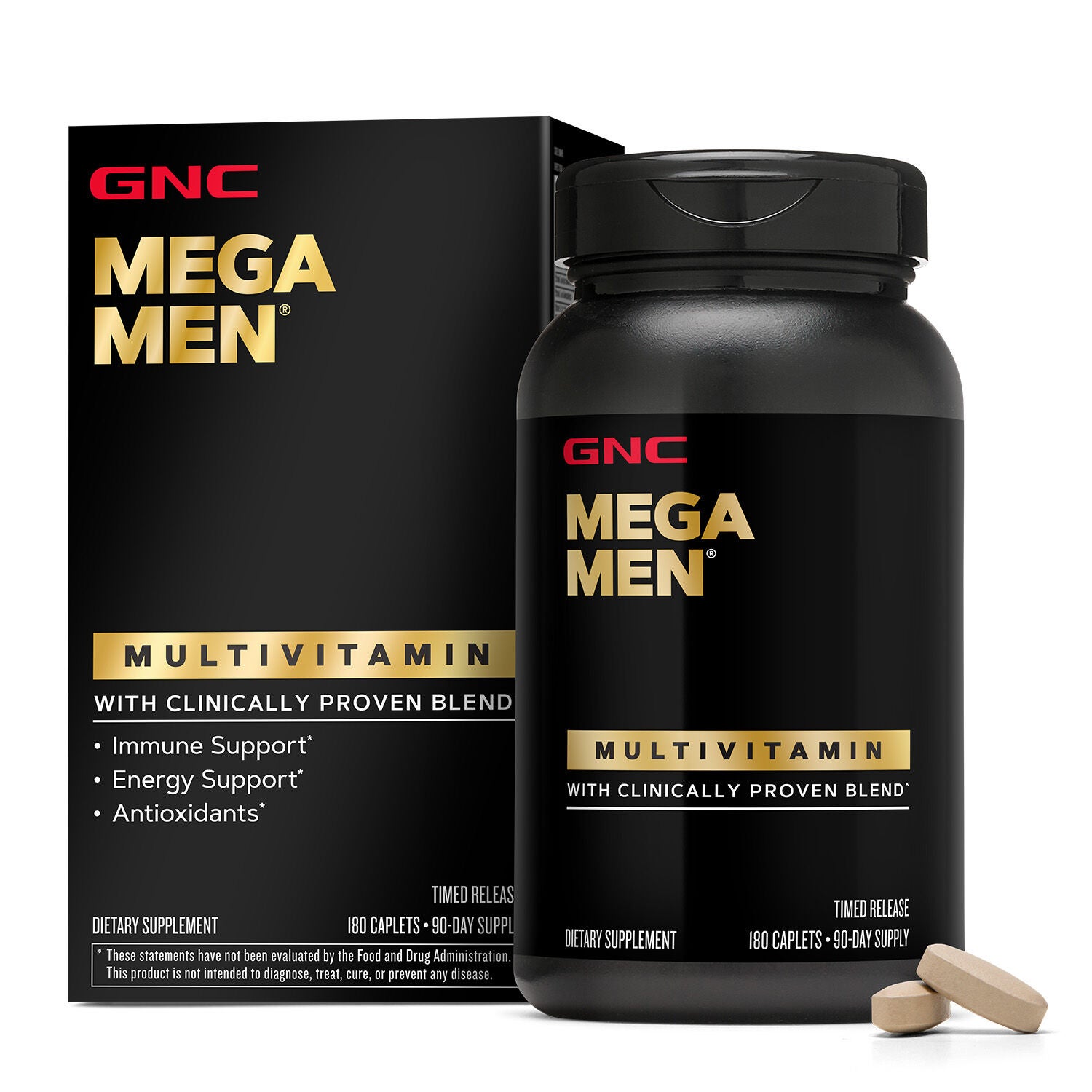 GNC Mega Men
-
 GNC Mega Men
-
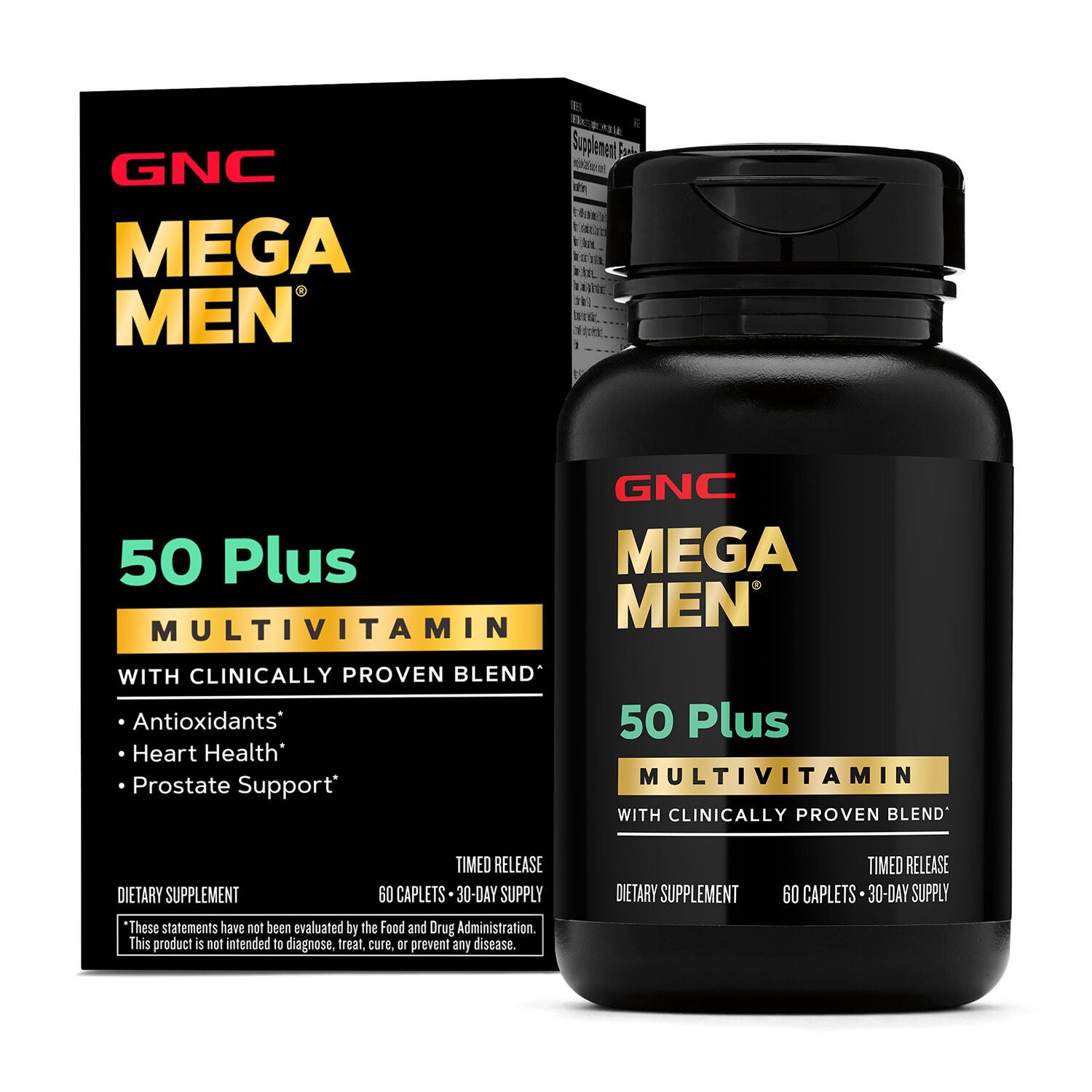 GNC Mega Men
-
 GNC Mega Men
Related Pages


Top Collections
- Joint Mobility Supplement Packs
- Daily Collagen Supplements | Top Brands & Deals | GNC
- GLP 1 Support For Adults
- Zinc Supplements | Top Brands at Great Prices | GNC
- Supplements For Yoga Joint Flexibility
- Supplements For Balance
- Capsule Supplements For Energy And Stamina
- Adult Mobility Supplements
- Chronic Fatigue Supplements
- Vitamins For Hair Loss