





Bone Mineralization Capsules
(0 Results)
Bone mineralization capsules could be a valuable addition to your wellness routine, supporting the complex process of bone health. Packed with a blend of nutrients that may contribute to maintaining strong and healthy bones, these capsules might offer the support you need for an active lifestyle. Whether you're looking to complement your diet or address specific nutritional needs, bone mineralization capsules could be the convenient solution to help you stay on top of your bone health goals. Explore the potential benefits and find the right fit for your daily regimen.
-

-

-
-

-

-
-
 $39.99
-
-

-

-

-
-

-
-

-
-

-
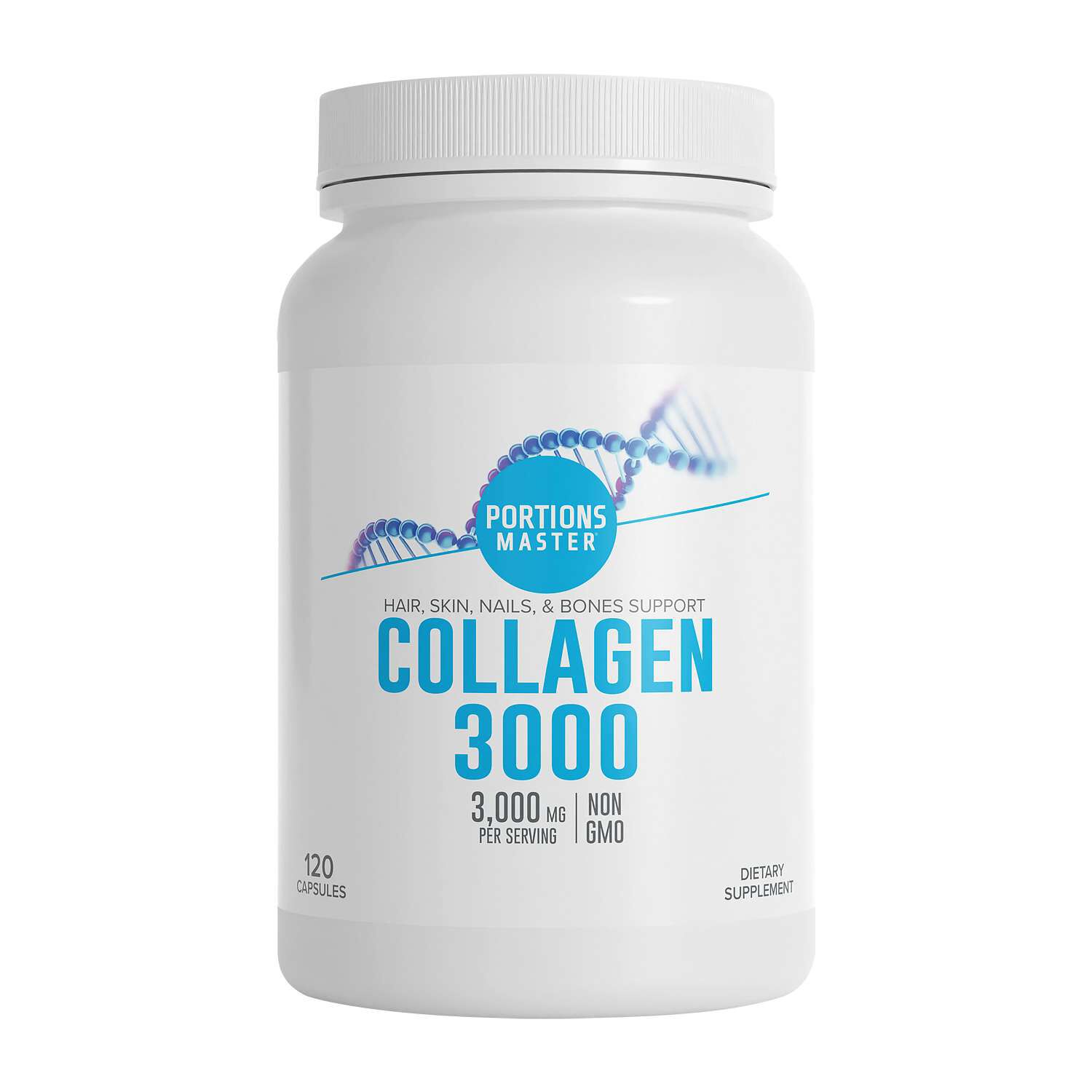 Portions Master$29.99
-
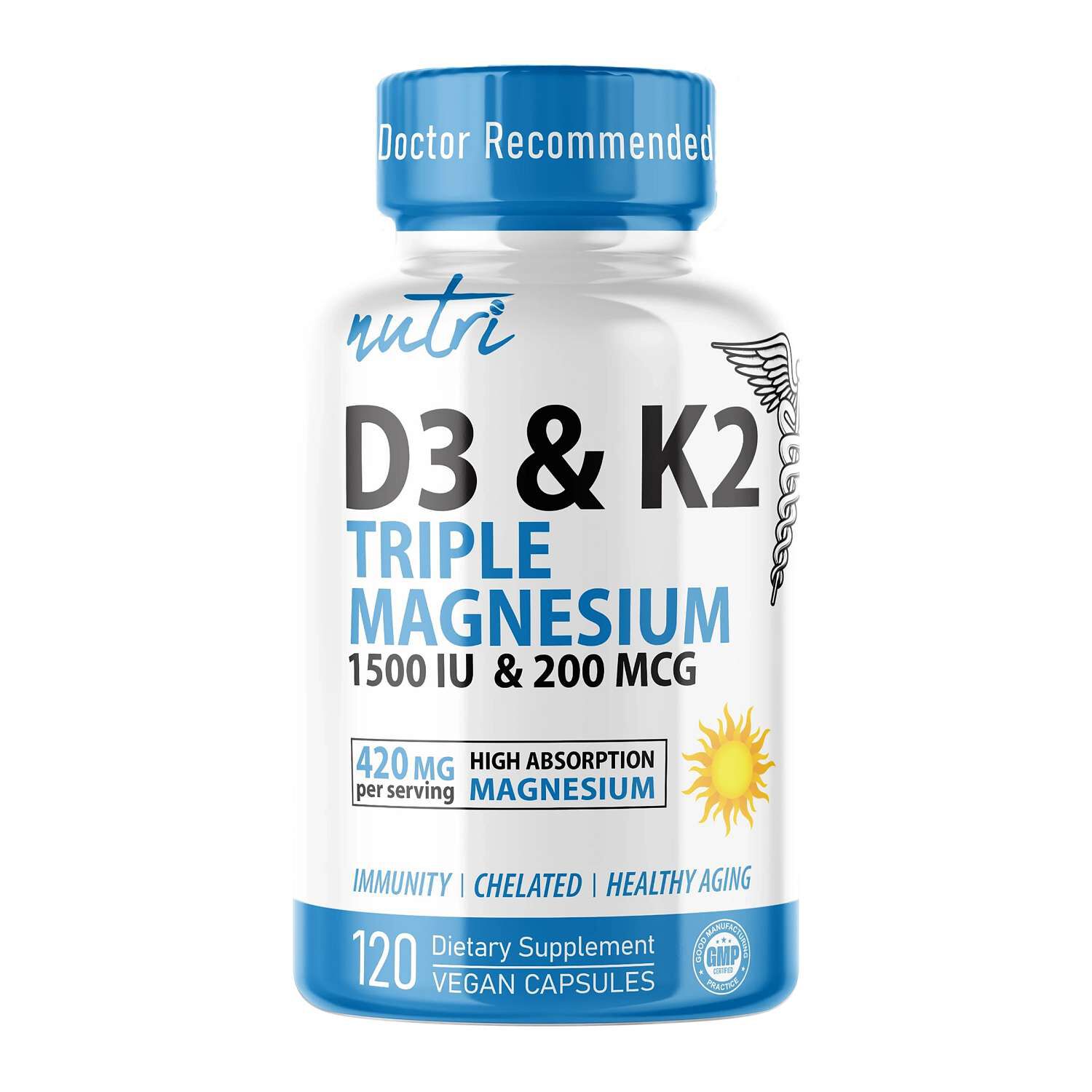 Nature's Fusions$29.99
-
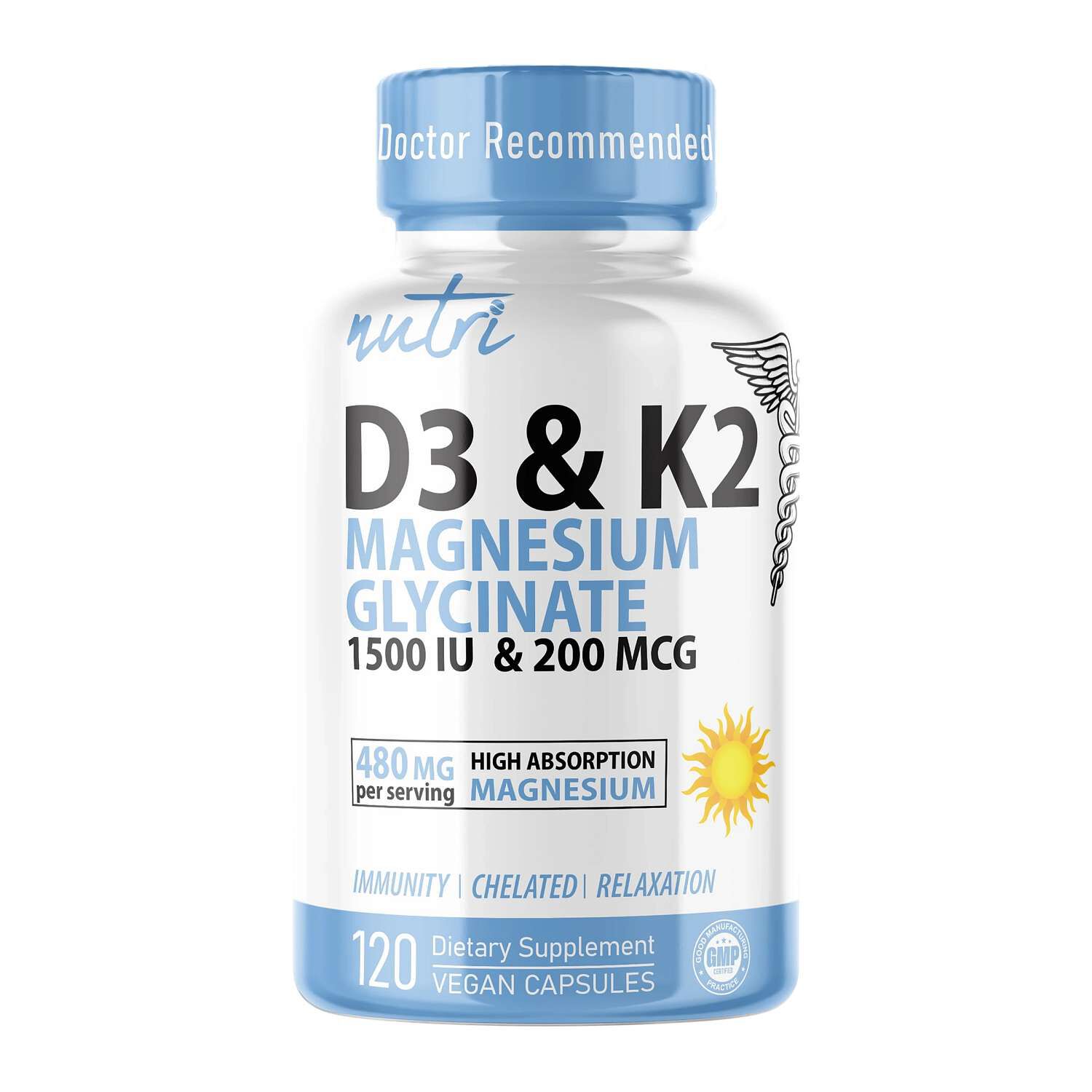 Nature's Fusions$29.99
-
 Portions Master$24.99
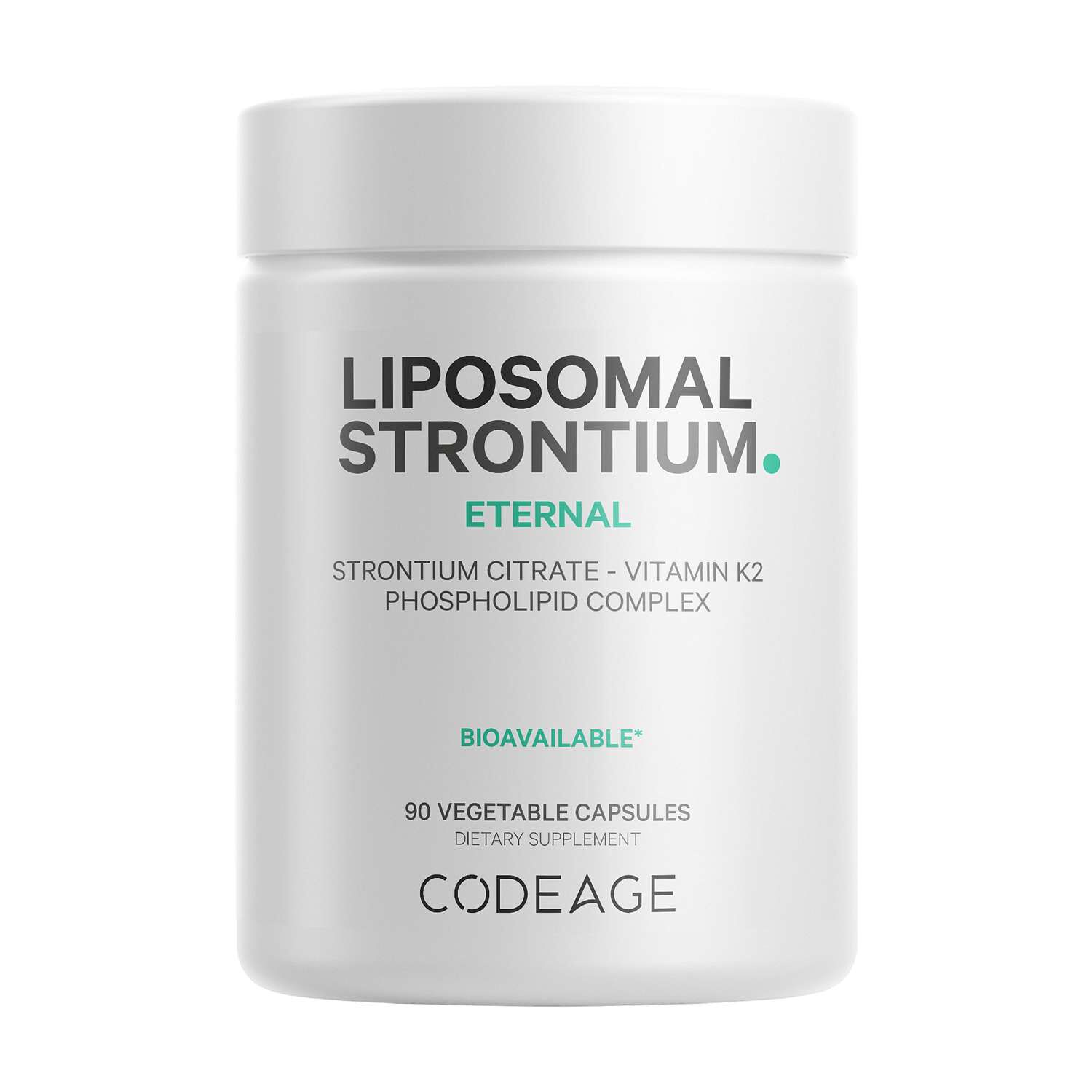
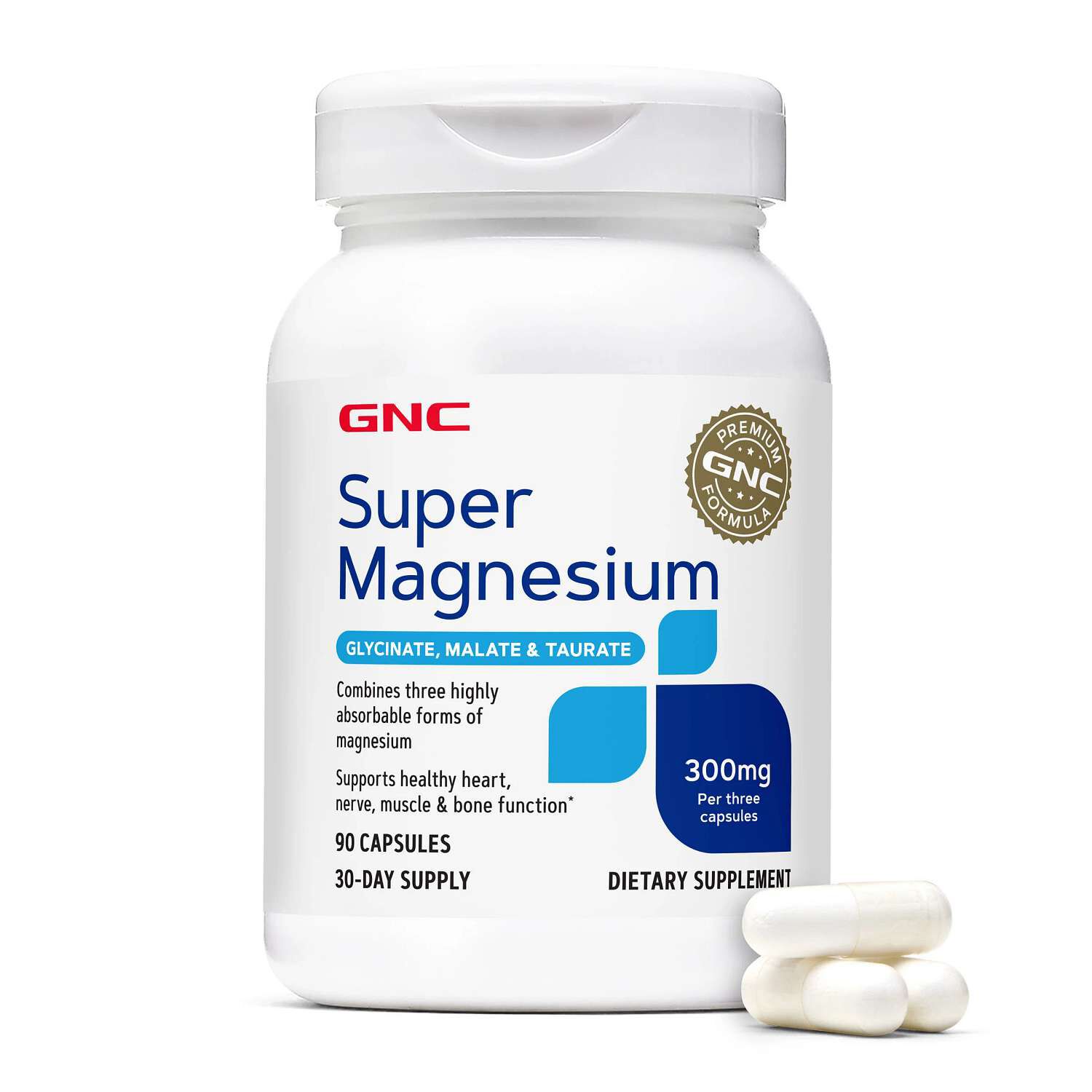
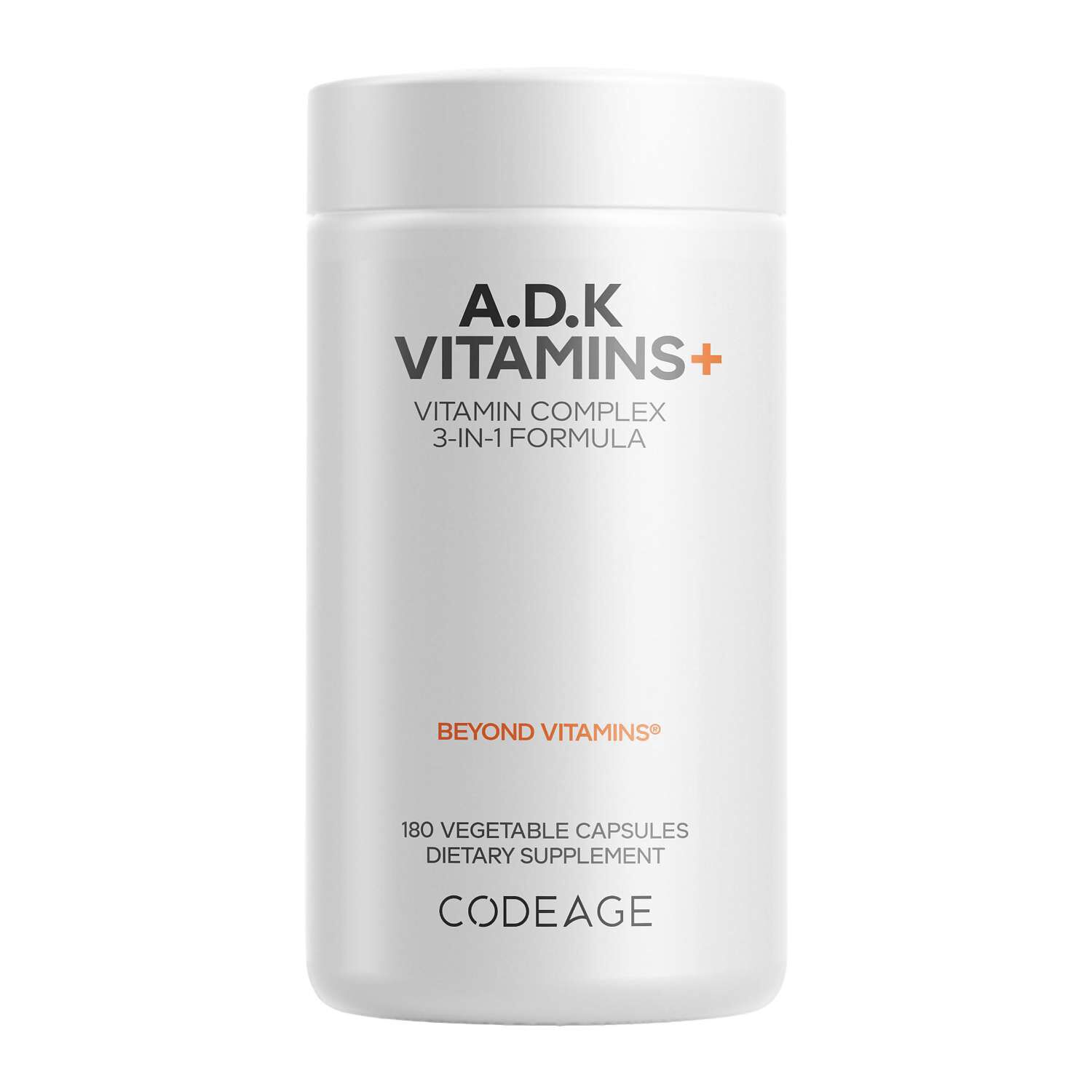
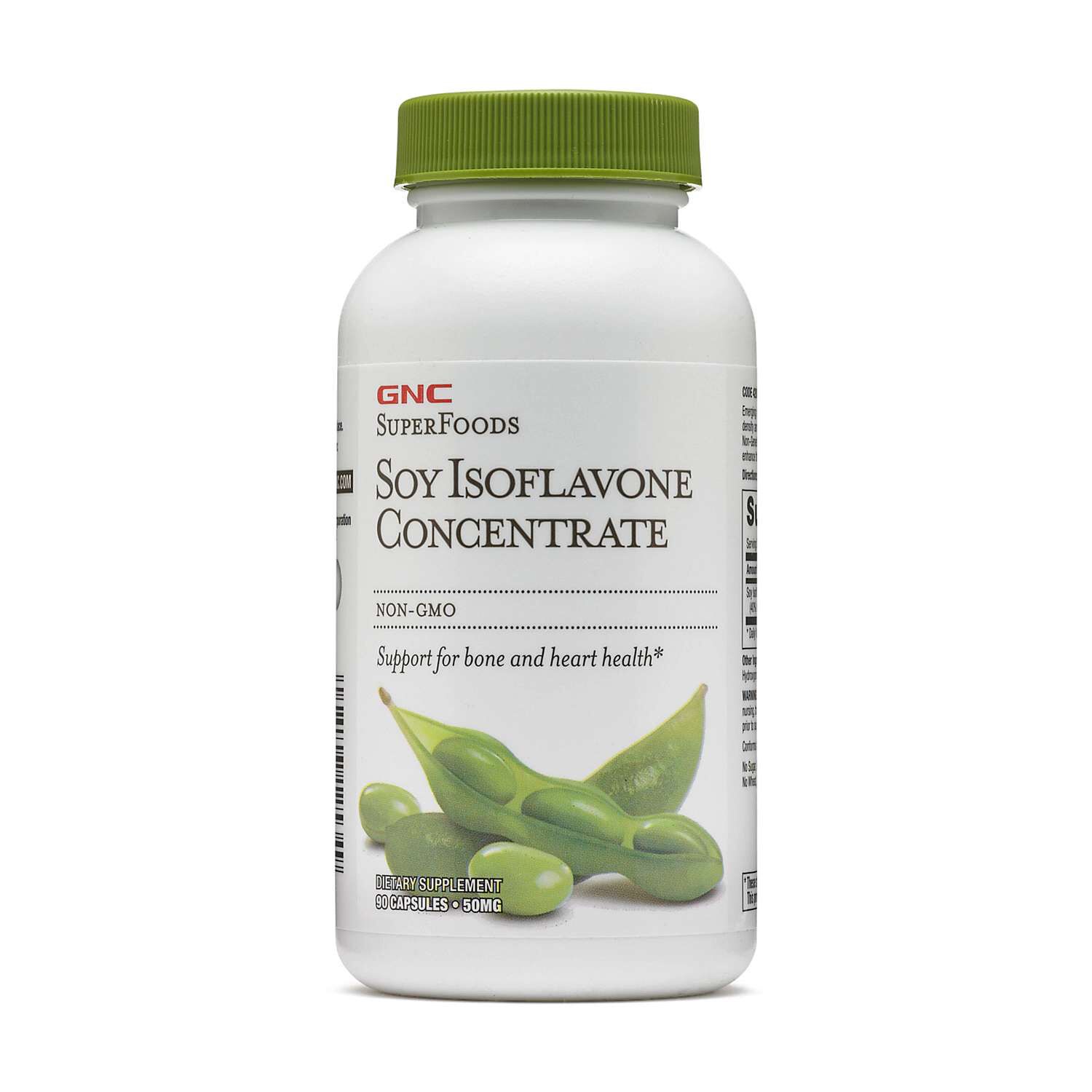
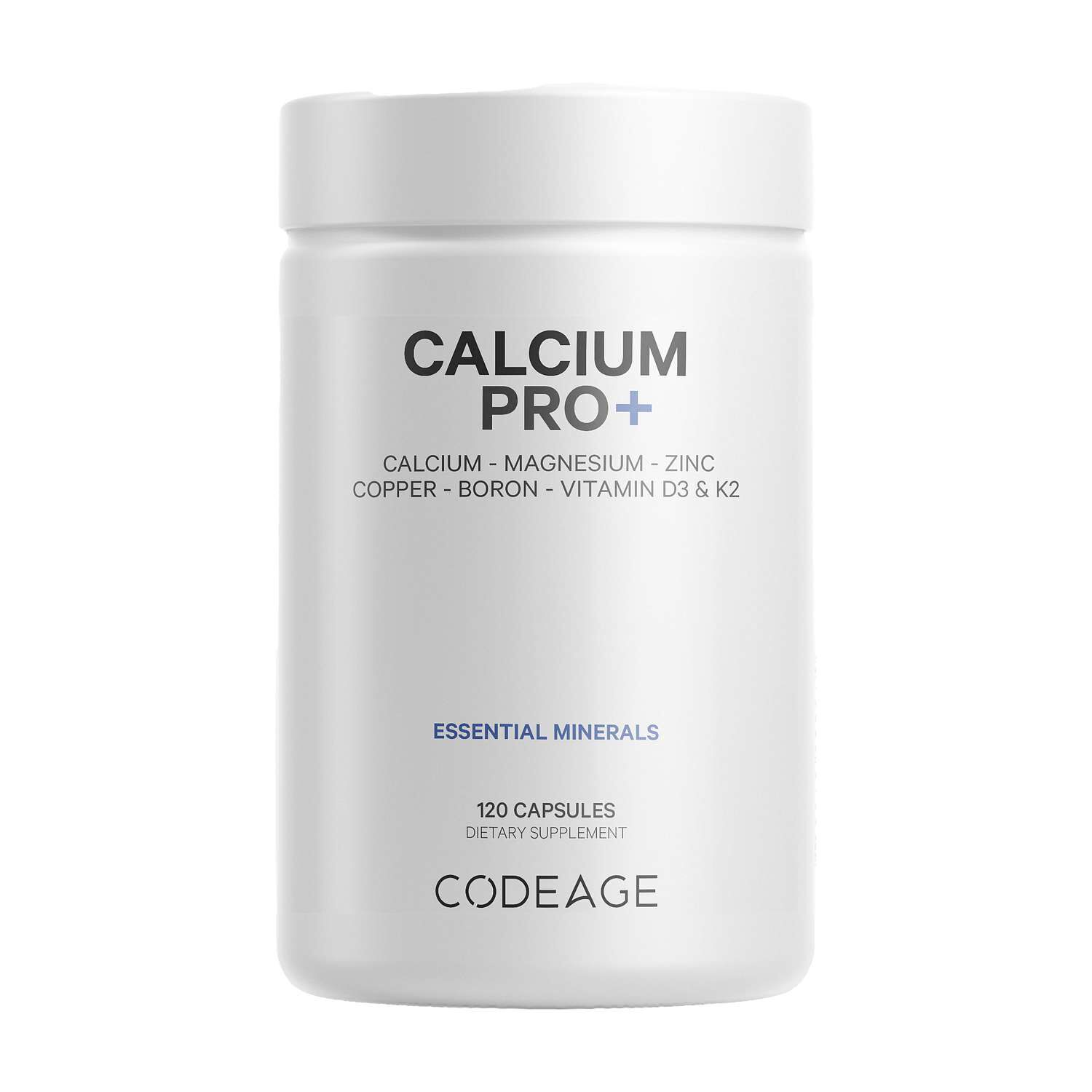
Bone mineralization capsules are dietary supplements that may support normal bone mineralization, the natural process through which minerals become part of bone tissue. Formulas in this category often feature calcium, vitamin D, and additional minerals, although the ingredient combination and serving size vary. Calcium and phosphorus are major mineral components of bones, while vitamin D may help the body absorb calcium from food and supplements. For shoppers, the category brings together capsule-based options that may complement everyday nutrition without the preparation involved in mixing a powder. These supplements are intended to accompany a balanced eating pattern, not replace meals or the variety of nutrients found in food. An adult who eats few dairy foods, someone who prefers plant-based meals, or a shopper reviewing an established supplement routine may be interested in the ingredients represented here. Their reasons for comparing formulas can differ, which makes the label more useful than a broad description on the front of a bottle. Bone mineralization capsules may contain calcium alone with supporting vitamins, or they may combine several minerals in one serving. Some formulas emphasize a shorter ingredient list; others include magnesium, zinc, or vitamin K alongside calcium and vitamin D. Neither approach tells the whole story on its own. The amount of each nutrient, the number of capsules per serving, and the capsule material all contribute to how a formula fits a particular routine. A bottle that appears straightforward at a glance may call for multiple capsules per serving, while another may contain a different mix of nutrients altogether. This category is best understood as a range of formulations rather than a single standardized supplement. Comparing those details offers a clearer picture of what is inside each serving and how it relates to foods and other supplements already included in daily life.
The Supplement Facts panel provides the most useful starting point for understanding those differences. For calcium, the nutrient amount listed per serving matters more than the weight of the calcium-containing compound alone. Calcium citrate and calcium carbonate are examples of forms that may appear on a label, and their names identify the ingredient source rather than a universal ranking of quality. A larger number on the front of a package does not, by itself, explain the formula’s composition. The serving size places that number in context: an amount listed for three capsules is not the amount in one capsule. Vitamin D may appear as D2 or D3, and labels may express its amount in micrograms, sometimes with an accompanying international unit measurement. Vitamin K may appear in different forms as well, including K1 or K2. Magnesium and zinc add further points of comparison, particularly when a shopper already uses a multivitamin or a separate mineral supplement. Reviewing those labels together makes overlapping ingredients easier to recognize without assuming that a longer list is a better match. The Daily Value percentage offers another reference point, but it is not a personalized intake target. Beyond the nutrient panel, the other ingredients list describes the materials used to make the capsule and finish the formula. Shells may be made with gelatin or plant-derived cellulose, so a capsule format is not automatically vegetarian. Additional ingredients may serve manufacturing purposes, such as helping powders move through equipment or maintaining consistency within the capsule. Shoppers with ingredient preferences can compare the named shell material, color ingredients, and allergen statements instead of relying on the capsule’s appearance. A clear shell does not reveal the nutrient amounts, and a plant-derived shell does not establish the source of every ingredient inside. These distinctions matter when choosing supplements for a household with different dietary preferences or when replacing a familiar formula with one that looks similar but has a different composition.
Everyday fit also depends on the physical format and the directions printed on the package. Capsule dimensions, serving count, and instructions about taking the supplement with food can shape how a formula fits into a meal routine. Someone who prefers a small number of supplements at breakfast may compare serving sizes differently from someone whose existing routine is organized around several meals. A compact bottle can be convenient to store, but bottle size alone does not indicate how many servings it contains; that information comes from the serving count and suggested use. Capsules and tablets also have different constructions. Capsules enclose ingredients within a shell, while tablets hold compressed ingredients in a solid form. Shoppers comparing the two formats can also explore Bone Strength Tablets as a related category. Neither format, by itself, establishes how well a formula may suit an individual’s nutritional needs. The ingredient amounts and label directions remain the more meaningful comparison. Care and storage are practical considerations, too. The original container keeps the ingredient panel, suggested use, lot information, and date markings together, which is useful when reviewing a routine or checking a newly purchased bottle against an older one. Following the stated storage directions and closing the container after use are straightforward parts of product care. A dry storage spot away from a steamy bathroom or a splash-prone sink is worth considering when the label calls for protection from moisture. Capsule shells can vary in texture and appearance, so the printed packaging information is a better reference than assumptions based on color or firmness. For a shared household, legible labels and distinct containers can make different formulas easier to distinguish. Across the category, a thoughtful comparison brings together the nutrient panel, capsule materials, serving size, and intended use. Those concrete details make bone mineralization capsules easier to evaluate as one part of an everyday nutrition routine, without treating any single ingredient or format as the right choice for everyone.
Best Sellers
-
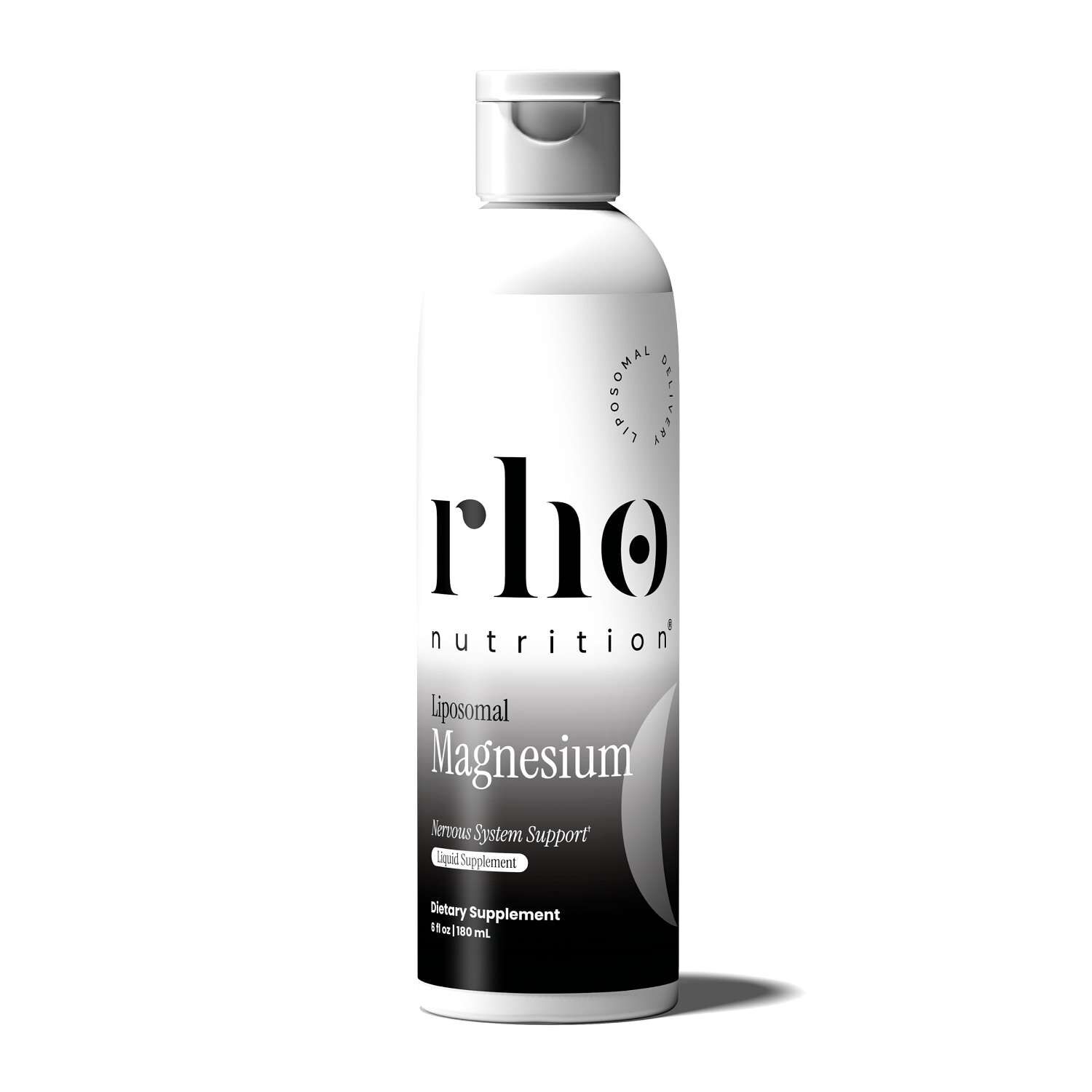 Rho Nutrition
-
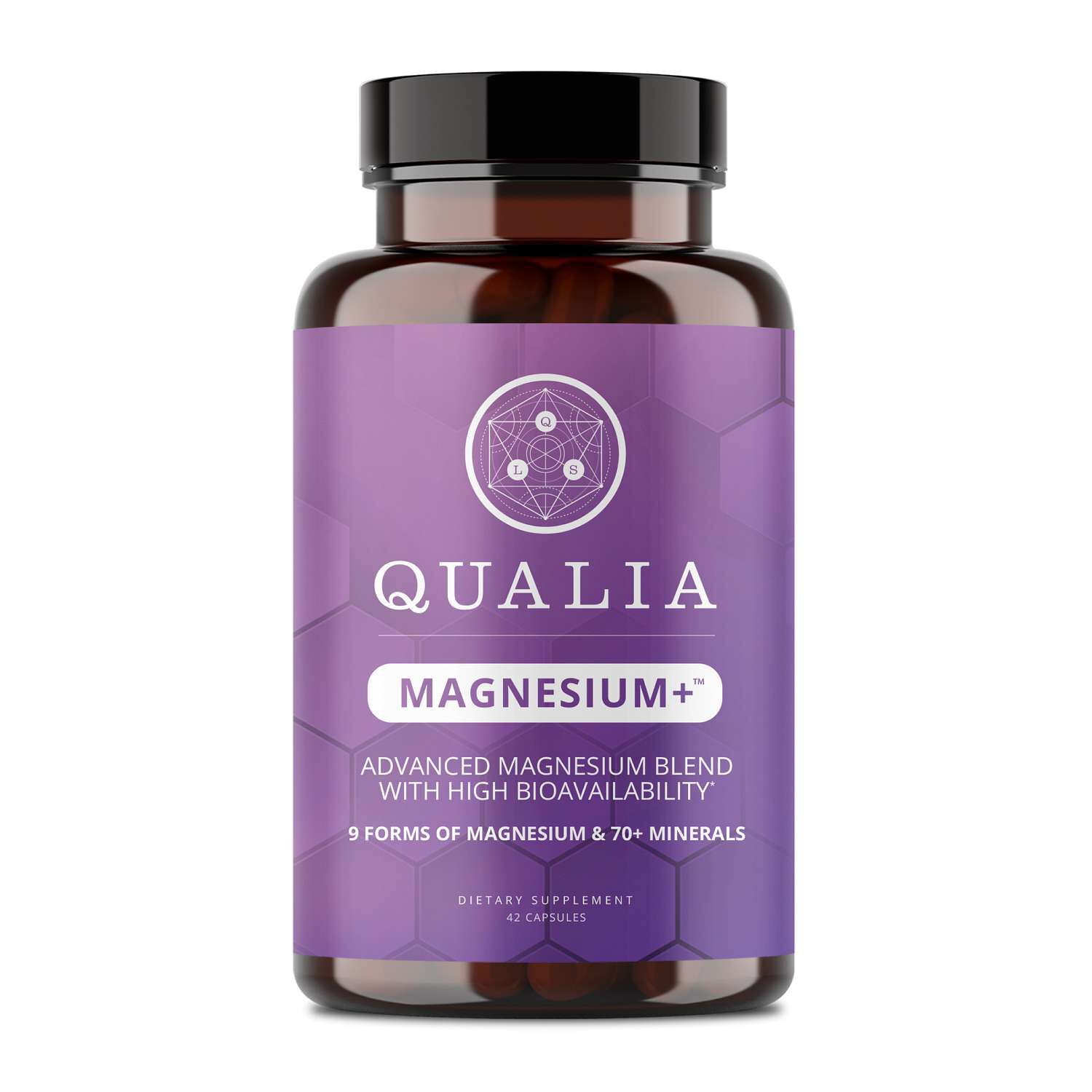 Qualia Life Sciences
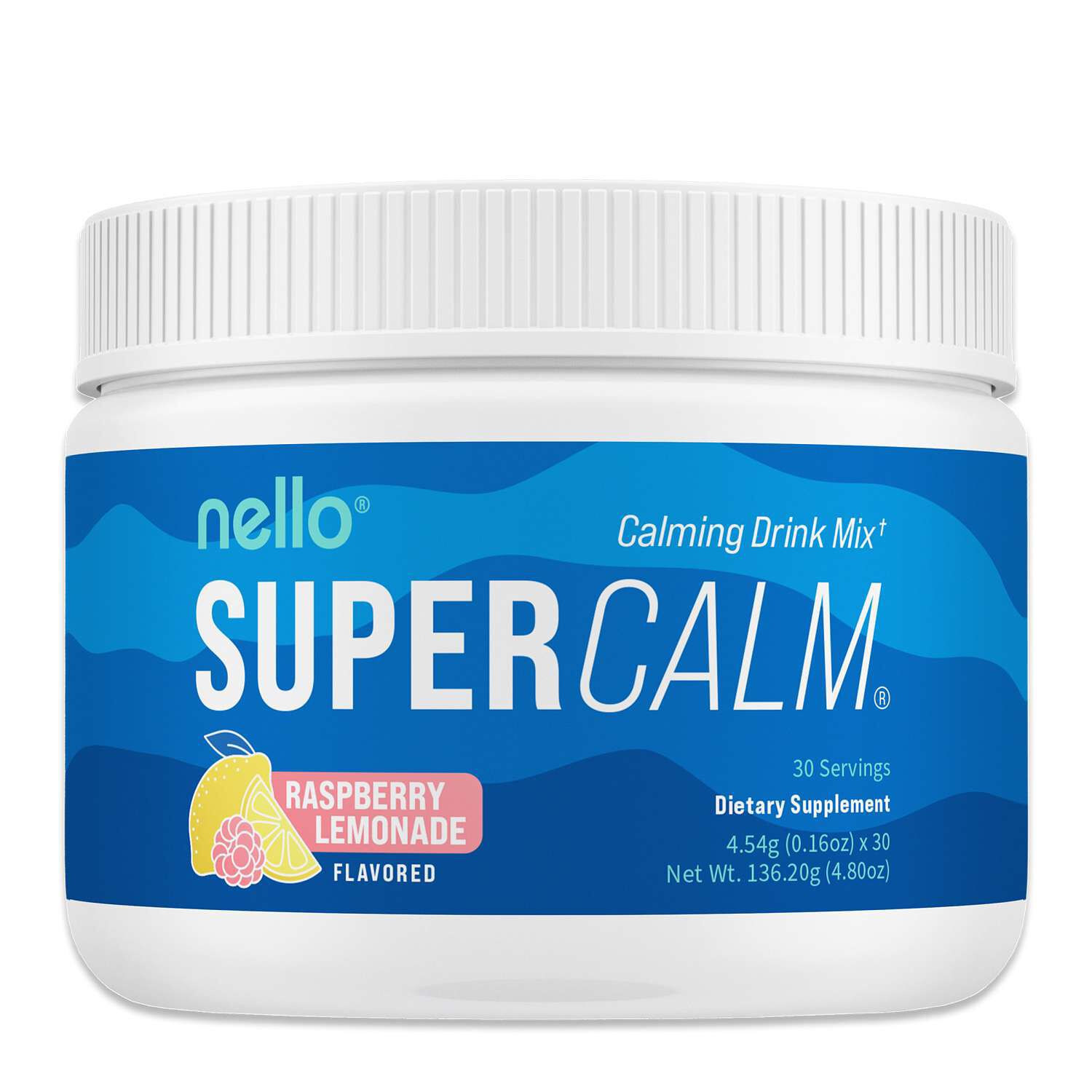
Related Pages


Top Collections
- Supplements For Yoga Joint Flexibility
- GLP 1 Support For Adults
- Joint Mobility Supplement Packs
- Chronic Fatigue Supplements
- Adult Mobility Supplements
- Supplements For Balance
- Supplements For Anxiety Relief Support
- Capsule Supplements For Energy And Stamina
- Zinc Supplements | Top Brands at Great Prices | GNC
- Anti Aging Supplements For Women