Brain Health Supplements Under $30
(0 Results)
Explore affordable nootropics priced at $30 or less, including supplements positioned for everyday memory, focus, and cognitive wellness. Compare capsules, tablets, gummies, and chews by ingredients, serving information, and dietary preferences to find options that fit your routine and budget.
-
-
-
 The Genius Brand$29.99
-
-
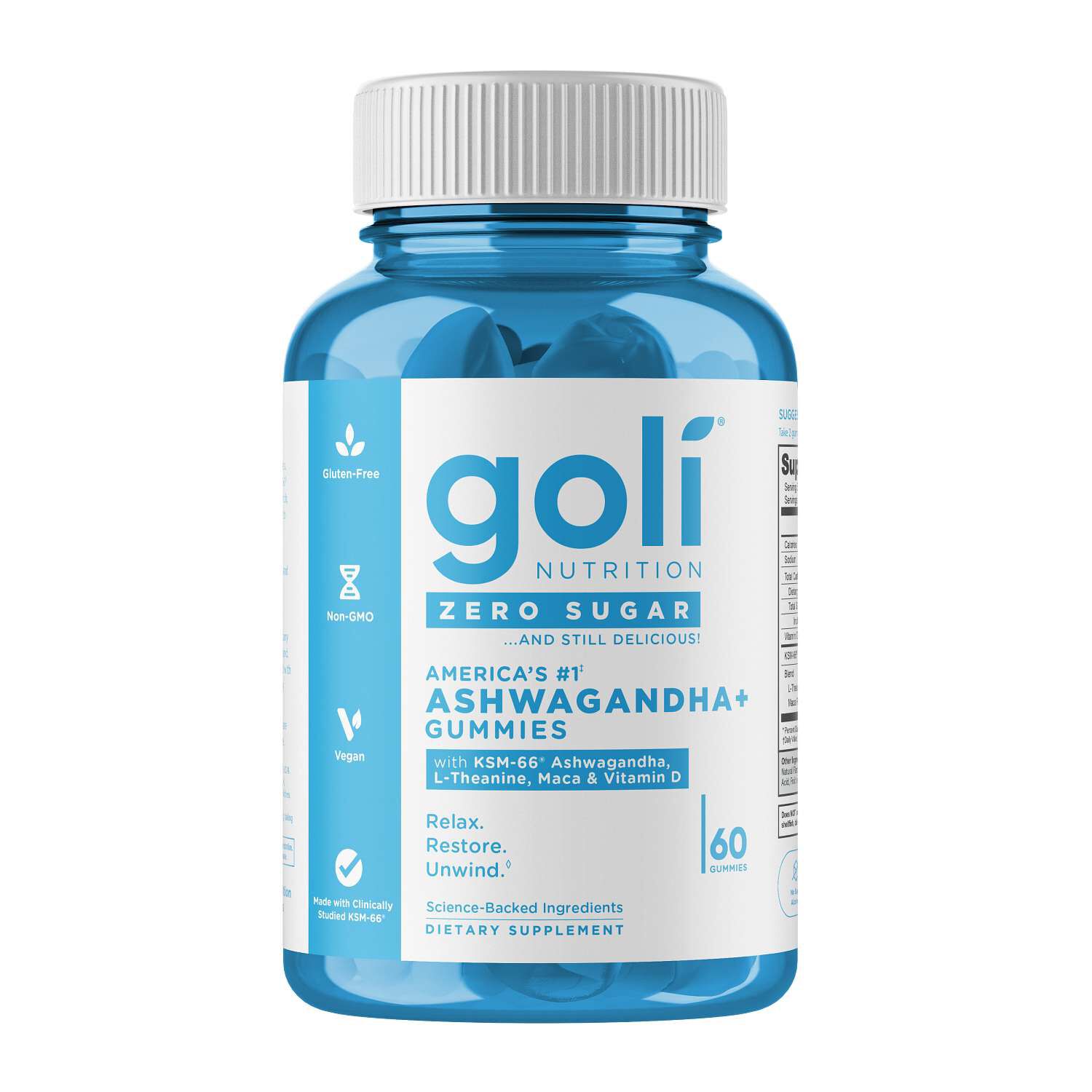 Goli Nutrition$18.99
-

-
 1$19.99
-

-

-
-
-
-
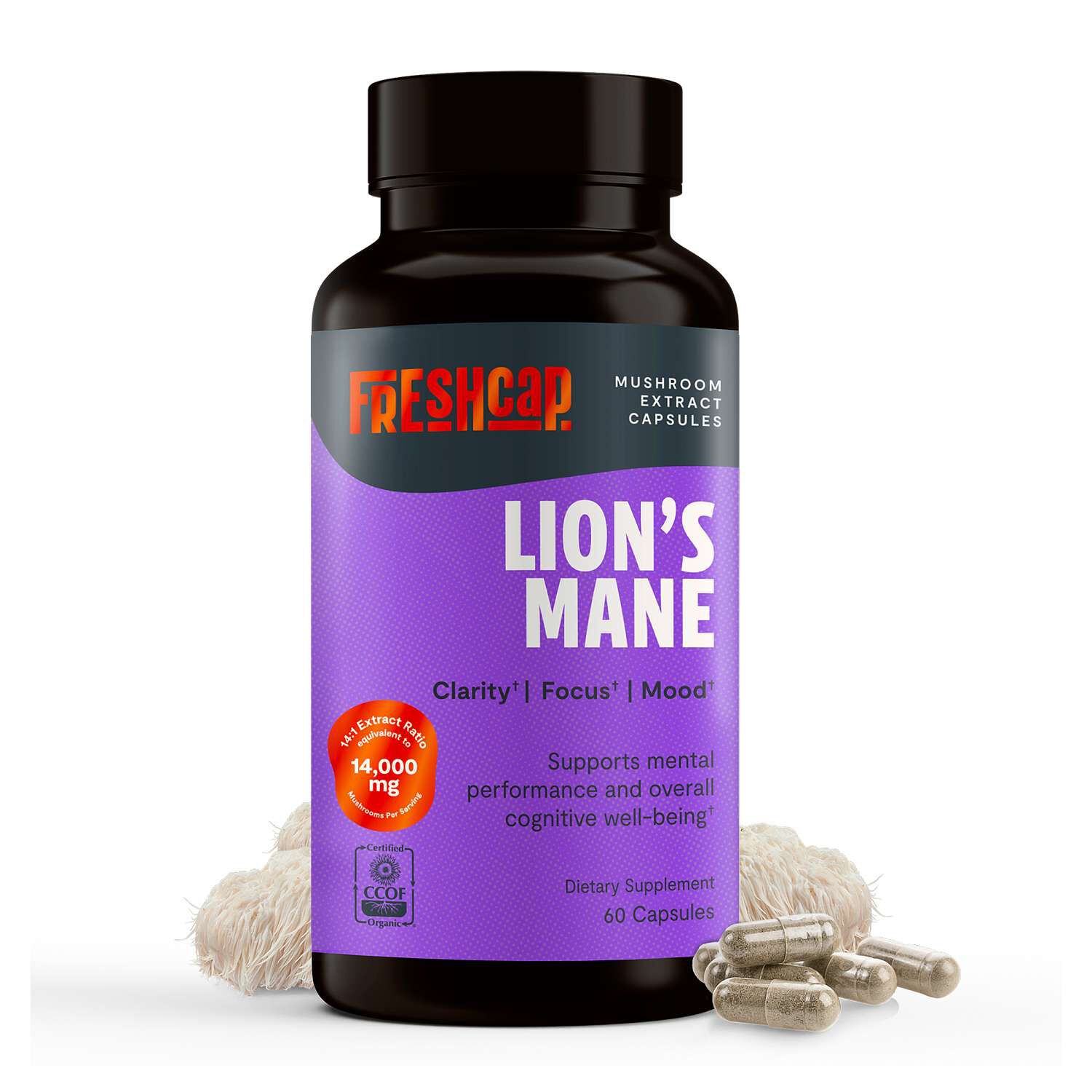 $27.99
-
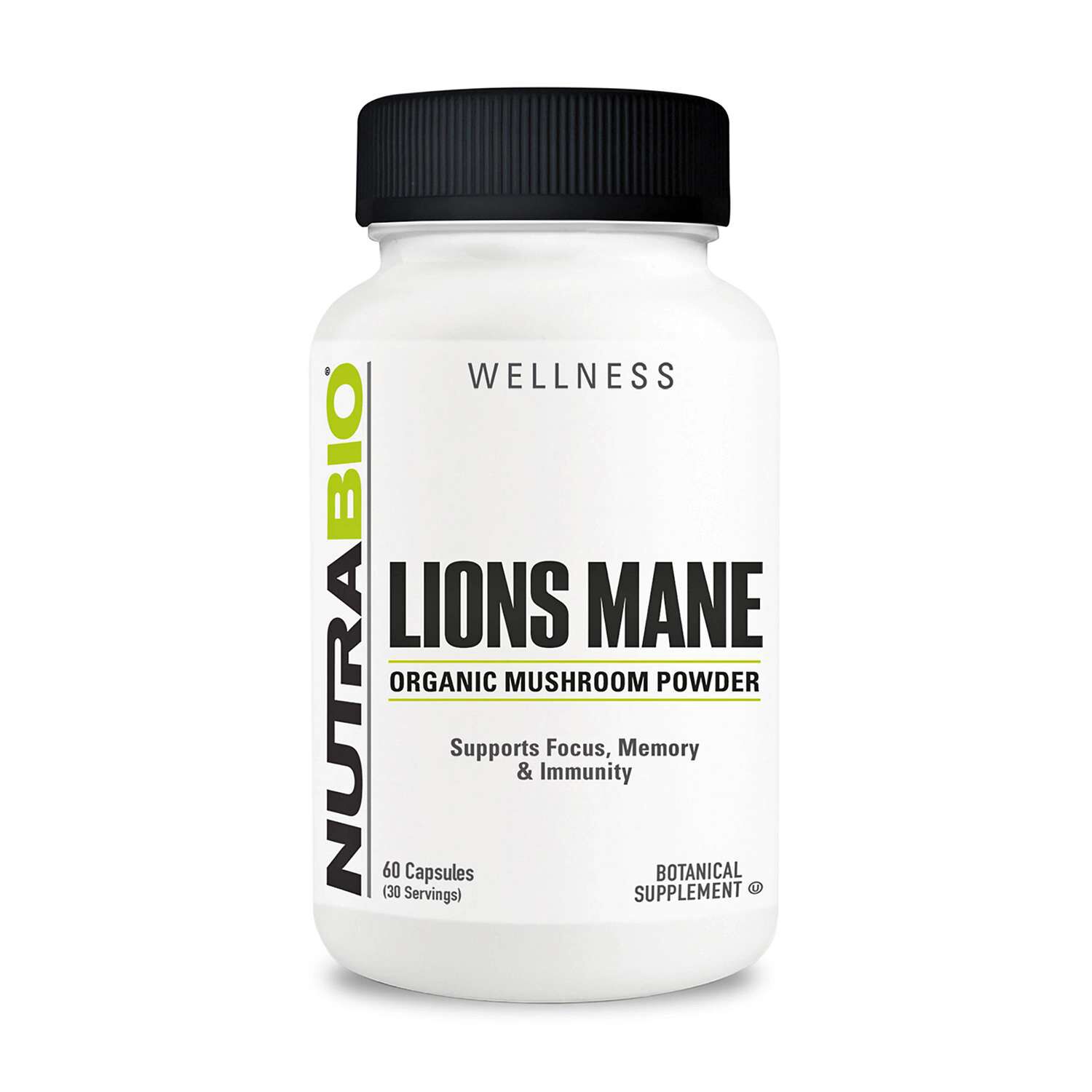 $24.99

Brain health supplements are dietary supplements formulated with brain health in mind. The category includes formulas centered on a single dietary ingredient as well as blends that bring together vitamins, minerals, or ingredients from plant sources. Packages that look similar on the front can tell two different stories on the back. The Supplement Facts panel shows the serving size and the amounts listed per serving, so the numbers on two labels may not refer to the same number of capsules, tablets, or scoops. If a label gives one amount for a proprietary blend, that number describes the blend as a whole rather than the amount of each ingredient in it. The Other Ingredients list offers a different kind of detail. Depending on the format, it may name the material used for a capsule shell, the ingredients that give a tablet its shape, or the flavorings and sweeteners in something meant to be chewed or mixed. A shopper who prefers a plant-based capsule might pay as much attention to what the shell is made from as to what it contains. Someone who likes to keep the taste of a morning drink unchanged might look more closely at how a powder is flavored. Even the distinction between a tablet and a capsule can be more useful in practice than a few words on the front of a bottle. A short ingredient list may appeal to someone who likes to know what each part of a formula is there for, while someone comparing blends may want to see which ingredients the formulas have in common. The front label introduces the formula; the rest of the package tells a shopper more about what it contains and what using it would be like.
Format often comes down to where a supplement fits into an ordinary day. A capsule or tablet involves no mixing, but shape and size can matter to someone who already knows which kinds are comfortable to swallow. A chewable format brings taste and texture into the decision. Someone who enjoys a soft chew might feel differently about a firmer tablet, even when the two labels describe a similar intended use. Powders and liquids have their own practical details, from the way a serving is measured to whether the package calls for mixing. A scoop and a glass might fit neatly into a breakfast routine that already involves a blender, while the same setup can feel like extra work at a shared office kitchenette. On the other hand, someone who likes to sit down with a drink at breakfast may not mind rinsing a scoop or stirring a glass. The serving information can make those differences easier to picture: taking two capsules is a different experience from measuring a liquid, just as chewing something flavored is different from swallowing a tablet. For adults balancing work, classes, or family responsibilities, the related selection of Brain Health Support Supplements For Busy Adults offers another way to browse with those day-to-day details in mind. Some adults come to the category knowing the format they prefer from other supplements. Others may be comparing formats for the first time and find it easier to picture a familiar setting than to start with a long ingredient list. There is a difference between what fits beside a coffee mug at home and what feels convenient when breakfast happens at a desk. Package size, how a container opens, and whether anything needs to be measured can matter just as much to that decision as flavor.
Packaging matters after the first opening, too. A bottle that takes up little space on a shelf may suit someone who keeps several containers together, while a wide opening can make it easier to reach a scoop without brushing a hand against the inside of a tub. A lid that is easy to grip can matter more in daily use than the shape of the bottle, and a label with legible serving and storage information is useful long after the first look. For powders and liquids in particular, the closure and measuring setup are part of the experience: a scoop needs somewhere to sit between uses, and a liquid may have a cap or other measuring tool that takes up space alongside the bottle. The storage directions on the package are the relevant reference for where a formula belongs once opened. If a date is printed on the container, it is worth noticing where it appears, especially when an outer carton carries details that are harder to find on the bottle. Brain health supplements are usually a personal choice, which also makes them a more natural gift when a recipient has asked for one or already shared a clear preference. Knowing that someone likes chewable supplements, for instance, is more useful than guessing from a broad interest in wellness. Even then, flavors, shell materials, and other ingredients can make two similar-looking packages feel quite different to the person opening them. Whether the purchase is for personal use or for someone who has asked for it, the most useful distinctions are often the ones visible on the package: what the formula contains, what a serving looks like, how the container closes, and where it can be stored between uses.
- Q: What does nootropic mean on a supplement label?
A: Nootropic is a term used for supplements positioned around memory, focus, mental clarity, or cognitive wellness. It does not identify one particular ingredient or format, so the ingredient list provides a more detailed picture of the formula. - Q: How do single-ingredient nootropics differ from blends?
A: Single-ingredient formulas center on one featured ingredient, while blends combine several. Compare the Supplement Facts panels to see which ingredients are listed individually and whether any appear together in a proprietary blend. - Q: What formats do nootropic supplements come in?
A: Common formats include capsules, tablets, gummies, and chews. Format is a matter of preference, not a description of the formula: products in the same format can contain very different ingredients. - Q: How can I identify vegan nootropic supplements?
A: Look for explicit vegan labeling and review both the featured ingredients and other ingredients, including capsule or gummy materials. Vegetarian labeling alone does not establish that a formula is vegan. You can also explore vegan memory supplements for a dietary-focused comparison. - Q: How can I check whether a nootropic contains caffeine?
A: Review the ingredient list and any caffeine statement on the label. Caffeine can be listed directly or associated with another named ingredient, so the label’s caffeine disclosure is useful for comparing formulas. A memory or focus product name alone does not identify caffeine content.