Carbohydrate Powders For Adult Athletes
(0 Results)
Carbohydrate powders for adult athletes could play a role in supporting energy needs during intense training sessions and competitions. Designed with active lifestyles in mind, these supplements may help fuel performance and assist with recovery goals. Whether preparing for a big event or looking to optimize your routine, carbohydrate powders for adult athletes might offer a convenient option to help meet daily nutritional requirements. Explore a variety of choices that could complement your fitness journey.
-

-

-
-

-
.jpg?sw=305&sh=305&sm=fit "Demo Day Carbohydrate Power - Big Cherries (30 Servings) | GNC")
-
-

-

-
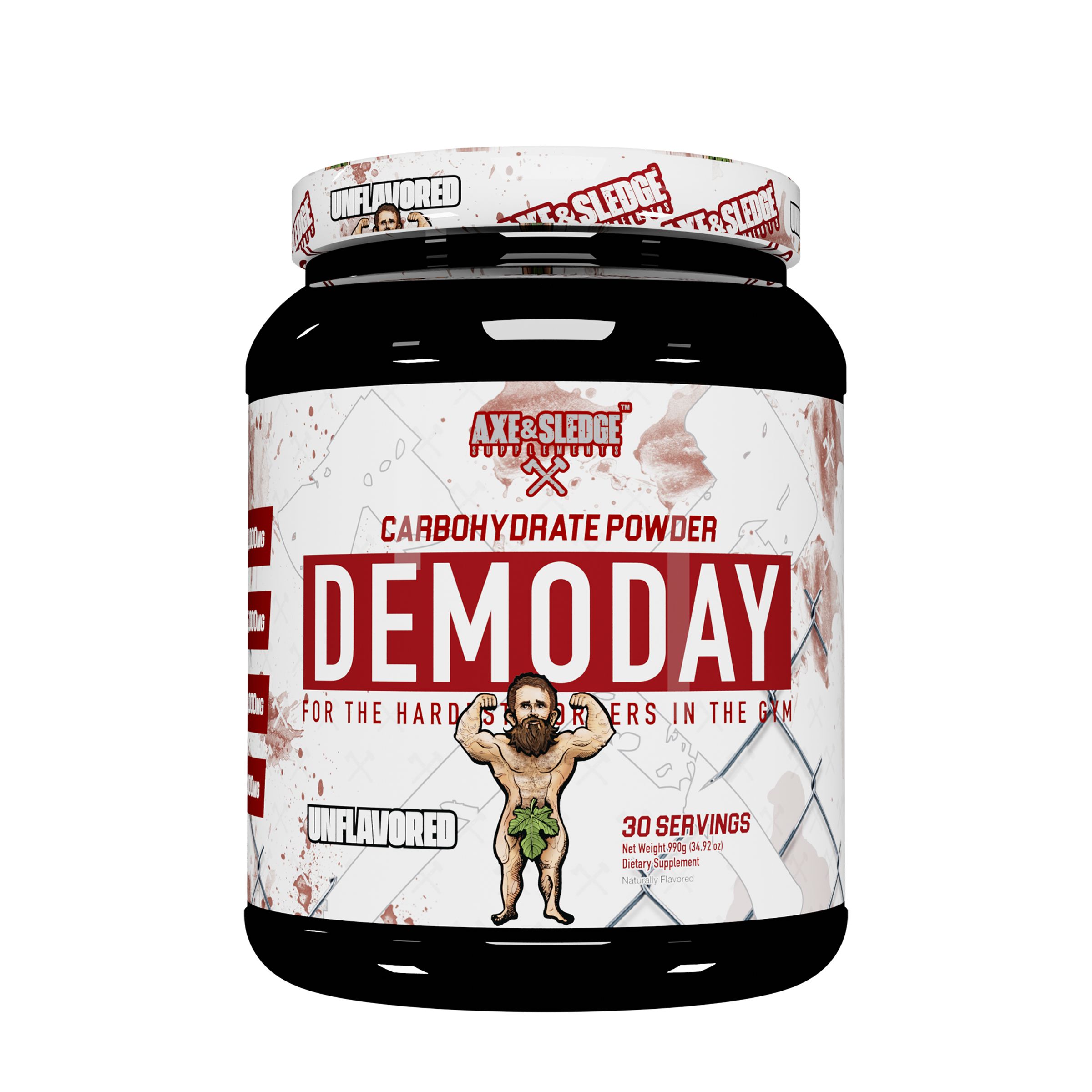
 Axe & Sledge Supplements$39.99
-

-

-

-
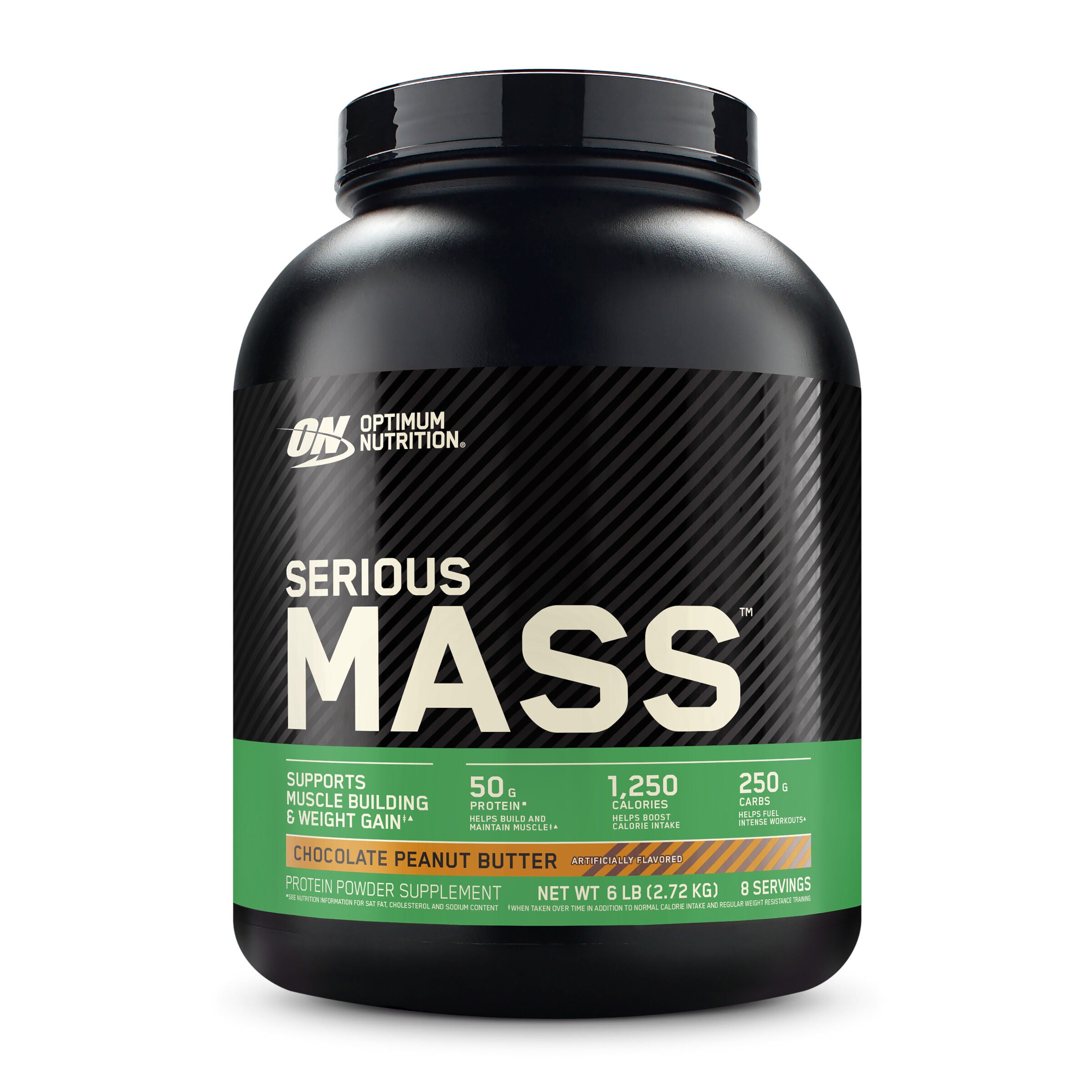
-
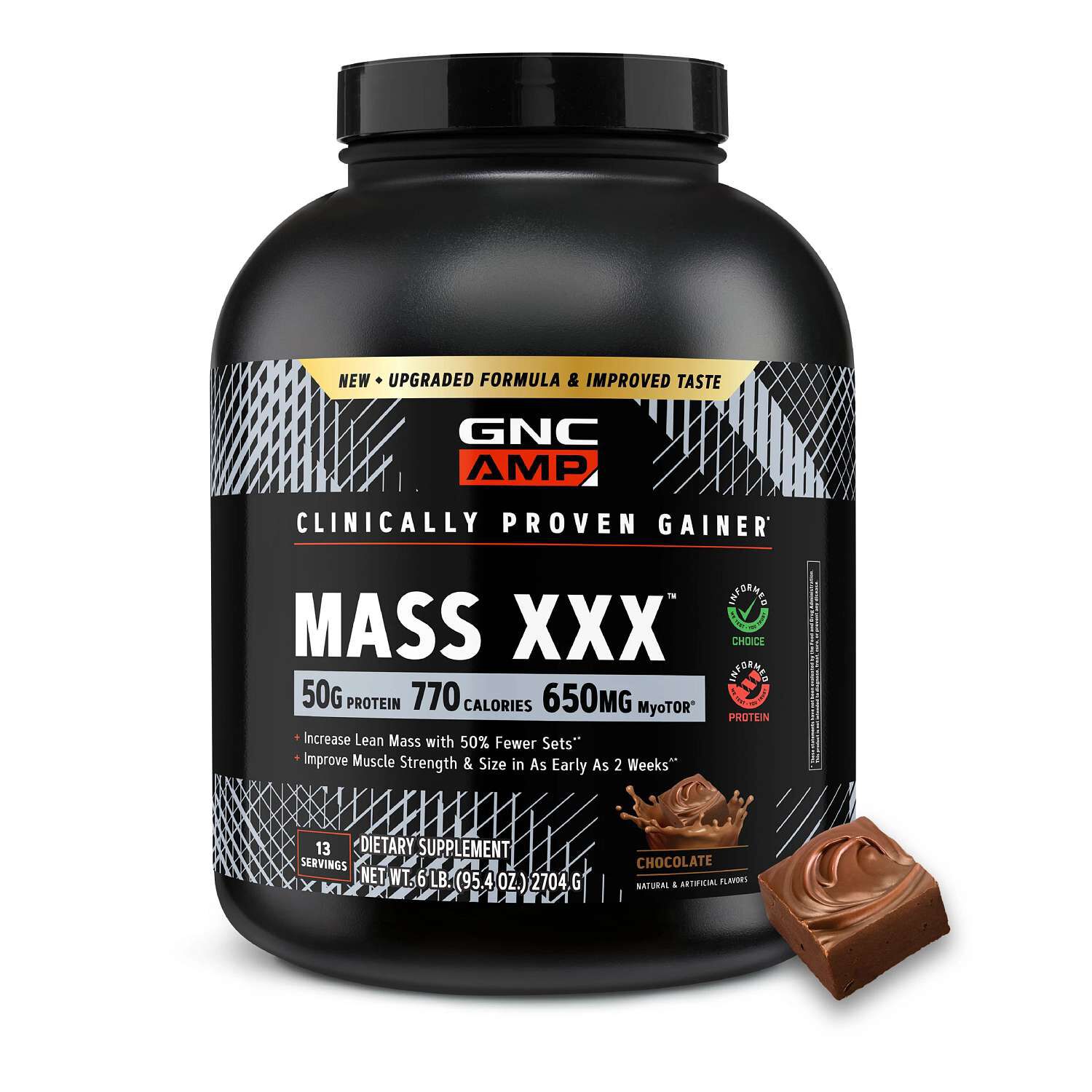
-
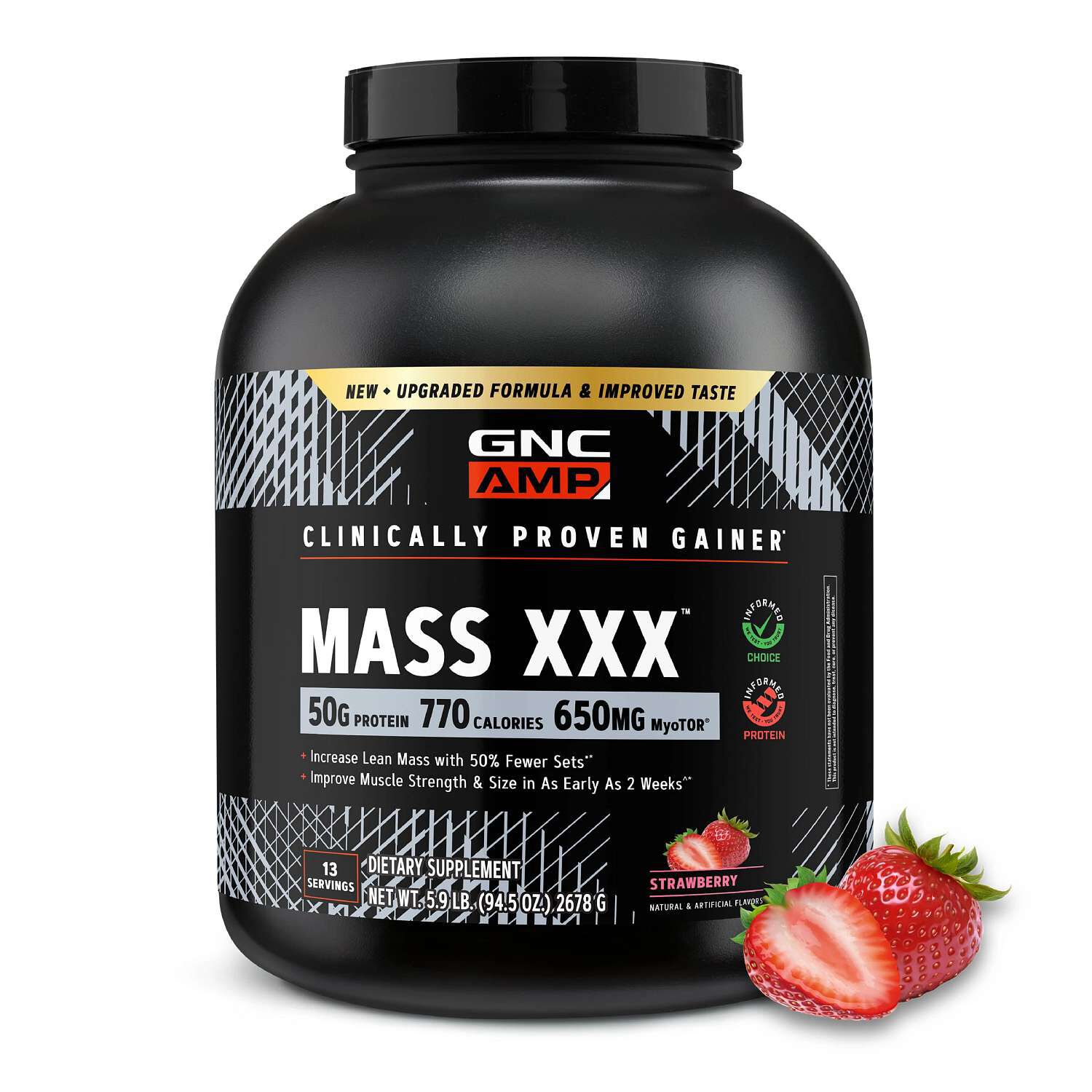
-
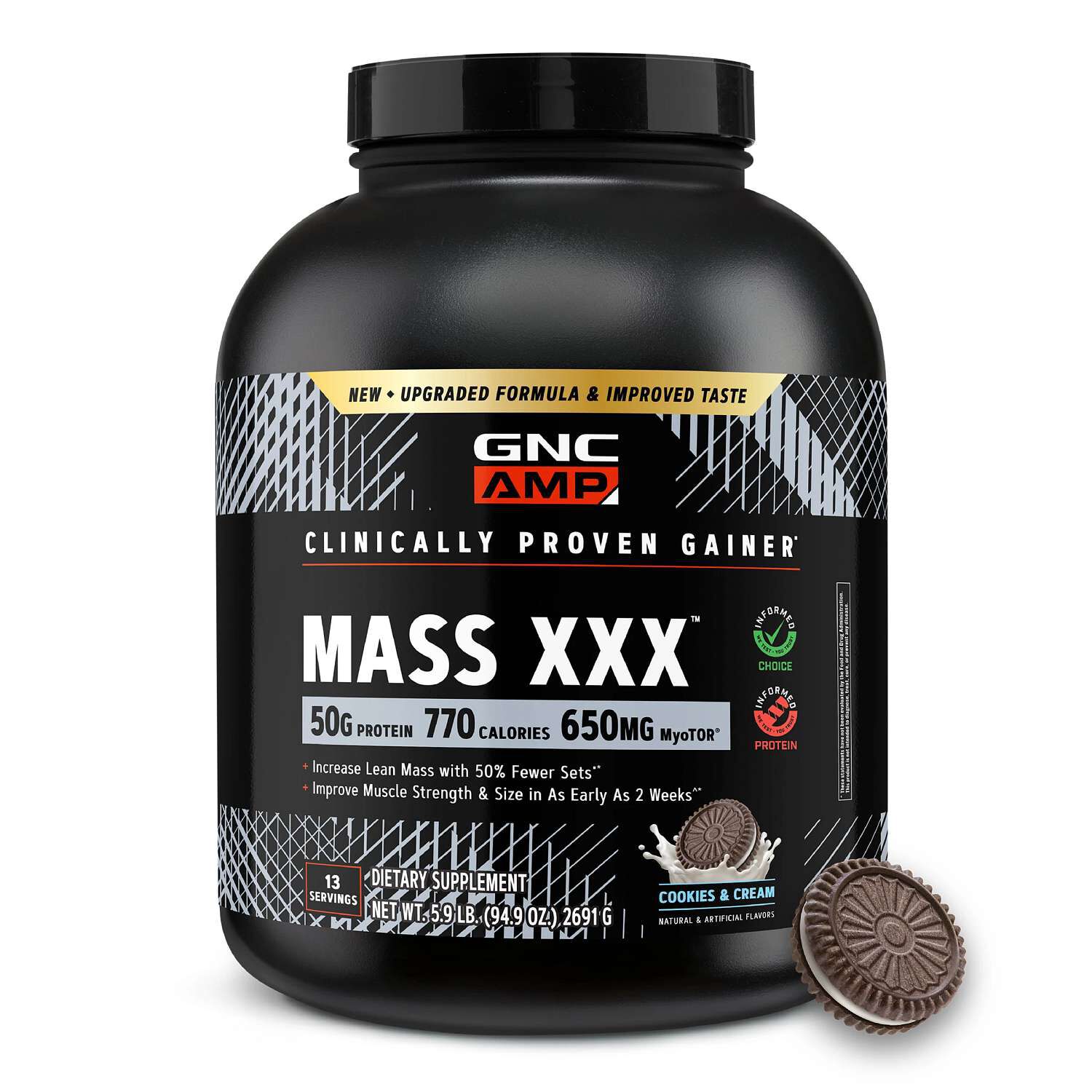
-
 $44.99
-

-
 $44.99
-
-

-

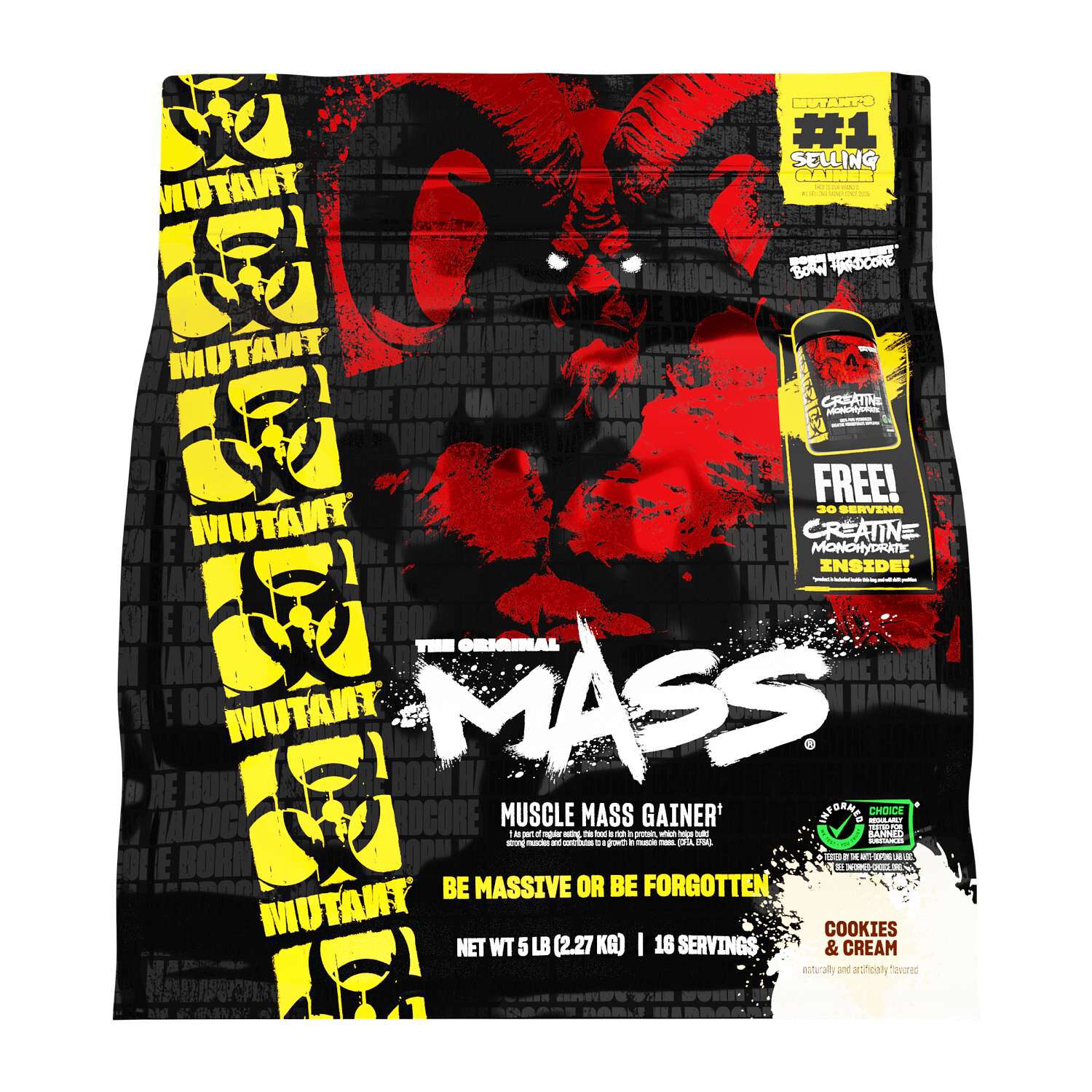
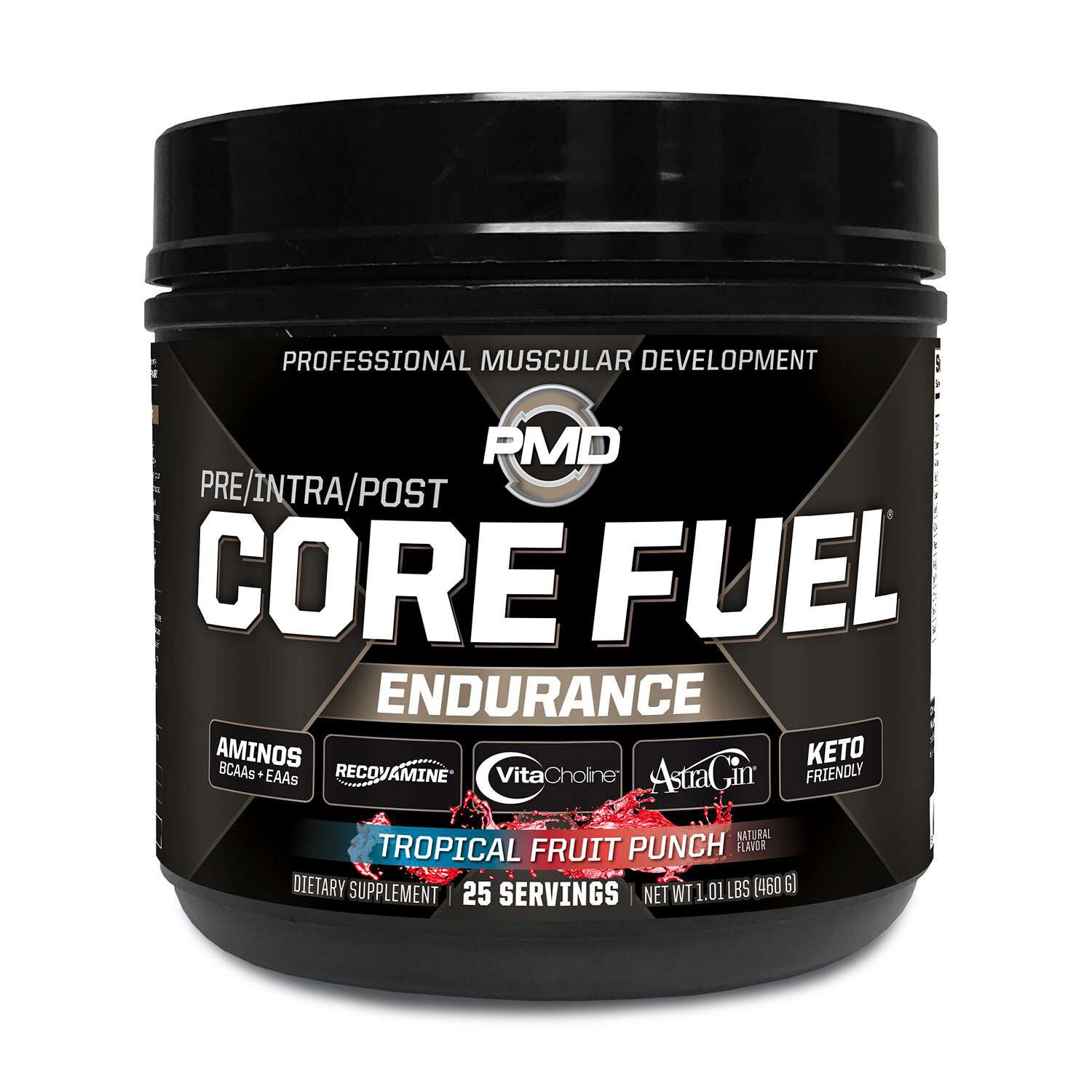
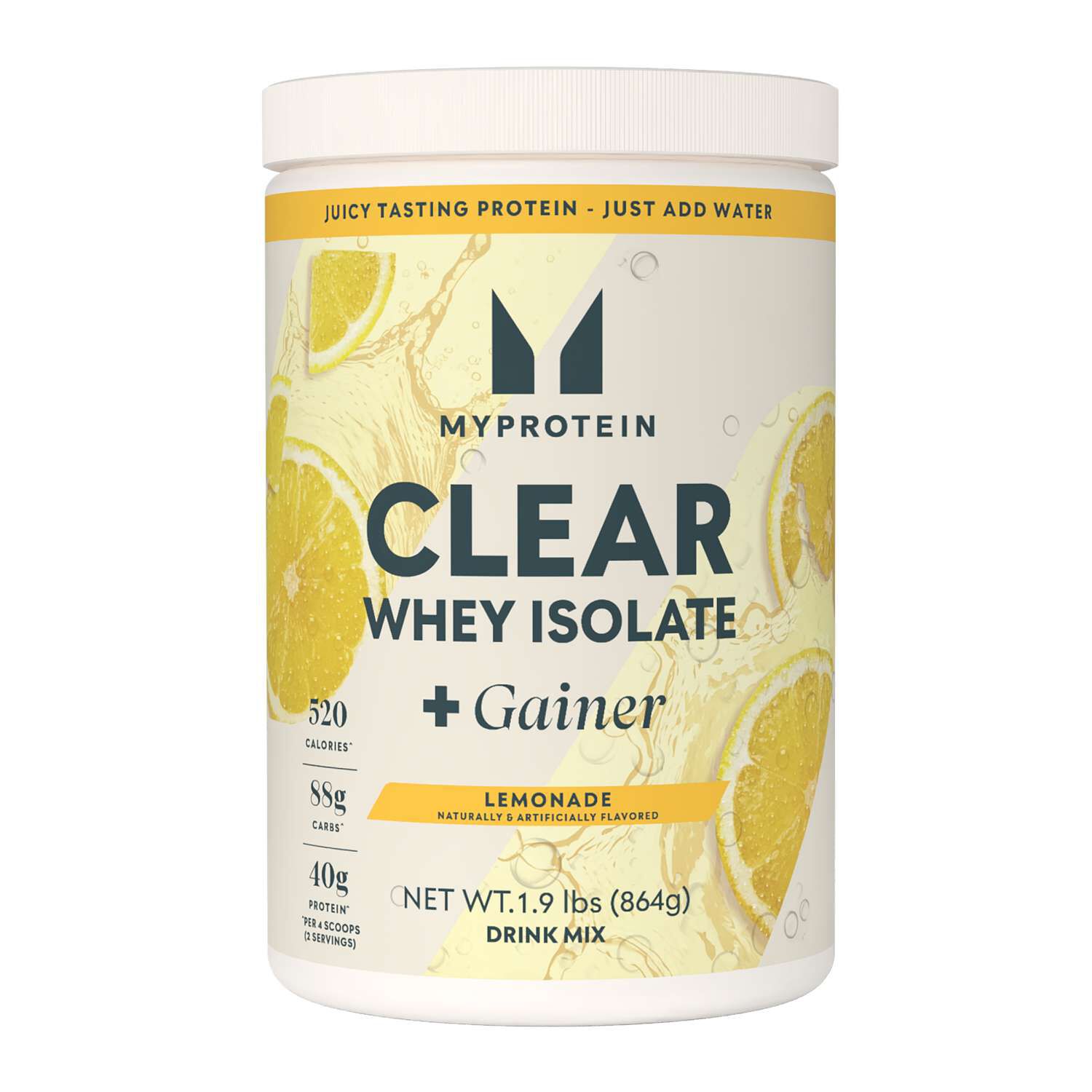
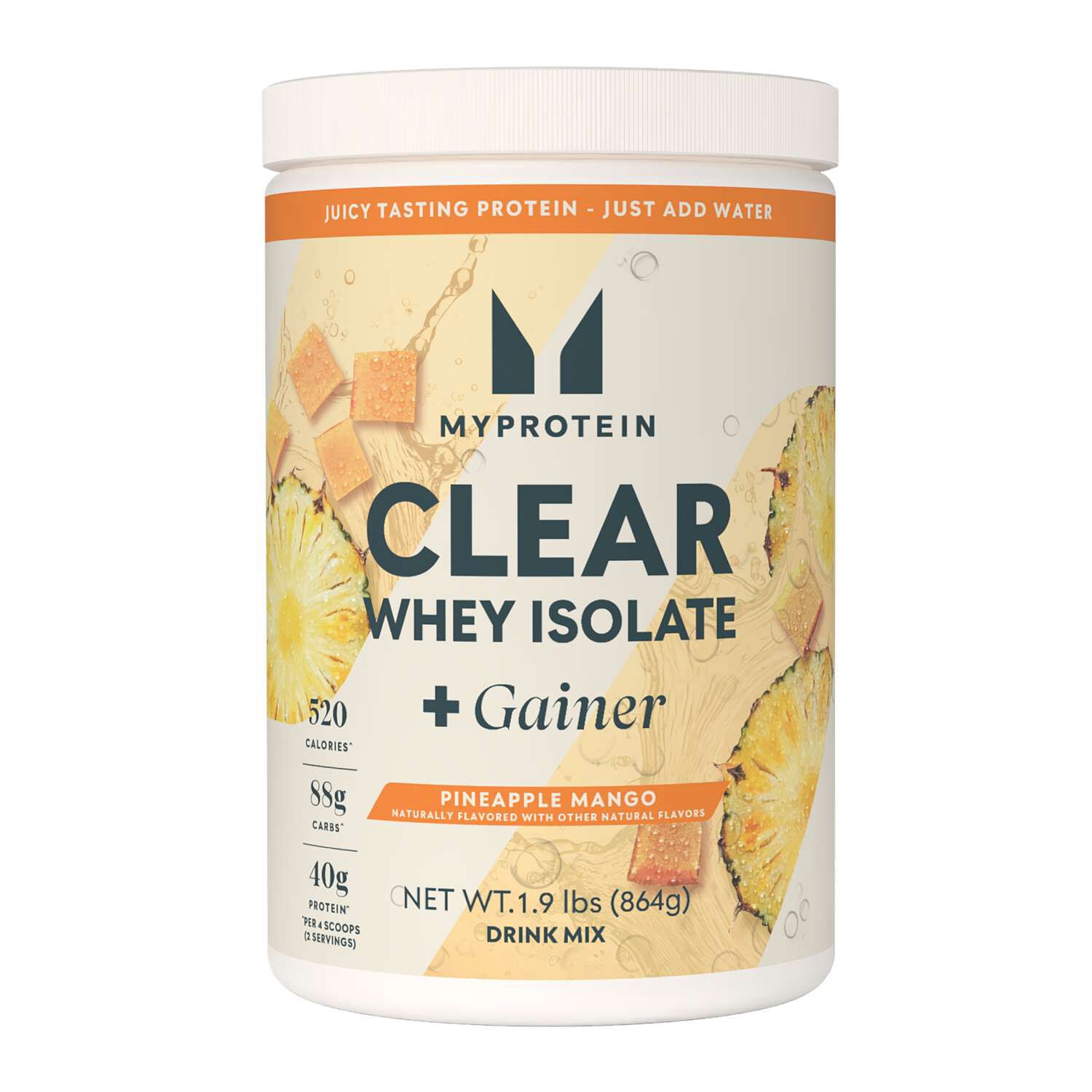
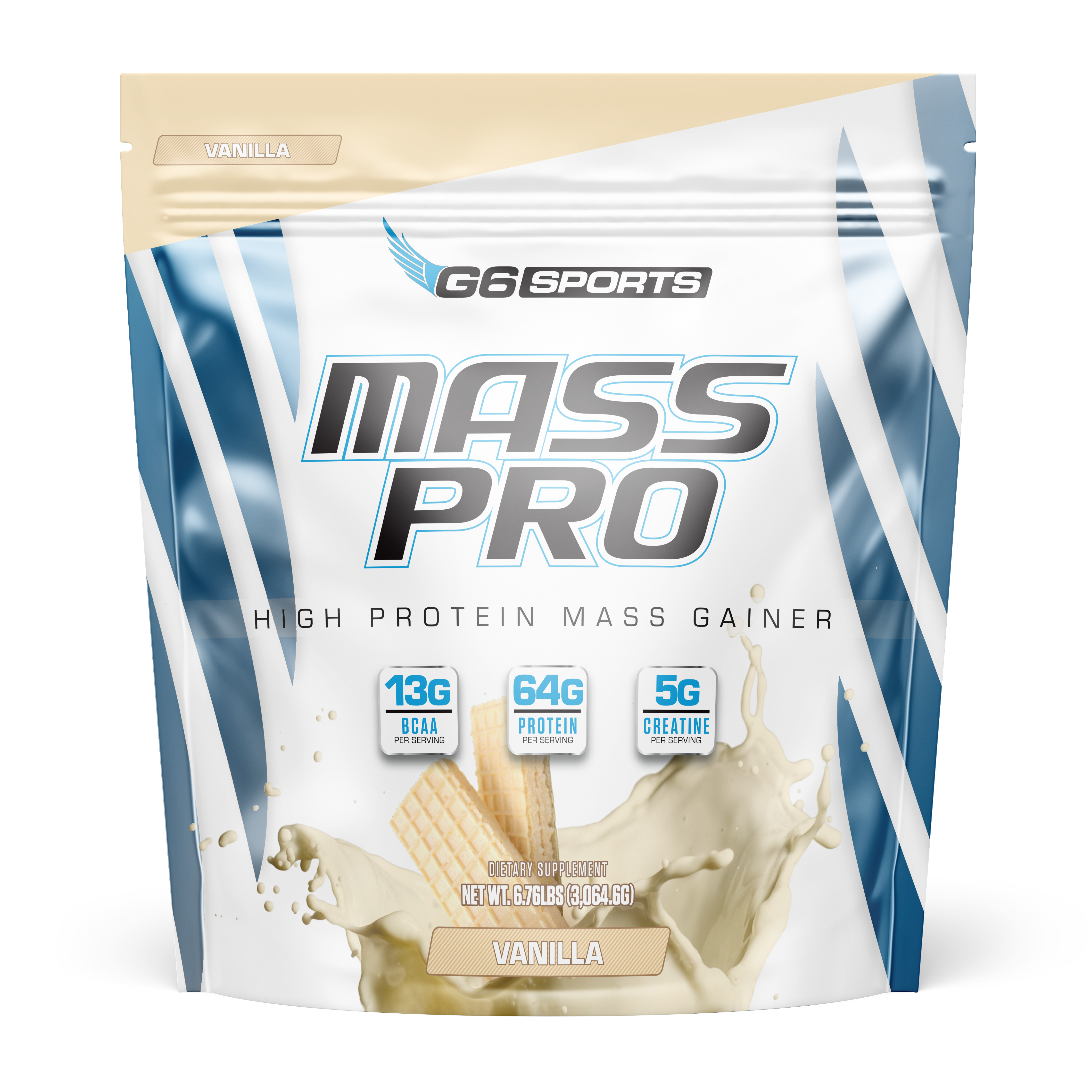
Carbohydrate powders for adult athletes are powdered sports nutrition products that may provide workout fuel and help replenish glycogen, the stored form of carbohydrate, after exercise. The category includes unflavored powders made with a single carbohydrate source, flavored carbohydrate blends, and formulas that pair carbohydrates with ingredients such as electrolytes, protein, or creatine. Common carbohydrate ingredients include maltodextrin, dextrose, fructose, and cyclic dextrin. Dextrose is another name for glucose, while maltodextrin and cyclic dextrin are derived from starch. These ingredient differences are worth noting alongside the carbohydrate amount per serving and the preparation directions. Two powders with similar scoop sizes can contain different amounts of carbohydrate and different accompanying ingredients. A simple formula may appeal to an athlete who already has a preferred protein powder or electrolyte drink, while a combination formula may suit someone who prefers fewer separate containers in a gym bag. Distance runners, cyclists, rowers, swimmers, and adult team-sport athletes may consider carbohydrate powders as part of an established eating and training routine. A recreational athlete heading out for a brief session has a different setting to consider than a cyclist planning several hours on the road or a player preparing for repeated matches. Workout duration, exercise intensity, usual meals, and personal drinking preferences provide useful context for comparing the category. Carbohydrate powder is distinct from protein powder, and a carbohydrate-focused formula is not automatically a substitute for a balanced meal. That distinction is especially useful when browsing formulas intended for use after exercise, where ingredient combinations can vary substantially. Rather than choosing by container size or flavor name alone, compare the carbohydrate amount per labeled serving, the serving instructions, and the ingredient panel. Those details describe what goes into each prepared drink more clearly than a front-label description by itself.
Intended use is another meaningful way to compare carbohydrate powders for adult athletes. Before a training session, a drinkable carbohydrate option may fit a schedule that includes an early practice or a short interval between work and the gym. During prolonged exercise, a prepared carbohydrate drink may offer a practical alternative to carrying several separate snacks, particularly when bottle space and access to food are limited. After a demanding session, a carbohydrate powder mixed according to its label may complement a meal or a protein-containing shake. These are different occasions, not a requirement to use the same powder before, during, and after every workout. For athletes exploring High Carb Powders, carbohydrate grams per serving and ingredient simplicity are useful starting points. The sugar amount alone does not describe every carbohydrate in a formula, since starch-derived ingredients also contribute carbohydrates. Serving size matters just as much: a larger scoop does not necessarily indicate a more concentrated formula, and the number of servings in a container depends on the labeled portion. Flavor and texture deserve attention, too. An unflavored powder may suit someone who prefers to combine it with a familiar shake, although unflavored does not always mean tasteless. Fruit-flavored options may appeal to athletes who prefer a standalone training drink rather than a creamy shake. Consider whether the preferred drink is lightly flavored or noticeably sweet, and whether the preparation calls for a shaker bottle, blender, or another mixing method. The amount of liquid specified on the label is part of that comparison; changing the ratio changes the concentration and taste of the prepared drink. A bottle carried through a long ride is a different format from a shake prepared in the kitchen after lifting. Familiarity also matters. Trying a labeled serving during an ordinary practice may offer a better sense of personal preference than making an unfamiliar formula part of an important event.
Ingredient transparency, packaging, and everyday handling round out the comparison. Some carbohydrate powders contain only the named carbohydrate ingredient, while others include flavorings, sweeteners, colors, minerals, or additional sports nutrition ingredients. A formula containing carbohydrates and electrolytes is not necessarily equivalent to one containing carbohydrates and protein, even if both are described for similar training occasions. Check each panel individually rather than assuming that products in the same category share the same composition. Athletes with ingredient restrictions should review the ingredient and allergen statements, including any information about shared manufacturing equipment. For competitors subject to sport-specific rules, independent testing information and the requirements of the relevant organization are additional considerations. Testing programs differ in scope, so the name of a certification and what it evaluates matter more than a general testing statement. Practical details can be just as noticeable in daily use. A wide container opening may make measuring easier, while a securely closing lid may be useful for storage between sessions. Individually portioned packaging may suit travel or a gym bag, whereas a larger resealable container may fit a regular home preparation routine. Whatever the packaging, follow the storage directions, keep the scoop dry, and close the container after measuring. Moisture may contribute to clumping, and a damp scoop is not suitable for returning to a dry powder container. Prepared drinks also have their own handling instructions; use the label’s directions rather than assuming a mixed bottle has the same storage requirements as the dry powder. Wash and dry reusable bottles and shaker parts between uses, paying attention to lids, threads, and mixing inserts. When carrying a measured portion separately, use a clean, dry container intended for food and keep the original label accessible for serving and ingredient information. Across simple carbohydrate powders and more involved blends, the most relevant differences are the carbohydrate source, amount per serving, accompanying ingredients, preparation method, and fit with an adult athlete’s routine.
Best Sellers
-
GNC Pro Performance
-
GNC Pro Performance
-
 GNC Pro Performance
-
GNC Pro Performance