





Carbohydrate Powders For Balanced Macros
(0 Results)
Carbohydrate powders for balanced macros offer a convenient option for those looking to support their nutrition and fitness goals. Adding these powders to your routine may help you customize your macronutrient intake and create a regimen that fits your lifestyle. Whether you’re seeking to fuel intense workouts or simply aiming for a more balanced diet, carbohydrate powders for balanced macros could be a versatile addition to your daily routine. Explore a range of options designed to fit various preferences and nutritional needs.
-

-

-

-
-

-
-
-
-

-
-

-
.jpg?sw=305&sh=305&sm=fit "Demo Day Carbohydrate Power - Big Cherries (30 Servings) | GNC")
-
-

-

-
 Axe & Sledge Supplements$39.99
-

-
-

-

-

-
-
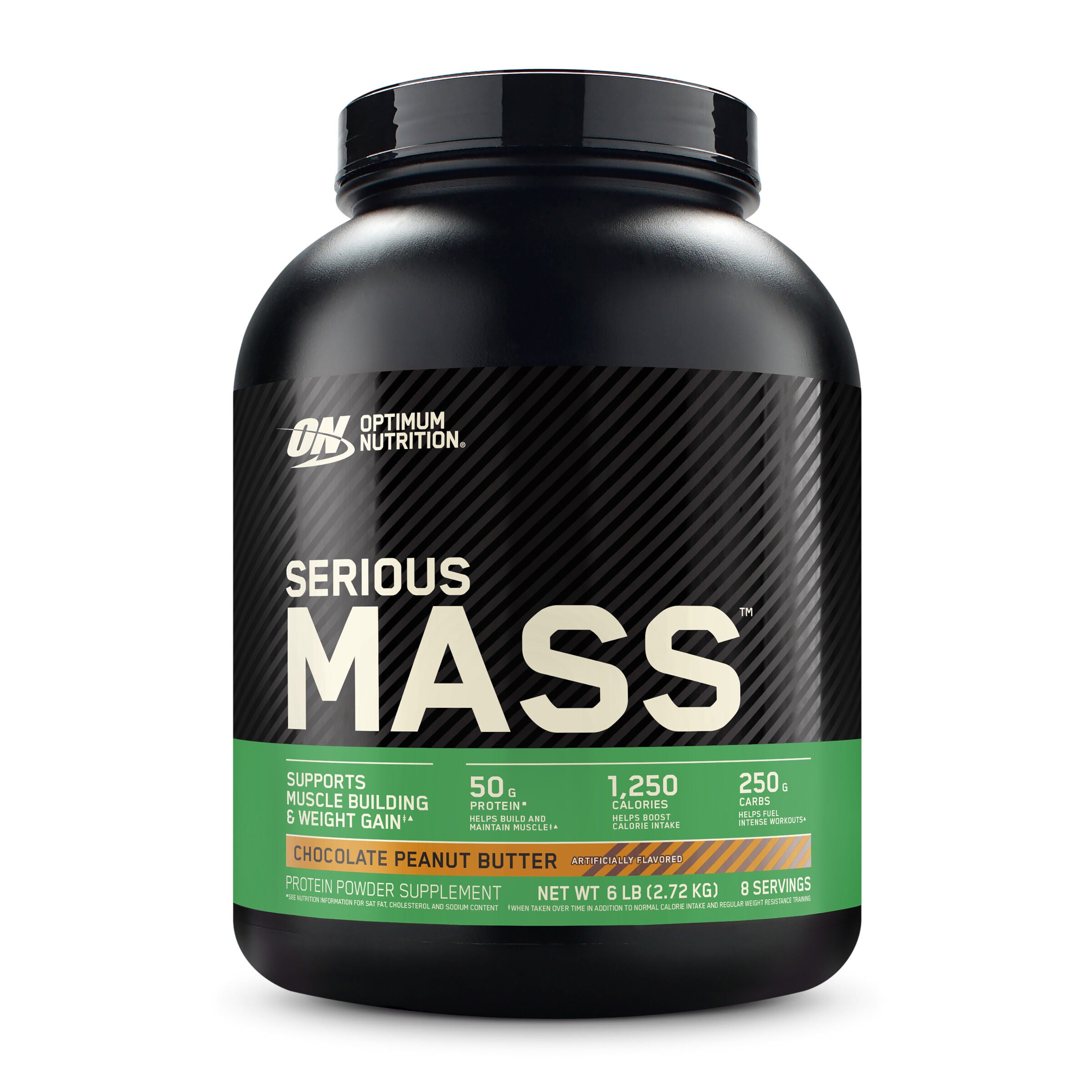
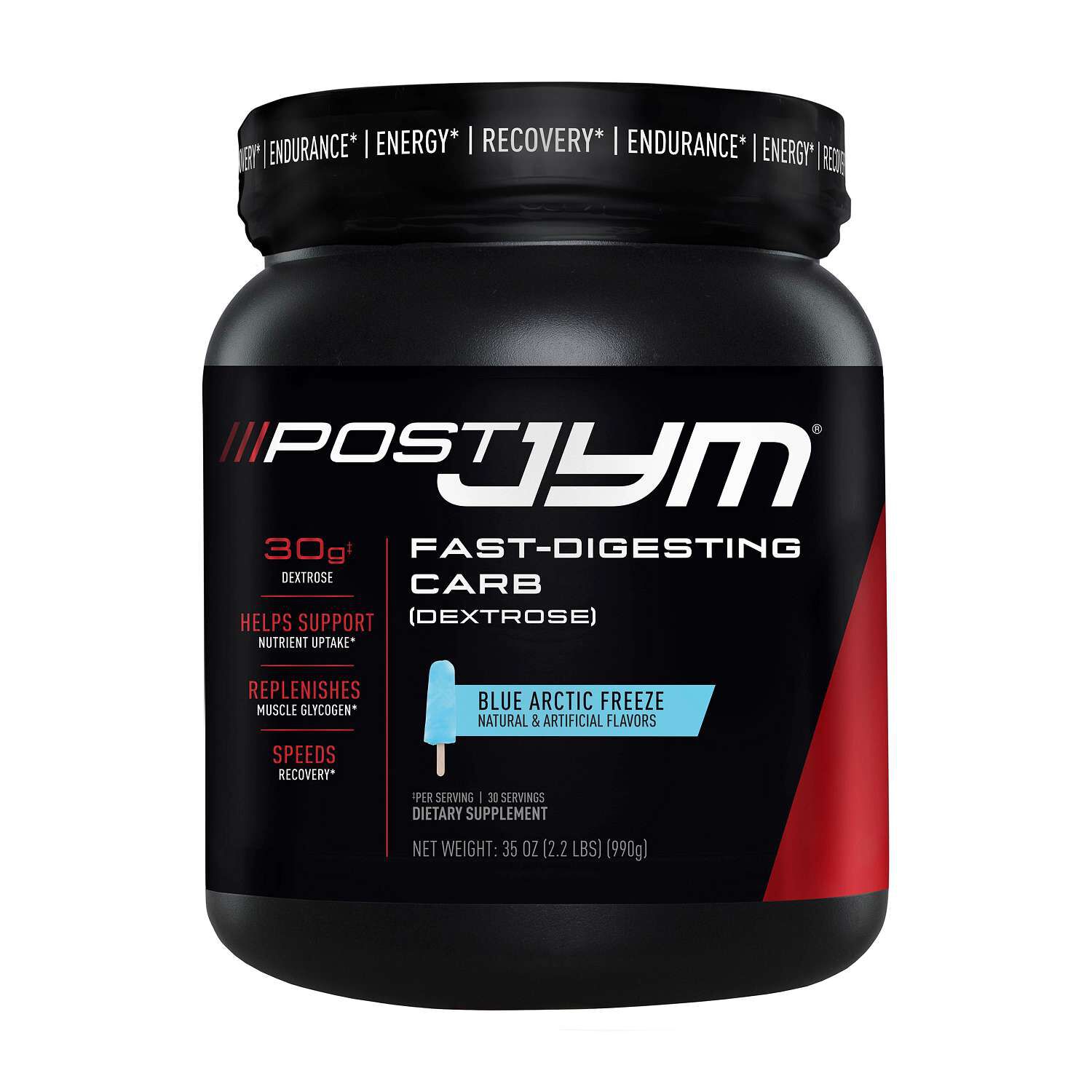
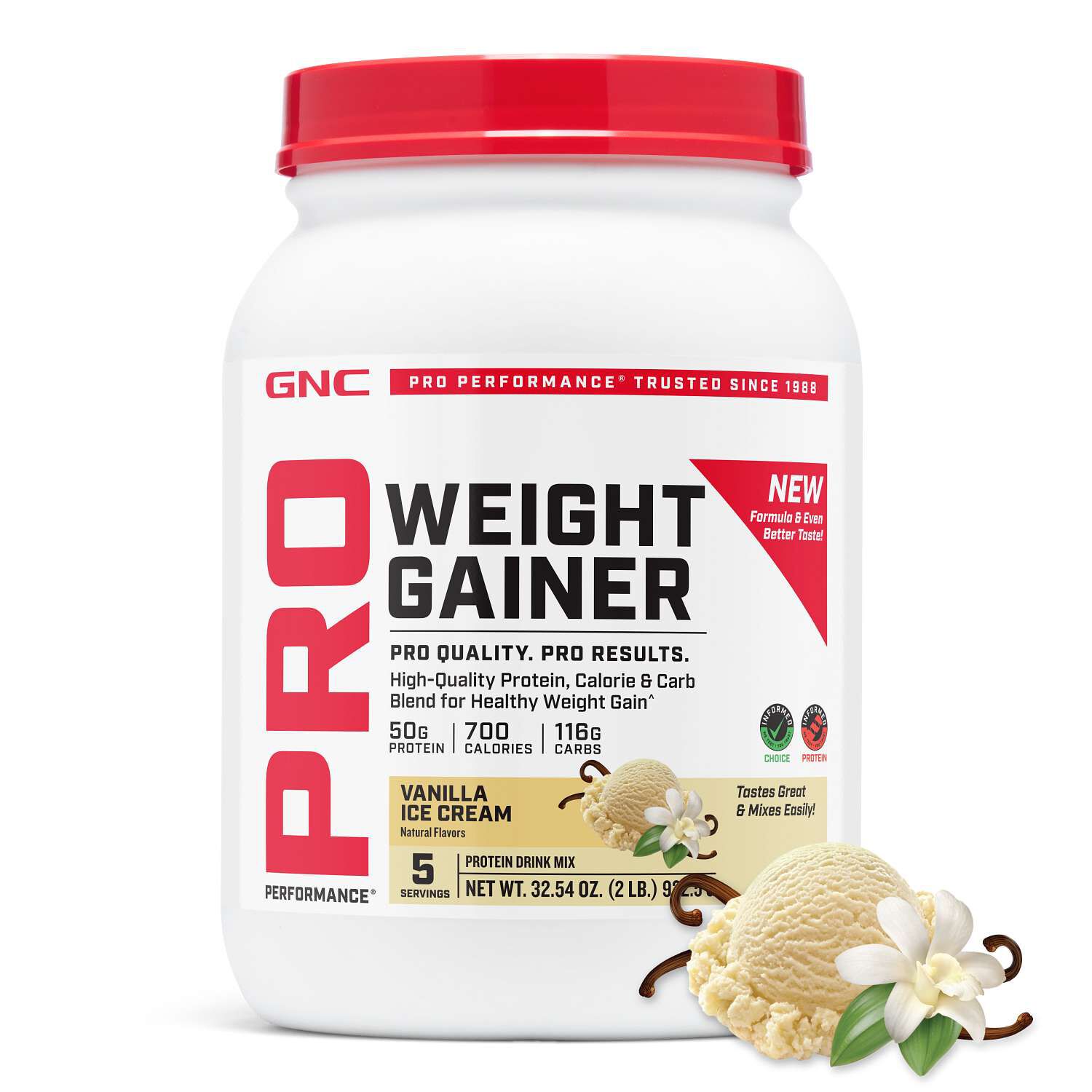
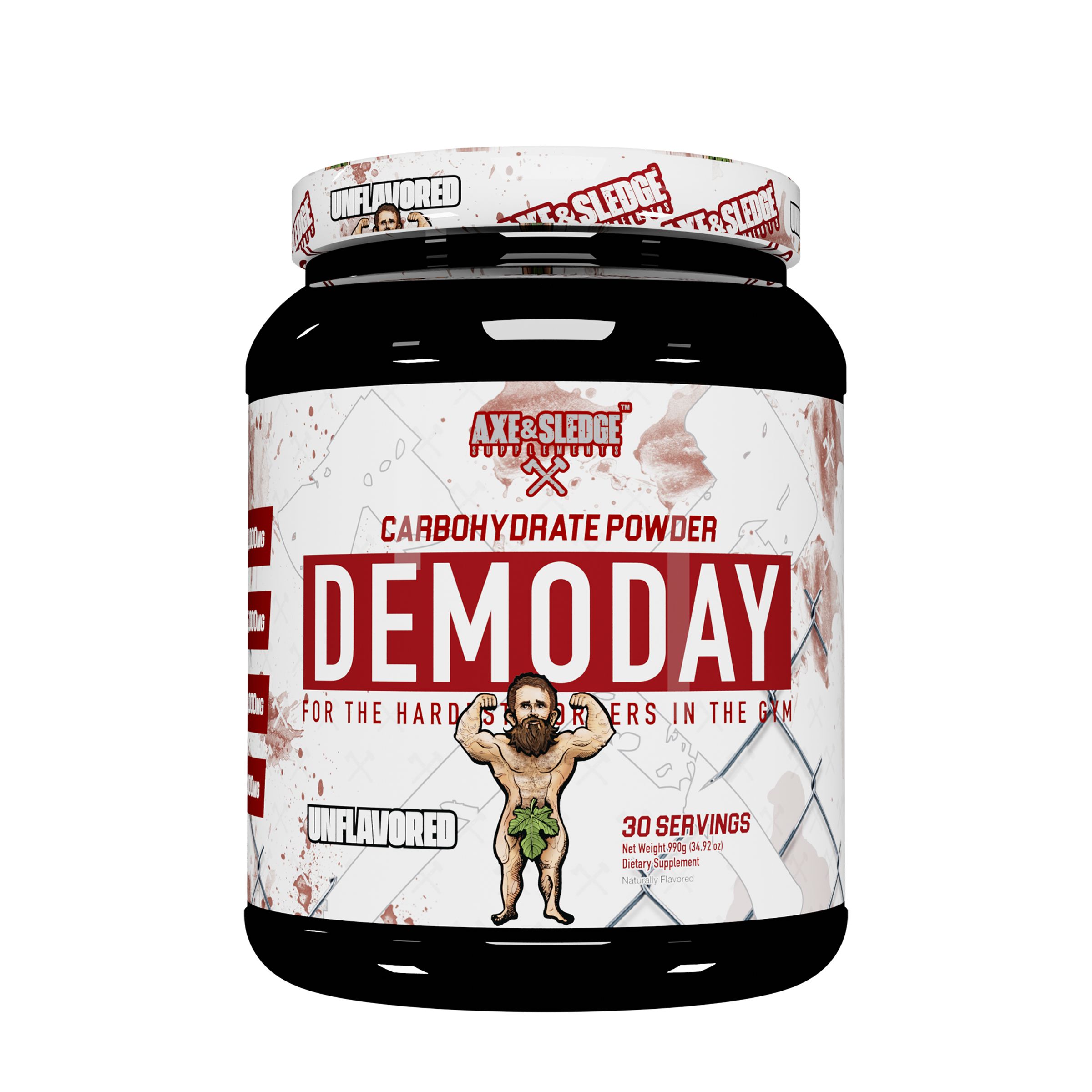
Carbohydrate powders for balanced macros are concentrated carbohydrate sources intended for mixing into drinks or foods, with options ranging from single-ingredient formulas to blends containing protein, fat, or other nutrients. In this context, macros means the three macronutrients tracked in many eating routines: carbohydrates, protein, and fat. A carbohydrate powder may make it easier to adjust the carbohydrate portion of a shake or snack without adding a large amount of food volume. That distinction matters when comparing a dedicated carb powder with a broader nutrition blend. A formula centered on carbohydrates has a different nutritional profile from one that also contains substantial protein or fat, even when both come in similar containers. Carbohydrates contribute about four calories per gram, so a serving containing 25 grams of carbohydrate represents approximately 100 calories from carbohydrate alone. Any protein or fat in the formula adds its own calories. The weight of a scoop is not necessarily the same as its carbohydrate content; a 30-gram serving of powder does not automatically contain 30 grams of carbohydrates. The Nutrition Facts panel identifies the serving size, carbohydrate grams, sugars, fiber, and other nutrients needed for a meaningful comparison. Common ingredient names include dextrose, maltodextrin, cyclic dextrin, and starches from sources such as corn, rice, potatoes, or tapioca. Some blends also contain milled grains such as oats. These ingredients differ in composition, and the ingredient name alone does not describe every aspect of the finished drink. A short ingredient list may appeal to someone seeking a straightforward addition to an existing shake, while a more varied formula may suit someone who prefers several nutrients in one preparation. Balanced macros refers to how the powder fits alongside everything else eaten and drunk, rather than a special property of the powder itself. There is no single carbohydrate-to-protein-to-fat ratio that defines every shopper’s routine.
Intended use is another useful distinction when browsing carbohydrate powders. An adult preparing for a long bike ride may prefer a powder intended for mixing with water in a bottle, while someone finishing a gym session might prefer an unflavored formula to add to a protein shake. Another shopper may want a measured carbohydrate addition to a breakfast smoothie made with fruit and yogurt. These are different uses, so the same texture, flavor, and serving size will not necessarily suit all three. Powders used before, during, or after exercise may offer a convenient carbohydrate source, but timing does not determine whether the rest of the day’s food choices fit an individual’s macro targets. The amount listed on the label, the planned activity, and the surrounding meals all provide context. For a collection centered on sports routines, Carbohydrate Powders For Adult Athletes is a related place to compare options with that intended use in mind. A dedicated carbohydrate powder is not interchangeable with protein powder, and a drink containing both still reflects the nutrients contributed by each ingredient. Milk, juice, yogurt, nut butter, and fruit also change the nutritional makeup of a shake. Water contributes no carbohydrates, protein, or fat, making it a different mixing base from those foods and beverages. For someone recording macros, the relevant entry is the prepared drink, not just the dry powder. A carbohydrate powder may fit more naturally into a routine when its role is clearly defined: a measured addition to a familiar shake, a portable drink component, or an alternative format when another bowl or plate of food is inconvenient. It does not need to appear in every meal. Grains, fruit, beans, and other carbohydrate-containing foods remain distinct choices with their own textures, flavors, and nutrient profiles. A powder may complement those foods rather than serve as a substitute for the variety they bring to everyday eating.
Practical details often distinguish carbohydrate powders as much as the carbohydrate source. Flavored formulas may suit a simple water-based drink, while unflavored powders may be more adaptable in a smoothie that already contains cocoa, berries, or another pronounced flavor. Unflavored does not necessarily mean tasteless; the underlying ingredients may contribute sweetness, a grain-like note, or a noticeable texture. Fine starch-based powders and formulas containing milled grains may also feel different in the finished drink. Mixing directions are useful here because the suggested liquid amount and preparation method relate to the texture the formula was designed to have. A shaker bottle may suit one powder, while another may be better matched to a blender or stirring into food, according to its label. Someone carrying a bottle in a gym bag has different practical needs from someone preparing a thick smoothie at home. Serving size deserves the same attention as flavor: equal scoops from two containers are not necessarily equal portions, and scoop dimensions vary. Comparing the gram weight and carbohydrate content per serving gives a clearer picture than comparing scoop counts alone. Ingredient lists and allergen statements are also relevant, especially for shoppers avoiding particular food ingredients or sharing a kitchen with others who do. Packaging and storage matter over repeated use. A securely closed container, dry utensils, and storage consistent with the label may help preserve the powder’s intended condition between servings. Liquid left on a scoop may introduce moisture into the container, so keeping preparation tools separate from the stored powder is a practical consideration. Container shape and closure style may also matter for someone fitting nutrition products into a narrow cabinet or carrying them between home and a training space. The most useful comparison brings these details together: carbohydrate grams, other nutrients, ingredient sources, flavor, preparation requirements, and intended use. A powder that suits an established eating routine may be a more practical choice than one selected solely because its serving looks larger or its formula sounds more elaborate.
Best Sellers
-
GNC Pro Performance
-
GNC Pro Performance
-
GNC Pro Performance
-
GNC Pro Performance
Related Pages
Top Collections
- Joint Mobility Supplement Packs
- Daily Collagen Supplements | Top Brands & Deals | GNC
- GLP 1 Support For Adults
- Zinc Supplements | Top Brands at Great Prices | GNC
- Supplements For Yoga Joint Flexibility
- Supplements For Balance
- Capsule Supplements For Energy And Stamina
- Adult Mobility Supplements
- Chronic Fatigue Supplements
- Vitamins For Hair Loss