





Unflavored Carbohydrate Powders For Stacking
(0 Results)
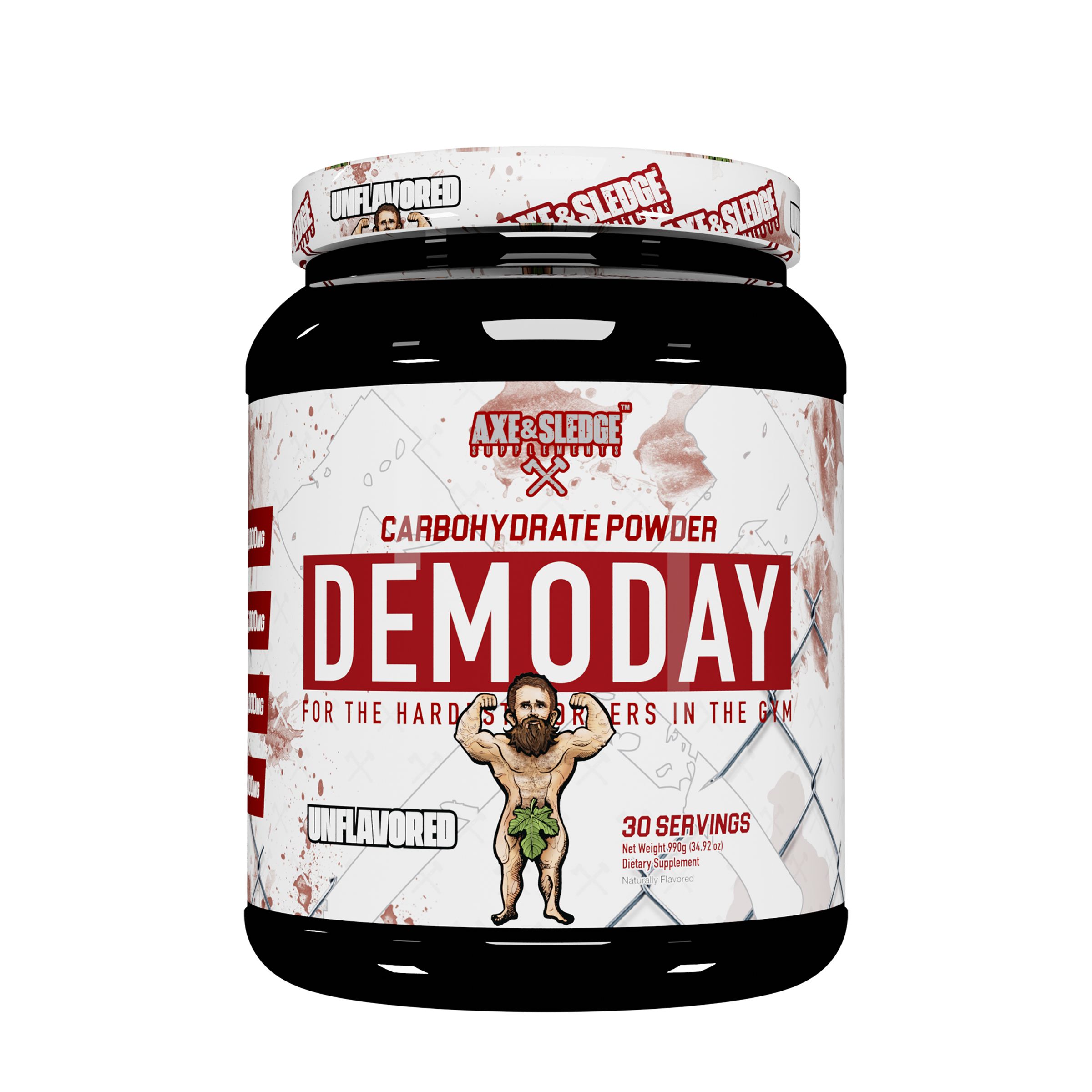
Unflavored carbohydrate powders for stacking offer a versatile option for those looking to customize their nutrition routine. These powders may blend seamlessly into your favorite shakes, smoothies, or recipes, making it easy to support your unique wellness goals. Whether you’re building a personalized supplement stack or simply seeking a neutral addition to your daily regimen, unflavored carbohydrate powders for stacking could be an ideal choice for flexible fueling.
-
-

-

-
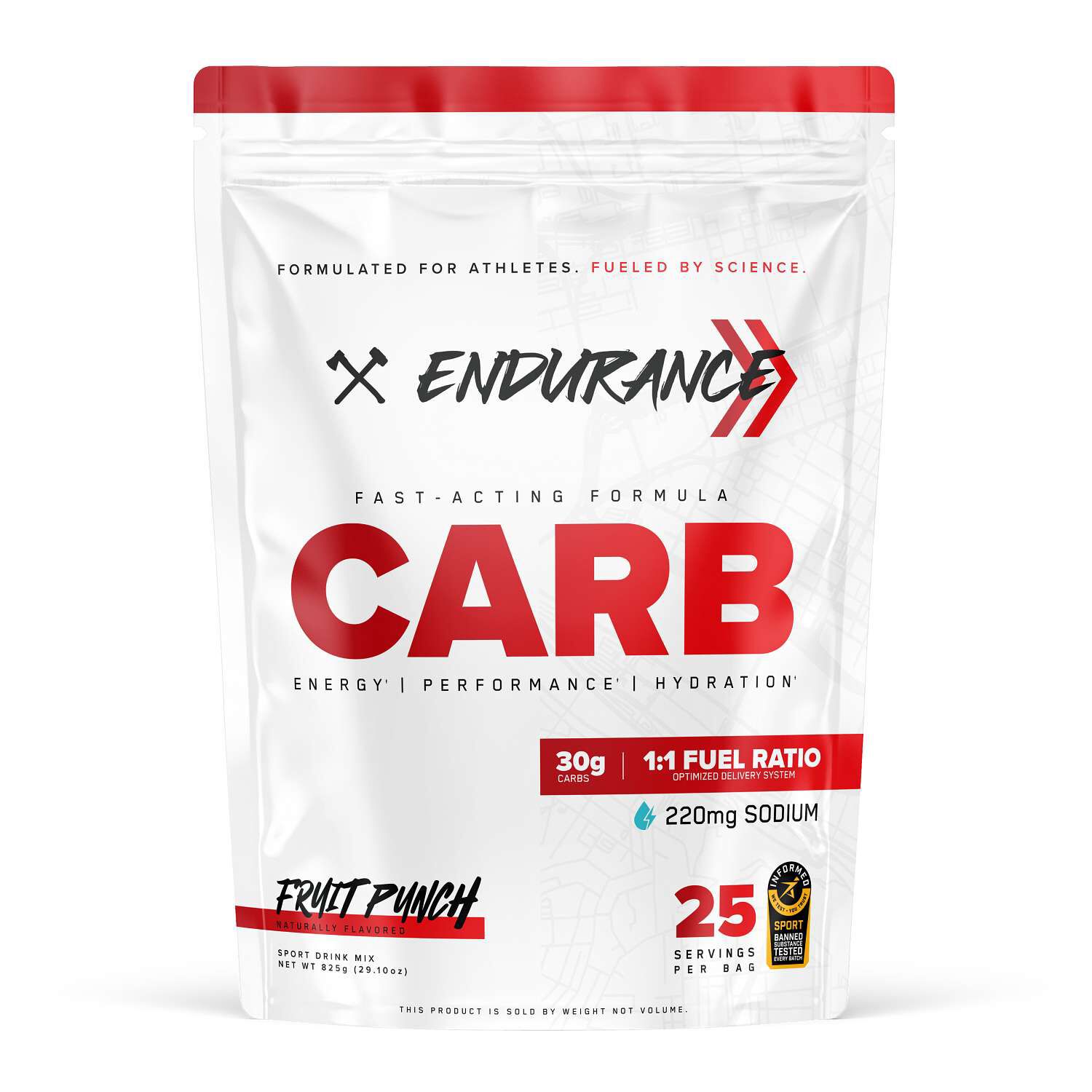 Axe & Sledge Supplements$39.99
-

Unflavored carbohydrate powders for stacking are intended for shoppers who prefer to choose the carbohydrate portion of a shake separately from its protein, flavoring, or other ingredients. In this context, stacking means combining products within a routine rather than relying on a single blended formula. A plain carbohydrate powder may fit a familiar vanilla protein shake, a fruit-based smoothie, or another preparation permitted by its label without introducing a competing flavor. That flexibility is particularly relevant when the same powder is intended for several different recipes. Unflavored does not necessarily mean unsweetened or without any noticeable taste, however. The carbohydrate source itself may contribute mild sweetness, and the finished texture may vary from one formula to another. Common ingredient types in this category include maltodextrin, dextrose, and various dextrins, with different ingredient lists and nutrition profiles. Sources may include corn, rice, or tapioca, depending on the formula. For shoppers with ingredient preferences or dietary restrictions, the source declaration and allergen information deserve attention alongside the word “unflavored.” The Nutrition Facts or Supplement Facts panel provides another useful point of comparison: grams of carbohydrate per serving, calories, sugars, and serving weight describe different aspects of a powder. Scoop size alone is not a reliable comparison between formulas because scoops and powder densities vary. A short ingredient list may appeal to someone building a straightforward shake, while another shopper may be comfortable with additional ingredients that influence mixing or texture. Neither approach makes every powder interchangeable. The most relevant choice depends on the intended preparation, the rest of the ingredients in the stack, and the label directions. For someone who already enjoys a particular protein flavor, an unflavored carbohydrate option may be a practical alternative to introducing another flavored mix. It also leaves the flavor choice with the rest of the recipe, whether that means cocoa, berries, banana, or a plain shake with very little added character.
The way a carbohydrate powder behaves in a drink is an important part of its everyday appeal. A formula intended for mixing with water may have a different mouthfeel when combined with milk, a plant-based beverage, or a thick smoothie. More powder in the same amount of liquid may produce a denser drink, while fruit, oats, nut butter, and protein powder each bring their own texture. A shaker bottle is a familiar format for simple preparations; recipes with several solid ingredients are more suited to a blender. Label directions remain the reference for the mixing method and liquid amount associated with a particular formula. Dissolving and dispersing are also different experiences: a drink that looks uniform immediately after shaking may develop some settling as it sits, depending on its ingredients. For shoppers who dislike a gritty finish or pronounced sweetness, descriptions of solubility and flavor character are worth considering along with the ingredient panel. Intended use matters just as much as mixing preference. A runner with a long training session on the calendar, a recreational lifter planning an after-work shake, and someone looking for a convenient carbohydrate ingredient for a busy day may have different expectations for serving size and portability. These powders may provide a convenient way to add carbohydrate to an eating routine, but the appropriate amount depends on individual needs and the other foods and drinks involved. A stack containing protein powder or other supplements also has several sets of directions, serving measurements, and ingredient declarations to account for. Combining powders does not make those details less relevant. Familiarity with each label is especially useful when two formulas contain overlapping ingredients. An unflavored carbohydrate powder is one component of a preparation, not a substitute for every other aspect of food selection. Its role is easier to assess when the intended drink, serving format, and broader eating routine are already clear.
Packaging and storage details become more noticeable once a powder is part of a regular routine. A container that closes securely, a clearly marked serving measure, and readable preparation directions are practical considerations for a kitchen shelf or a bag packed for the day. Powder residue around a lid or resealable opening may interfere with a tidy closure, while moisture introduced by a damp scoop may contribute to clumping. Following the package’s storage instructions, keeping utensils dry, and closing the container after use are straightforward care practices. The printed date and any directions concerning opened packaging remain relevant even when the powder still looks unchanged. For travel or a commute, the original labeled container keeps ingredient information and preparation directions together; any separate portion container should be suitable for food and securely closed. Dry powder and a prepared shake also have different handling considerations, particularly when the drink contains milk or other perishable ingredients. Those details matter for the person carrying a shaker from a home kitchen to a gym locker or keeping ingredients at a workplace. When comparing formats, serving weight and the number of servings on the label provide more useful context than the apparent size of a tub or pouch. A larger scoop does not necessarily indicate more carbohydrate per measured gram, and a generous-looking package does not describe how the powder will taste or mix. Shoppers comparing this category with High Carb Powders may find that flavor preference, carbohydrate concentration, and preparation style are more meaningful distinctions than packaging alone. The strongest match is a powder whose ingredient source, nutrition information, serving directions, and storage requirements suit the routine it is intended to join. For someone who values familiar flavors and separately measured ingredients, that may mean a plain powder kept beside a regularly used shaker. For another, it may mean a versatile ingredient reserved for blended recipes, with each serving measured according to its own label.
Best Sellers
-
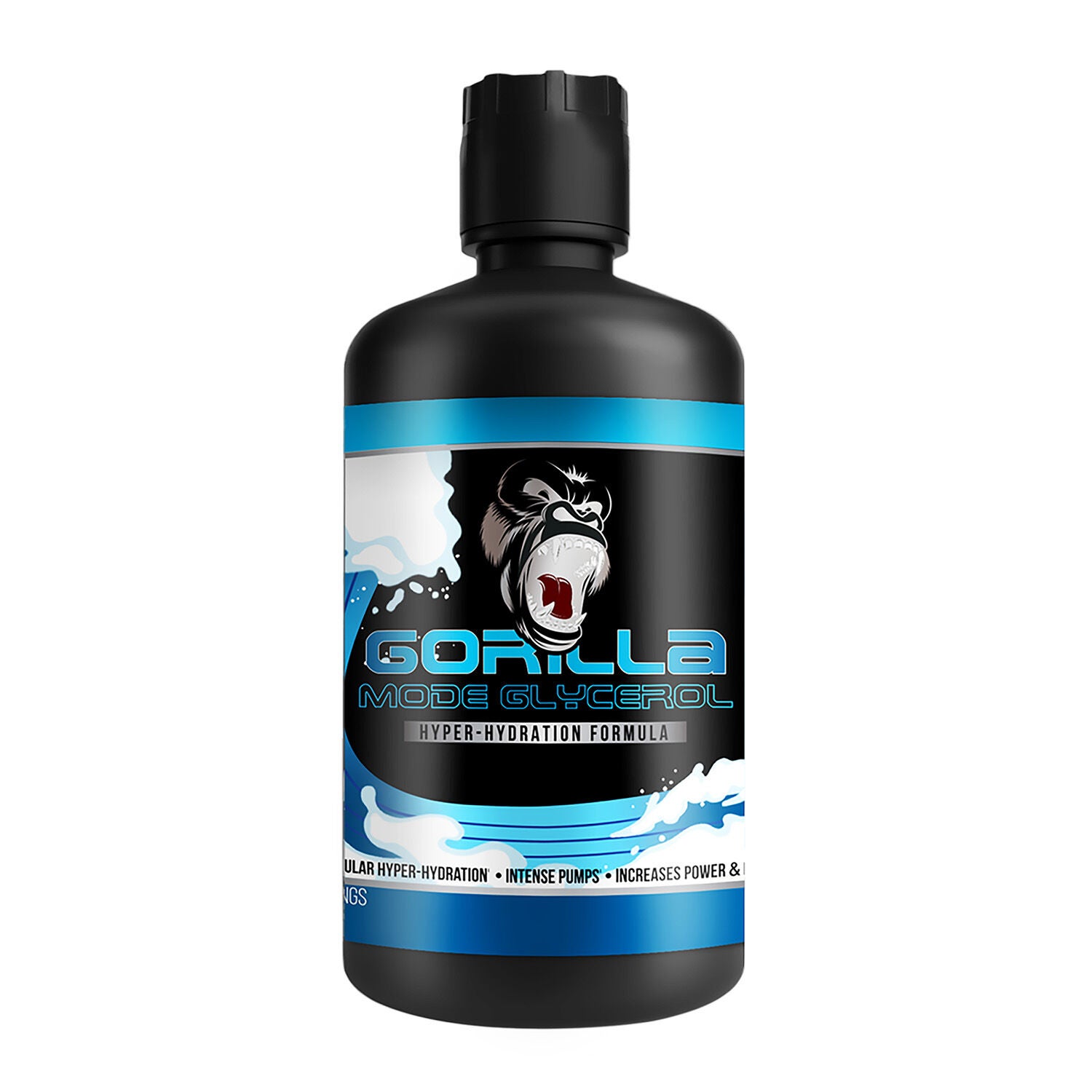 Gorilla Mind
-
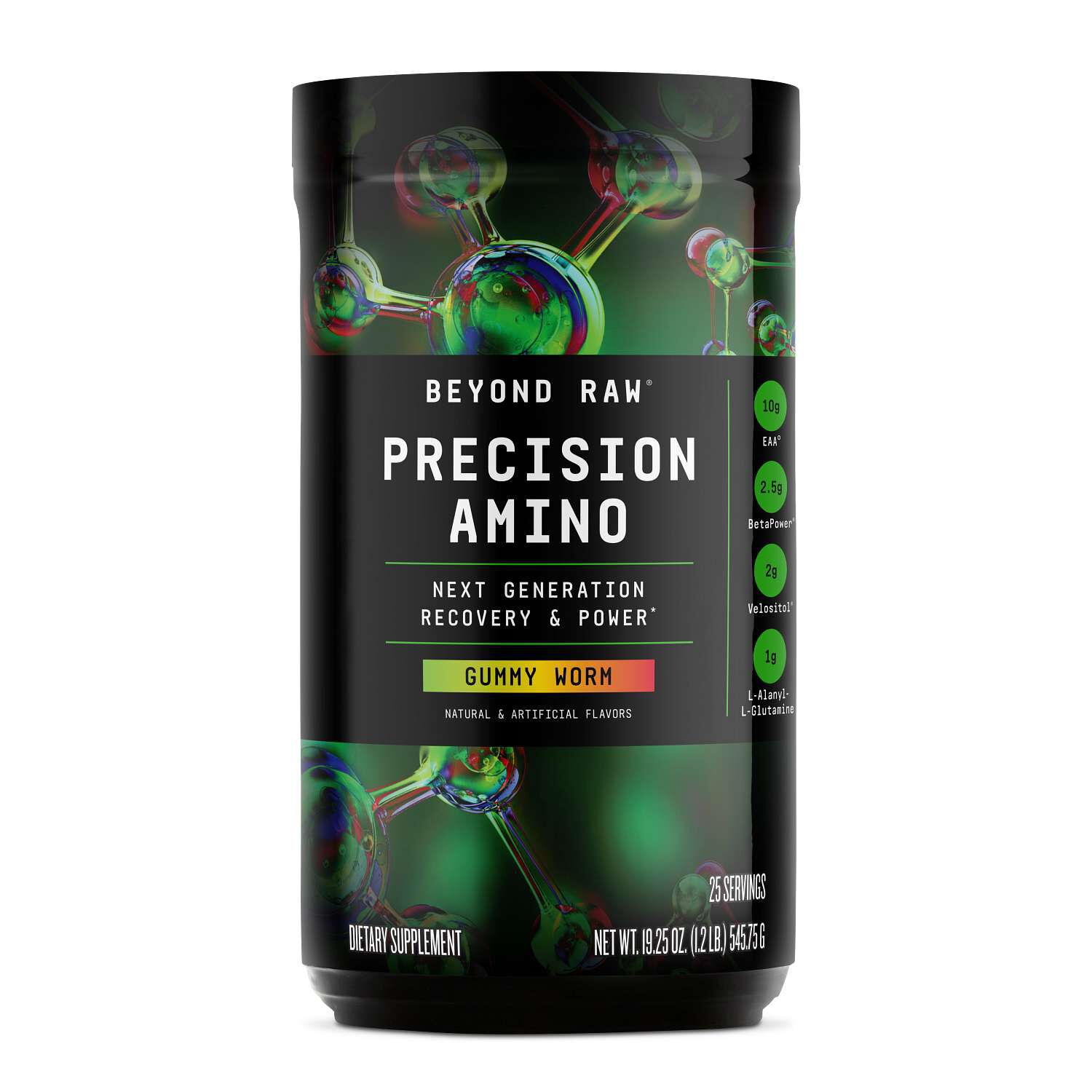 Beyond Raw


Related Pages


Top Collections
- Zinc Supplements For Men
- Supplements For Yoga Joint Flexibility
- Protein for Adults
- Chronic Fatigue Supplements
- Supplements For Balance
- Vitamins For Hair Loss
- Capsule Supplements For Energy And Stamina
- Daily Collagen Supplements | Top Brands & Deals | GNC
- Burnout Support Supplements
- Natural Inflammation Supplements