Vitamin D Gummies
(0 Results)
Get your daily dose of sunshine in a delicious and convenient way with Vitamin D Gummies. These chewy treats are packed with all-natural goodness to support your immune system, bone health, and overall well-being. With a burst of citrus flavor in every bite, taking your vitamins has never been easier or tastier. Say goodbye to hard-to-swallow pills and hello to a fun and enjoyable way to boost your vitamin D levels. Discover why these gummies are a must-have addition to your daily routine.
-
 $13.99
-
-
-
 $15.99
-
 $21.99
-
-
 $14.99
-
 $17.99
-
 $12.99
-
 $20.99
-
 $20.99
-
-
-
-
 $16.99
-

-


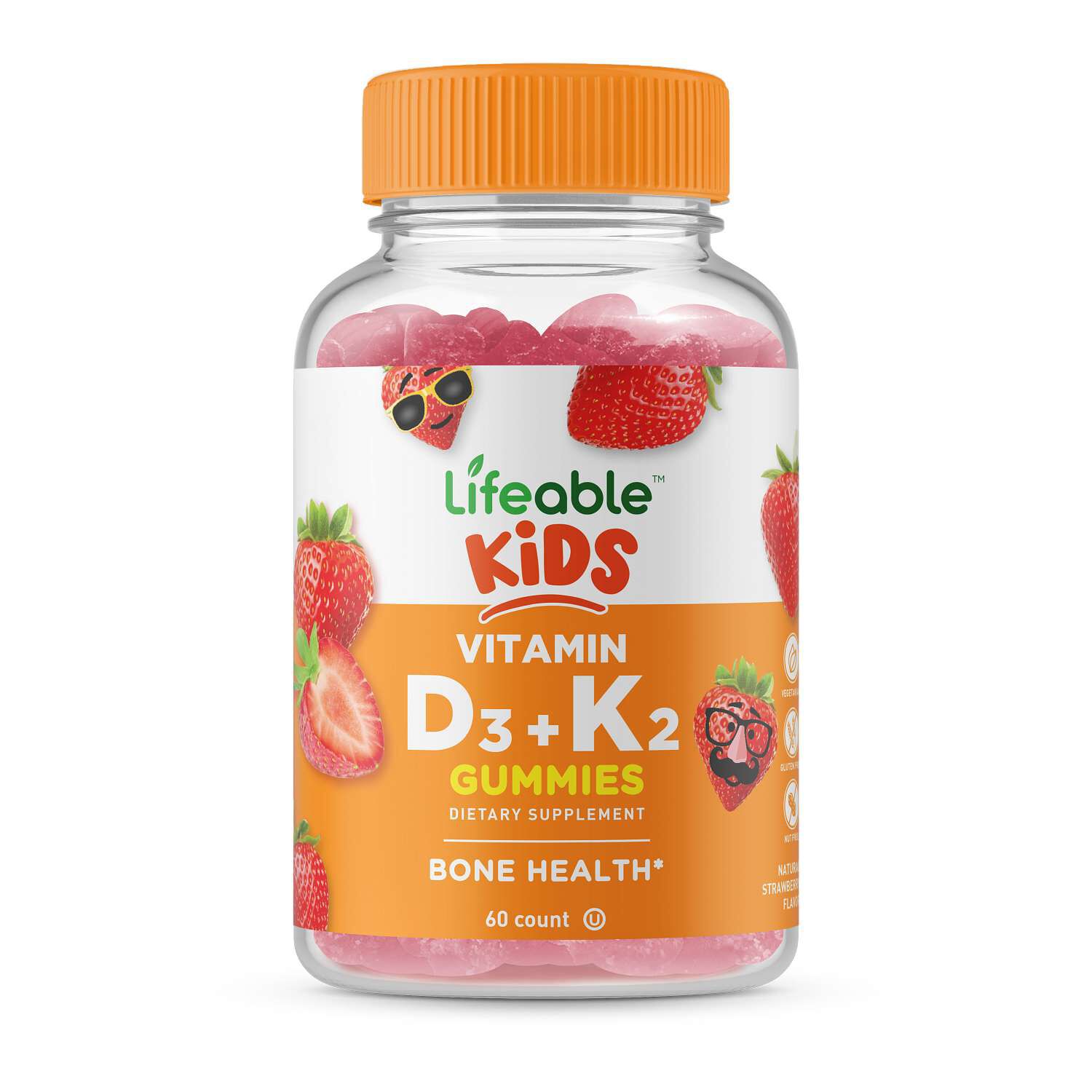


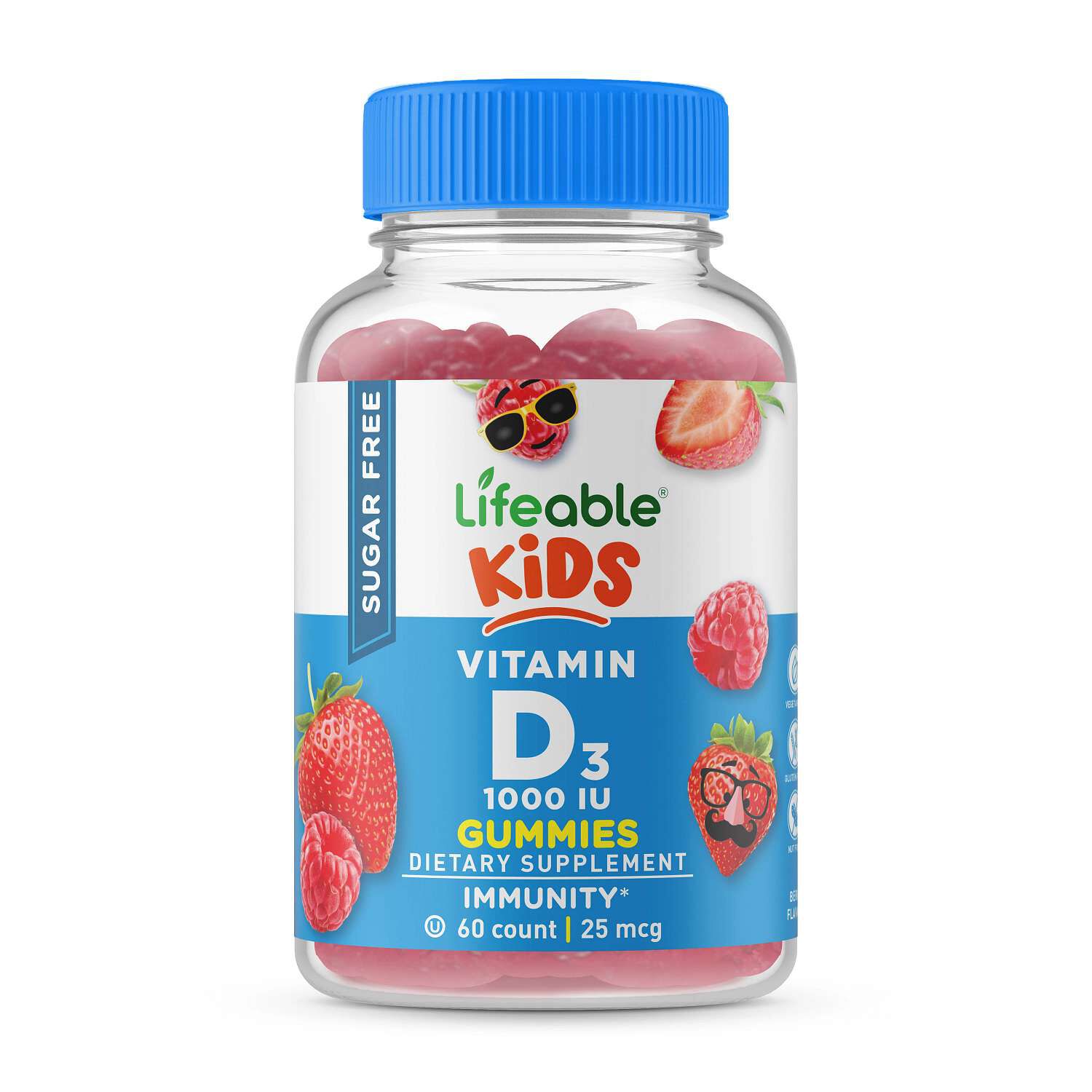
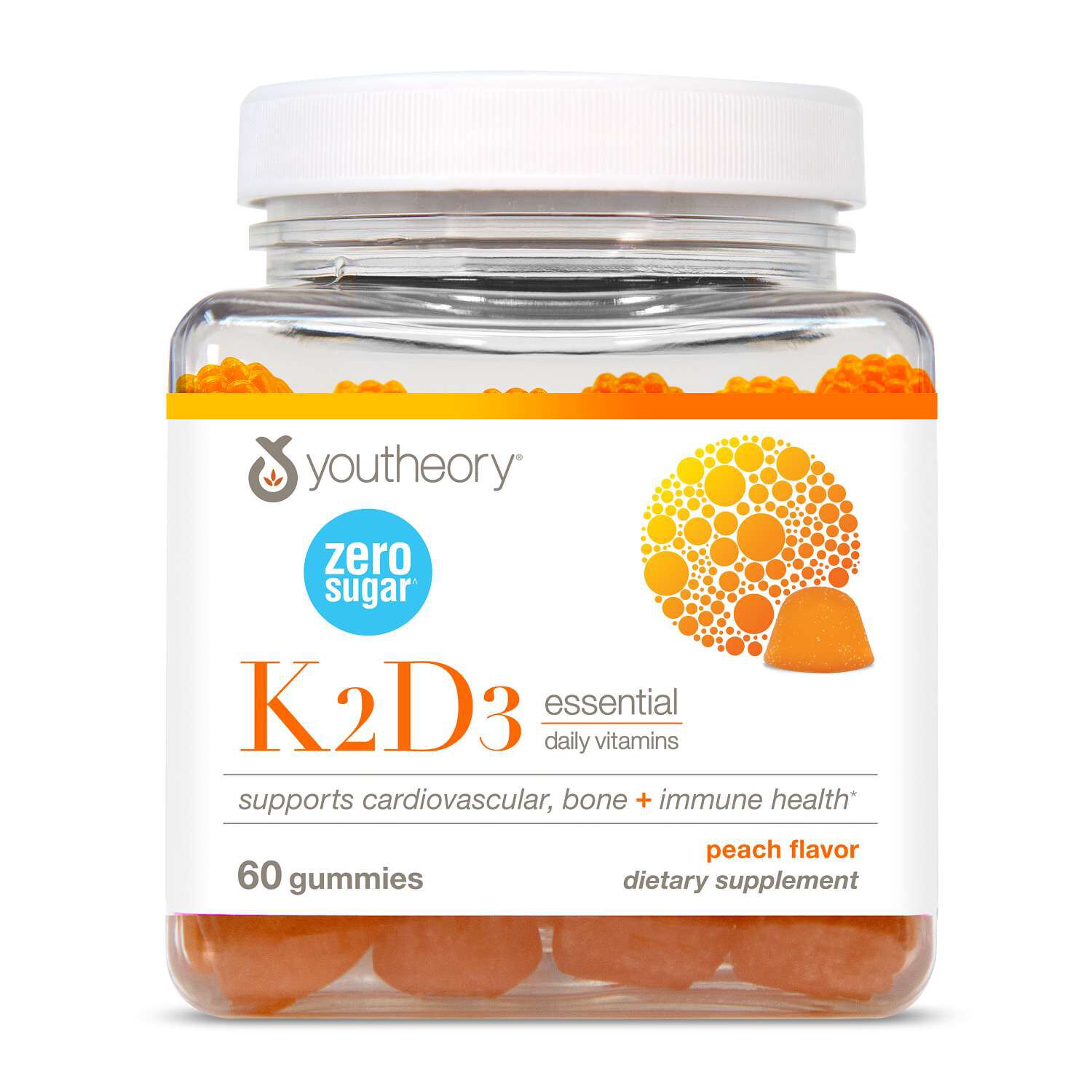
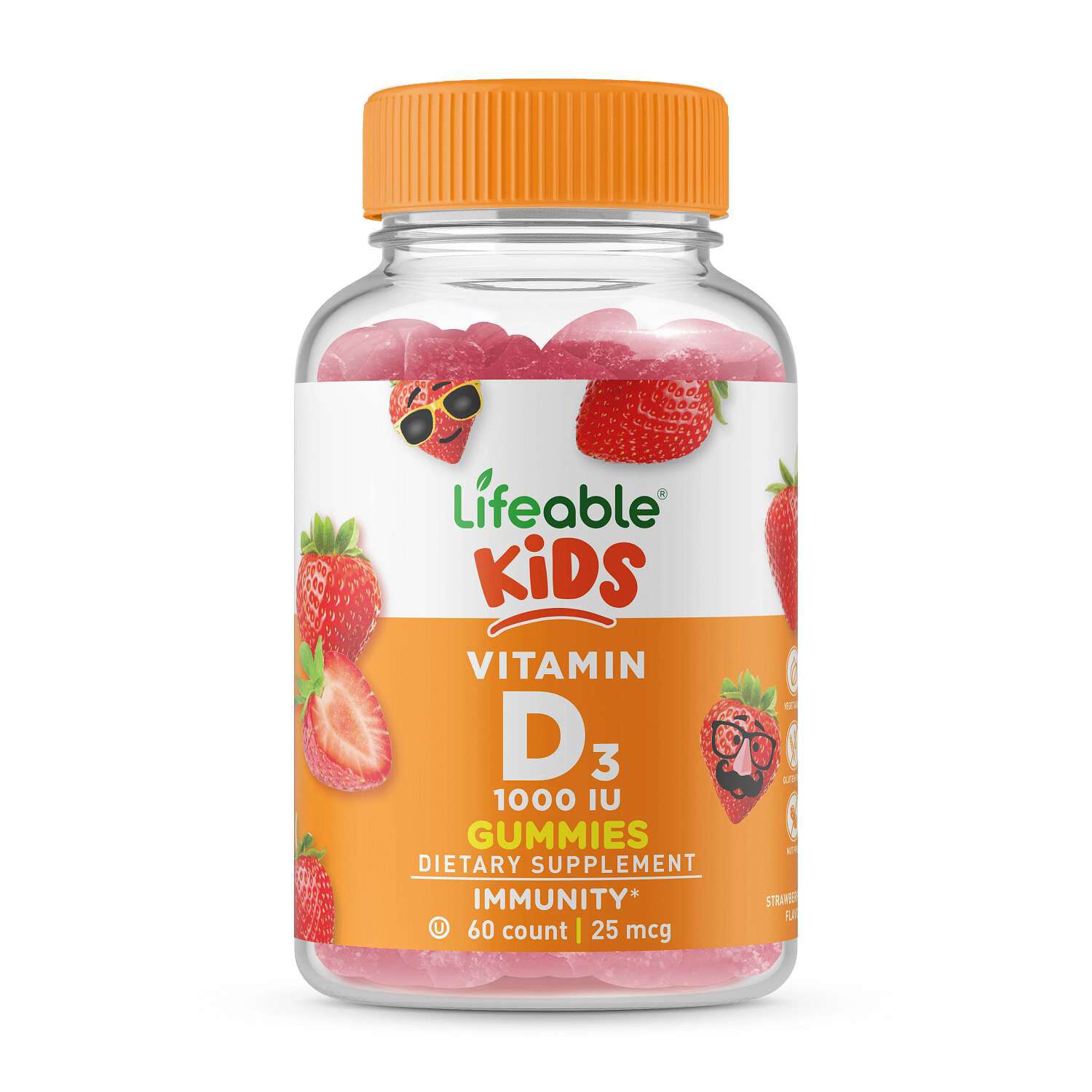
Vitamin D gummies are chewable dietary supplements that provide vitamin D in a flavored gummy format, often using vitamin D3, also known as cholecalciferol. Vitamin D may support normal bone, teeth, muscle, and immune health as part of a balanced nutritional routine. For adults who prefer a chewable supplement over a capsule or tablet, gummies offer a different way to include this nutrient in an everyday routine. The most useful distinctions go beyond flavor: the form of vitamin D, amount per serving, serving size, and other ingredients all help describe what is inside the bottle. Vitamin D2 and vitamin D3 are different forms of the nutrient, so the ingredient panel matters more than a general reference to vitamin D on the front label. Amounts may appear in micrograms, abbreviated as mcg, and international units, abbreviated as IU. These are different units for expressing the quantity of vitamin D, not separate ingredients. When comparing labels, look at the amount per serving alongside the number of gummies in that serving. One gummy does not necessarily equal one serving, and a larger bottle does not necessarily contain more servings than a smaller one. Some formulas focus on vitamin D alone, while others combine it with nutrients such as calcium or vitamin K. Those combinations have different ingredient profiles and should not be treated as identical simply because they share a gummy format. The Supplement Facts panel brings these details together and provides a more useful comparison than bottle size, fruit imagery, or a large number on the front. Gummies are intended to supplement the diet, not replace varied meals and snacks. For a shopper sorting through vitamin D gummies, understanding these basic distinctions creates a practical starting point without making the decision depend entirely on packaging or flavor names. It also keeps attention on the intended use of the supplement: a labeled source of vitamin D in a chewable form.
The gummy itself deserves a closer look, especially when texture, ingredient sources, and food preferences matter. Gelatin and pectin are common gelling ingredients, but they come from different sources and create different textures. Gelatin is animal-derived, while pectin comes from plants. A pectin-based gummy, however, is not automatically a vegan supplement; the vitamin D and other ingredients need their own review. Vitamin D3 can come from sources such as lanolin or lichen, so an explicit source statement or dietary designation is more informative than assumptions based on the gummy base. Flavor profiles can include citrus, berry, peach, and mixed fruit, with textures ranging from a firmer chew to a softer bite. A fruit flavor name describes the eating experience rather than establishing how much fruit an ingredient list contains. Ingredient panels may list fruit juice concentrates, flavorings, colors, acids, oils, or surface coatings, each serving a different purpose in the finished gummy. Added sugars and alternative sweeteners are another point of comparison. The Nutrition Facts or Supplement Facts information, together with the ingredient list, provides context that a sweet or tart taste alone cannot supply. When a serving contains several gummies, the sugar information should be read for that serving rather than assumed to apply to each piece. Shoppers with particular dietary preferences can also review allergen statements and any manufacturer information about ingredient handling. Clear labeling is especially useful when choosing between formulas that look similar from the outside. A bright citrus shape and a berry-shaped gummy may have very different nutrient amounts, gelling ingredients, and serving directions. Treating flavor, texture, and nutritional composition as separate considerations makes the comparison more meaningful. The result is a closer match between the supplement’s labeled characteristics and the shopper’s preferences, whether that means a particular vitamin D source, a specific gummy texture, or an ingredient list that fits an established eating pattern.
Age designation and everyday handling are just as relevant as what goes into the formula. Adult vitamin D gummies should be evaluated using their adult labeling rather than compared directly with gummies intended for children. The shape, color, or familiar fruit taste does not establish who a supplement is intended for. For a more focused look at this category, explore Adult Vitamin D3 Gummies and compare the age information, serving directions, vitamin D form, and ingredient details together. A practical routine also accounts for the bottle itself: how clearly the label is printed, whether the closure is straightforward to secure, and whether the original packaging fits where supplements are normally kept. A bottle placed beside breakfast supplies creates a different storage situation from one tucked into a crowded bathroom cabinet, so the package’s storage directions deserve attention before choosing a spot. Keep gummies in their original, properly closed container, with the label and serving information attached. A kitchen candy dish or an unmarked snack pouch removes important context about the contents and intended use. When packing for a trip, preserving the original labeling keeps those details close at hand. Review any date printed on the package and follow the manufacturer’s guidance for storage and handling. Moisture and repeated exposure to air may alter gummy texture, making careful closure relevant even when the container is opened only briefly each day. Packaging condition matters, too; check any seal and read the directions before the first use. Beyond these practical details, the most useful comparison remains consistent from bottle to bottle: what form of vitamin D it contains, how much is listed per serving, how many gummies make up that serving, and which additional ingredients are included. A familiar flavor may make one format more appealing, but the label provides the clearest description of how that format is intended to be used.