Collagen Capsules With No Mixing
(0 Results)
Collagen capsules with no mixing offer a convenient way to support your daily wellness routine. Perfect for those with busy lifestyles, these easy-to-take capsules fit seamlessly into your supplement regimen—no scooping or stirring required. Explore a variety of options that may help you prioritize your wellness goals, all while enjoying the simplicity of collagen capsules with no mixing.
-
-

-
-
-
-

-

-

-

-
-

-
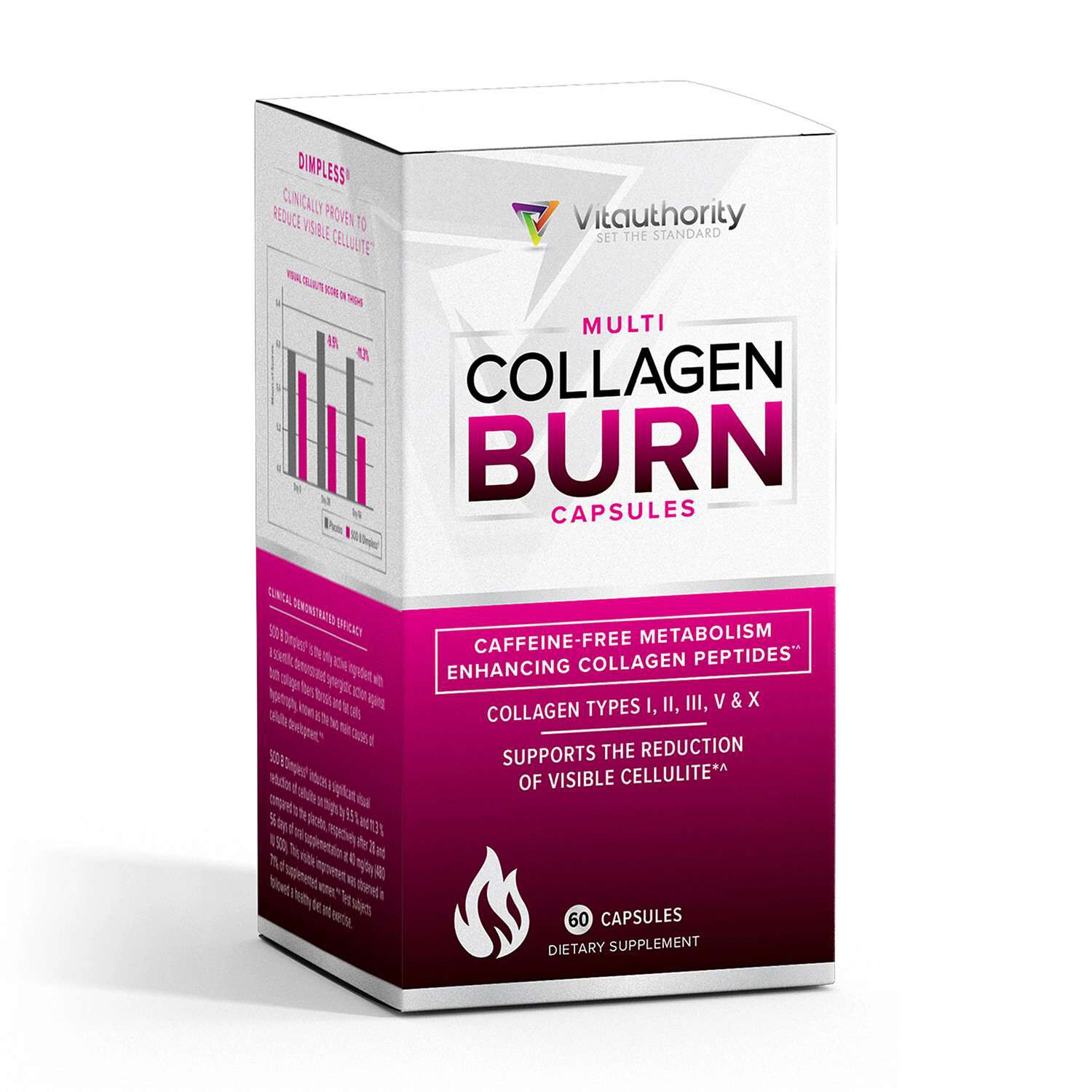
-

-
 You Matter Wellness$34.99
-
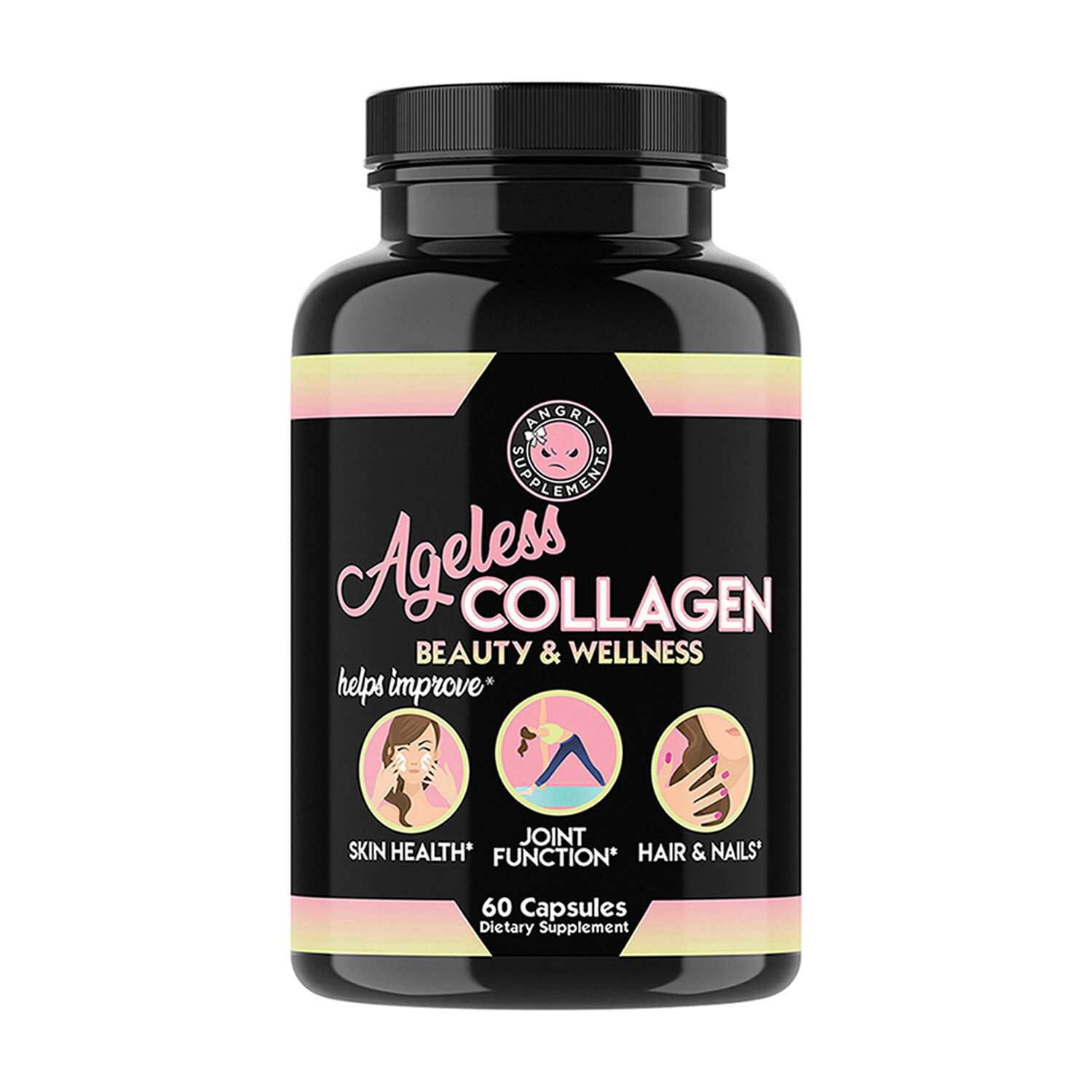 Angry Supplements$14.99
-
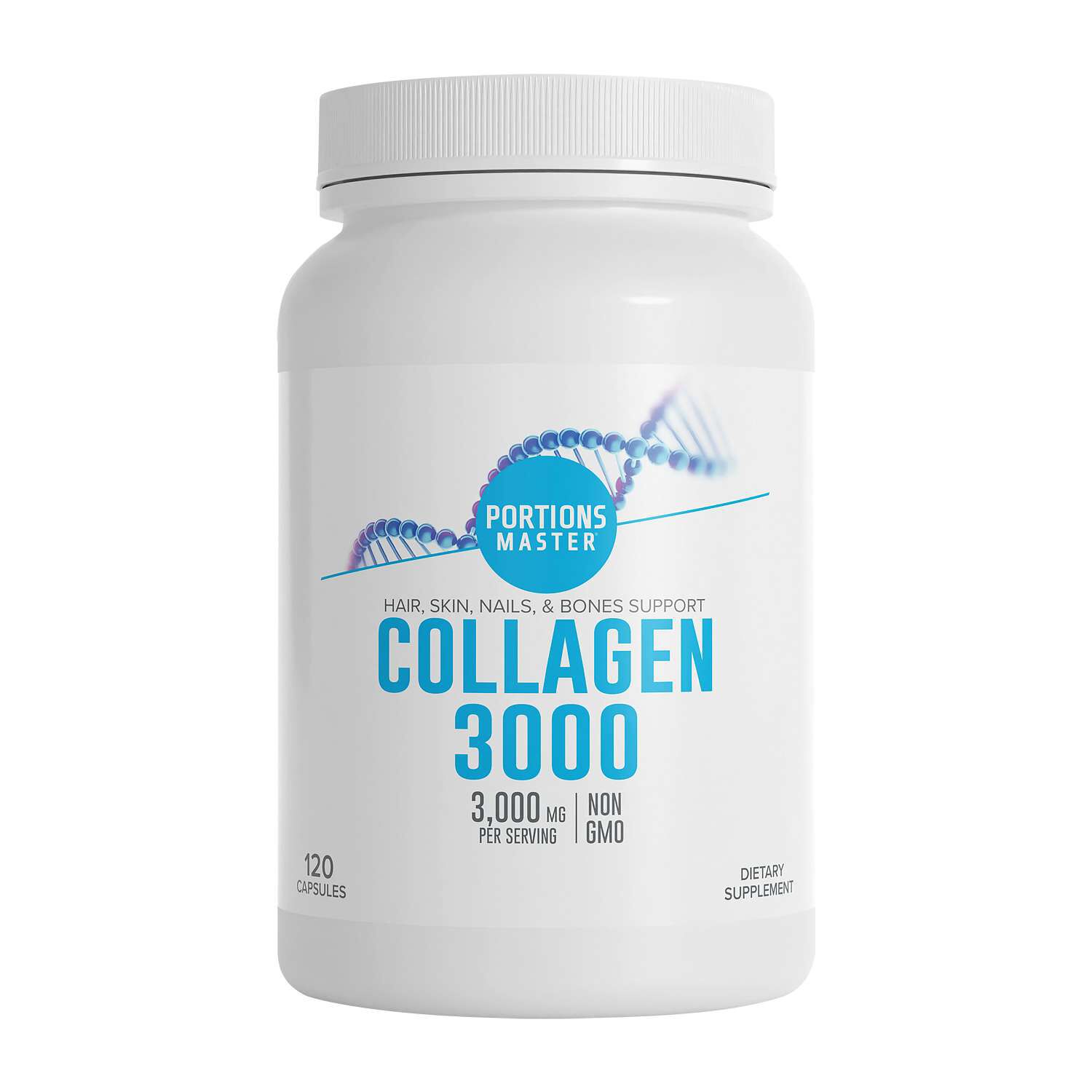 Portions Master$29.99
-
 Divine Health$54.99
-
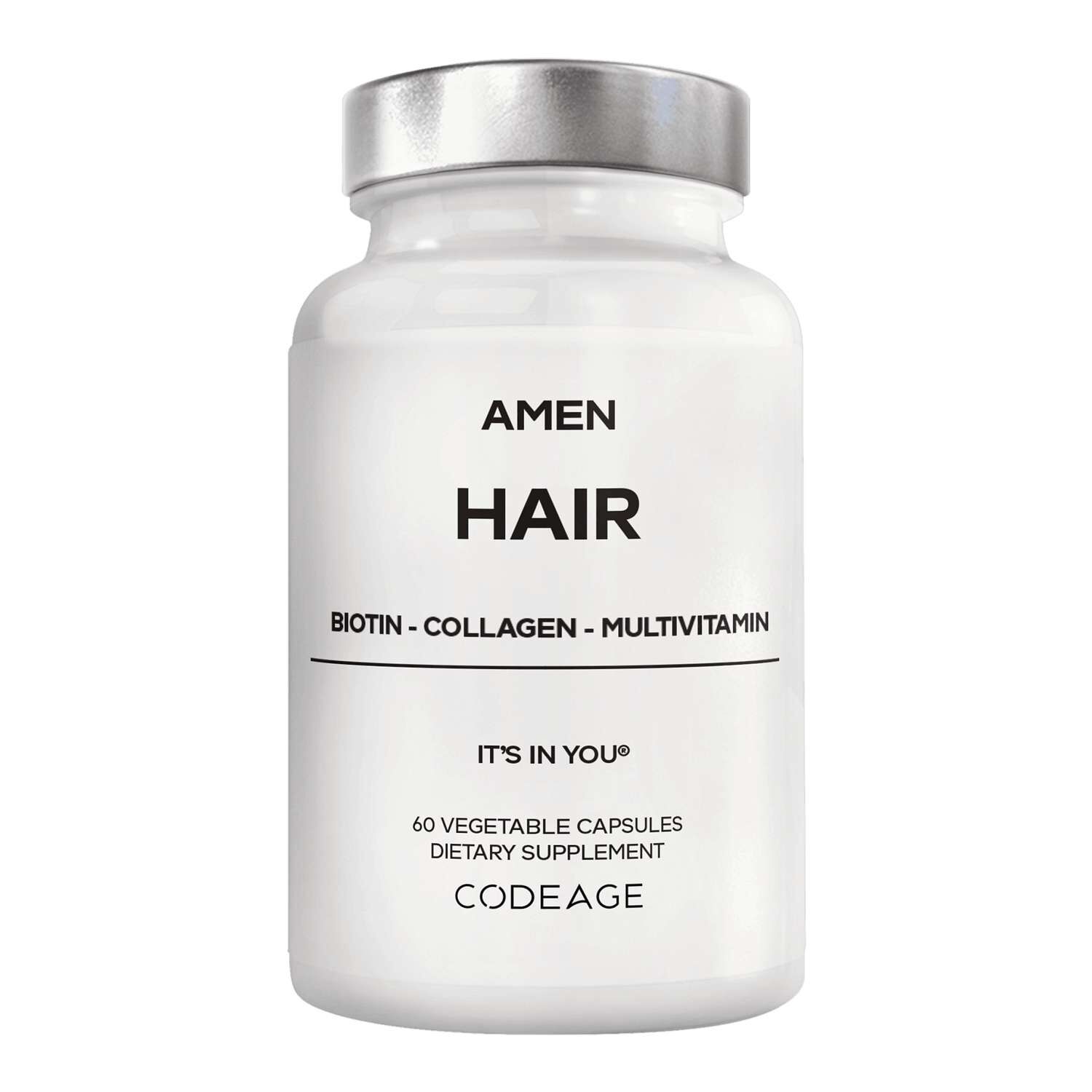 $24.99
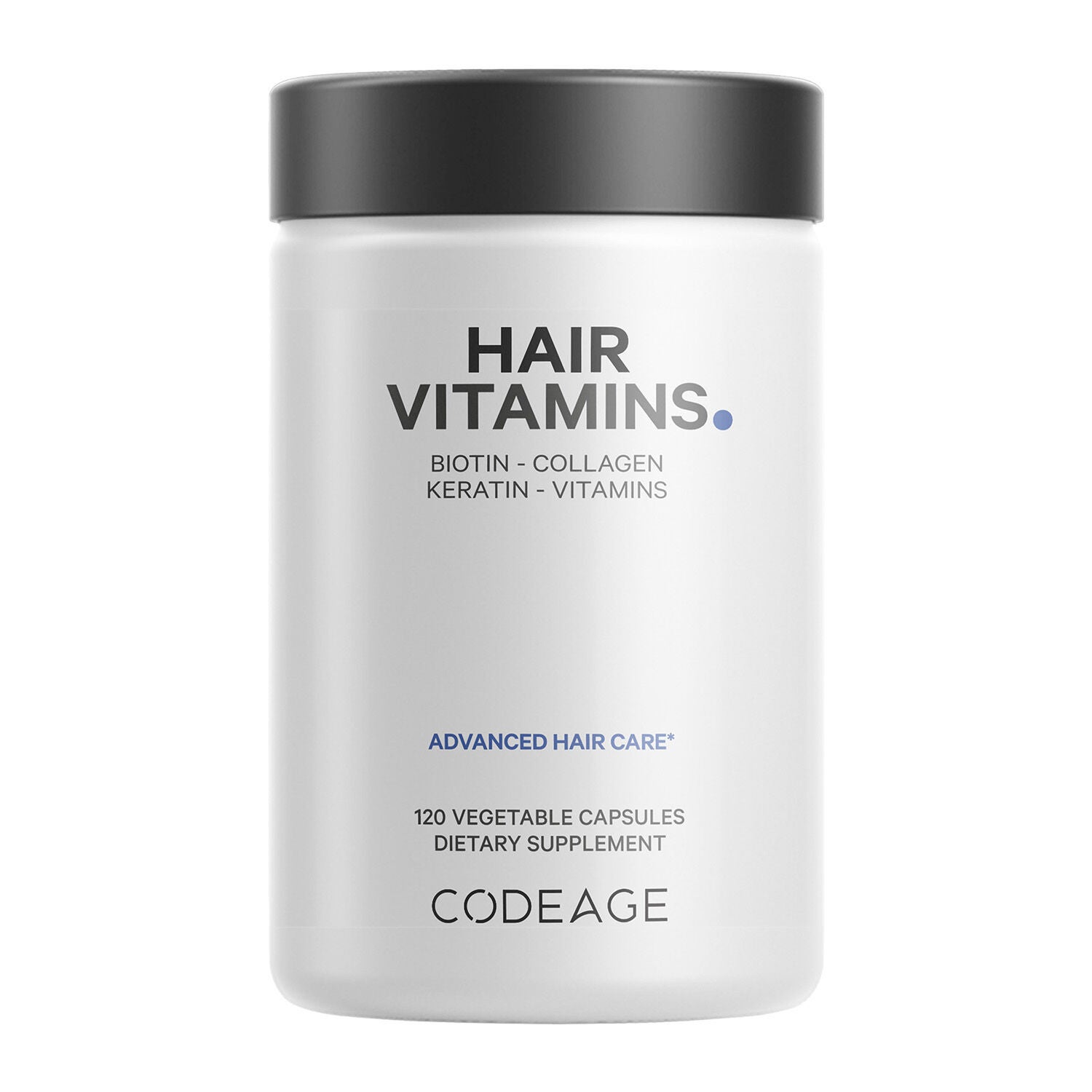
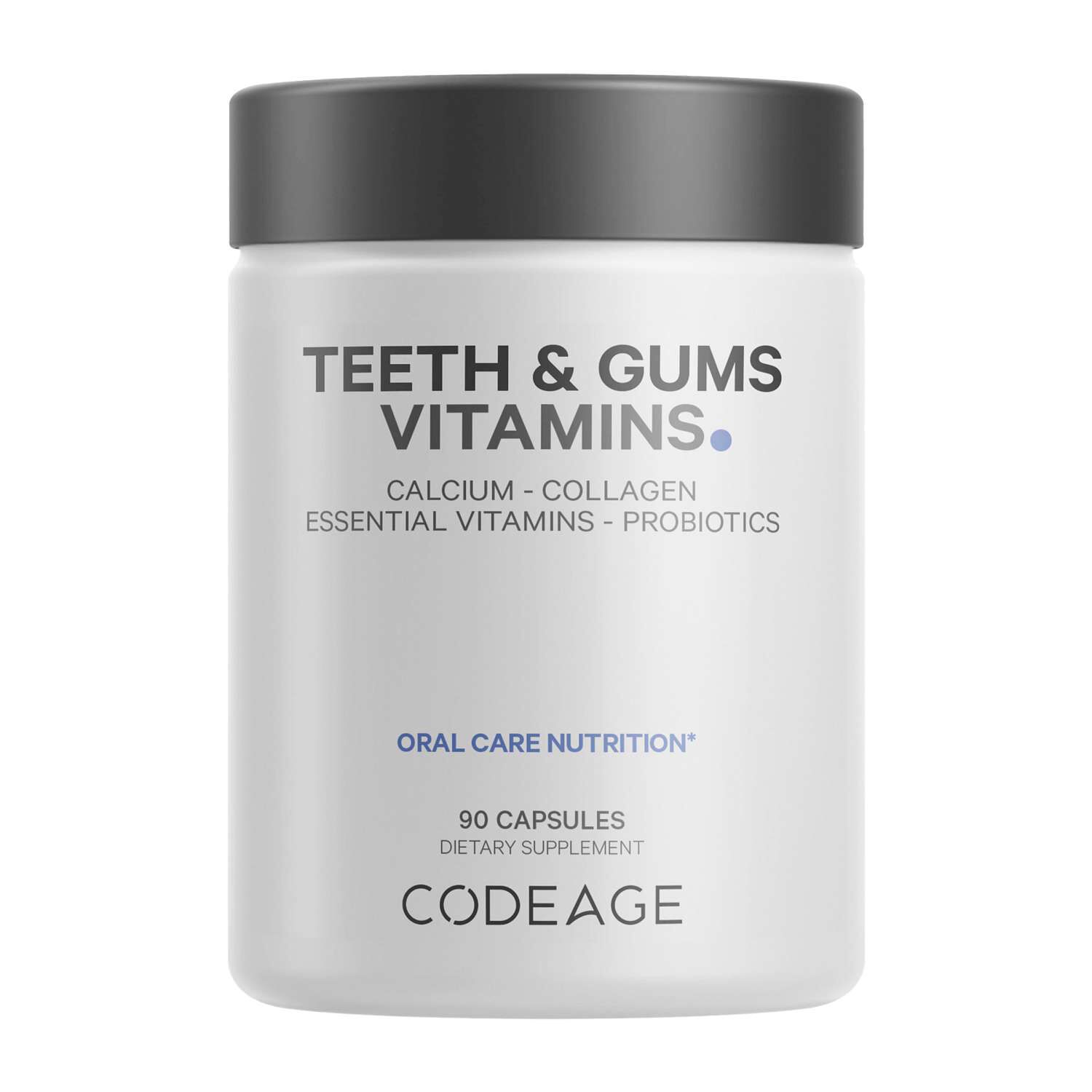
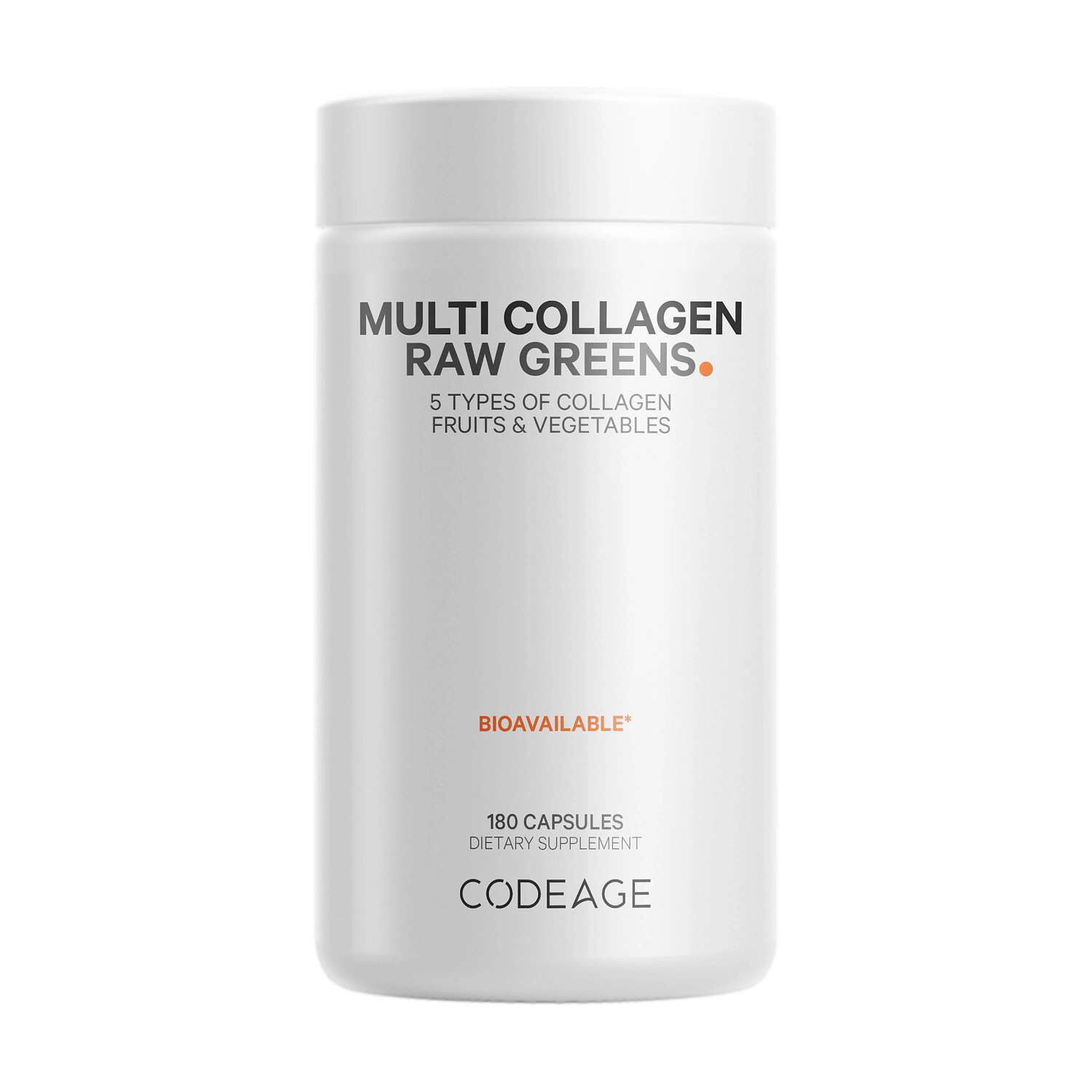
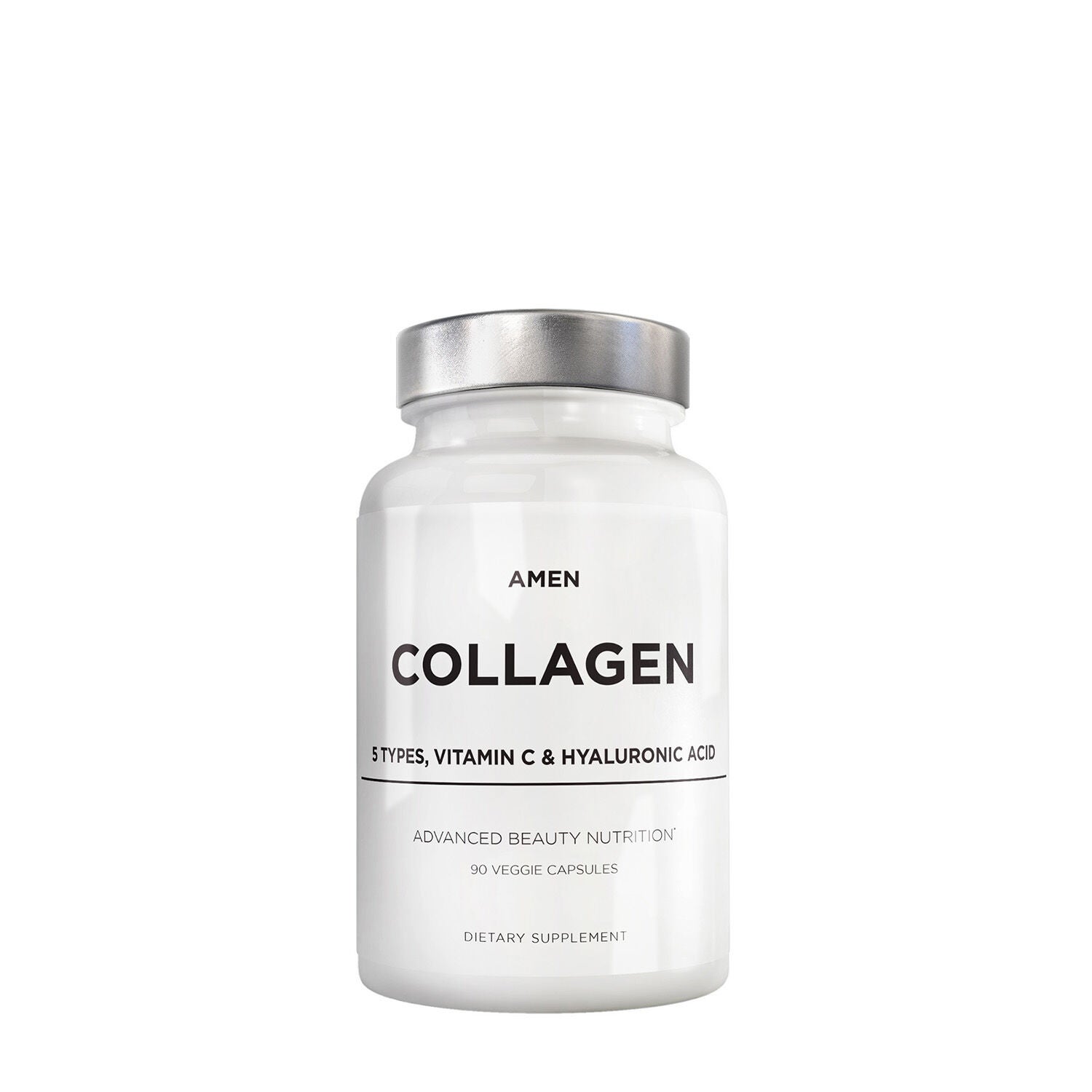
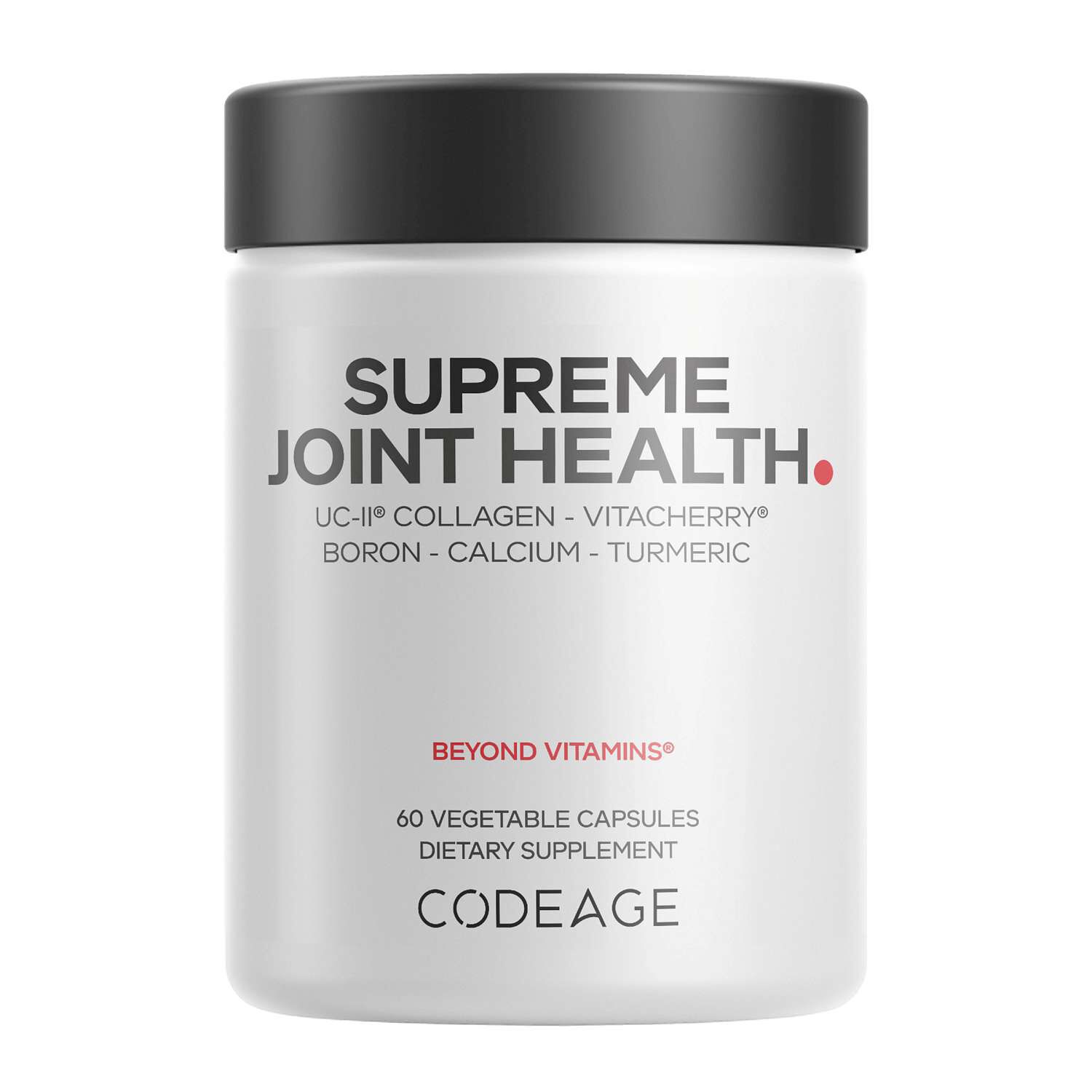

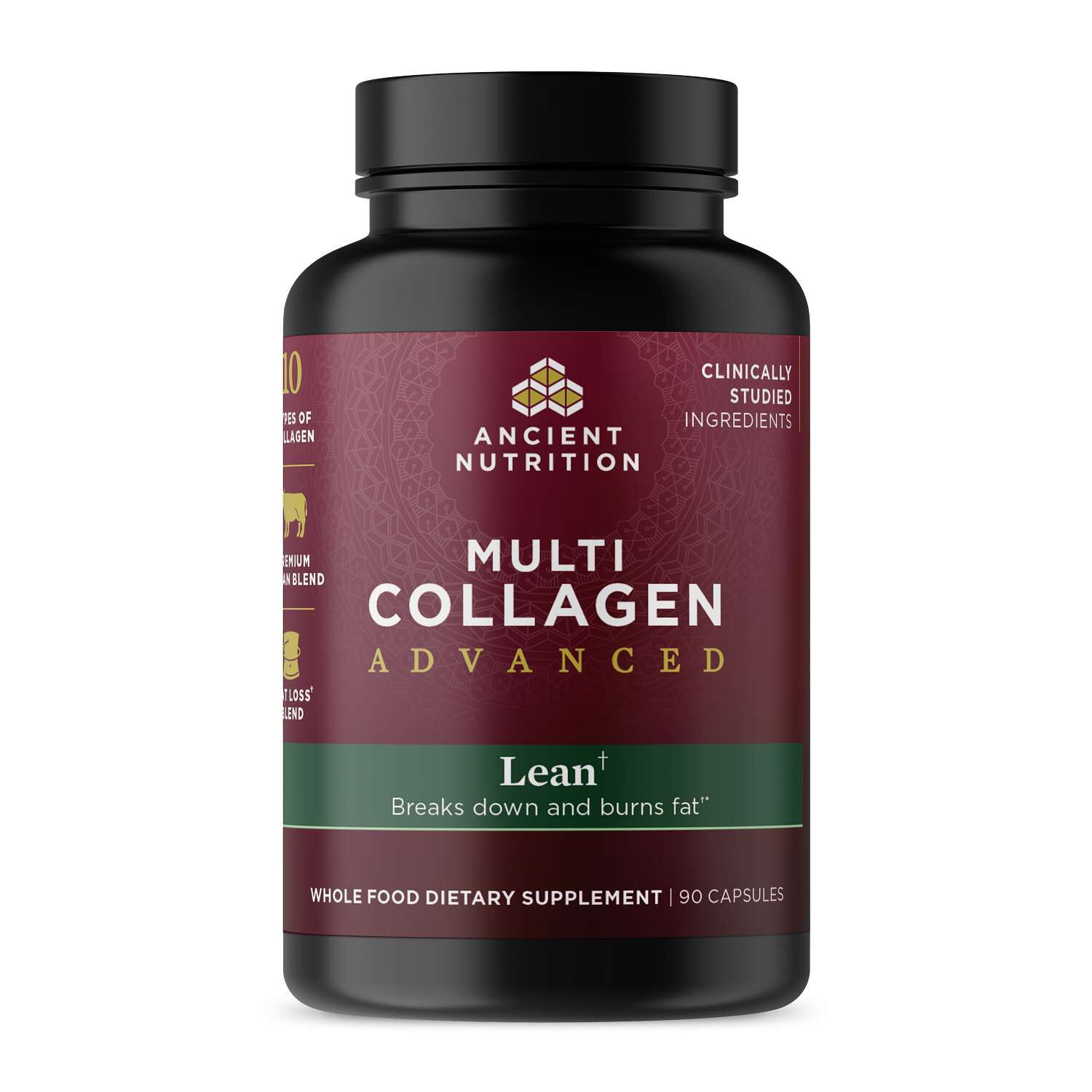
Collagen capsules with no mixing offer a premeasured supplement format that does not require stirring powder into coffee, blending a smoothie, or carrying a shaker bottle. The collagen is enclosed in a capsule shell, with the serving size and directions listed on the package. That distinction makes this category relevant for adults who prefer capsules to drink mixes or want to keep supplements separate from their food and beverages. A morning coffee can stay just coffee, and a packed lunch does not need an accompanying scoop or mixing container. The format removes the preparation step associated with powders, although the number of capsules per serving varies by formula. Collagen itself is a structural protein found naturally in animal connective tissues, and supplemental collagen can come from bovine, fish, chicken, or other animal sources. Some formulas use a single source, while others combine several. Hydrolyzed collagen has been processed into smaller protein fragments, commonly called peptides; that term describes the ingredient rather than whether it comes in a bottle of capsules or a tub of powder. A capsule can therefore contain collagen peptides even though there is nothing to dissolve before use. Capsule format alone does not identify the collagen source, the types included, or the amount in a serving. Those details belong to the ingredient list and Supplement Facts panel, making the label more useful than the front-of-bottle description for comparing similar options. For someone who already prefers capsule supplements, the appeal is largely practical: a familiar format, a labeled serving, and no need to change the texture of a favorite drink. For someone who dislikes taking several capsules, the same format may feel less convenient. Choosing among collagen capsules starts with those everyday preferences rather than assuming that every no-mixing formula fits the same routine. The relevant comparison is not simply capsules versus powder, but how a particular serving format fits the way a person shops, stores supplements, and follows package directions.
Serving size is one of the most important differences within the collagen capsule category. The number printed on the front of a bottle usually describes how many capsules the container holds, not how many servings it provides. A bottle containing 120 capsules, for example, would provide 30 servings if its labeled serving size were four capsules. The collagen amount should also be read alongside that serving size: an amount listed per serving is not necessarily the amount in each capsule. Because each capsule holds a limited quantity of material, a serving can involve several capsules, and a larger capsule count does not automatically indicate a larger collagen amount. Comparing quantities in matching units helps make the distinction clearer; one gram equals 1,000 milligrams. Ingredient composition deserves the same attention. Bovine collagen comes from cattle, marine collagen commonly comes from fish, and certain blends include chicken-derived ingredients or eggshell membrane. Source descriptions and collagen type designations answer different questions. A formula may identify types I and III, for example, while another lists a combination that includes types II, V, or X. The number of types named is not, by itself, a measure of suitability for an individual shopper. A blend may list one amount for its combined collagen ingredients without specifying the quantity of each source. Fish and egg disclosures are particularly relevant for shoppers who avoid those ingredients. The capsule shell also has its own composition, often gelatin or a plant-derived material such as cellulose. A plant-derived shell does not make animal-derived collagen vegetarian or vegan. Beyond collagen, some formulas include vitamin C, biotin, or hyaluronic acid, while others keep the ingredient list focused on collagen and the materials used to form and fill the capsule. Those additions distinguish one formula from another, but they do not change its no-mixing format. For a shopper already comparing several supplements, seeing every ingredient in one place provides a clearer picture than relying on a phrase such as multi-collagen alone.
Practical fit extends beyond the ingredient panel to capsule dimensions, packaging, storage, and the setting where the supplement will be used. A capsule described as convenient may still be larger than a shopper prefers, so any published size information can be useful when comparing formats. The labeled serving count matters just as much for someone planning a workday routine as for someone packing an overnight bag. One small bottle may look compact on a counter, yet its serving could involve more capsules than expected. Keeping the original packaging preserves access to directions, ingredient disclosures, the lot information, and the expiration date. A securely closed container stored according to its label also helps protect capsules from moisture during ordinary handling. A bathroom cabinet beside a frequently used shower or a bag holding a damp towel may be a less suitable storage spot than a dry cabinet away from those conditions. Packaging condition matters, too: the closure and protective seal are part of assessing a new bottle, while the printed storage instructions remain relevant after opening. For households with children, storage out of their reach is another consideration. These details are especially useful for shoppers drawn to capsules because their counters are already crowded with coffee equipment, meal containers, and drink bottles. There is no powder scoop to locate and no residue from mixing collagen into a glass, but the package directions still determine how the supplement is intended to be taken. Capsules are a distinct format, not a direct serving-for-serving substitute for every powder. Shoppers weighing the two can also compare Collagen Peptide Powders For Easy Mixing to see how a mix-in format differs from a capsule-based routine. Powders involve preparation and may offer different serving amounts, while capsules keep the ingredient enclosed until taken as directed. Neither format needs to be treated as the default for everyone. For collagen capsules with no mixing, the most meaningful features remain concrete: a clearly identified source, an understandable ingredient list, a manageable labeled serving, a suitable capsule size, and packaging that fits everyday storage and handling.
Best Sellers
-
Ancient Nutrition
-
 Bee And You