





Collagen Peptides | Shop Top Brands & Great Deals | GNC
(0 Results)
Collagen peptides have gained immense popularity in recent years for their numerous health benefits. Known for their ability to support healthy skin, hair, nails, and joints, collagen peptides are a versatile supplement that can easily be incorporated into your daily routine. Whether you're looking to boost your overall wellness or enhance your beauty regimen, collagen peptides offer a convenient way to support your body from within. Discover our range of collagen peptide products designed to help you look and feel your best every day.
-
-

-

-
-
-
-

-
-

-

-

-

-
-
-
 44$44.99
-

-

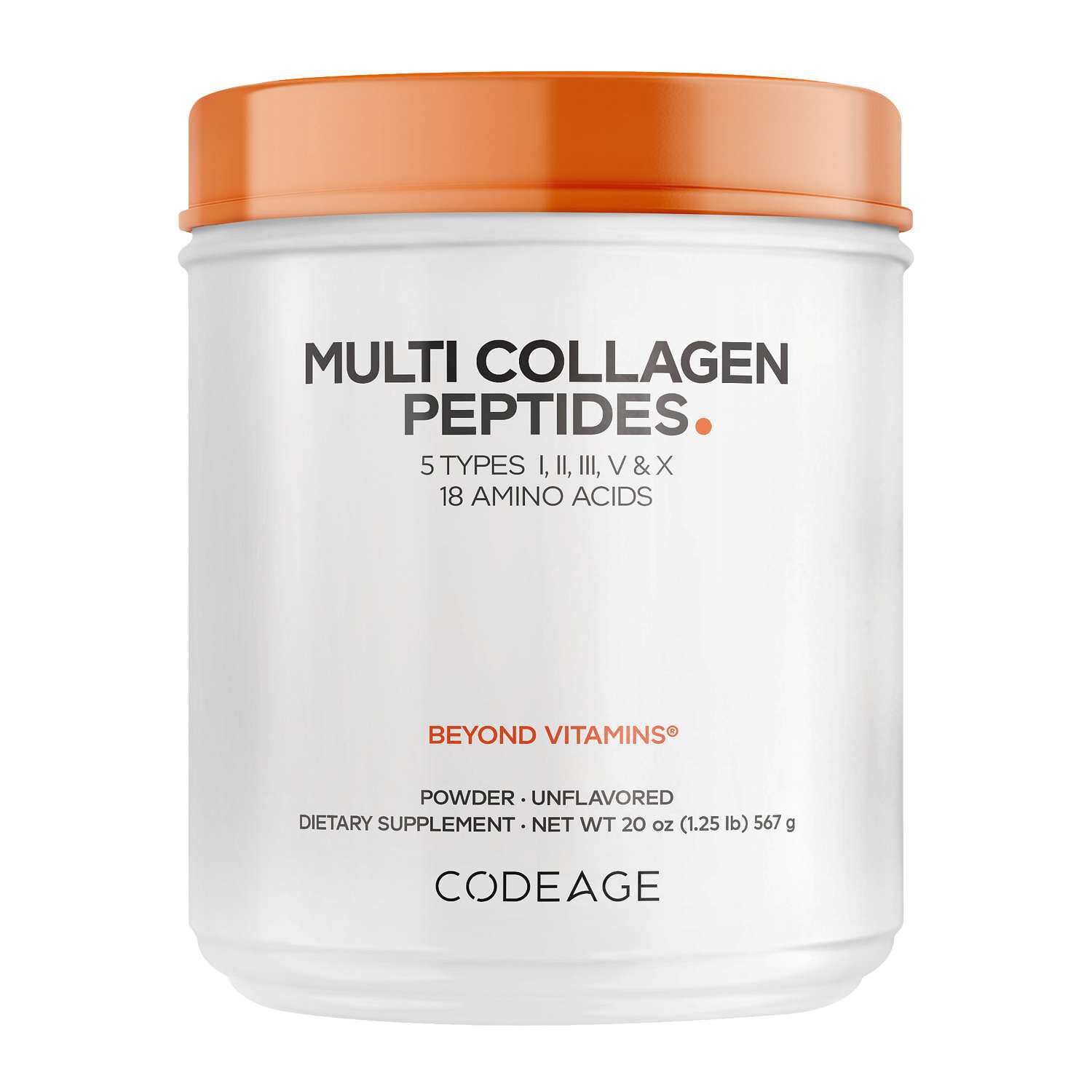
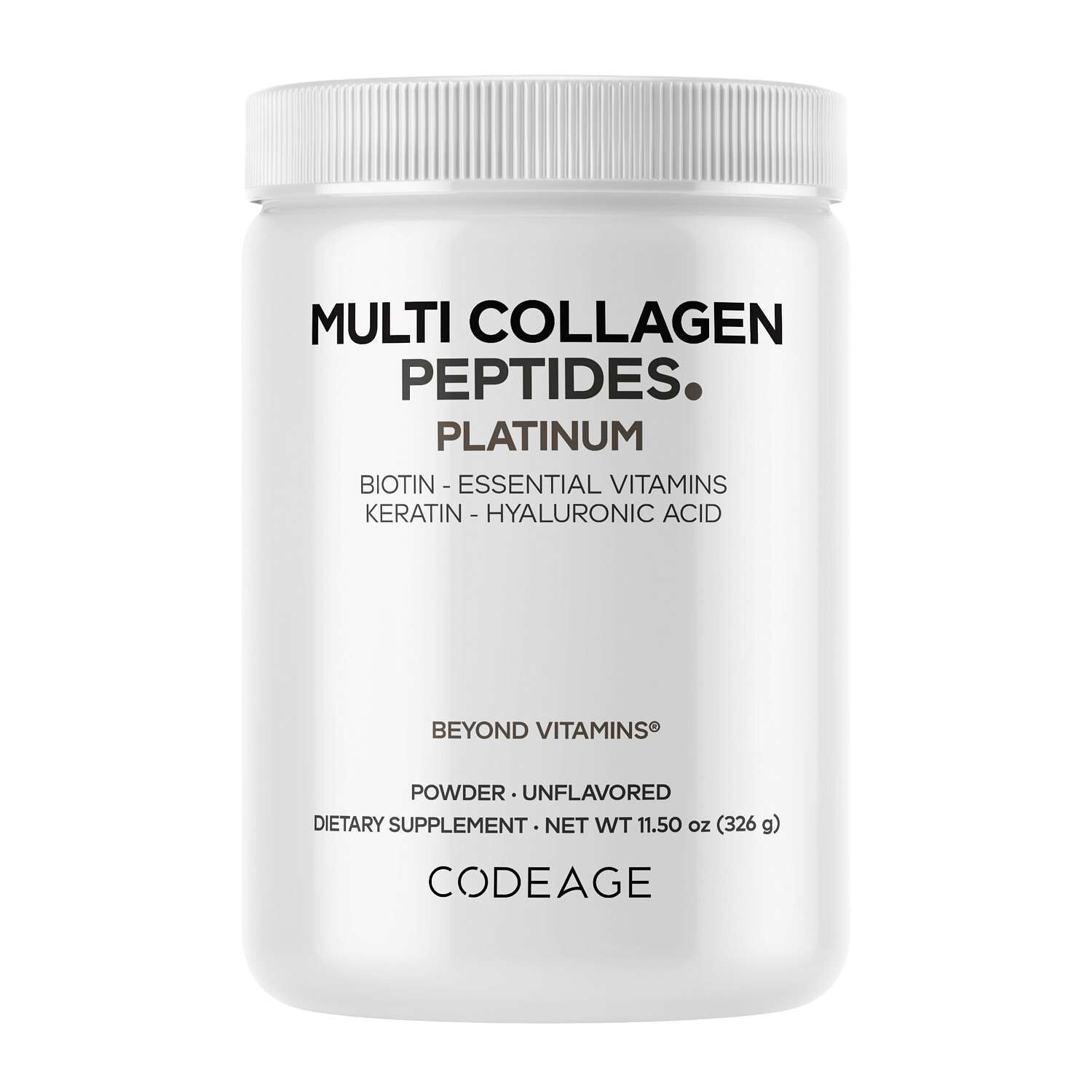
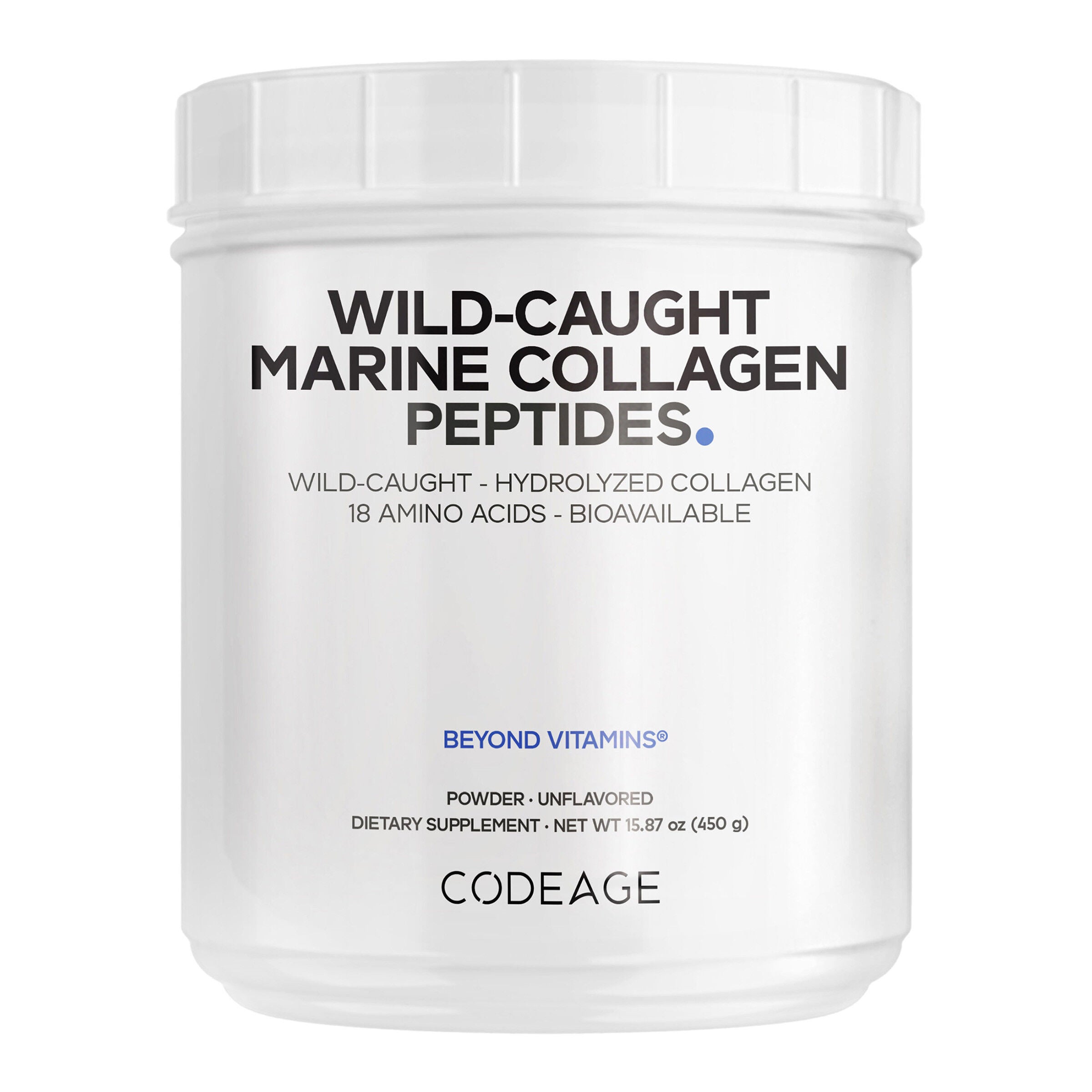
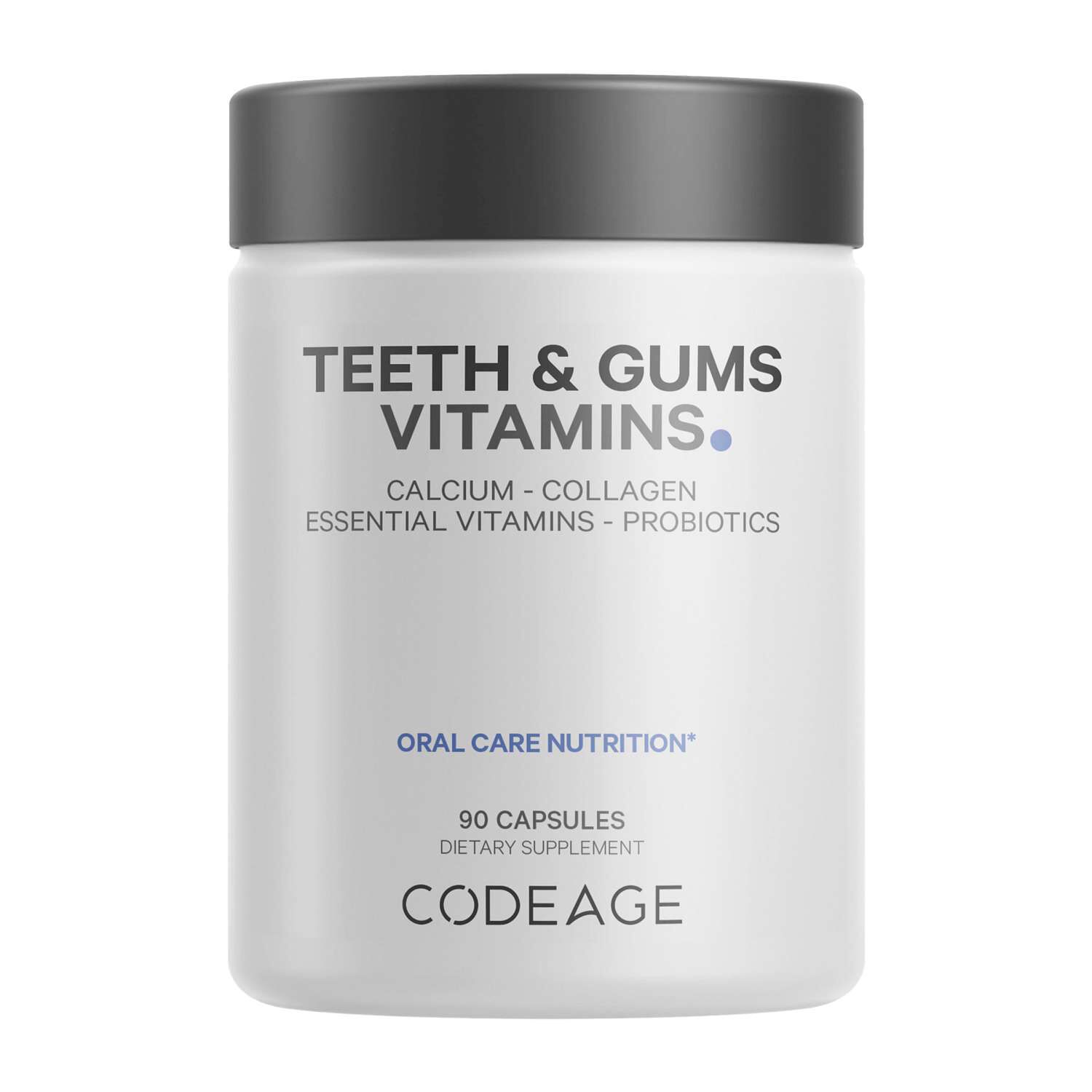
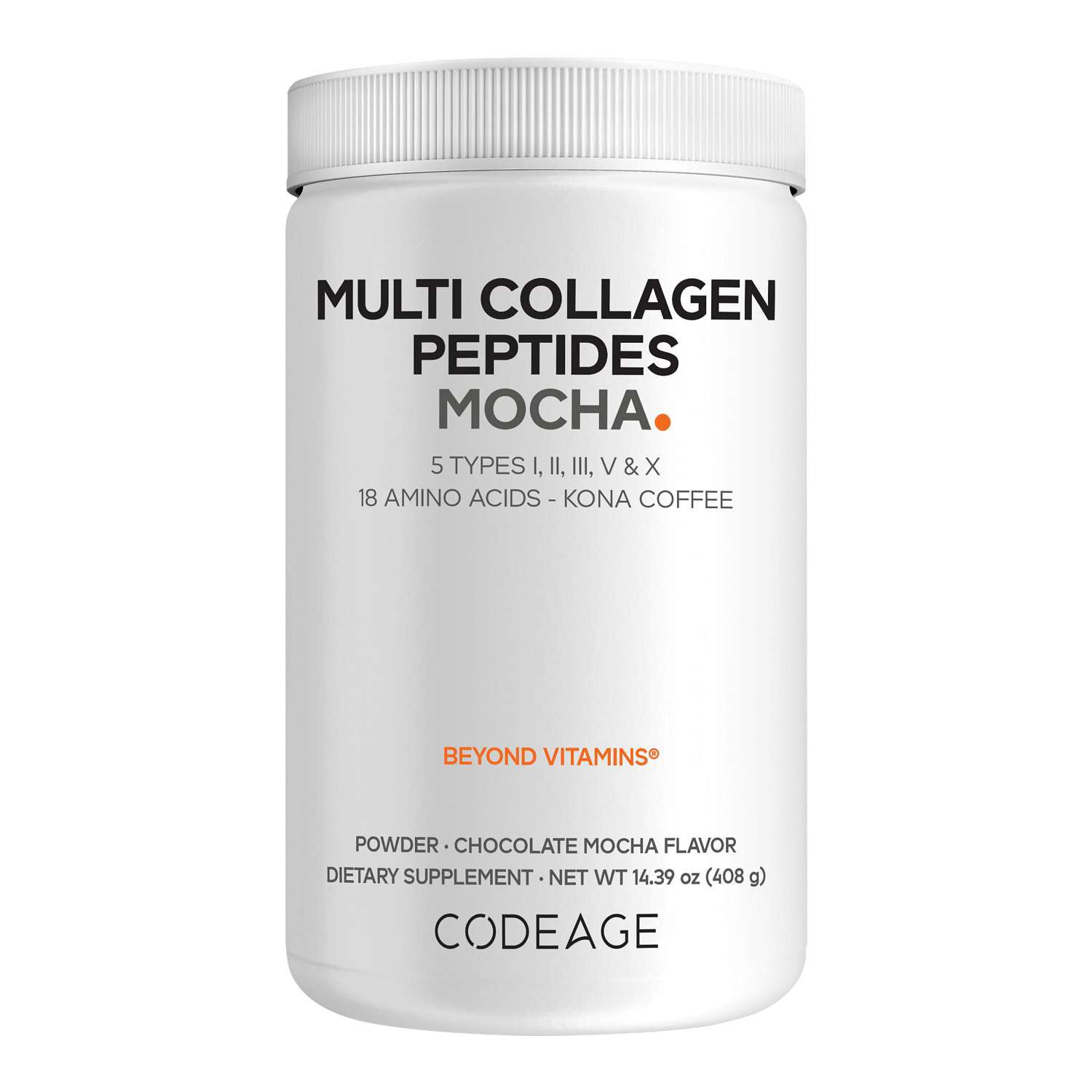
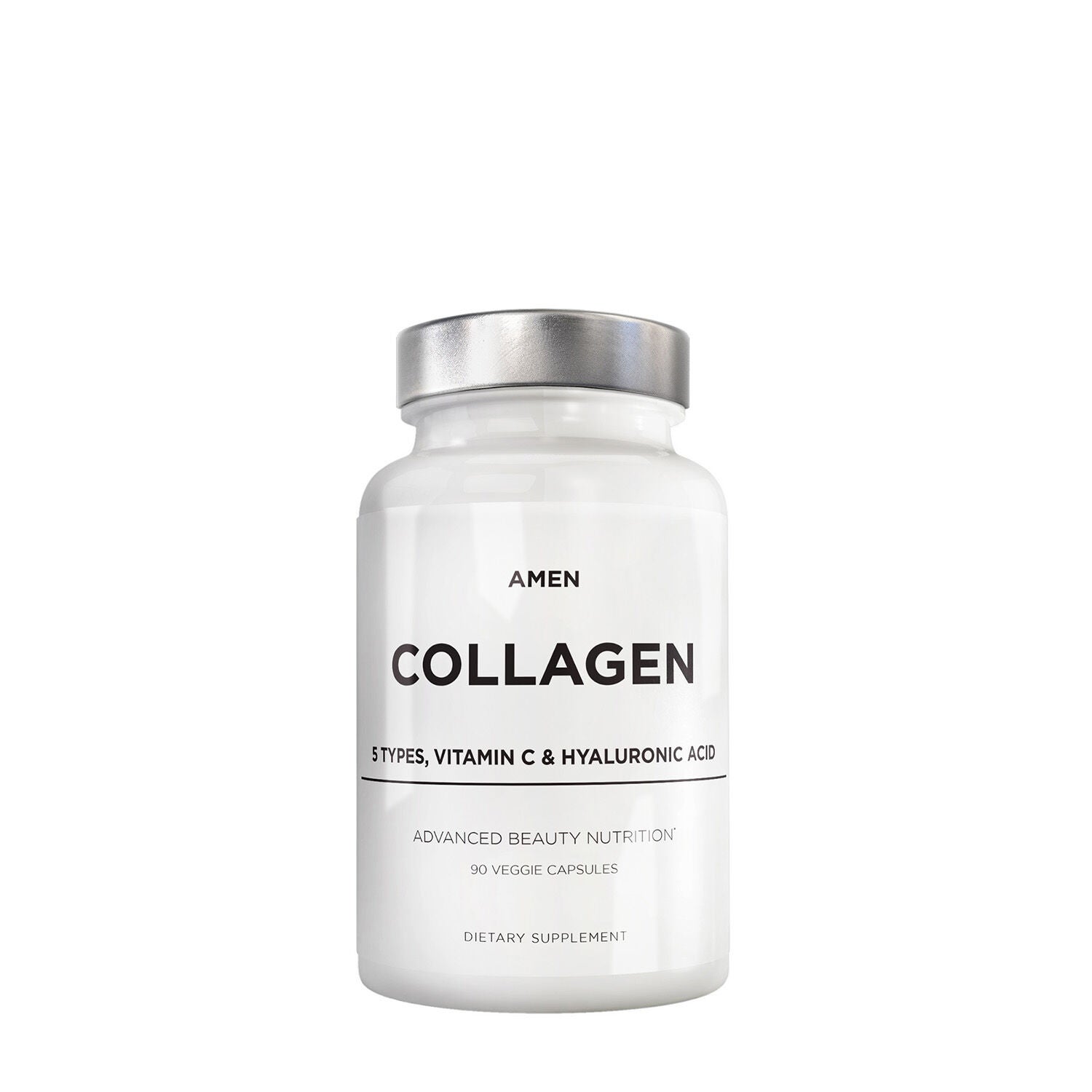

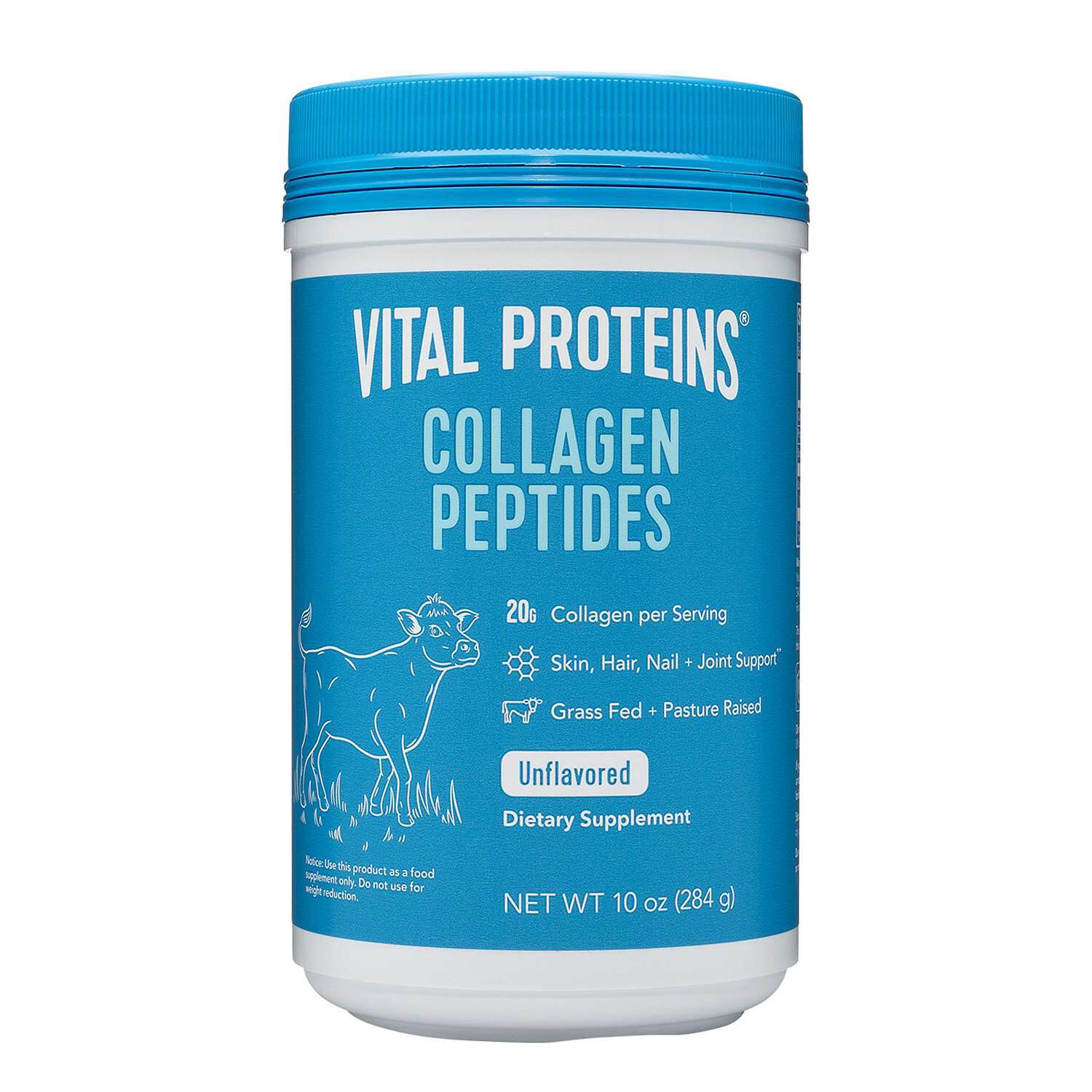
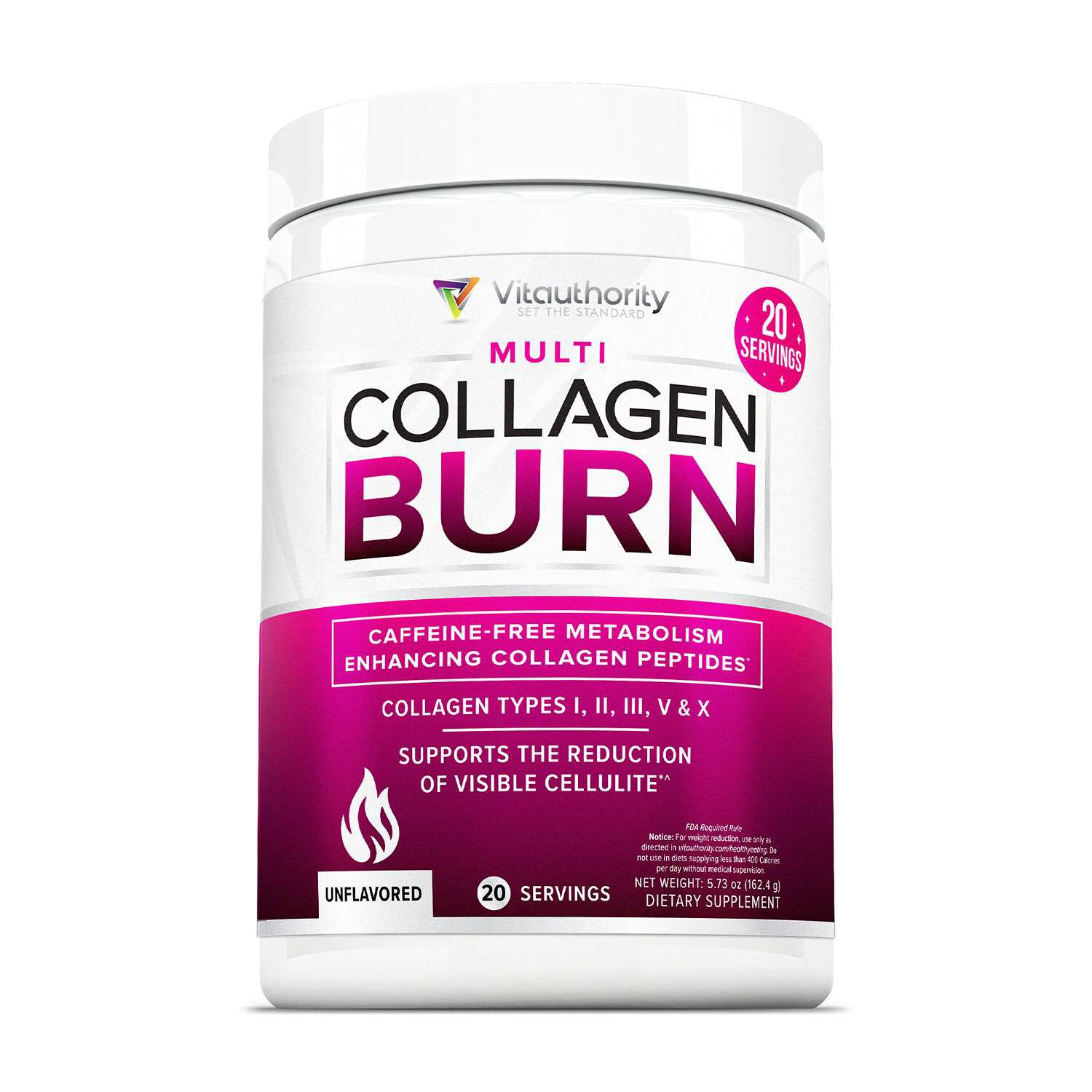
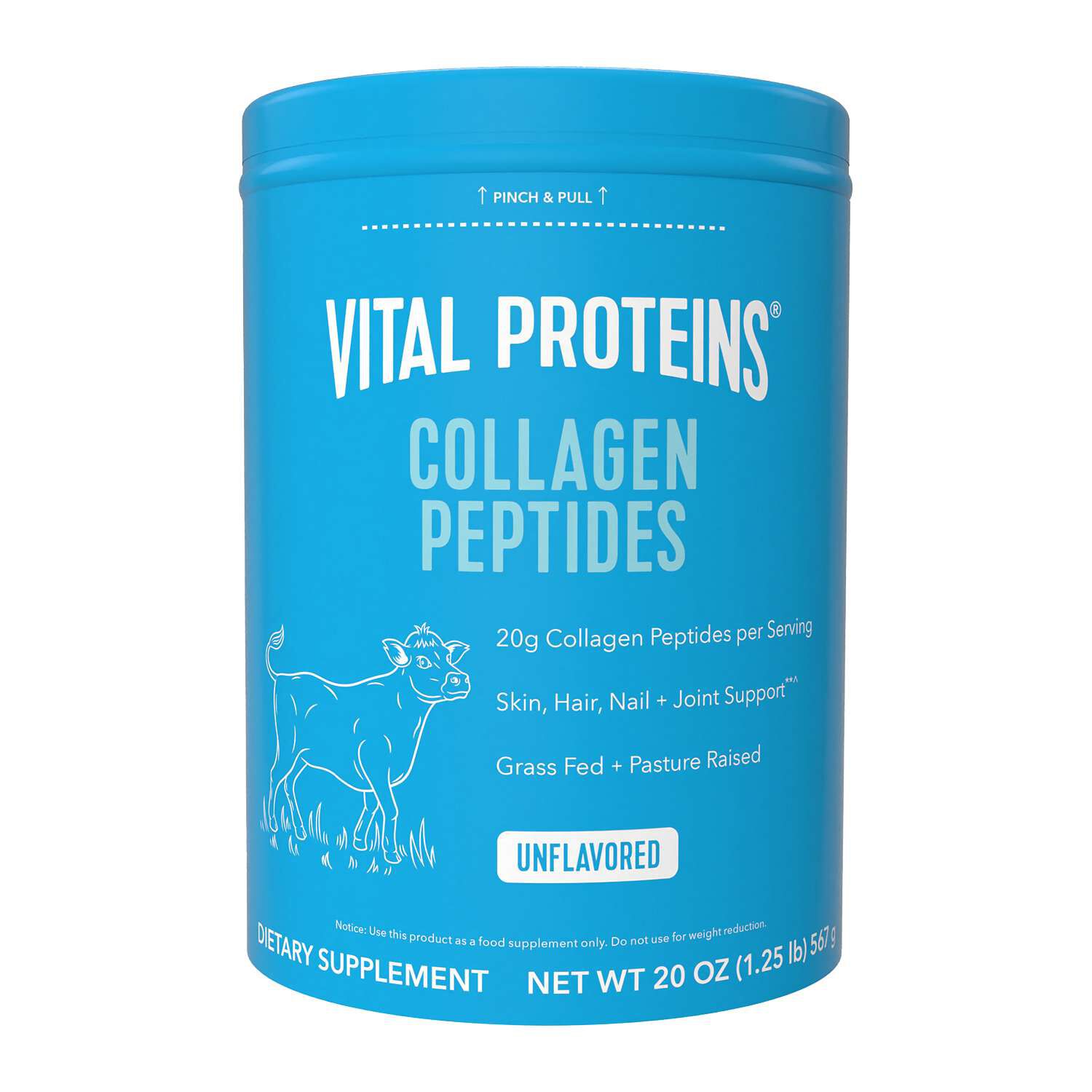
Collagen peptides are small chains of amino acids made by hydrolyzing collagen, a structural protein found naturally in animal connective tissues. Hydrolysis separates longer collagen proteins into smaller fragments, which is why ingredient labels may also use the names hydrolyzed collagen or collagen hydrolysate. The word “peptides” describes that structure; it does not identify the animal source, flavor, or serving size. Collagen contains amino acids such as glycine, proline, and hydroxyproline, and its amino acid composition differs from proteins such as whey, soy, and pea. That distinction matters when comparing collagen supplements with other protein powders rather than treating every protein ingredient as interchangeable. Bovine collagen peptides typically come from cattle tissues, while marine collagen peptides commonly come from fish skin or other fish tissues. Porcine sources also appear in this category. For shoppers with particular dietary preferences, the source deserves as much attention as the format. Conventional collagen peptides are animal-derived, so they are not vegan; plant-based products marketed as collagen alternatives contain different ingredients. Labels may identify collagen types, including type I or type III, which refer to families of collagen rather than flavors or serving amounts. A collagen type does not, by itself, describe everything else in the formula. Some supplements contain collagen peptides as the only ingredient, while others combine them with vitamins, minerals, flavorings, sweeteners, or additional protein sources. Reading the ingredient list alongside the Supplement Facts panel provides a clearer picture than relying on a prominent number or phrase on the front of the container. Source-specific certifications can also matter for shoppers following certain eating patterns, but those details belong to the individual label rather than the category as a whole. Collagen peptides sit within the broader Collagen Protein category, where sourcing, ingredient composition, and preparation style provide useful points of comparison. Those distinctions give the category practical context without assuming every collagen formula serves the same purpose.
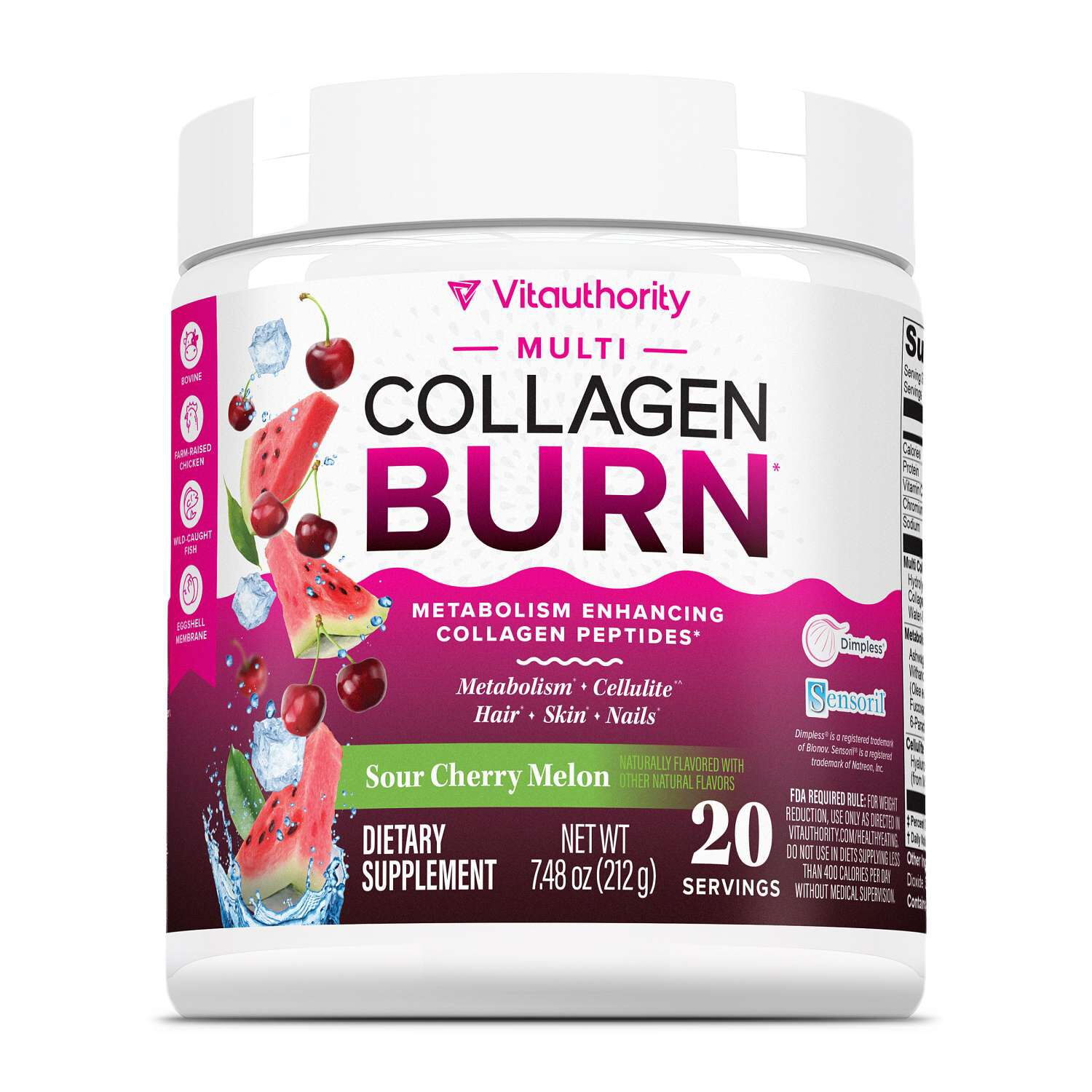
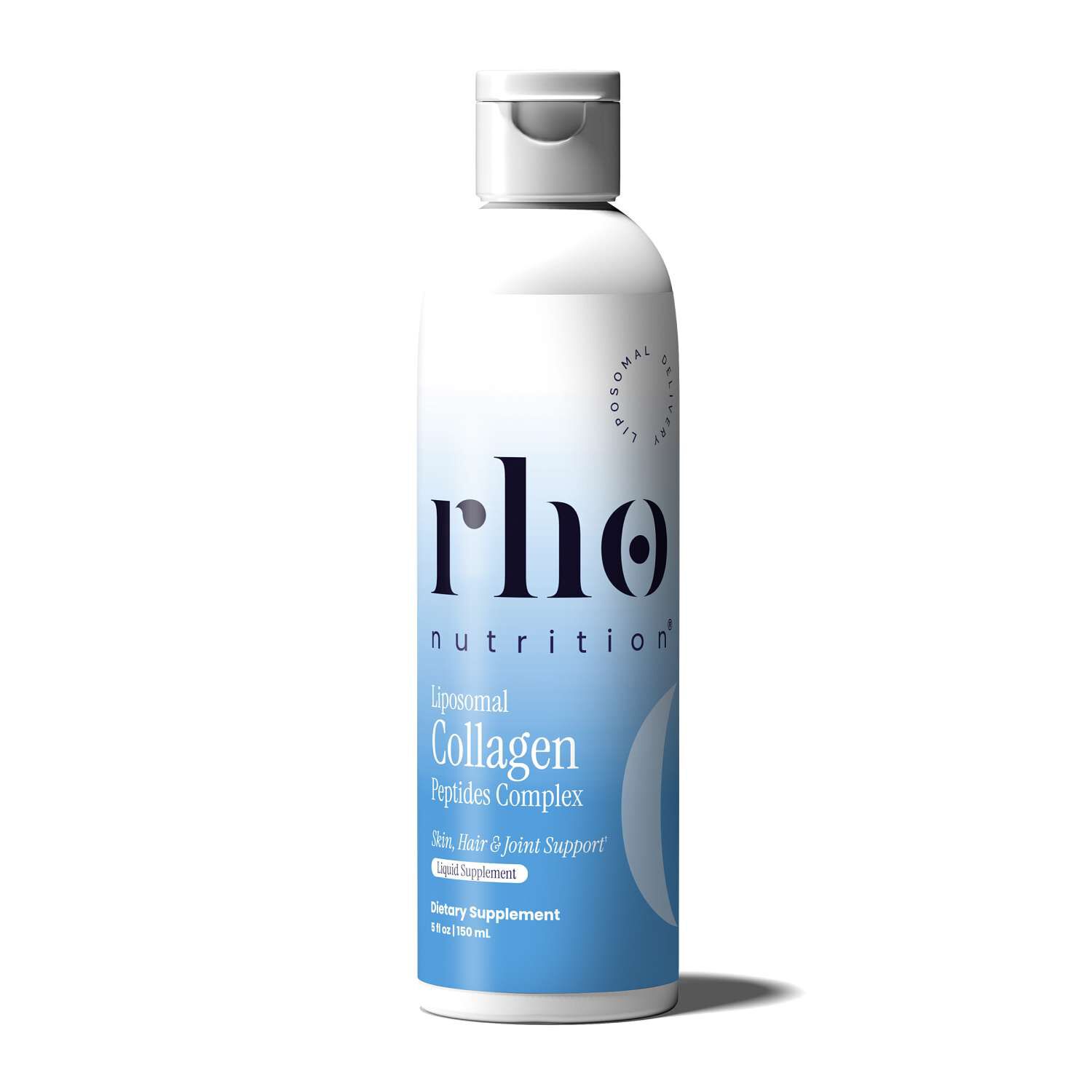
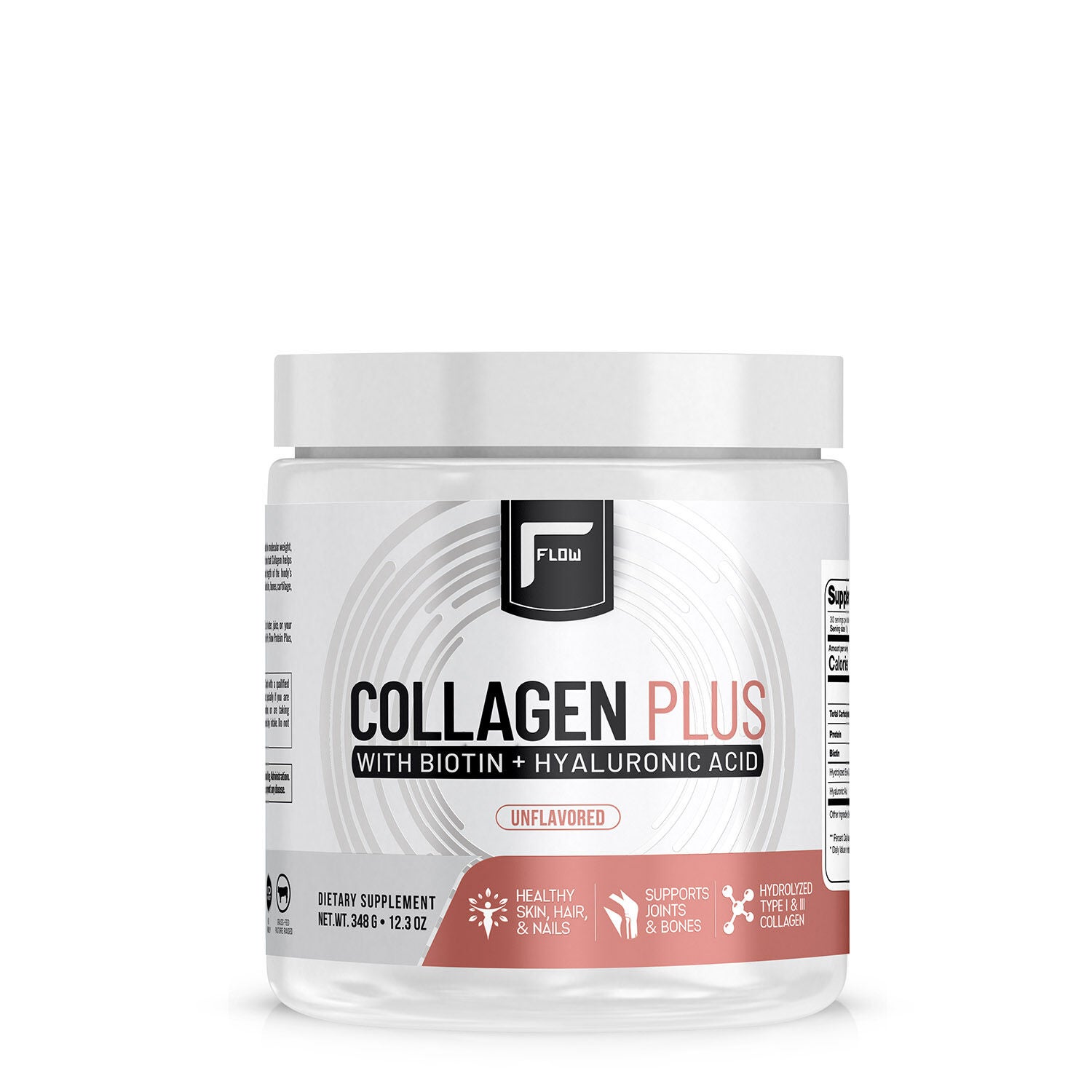
Format is often the next consideration, especially for something intended to fit into an established food or supplement routine. Collagen peptide powders are generally intended for mixing into beverages or foods rather than setting into a gel like gelatin. An unflavored powder may suit a shopper who wants to use the same container with coffee, oatmeal, and smoothies, while a flavored powder may be better suited to a particular drink. Unflavored does not necessarily mean undetectable: aroma, taste, and mouthfeel can differ with the source, formulation, and amount used. A lightly flavored beverage leaves less room to disguise an ingredient’s character than a smoothie made with fruit, yogurt, or nut butter. Preparation directions are worth checking because some powders are intended for stirring, while others call for shaking or blending. Adding powder gradually and allowing room in the cup or shaker may make mixing more manageable. A thick smoothie and a thin beverage can also produce different textures, even when made with the same powder. Capsules offer a format without beverage preparation, although one capsule should not be assumed to contain the same amount of collagen as a serving of powder. Ready-to-use liquids offer another approach, with their own serving sizes, flavor profiles, and storage directions. Single-serving packets may suit a desk drawer or travel bag, while a larger container may fit more naturally beside a blender or coffee station. Packaging and handling deserve attention, too. Dry powders generally call for a tightly closed container, a dry scoop, and storage according to the label. Leaving a scoop beside a damp sink or reaching into the container with wet utensils introduces moisture that does not belong in the powder. Prepared drinks and opened liquids require their own storage instructions rather than the assumptions used for a dry supplement. These everyday details help distinguish a format that looks appealing on the shelf from one that fits the way someone actually prepares and stores food.
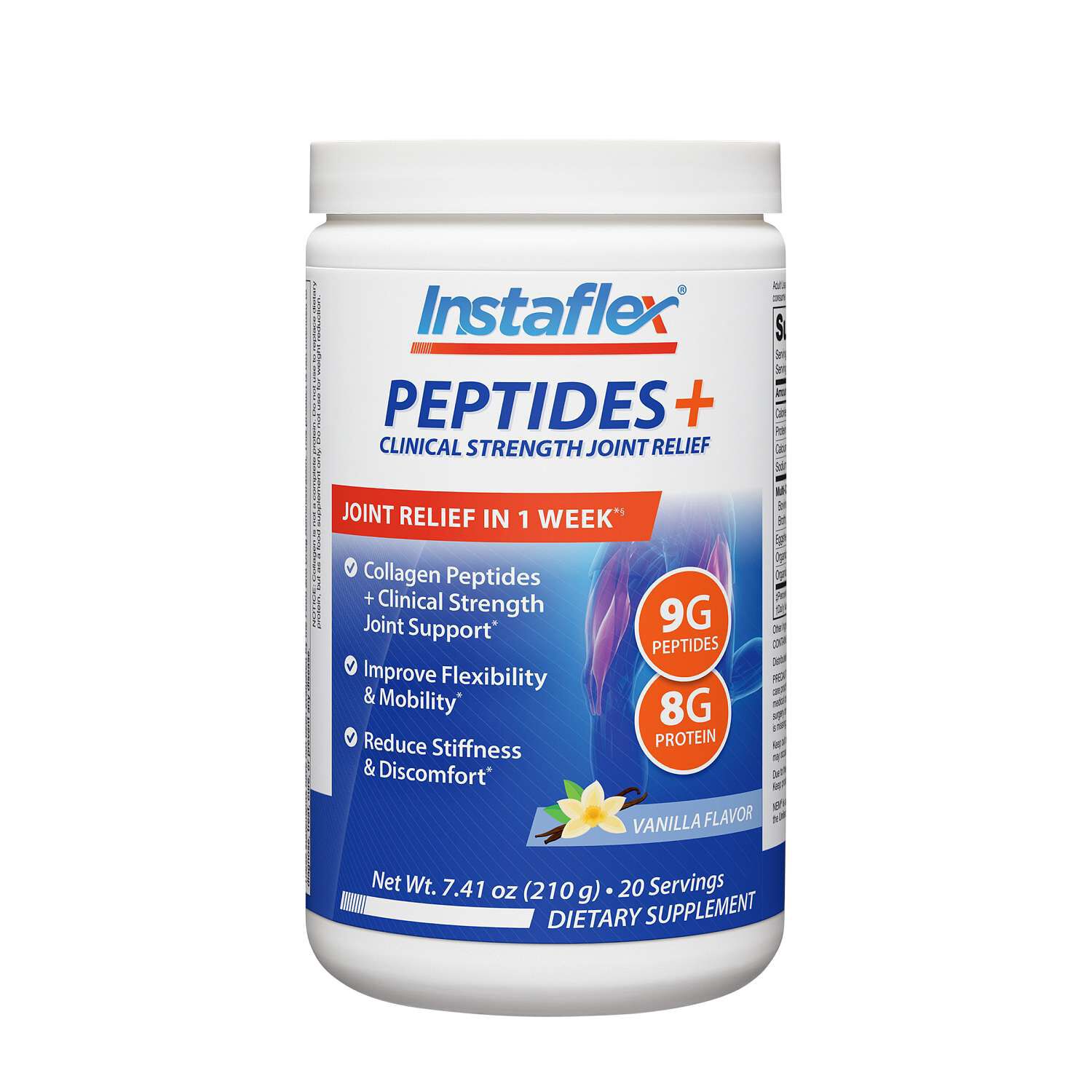
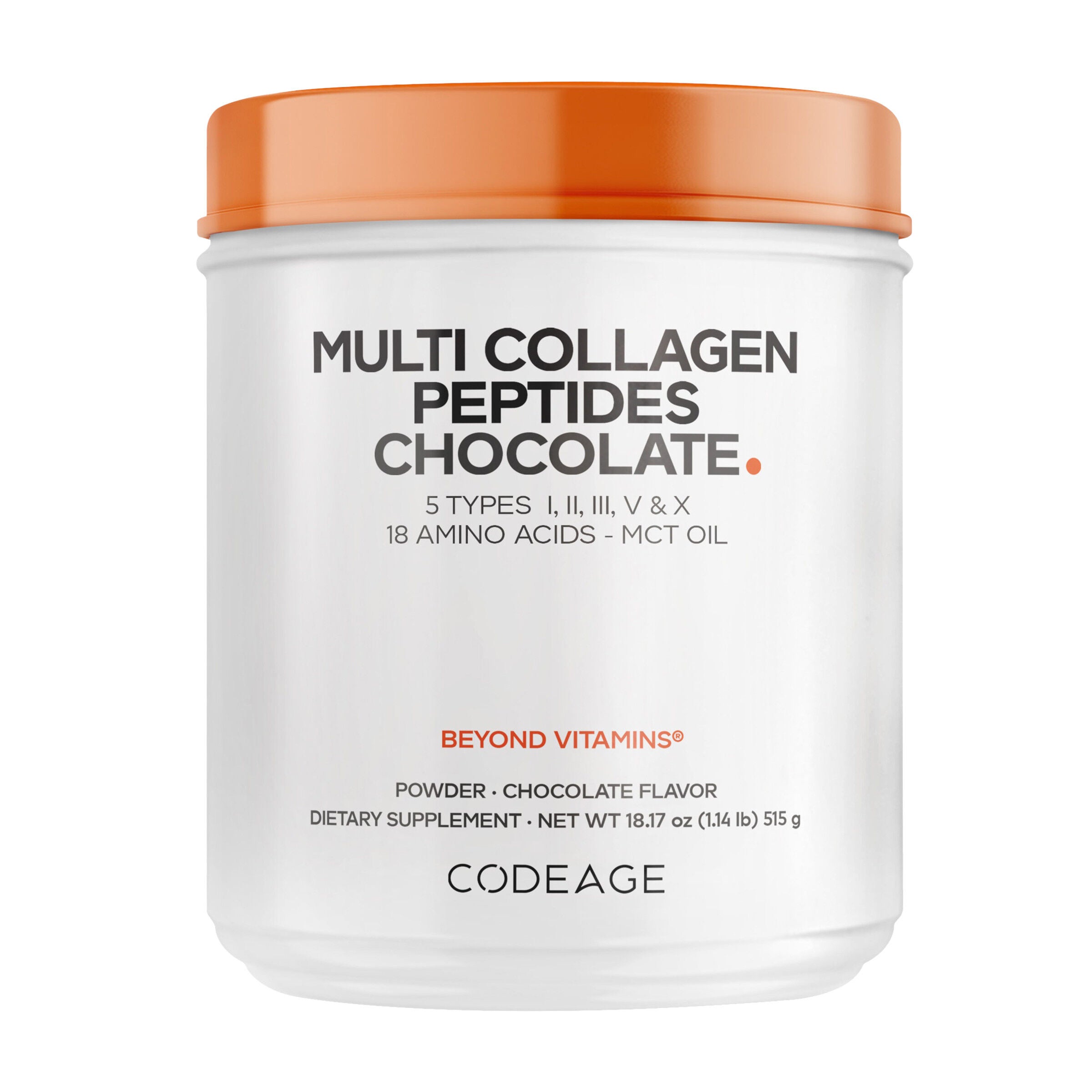
Comparing collagen peptides also means looking beyond container size to the amount listed per serving. The weight of a flavored powder serving can include ingredients other than collagen, and the grams of protein shown on a label are not always the same as the grams of collagen peptides stated elsewhere. A blend containing several protein sources deserves a closer look if collagen content is the main point of comparison. Serving counts, scoop sizes, and the number of capsules per serving help put different formats into context without assuming their portions are equivalent. Added ingredients deserve the same attention: a straightforward collagen powder and a formula containing vitamins, minerals, or botanical ingredients are different choices, even when their front labels emphasize collagen. Sweetener type, added sugars, flavor ingredients, and declared allergens can all influence whether a formula fits someone’s preferences. For fish-derived collagen, the source and allergen statements are especially relevant to shoppers who avoid fish. Certification marks and sourcing details should be checked on the package rather than inferred from words such as marine, bovine, or hydrolyzed. Intended use can be just as practical as ingredient selection. Someone who blends breakfast every day may prefer powder, while someone who rarely prepares drinks may favor another format. A shared household kitchen may call for an unflavored option that fits several recipes; an individual beverage routine may make a particular flavor more appealing. Familiar foods provide useful context for judging taste and texture, but collagen powder is not necessarily a direct substitute for flour, gelatin, or another protein powder in a recipe. Ingredient behavior varies, and changing a recipe may change its consistency. The most useful comparison brings these details together: what the collagen comes from, how much is listed per serving, what accompanies it, and how it fits into everyday preparation. Clear labeling and a manageable routine provide a grounded way to navigate collagen peptides without relying on sweeping claims or treating unlike formulas as identical.
Best Sellers
-
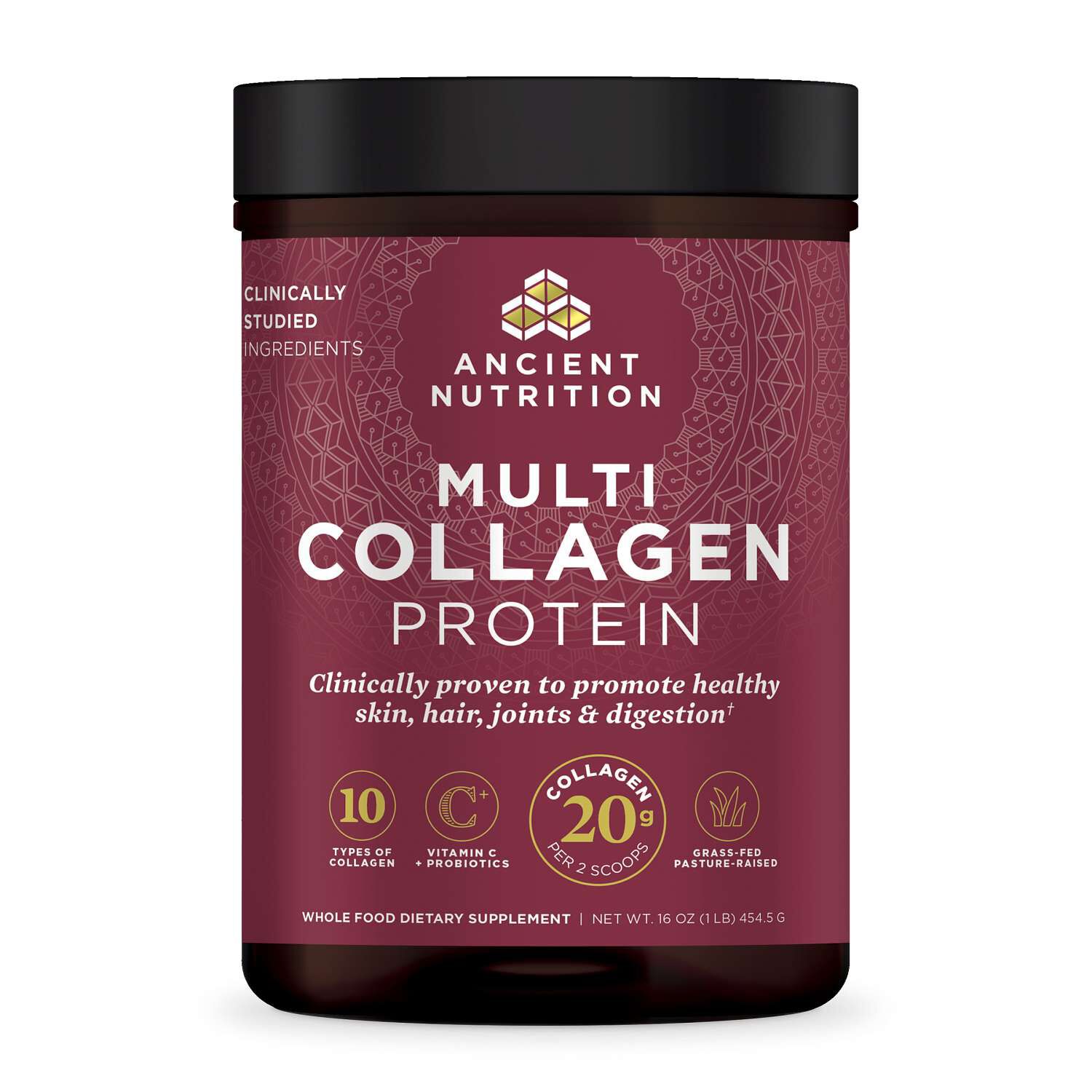 Ancient Nutrition
-
Vital Proteins
Related Pages
Top Collections
- Daily Collagen Supplements | Top Brands & Deals | GNC
- Joint Mobility Supplement Packs
- Zinc Supplements | Top Brands at Great Prices | GNC
- GLP 1 Support For Adults
- Supplements For Yoga Joint Flexibility
- Supplements For Balance
- Capsule Supplements For Energy And Stamina
- Adult Mobility Supplements
- Chronic Fatigue Supplements
- Vitamins For Hair Loss