





Collagen Peptides With Probiotics Powders
(0 Results)
Collagen peptides with probiotics powders could be a convenient addition to your daily routine, offering a blend of two popular ingredients in one easy-to-mix formula. These powders may fit seamlessly into smoothies, coffee, or recipes, making it simple to incorporate into your lifestyle. Explore a variety of options and discover how collagen peptides with probiotics powders might support your wellness journey.

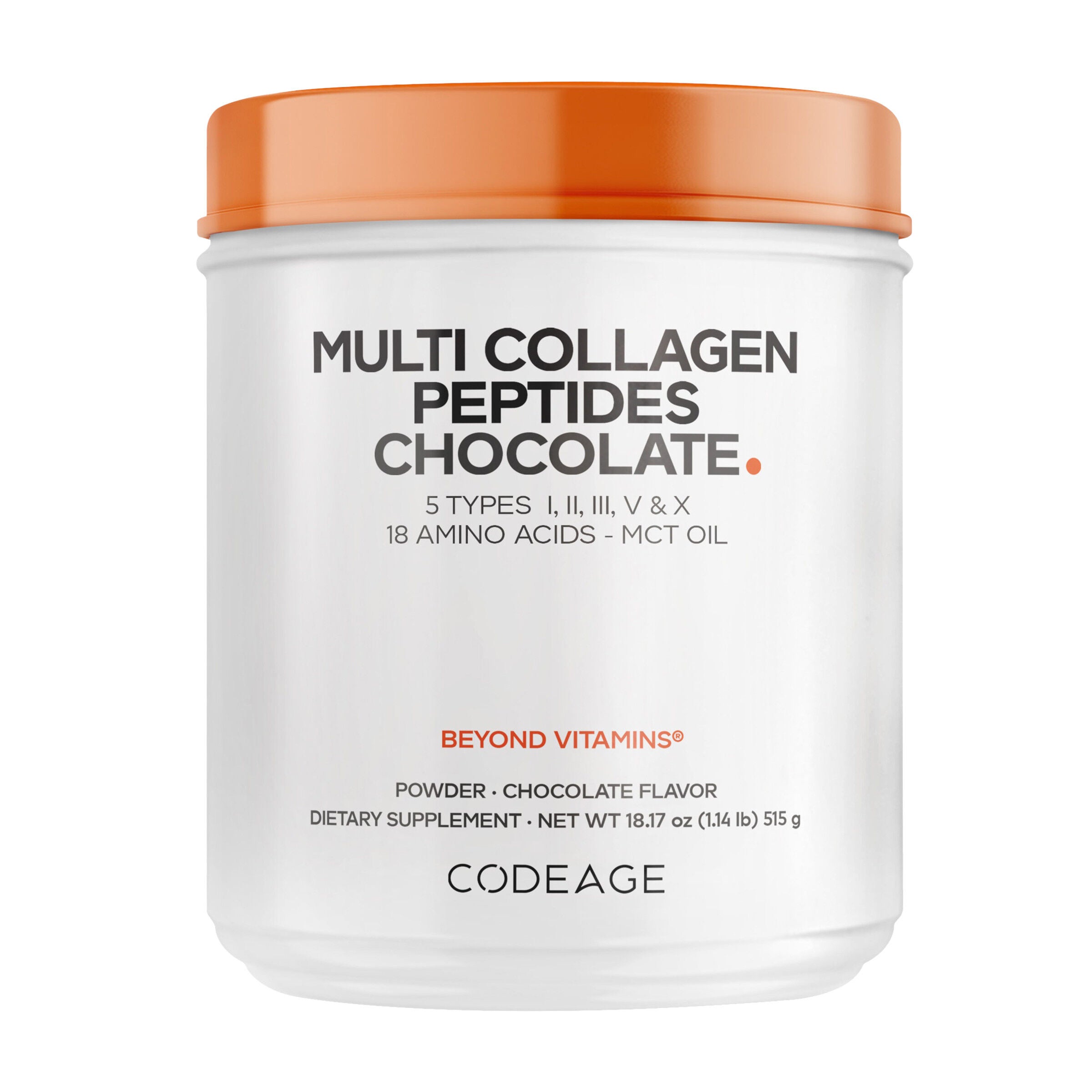
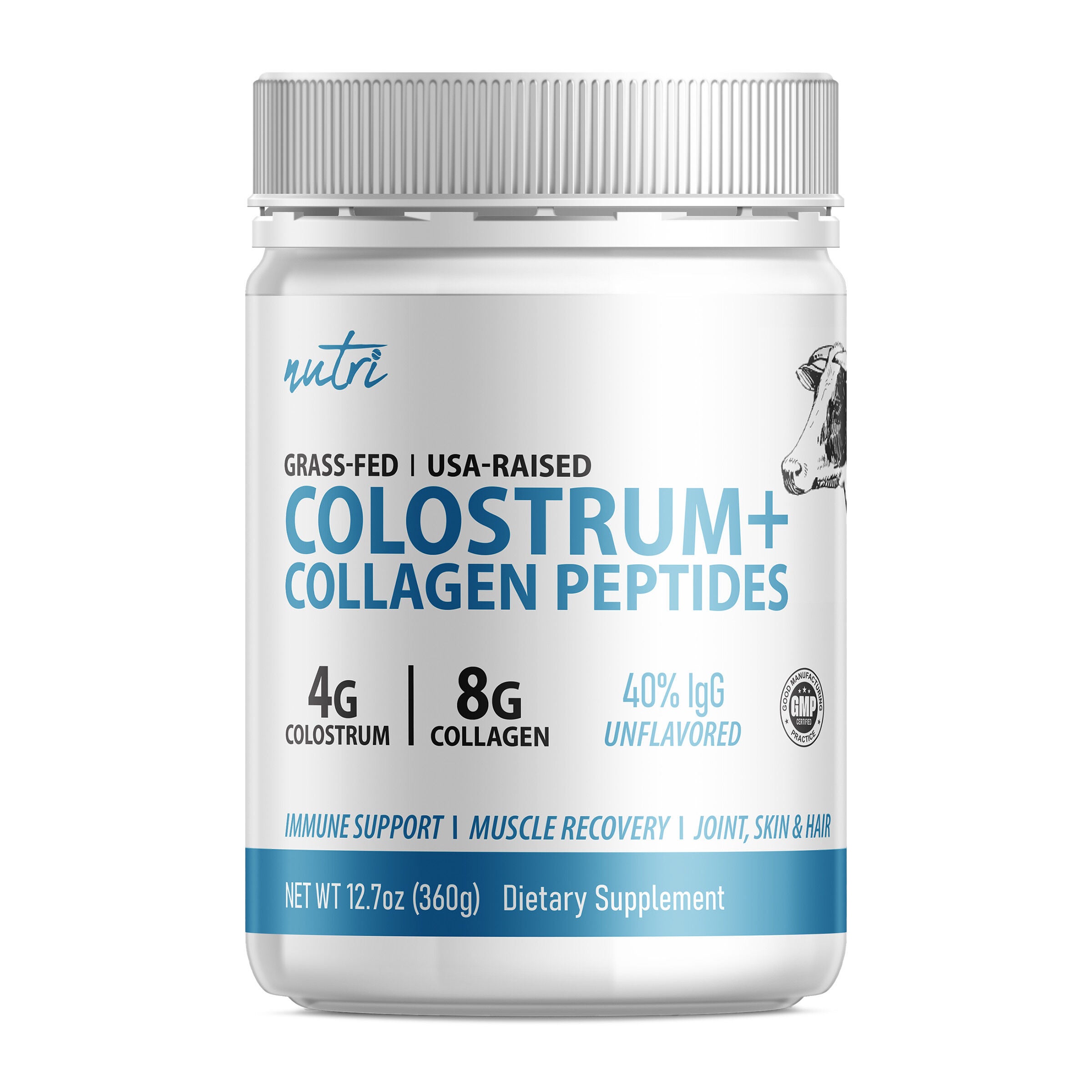
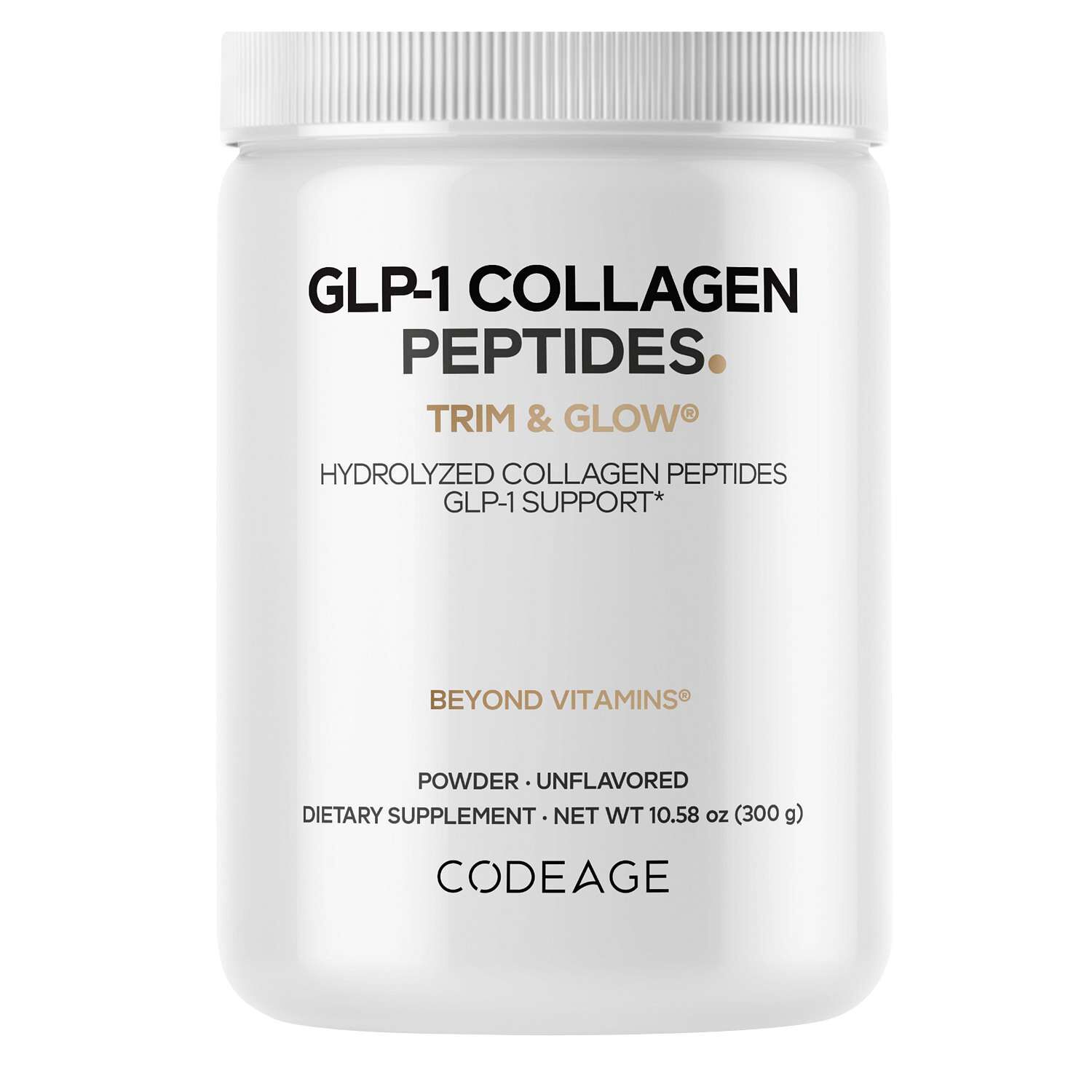


Collagen peptides with probiotics powders are dietary supplements that combine hydrolyzed collagen and probiotic cultures in a scoopable format. The collagen portion supplies peptides derived from animal collagen, while the probiotic portion contains live microorganisms identified on the label. Together, these ingredients create a category for adults interested in bringing collagen supplementation and digestive-wellness interests into the same daily routine. Collagen peptides are made by breaking collagen into smaller protein fragments through hydrolysis. Common sources include bovine and marine collagen, and the source matters when comparing dietary preferences, ingredient restrictions, and personal expectations. Marine collagen is often derived from fish, while bovine collagen comes from cattle; neither is a plant-based ingredient. Probiotic cultures have their own identifying details, including genus, species, and, when provided, strain designation. Those names describe the microorganisms in the formula rather than the collagen itself. Probiotic quantities are commonly expressed in colony-forming units, abbreviated as CFUs, while collagen quantities are usually listed in grams. These measurements describe different parts of the blend and are not directly comparable. Serving size is another useful distinction: a scoop measures powder volume, but the labeled serving weight describes the amount used for the nutrition and ingredient information. Depending on the formula, one serving might involve more than one scoop. Other ingredients, such as flavorings, sweeteners, vitamins, minerals, or additional protein sources, also contribute to the character of the powder. The Supplement Facts panel and ingredient list provide a more useful picture than a large number on the front of a container alone. For shoppers comparing collagen peptides with probiotics powders, the most meaningful details are the collagen source, collagen amount per serving, culture identification, labeled probiotic quantity, and directions for use. There is no single formula that suits every preference, and a shorter ingredient list is not automatically a better match than a more layered blend. The distinction comes down to what is included, how clearly it is described, and how well the format fits an established eating routine.
Flavor, texture, and preparation are practical considerations for a powder used regularly. An unflavored option may suit someone who prefers a familiar smoothie recipe, while a flavored blend might work better for someone who usually mixes supplements with water or milk. Unflavored does not necessarily mean tasteless: collagen source, cultures, and other ingredients may contribute a subtle aroma or finish. Vanilla, fruit, and cocoa-style flavor profiles each bring a different character to a drink, and sweetener preferences are just as individual. Some shoppers prefer a lightly sweetened shake, while others want a powder without added sweeteners. Ingredient lists distinguish sugar, sugar alcohols, and other sweetening ingredients, along with thickeners and flavoring agents. The amount of liquid in the preparation directions also deserves attention. A small glass and a large shaker bottle offer different mixing experiences, even when they contain the same serving of powder. A spoon, handheld frother, shaker, or blender might produce different textures, and a blender may be a convenient choice for a smoothie containing fruit, oats, or yogurt. For collagen peptides with probiotics powders, suggested uses should reflect the directions for the combined formula, not assumptions based on collagen alone. Some collagen powders are intended for warm beverages, but a blend containing live cultures may have different preparation requirements. The package directions are the appropriate reference for beverage choice, mixing method, and storage. Care between servings matters as well. A tightly closed container, a clean and dry scoop, and storage according to the label are part of routine handling. Moisture introduced by a damp utensil may lead to clumping, while an open lid leaves the powder exposed to its surroundings. Refrigeration requirements vary, so the storage instructions deserve a place in the buying decision rather than being an afterthought. Container shape and scoop size also matter in everyday use: a wide opening may be easier to manage on a kitchen counter, while individually portioned packaging might suit a work bag or travel kit when offered within the category.
The intended role of these blends is supplementation alongside an ordinary eating pattern, not a substitute for meals or dietary variety. Collagen contributes protein, but its amino acid profile differs from that of foods such as eggs, dairy, beans, fish, and meat. The protein grams shown on a label therefore tell only part of the nutritional story. A breakfast smoothie containing several food ingredients has a different composition from a serving of powder stirred into water, even when the collagen amount is identical. Adults with established preferences around animal-derived ingredients, fish ingredients, dairy, soy, or other components will find the ingredient and allergen statements particularly relevant. Dietary designations also need to be read in the context of the whole blend rather than inferred from the collagen source. For someone who already keeps a shaker at a desk or prepares a smoothie before commuting, a combined powder may fit a familiar habit. Someone who prefers capsules or rarely prepares mixed drinks might find the powder format less aligned with daily preferences. Taste, serving size, preparation, and storage are often the details that distinguish a practical choice from one that feels cumbersome after several uses. Related categories also deserve a clear distinction. Collagen Powders With Digestive Enzymes feature a different ingredient pairing: digestive enzymes are proteins involved in the breakdown of food components, while probiotic cultures are microorganisms. The terms describe different ingredients and should not be treated as interchangeable. Comparing these categories means looking beyond similar packaging or overlapping wellness language to the actual formula. With collagen peptides with probiotics powders, a thoughtful comparison centers on clearly identified ingredients, readable serving information, suitable preparation directions, and a flavor profile that matches everyday preferences. Those details give the category its practical context: a measured powder format for adults who prefer collagen and probiotic cultures together rather than as separate supplements.
Best Sellers
-
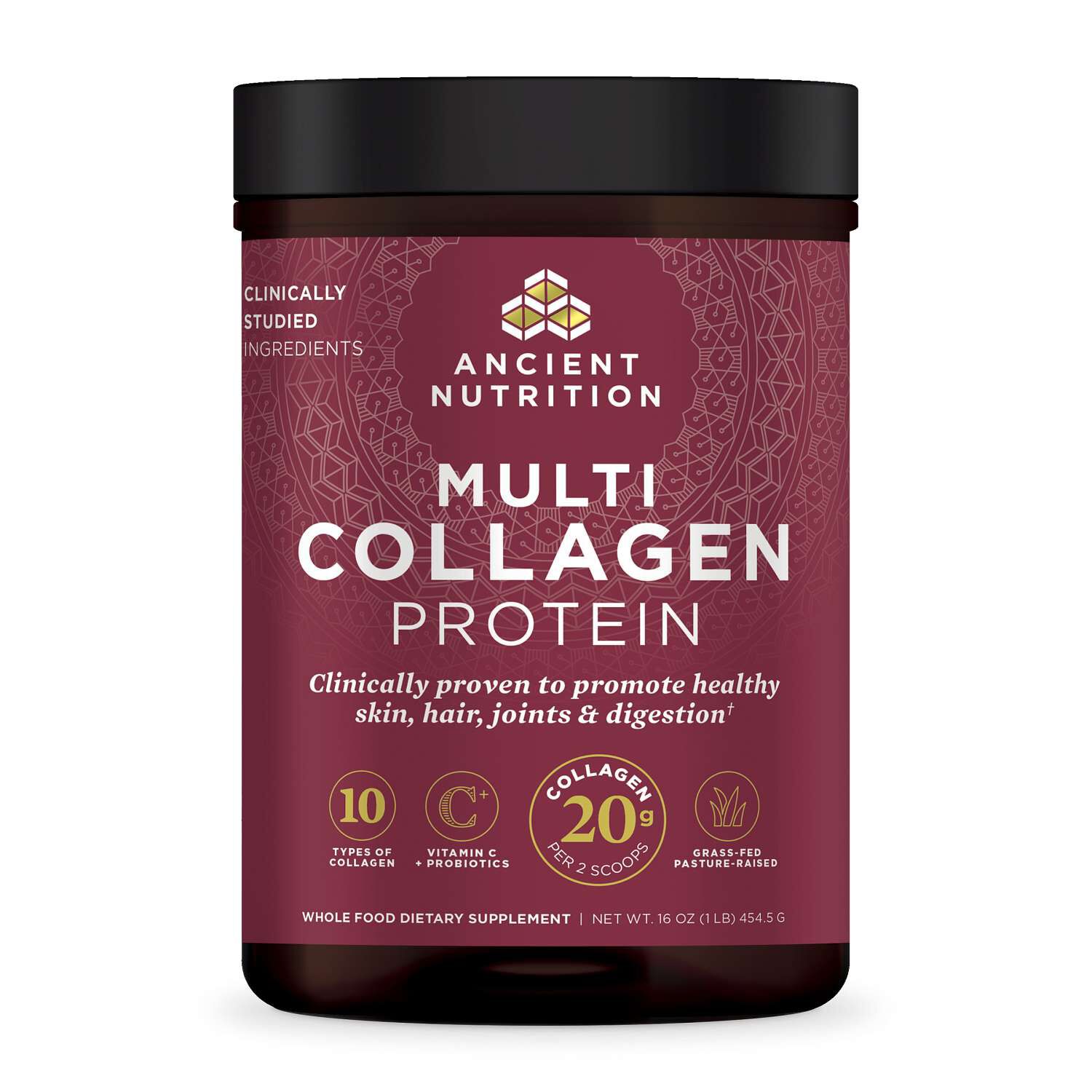 Ancient Nutrition
-
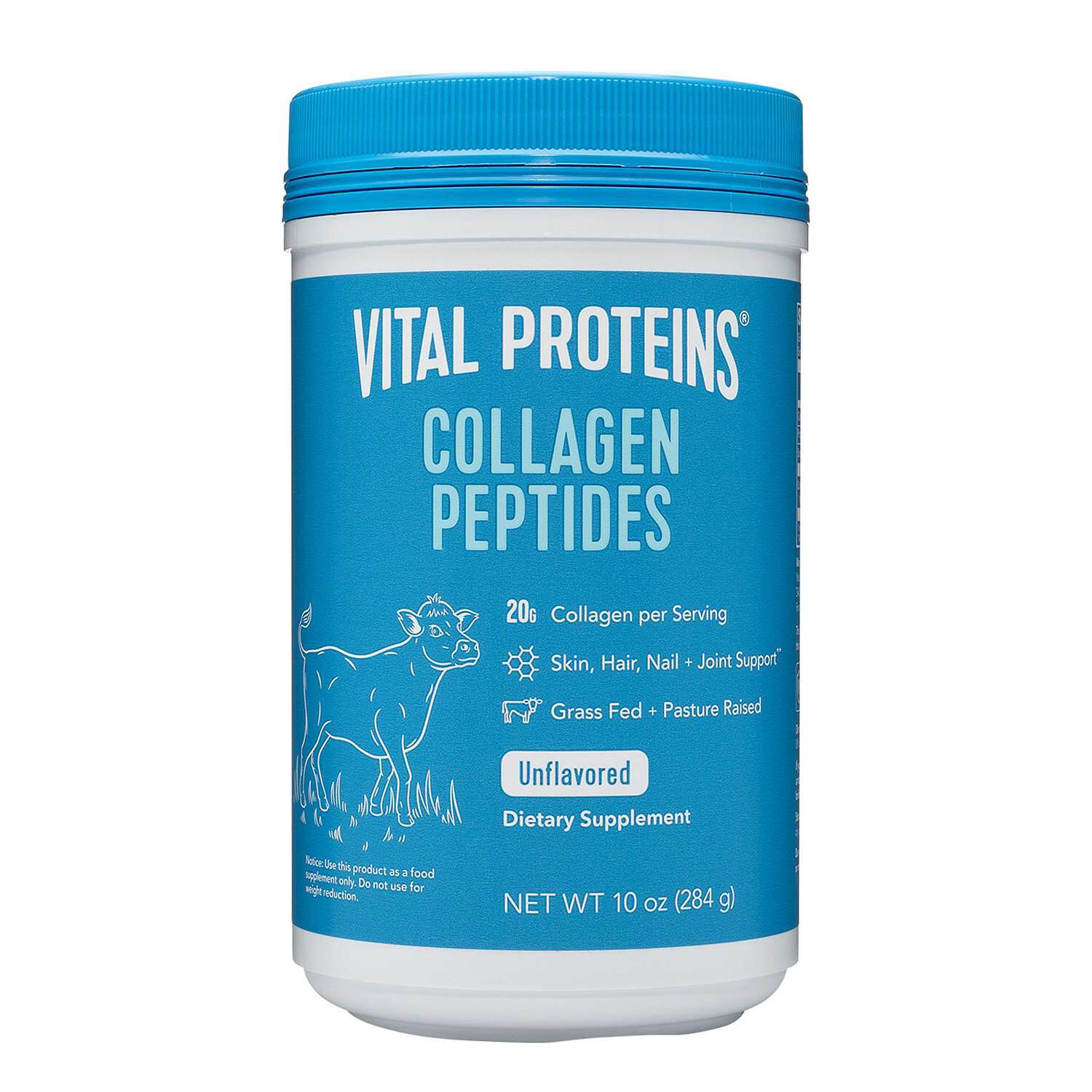 Vital Proteins
Related Pages
Top Collections
- Chronic Fatigue Supplements
- Active Supplements
- Zinc Supplements For Men
- Supplements For Yoga Joint Flexibility
- Zinc Supplements | Top Brands at Great Prices | GNC
- Vitamins For Hair Loss
- Joint Mobility Supplement Packs
- Capsule Supplements For Energy And Stamina
- Supplements For Anxiety Relief Support
- Adult Vitamins