





Collagen Powders With Digestive Enzymes
(0 Results)
Collagen powders with digestive enzymes offer a convenient way to support your daily wellness routine. These versatile supplements combine collagen with added digestive enzymes, making it easy to incorporate both into your favorite beverages or recipes. Whether you’re looking for an option to fit seamlessly into your lifestyle or simply exploring new ways to prioritize your well-being, collagen powders with digestive enzymes might be a great addition to your supplement lineup. Explore a variety of options designed to suit different preferences and routines.


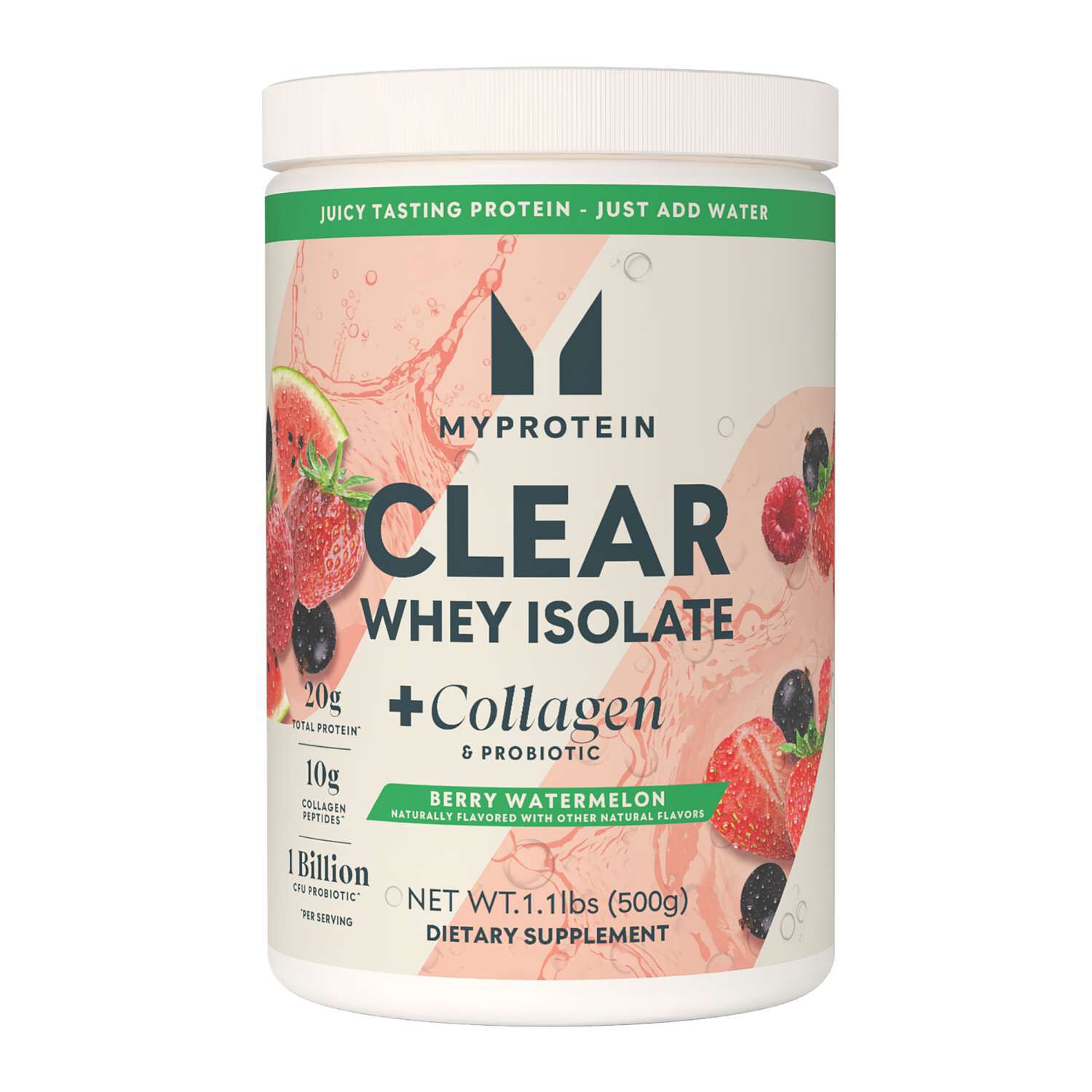
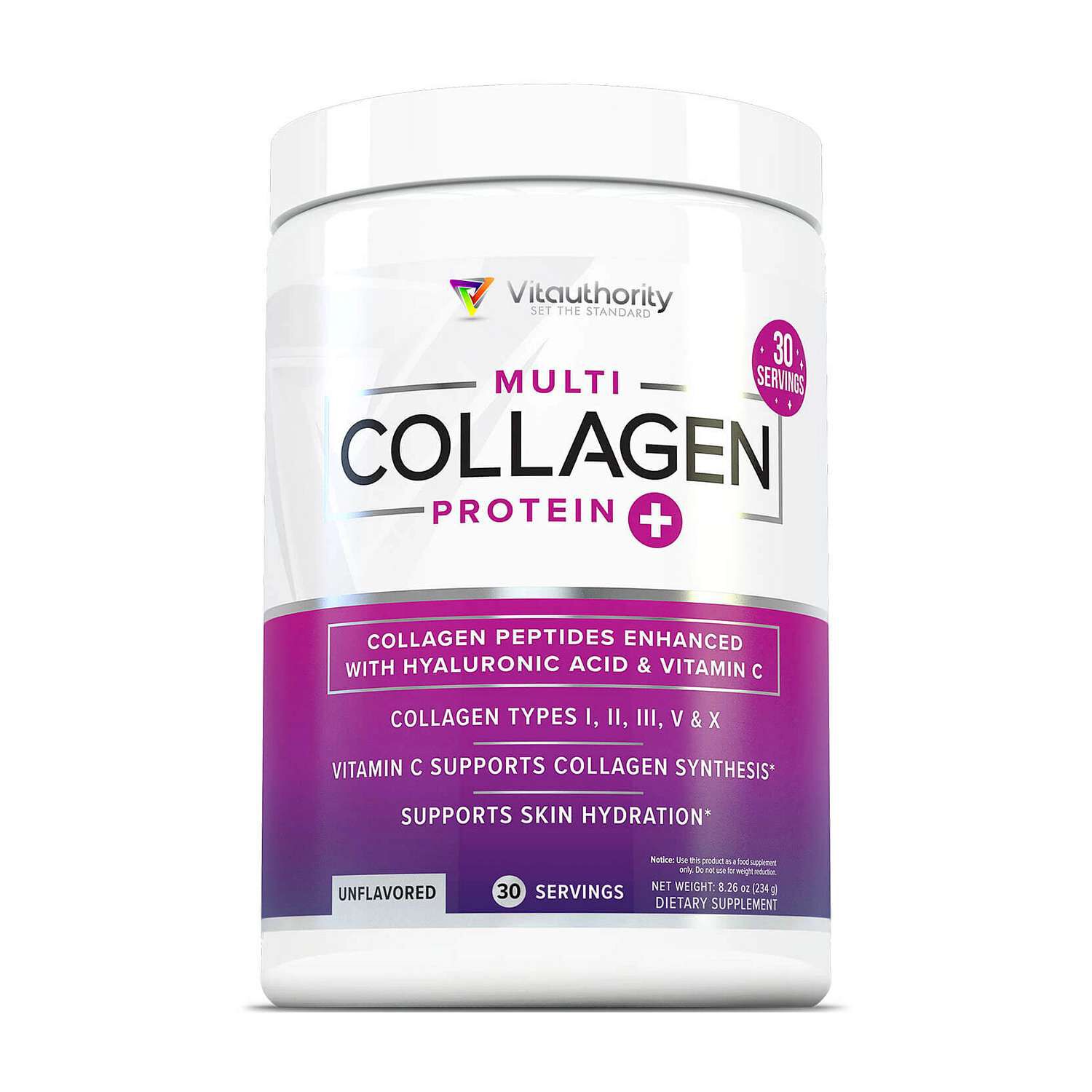
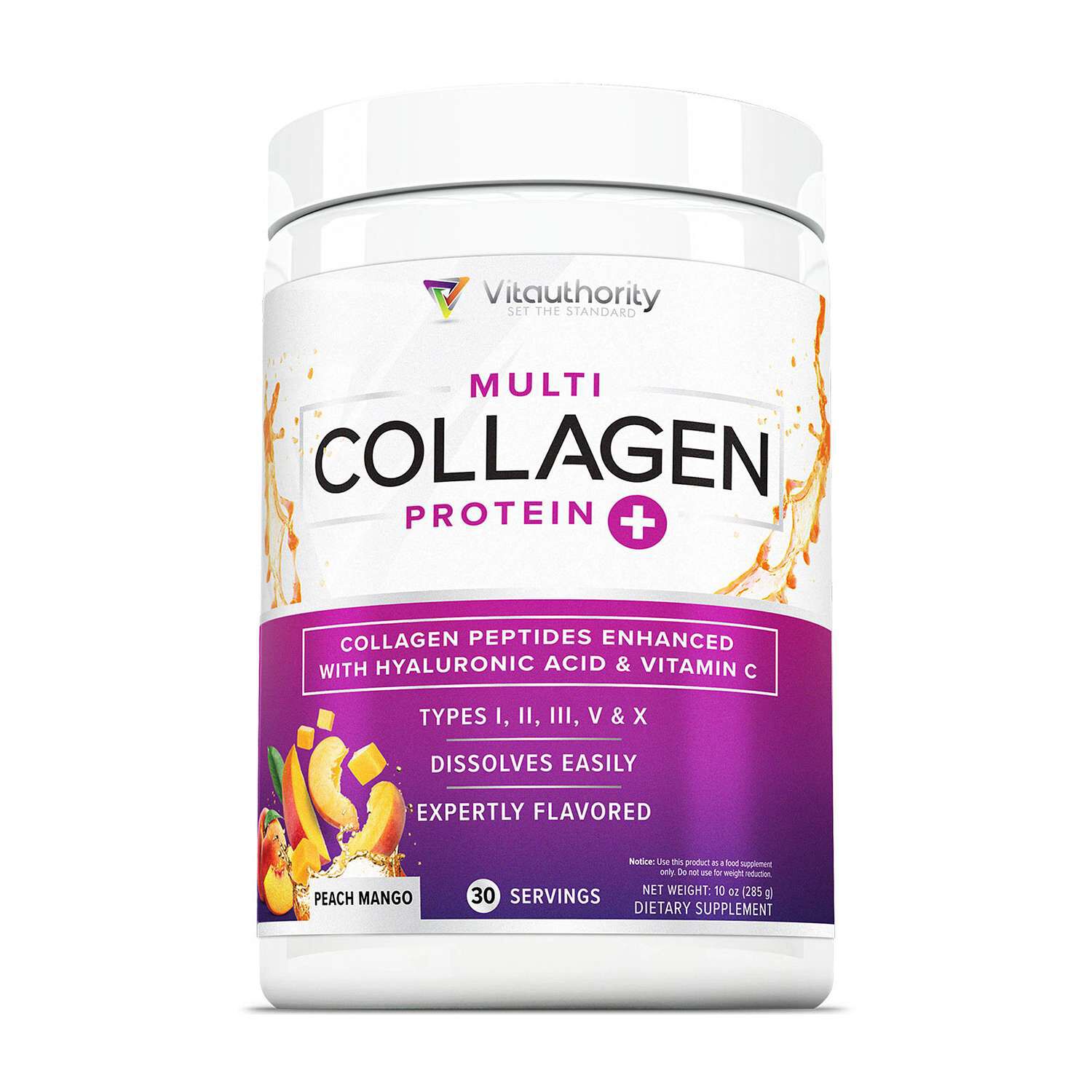
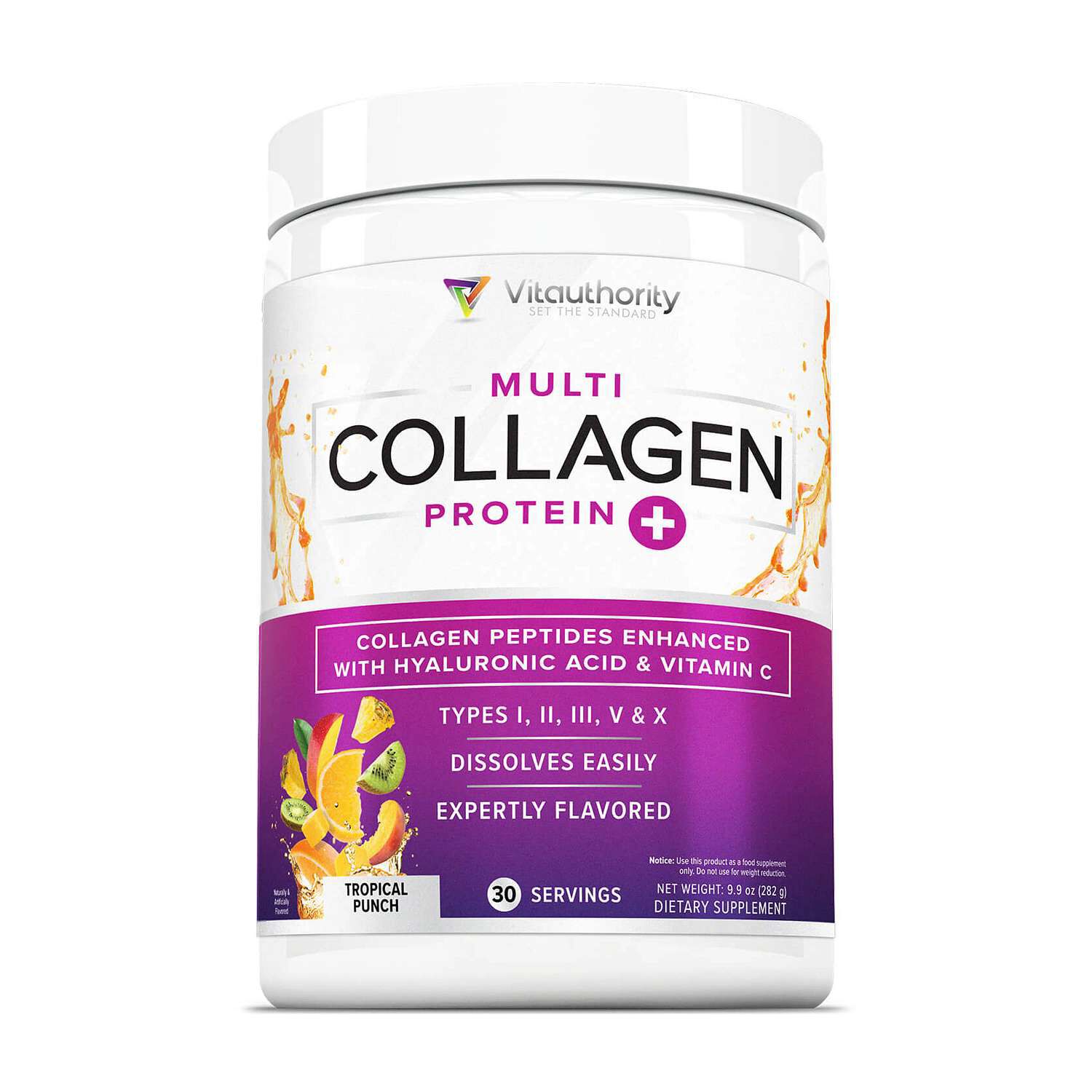

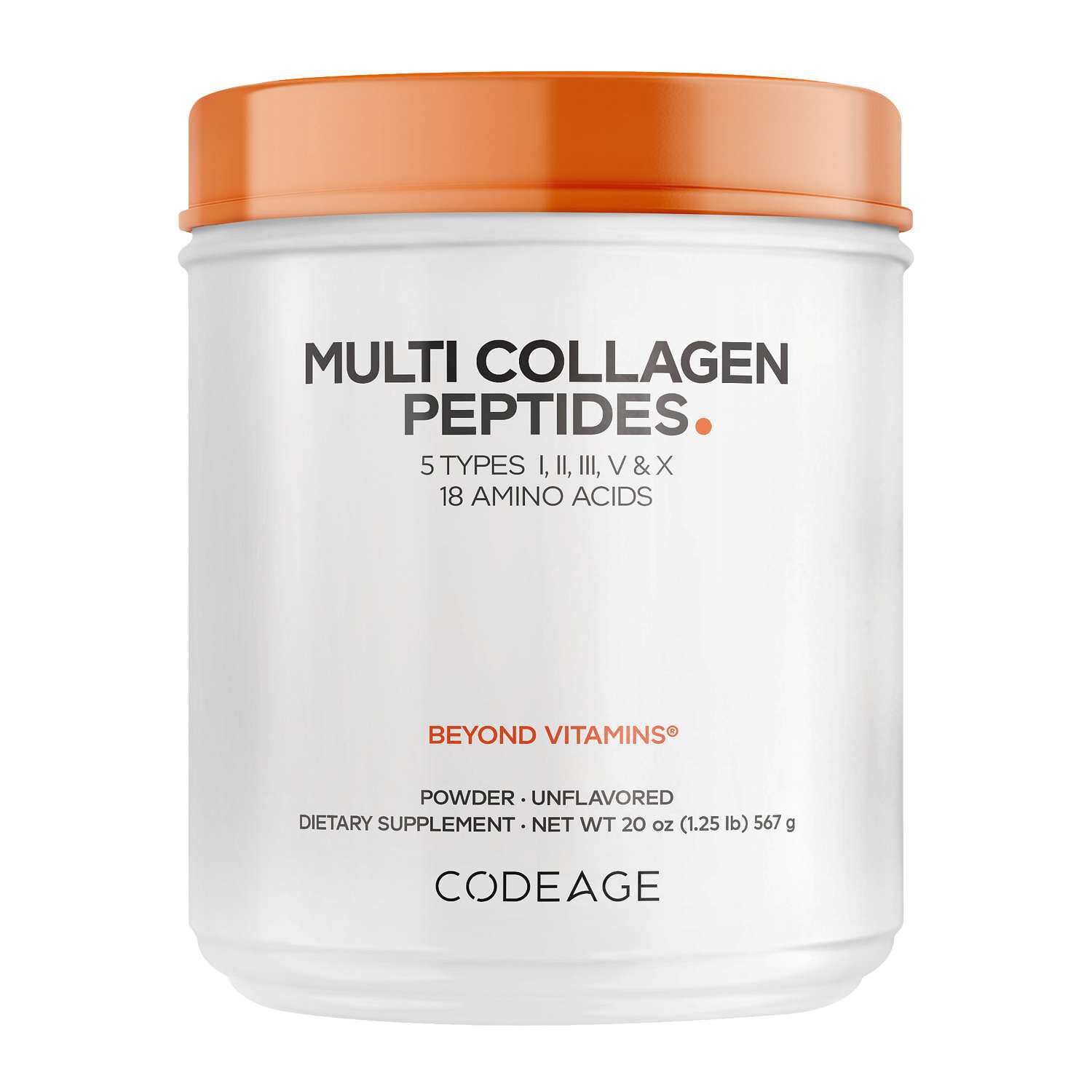


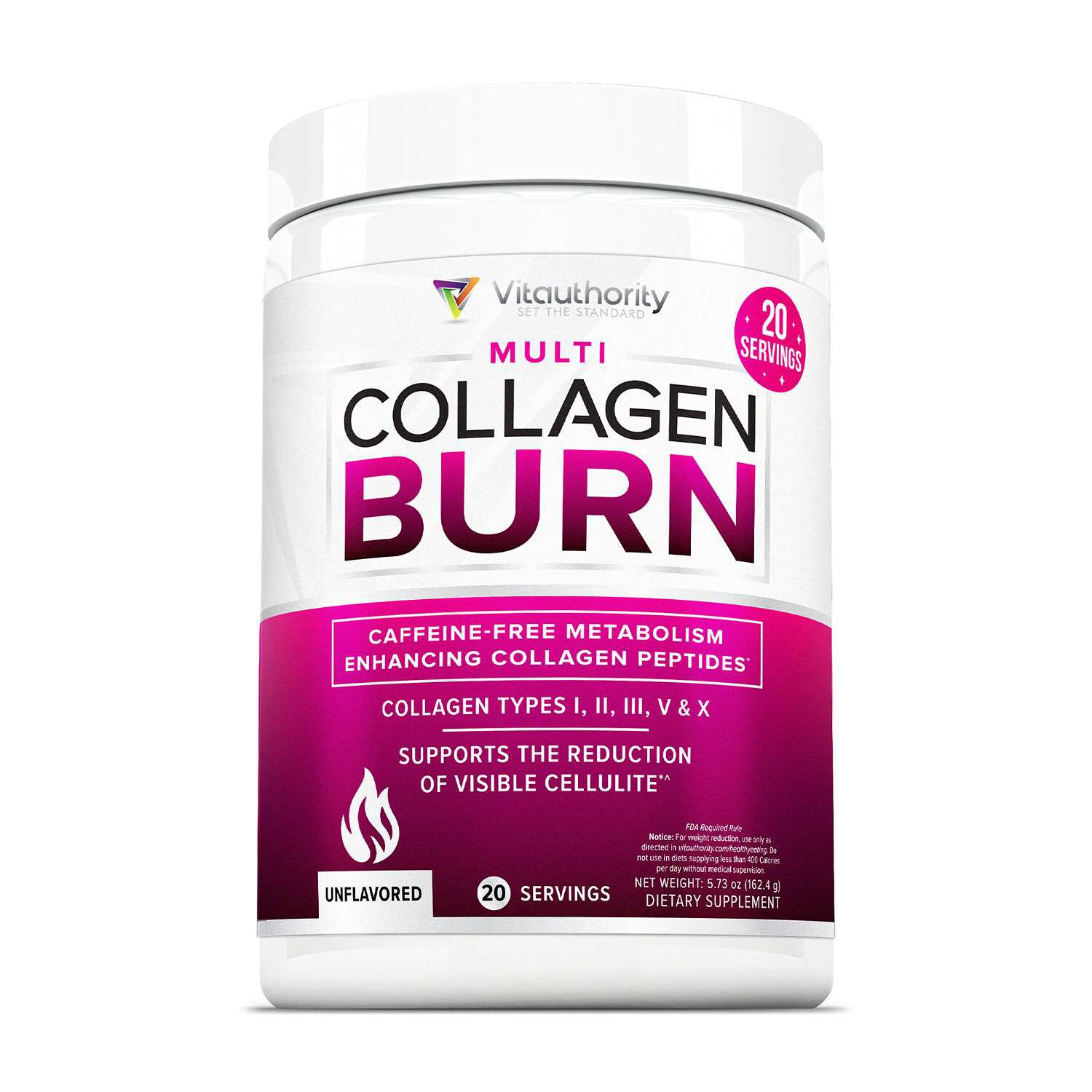
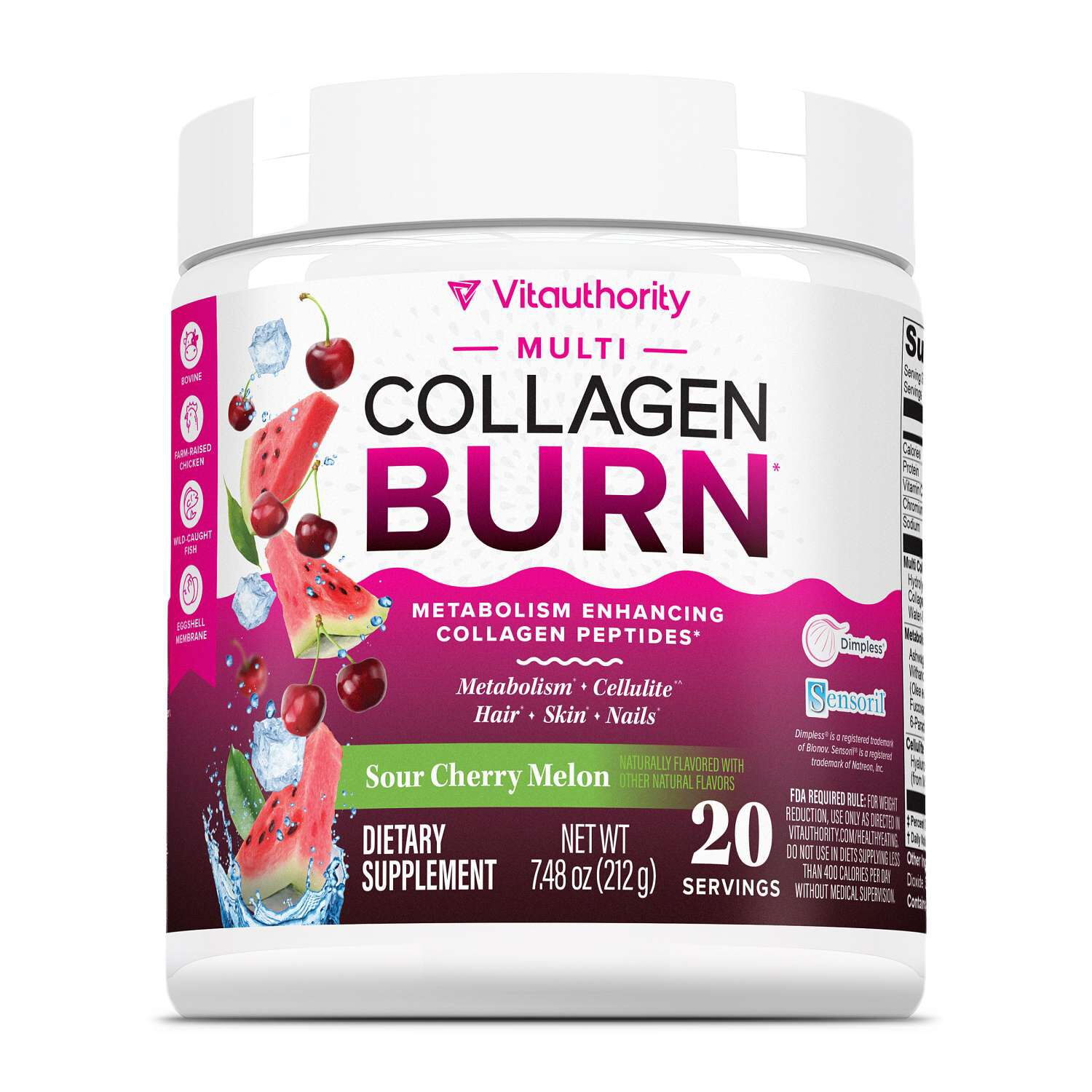
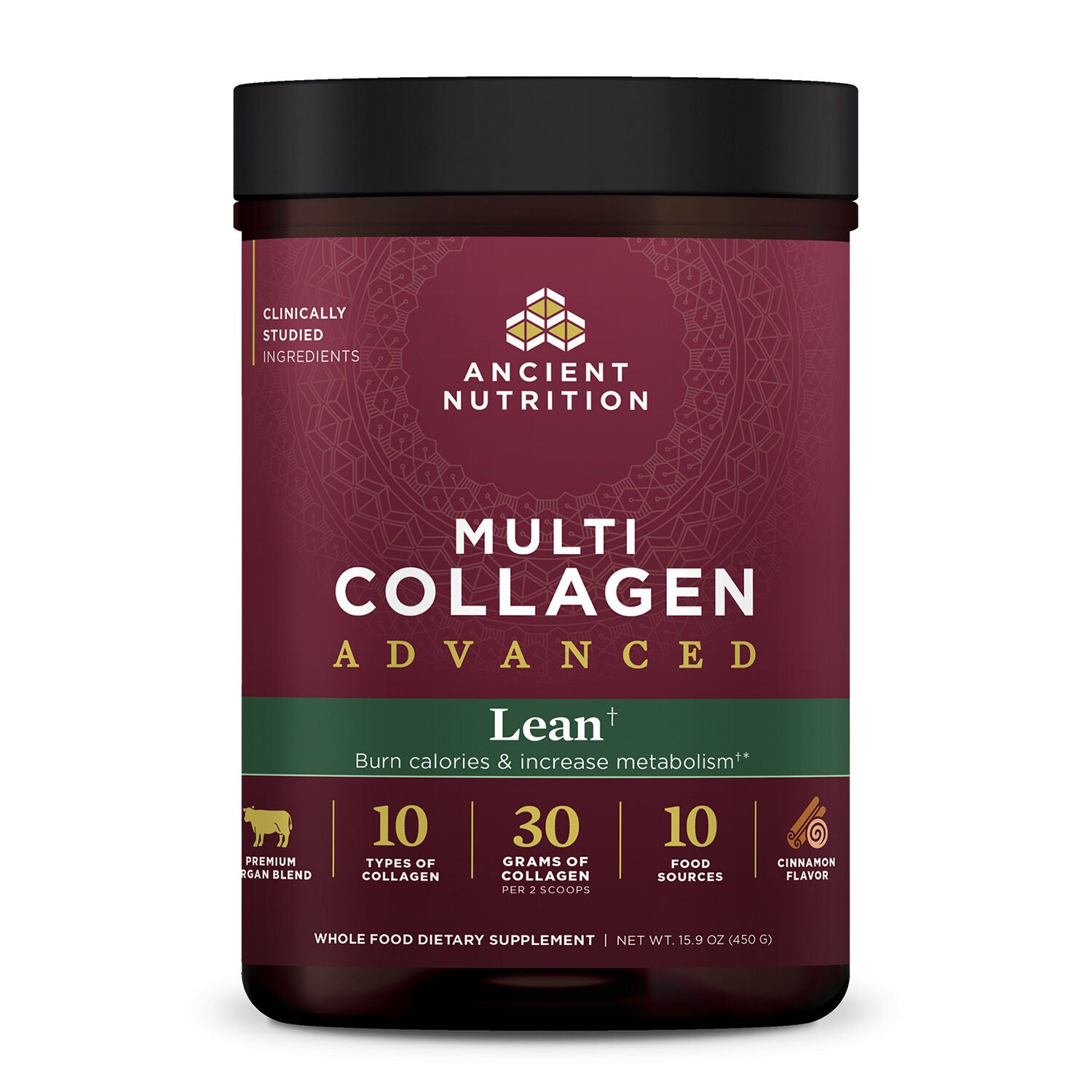
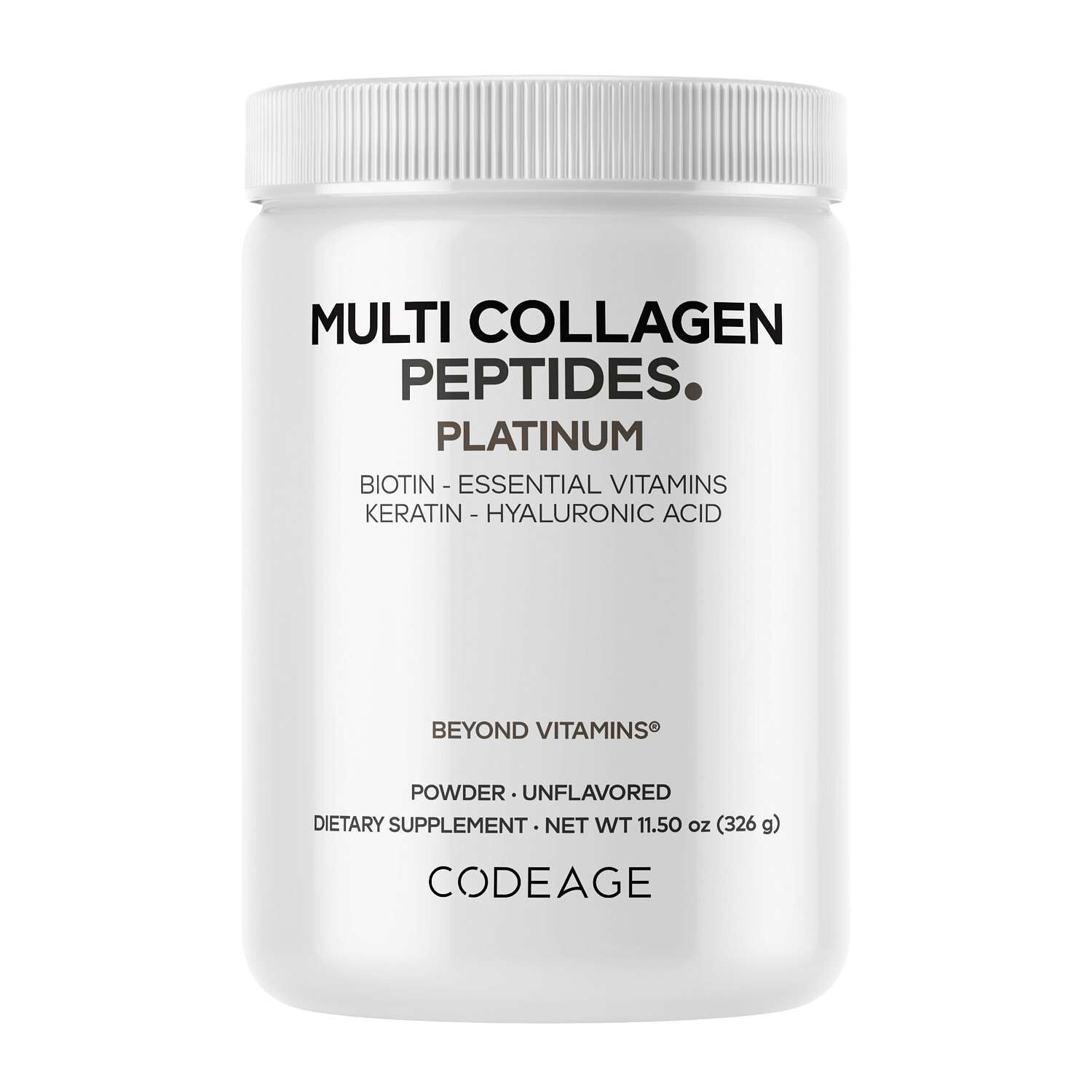
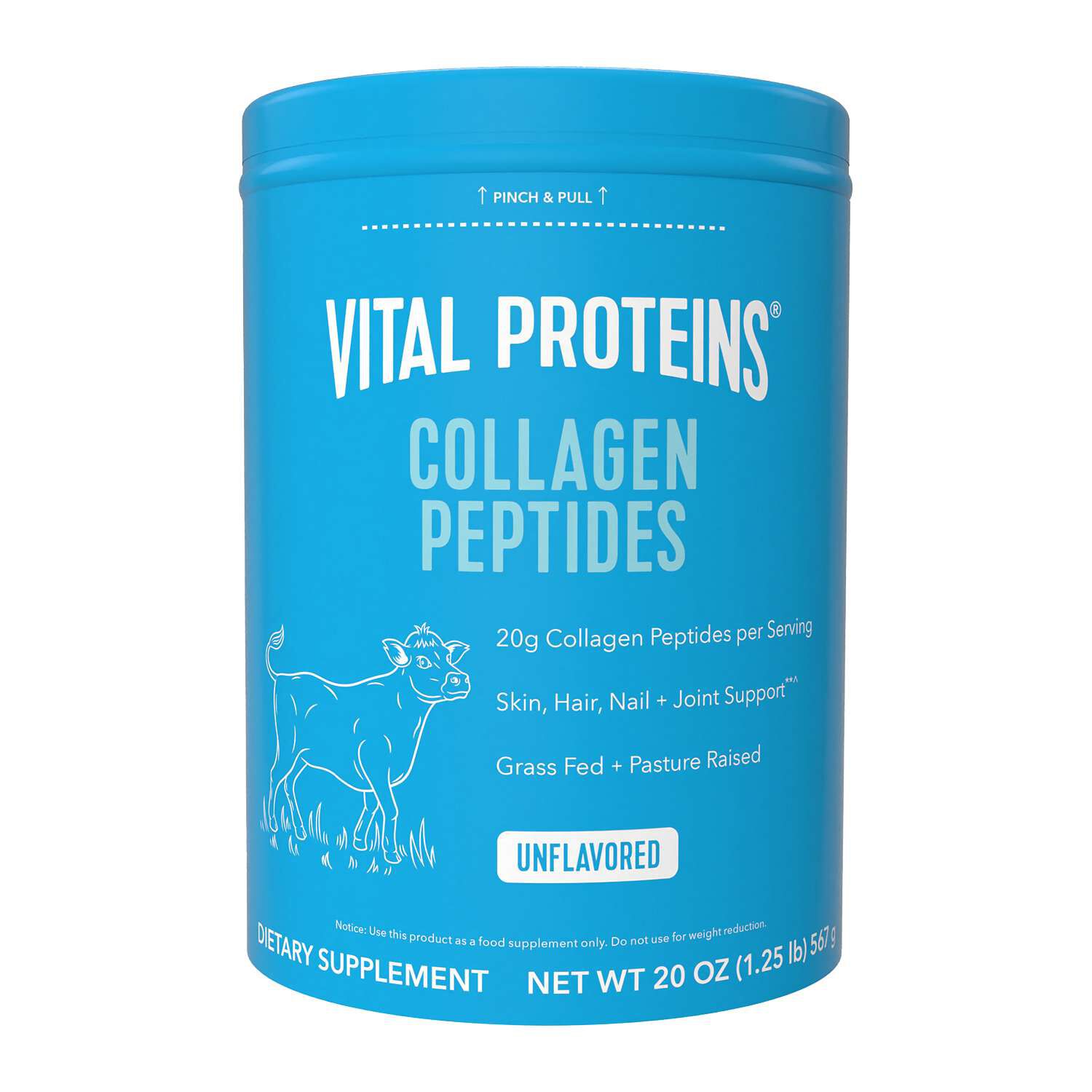

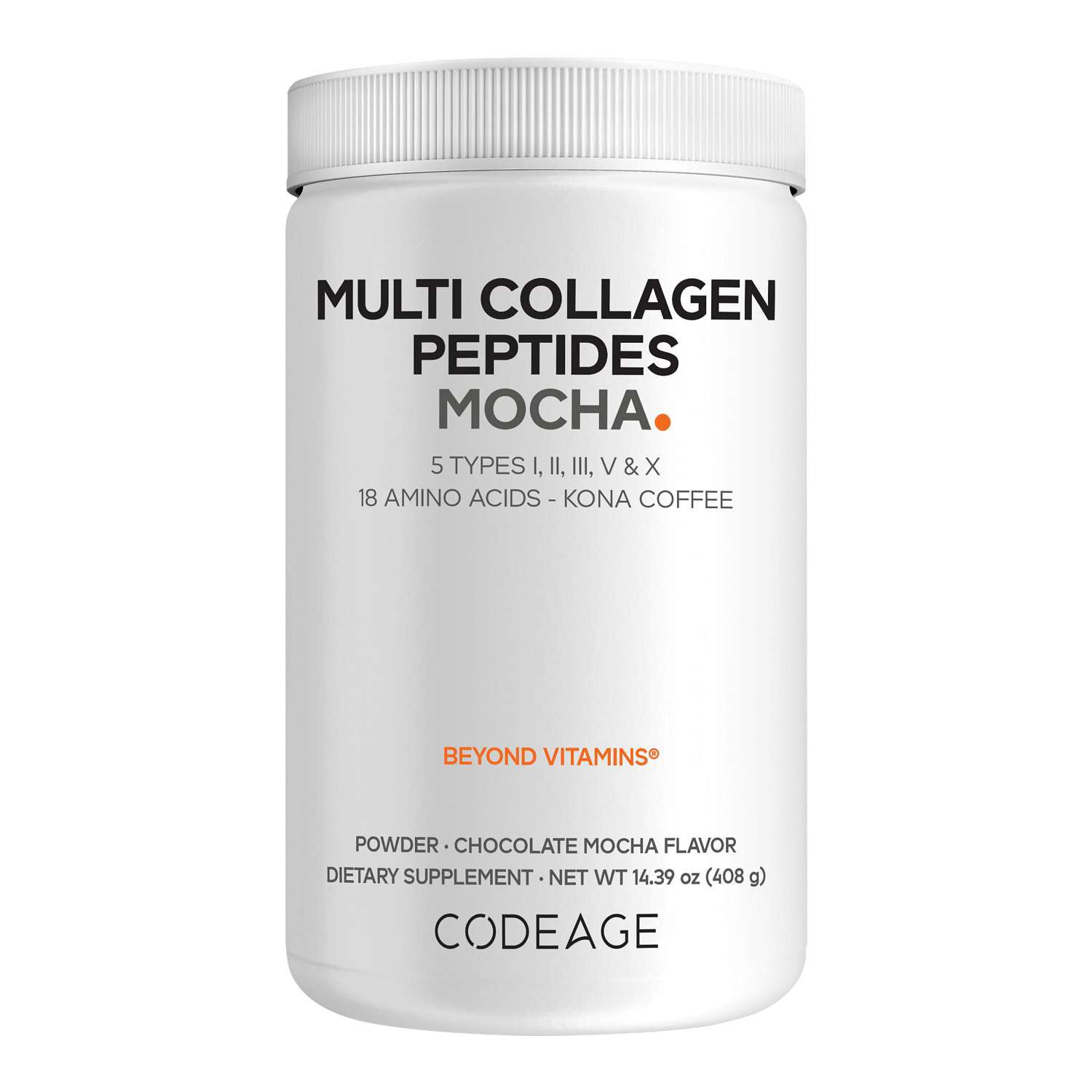


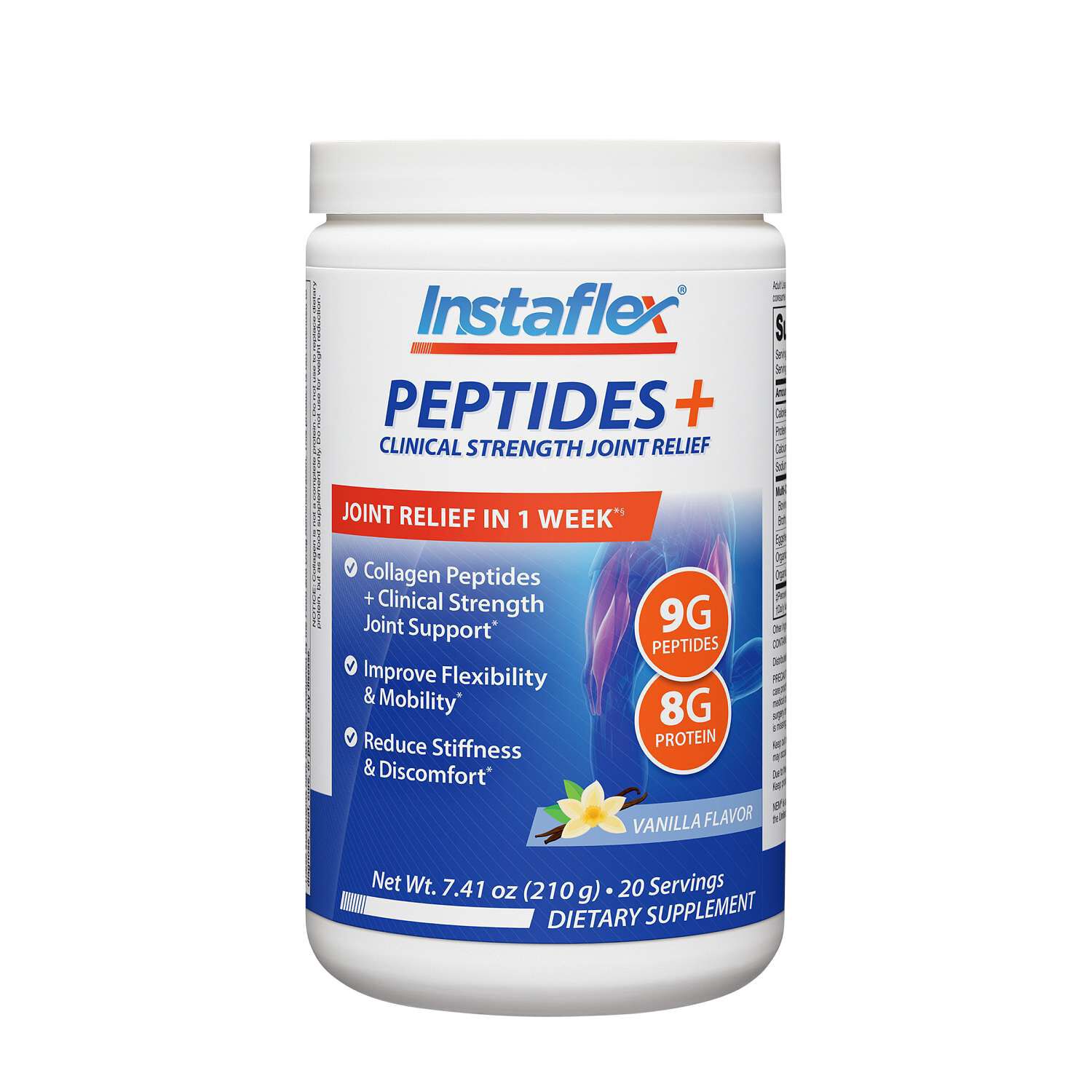
Collagen powders with digestive enzymes combine collagen protein and added enzymes in a scoopable format intended for mixing into drinks or foods. Collagen is a structural protein found in animal connective tissue, and collagen supplements commonly use bovine or marine sources. Many powders contain hydrolyzed collagen, also called collagen peptides, which has been processed into smaller protein fragments before reaching the container. The digestive enzyme portion is a separate part of the formula, and its composition varies. Protease may help break down proteins, while amylase may help break down carbohydrates and lipase may help break down fats. Some blends also contain cellulase, an enzyme that may help break down cellulose, a component of plant cell walls. Not every collagen powder includes all of these enzymes, and an enzyme blend’s name alone does not describe its full composition or activity. For shoppers comparing collagen powders with digestive enzymes, the most useful distinction is between the collagen serving and the accompanying enzyme blend: each has its own ingredients, amounts, and labeling details. The presence of added enzymes does not establish that a powder will be absorbed differently or feel different after use. Individual experiences may vary with the formula, serving size, and foods consumed alongside it. This category may appeal to adults who already use collagen and prefer a formula that also includes digestive enzymes, as well as those building a straightforward nutrition routine around familiar meals and beverages. A morning smoothie, a cup of coffee, or a bowl of yogurt provides a recognizable setting for that routine, although preparation directions differ across formulas. The category is defined by the combination of ingredients rather than a single flavor, collagen source, or enzyme profile, so two similarly named powders can have noticeably different serving instructions and ingredient lists.
A closer look at the label provides context beyond the words on the front of the container. Collagen source, grams of collagen per serving, protein content, enzyme names, and serving size are separate details worth comparing. One scoop is not a standardized measurement across powders, and a serving may call for more than one scoop. Likewise, the weight of an enzyme blend is not the same measurement as enzyme activity. Some labels identify individual enzymes and list activity units; others provide a combined blend amount with less detail about each component. These differences affect how directly two formulas can be compared. Ingredient preferences also matter. Marine collagen commonly comes from fish, while bovine collagen comes from cattle, making source disclosure relevant to dietary practices and personal preferences. Collagen itself is animal-derived, even when a formula also includes plant ingredients. Flavoring, sweeteners, colors, and other added ingredients deserve the same attention as the collagen and enzymes, particularly when a powder will become part of an everyday beverage. A flavored formula may suit a simple shake made with water, while an unflavored option may fit a wider range of recipes. Unflavored does not necessarily mean without a noticeable taste or aroma, especially across different collagen sources. Ingredient statements and allergen information are important considerations for shoppers avoiding fish, milk, soy, wheat, or other ingredients. Packaging details can also help establish whether a powder suits its intended use: a resealable pouch has a different handling experience from a wide-mouth tub, and individually portioned formats offer a different approach to measuring. Any independent testing information is most meaningful when it identifies what was tested and the standards used. For shoppers interested in a different ingredient pairing, Collagen Powders With Antioxidants provides a related category to explore. The distinction remains the same: the collagen source and serving deserve consideration alongside the additional ingredients, rather than treating every collagen blend as interchangeable.
Everyday suitability often comes down to preparation, texture, and how naturally a powder fits an existing eating pattern. Someone who blends fruit, yogurt, and oats each morning has different preferences from someone stirring a spoonful into a plain beverage at a desk. A strongly flavored powder may become a prominent part of a drink, while a more neutral formula may leave room for ingredients such as berries, cocoa, or cinnamon. Mixing directions matter because powders vary in texture and dispersibility. Depending on the formula, a shaker bottle, spoon, or blender may produce a different consistency, and adding powder gradually may help limit clumps. A thick smoothie may accommodate a texture that would be more noticeable in a thin beverage. Preparation temperature is another formula-specific consideration, especially when enzymes are included; the package directions are the appropriate reference for whether a powder is intended for hot drinks, cold drinks, or food preparation. Collagen contributes protein, but its amino acid profile differs from that of foods such as eggs, dairy, soy, and other protein sources. Its place in a varied eating pattern is therefore different from choosing a protein powder solely around a particular amino acid profile. For adults tracking daily protein intake, the Nutrition Facts or Supplement Facts panel provides the serving information needed to put a scoop in context. Storage and handling deserve attention, too. A dry measuring scoop, a securely closed container, and storage according to the label may help preserve the powder’s texture and condition between uses. Checking the date and keeping preparation directions with the container are practical considerations, particularly when a pouch is transferred to another vessel. For someone who already enjoys collagen powders, a familiar source and flavor may make a more suitable gift than an unfamiliar blend with a long ingredient list. Across these preferences, a well-matched choice is one with clear labeling, an appropriate ingredient profile, and preparation requirements that fit the recipient’s or shopper’s ordinary routine.
Best Sellers
-
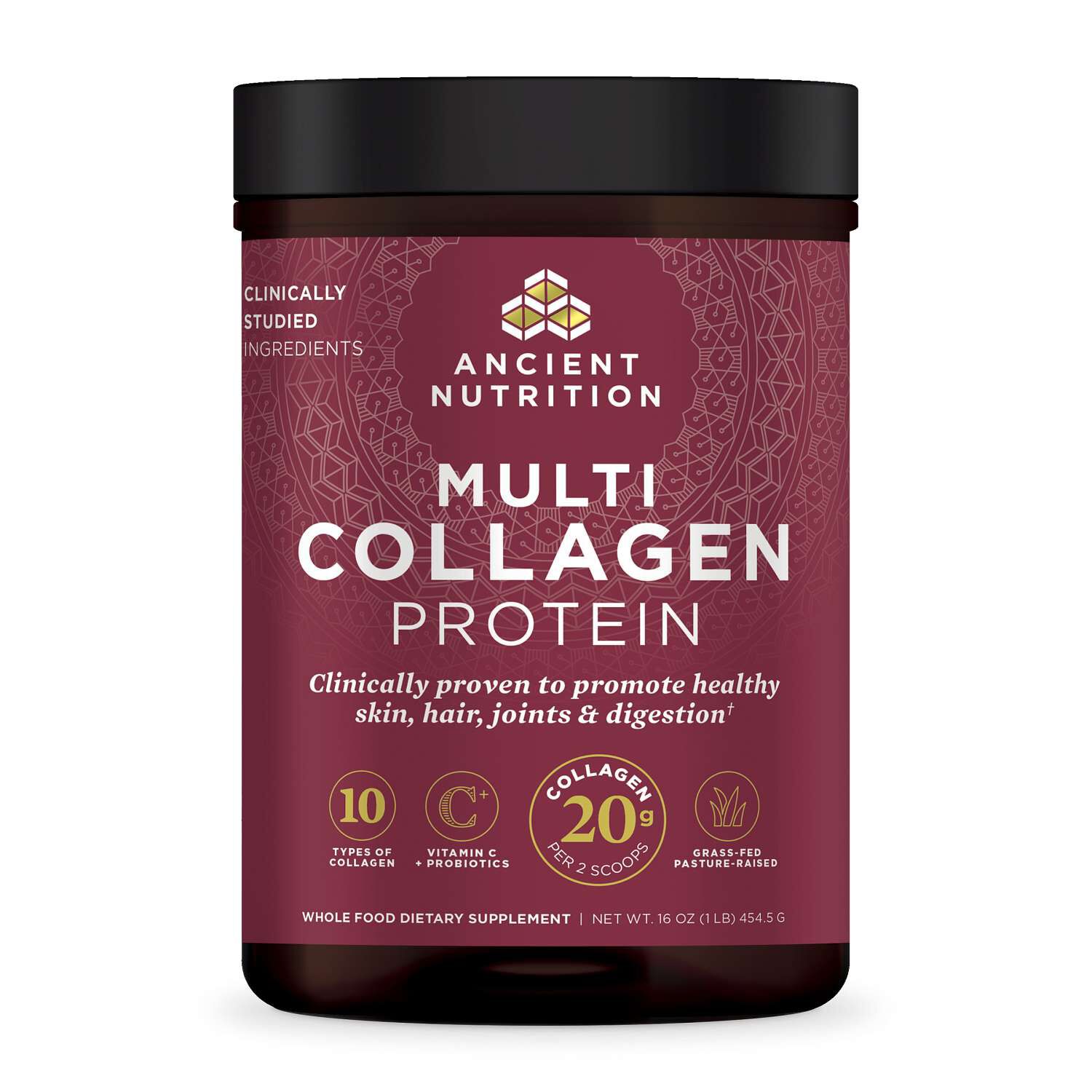 Ancient Nutrition
-
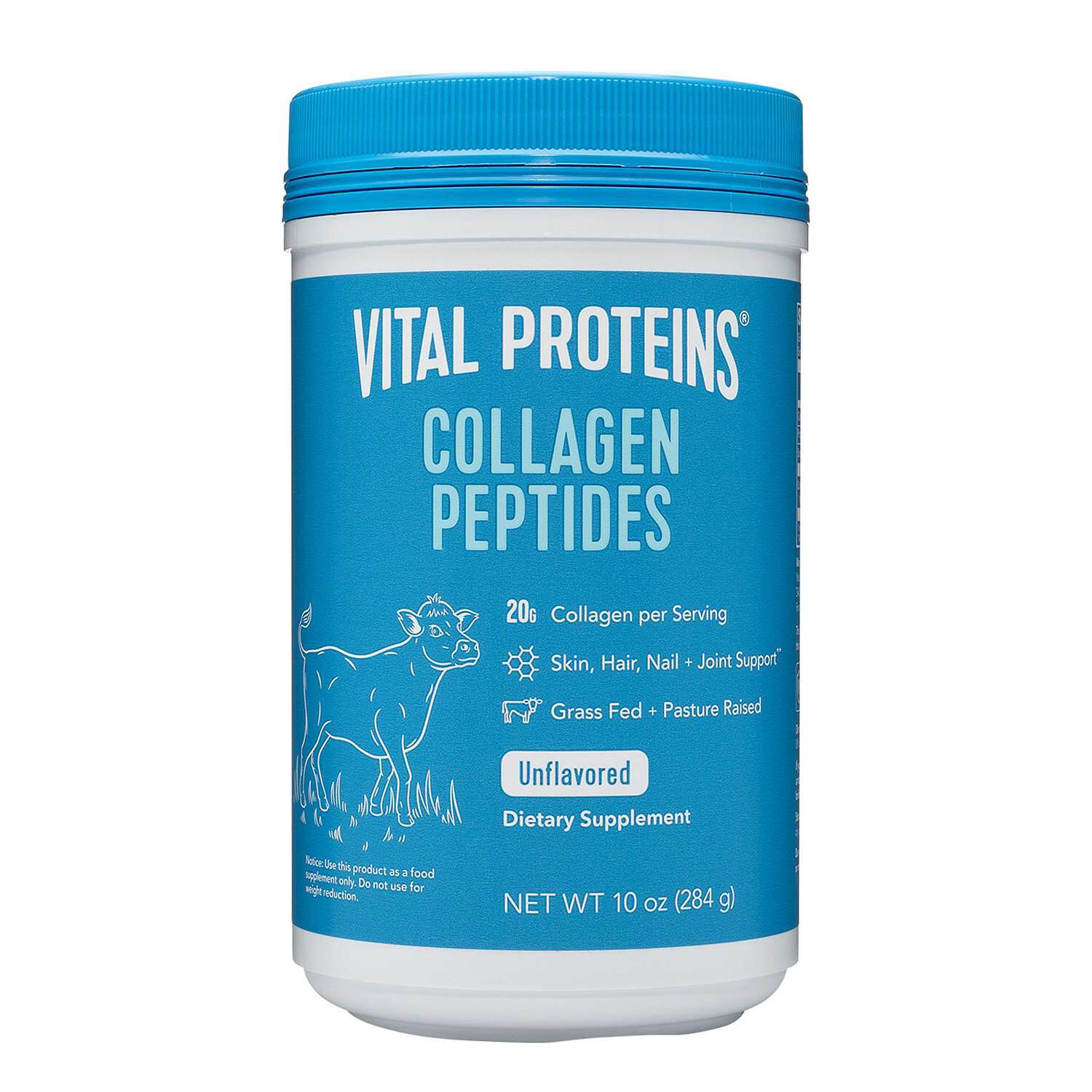 Vital Proteins
Related Pages
Top Collections
- Daily Collagen Supplements | Top Brands & Deals | GNC
- Joint Mobility Supplement Packs
- Zinc Supplements | Top Brands at Great Prices | GNC
- GLP 1 Support For Adults
- Supplements For Yoga Joint Flexibility
- Supplements For Balance
- Capsule Supplements For Energy And Stamina
- Adult Mobility Supplements
- Chronic Fatigue Supplements
- Vitamins For Hair Loss