





Collagen Protein Powders For Healthy Snacks
(0 Results)
Collagen protein powders for healthy snacks offer a convenient way to support your wellness goals while enjoying delicious, easy-to-make treats. With a variety of flavors and formulations available, these versatile powders can blend seamlessly into smoothies, baked goods, or on-the-go snacks. Whether you’re looking to add extra protein to your daily routine or seeking creative ways to enhance your favorite recipes, collagen protein powders for healthy snacks could be a great addition to your pantry. Explore options that fit your lifestyle and taste preferences for a satisfying snack experience.
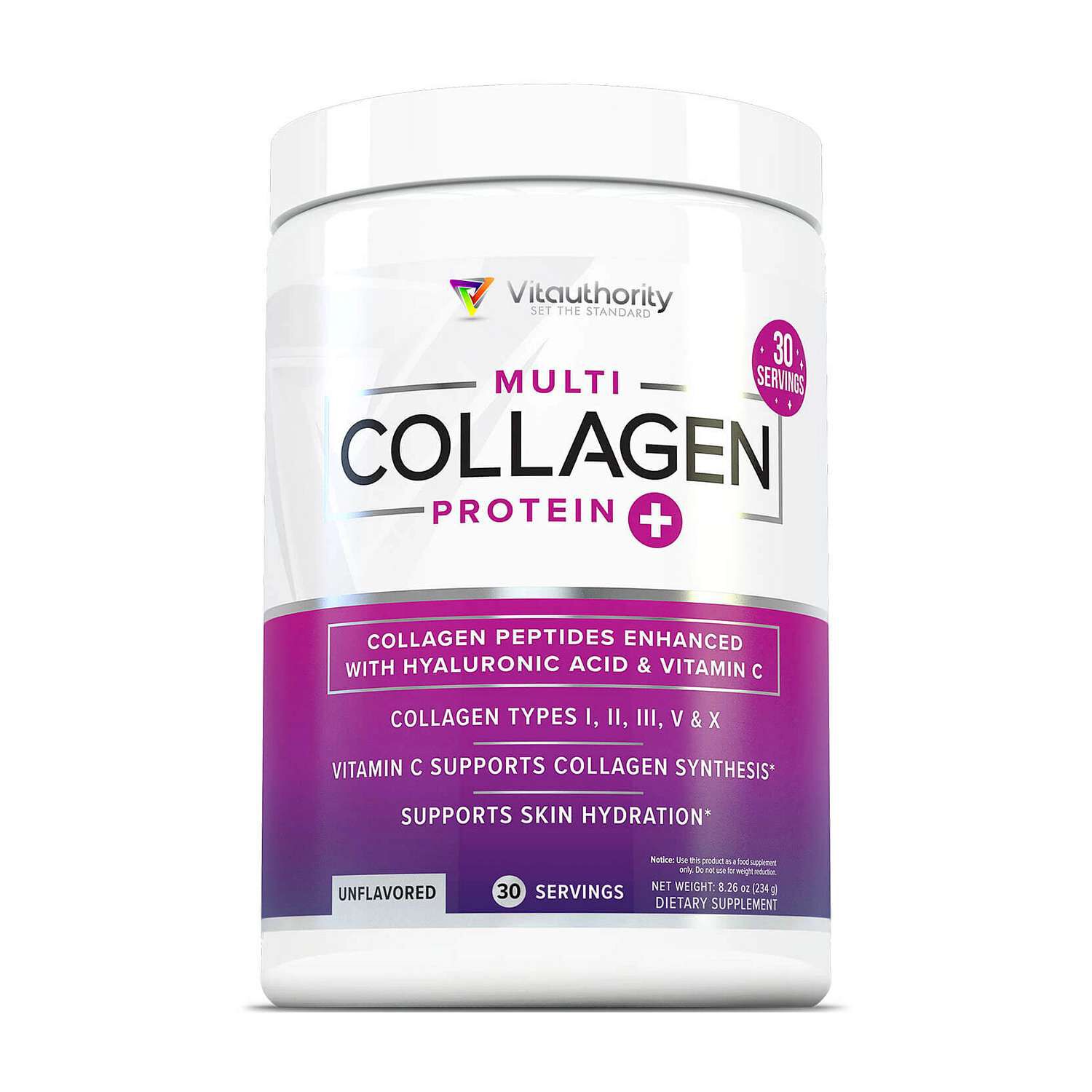
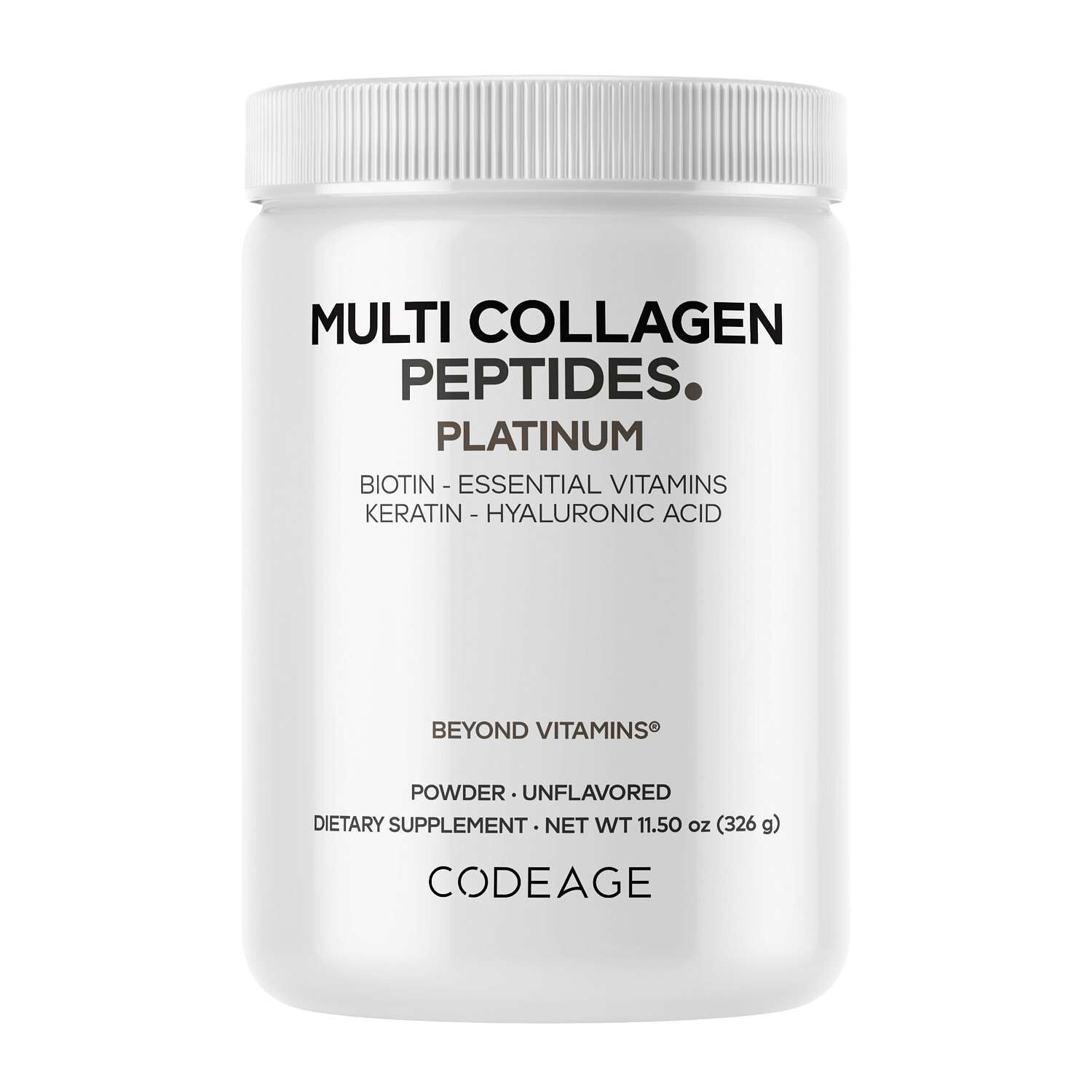

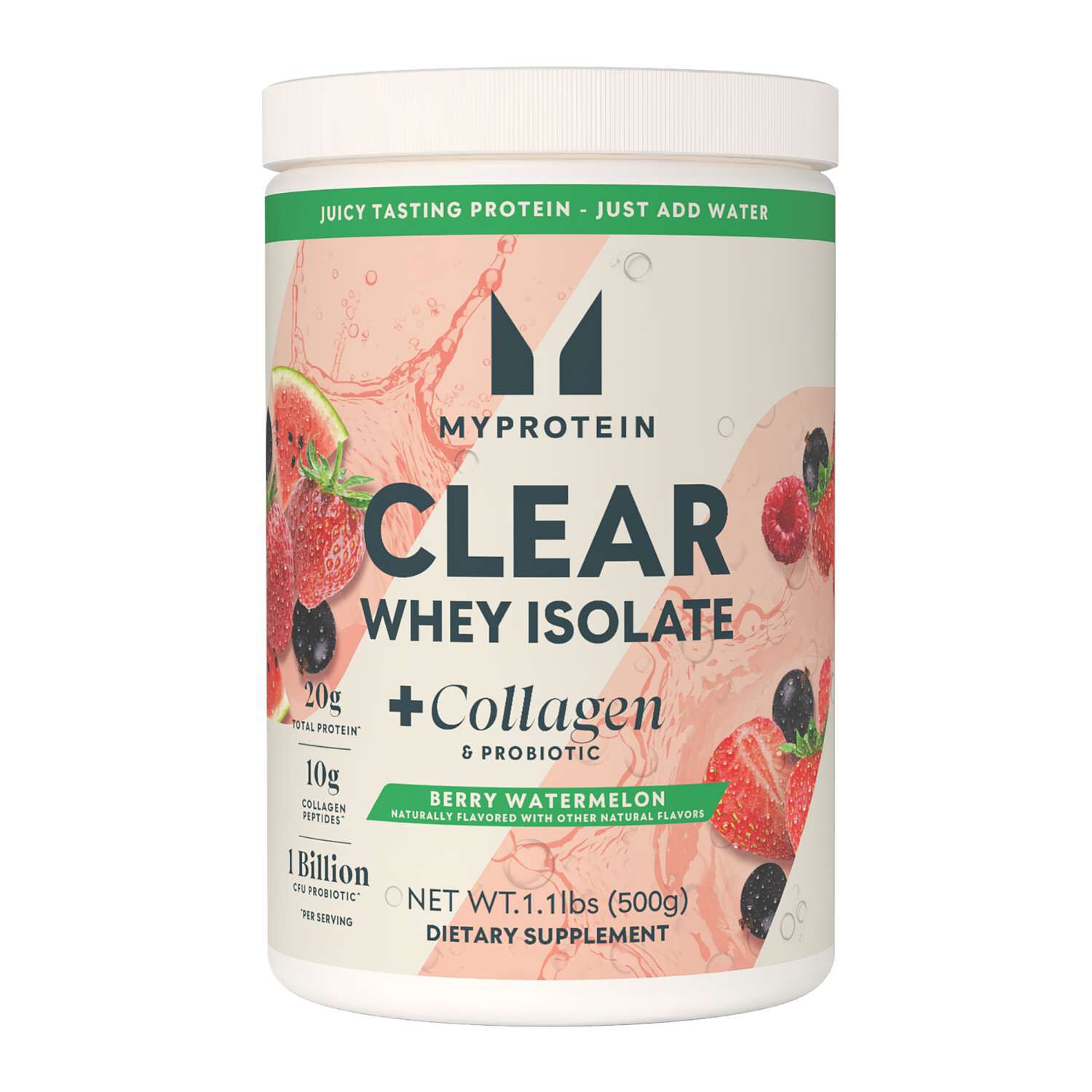
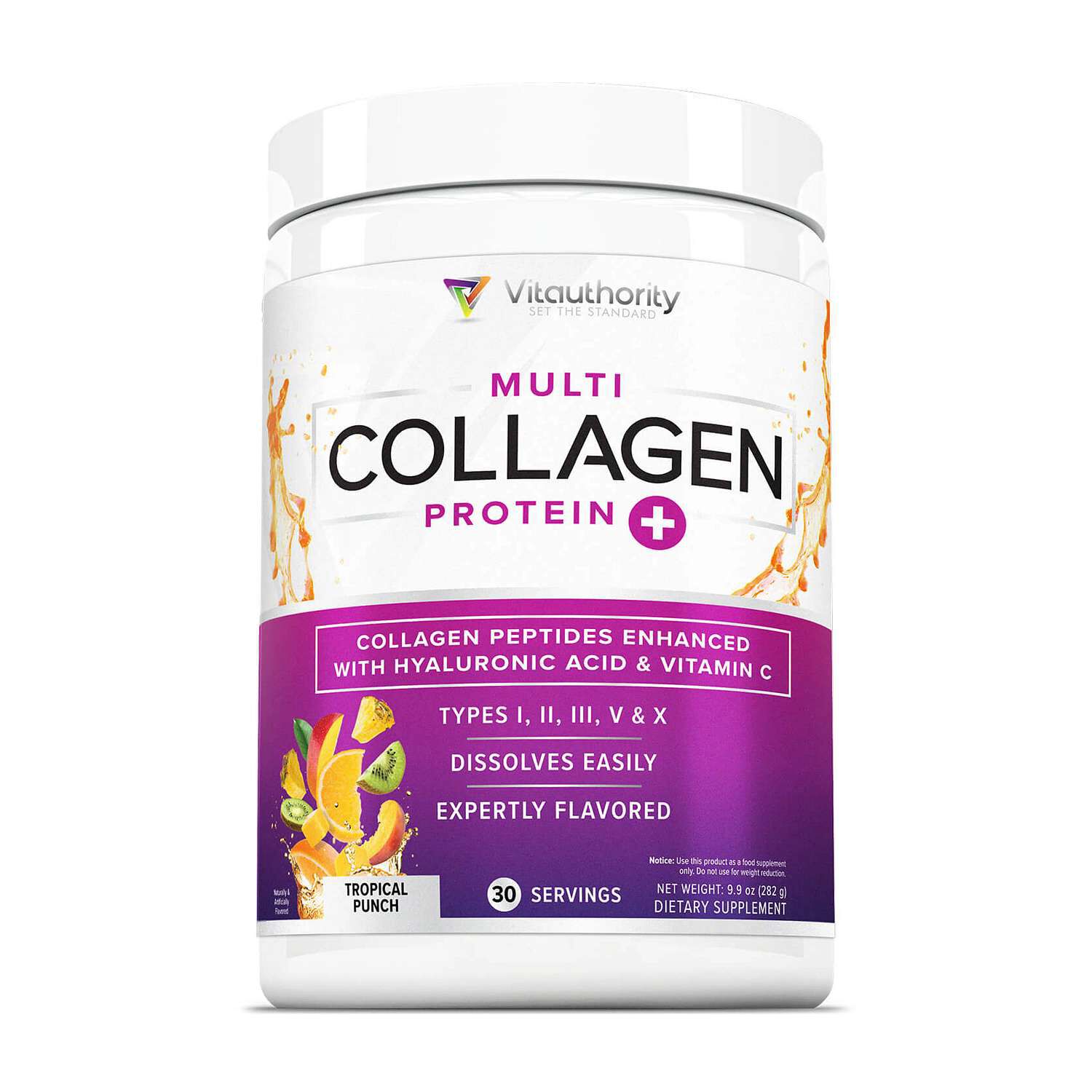
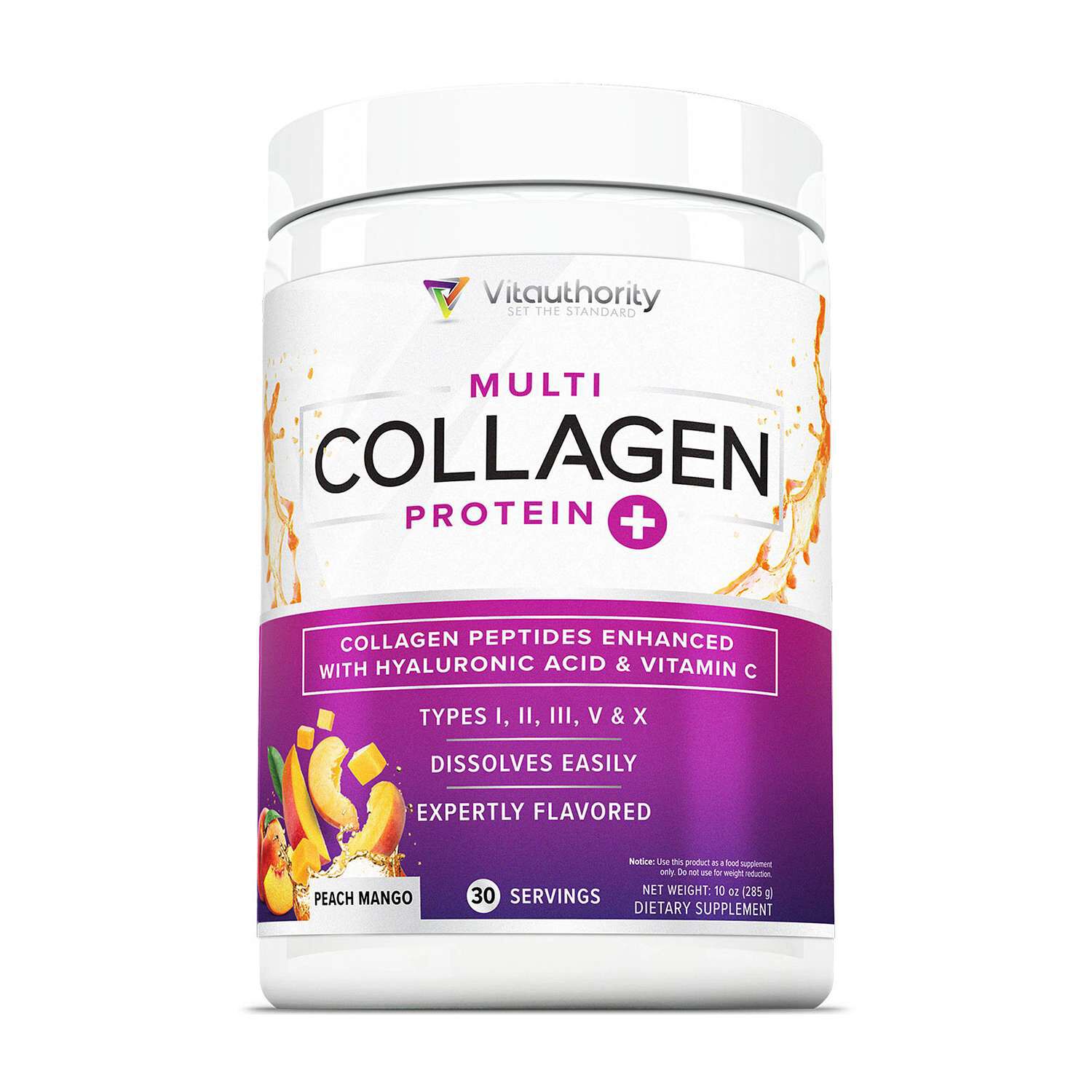

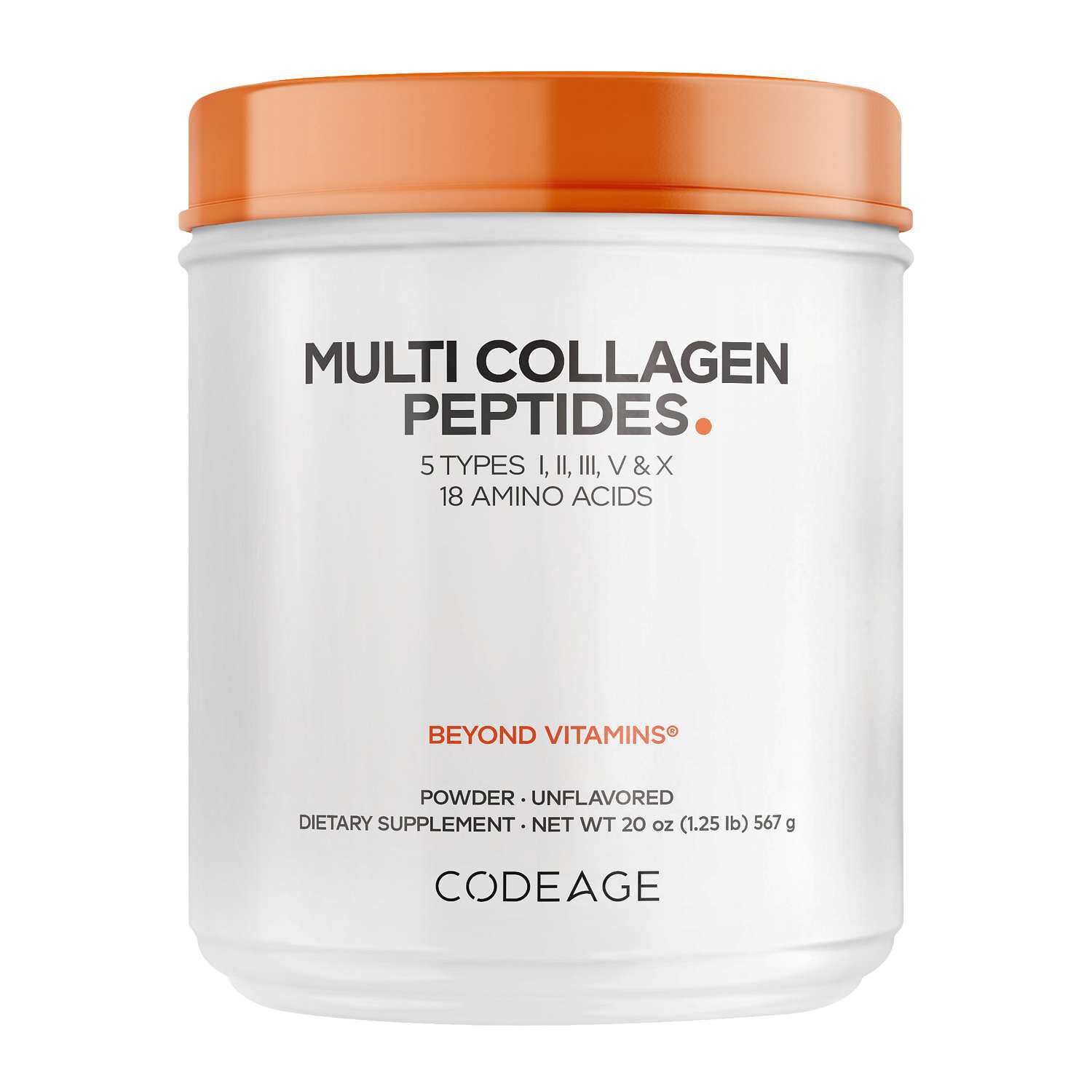


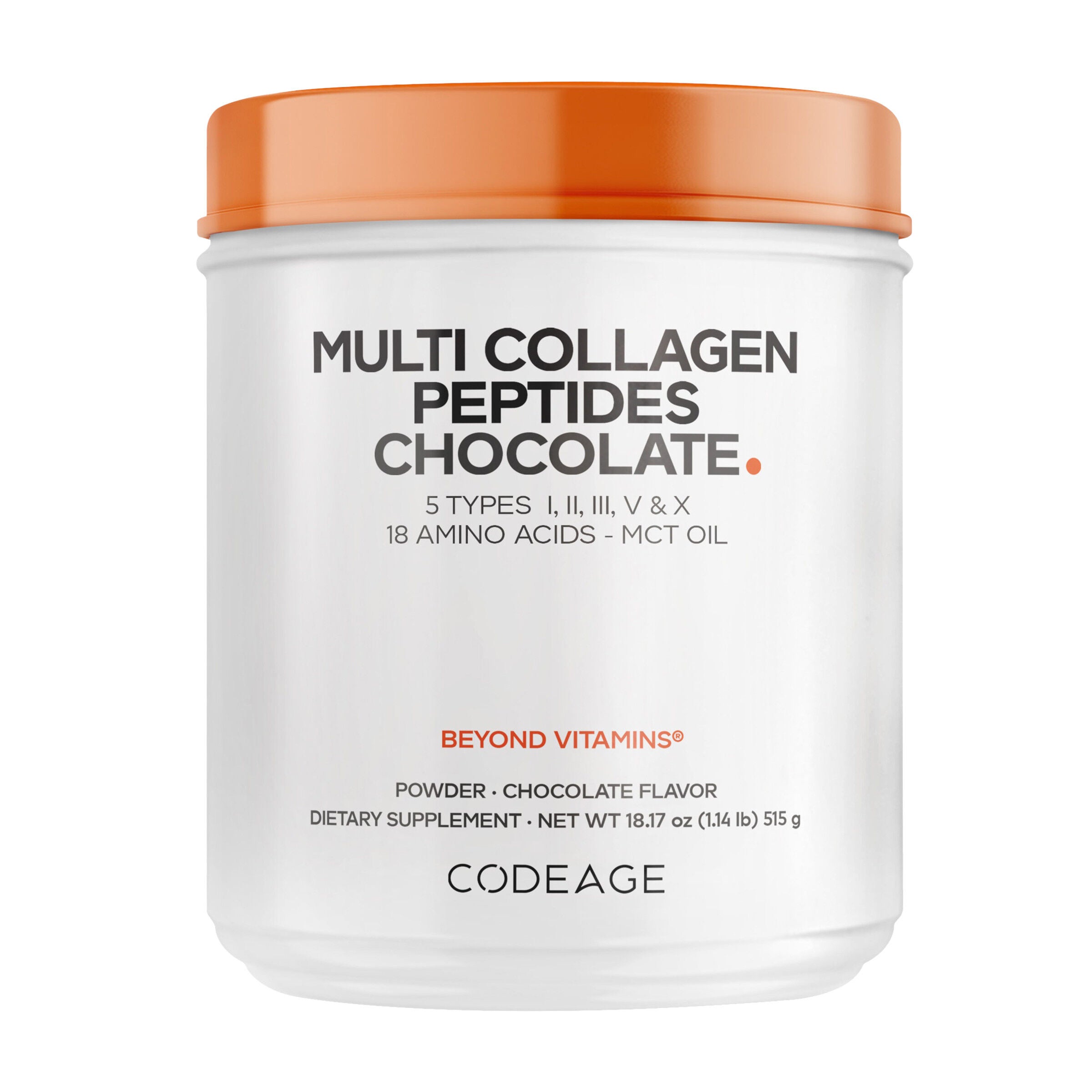

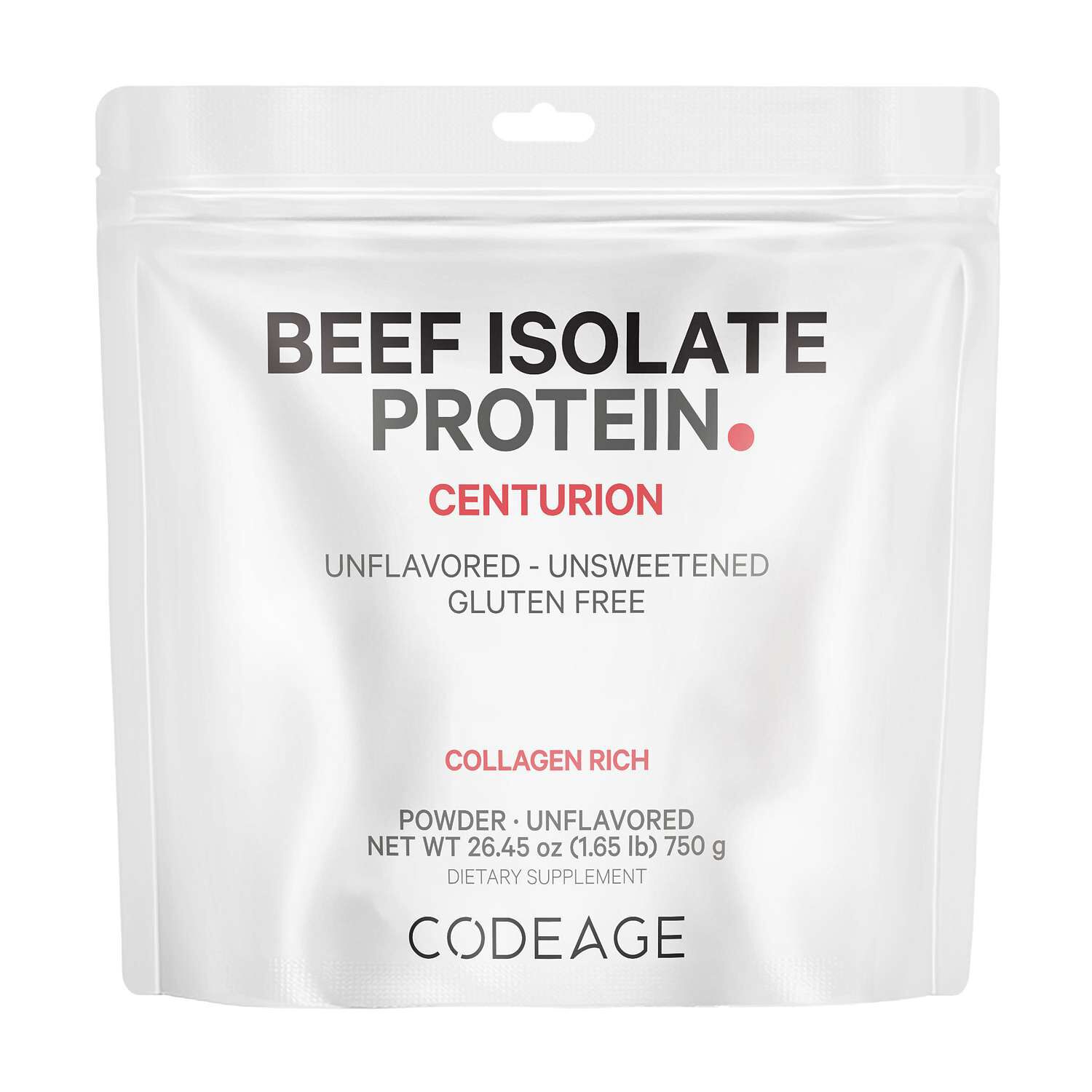
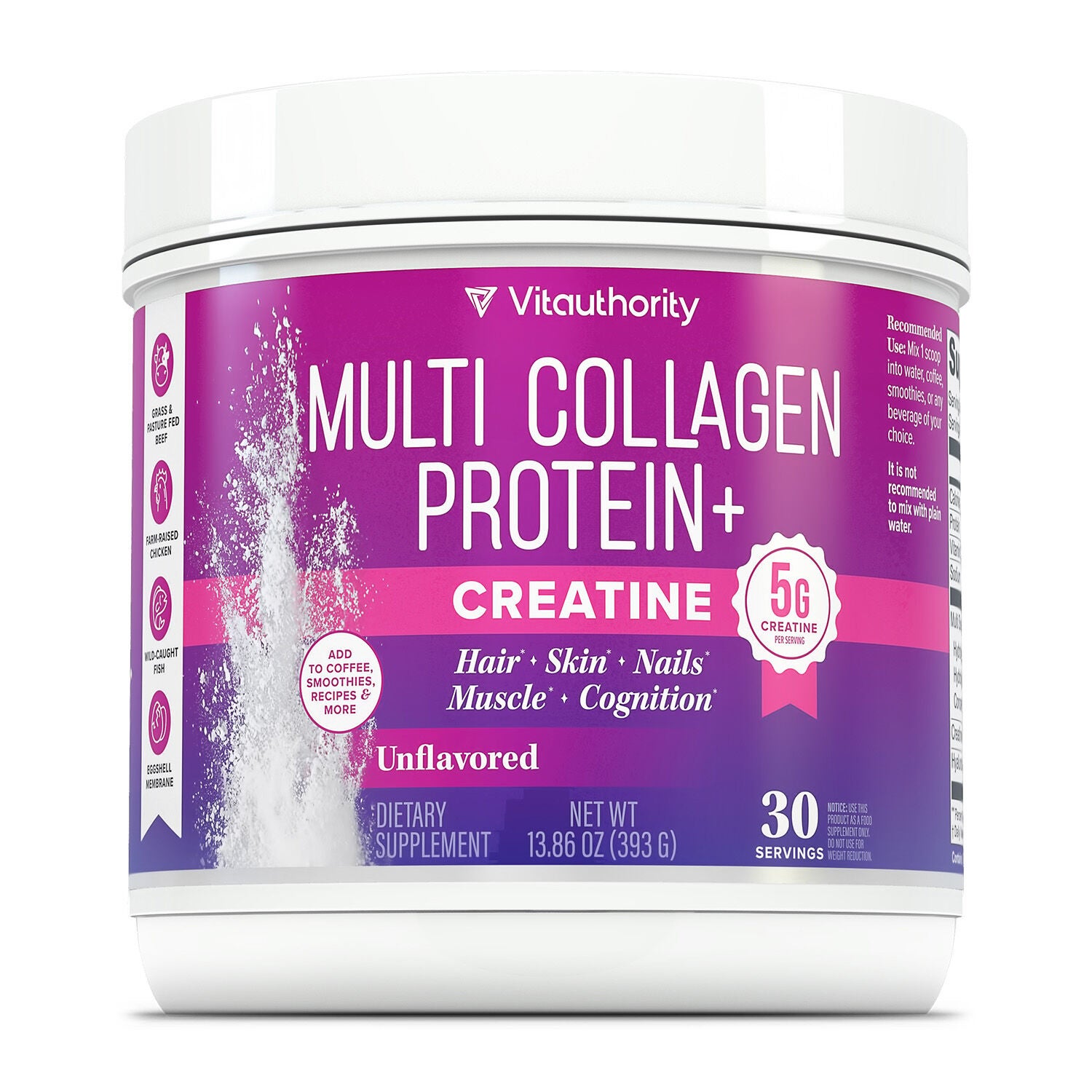
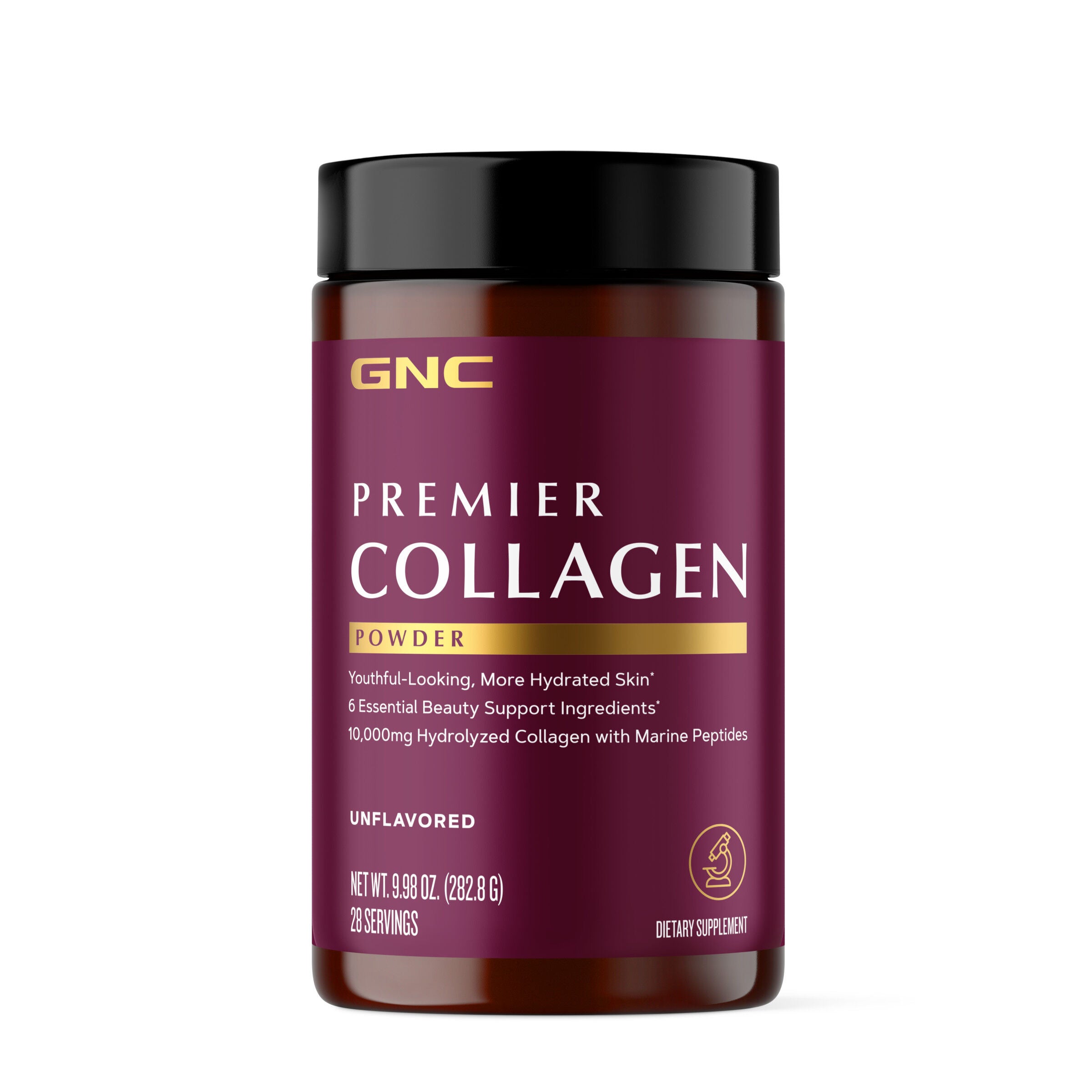
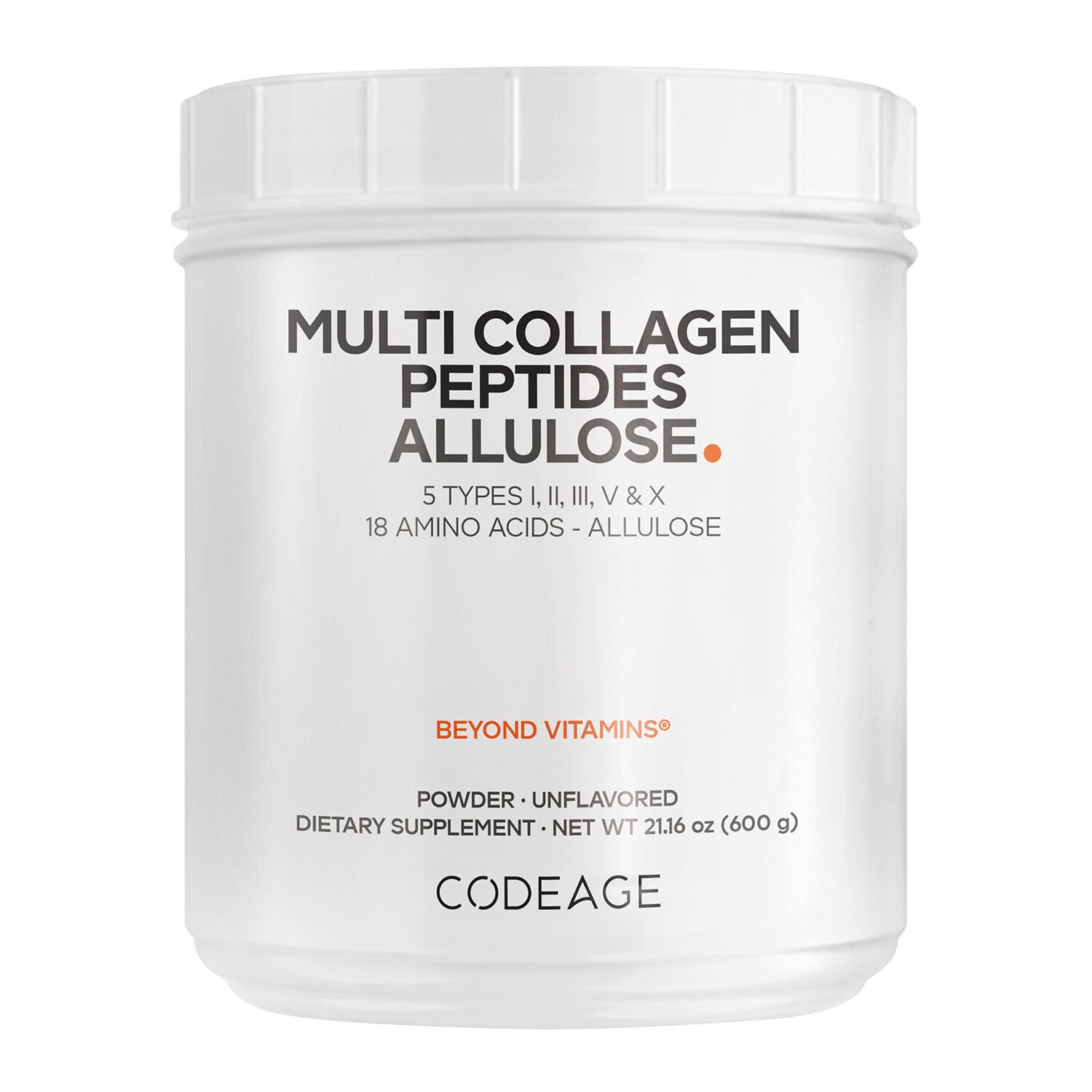

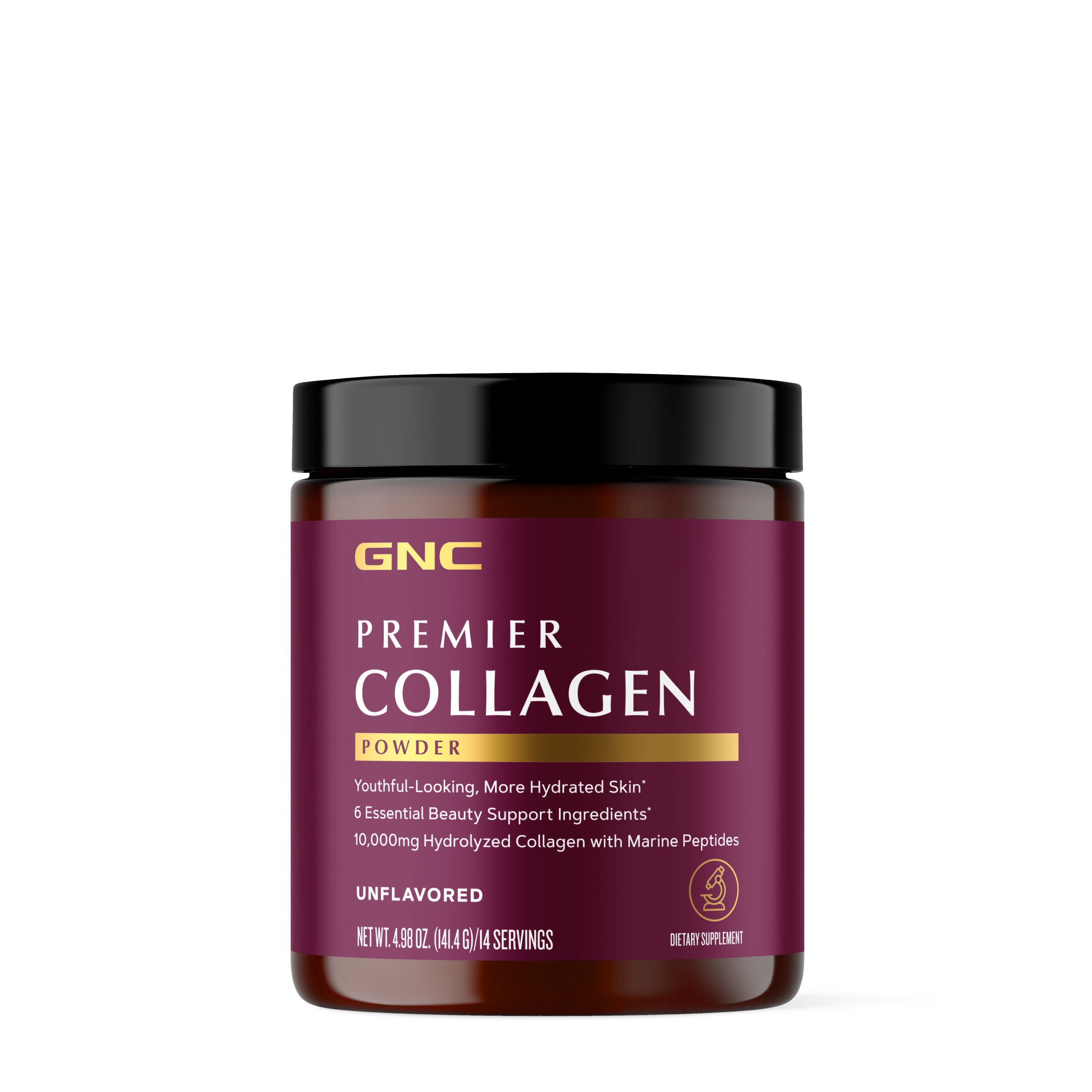
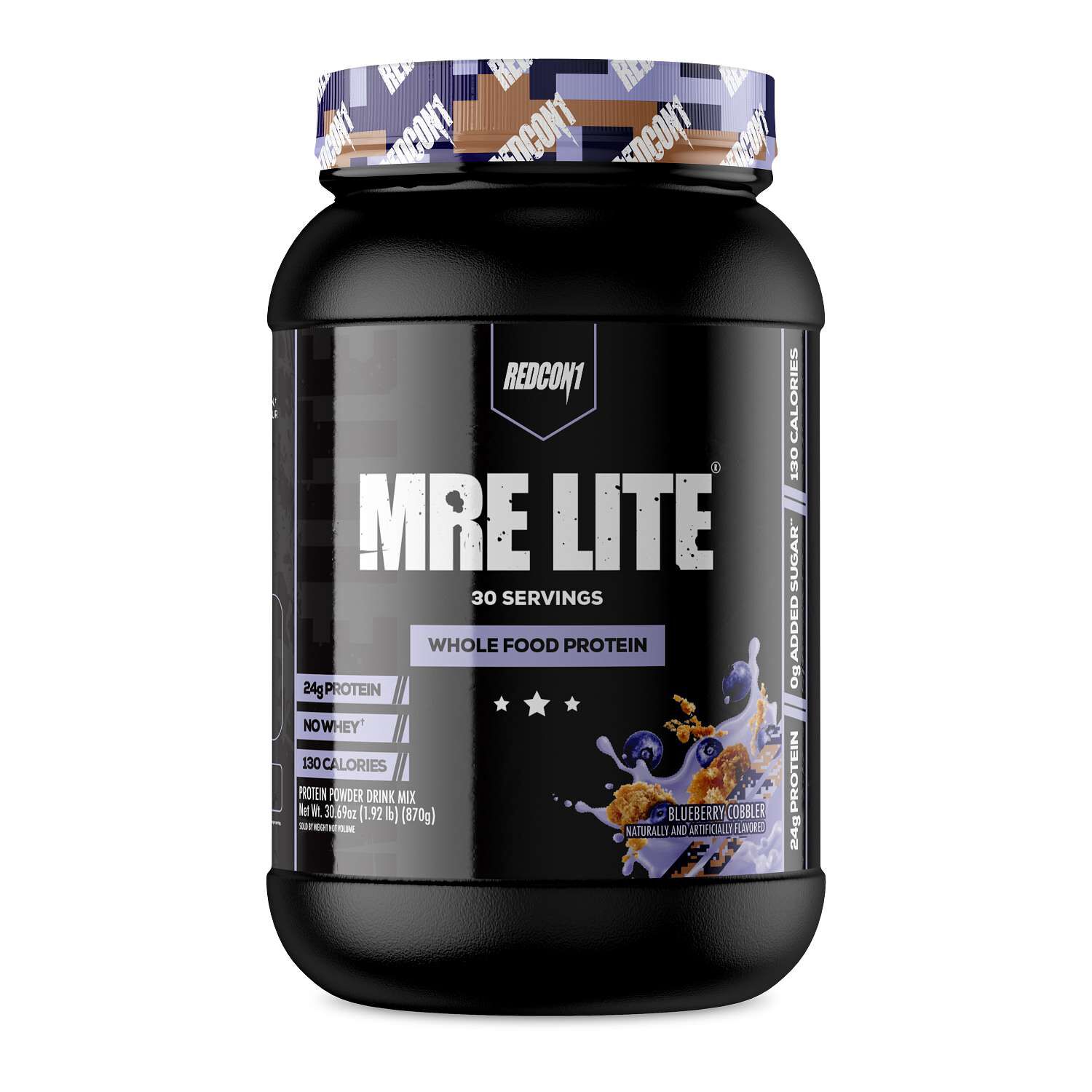
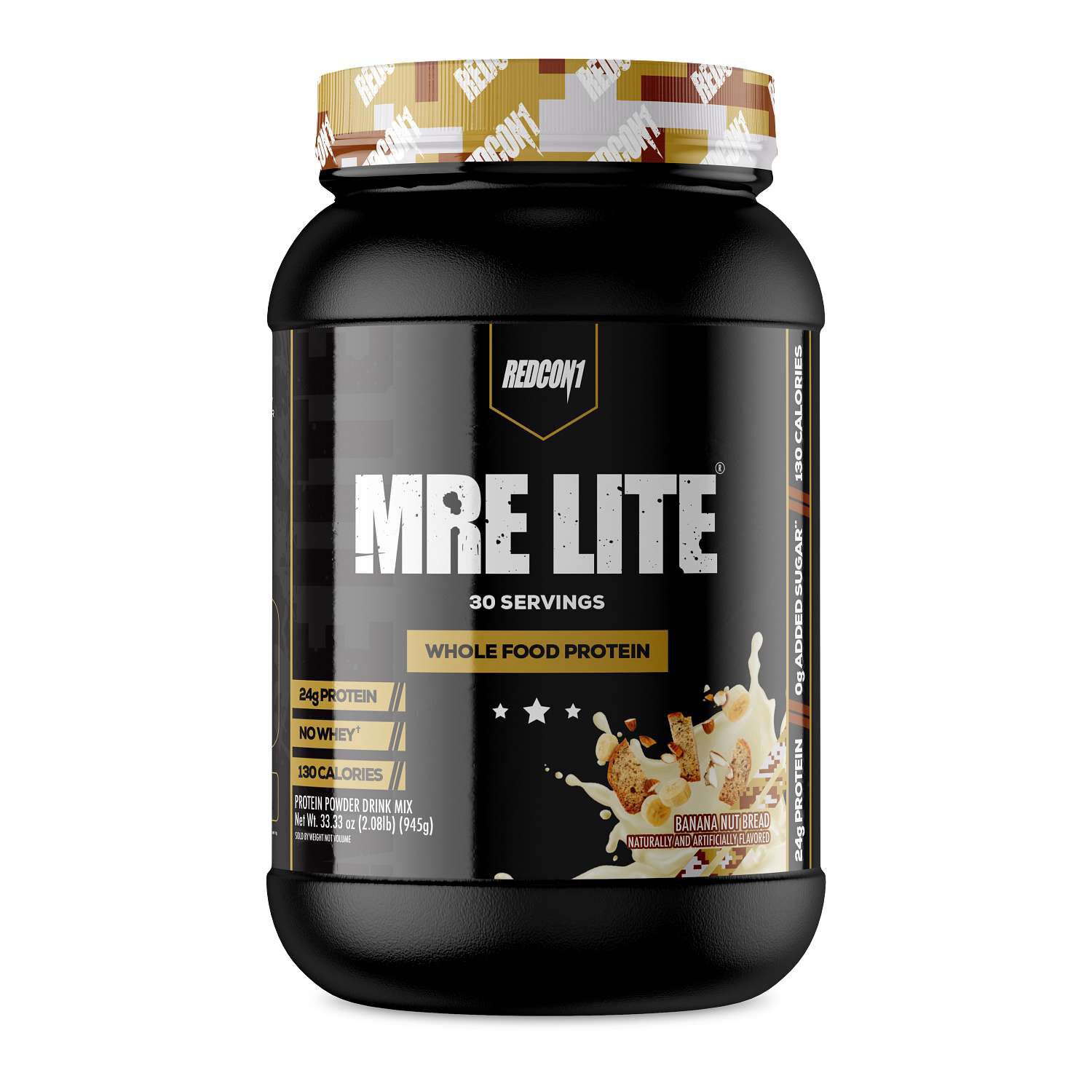
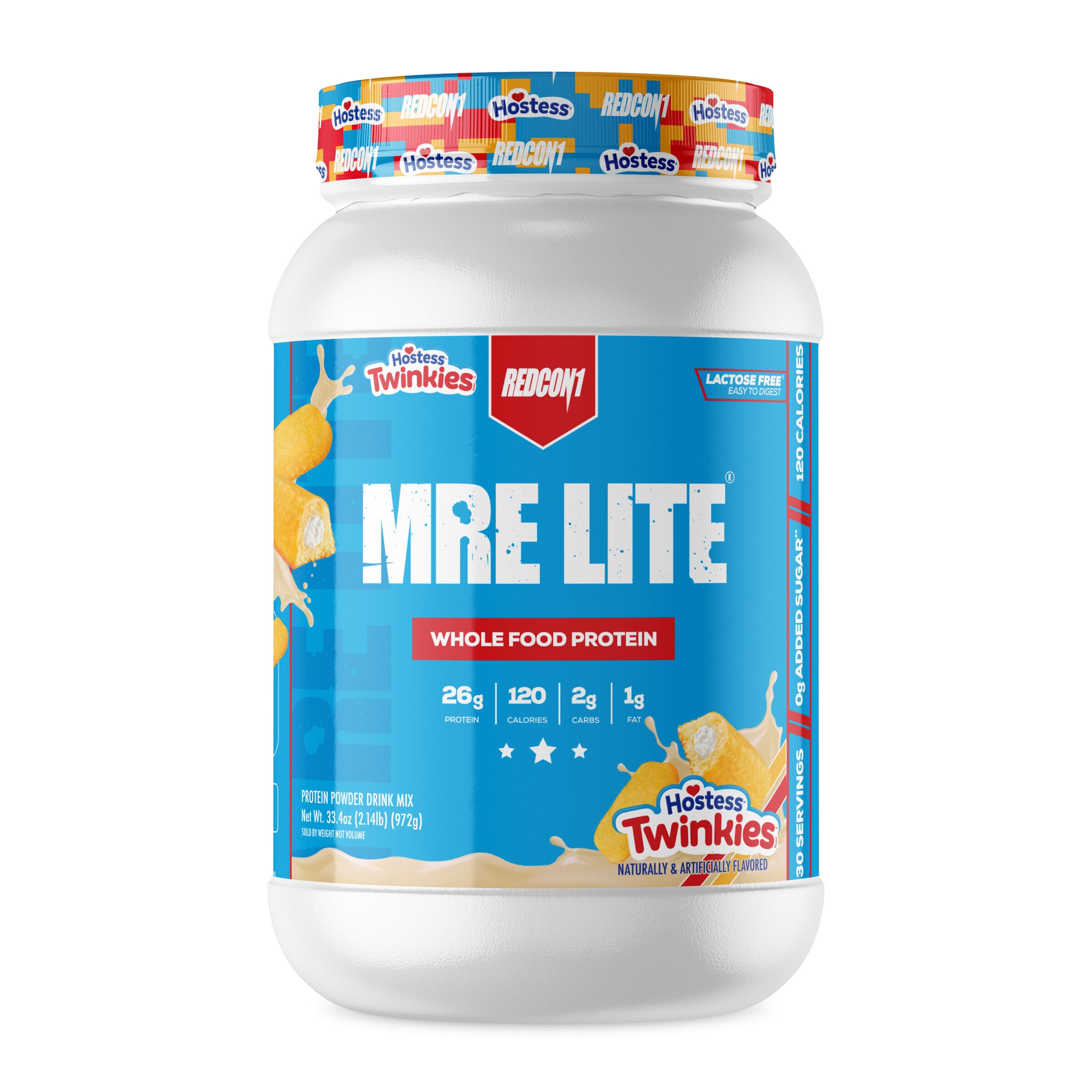

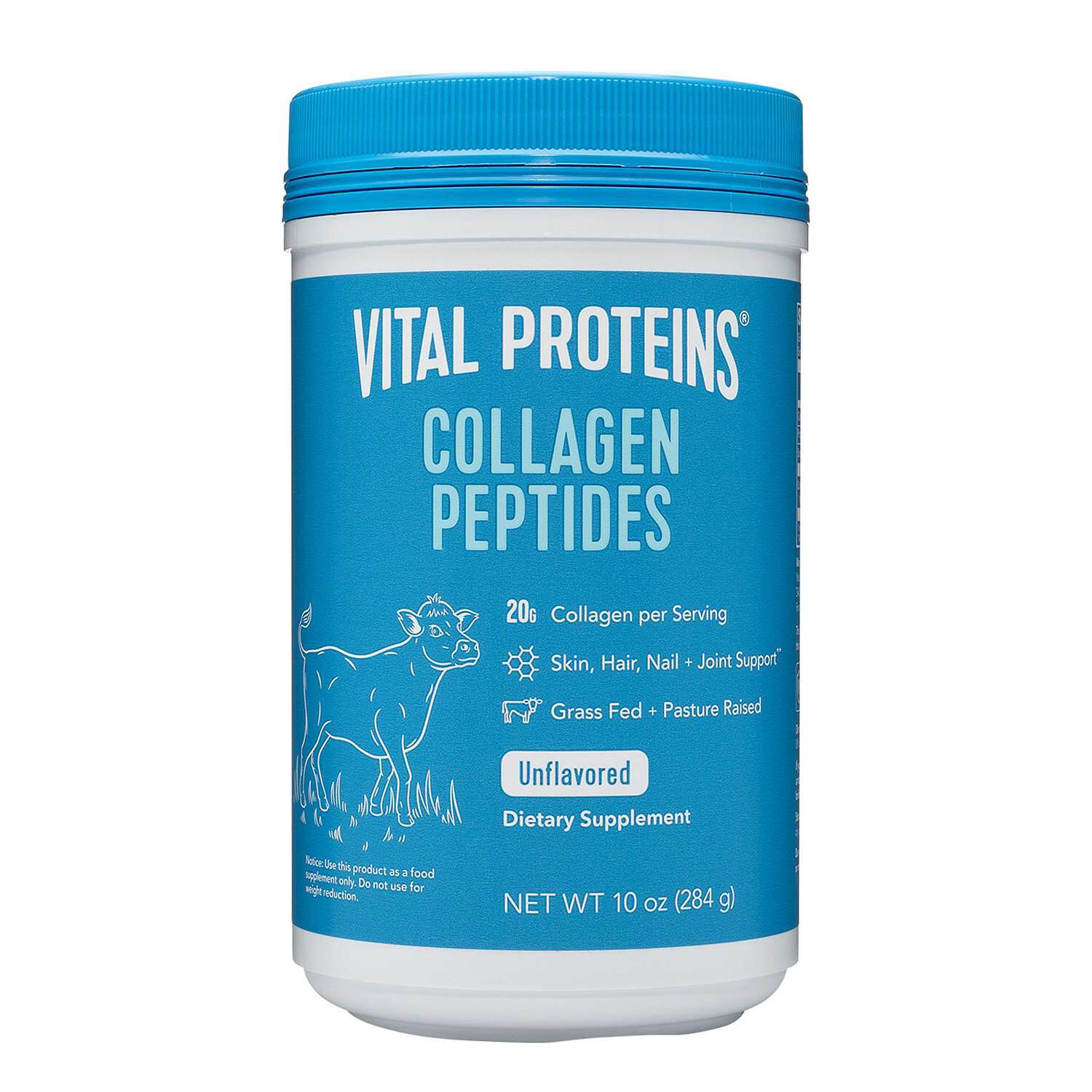
Collagen protein powders for healthy snacks bring an animal-derived protein ingredient to familiar foods such as yogurt bowls, fruit smoothies, overnight oats, and homemade oat bites. Collagen is a structural protein found in animal connective tissues, and many powdered formats contain hydrolyzed collagen, also called collagen peptides. Hydrolysis breaks the protein into smaller pieces during processing; the resulting powder is intended for mixing into foods or beverages according to its label directions. Common sources include bovine collagen from cattle and marine collagen from fish, while some blends include collagen from chicken or eggshell membrane. Bovine formulas often identify Types I and III, and marine formulas commonly identify Type I. These descriptions provide background on the ingredient, but they do not replace a closer look at the serving size, protein amount, flavor, and other ingredients. A formula containing several collagen types is not automatically a better match for a particular snack than a simpler formula. For everyday food preparation, the distinction between unflavored and flavored powder may be more noticeable. Unflavored options could suit savory dips, plain yogurt, or fruit-based combinations, although unflavored does not necessarily mean tasteless. Vanilla and chocolate options may work with cocoa, nut butter, bananas, or oats, depending on their sweetness and other ingredients. Some formulas contain only collagen peptides; others also contain sweeteners, flavorings, vitamins, minerals, or additional ingredients. Nutrition Facts and ingredient lists provide a clearer comparison than scoop size alone, since serving weights and protein amounts differ. Animal sources also matter for eating preferences and ingredient sensitivities. Collagen powders are not vegan or vegetarian, and fish, egg, milk, or other ingredients may be relevant when reviewing a particular formula. Collagen also has a different amino acid profile from proteins such as whey, egg, or soy. In a varied snack routine, it may serve as one protein ingredient alongside foods chosen for their own flavor, texture, and nutritional composition, rather than as a universal replacement for other protein sources.
The most appealing snack pairings give collagen powder a supporting role rather than asking it to carry the entire recipe. A bowl of plain yogurt with sliced strawberries, toasted oats, and almond butter already has contrasting textures and flavors; an unflavored collagen powder may fit into that base without requiring a separate drink. A vanilla formula could complement mashed banana and cinnamon in overnight oats, while chocolate collagen powder may pair with peanut butter and rolled oats in a no-bake snack mixture. These combinations also illustrate why the surrounding ingredients matter. Fruit contributes its own sweetness, nuts and seeds bring texture, and yogurt or a suitable alternative provides the base that holds everything together. For savory snacks, unflavored peptides may suit hummus, a yogurt-based dip, or mashed avocado served with vegetables and whole-grain crackers. Results depend on the formula, serving amount, moisture, and strength of the other flavors. A powder that seems subtle in a banana smoothie may be more noticeable in a delicate cucumber dip. Thick mixtures may also need a different approach from drinks: a small amount of the recipe’s liquid could help distribute the powder before it joins the rest of the ingredients. Label directions remain the reference for intended preparation and serving amounts. In homemade oat bites, the balance among nut butter, oats, liquid, and powder may affect whether the mixture holds together or feels dry. Collagen powder is not flour, and replacing flour scoop for scoop may change the texture of muffins or other baked snacks. Recipes developed with collagen in mind may offer a more useful starting point than an improvised substitution. Cocoa, cinnamon, citrus zest, or mashed fruit could complement a formula’s flavor, but a heavily sweetened powder may be less suited to a savory recipe. The best culinary fit depends on the snack itself: its portion, moisture, sweetness, and the experience of eating it, not simply the presence of an added powder.
Choosing among collagen powders for snack preparation also involves the practical details that show up after the container reaches the kitchen. A person who regularly prepares several portions of overnight oats may prefer a format with clear measuring directions and an opening that accommodates a dry scoop. Someone who makes an occasional yogurt bowl may place more value on a container that fits neatly beside everyday pantry ingredients. Individually portioned formats may suit packing a measured amount separately from a snack, while larger containers may suit repeated use at home. Packaging format does not determine nutritional suitability, so comparisons still come back to the labeled serving, protein content, ingredients, and intended use. Storage instructions deserve the same attention as flavor descriptions. A tightly closed container, dry utensils, and storage away from moisture are common label considerations; the package’s directions and date markings provide the appropriate reference for each formula. Once powder has been mixed into yogurt, milk, a dip, or another perishable food, the prepared snack needs handling appropriate to that food rather than the dry powder alone. For shared snacks, keeping the ingredient information accessible may be helpful when someone needs to check the collagen source or added ingredients. Those who prefer a drinkable snack can also explore Collagen Powders For Protein Shakes for a related format centered on blended beverages. Snack bowls and shakes share many flavor pairings, but their texture expectations differ: a thicker bowl may accommodate spoonable ingredients, while a shake may call for more liquid and closer attention to mixing. Across both formats, a suitable choice is one that matches the foods already enjoyed, the preparation time available, and the label details that matter to the person eating it. Collagen powder may have a place in a thoughtfully assembled snack, with fruit, grains, dairy or suitable alternatives, nuts, and seeds providing plenty of room for variety.
Best Sellers
-
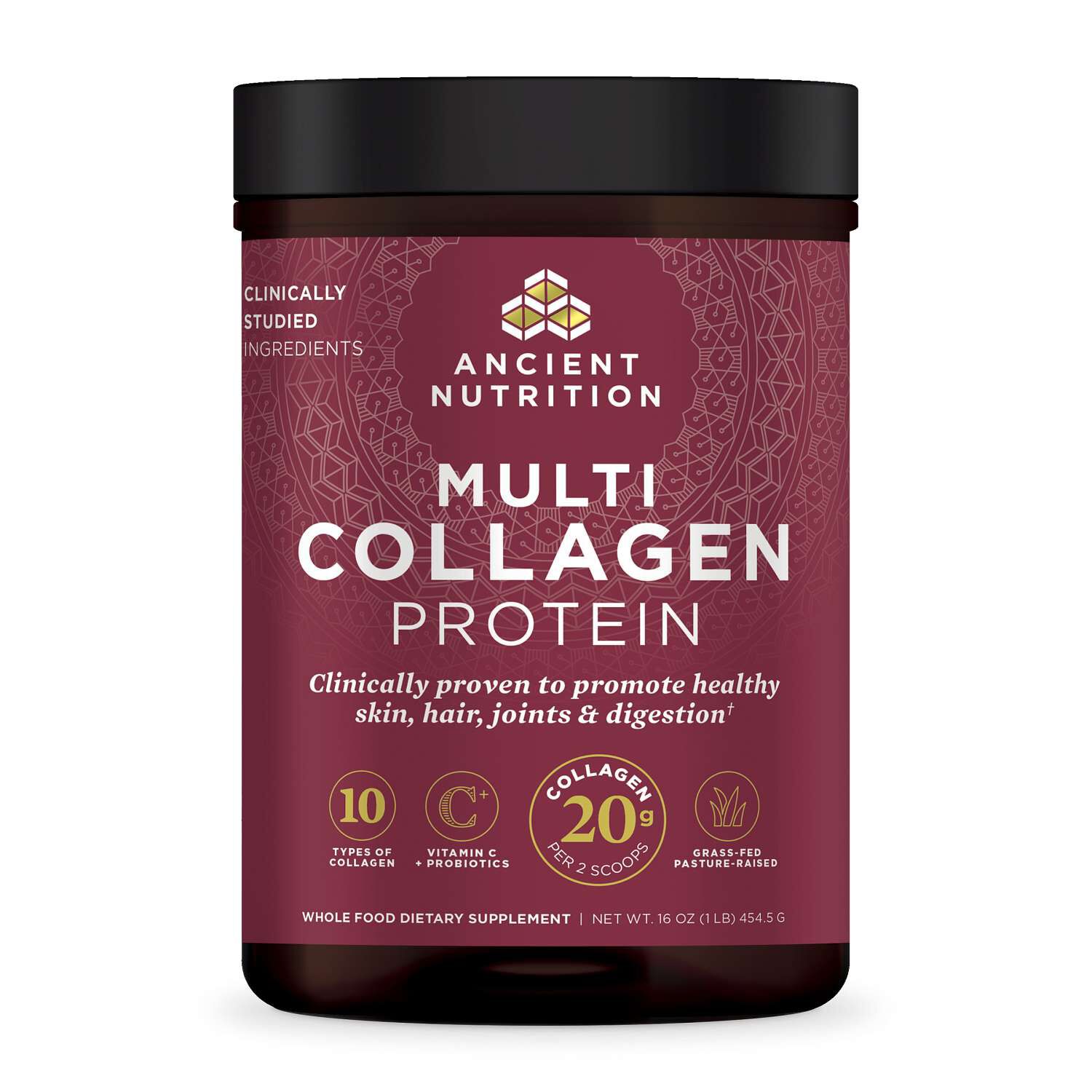 Ancient Nutrition
-
 Vital Proteins
Related Pages

Top Collections
- Daily Collagen Supplements | Top Brands & Deals | GNC
- Natural Collagen Supplements | Top Brands & Deals | GNC
- Top Rated Collagen | Shop Customer Favorites | GNC
- Cortisol Supplements
- Vitamins For Hair Loss
- Spirulina Tablets
- NAD+ Supplement Tablets
- Peptide Supplements
- Best Brand of Magnesium Glycinate
- Vitamins That Help Support Weight Gain