Concentrated Proteins
(0 Results)
Concentrated proteins offer a convenient way to support your nutrition goals, whether you’re looking to complement an active lifestyle or simply add more protein to your daily routine. With a variety of options available, concentrated proteins may fit seamlessly into shakes, smoothies, or recipes. Explore different forms and flavors that could help you find the right match for your preferences and wellness journey.




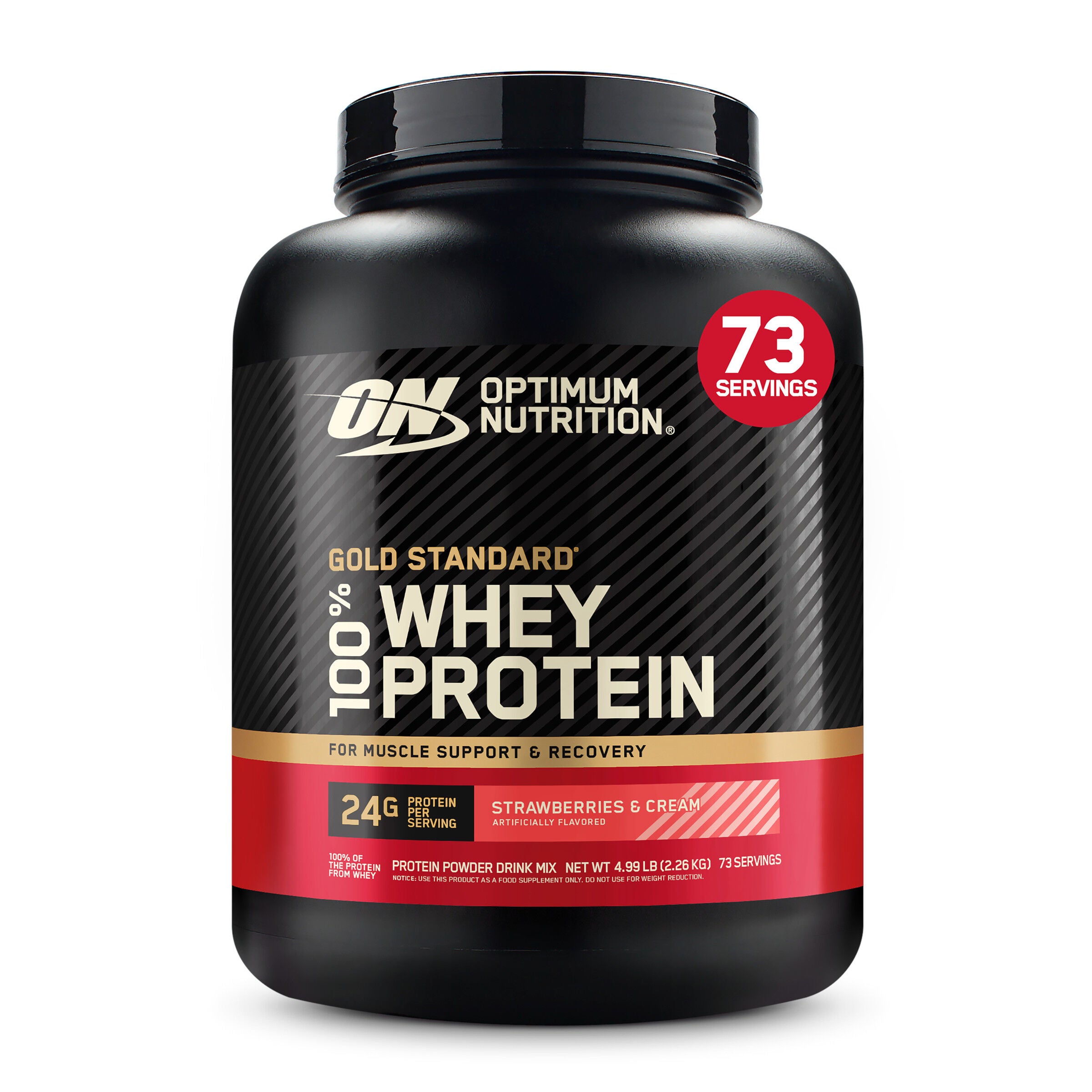

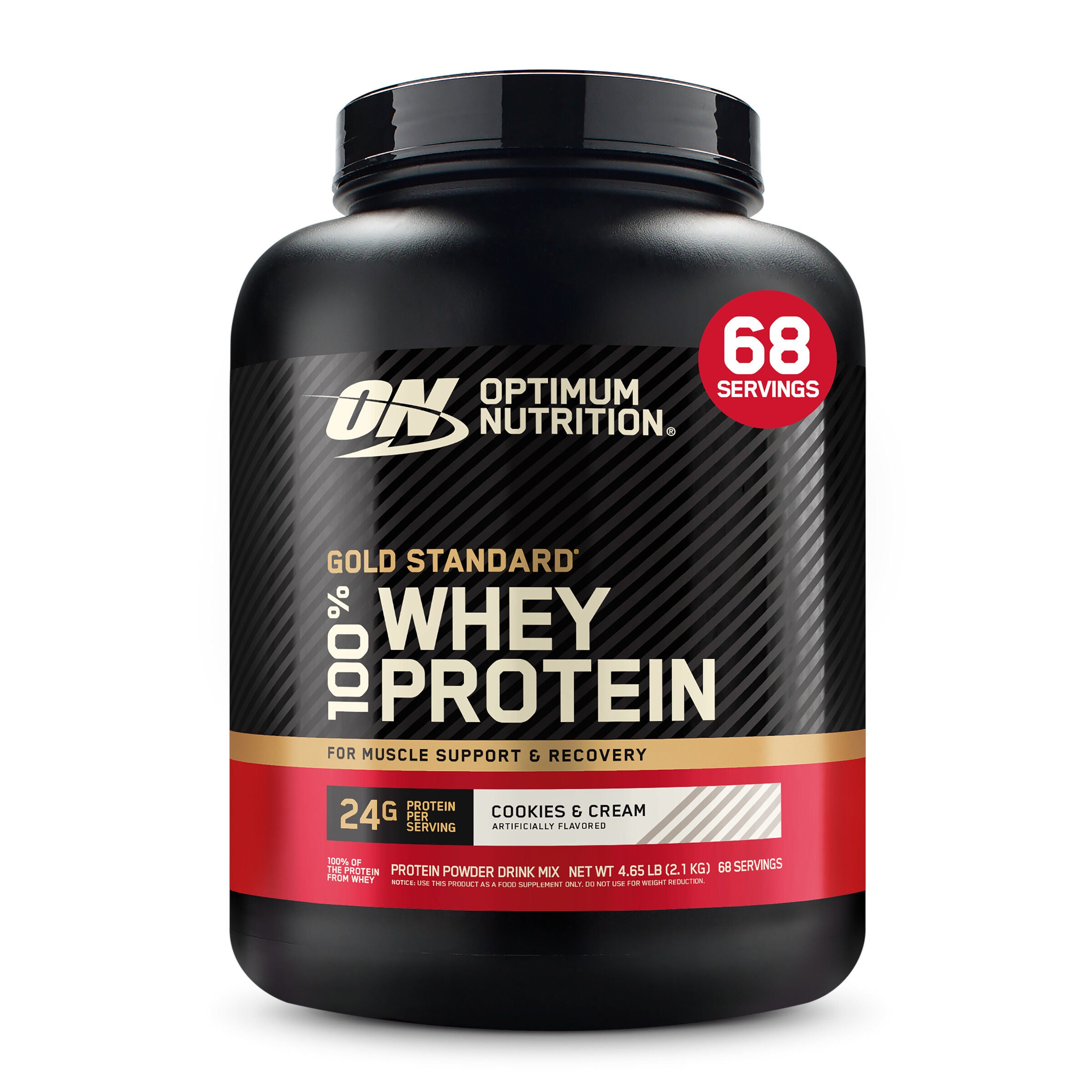

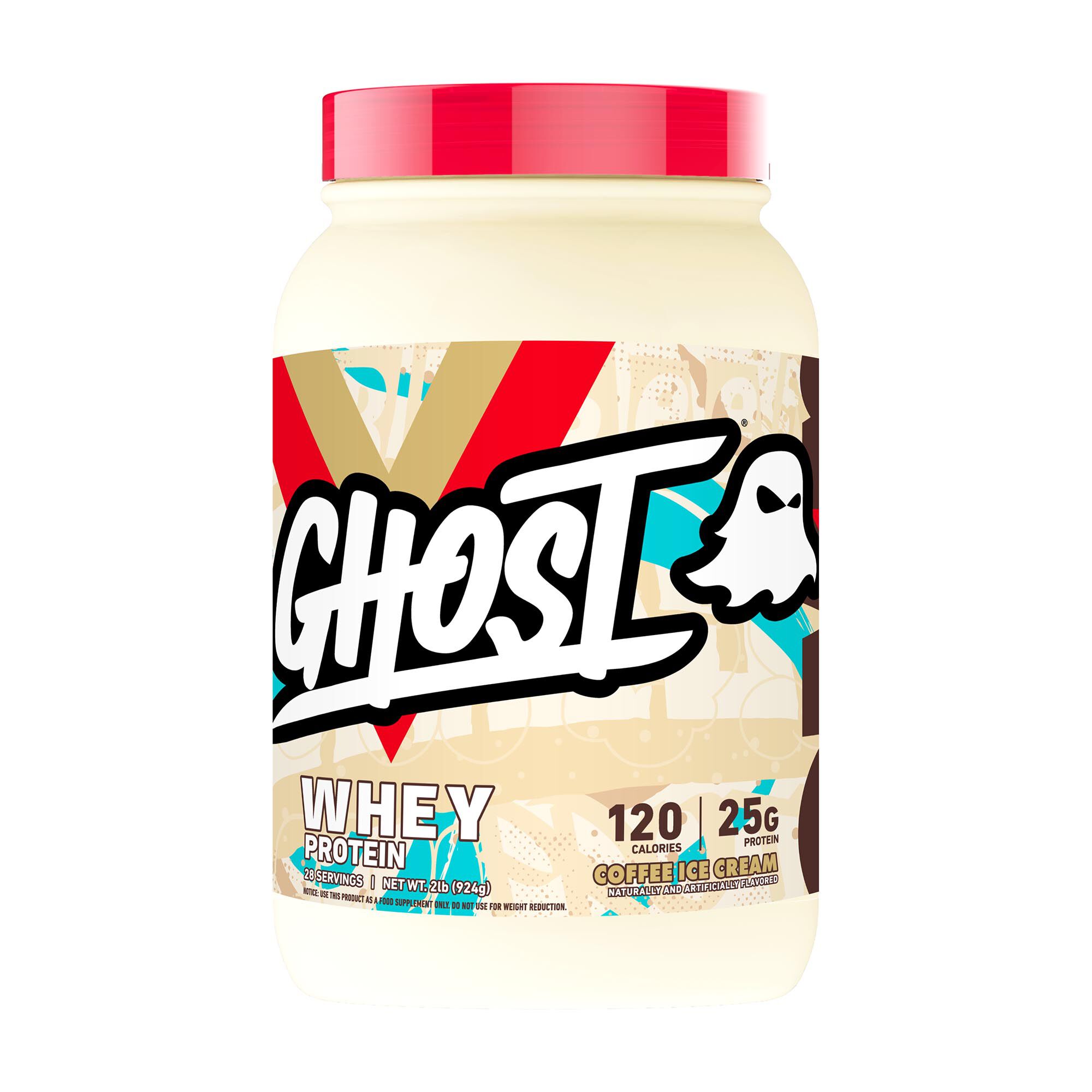
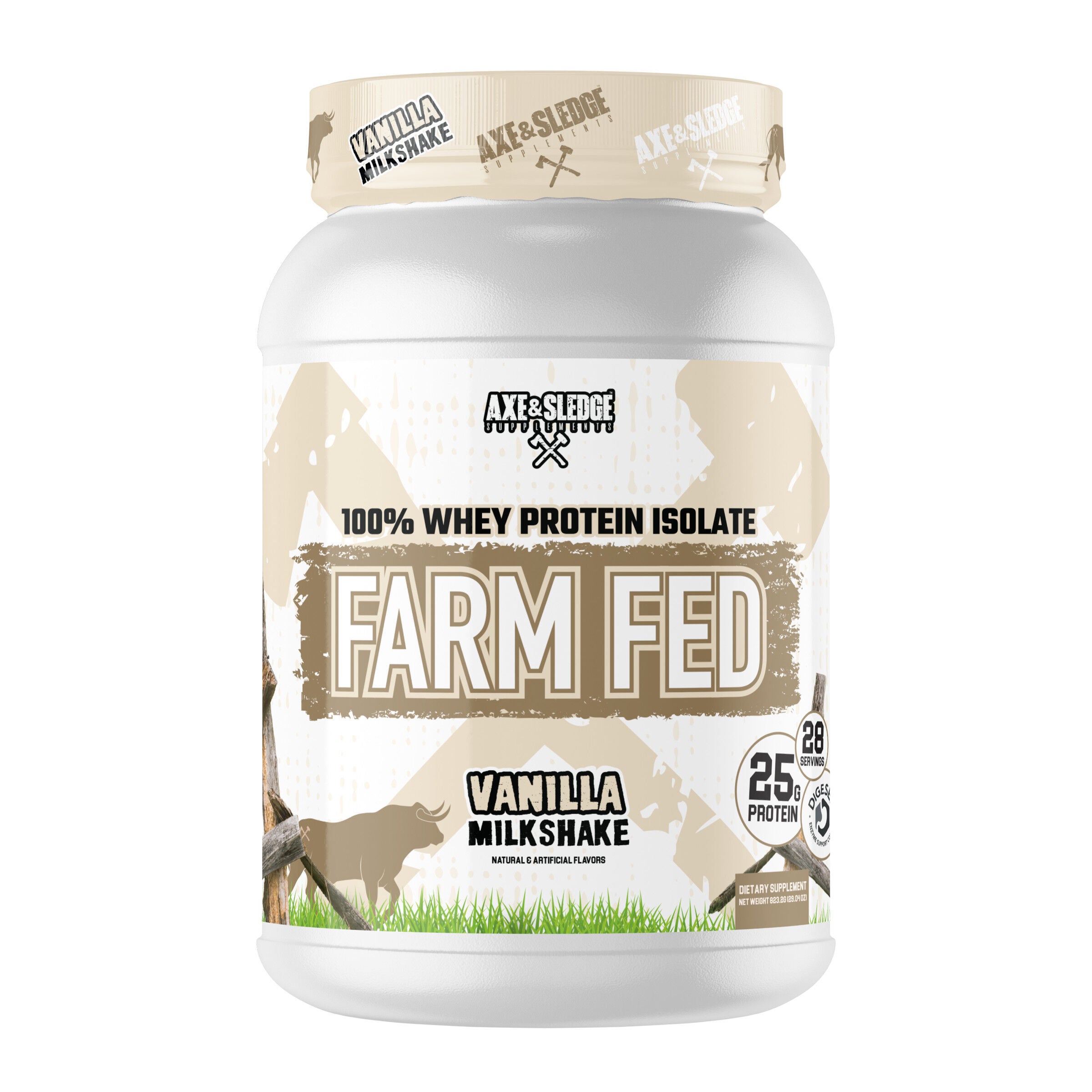


Concentrated proteins are protein-rich ingredients made by separating some of the nonprotein components from a food source, then processing the remaining material into a form used in powders and other nutritional supplements. Whey protein concentrate is a familiar example, although protein concentrates also come from milk, soy, peas, and other plant sources. Many whey protein concentrate ingredients used in nutritional powders contain about 70% to 80% protein by weight, with the remainder including varying amounts of carbohydrates, fats, moisture, and minerals. The exact composition depends on the source and processing method, so that range does not describe every concentrate. It also refers to the concentrate ingredient rather than necessarily the finished flavored powder, which may include cocoa, flavorings, sweeteners, or other ingredients. Whey begins as a liquid portion of milk separated during cheese production. Filtration removes some water and nonprotein material, and drying turns the concentrated liquid into powder. Plant-based concentrates follow different processing paths suited to their starting ingredients. Compared with concentrates, protein isolates undergo additional separation to achieve a higher proportion of protein; many isolate ingredients contain about 90% protein or more by weight. Concentrates generally retain more of the original source’s carbohydrates and fats, and whey concentrate typically retains some lactose. Those differences matter when comparing protein per serving, ingredient lists, flavor, and texture, but the words concentrate and isolate alone do not describe everything in a finished formula. A powder containing both types, for example, has a nutritional profile determined by the entire recipe. Concentrated protein powders range from straightforward, lightly flavored formulas to richer blends intended for shakes and kitchen use. Their place in an everyday routine depends as much on preparation preferences as on the protein source. A shaker mixed between appointments, a smoothie blended at home, and a bowl of oatmeal each call for a slightly different balance of flavor, consistency, and convenience. Understanding those distinctions gives concentrated proteins useful context beyond the number printed beside protein on the label.
For active adults, recreational athletes, and people balancing meals with busy schedules, concentrated proteins may offer a convenient way to add dietary protein without preparing another protein-centered dish. As part of an eating pattern that includes varied foods and regular physical activity, supplemental protein may help support muscle maintenance. It is not a substitute for the variety supplied by meals containing vegetables, fruit, grains, and other protein sources. The most relevant comparisons begin with the serving size and Nutrition Facts panel. Two powders with similarly sized scoops may provide different amounts of protein, carbohydrates, fat, and added sugar, while a serving measured in grams gives a clearer basis for comparison than scoop size alone. The ingredient list identifies whether a formula uses whey concentrate, milk protein concentrate, a plant concentrate, or a blend. Milk protein concentrate contains both casein and whey, while whey protein concentrate focuses on the whey portion of milk. Whey naturally supplies all nine amino acids that the body must obtain through food; plant formulas differ in their amino acid proportions, and some combine sources such as pea and rice. Dietary preferences also shape the choice. Someone who avoids animal-derived ingredients will look for plant-based sources, while a shopper avoiding milk needs to review both the protein source and allergen statement. Because whey concentrate contains lactose, it should not be assumed to have the same lactose content as a more extensively filtered whey ingredient. Flavor deserves similar attention: a chocolate powder may suit a shake made with milk, while an unflavored option may fit a broader range of recipes. Sweetener type, cocoa content, and added thickeners contribute to the overall drinking experience. A commuter who mixes a shake by hand may prioritize straightforward preparation, whereas someone using a countertop blender may prefer a thicker mixture with fruit or yogurt. For a gift intended for an established protein-powder user, familiar flavors and known dietary preferences are more useful starting points than unfamiliar ingredients or an unusually large container.
Everyday use is where texture, packaging, and preparation become especially noticeable. A concentrated protein powder may produce a different consistency in water than in milk or a plant-based beverage, and the amount of liquid influences whether the result pours easily or resembles a thicker smoothie. A shaker bottle provides a portable mixing option, while a blender is suited to recipes containing fruit, oats, yogurt, or nut butter. Adding liquid before powder often leaves less dry material pressed into the bottom of a mixing container, although preparation directions vary by formula. Some powders disperse readily with a few shakes; others benefit from longer mixing or a brief pause before another shake. Foam, settling, and small clumps are physical characteristics to consider alongside taste rather than a reason to assume that two protein sources perform identically. Shoppers drawn to a smooth, rich drinking texture may also explore Creamy Proteins when comparing mouthfeel and flavor preferences. Beyond beverages, concentrated proteins may fit into oatmeal, yogurt bowls, pancake batter, and other everyday recipes. Their flavor and moisture needs vary, so adding powder changes more than the protein content: a vanilla formula brings sweetness and aroma, while an unflavored formula leaves more room for the other ingredients. Baking with protein powder also differs from baking with flour, making recipes developed for that purpose a more reliable starting point than a direct substitution. Package design matters for repeated use, too. A securely closing lid or resealable pouch helps protect dry powder from moisture, while a clean, dry scoop avoids introducing liquid into the container. Label storage directions, serving instructions, and best-by information remain relevant whether the powder stays in a kitchen cabinet or travels in a gym bag. Prepared shakes require different handling from dry powder, particularly when mixed with milk or other perishable ingredients. A practical choice balances protein source, nutrition, flavor, mixing habits, and storage needs, giving concentrated proteins a place in a routine built around foods and preparations the shopper already enjoys.
- Q: What are concentrated proteins?
A: Concentrated proteins are dietary supplements that provide a high amount of protein per serving, typically derived from sources like whey, casein, soy, or plant blends. They are processed to remove some non-protein components, resulting in a product with a higher protein content compared to whole food sources. - Q: How do concentrated proteins differ from protein isolates?
A: Concentrated proteins generally contain around 70-80% protein by weight, with the remainder made up of carbohydrates and fats. Protein isolates undergo further processing to remove more non-protein components, resulting in a higher purity—usually around 90% or more protein by weight. - Q: Who might benefit from using concentrated protein supplements?
A: Concentrated protein supplements can be beneficial for athletes, fitness enthusiasts, individuals looking to increase their daily protein intake, vegetarians or vegans (when plant-based), and those who have difficulty meeting their protein needs through food alone. - Q: Can concentrated proteins be used in recipes other than shakes?
A: Yes, concentrated proteins can be added to various recipes such as smoothies, oatmeal, baked goods, pancakes, and energy bars to increase their protein content without significantly altering flavor or texture. - Q: Are there different types of concentrated proteins available?
A: Yes, there are several types of concentrated proteins available including whey concentrate, casein concentrate, soy concentrate, and plant-based blends. Each type offers unique nutritional profiles and may suit different dietary preferences or restrictions.