DHA Omega 3 Supplements For Seniors
(0 Results)
DHA omega-3 supplements for seniors offer a convenient way to support overall wellness as part of a balanced lifestyle. With age, nutritional needs can change, and adding DHA omega-3 to your daily routine may help address those evolving requirements. Explore a wide selection of DHA omega-3 supplements for seniors and discover options that could fit seamlessly into your health regimen.
-
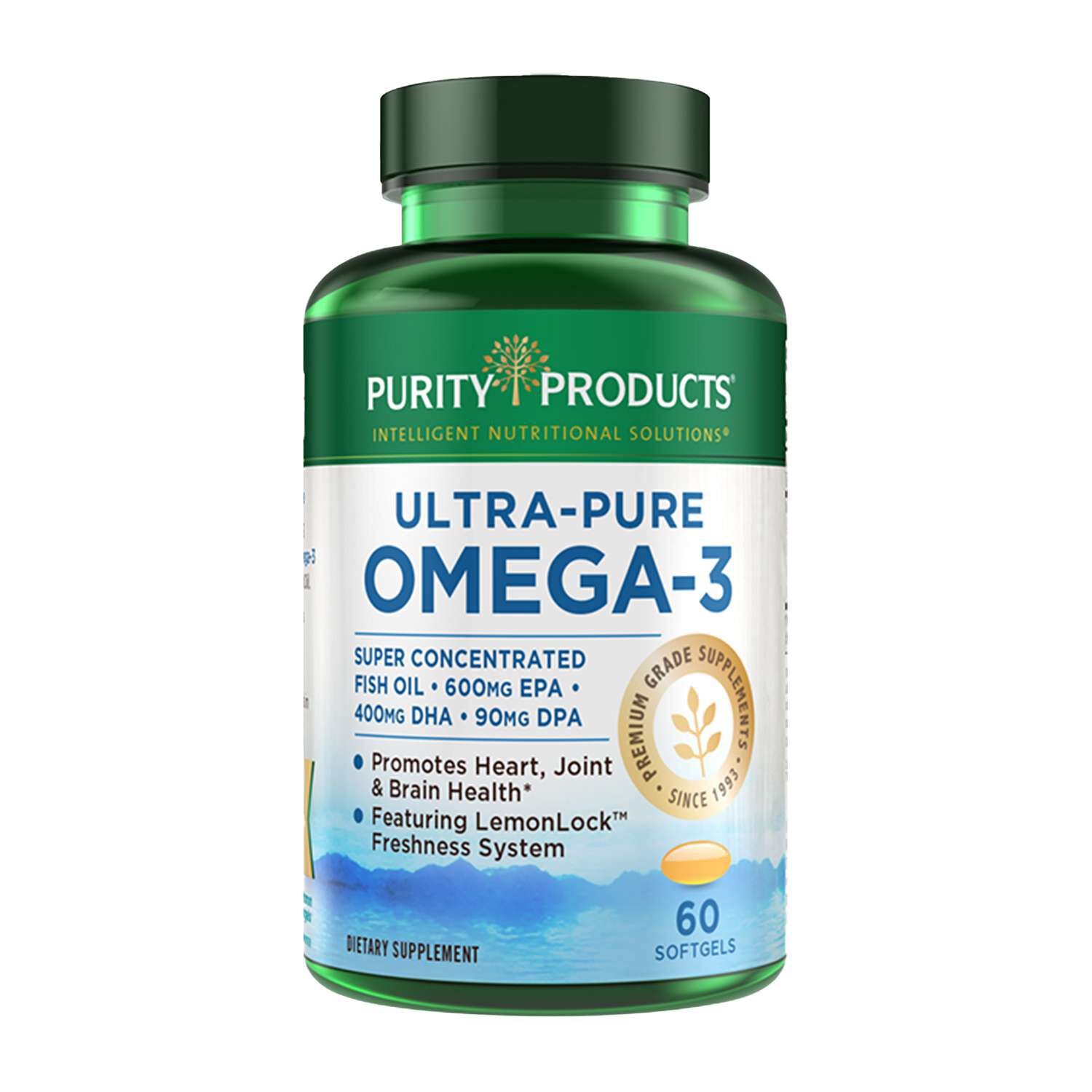 Purity Products$26.99
-

-
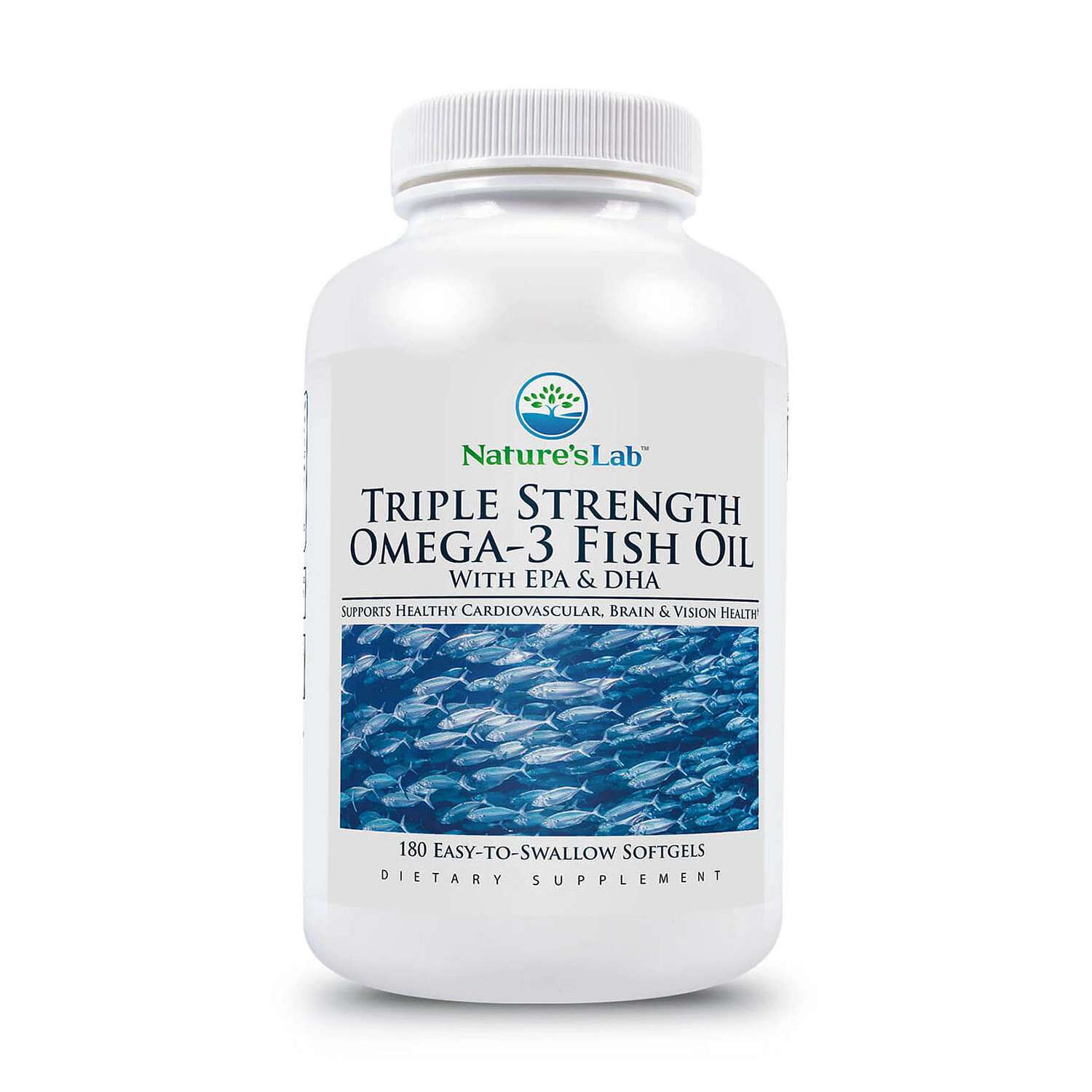 $24.99
-
-
-
-
-
 Portions Master$25.99
-
-
-
-
 MRI Performance$29.99
-
-
-
-
 $44.99
-
-

-

-

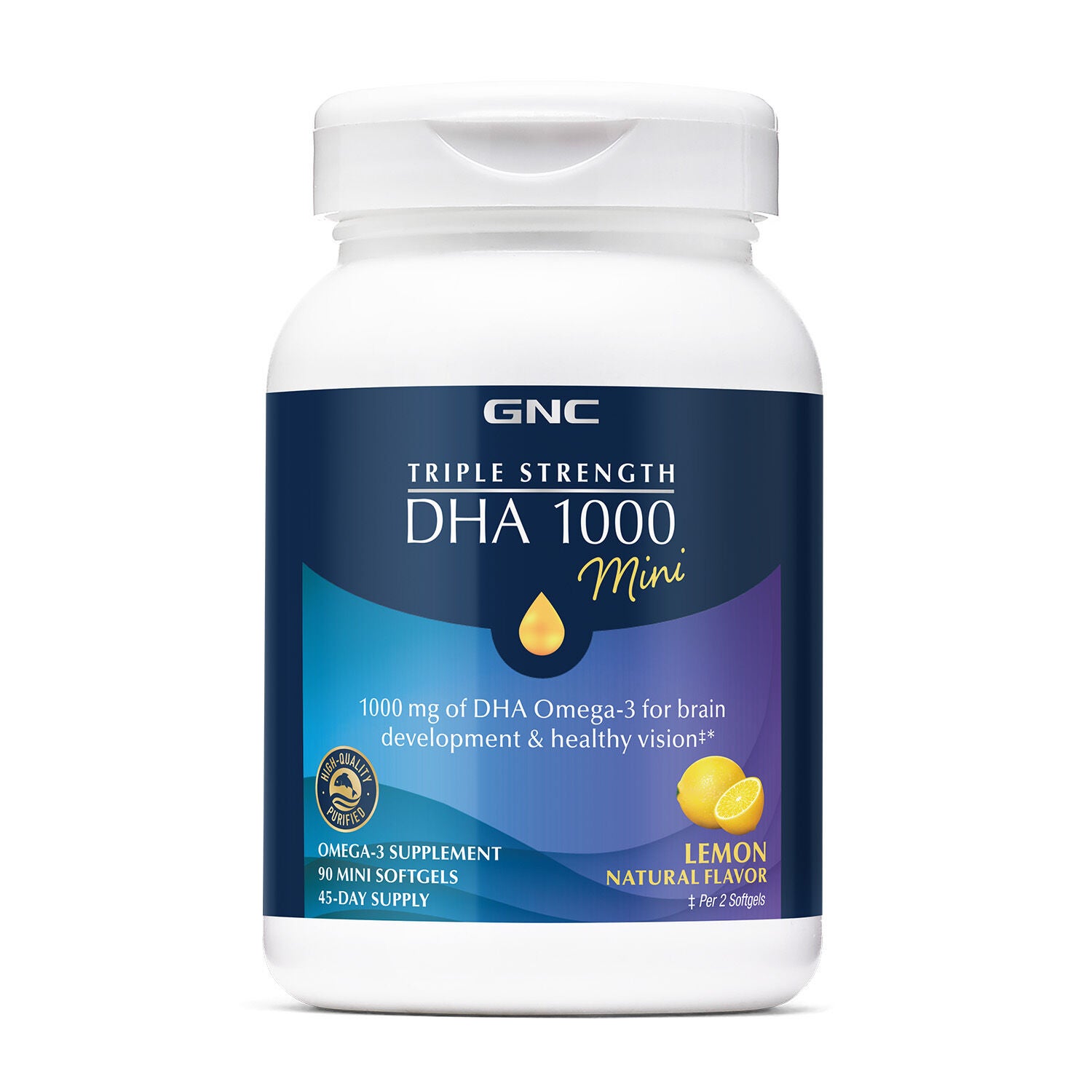


DHA omega-3 supplements for seniors are dietary supplements that provide docosahexaenoic acid, a long-chain omega-3 fatty acid found in fish and marine algae. DHA is a structural component of cell membranes, including those in the brain and retina. It is often paired with EPA, or eicosapentaenoic acid, another omega-3 found in marine sources. These names matter when comparing bottles because fish oil, omega-3, and DHA are not interchangeable descriptions. A fish oil supplement can contain both DHA and EPA, along with other fats, while an algae-derived formula may emphasize DHA or provide a combination of the two. The amount of oil listed on the front of a package does not necessarily equal the amount of DHA in a serving. For shoppers browsing this category, the Supplement Facts panel provides a more useful comparison: it identifies serving size and the declared amounts of DHA, EPA, and other listed components. A larger number on the front of the bottle does not, by itself, describe the balance of those ingredients. DHA-focused formulas are relevant to older adults who want to compare a particular omega-3 with broader fish oil options, as well as those exploring marine algae as an alternative source. Someone who rarely eats fish may approach the category differently from someone who regularly includes salmon or sardines in meals, but neither eating pattern establishes a personal supplement requirement. The broader selection of DHA Supplements offers another way to explore this ingredient across formats and sources. For a useful comparison within a senior-focused assortment, source, DHA content per serving, capsule count per serving, and ingredient preferences provide a clearer picture than package size alone. The category name describes the intended shopping audience; it does not mean every formula has the same composition or that every older adult has the same nutritional preferences.
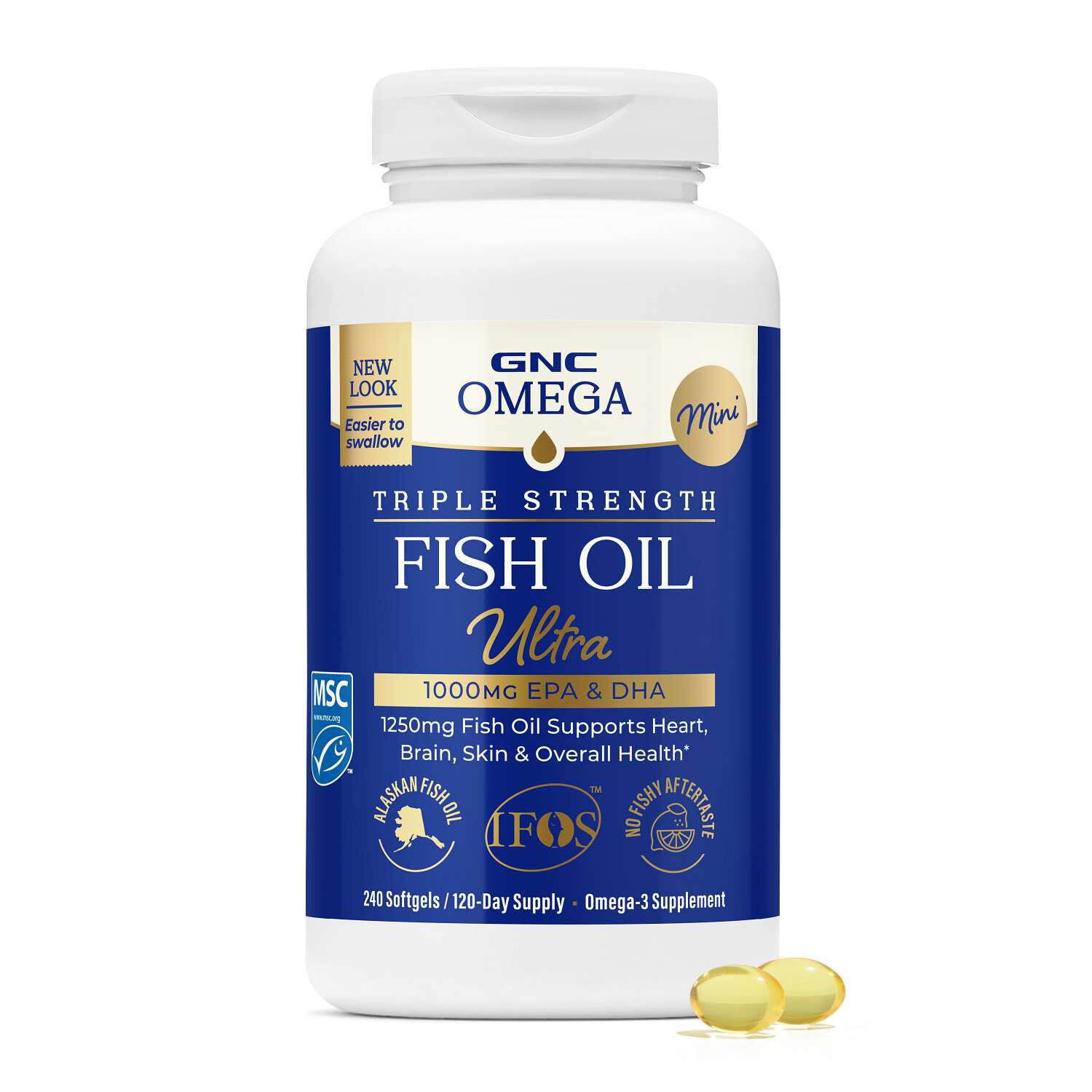
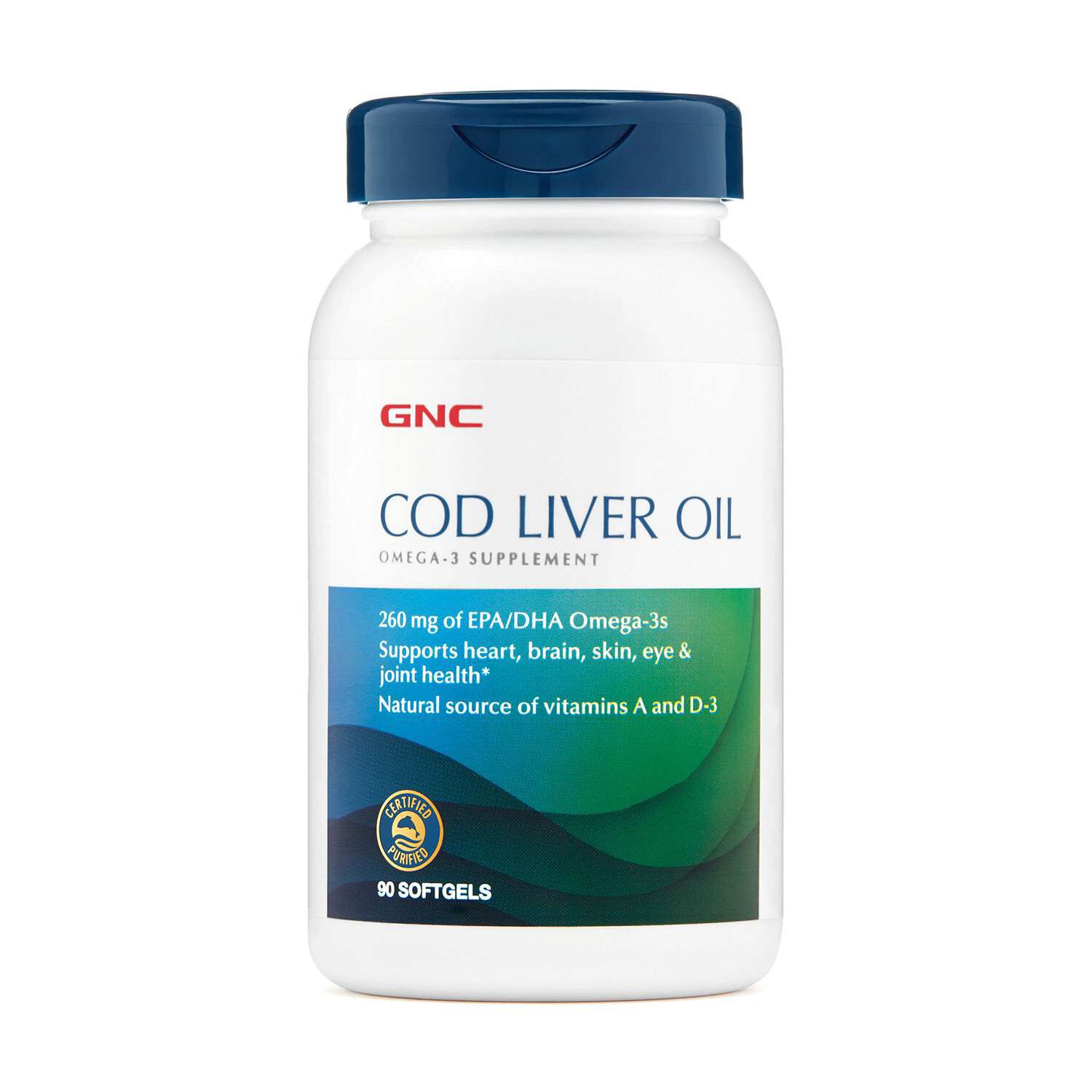
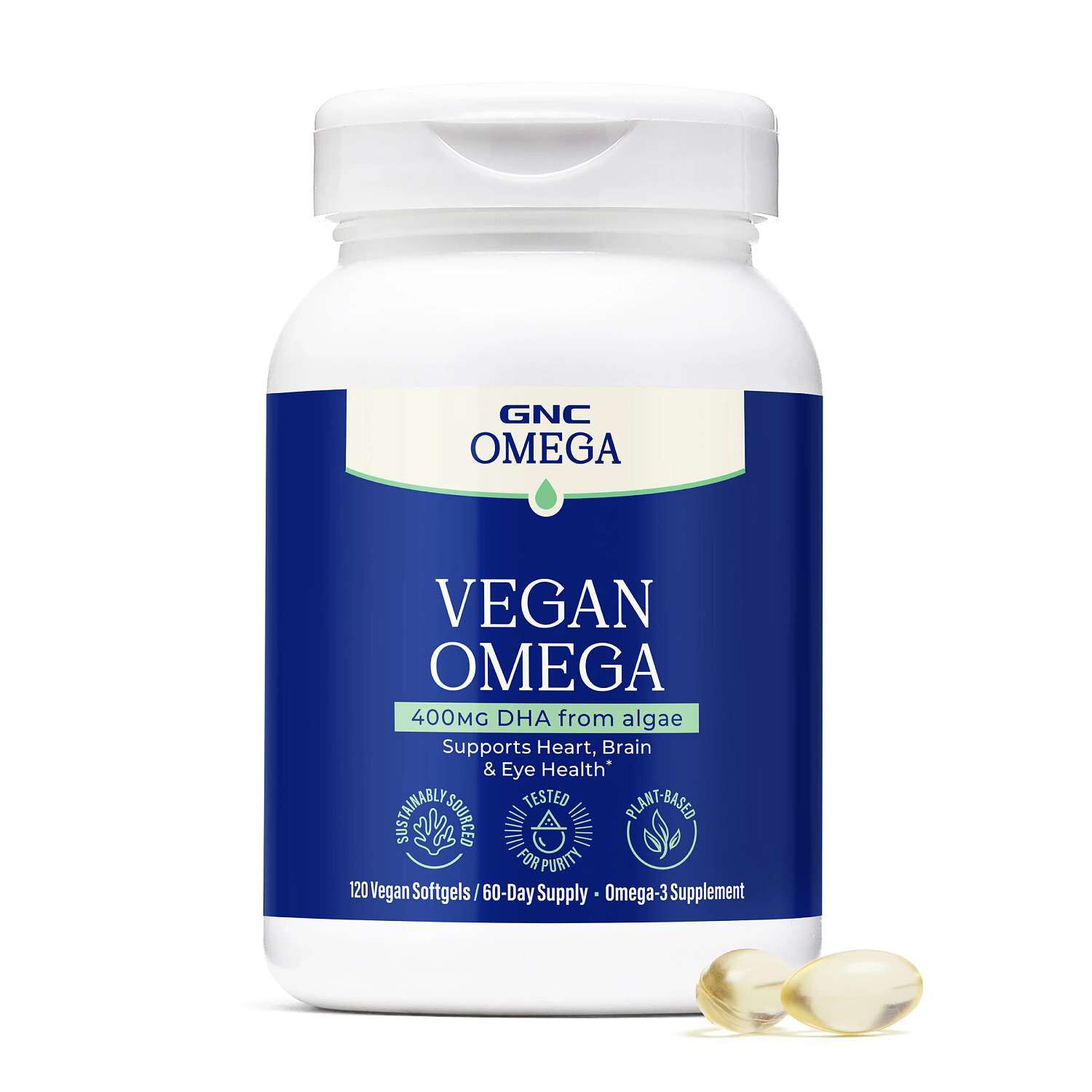
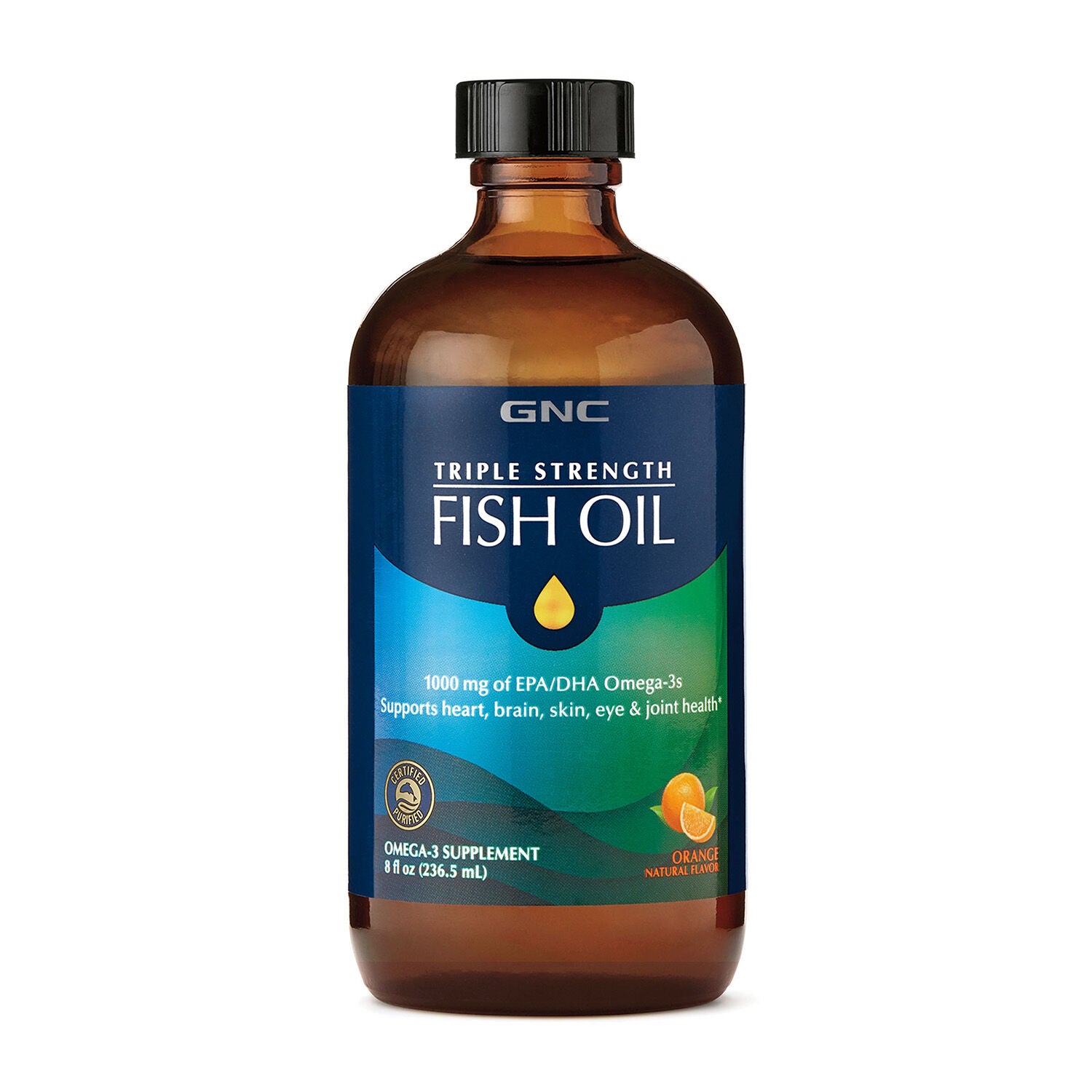
The most noticeable differences between DHA omega-3 supplements often appear in the format and ingredient list. Fish-derived oils and algae-derived oils offer different source options, while the surrounding capsule materials can determine whether a formula matches a shopper’s dietary preferences. An algae source does not automatically make the finished supplement vegan: softgel shells, flavorings, and other ingredients also matter. Gelatin may come from different animal sources, and any vegetarian or vegan designation should apply to the finished formula rather than just its oil. Allergen information is another distinct part of the label, particularly for shoppers comparing fish-derived and other marine ingredients. Softgels enclose the oil in individual portions and avoid the need to measure a liquid, although their dimensions and the number required for a labeled serving vary. A smaller softgel may feel like a more manageable format to some shoppers, but several smaller capsules can represent one serving. Liquid formulas involve a different experience, with a measuring device, a pourable texture, and sometimes added flavor. For someone who prefers fewer capsules in a daily routine, that format may be worth comparing; for someone who dislikes the taste or texture of oil, an enclosed softgel may be more appealing. Neither format is automatically the better match for all seniors. Consider the ordinary details of use: whether a bottle is easy to grip, whether its directions are readable, and whether the container fits upright in the intended storage space. A shopper who packs supplements for an overnight visit may value a securely closing bottle, while someone comparing liquids may pay closer attention to the measuring marks and cleanup involved. These practical differences are separate from DHA content. A format that seems convenient still needs to be compared by its labeled serving, not simply by one capsule or one spoonful. Package photographs and written format descriptions can help clarify those differences before a selection is made.
Quality information, storage directions, and clear labeling add another layer to the comparison. Some DHA omega-3 supplements carry third-party testing or certification marks, but different programs examine different attributes. A mark may relate to ingredient identity, the amount of a listed ingredient, specified contaminants, or manufacturing practices; it should not be treated as evidence of a particular health outcome. Specific information about what was evaluated is more useful than a broad quality statement without supporting detail. Similarly, sourcing descriptions can identify the fish species or algae origin, while sustainability certifications address a different set of considerations from nutrient content. Those distinctions help keep comparisons focused on what each label actually says. Oil-based supplements also require attention to the package’s storage and handling directions. Depending on the formula, a liquid may have refrigeration instructions after opening or a stated period for use once opened. Softgels may have different requirements, so directions should not be carried over from one bottle to another. Closures, protective seals, and the printed expiration date are practical details to review, along with any instructions about keeping the container away from light, heat, or moisture. Leaving a bottle in a parked car or beside a steamy sink is different from storing it as its label directs. Bottle count deserves the same careful reading: a container with more capsules does not necessarily provide more servings when the serving sizes differ. Comparing the declared DHA amount per serving alongside the number of servings gives a more meaningful description of the package than counting capsules alone. For older adults managing a familiar daily routine, or family members helping compare labels at the kitchen table, a focused shortlist can center on oil source, DHA and EPA amounts, format, capsule materials, and storage needs. These are tangible product attributes rather than assumptions about age. They make it easier to distinguish a DHA-focused formula from a broader omega-3 blend and to understand what each option contains without relying on an oversized front-label number or a generalized benefit statement.
Best Sellers
-
 Nordic Naturals
-
 Nordic Naturals
-
Nordic Naturals