Donut Flavored Supplements
(0 Results)
Indulge in the delightful taste of your favorite treat while supporting your wellness goals with donut flavored supplements. These innovative supplements combine the irresistible flavor of donuts with the potential benefits of vitamins, minerals, and other nutrients. Perfect for those who want to make their health routine a little sweeter, donut flavored supplements could add a fun twist to your daily regimen. Discover a delicious way to nourish your body without compromising on taste.
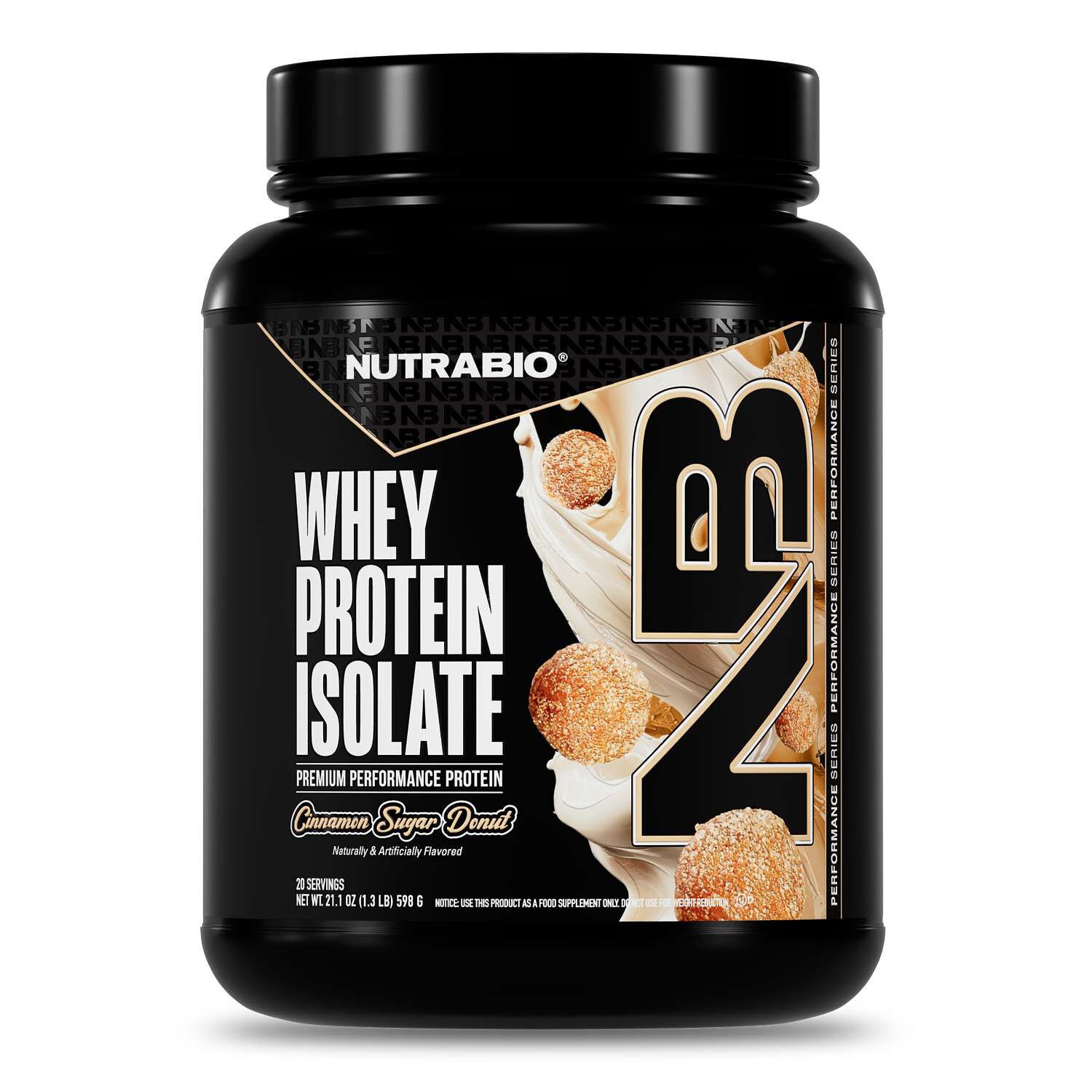

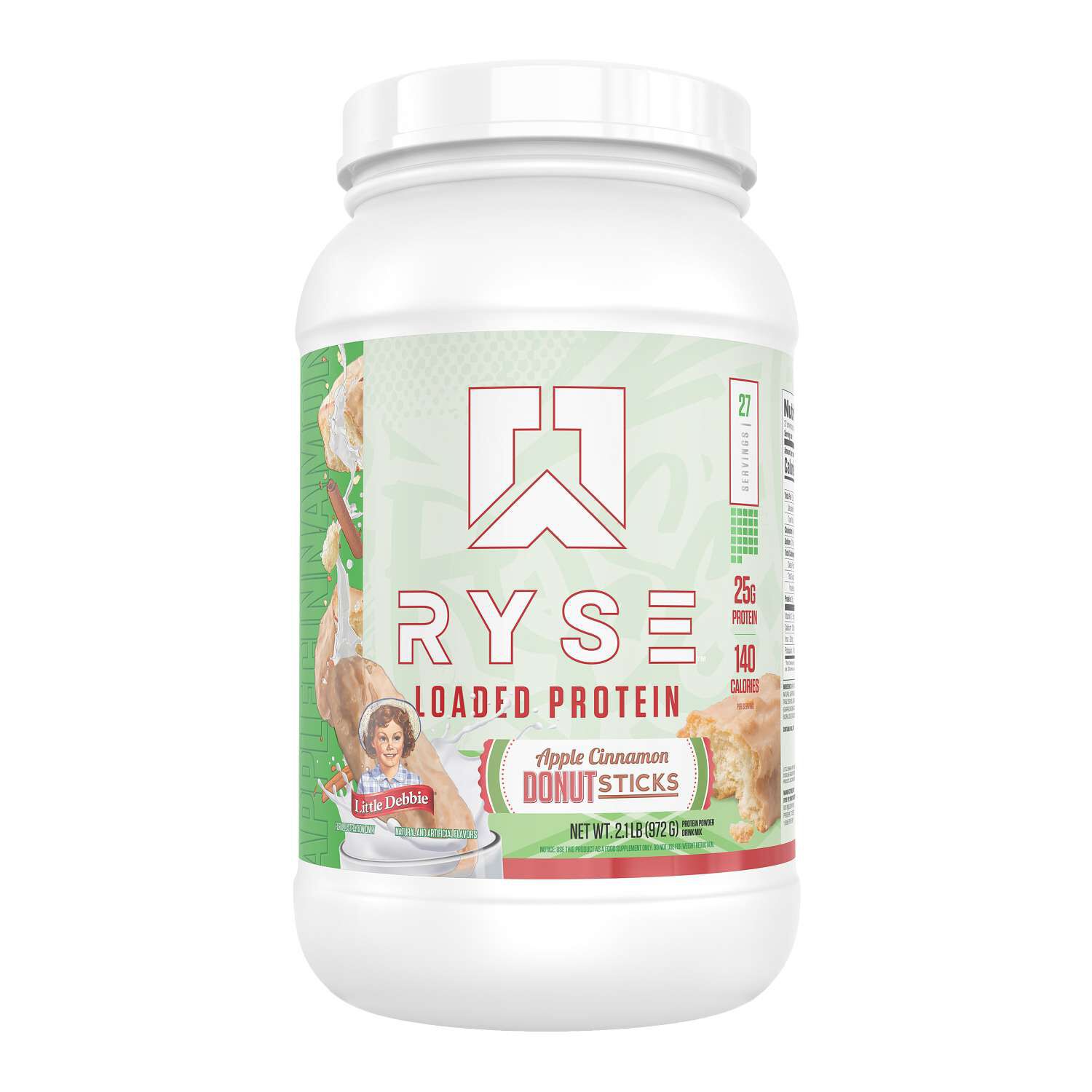
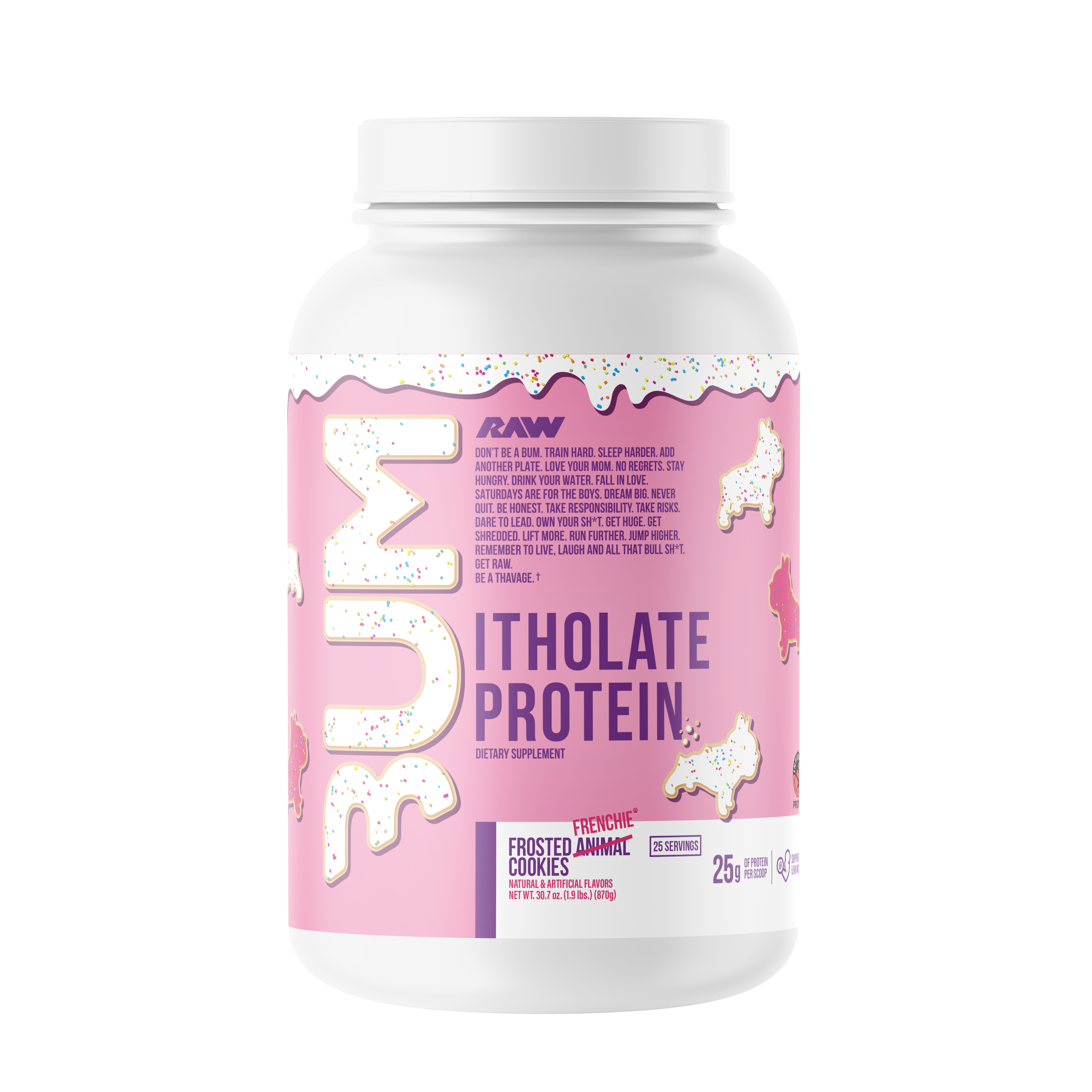
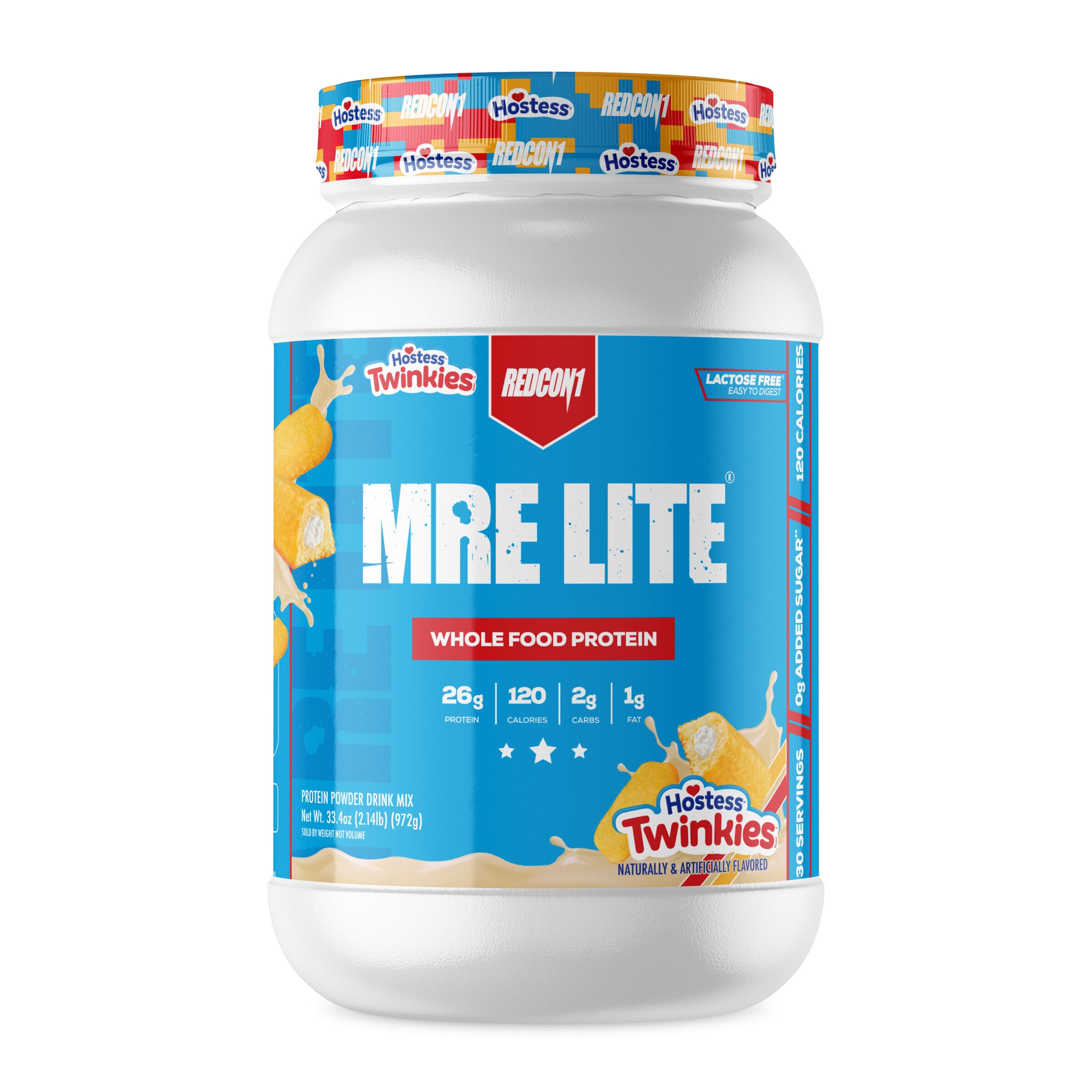
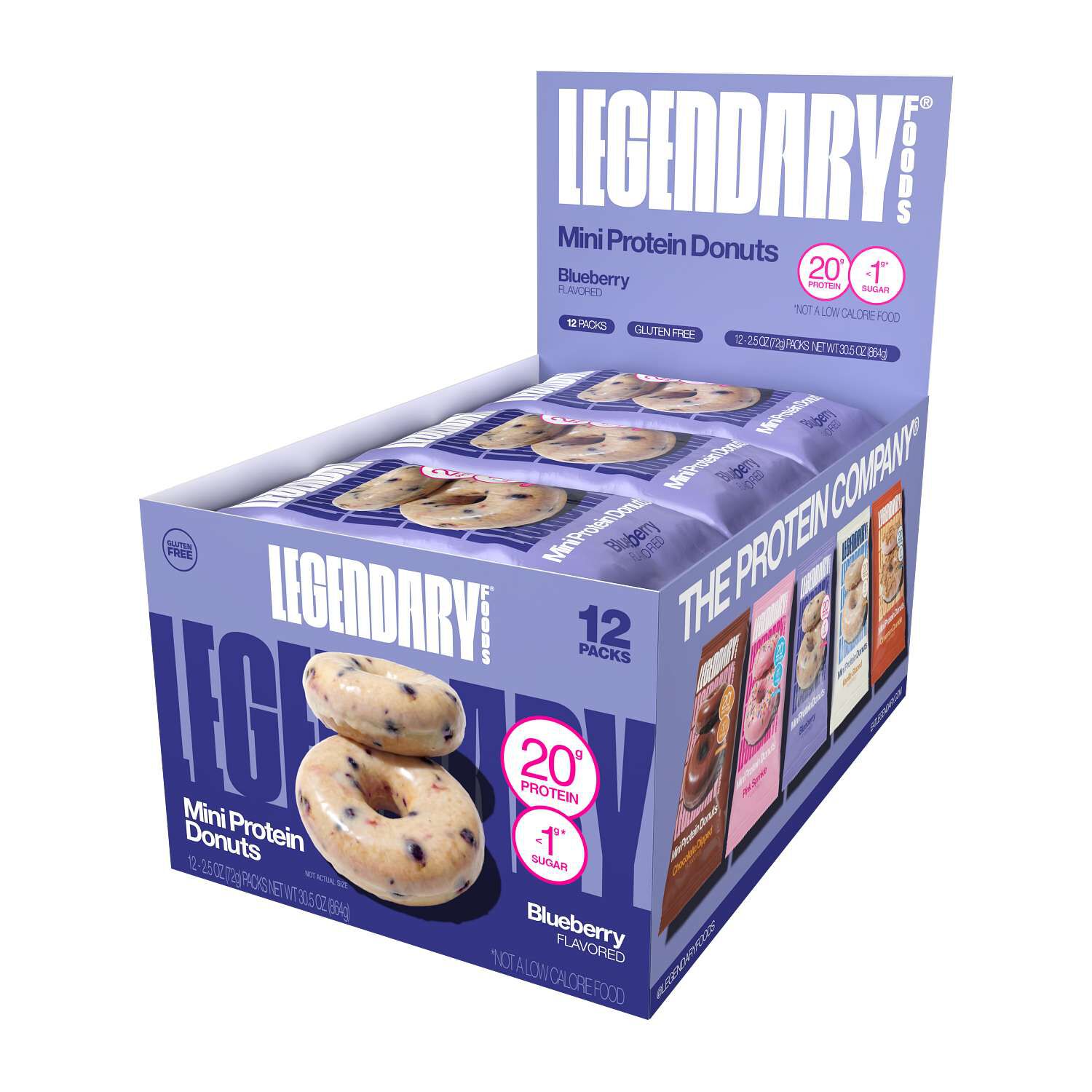
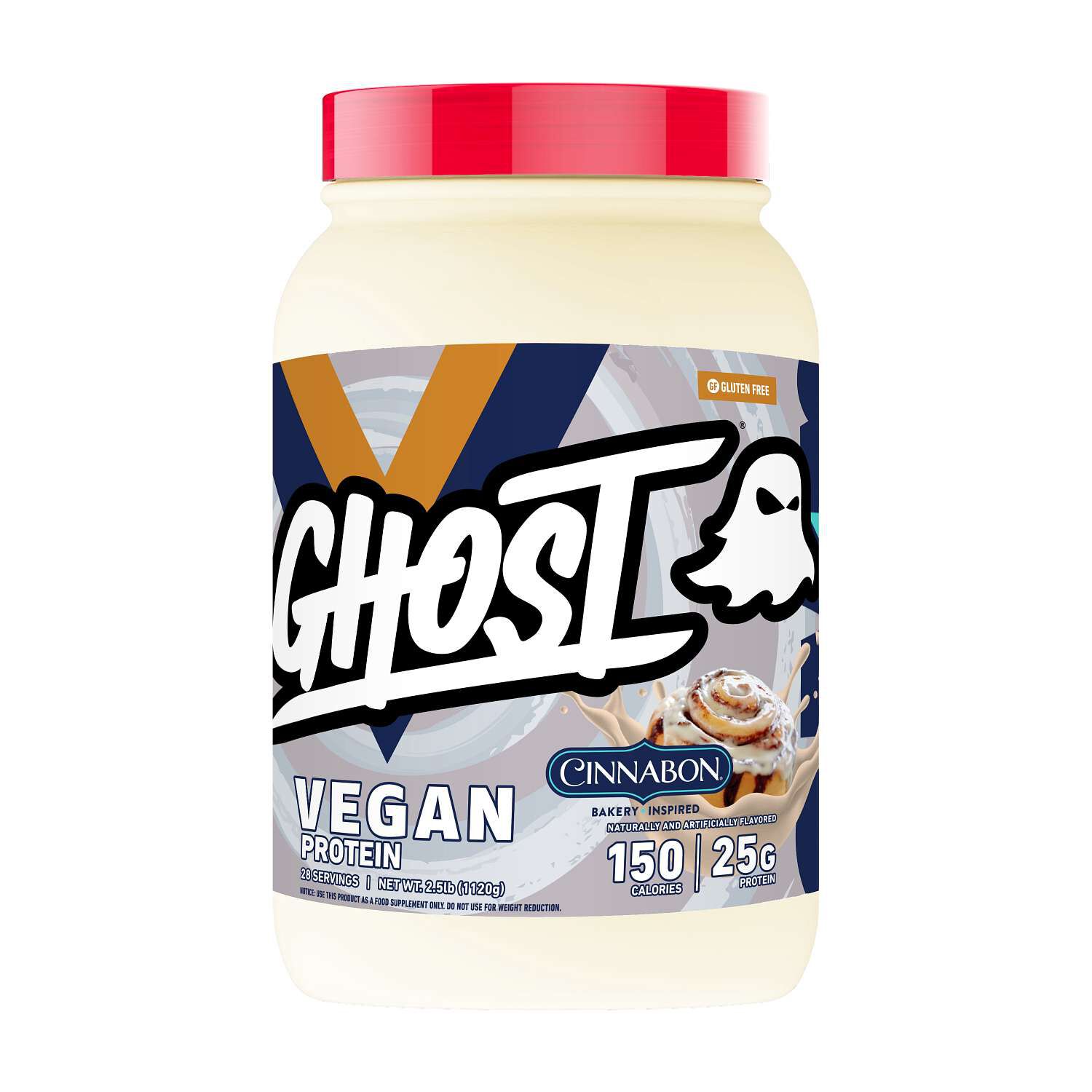


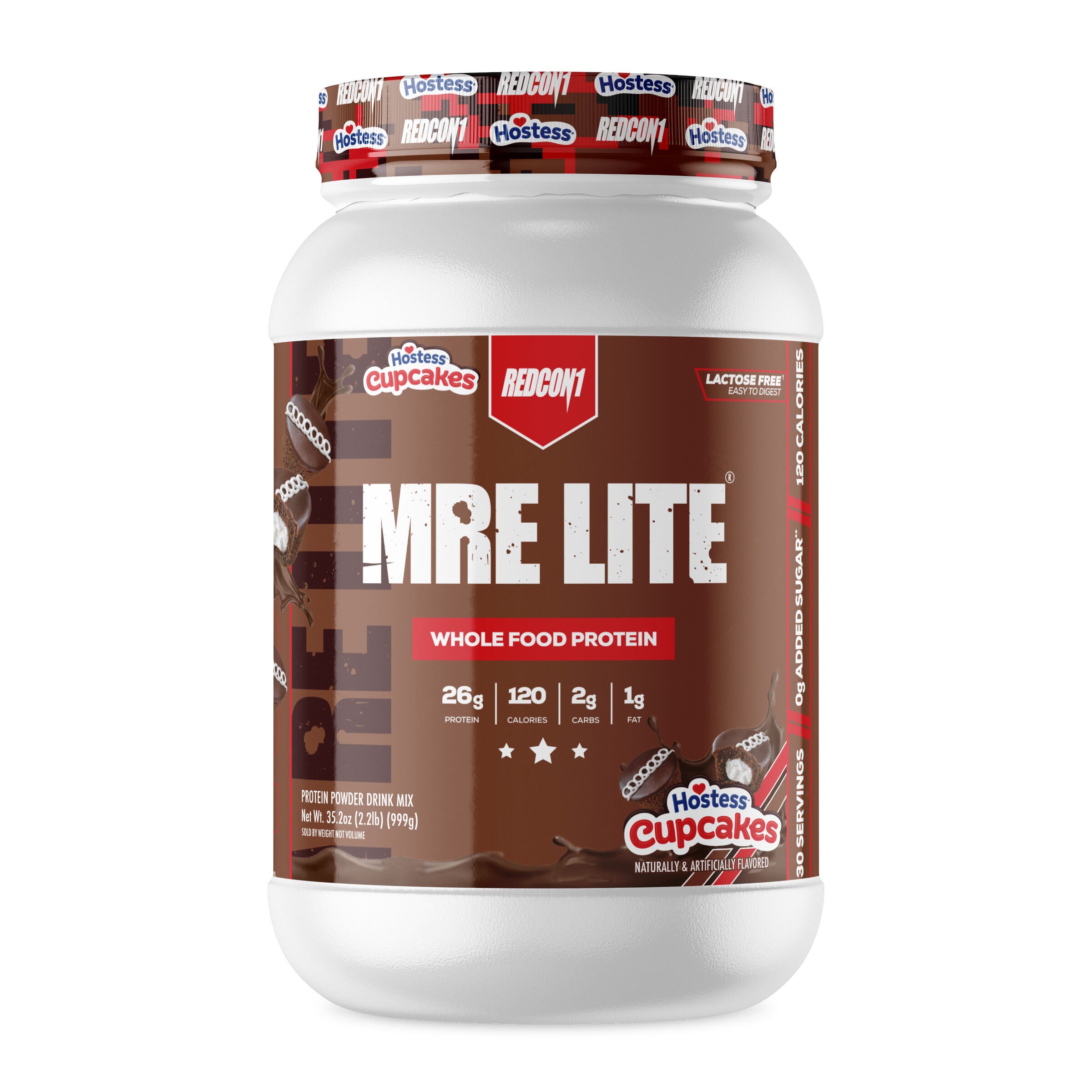

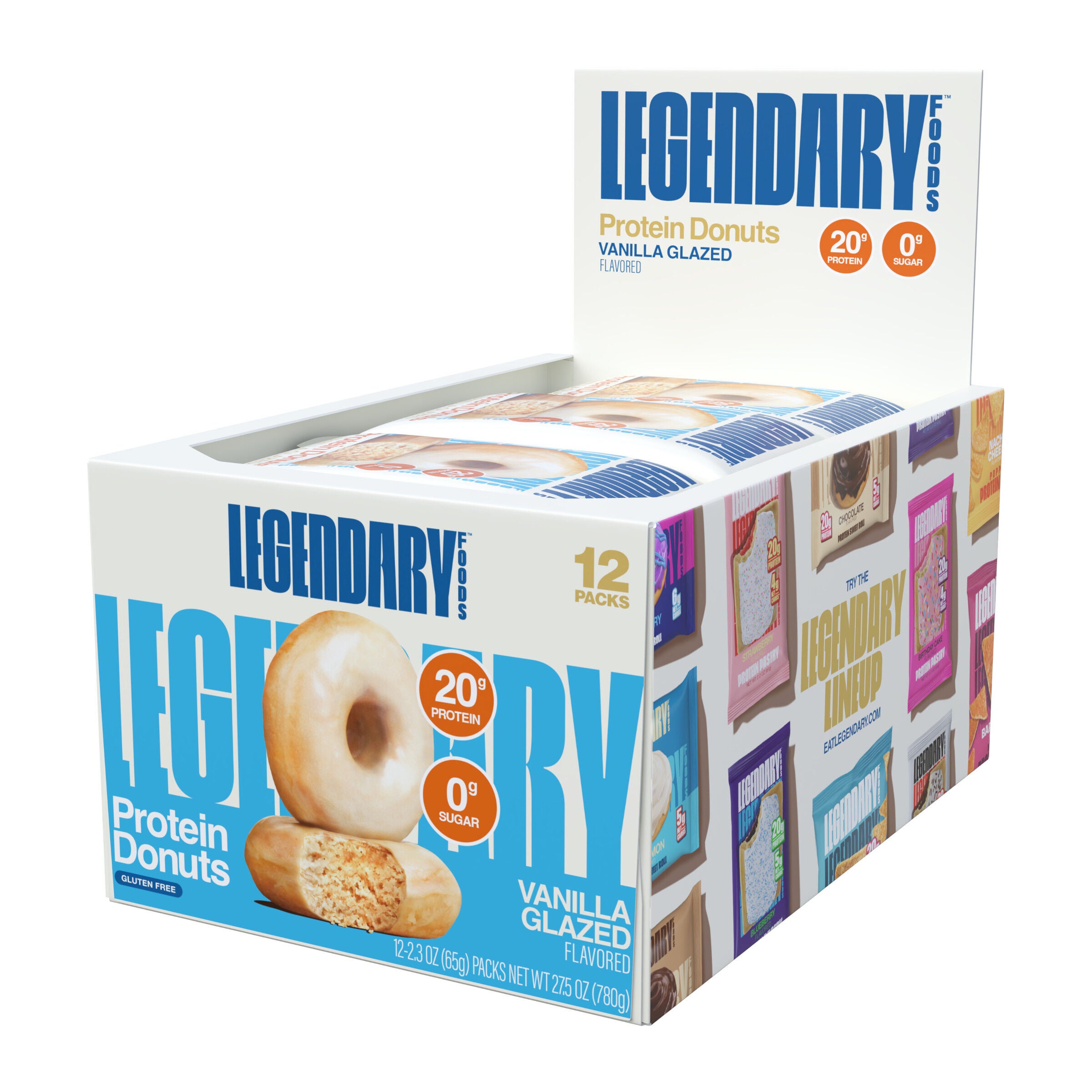
Donut-flavored supplements are bakery-inspired nutrition products that pair flavors such as glazed dough, cinnamon sugar, and chocolate icing with formats such as protein powders and protein snacks. Some formulas emphasize higher protein or lower sugar, but the flavor name alone does not describe the nutrition. The appeal is familiar: the vanilla sweetness of a glazed ring, the cocoa notes of a chocolate cake donut, or the cinnamon finish of a bakery favorite, interpreted in a different format. These flavors may suit someone who enjoys dessert-inspired shakes but wants something beyond standard chocolate or vanilla. There is also considerable variety within the donut theme. A glazed profile might lean toward vanilla and sweet dough, while a cinnamon version might have a more pronounced spice note. Chocolate varieties might suggest cocoa icing rather than a rich chocolate filling. Flavor descriptions are useful context, although ingredients and personal preferences shape the experience. A name that evokes frosting does not necessarily mean a formula contains frosting, and a donut-inspired supplement is not nutritionally interchangeable with a bakery donut. Serving size, protein grams, sugar, carbohydrates, fat, and calories provide a clearer picture of what is in each portion. Protein sources also differ, with formulas using ingredients such as whey, casein, pea, soy, or protein blends. Those distinctions matter to shoppers with particular eating preferences, as do sweeteners, flavoring ingredients, and any added inclusions. Someone who likes a smooth vanilla glaze may prefer a simpler flavor profile, while another shopper might enjoy a stronger cinnamon note or a chocolate-forward finish. The most relevant comparison is between products serving a similar purpose, using the labeled serving rather than the size of the package or the dessert pictured on it. Donut flavor describes the inspiration; the nutrition panel and ingredient list describe the formula. Together, those details offer a more useful impression than the flavor name by itself.
Preparation and texture are a large part of the appeal of donut-flavored protein powders. A powder mixed with water might have a lighter consistency, while the same serving blended with milk or a plant-based beverage could taste richer and have a thicker texture. The chosen liquid also contributes its own nutrients, so the prepared drink is different from the powder alone. Mixing directions establish the intended portion and liquid amount; from there, taste preferences help distinguish a thinner shake from a more substantial blended drink. A secure shaker lid is practical for a serving mixed at the gym, while a blender may suit a kitchen routine that includes fruit, oats, or yogurt. A cinnamon-donut profile might pair well with oats and a spoonful of nut butter, and a chocolate-iced flavor could work alongside banana or a small amount of cocoa. Additional ingredients bring their own flavor and nutrition, making the finished serving distinct from the information listed for the powder. For shoppers interested in other flavor families, Flavored Powder Supplements offers a broader category to explore alongside bakery-inspired options. Texture deserves attention in ready-to-eat formats, too: a soft center, a dense bite, a coating, or small crunchy inclusions each creates a different eating experience. These details are separate from protein content, and two snacks with similar nutrition panels might feel quite different to eat. Packaging and storage are practical considerations across formats. Resealable containers, individually wrapped portions, and clearly printed serving information suit different routines. Following the storage directions, keeping powder scoops dry, and closing containers after use are straightforward ways to care for these products. For a snack carried in a work bag, intact wrapping and protection from heavier belongings matter. For a powder kept in a kitchen cabinet, a readable label and a securely closed lid are useful everyday details.
Donut-flavored supplements may fit routines where taste is an important part of choosing a protein option. A recreational lifter might prefer a glazed-donut shake after a training session, while someone with a busy workday might want a portioned protein snack for an afternoon break. A home cook could use a compatible powder in a recipe developed for protein powder, rather than assuming it behaves exactly like flour. Protein source, sweeteners, and other ingredients affect how a formula mixes and cooks, so a recipe written for that type of powder is a more relevant starting point than a one-for-one substitution in a favorite donut recipe. Intended use matters just as much as flavor: a protein supplement is not automatically a meal replacement, and a dessert-inspired name does not establish whether a serving fits a particular eating pattern. Shoppers often have different priorities, whether that means a certain amount of protein per serving, a preference for plant-derived ingredients, or a flavor that pairs with a familiar breakfast. Milk, soy, wheat, eggs, and other ingredients deserve attention when dietary restrictions are involved, including any allergen statements on the package. A plant-based description alone does not answer every ingredient question. These considerations also matter when donut-inspired nutrition products are given as gifts. For an adult who already enjoys protein shakes or bakery-themed flavors, a thoughtfully chosen option might be a welcome addition to a birthday gift or a gym bag assortment. Knowing the recipient’s preferred format, protein source, and taste preferences is more useful than selecting by flavor name alone. Someone who enjoys a lightly sweet shake may have different expectations from someone drawn to a frosted, dessert-like profile. Across these preferences, donut-flavored supplements offer a recognizable bakery theme in nutrition-focused formats, with the most meaningful distinctions found in their ingredients, serving information, preparation needs, and texture.