





Healthy Cells Support
(0 Results)
Discover the potential benefits of healthy cells support with our range of premium multivitamins, supplements, and proteins. Designed to help maintain overall well-being, these products might contribute to optimal cellular function and vitality. Whether aiming to support your immune system or seeking to promote general health, our carefully curated selection could be the key to achieving your wellness goals. Explore the possibilities of enhanced cellular health and take a step towards a more balanced lifestyle.
-

-
-
-
-
 Nature's Fusions$14.99
-

-
-
-
-
 $36.99
-

-
 $24.99
-
-
-
-
 MRI Performance$15.99
-
-

-
-
 Nature's Lab$16.99
-

-
-
-
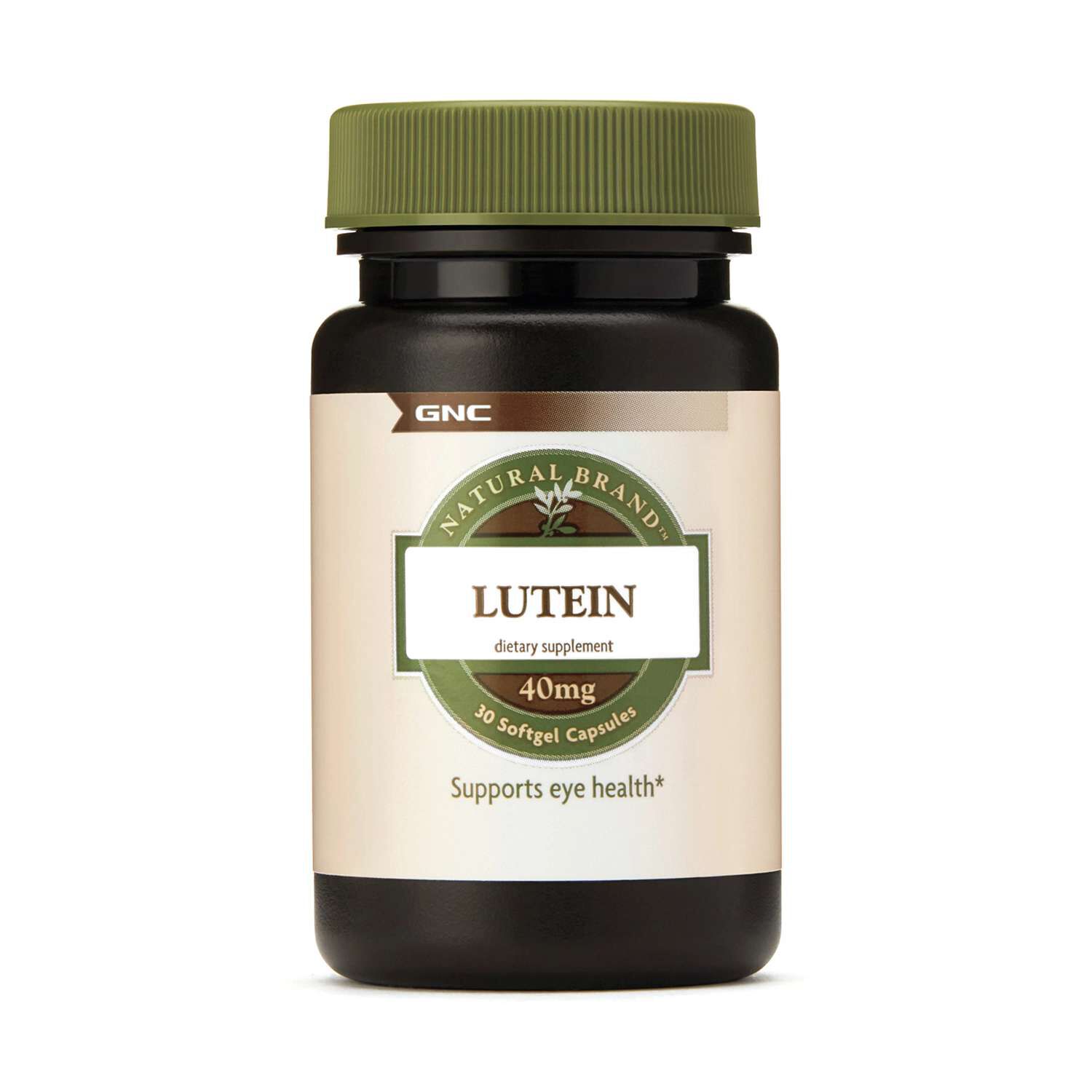
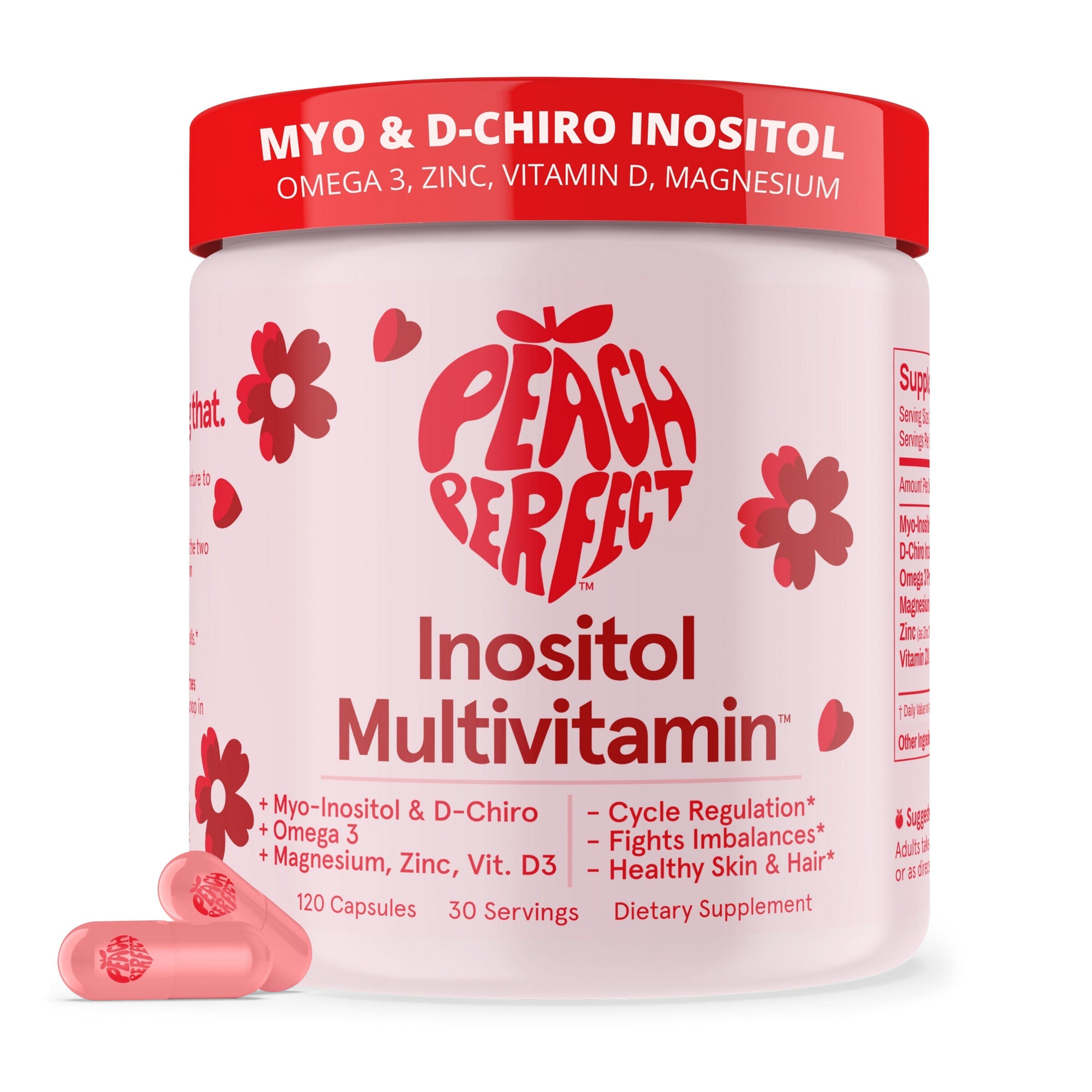
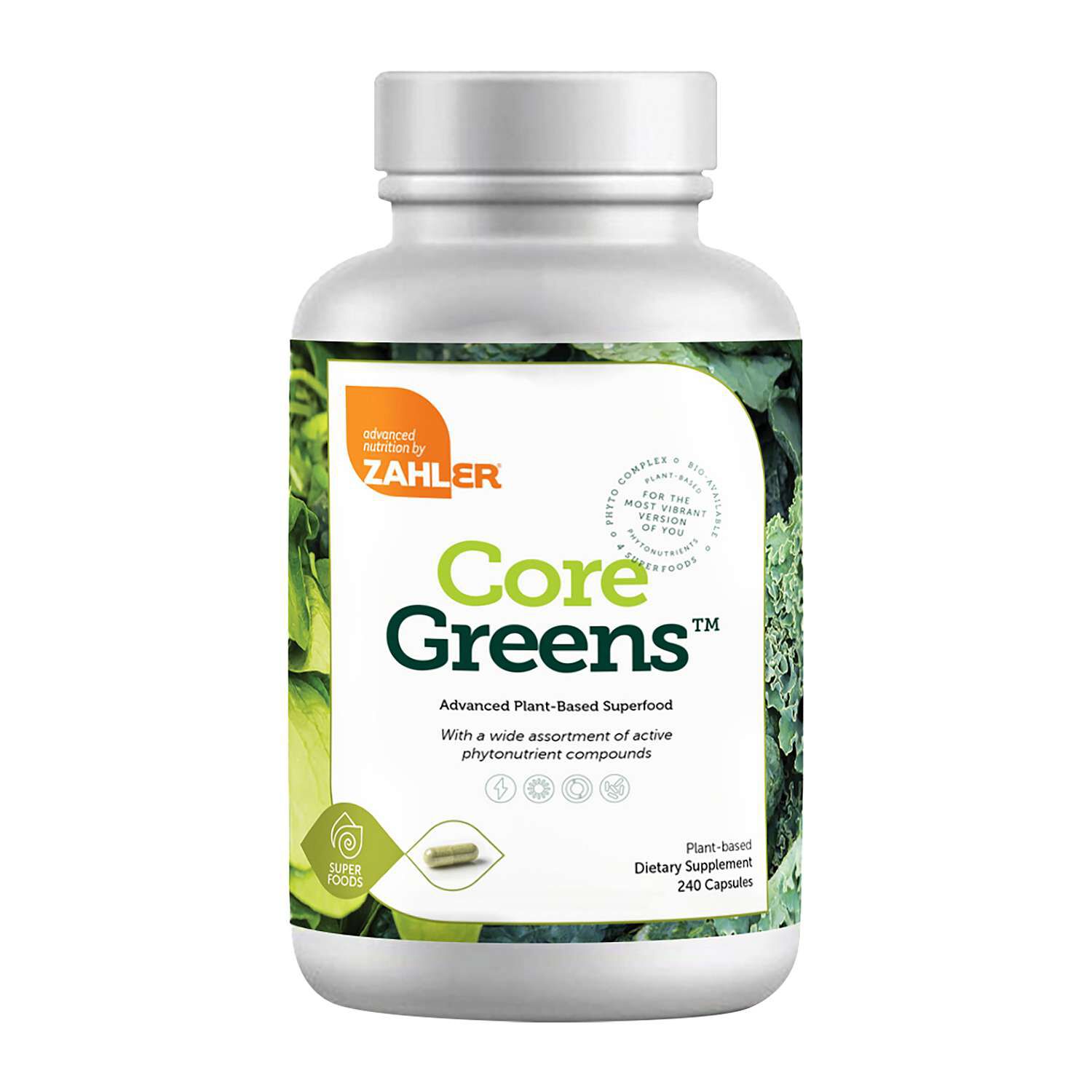
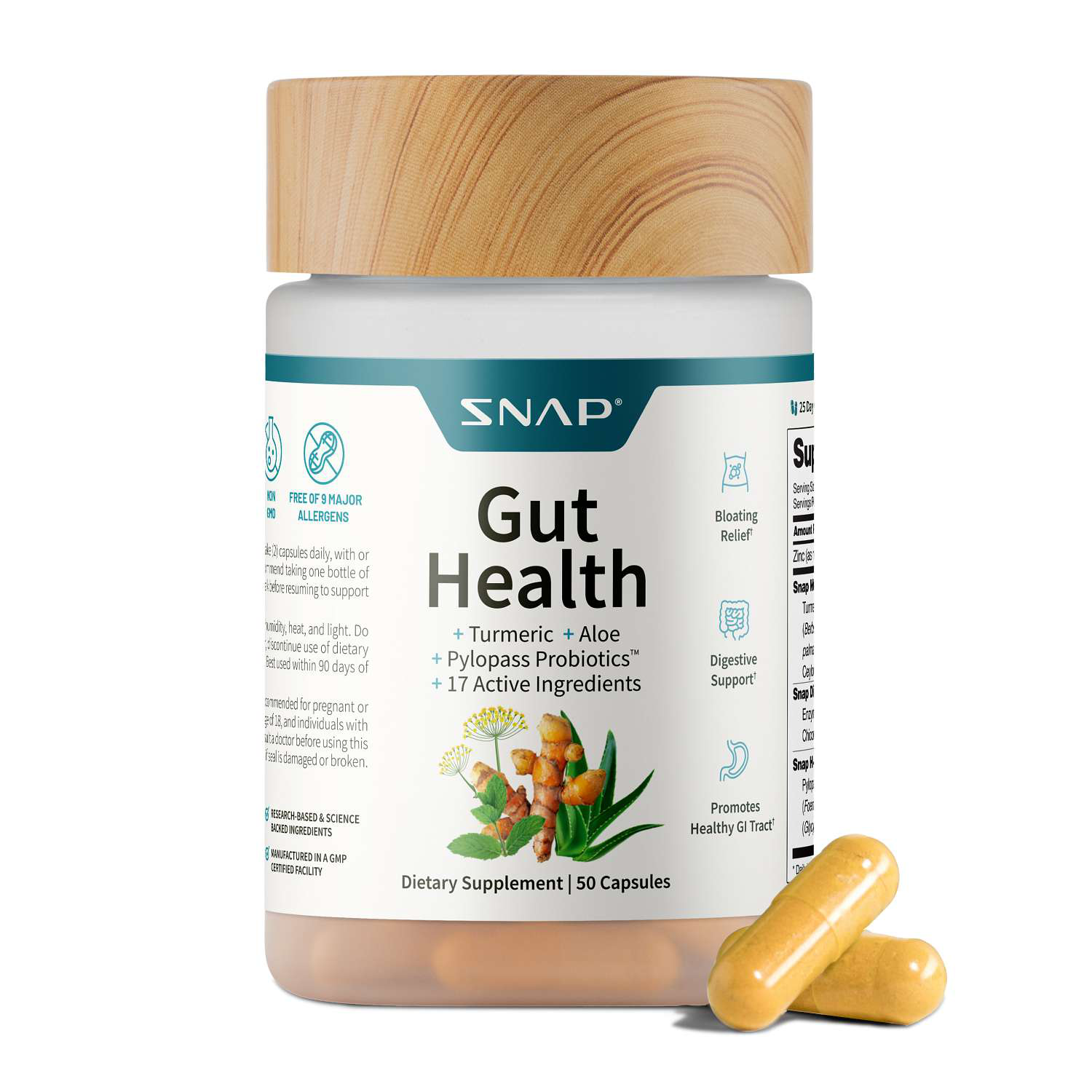
Healthy cell support supplements may complement a varied diet by providing selected vitamins, minerals, fatty acids, or other nutritional compounds. Cells make up the body’s tissues, and their everyday activities involve nutrients from many different foods. Proteins supply amino acids, fats are components of cell membranes, and vitamins and minerals participate in normal biological processes. That background gives this category a broad focus rather than a single ingredient or format. Antioxidant-focused formulas often feature nutrients such as vitamins C and E, while other formulations contain selenium, zinc, coenzyme Q10, or combinations of nutritional ingredients. Coenzyme Q10 is a naturally occurring compound involved in normal cellular energy processes; its presence on a supplement label identifies an ingredient, not a prediction about an individual’s experience. The distinction matters when comparing products with similar names but different compositions. A formula centered on one nutrient has a different nutritional profile from a blend containing several vitamins, minerals, and plant-derived compounds. Healthy cell support also belongs within the larger context of everyday habits, including varied meals, hydration, sleep, and regular movement. Colorful vegetables, fruit, beans, whole grains, nuts, seeds, and seafood contribute different nutrients to an eating pattern, with no single food representing the whole picture. Supplements may serve as an addition to that pattern, rather than a replacement for meals or an assortment of nourishing foods. For shoppers exploring this area, the most meaningful differences often appear in the ingredient list, serving information, and intended use—not simply in the wording on the front of a package. Related Cellular Health Products offer another way to browse nutritional options with this focus. Whether the preference is a straightforward nutrient formula or a broader blend, a useful comparison begins with what each serving contains and how the format fits an established routine.
Format can make a practical difference in how a supplement fits into the day. Capsules, tablets, softgels, powders, liquids, and chewable formats each involve different textures, serving methods, and storage considerations. Someone who prefers a measured serving alongside breakfast may favor a capsule or tablet, while another shopper may prefer a powder mixed according to its label directions. Softgels commonly contain oils or other ingredients suited to that format, and their outer shells can come from different sources. Vegetarian preferences therefore involve more than checking the featured nutrient: capsule shells, coatings, and other ingredients deserve attention as well. For powders and liquids, flavor, texture, preparation, and the measuring method are additional points of comparison. A scoop, dropper, or measured portion has its own place in a daily routine, particularly when the kitchen counter already holds a shaker bottle, coffee mug, and breakfast dishes. Serving size is equally relevant. The amount listed on the Supplement Facts panel applies to the stated serving, which may consist of more than one capsule, tablet, or softgel. The number of servings in a container is therefore different from the number of pieces inside it. Ingredient amounts, units of measurement, and percentages of Daily Value provide distinct information, and not every ingredient has an established Daily Value. Blends also vary in how much detail they provide about individual components. A shorter ingredient list may appeal to someone seeking a focused formula, while a longer list may suit a preference for several nutrients in one serving; length alone does not establish a better match. The other-ingredients section adds context about flavorings, sweeteners, colors, coatings, and binders. Statements about milk, soy, wheat, fish, or other food ingredients can also be relevant to household dietary preferences. These details make label-to-label comparisons more informative than relying on capsule color, package size, or a familiar ingredient name.
Intended use and everyday handling round out the comparison. Some healthy cell support supplements are labeled for adults, and package directions identify the intended audience, serving information, and preparation requirements. Those details matter more than assuming that a familiar format suits every person in a household. A supplement selected for one adult’s routine is not automatically an appropriate choice for someone else, even when both are interested in general wellness. For an established supplement routine, comparing labels side by side also makes repeated ingredients easier to recognize. A multivitamin and a separate nutrient blend, for example, can contain some of the same vitamins or minerals despite having different names and formats. Packaging deserves similar attention because these products are meant to be stored and handled over time. A securely closed bottle, an intact container, and readable directions are practical parts of everyday use. Storage instructions may address moisture, sunlight, refrigeration after opening, or other conditions specific to the formulation. A powder kept near a steamy sink presents a different storage situation from a bottle placed in a dry cabinet, and a liquid may have handling directions that do not apply to tablets. Measuring tools and closures are part of that routine, too: a scoop that belongs with one formula may not represent the serving size for another. Date markings provide another useful reference when considering container size and expected use. A compact package may fit neatly into a small cabinet, while a larger container requires more shelf space and a routine suited to its serving count. For adults who travel or divide time between households, clear labeling and access to the original directions remain relevant considerations. The most practical selection brings together a suitable ingredient profile, a manageable serving format, and storage needs that fit daily life. Healthy cell support is a broad nutritional theme, and thoughtful product comparisons keep the focus on those tangible details rather than dramatic language about results.
Best Sellers
-
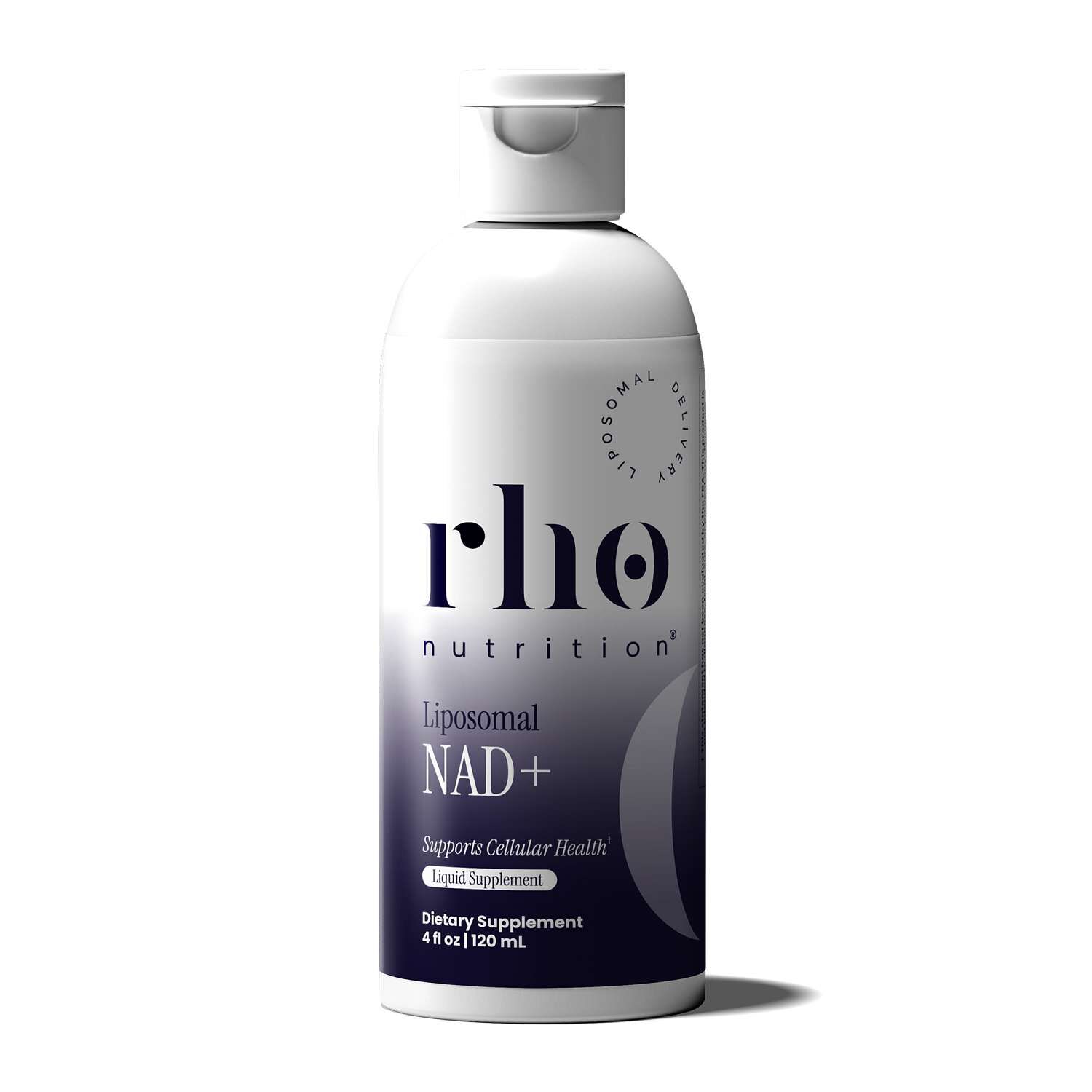 Rho Nutrition
-
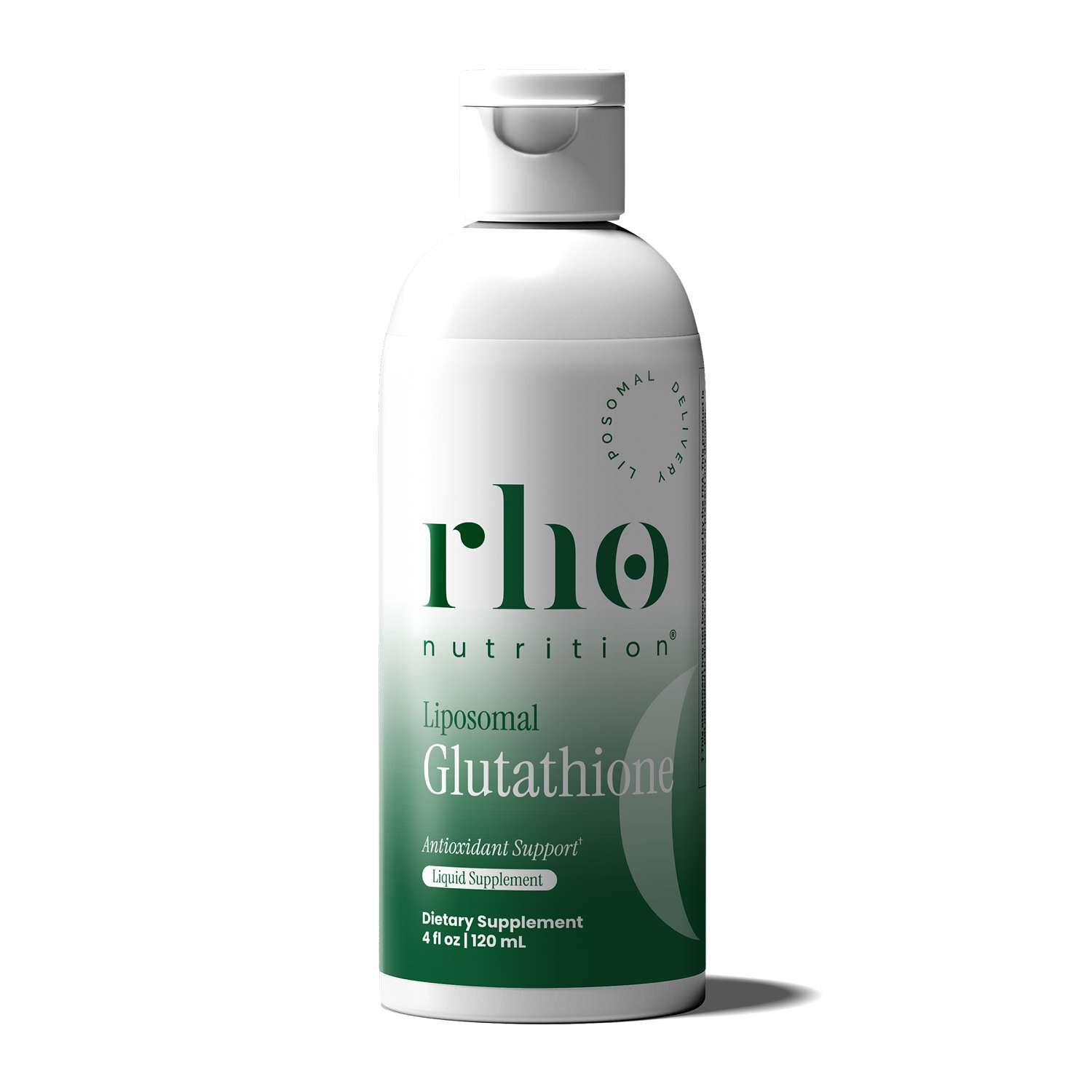 Rho Nutrition
-
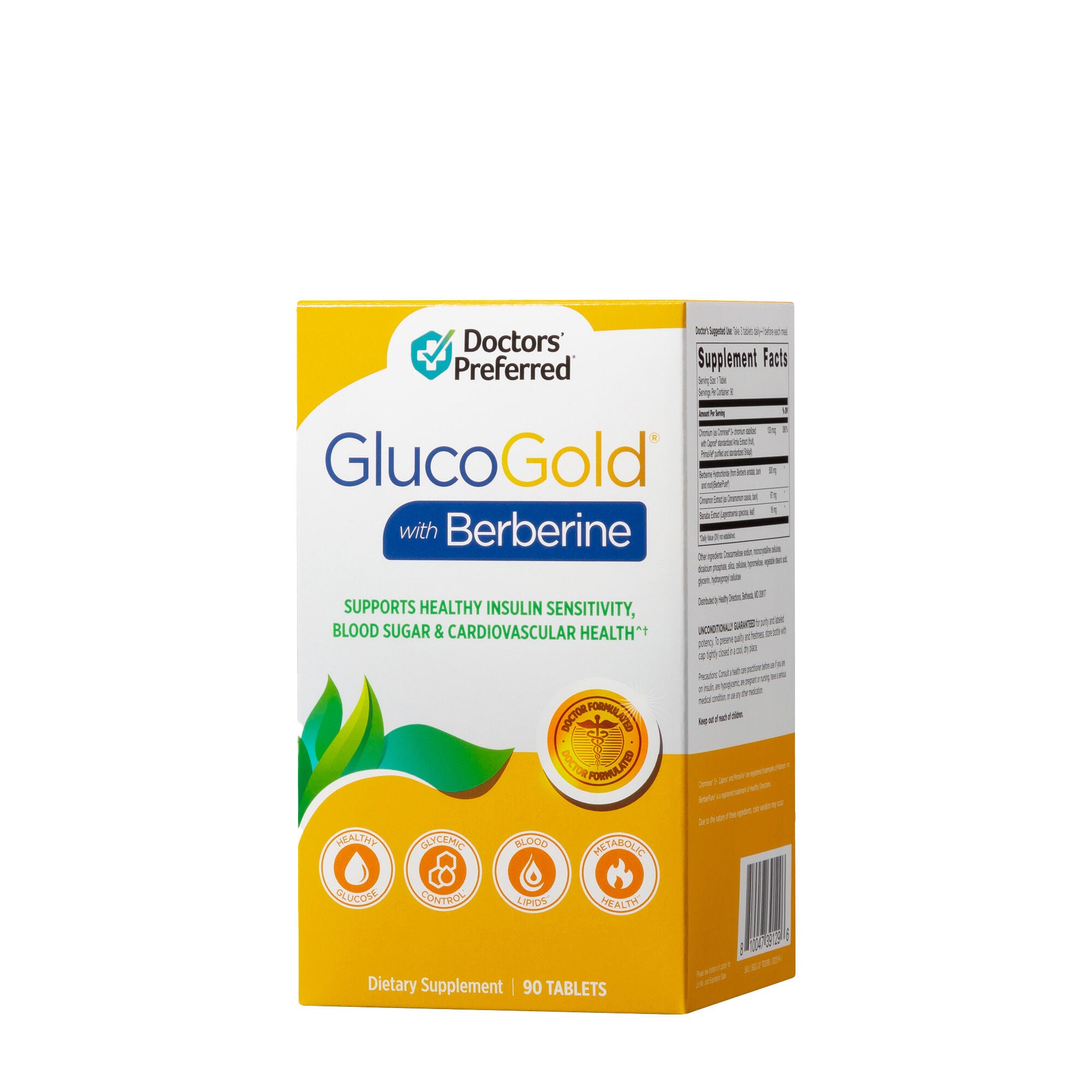 Doctors' Preferred
Related Pages


Top Collections
- Joint Mobility Supplement Packs
- Daily Collagen Supplements | Top Brands & Deals | GNC
- GLP 1 Support For Adults
- Zinc Supplements | Top Brands at Great Prices | GNC
- Supplements For Yoga Joint Flexibility
- Supplements For Balance
- Capsule Supplements For Energy And Stamina
- Adult Mobility Supplements
- Chronic Fatigue Supplements
- Vitamins For Hair Loss