





Immune Tablets
(0 Results)
Immune tablets offer a convenient way to support your wellness routine, especially during busy days or seasonal changes. With a variety of formulas available, these supplements may help you maintain your daily health goals. Whether you’re looking to add an extra layer to your self-care regimen or seeking options to complement your lifestyle, immune tablets could be a simple addition to your everyday routine. Explore options that fit your needs and discover how immune tablets might support your overall well-being.
-
-
-
 Orange_Front.jpg?sw=305&sh=305&sm=fit "Junior C - 180 Tablets (180 Servings) | GNC")
-
 Orange_Front.jpg?sw=305&sh=305&sm=fit "Junior C - 500 Tablets (500 Servings) | GNC")
-

-
 Orange_Front.jpg?sw=305&sh=305&sm=fit "Junior C - 90 Tablets (90 Servings) | GNC")
-

-

-
 Purity Products$19.99
-
-

-

-

-

-
-

-
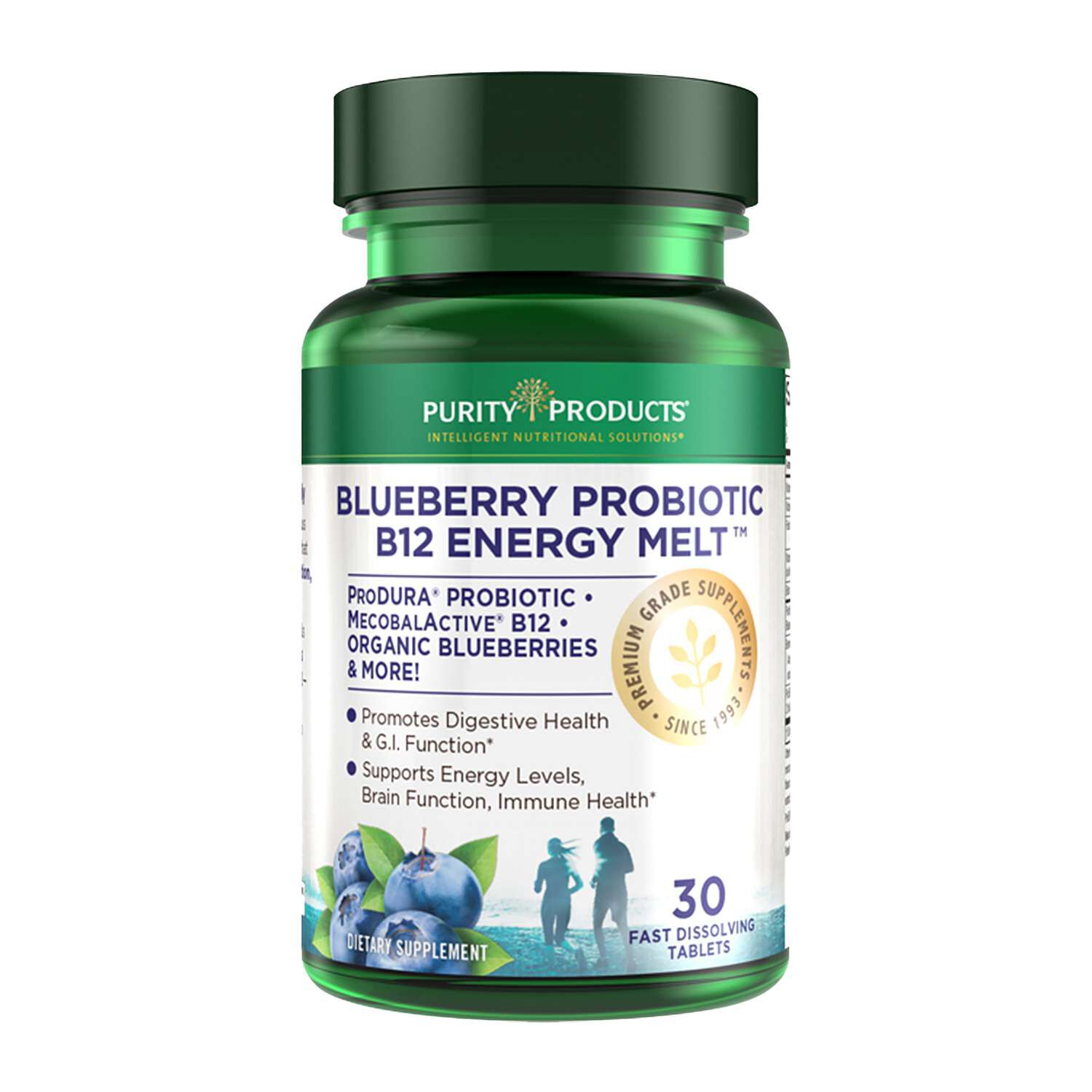 Purity Products$24.99
-
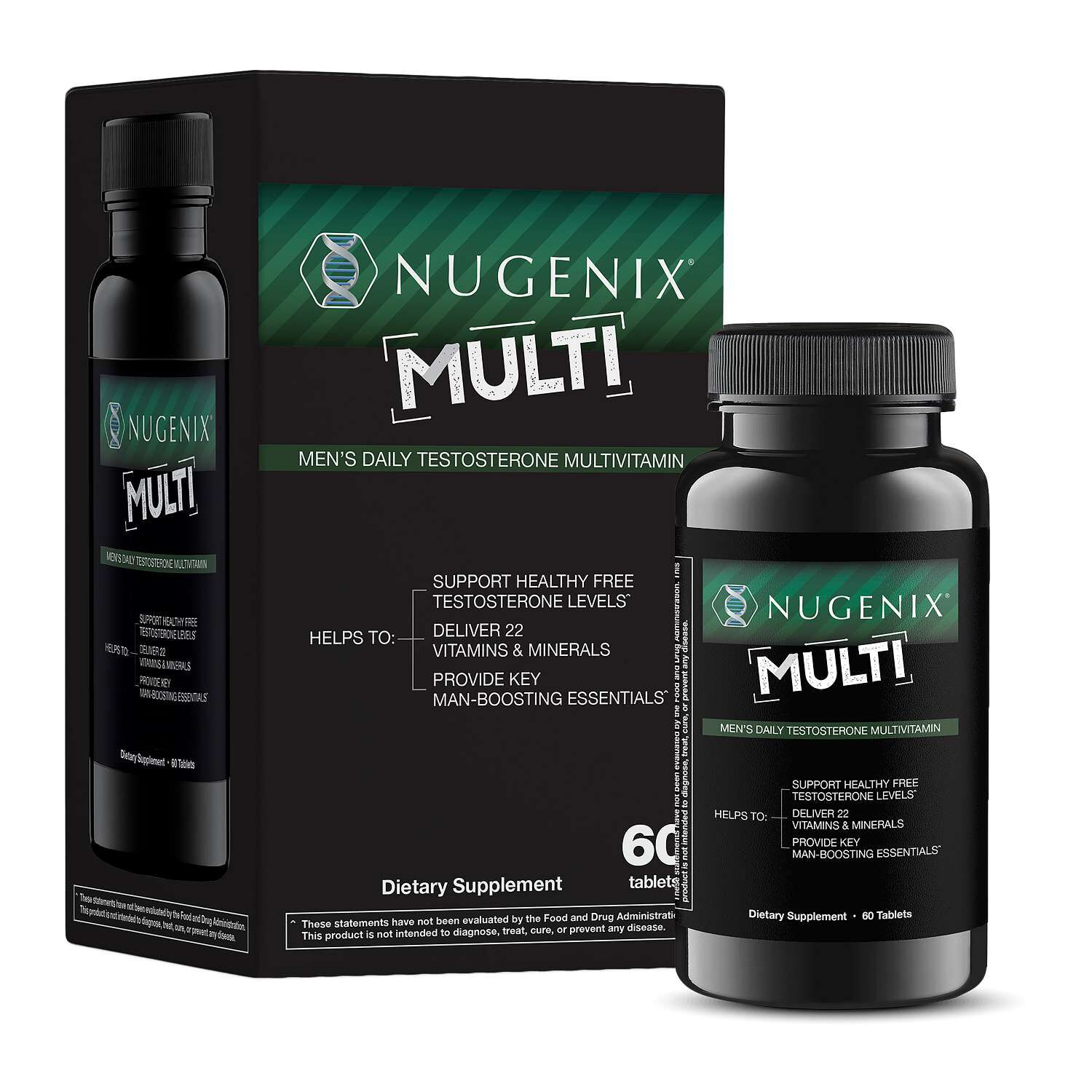
-
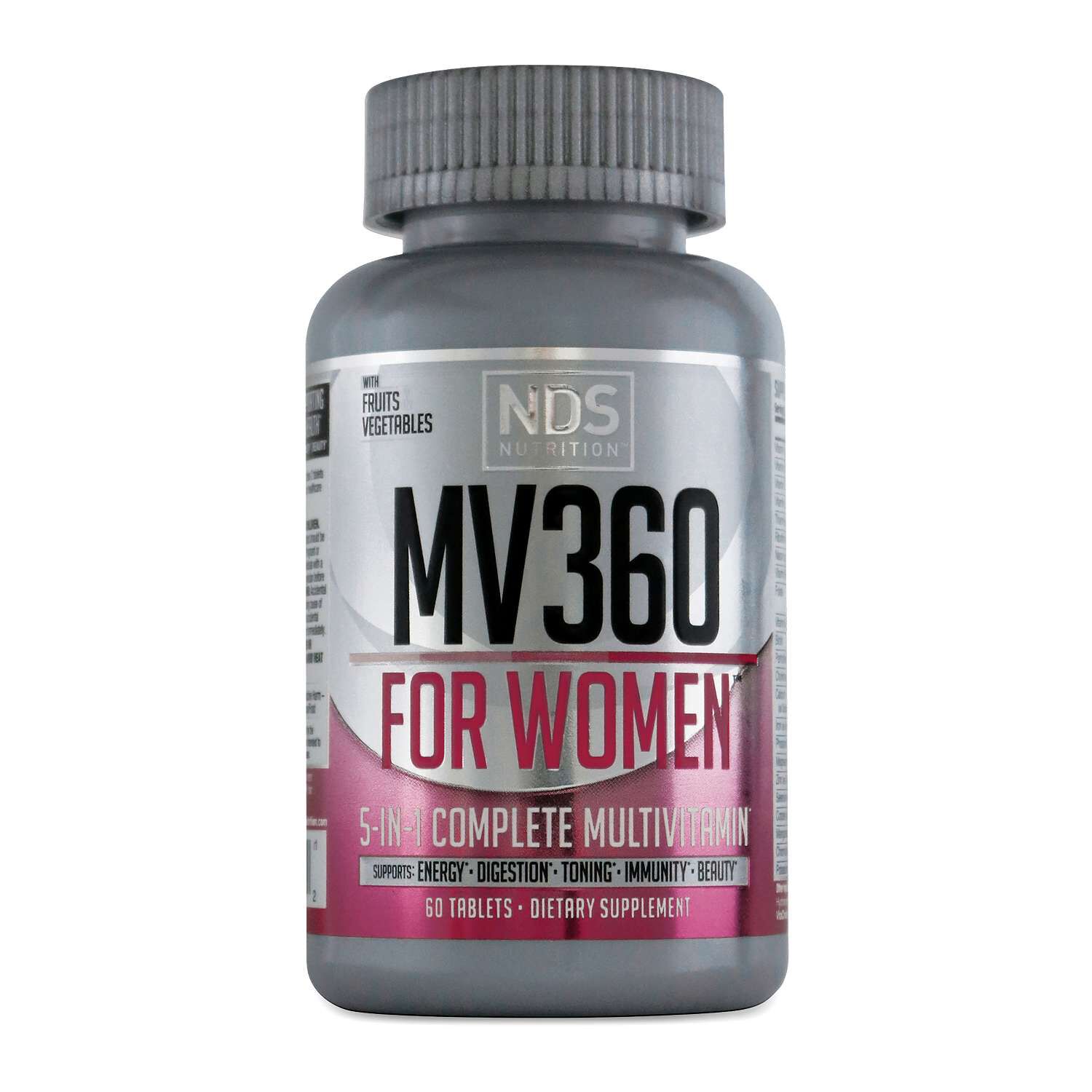 NDS Nutrition$49.99
_Front.jpg?sw=305&sh=305&sm=fit "Pure Way-C Vitamin C and Bioflavonoids 1000+ mg - 90 Tablets (90 Servings) | GNC")


Immune tablets are dietary supplements commonly made with vitamin C, vitamin D, zinc, botanical ingredients, or combinations of these components. The name describes a product category rather than a single formula, so two tablet options can have quite different ingredient lists, serving sizes, and preparation instructions. Some formulas focus on a small number of vitamins and minerals, while others include ingredients such as elderberry, echinacea, or turmeric. These differences matter when comparing products for an everyday nutrition routine: a straightforward vitamin-and-mineral tablet offers a different composition from a blend containing several botanical extracts. The Supplement Facts panel provides the clearest picture of what each serving contains. Vitamin C may appear as ascorbic acid or another listed form, vitamin D may be identified as D2 or D3, and zinc may appear as zinc citrate, zinc gluconate, or another named compound. These names identify ingredient forms; they do not, by themselves, establish that one formula is the right match for every shopper. Amounts also need context. Milligrams and micrograms are different units, and the amount printed for a serving may refer to more than one tablet. A bottle containing sixty tablets, for example, does not necessarily contain sixty servings. Botanical descriptions deserve similar attention because a plant powder, an extract, and a blend are not identical descriptions. Labels may identify the plant part, list an extract ratio, or report several ingredients under one combined amount. Reading those details makes comparisons more meaningful than relying on a large number or a prominent ingredient name on the front of the package. For adults browsing immune tablets as part of a daily supplement routine, the most useful distinctions are often practical ones: which ingredients are included, how much is listed per serving, what format is intended, and whether the formula fits existing food and ingredient preferences. Tablets may complement an everyday nutrition routine, but the category name alone does not describe everything inside the package.
Tablet format is another important distinction within this category. Traditional swallowable tablets are made for use according to their label directions, while chewable tablets and effervescent tablets have different preparation requirements. Effervescent immune tablets are designed for dissolving in water rather than swallowing intact. Their labels typically specify the amount of water to use, making container size and preparation part of the shopping decision. A person who keeps a water glass beside breakfast may prefer a different format from someone who carries a bottle between meetings or packs supplements for a weekend away. Flavor also becomes more relevant when a tablet is chewed or prepared as a drink. Citrus, berry, and other flavor profiles can differ in sweetness and ingredient composition, so the flavor name is only one part of the comparison. Sweeteners, sugars, sodium, and flavoring ingredients may appear on different sections of the label. A flavored tablet is not necessarily nutritionally identical to an unflavored swallowable option, even when both highlight the same vitamin. Physical construction varies as well. Tablets generally contain compressed ingredients and may include binders, coatings, or other components used in manufacturing. The Other Ingredients section helps explain that construction and is worth reviewing alongside the Supplement Facts panel. A coating may give a tablet a smoother exterior, while tablet shape and dimensions can influence personal format preferences. Some options use layered construction; those details are best understood through the product’s own description rather than assumptions about the appearance of the tablet. Vegetarian or vegan preferences, ingredient sources, and clearly stated allergen information can also shape a selection. An adult choosing for personal use may already know which textures and flavors suit a familiar routine, while someone shopping for another person may have less information. Supplement preferences are personal, making the recipient’s requested format and ingredient requirements more useful than choosing by packaging alone.
Storage, packaging, and routine are useful considerations when comparing immune tablets for everyday use. A tightly closing bottle, a tube, and an individually wrapped format each involve a different way of organizing and carrying servings. Package dimensions may matter in a kitchen cabinet, a desk drawer, or a small travel bag, but keeping the original label accessible preserves the ingredient information and preparation directions. Tablet condition also deserves attention because moisture exposure may affect texture or appearance, particularly with formats designed to dissolve in water. The package’s storage instructions are the appropriate reference for handling, including whether the closure needs to be secured after each use. Desiccant packets, when included, are packaging components rather than part of a serving. Dates and handling details can be easier to find before a container becomes part of a busy household routine, especially when several supplements sit together on the same shelf. Organization need not be elaborate: a designated storage spot and a readable label can make the format easier to keep track of without separating tablets from their identifying information. When comparing a tablet with supplements already in a routine, ingredient overlap is another label detail to notice. A multivitamin and an immune tablet may both list vitamin C, vitamin D, or zinc, even if their front labels emphasize different purposes. Comparing serving sizes and ingredient amounts gives a more accurate picture than comparing product names alone. For a wider view of related formats, Immunity Supplements offers context beyond tablets, including other ways dietary supplements are presented. Within the tablet category, the strongest comparison starts with concrete details rather than broad expectations: the formula, the ingredient forms, the number of tablets per serving, the preparation method, and the packaging. Someone who values a short ingredient list may approach that comparison differently from someone who prefers a flavored drink format. Those everyday preferences, paired with clear label information, help distinguish immune tablets that otherwise look similar at a glance.
Best Sellers


Related Pages


Top Collections
- Joint Mobility Supplement Packs
- Daily Collagen Supplements | Top Brands & Deals | GNC
- GLP 1 Support For Adults
- Zinc Supplements | Top Brands at Great Prices | GNC
- Supplements For Yoga Joint Flexibility
- Supplements For Balance
- Capsule Supplements For Energy And Stamina
- Adult Mobility Supplements
- Chronic Fatigue Supplements
- Vitamins For Hair Loss