Low Glycemic Beverages
(0 Results)
Explore a refreshing selection of low glycemic beverages that could support balanced energy levels and complement a healthy lifestyle. These drinks might be an excellent choice for those looking to manage their sugar intake without compromising on taste. Whether you're aiming to maintain stable blood sugar or simply seeking a deliciously satisfying drink option, these beverages may offer the perfect blend of flavor and function. Enjoy the potential benefits of thoughtfully crafted drinks that may fit seamlessly into your daily routine.


Low glycemic beverages are drinks considered in relation to their carbohydrate content and glycemic index, a measure of how carbohydrate-containing foods and drinks may affect blood sugar. A measured glycemic index of 55 or less is generally classified as low, but not every beverage has a tested value. Plain water and drinks with negligible carbohydrate are often discussed alongside low-GI options, even though a published glycemic index may not be applicable. That distinction matters: “low glycemic,” “low sugar,” and “unsweetened” describe different characteristics, not interchangeable claims. Low sugar refers to sugar content, while unsweetened generally means no sweetening ingredients have been added; neither description alone establishes a tested GI. Naturally occurring sugars, starches, serving size, and preparation all contribute to a beverage’s carbohydrate profile. For shoppers comparing low glycemic drinks, the Nutrition Facts panel provides a practical starting point, particularly the serving size, carbohydrate grams, sugars, and added sugars. A bottle containing two servings represents a different portion than a single-serving can, even when the numbers per serving look similar. Glycemic load is another related term that accounts for both glycemic index and the amount of carbohydrate in a portion. These distinctions provide context for browsing everyday drinks without treating one front-label phrase as the whole story. Plain or sparkling water, unsweetened brewed tea, and coffee without sweetened additions are familiar categories for shoppers seeking little or no sugar. Their flavor profiles vary considerably, from the mineral character of sparkling water to the roasted notes of coffee and the grassy or floral character of tea. Citrus, cucumber, or mint flavoring may appeal to someone who prefers an aromatic drink, while an unflavored option may suit meals where a neutral taste is preferable. Fruit-flavored does not necessarily mean made with juice, and a drink containing juice is not automatically comparable to water with fruit flavoring. The ingredient list clarifies those differences, including whether sweetness comes from fruit ingredients, added sugars, or another sweetener.
Milk, cultured dairy beverages, plant-based drinks, and protein beverages bring another set of details to the comparison. Unsweetened does not always mean no sugar: plain dairy milk contains naturally occurring lactose, while almond, soy, oat, and other plant-based bases have different carbohydrate profiles. Added flavorings, fruit concentrates, and sweeteners can change those profiles further. Protein, fat, and fiber are useful nutritional details, but their presence does not establish a drink’s glycemic index. A protein beverage intended for a gym bag is therefore not automatically equivalent to an unsweetened drink served with breakfast. Likewise, a vegetable-based juice may contain different amounts of carbohydrate depending on its ingredients, concentration, and portion. Tomato-forward blends, fruit-and-vegetable mixtures, and drinks made from concentrated juice deserve comparison on their own labels rather than by category name alone. Taste and texture matter just as much to everyday use. Some beverages are creamy and substantial, while others have a clear, lighter texture or a crisp carbonated finish. Cocoa, vanilla, tart fruit, and botanical flavors create very different drinking experiences, even when sugar amounts are similar. Sweeteners such as stevia or monk fruit may appear in drinks with little sugar, while other formulas use sugar alcohols or a combination of sweetening ingredients. The specific sweetener matters for personal preference because sweetness intensity and aftertaste vary. Caffeine is another separate consideration, especially when comparing coffee, tea, and energy beverages. Caffeine amounts are best understood per serving and per container, since packages can contain more than one portion. Shoppers can also explore related beverage options while comparing sugar and caffeine content. A lower sugar description does not mean a drink contains less caffeine, and an electrolyte ingredient does not establish a low glycemic profile. Ingredient lists and nutrition information provide more detail than broad beverage categories when narrowing choices by flavor, dietary preferences, and intended use.
Low glycemic beverages also differ in how they fit into an ordinary day. A ready-to-drink bottle requires no measuring, while a powder or concentrate involves preparation before drinking. For a commute or an afternoon at a desk, container size, a secure closure, and storage directions are practical details alongside taste. A single-serving can has a different use pattern than a larger resealable carton intended for several portions at home. With drink mixes, the amount of powder and the liquid used both matter: mixing a serving with water produces a different nutritional profile than preparing it with milk, juice, or a sweetened plant-based drink. Extra scoops, flavored syrups, and other additions also change what ends up in the glass. Preparation directions identify the intended serving and mixing method, while storage instructions clarify refrigeration needs and handling after opening. Some powders settle between sips, and some packaged beverages call for shaking before opening; those details are part of the drinking experience rather than a measure of carbohydrate content. For mixes carried in a reusable bottle, a snug lid, an accessible opening, and washable components matter for repeated use. Care directions for both the beverage and the container help distinguish a drink intended for immediate use from one suitable for storage after preparation. At the table, pairing preferences are often straightforward: a subtly flavored sparkling drink alongside lunch, an unsweetened tea with a snack, or a creamy beverage as part of breakfast. Shoppers avoiding particular ingredients may also consider milk, soy, tree nuts, and other declared allergens, regardless of the drink’s sugar description. The comparison brings together the serving actually poured, the ingredients in that serving, and the flavor and format that suit the occasion. A low glycemic beverage category offers a starting point, while the individual label supplies the details needed for an informed choice.
Best Sellers
-
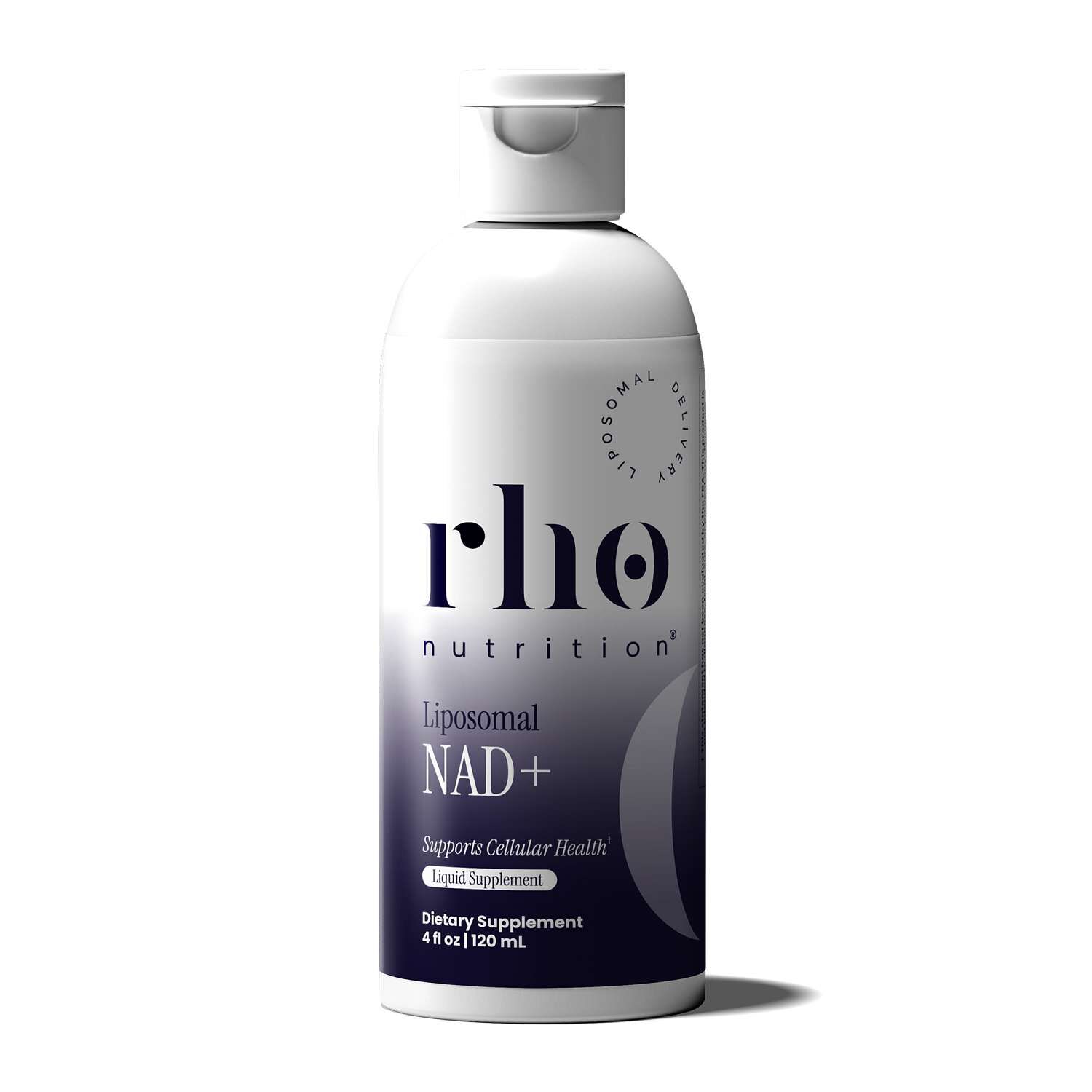 Rho Nutrition
-
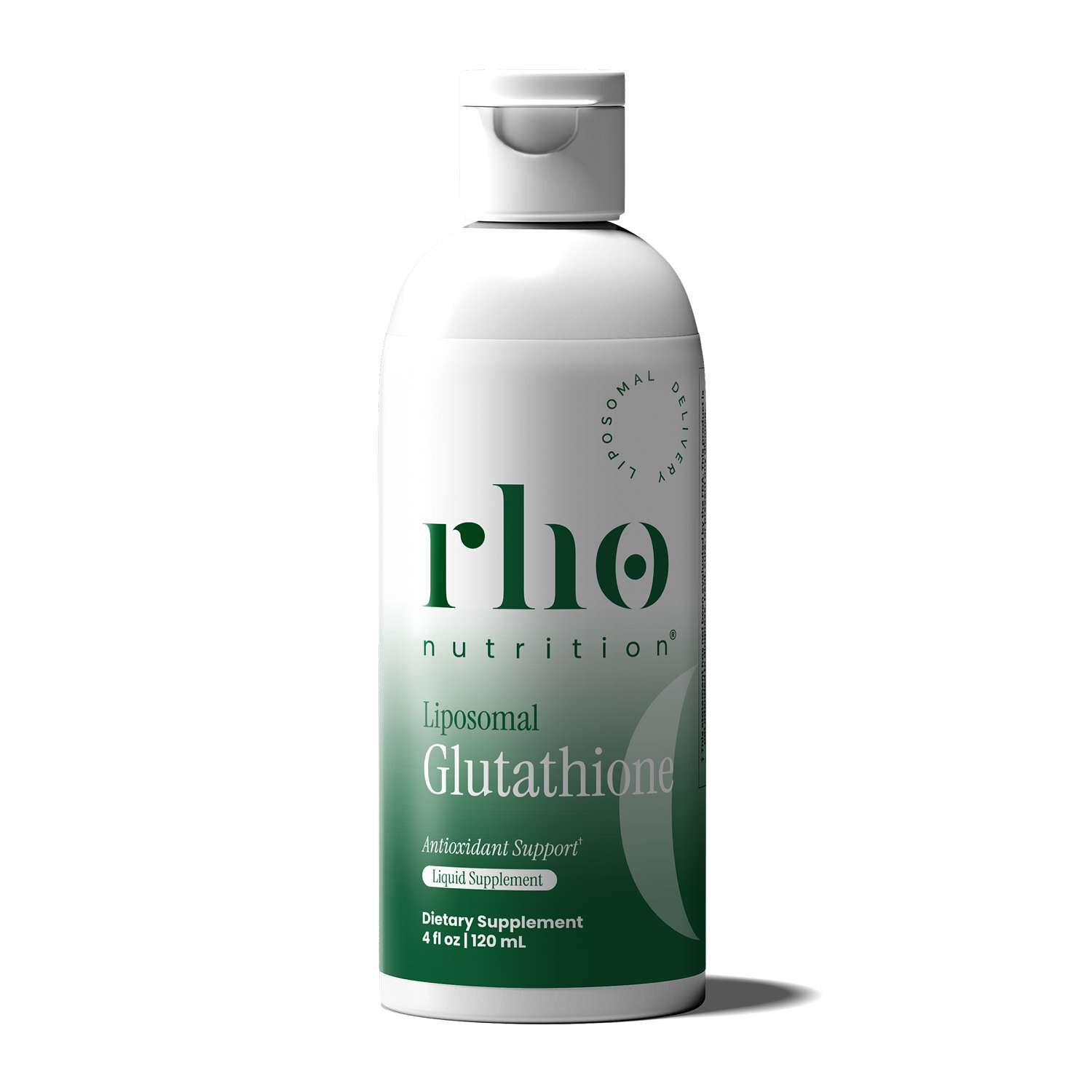 Rho Nutrition
-
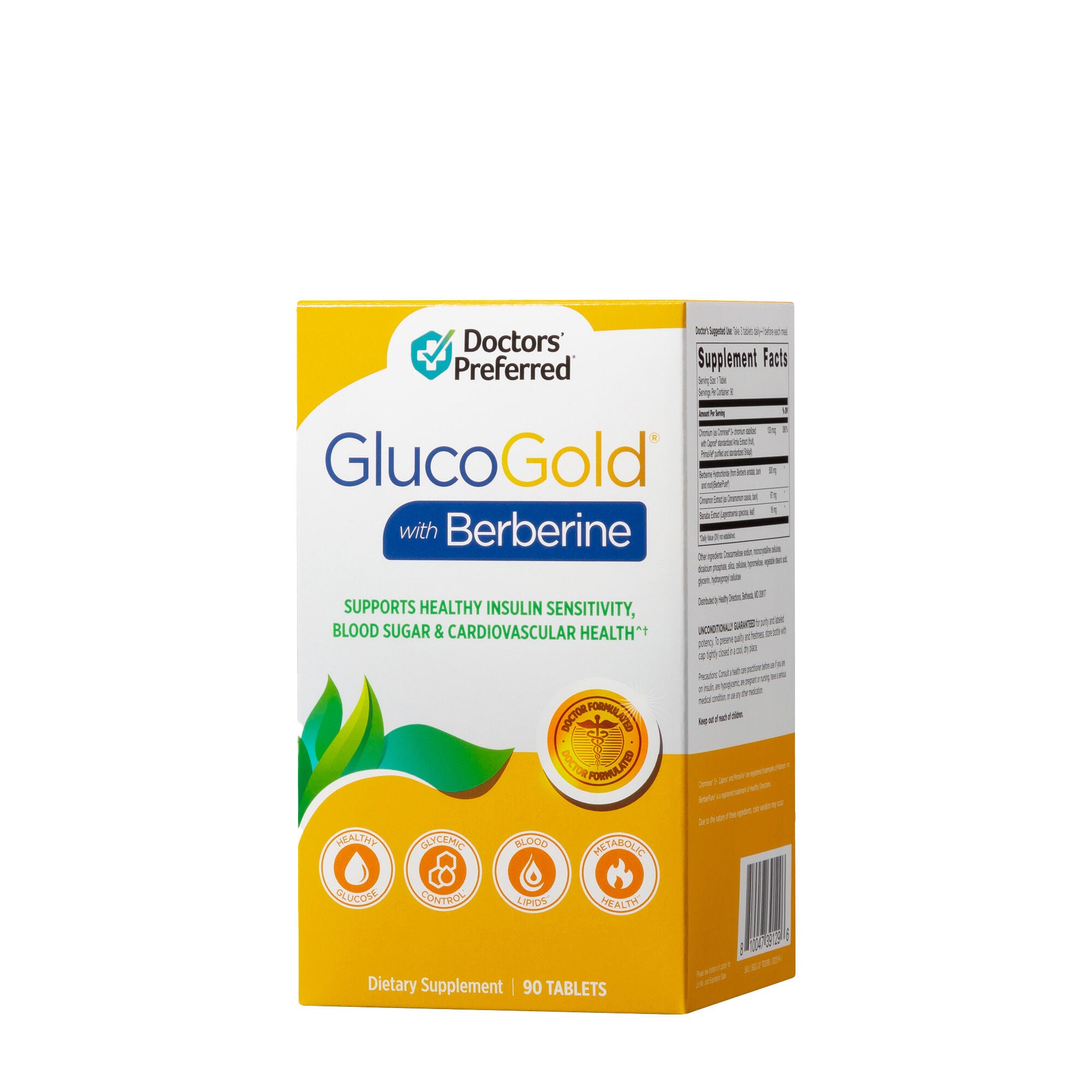 Doctors' Preferred