





Lutein Supplements Without Yeast
(0 Results)
Lutein supplements without yeast offer a convenient option for those looking to support their wellness routines with a focus on simple ingredient profiles. Many individuals seek out lutein supplements without yeast as part of their daily regimen, especially when aiming to avoid certain ingredients. Explore a variety of choices that may fit your preferences and support your personal wellness goals.
-

-
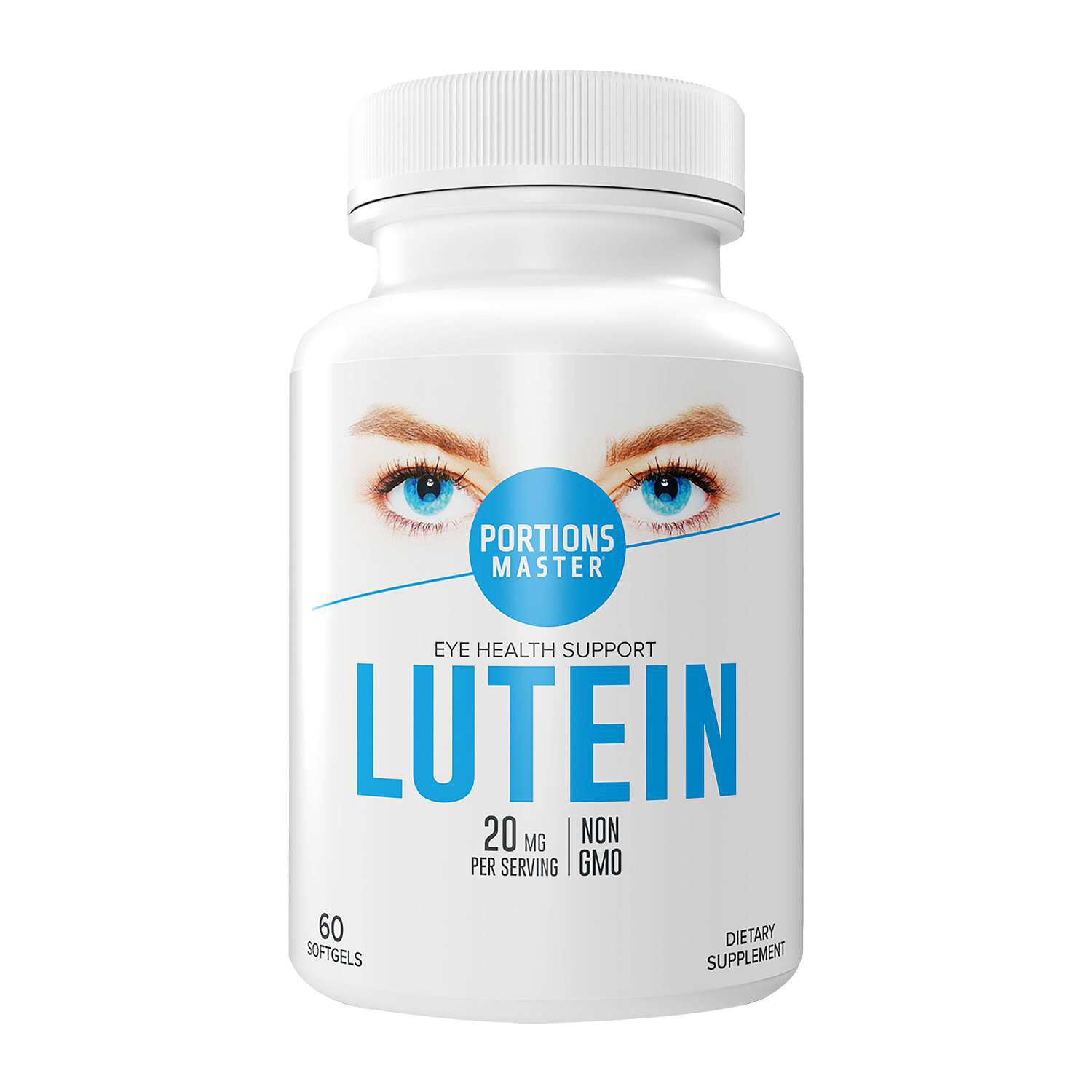 Portions Master$24.99
-

-

-
-
-
-
-
-

-

-
-

-
 $59.99
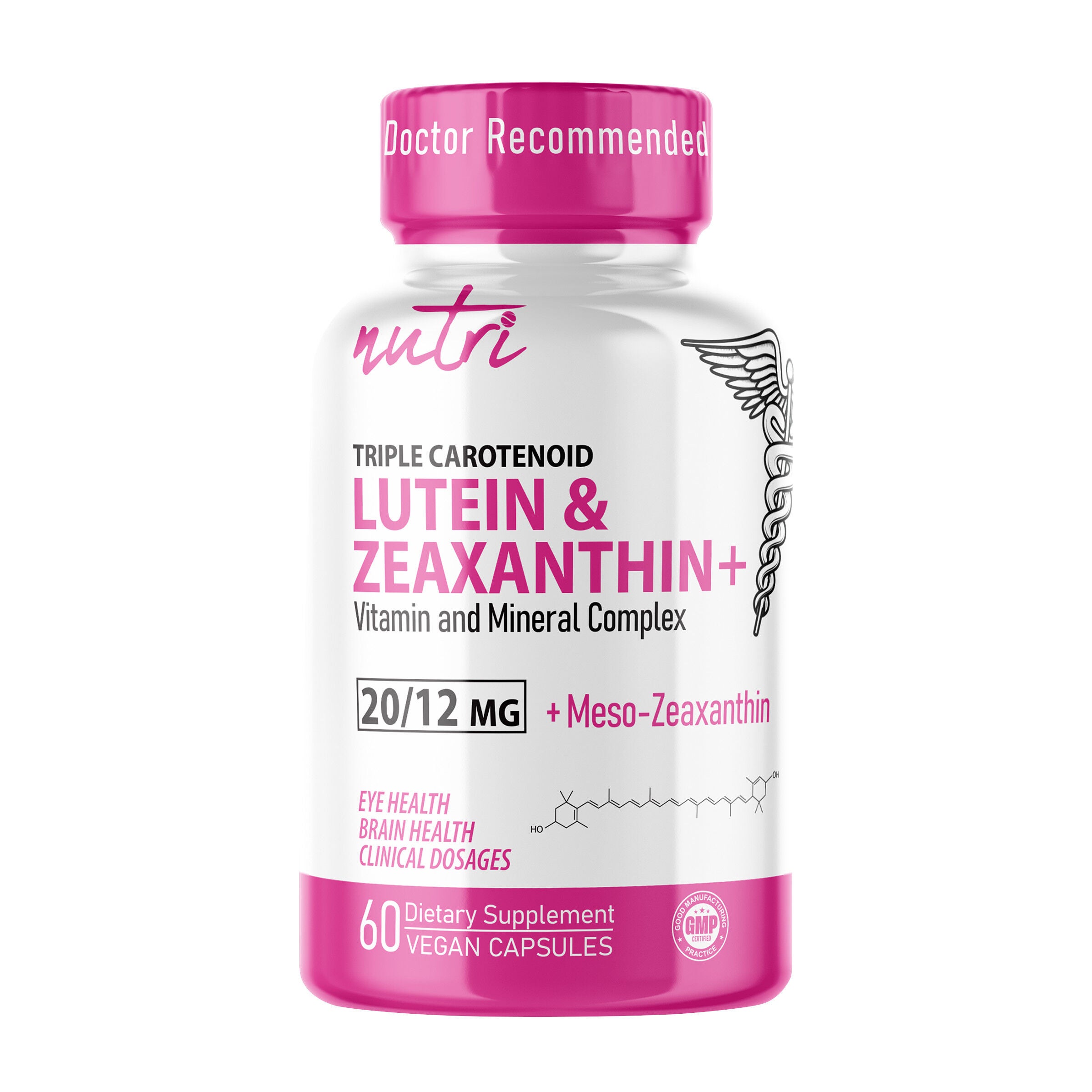
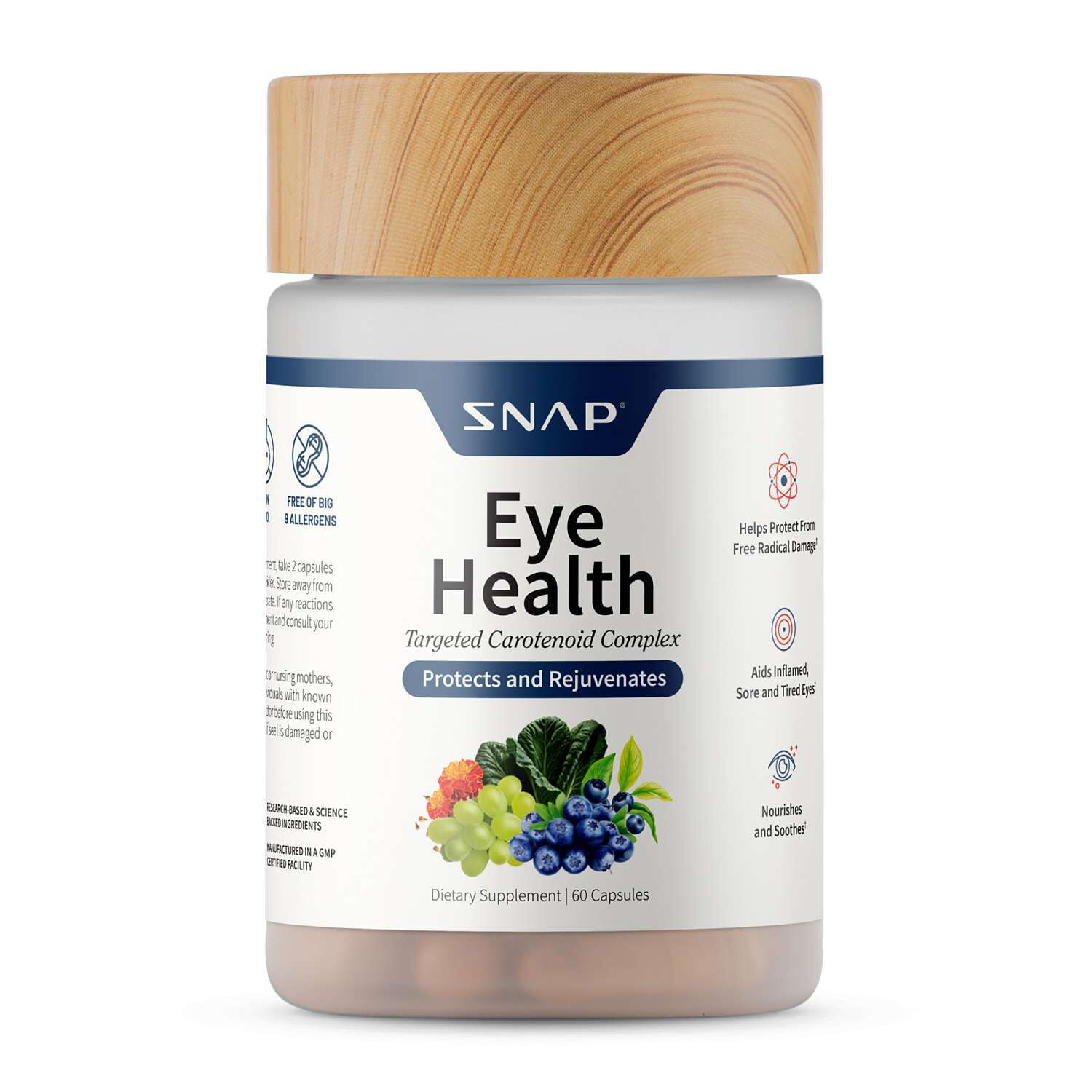
Lutein supplements without yeast are dietary supplements formulated without yeast as an ingredient; that description does not, by itself, establish how or where a supplement was manufactured. The most useful confirmation comes from an explicit statement on the finished product’s label, alongside its ingredient list and manufacturing disclosures. Lutein is a yellow carotenoid pigment found in foods such as spinach, kale, and egg yolks. It also occurs naturally in the macula, an area near the center of the retina, which explains its association with eye-focused nutrition. Supplemental lutein is often sourced from marigold flowers, but a marigold source alone does not establish the yeast status of the finished formula. The capsule shell, carrier oils, and other ingredients are separate parts of that formula and deserve attention, too. For shoppers who exclude yeast from their dietary routine, the distinction between the source of lutein and the composition of the finished supplement is particularly useful. A straightforward lutein formula and a blend containing several nutrients can both require the same careful label review. Zeaxanthin, another carotenoid, frequently appears alongside lutein, while other formulas may contain vitamins or minerals. Those additions make the Supplement Facts panel an important part of comparing options, especially when another daily supplement already contains some of the same nutrients. Lutein amounts are generally expressed in milligrams, abbreviated as mg, and the stated serving size provides the context for that number. An amount listed per serving is not necessarily the amount in one capsule or softgel. Two similarly sized bottles can therefore represent different serving counts and different ingredient combinations. The clearest comparison keeps several details together: the yeast statement, lutein amount per serving, number of capsules or softgels in that serving, and any accompanying nutrients. A larger number on the front label does not describe all of those characteristics, and matching the label details to personal preferences is more informative than comparing bottle size or front-panel wording alone.
Capsules and softgels bring different material considerations to lutein supplements without yeast. A softgel commonly has a flexible shell surrounding a liquid or oil-based fill, while a capsule typically encloses its contents in a two-piece shell. Shell ingredients can vary, and a plant-derived source of lutein does not automatically mean that the finished supplement is vegetarian. Gelatin, cellulose-based materials, carrier oils, and other components belong in the ingredient review when those details matter to the shopper. Someone choosing supplements for a vegetarian household, for example, has more to consider than the flower pictured on a label. Likewise, a person avoiding soy or another ingredient needs a separate statement addressing that ingredient; a yeast exclusion does not establish other dietary characteristics. The distinction between formulation and manufacturing also matters. Wording that identifies an ingredient as absent addresses a different question from wording about shared equipment or a facility that handles other materials. Neither the botanical source nor the absence of yeast in an ingredient list supplies every detail about manufacturing conditions. Manufacturer information can provide context when package wording leaves that distinction unclear. Physical format is another practical consideration. Capsule length, softgel shape, coating, and the number required for a labeled serving can make one format a more suitable match for an established routine than another. Photographs are not always enough to judge dimensions, so written size information, when provided, can be useful. Directions also identify the intended use of the particular formula rather than leaving shoppers to assume that all lutein supplements follow the same routine. A label may describe when to take a serving or include other handling instructions. Those directions belong with the ingredient information during comparison. For a household where each person has different dietary preferences, keeping bottles in their original packaging also helps maintain a clear connection between the supplement, its yeast statement, its serving information, and the person who selected it.
Storage and packaging deserve attention after the ingredient comparison is finished. The package directions provide the appropriate conditions for a particular lutein supplement, including any instructions concerning moisture, light, or the container closure. A cabinet away from a steamy shower or a sunny windowsill offers a different environment from a bottle left beside a sink, so the storage location is part of the practical fit. A securely closed container, a readable label, and an intact package seal at first opening are concrete details worth checking. Date markings are useful when deciding how a bottle’s serving count fits an established routine. A larger container is not automatically the most convenient choice for someone who prefers a smaller bottle or has limited cabinet space. Travel adds another consideration: original packaging keeps ingredient statements and directions close at hand, while a loose assortment of capsules makes those details harder to distinguish. If a household uses an organizer, retaining the labeled container preserves access to information that the organizer itself cannot display. Lutein supplements without yeast may appeal to adults whose shopping preferences include avoiding yeast, but that single characteristic does not make every formula interchangeable. Other priorities can include capsule materials, the presence of zeaxanthin, the simplicity of the ingredient list, and how clearly the manufacturer explains its process. For someone shopping with a woman’s established preferences in mind, Lutein Supplements For Women offers a related category to explore while keeping the same attention on yeast statements and individual formula details. Supplements are personal purchases, so choosing one for another adult is most considerate when that person’s preferred format and dietary requirements are already known. Clear labeling is valuable whether the bottle is intended for a familiar daily routine or a carefully chosen gift. The defining characteristic remains specific: a lutein supplement without yeast should have labeling that supports that description, with its other ingredients, serving directions, and manufacturing information considered on their own terms.
Best Sellers
-
 Rho Nutrition
-
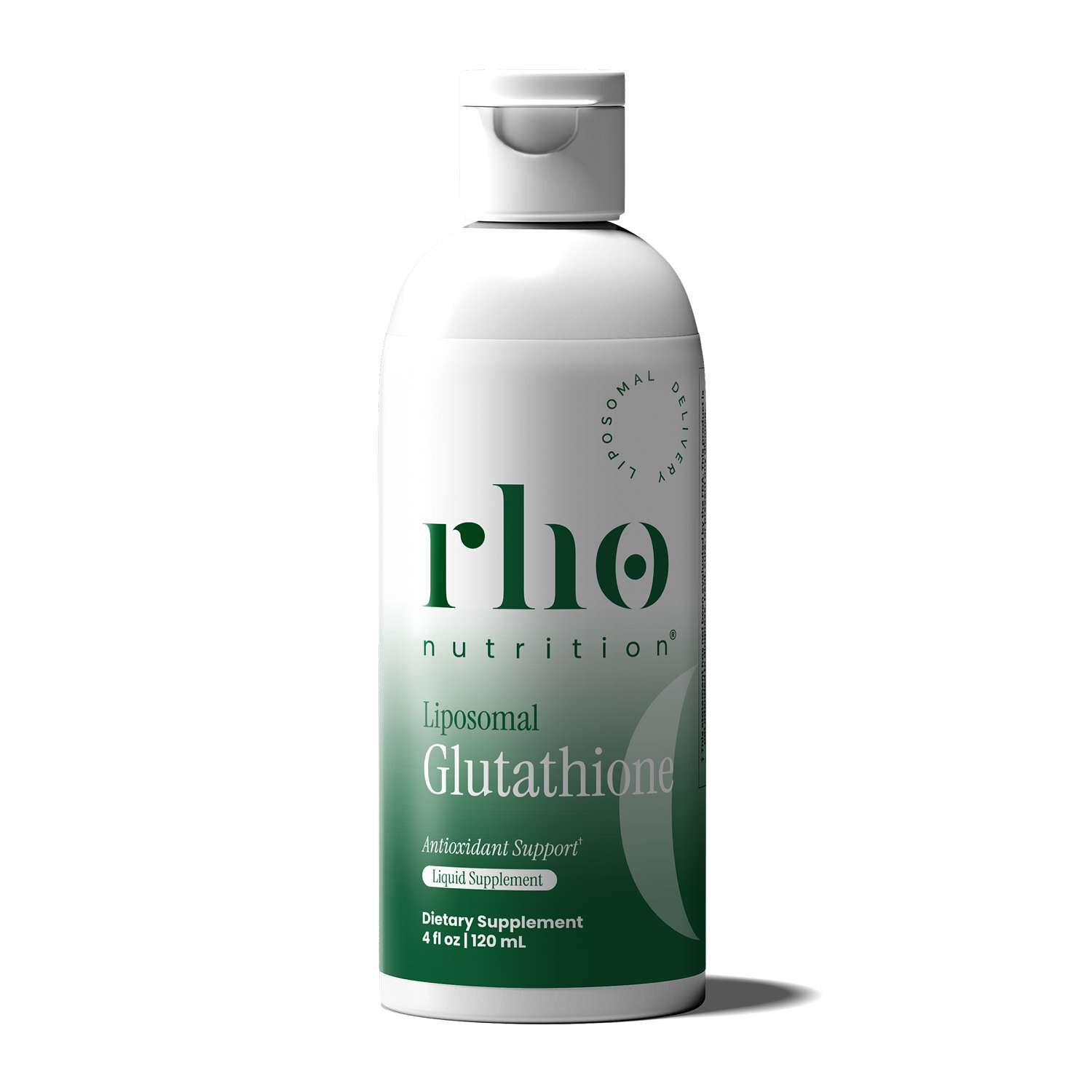 Rho Nutrition
-
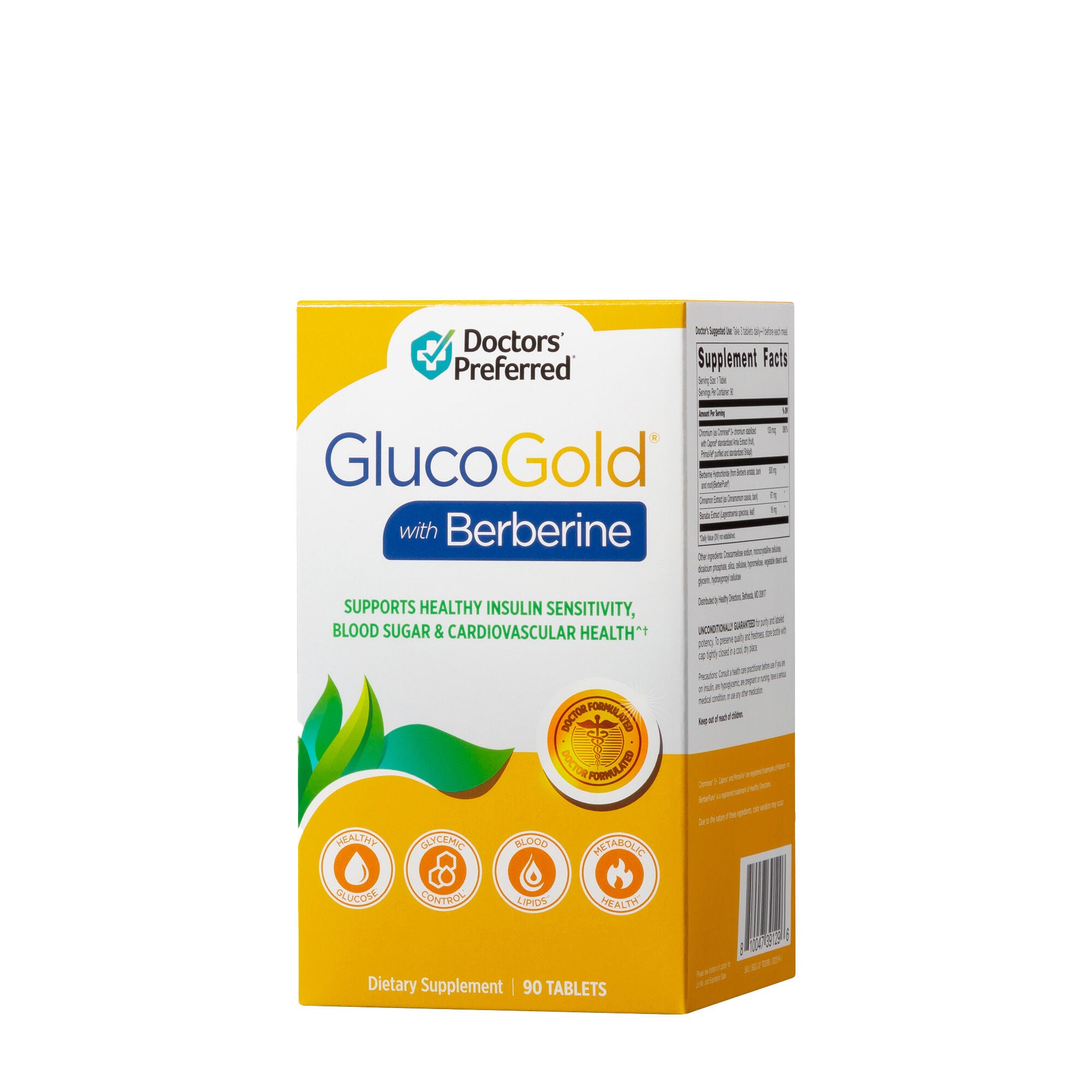 Doctors' Preferred
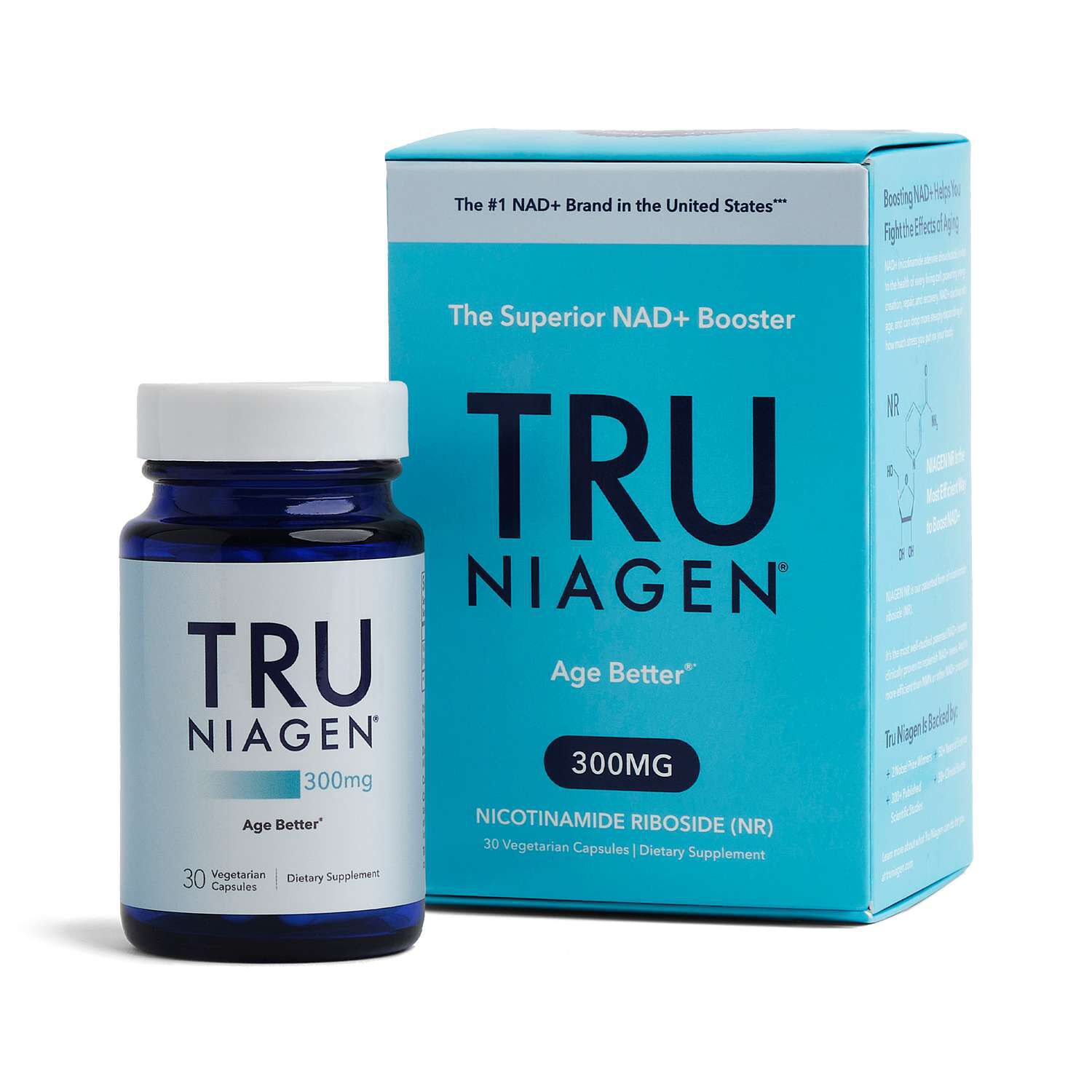
Related Pages
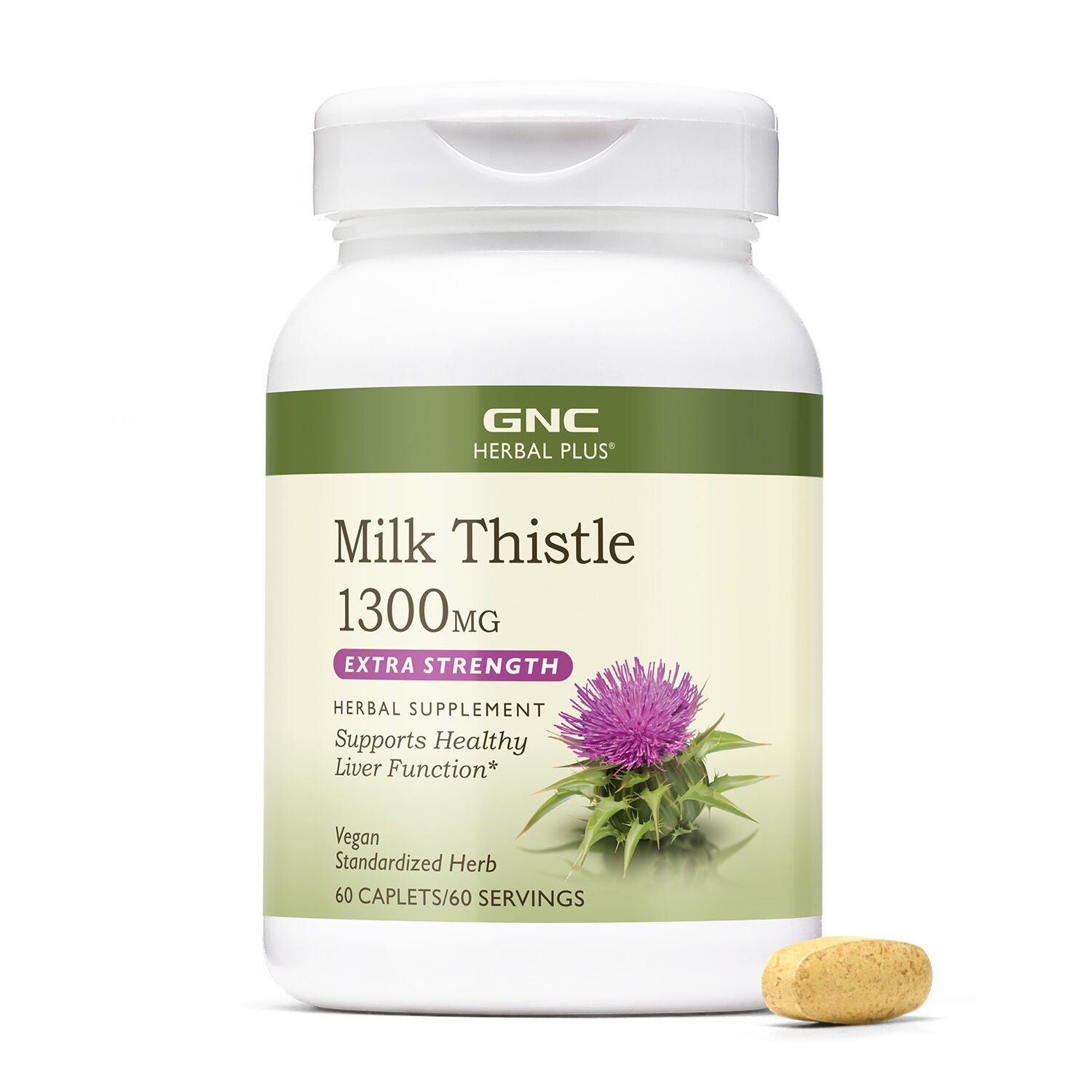
Top Collections
- Supplements For Yoga Joint Flexibility
- GLP 1 Support For Adults
- Joint Mobility Supplement Packs
- Chronic Fatigue Supplements
- Adult Mobility Supplements
- Supplements For Balance
- Supplements For Anxiety Relief Support
- Capsule Supplements For Energy And Stamina
- Zinc Supplements | Top Brands at Great Prices | GNC
- Anti Aging Supplements For Women