





Lutein Zeaxanthin Supplements For Eye Fatigue
(0 Results)
Lutein zeaxanthin supplements for eye fatigue are a popular choice for those looking to support their overall eye wellness. These supplements may offer key nutrients that play a role in maintaining healthy vision, especially for individuals who spend long hours in front of screens or in environments with bright lighting. Explore a range of lutein zeaxanthin supplements for eye fatigue and discover options that could fit seamlessly into your daily routine.
-

-
-
-
-

-
-
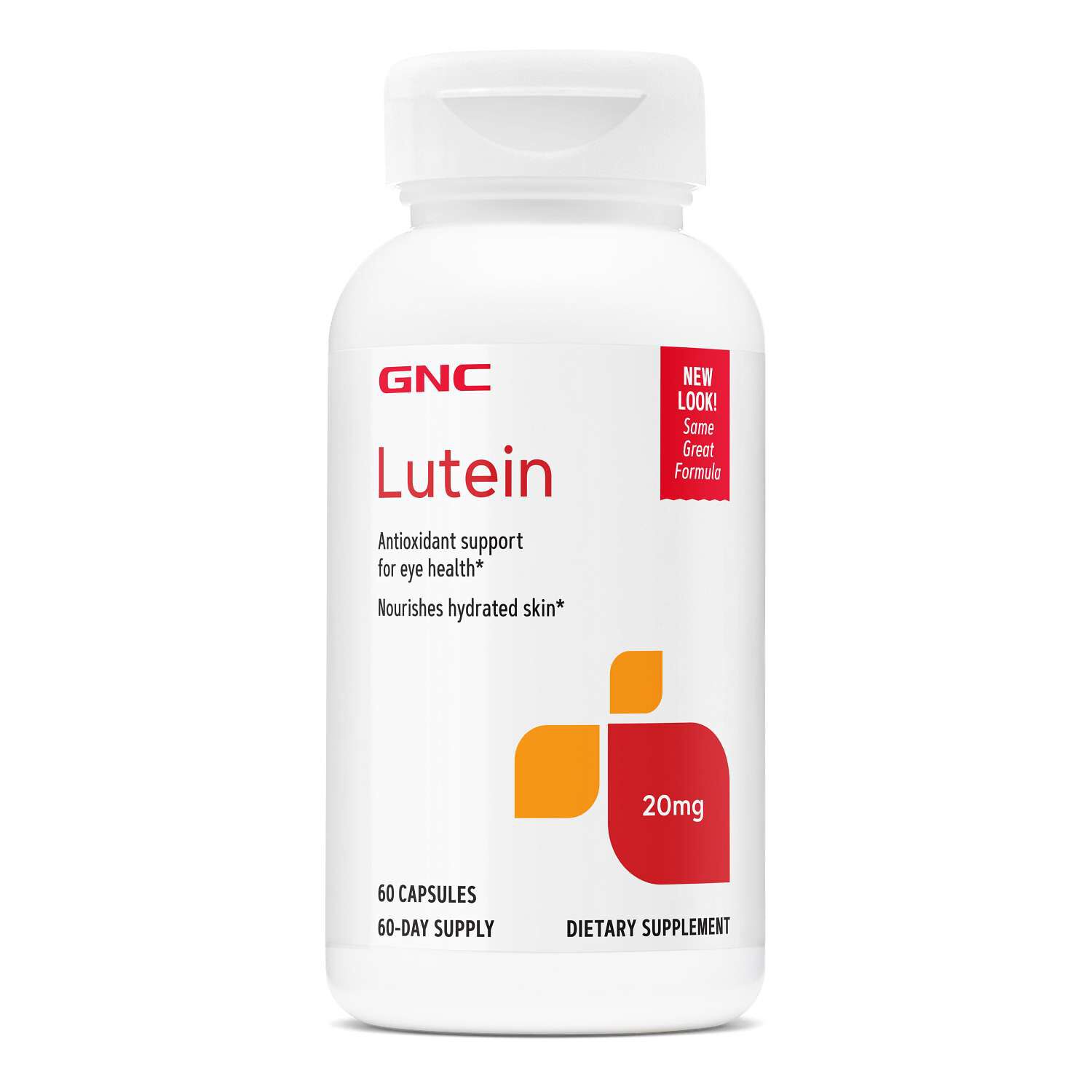
-

-
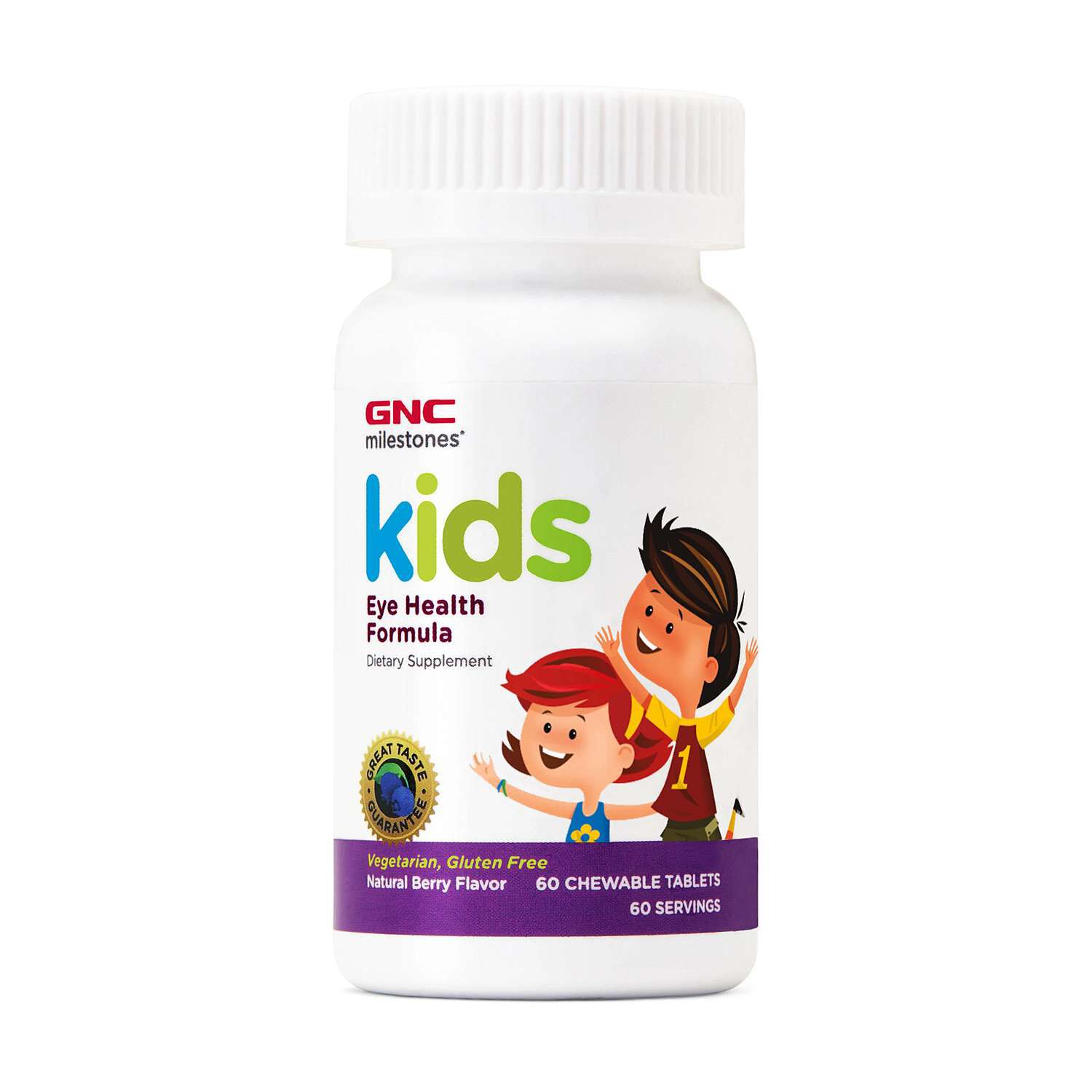
-
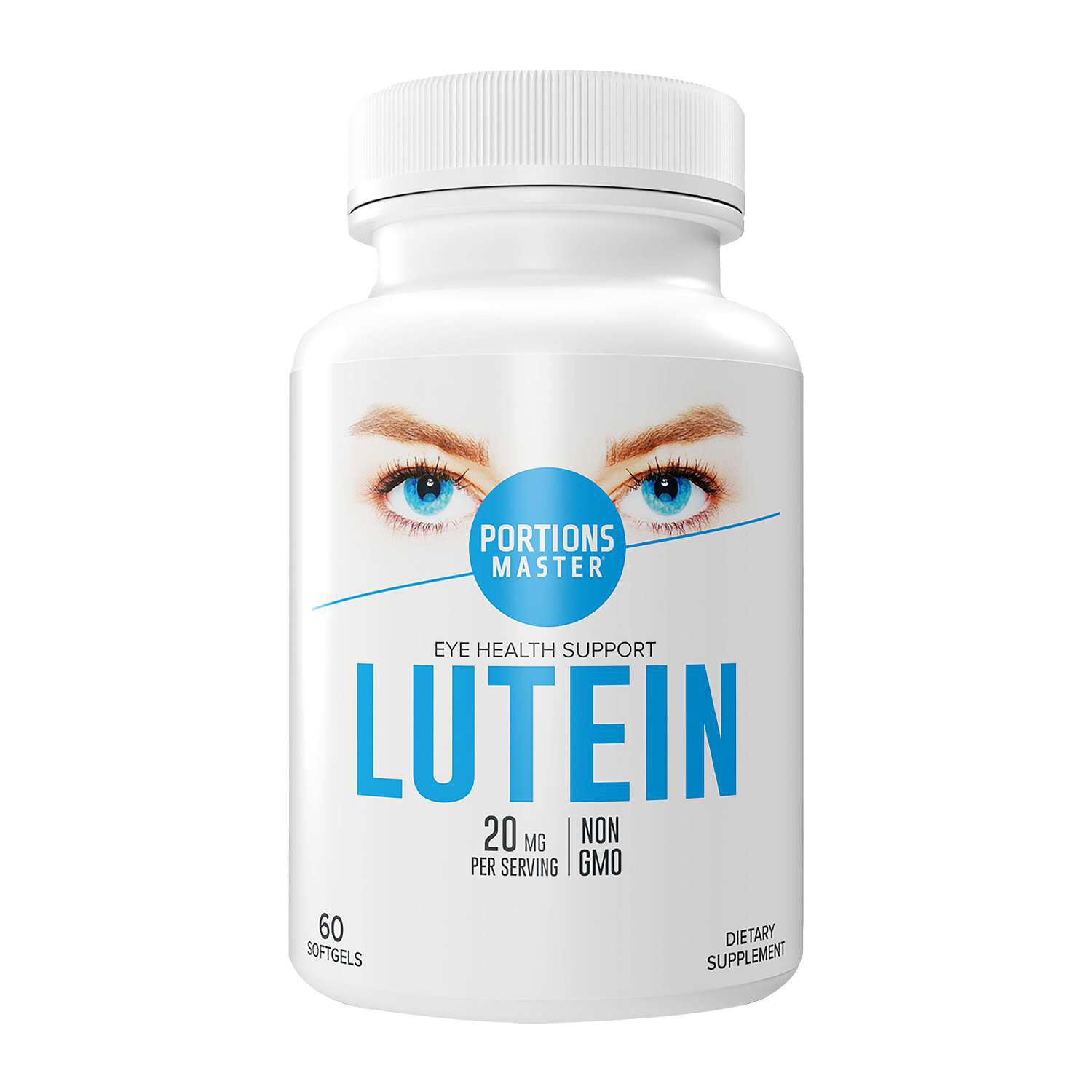 Portions Master$24.99
-

-

-

-
 $59.99
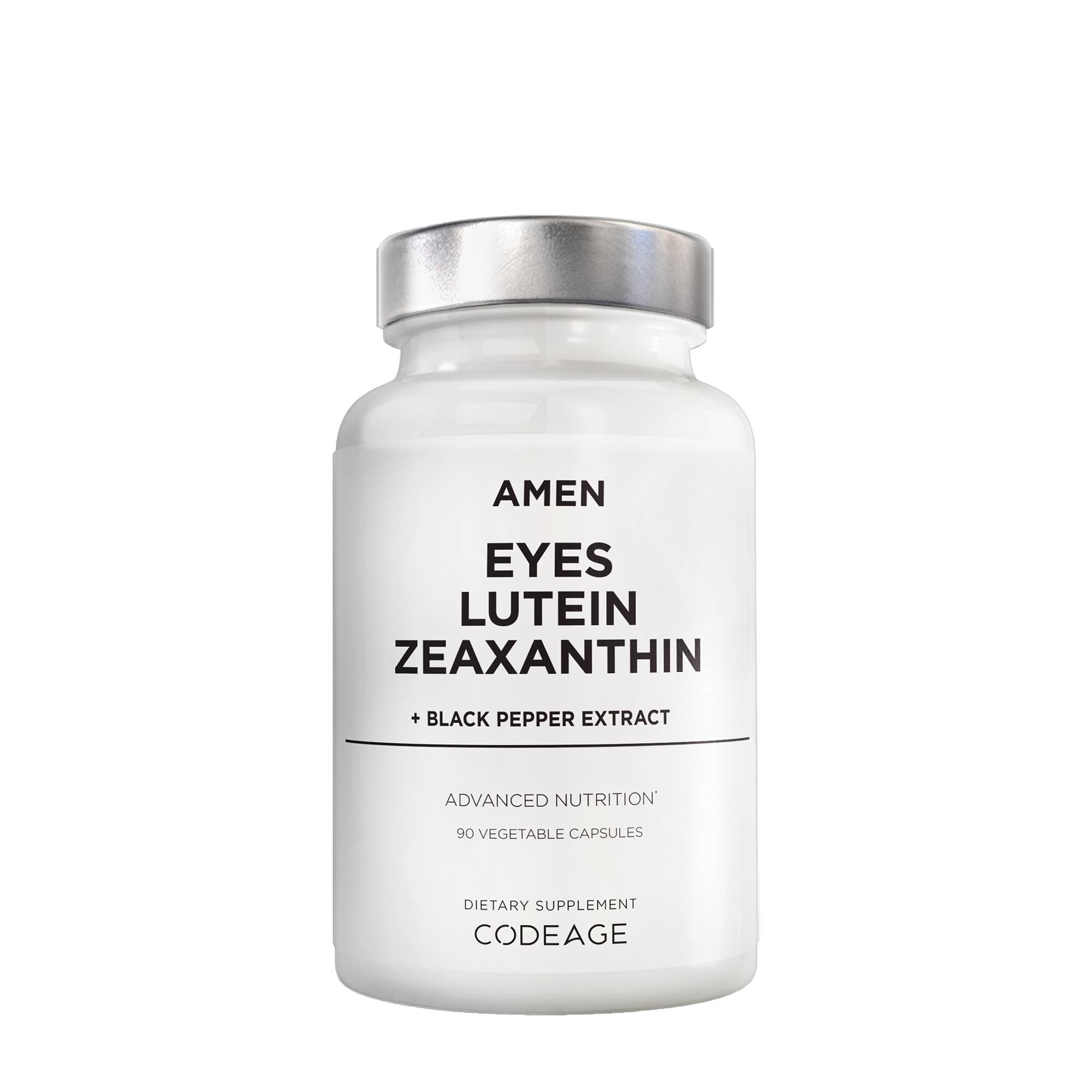
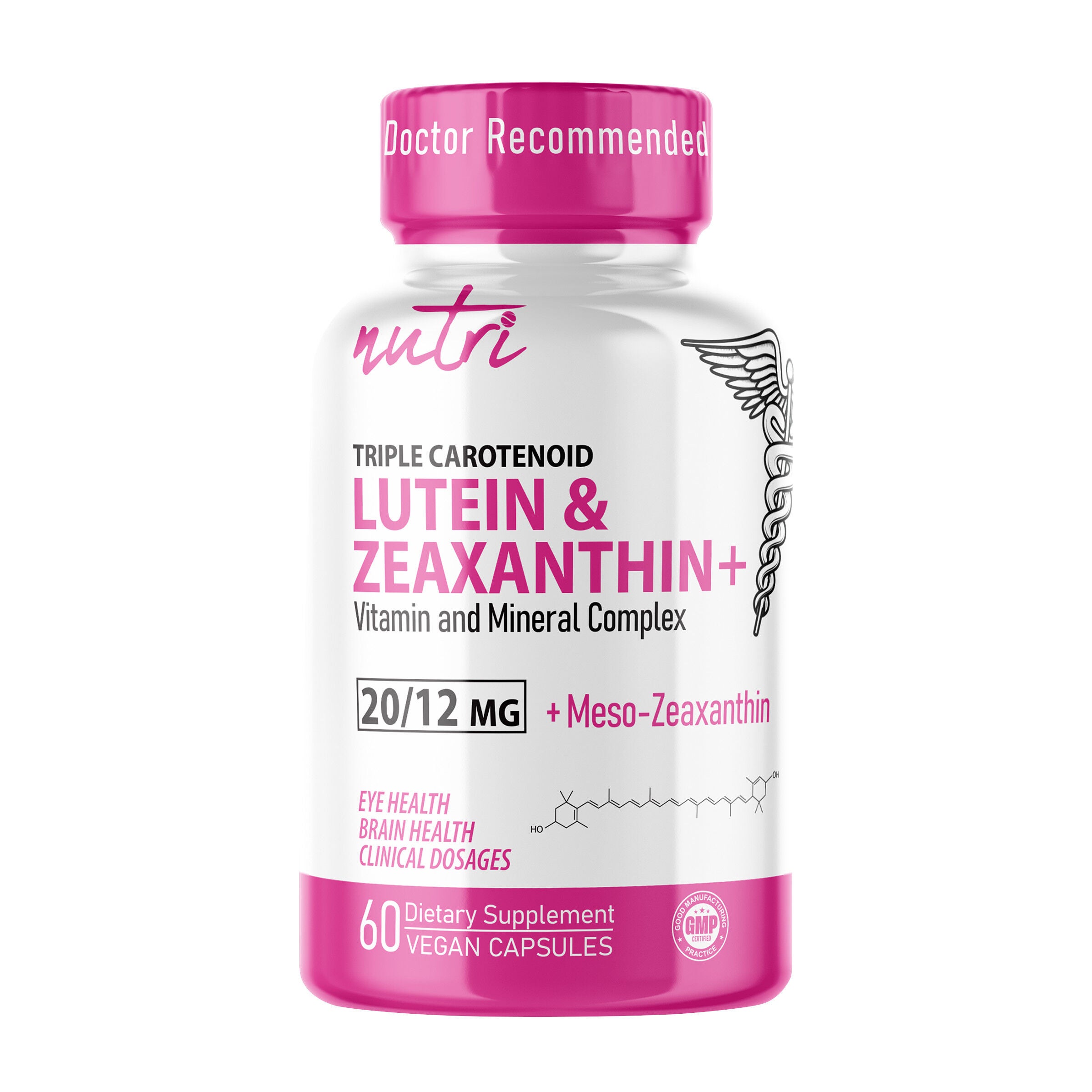
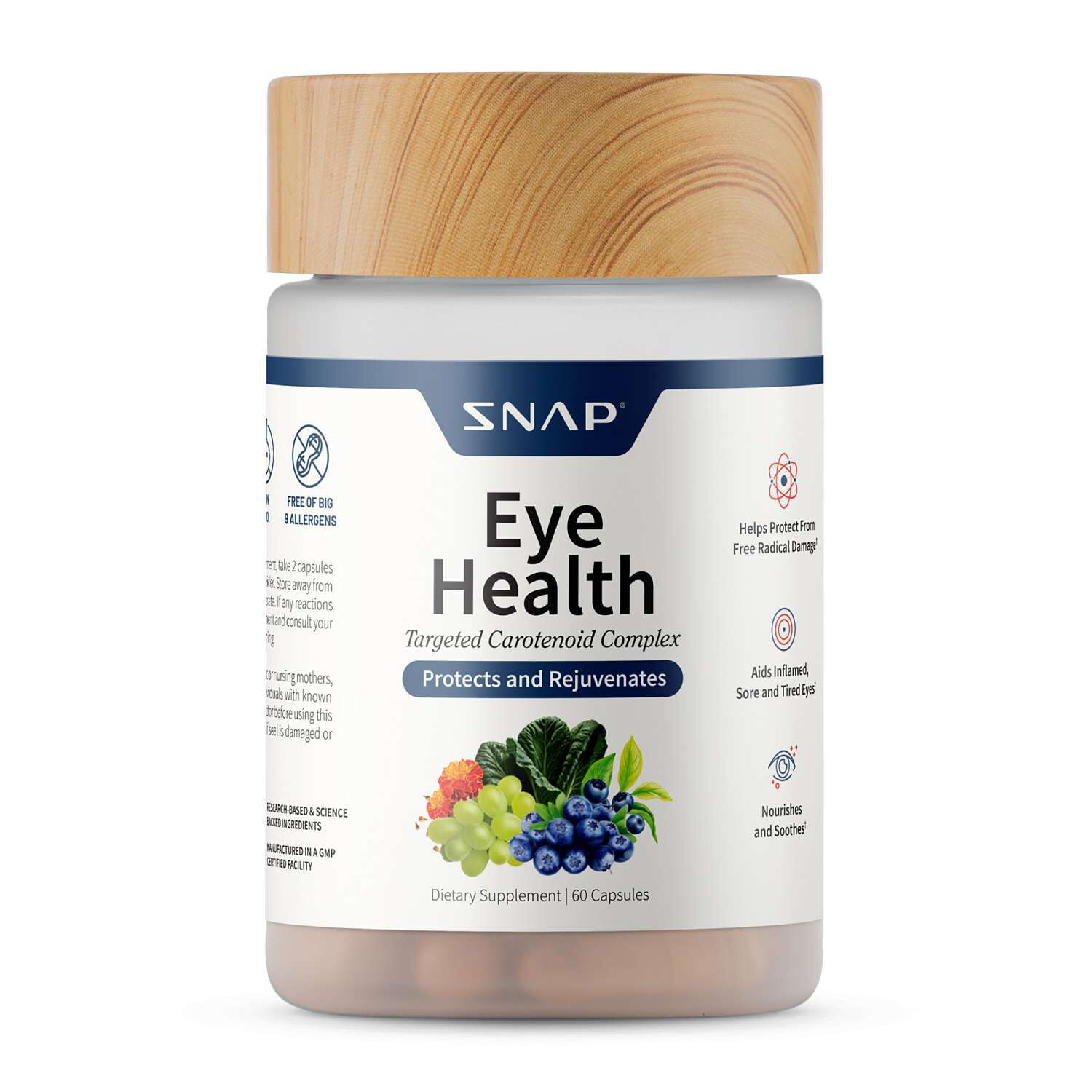
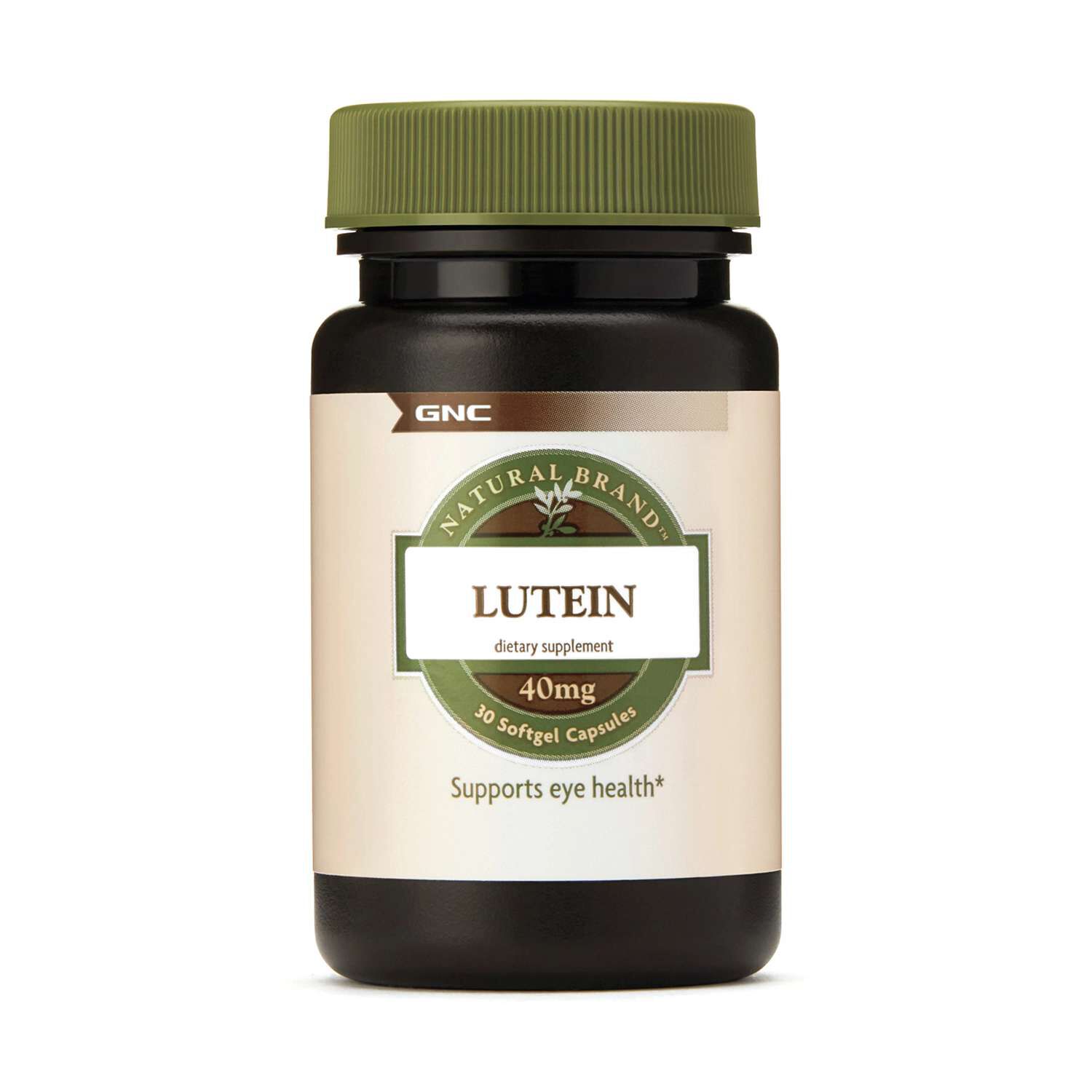
Lutein zeaxanthin supplements for eye fatigue bring together two dietary carotenoids commonly featured in eye-focused nutrition formulas. Lutein and zeaxanthin are yellow pigments found in foods such as leafy greens, corn, and egg yolks, and both are naturally present in the macula, the central area of the retina associated with detailed vision. Their presence in this part of the eye helps explain their place in conversations about visual nutrition, including interest from people who spend much of the day looking at digital displays. Supplements containing these nutrients may support normal visual function and complement a varied diet, but they should not be viewed as a way to erase the demands of a long day at a computer. A spreadsheet-heavy workday, an evening of reading on a tablet, or hours spent reviewing small text can make eye-focused nutrition feel relevant to an everyday routine. The useful distinction is between choosing a nutritional supplement and expecting an immediate change in how the eyes feel. Lutein and zeaxanthin belong to the carotenoid family rather than being vitamins or minerals, so their names may appear alongside other nutrients on a formula’s label. They are frequently paired, although the amounts and proportions differ across formulations. Some labels list 10 milligrams of lutein and 2 milligrams of zeaxanthin per serving; other formulas use different amounts. Those numbers describe the contents of a serving, not a universal intake recommendation or a measure of how well a product might suit a particular person. Food sources remain part of the broader picture: spinach in an omelet, kale in a grain bowl, corn in a salad, and egg yolks at breakfast can contribute these carotenoids through ordinary meals. A supplement may offer another way to include them in a nutritional routine without replacing the variety of foods that make up a balanced diet. For shoppers browsing this category, the clearest starting point is the combination of nutrients, the serving information, and the intended use stated on the label.
The physical format matters because a supplement has to fit the routine in which it will be used. Lutein and zeaxanthin formulas commonly come in softgels or capsules, with differences in shape, capsule material, serving count, and additional ingredients. Some softgels contain an oil-based mixture, while capsules may use a powdered blend or another preparation. These differences describe how a formula is made and packaged; they do not establish that one format will work better for everyone. Capsule shells may be made from plant-derived materials or gelatin, making the ingredient statement especially relevant for shoppers with dietary preferences. The source of the shell is separate from the source of the carotenoids themselves, and a plant-derived nutrient does not necessarily mean every other ingredient has the same origin. Other details include carrier oils, color ingredients, and allergen declarations. A formula centered on lutein and zeaxanthin may appeal to someone who prefers a shorter ingredient list, while a broader eye-focused blend may include nutrients such as vitamins C and E, zinc, or copper. The distinction is one of composition rather than an automatic ranking of quality. Serving size also deserves attention: the amount listed in Supplement Facts may refer to more than one capsule or softgel. Comparing the amount per serving with the number of servings in the container gives a more accurate picture than looking at the front label alone. For someone who already uses a multivitamin, overlapping ingredients are another practical consideration, since a broader formula may include nutrients already present elsewhere in that routine. Care and storage matter after selection, too. The original container, a securely closed lid, the printed storage directions, and the expiration date all belong to everyday handling. A bathroom counter beside a steamy shower is different from a dry cabinet away from direct sunlight. Keeping the label with the supplement preserves access to ingredient details and directions, whether the bottle stays at home or travels in an overnight bag.
The people drawn to lutein and zeaxanthin supplements often have different schedules but similar shopping priorities: a clearly described formula, a manageable serving format, and an intended use that fits their nutritional goals. An office worker moving between video meetings and detailed documents may prefer a straightforward pair of carotenoids. A student reading digital textbooks may pay closer attention to serving size and capsule format. Someone who spends evenings editing photographs, sewing, or reading small print may approach the same category through a broader interest in eye nutrition rather than screen use alone. These scenarios explain why the category has relevance across different routines, but an activity by itself does not establish which formula is appropriate or what effects a person might notice. Nutritional supplements are distinct from vision correction, workspace adjustments, and professional eye care. A label focused on eye nutrition is not evidence that a formula addresses every reason eyes may feel tired. For shoppers interested in the nutritional role of lutein beyond this paired category, Lutein Supplements For Antioxidant Protection offers a related area to explore. Lutein may support antioxidant activity as part of normal nutrition, while the composition of each formula determines which other nutrients accompany it. Looking at both categories can clarify whether the preference is for lutein alone, lutein with zeaxanthin, or a blend containing additional vitamins and minerals. Ease of use remains a practical consideration throughout that comparison. The size of a softgel, the number needed for a labeled serving, and the placement of the bottle within an established routine may matter more than a crowded front label. Clear packaging also makes it easier to revisit the ingredient information rather than relying on memory. When browsing lutein zeaxanthin supplements for eye fatigue, the most meaningful distinctions are the stated nutrient amounts, the delivery format, the supporting ingredients, and the directions for use. Those details keep the focus on what the supplement contains and how it fits into everyday nutrition, without turning a familiar concern about tired eyes into an expectation of immediate results.
Best Sellers
-
 Rho Nutrition
-
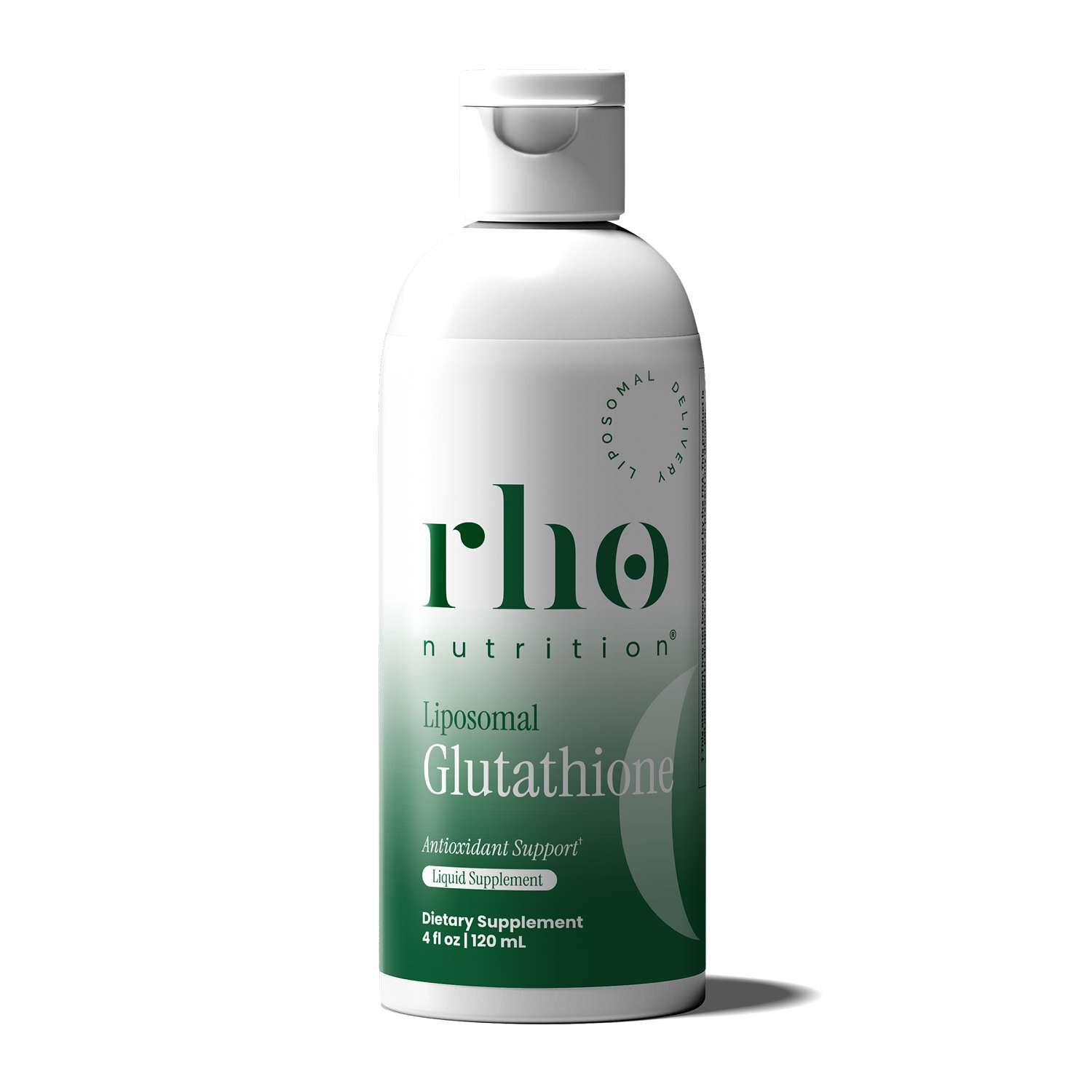 Rho Nutrition
-
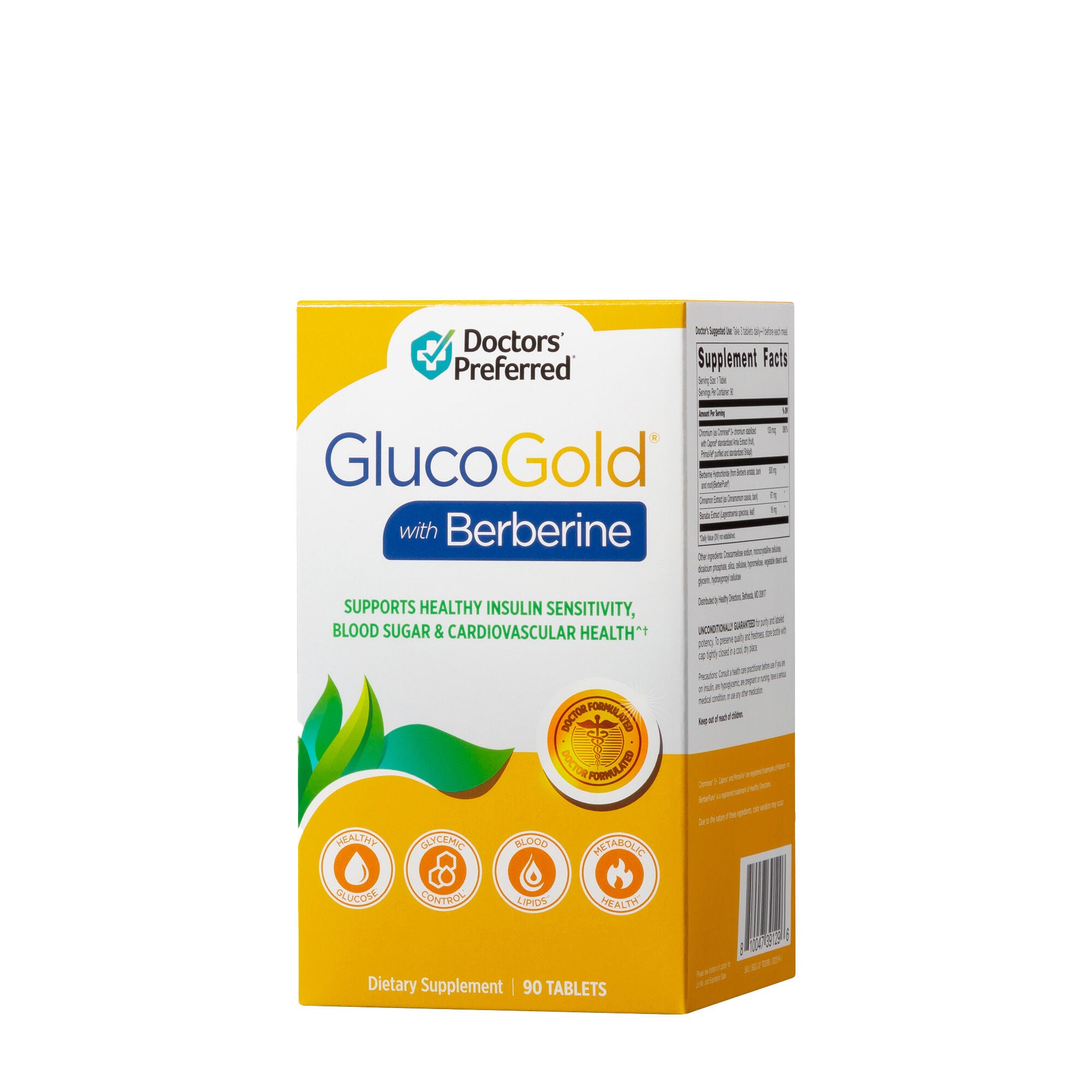 Doctors' Preferred
Related Pages
Top Collections
- Joint Mobility Supplement Packs
- Daily Collagen Supplements | Top Brands & Deals | GNC
- GLP 1 Support For Adults
- Zinc Supplements | Top Brands at Great Prices | GNC
- Supplements For Yoga Joint Flexibility
- Supplements For Balance
- Capsule Supplements For Energy And Stamina
- Adult Mobility Supplements
- Chronic Fatigue Supplements
- Vitamins For Hair Loss