Magnesium Formulations
(0 Results)
Magnesium formulations are a popular choice for those looking to support their overall wellness routine. With a variety of options available, these supplements may offer a convenient way to incorporate magnesium into your daily regimen. Whether you prefer capsules, tablets, powders, or gummies, exploring different magnesium formulations could help you find the right fit for your lifestyle and preferences. Discover the possibilities and see how these options might complement your nutritional goals.
-
-

-

-
-

-
-
 Nature's Fusions$29.99
-
 _Front.jpg?sw=305&sh=305&sm=fit "Magnesium: Bioactive Magensium Citrate - 120 Capsules (120 Servings) | GNC")
-
 Nature's Fusions$31.99
-
-
 _Front.jpg?sw=305&sh=305&sm=fit "Magnesium: Bioactive Magensium Citrate - 60 Capsules (60 Servings) | GNC")
-

-

-

-

-

-

-

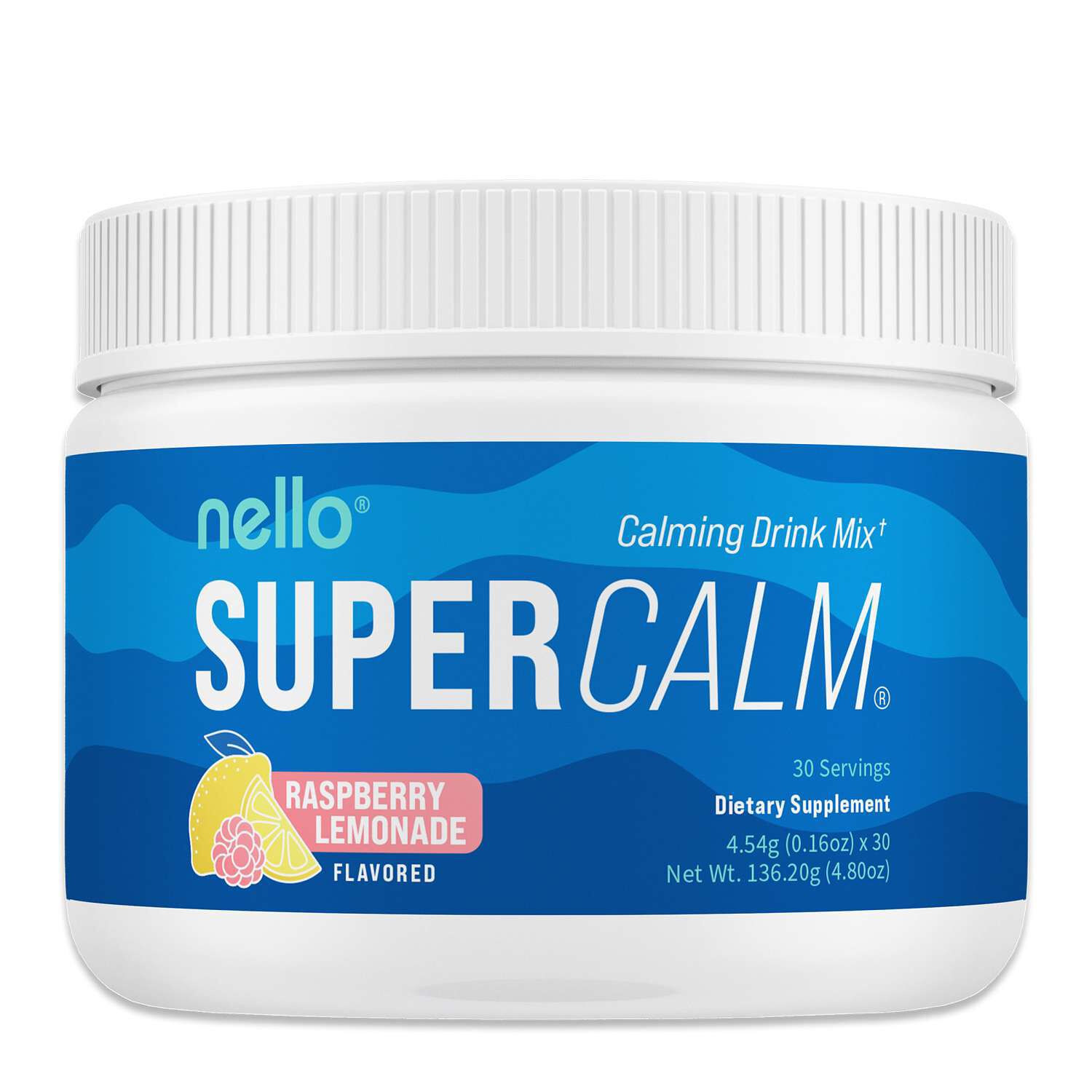
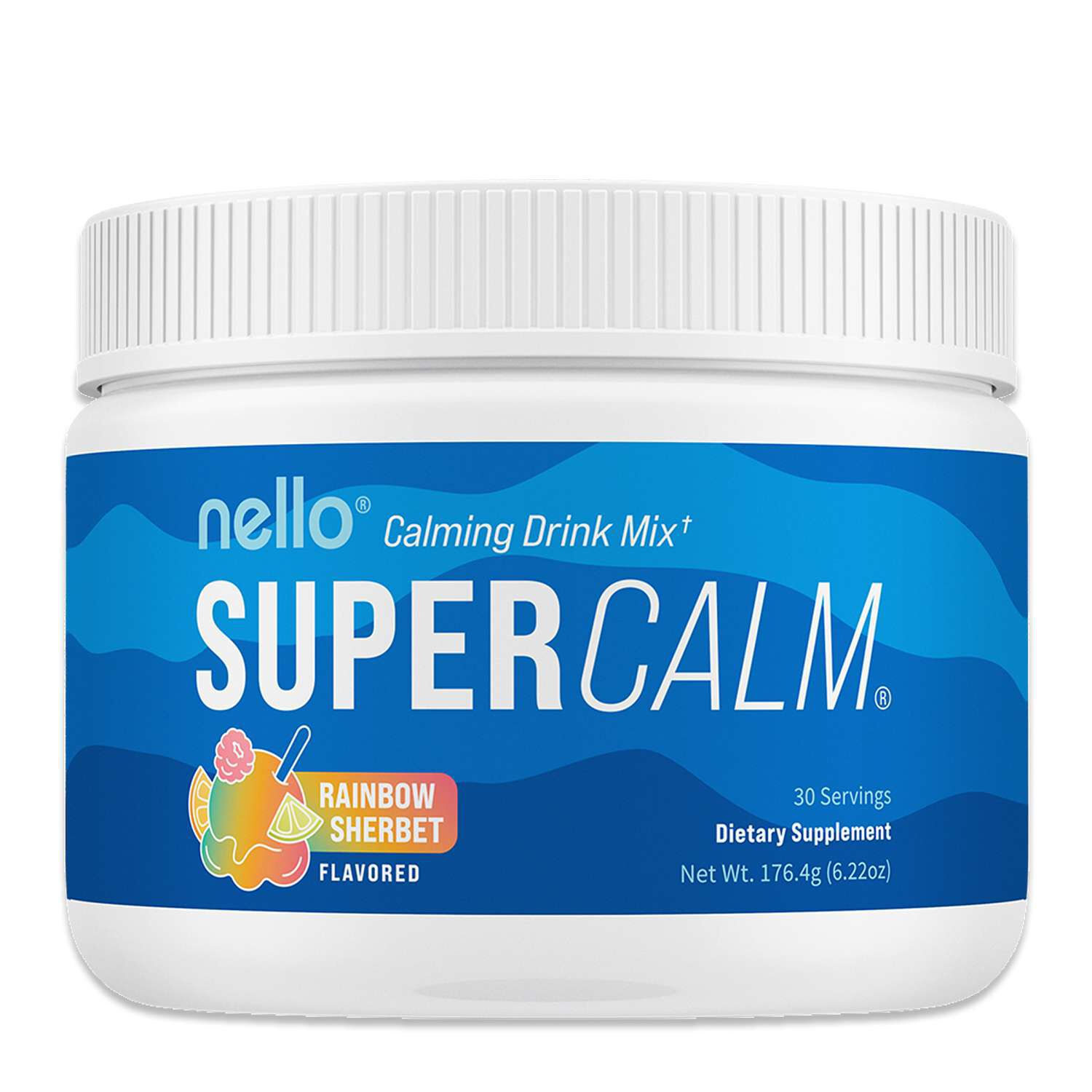
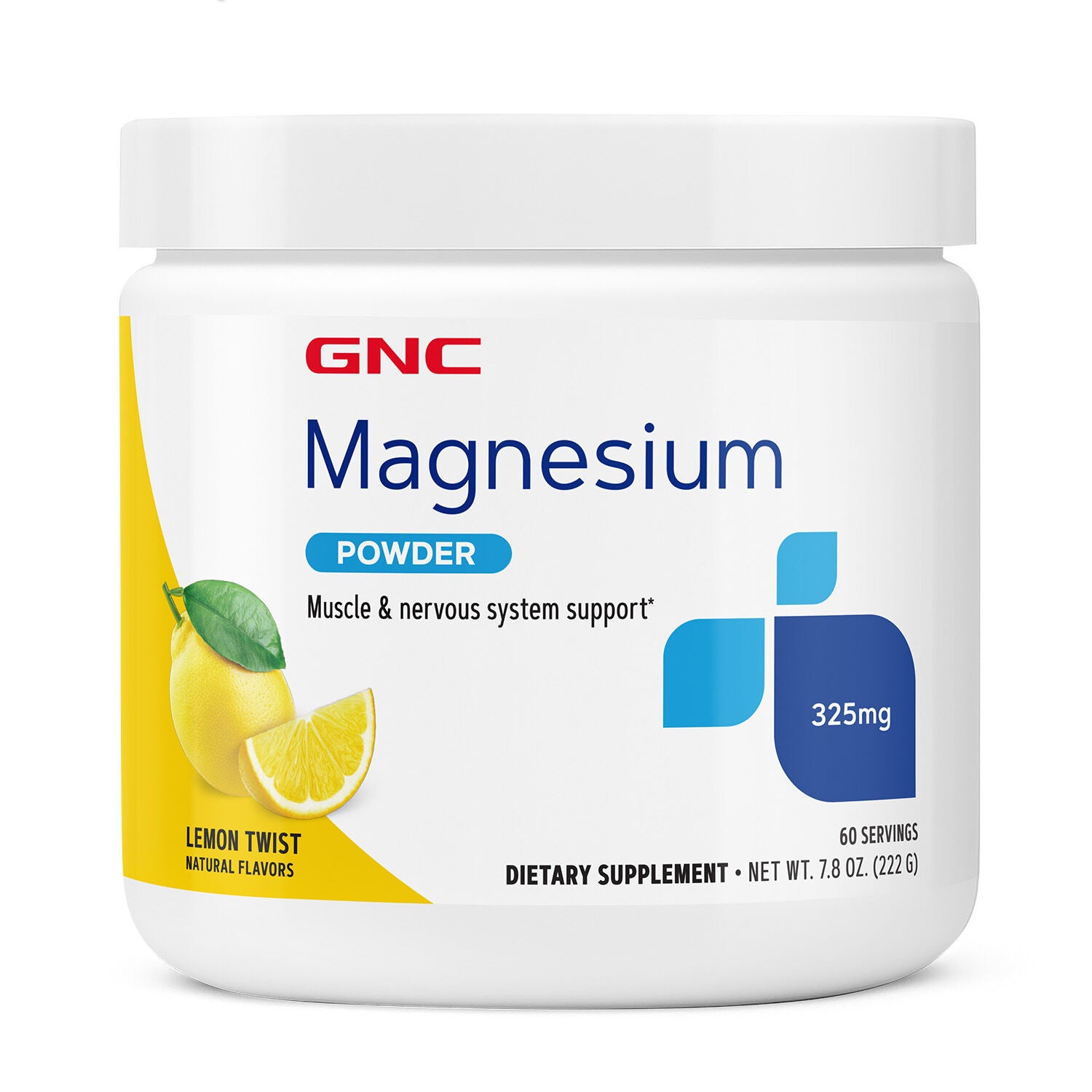
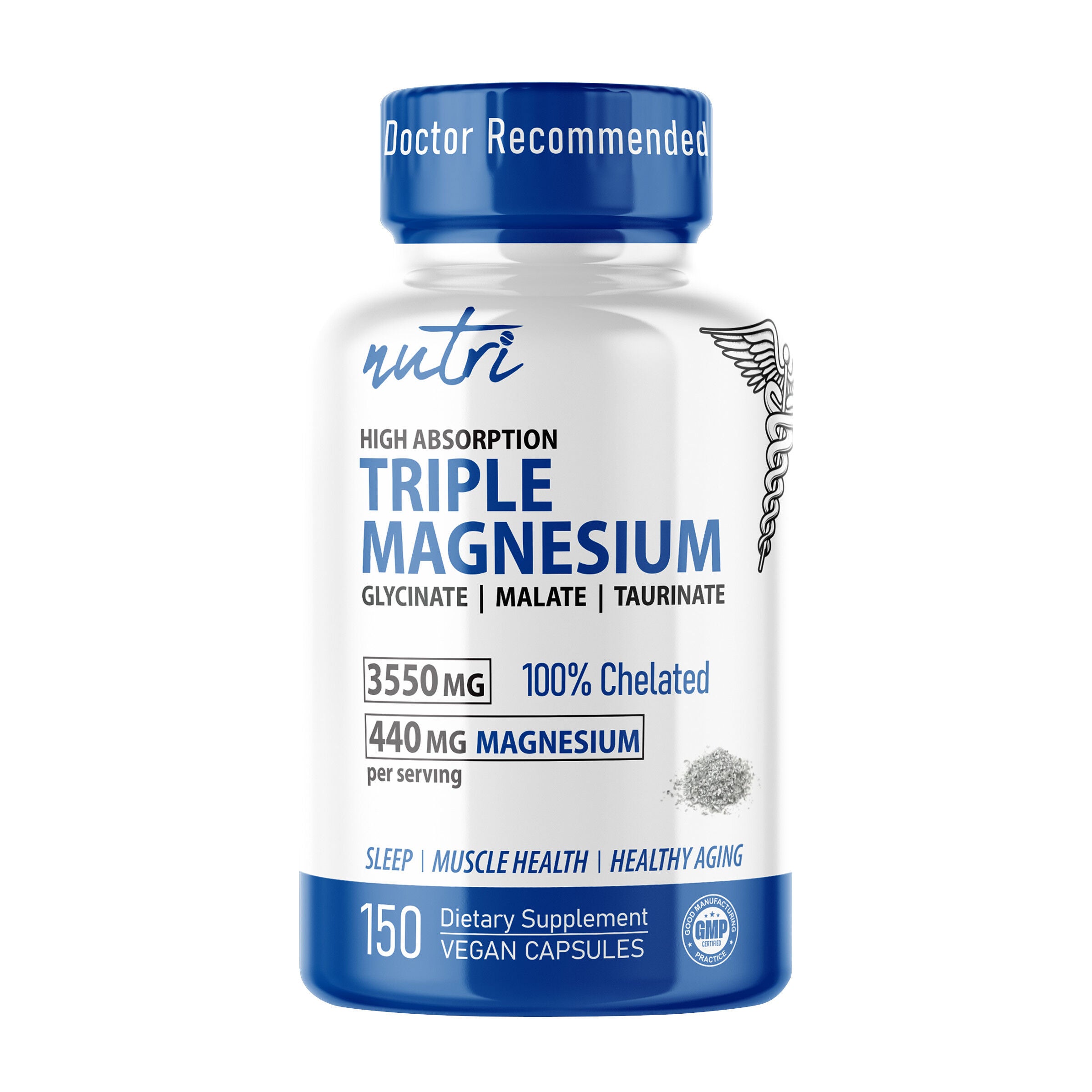
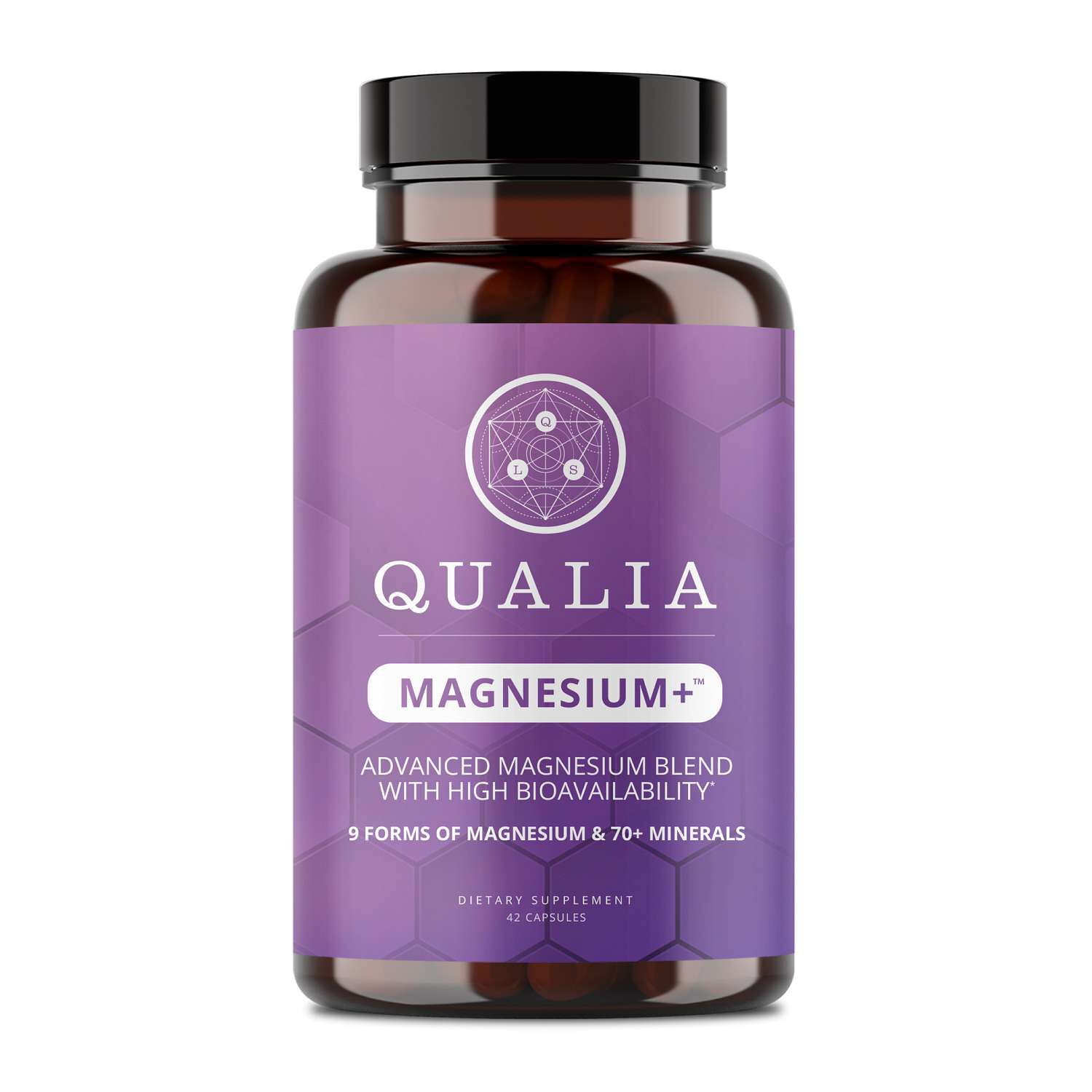
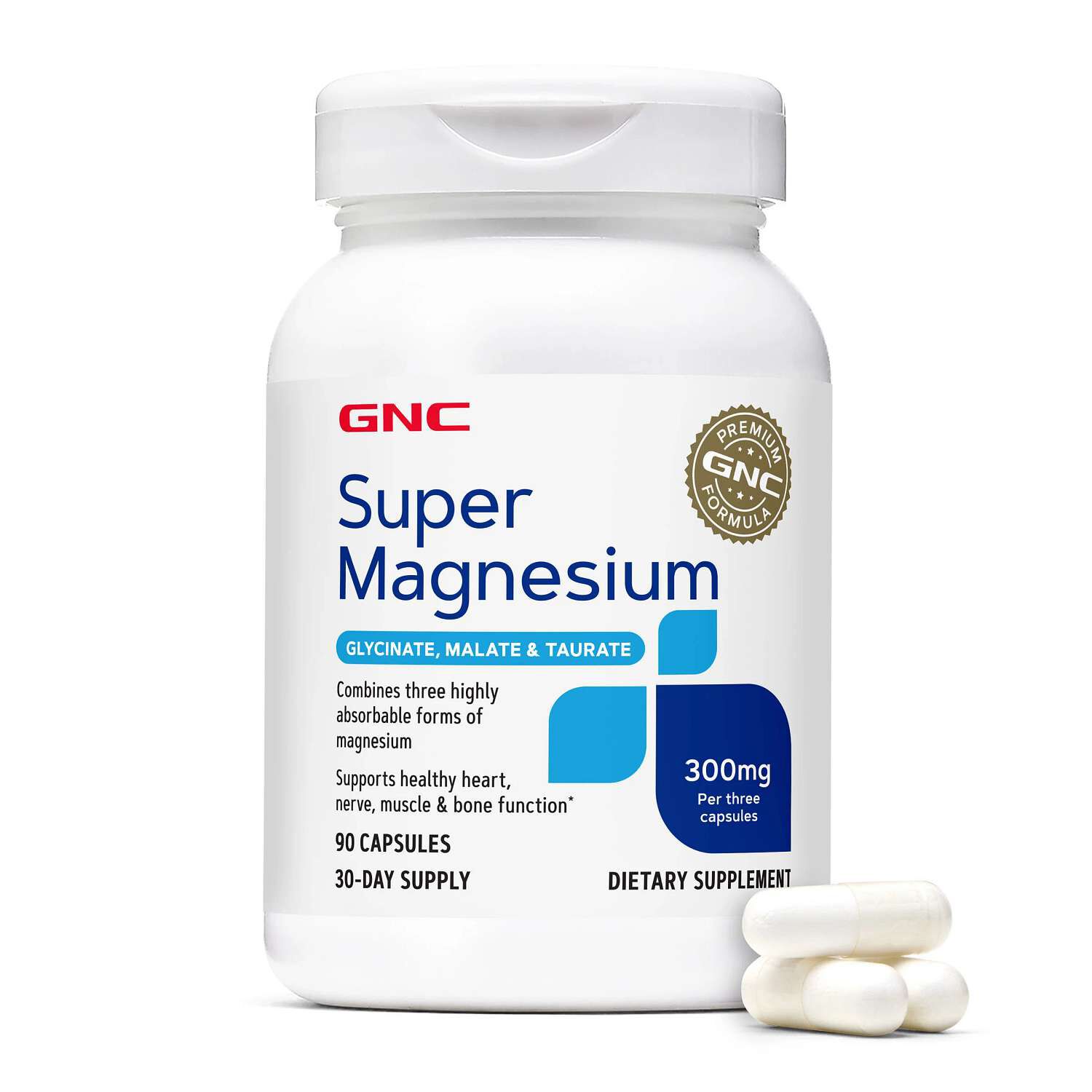
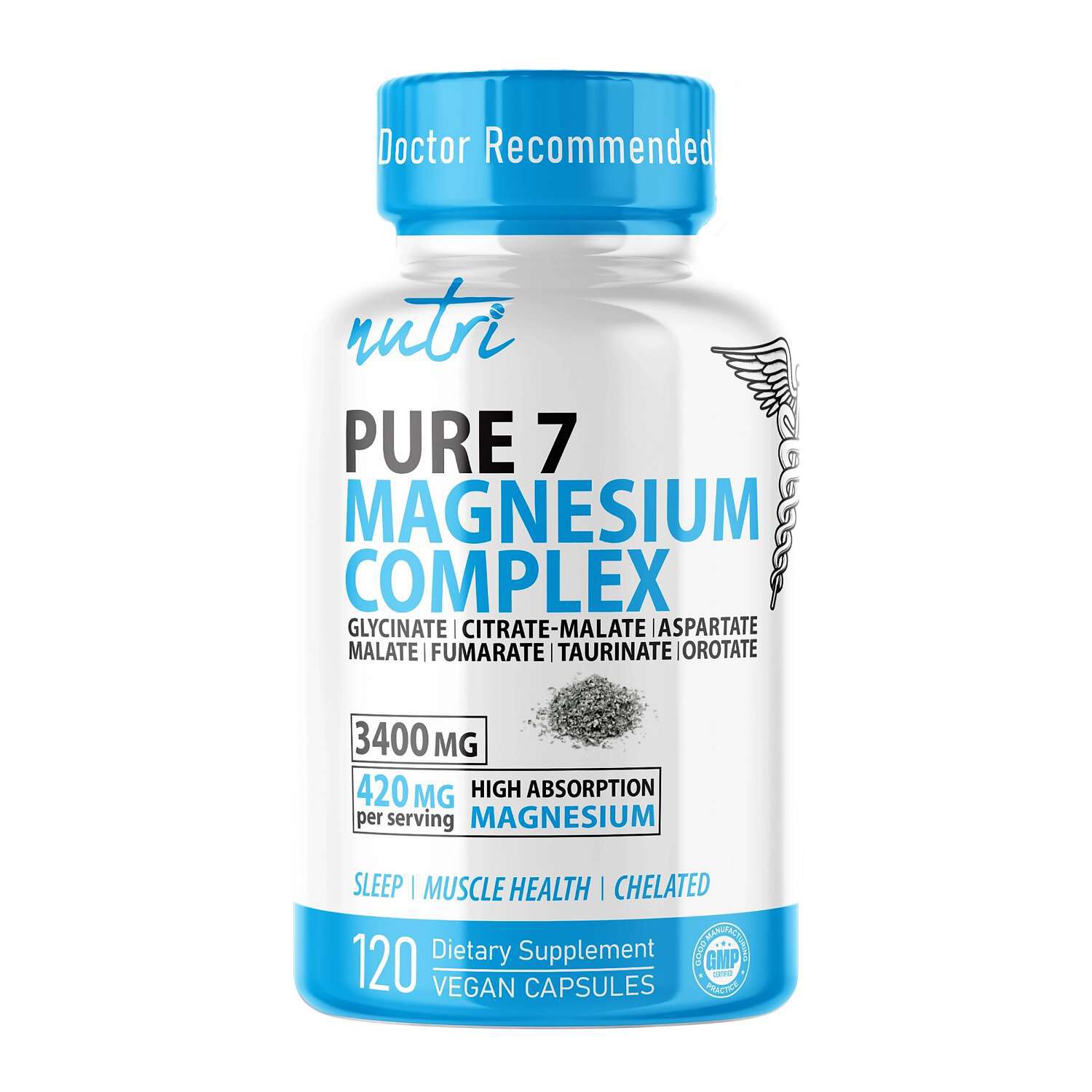
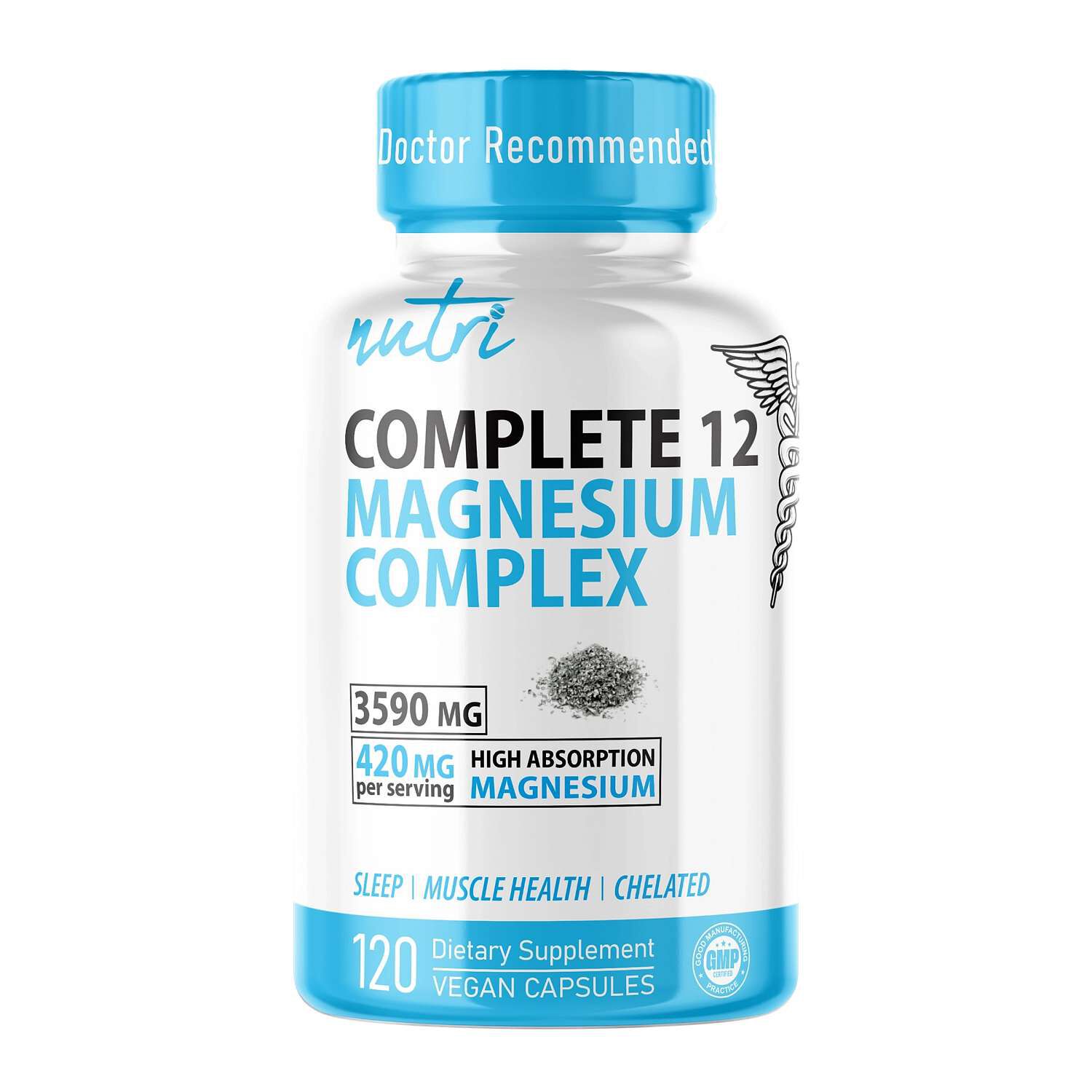
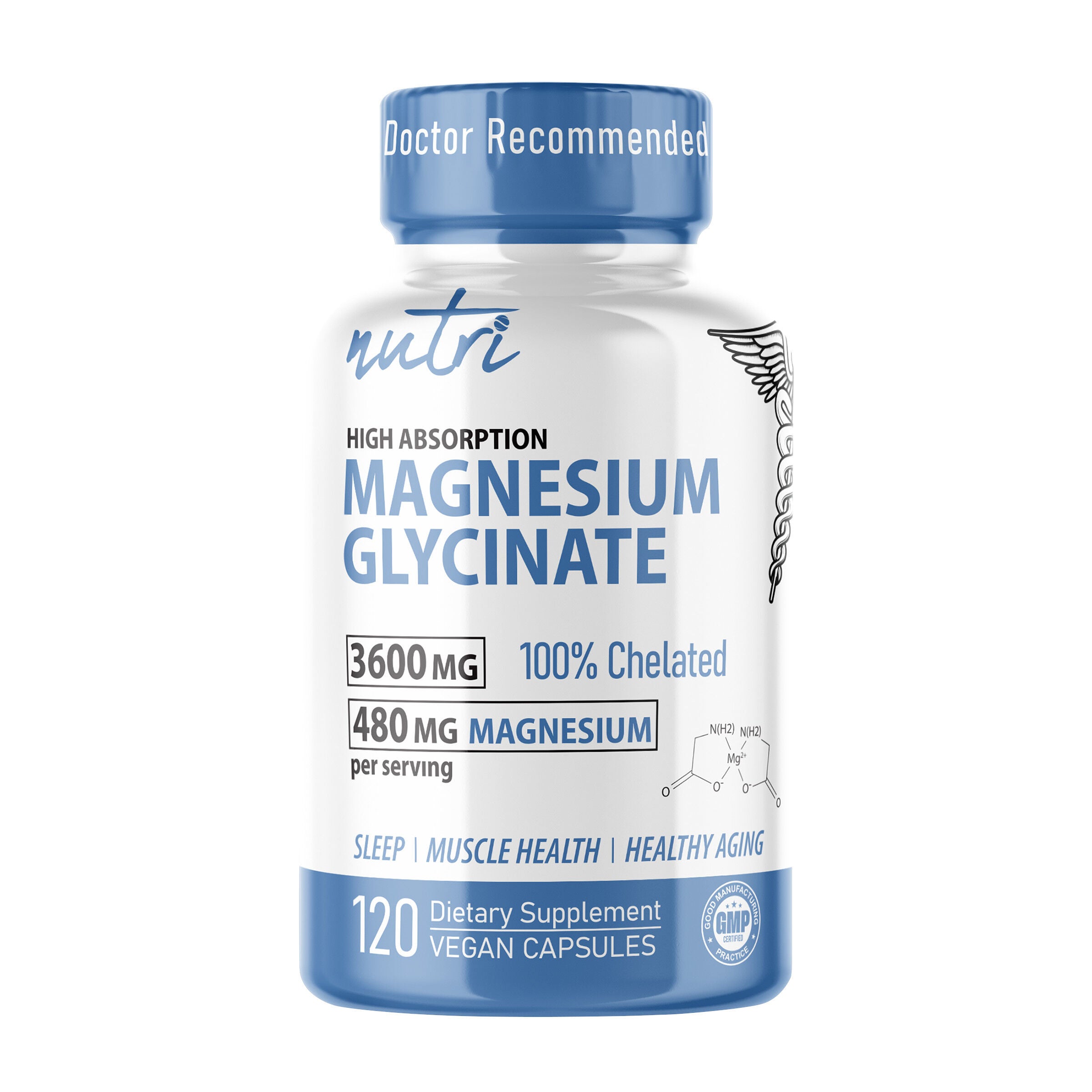
Magnesium formulations describe the different mineral compounds, ingredient combinations, and serving formats used in magnesium supplements. The name on a label can refer to the form of magnesium, such as citrate or glycinate, or to a blend containing more than one form. Magnesium citrate is a salt of citric acid, while magnesium glycinate pairs the mineral with glycine, an amino acid. Magnesium malate is associated with malic acid, magnesium chloride contains chloride, and magnesium oxide combines magnesium and oxygen. Magnesium L-threonate is another form, named for its relationship to threonic acid. These distinctions describe the ingredient’s chemistry, not simply different names for an identical material. The body may absorb different forms to different degrees, but the form name alone does not establish how a finished supplement will perform. Serving size, ingredient composition, and the finished formulation also matter when comparing labels. One useful distinction is between the weight of a magnesium compound and its elemental magnesium content. Elemental magnesium refers to the magnesium itself, rather than the combined weight of magnesium and the substance attached to it. On a U.S. Supplement Facts panel, the amount listed beside magnesium represents elemental magnesium per serving; the source form commonly appears in parentheses. A large number elsewhere on a package may describe a compound’s weight, so those two figures are not necessarily interchangeable. Likewise, a blend containing several forms does not automatically provide more elemental magnesium than a formulation containing one. The serving size provides another piece of context: the listed amount might correspond to one capsule, several tablets, or a measured portion of powder. Reading those details together creates a clearer comparison than looking at the front label alone. For shoppers sorting through magnesium formulations, the most meaningful starting points are the named source, elemental amount per serving, delivery format, and accompanying ingredients, rather than the number of forms featured on the package. A short ingredient list and a longer blend can represent different approaches without either description establishing a universal preference.
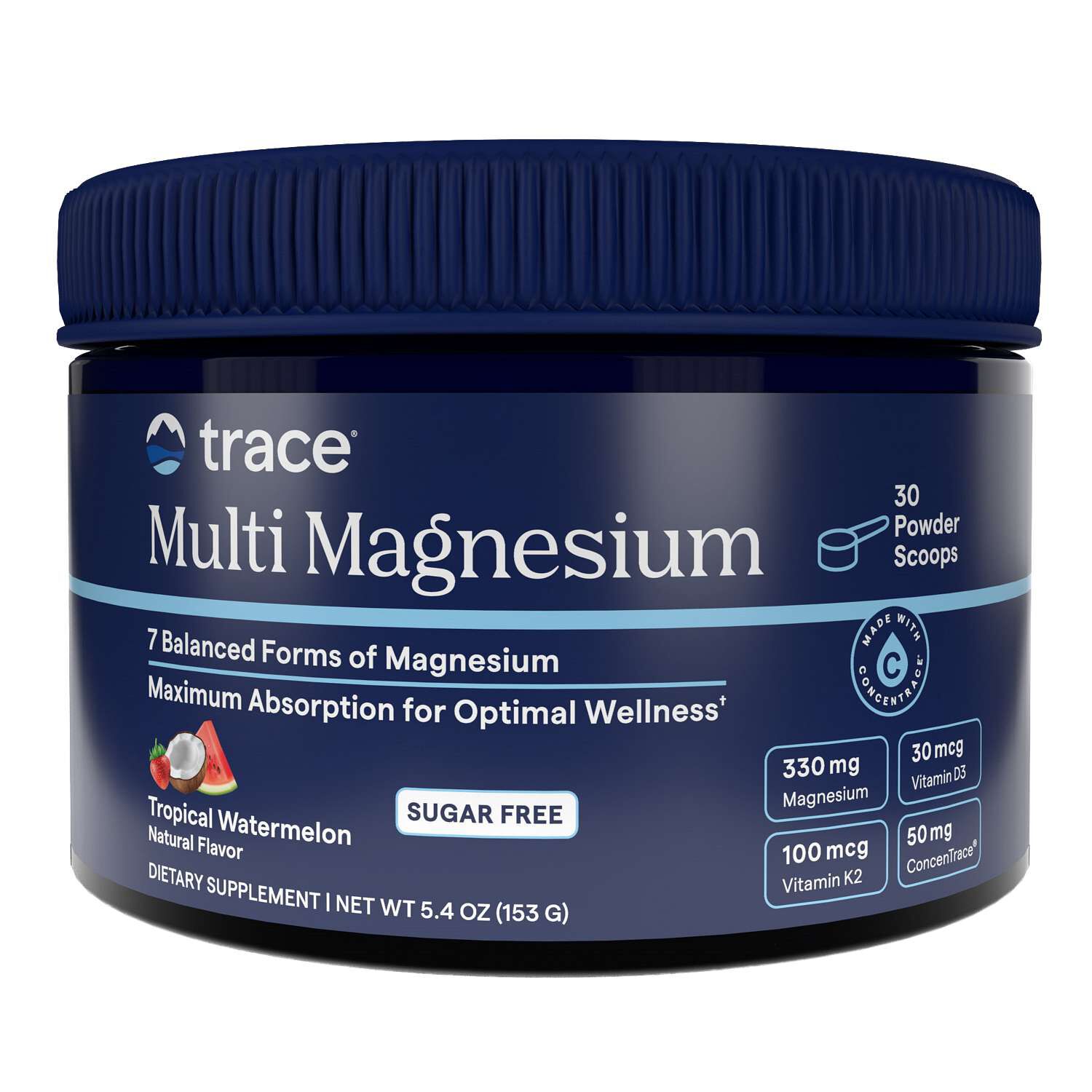
The delivery format shapes the practical experience of using a magnesium supplement, from opening the container to measuring a serving. Capsules contain a fill material inside a shell, which may be made from gelatin or plant-derived materials. Tablets are compressed and may contain binders, coatings, or other ingredients used during manufacturing. Capsule dimensions and tablet shapes vary, so the serving count alone does not describe how either format will fit a person’s preferences. Someone who dislikes swallowing tablets might consider a powder or chewable format instead, while another shopper may prefer a measured capsule serving with no flavor to consider. Powders introduce a different set of details: serving weight, scoop size, mixing directions, flavor, and texture. An unflavored powder is not necessarily without a noticeable mineral taste, and different formulations may disperse differently in a beverage. Some leave visible particles or sediment, making the package directions more informative than an expectation that every powder will produce a clear drink. Flavored powders may include sweeteners, acids, colors, or other ingredients that contribute to their taste and appearance. Gummies and chewables have their own ingredient profiles, including sweeteners and ingredients that create their texture. Their serving sizes also deserve attention because one piece does not always equal one labeled serving. Liquid formulations may use a measured volume, with directions specifying how that portion is measured. For someone packing a work bag, an enclosed capsule container presents different considerations than a powder tub, scoop, and mixing cup. At home, a powder may suit a routine that already includes preparing a beverage. Neither arrangement makes a physiological outcome certain; the distinction is about convenience, sensory preferences, and following the labeled directions. Dietary preferences can further narrow the comparison. Capsule-shell materials, sweetener choices, flavor sources, and allergen statements provide more useful information than assumptions based on whether a supplement comes as a tablet, powder, or gummy. The ingredient list is where those practical differences become visible, especially when two formulations feature the same magnesium source.
Intended use also helps distinguish a straightforward magnesium formulation from a broader combination supplement. Some formulations center on magnesium alone, while others include additional minerals, vitamins, or other ingredients. A front label may highlight magnesium even when the Supplement Facts panel describes a much wider ingredient mix. Shoppers who already use a multivitamin or another mineral supplement can review the listed amounts side by side to understand where ingredients overlap, without assuming that more ingredients make a formulation a better fit. For a broader view of formats and ingredient combinations, Magnesium Options offers another way to explore the category. Beyond composition, packaging and storage instructions deserve consideration. A bottle closure, pouch seal, or individual packet serves a practical purpose, and the original package keeps the ingredient panel, lot information, and directions connected to its contents. Storage requirements can differ by formulation, so the label is the reference for where and how to keep it. Moisture exposure matters particularly for powders and tablets; a damp scoop or a container left open beside a sink introduces conditions the packaging was designed to limit. Keeping a measuring tool dry and closing the container after use are straightforward parts of product care. Powders, gummies, and capsules also differ in texture and handling, so appearance alone is not a dependable way to assess a supplement’s condition or suitability. Date markings and manufacturer instructions provide more relevant context. Quality information is another comparison point: manufacturing details and clearly described independent testing can help shoppers understand what has been evaluated. The scope matters, since testing for ingredient identity is different from testing for particular contaminants, and neither establishes a personal outcome. Taken together, the source form, elemental amount, serving format, ingredient list, and packaging details provide a grounded picture of magnesium formulations. Those concrete features make it easier to distinguish similar-looking choices and find a format that fits personal preferences and an established routine.
- Q: What are some common forms of magnesium found in supplements?
A: Some popular forms of magnesium in supplements may include magnesium citrate, magnesium glycinate, magnesium oxide, and magnesium malate. Each form may offer unique characteristics that could appeal to different preferences. - Q: How might the absorption of different magnesium formulations vary?
A: Magnesium formulations may be absorbed differently by the body. For example, some people might prefer certain forms like magnesium citrate or glycinate for their potential to be more easily absorbed compared to others. - Q: Can magnesium supplements be taken with other vitamins or minerals?
A: Many people choose to take magnesium alongside other vitamins and minerals as part of their daily routine. It's common to find multivitamins or combination supplements that include magnesium along with other nutrients. - Q: Are there flavored or unflavored options available for magnesium supplements?
A: Magnesium supplements may come in a variety of options, including flavored powders, chewables, capsules, and tablets. This allows individuals to select a format that best fits their preferences. - Q: What are some ways to incorporate magnesium into a daily routine?
A: Magnesium can be included in a daily routine through capsules, tablets, powders mixed with beverages, or even gummies. Many people choose the option that aligns best with their lifestyle and taste preferences.
Best Sellers
-
 Rho Nutrition
-
Qualia Life Sciences