Magnesium Options
(0 Results)
Explore a diverse range of magnesium options designed to support your wellness journey. Whether you're looking to support muscle function, maintain healthy bones, or promote relaxation, magnesium might be an excellent addition to your daily routine. With various forms available, including capsules, powders, and gummies, finding the right magnesium option to suit your lifestyle has never been easier. Discover how incorporating magnesium into your diet could contribute to overall well-being and help you achieve your health goals.
-
-

-
-
-

-
-

-

-

-

-
 Trace Minerals$14.99
-
-
 _Front.jpg?sw=305&sh=305&sm=fit "Magnesium: Bioactive Magensium Citrate - 120 Capsules (120 Servings) | GNC")
-

-

-
-

-
-

-
 _Front.jpg?sw=305&sh=305&sm=fit "Magnesium: Bioactive Magensium Citrate - 60 Capsules (60 Servings) | GNC")
-
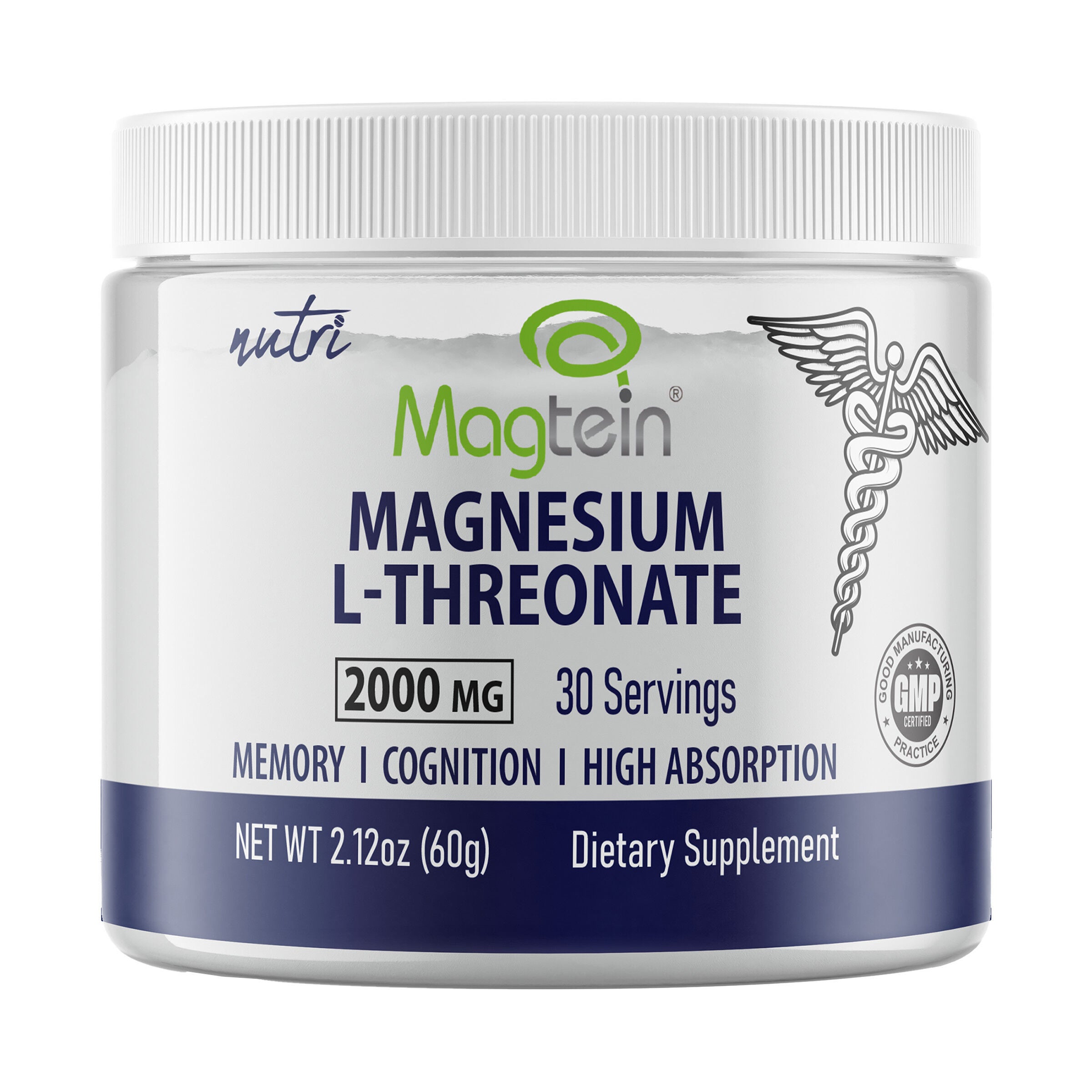
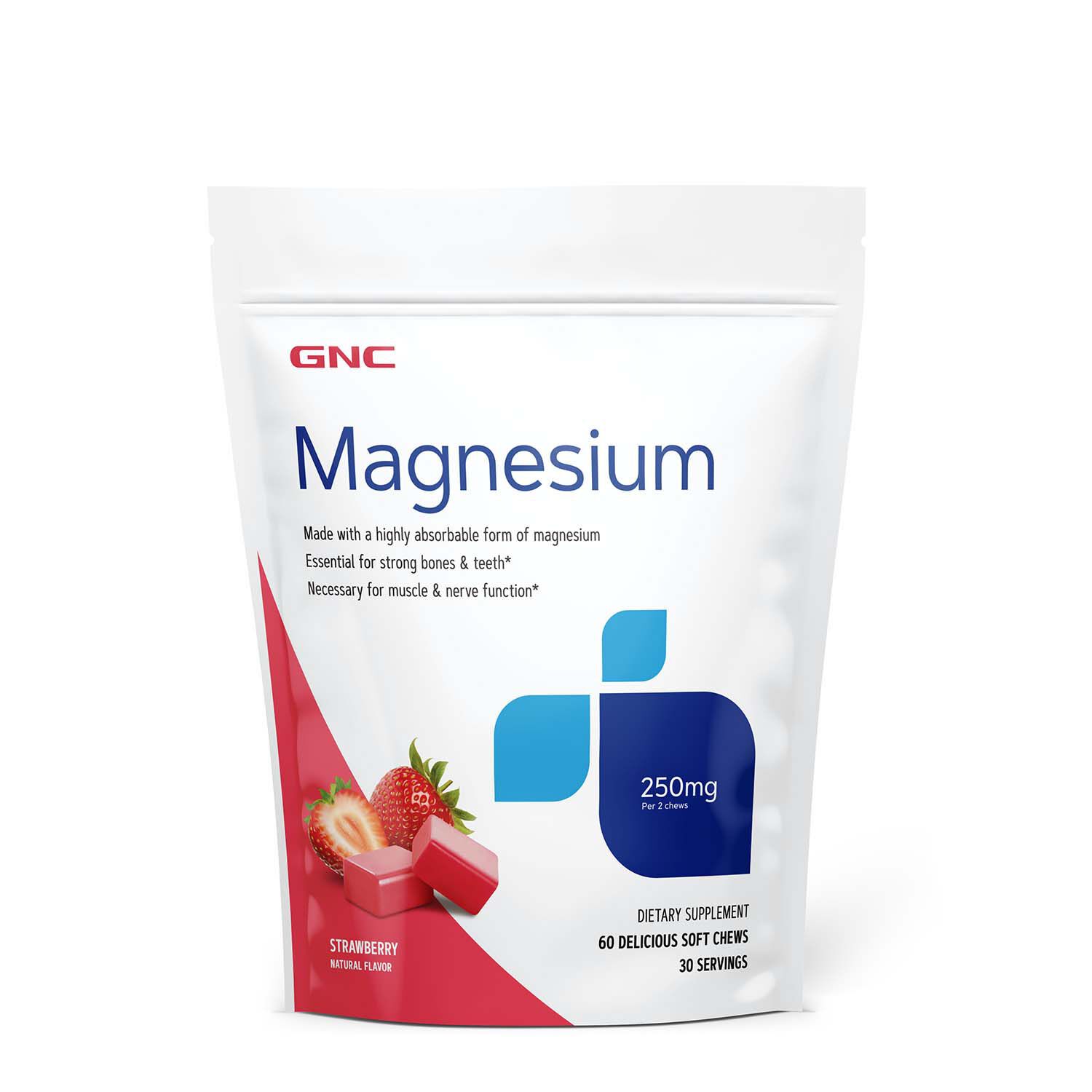

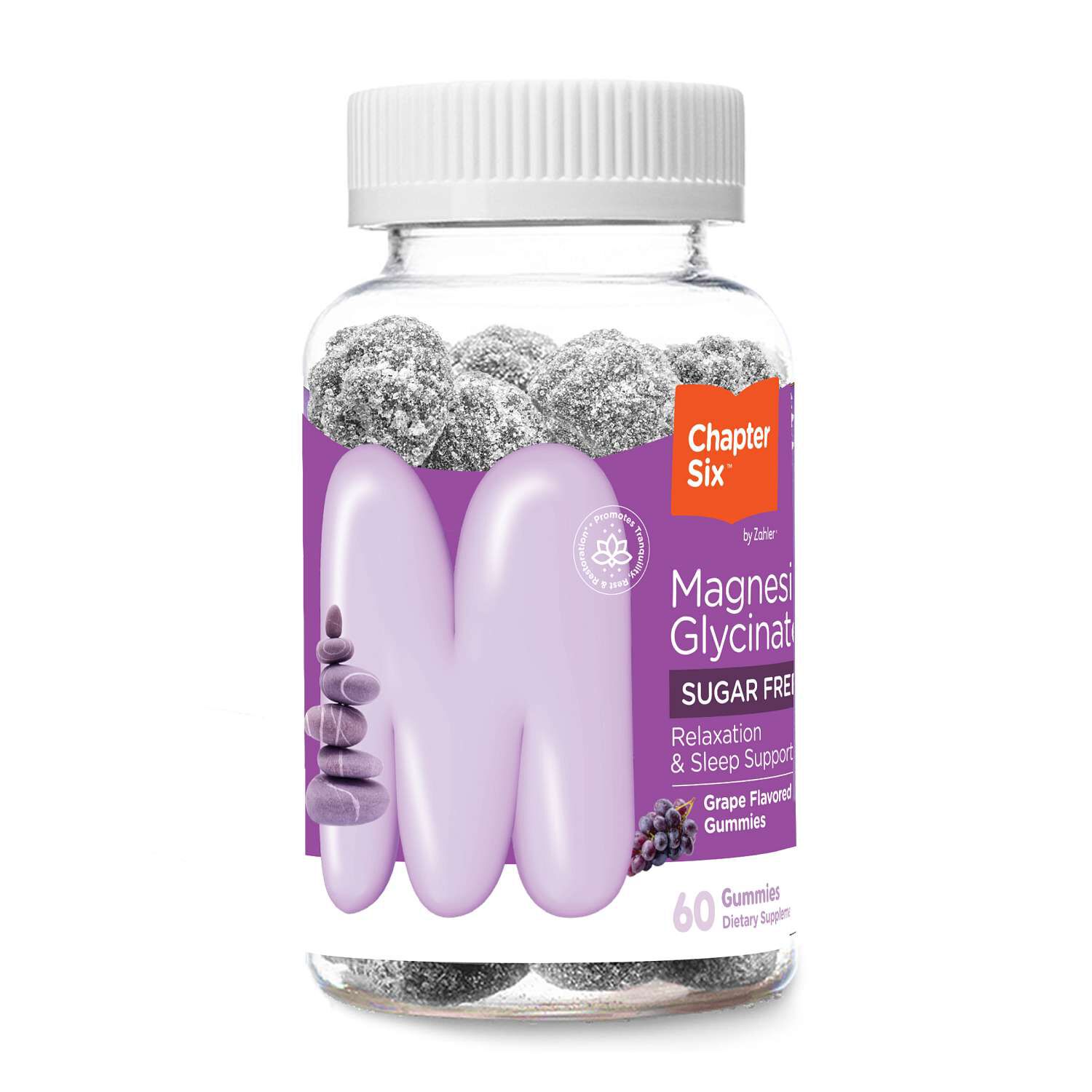
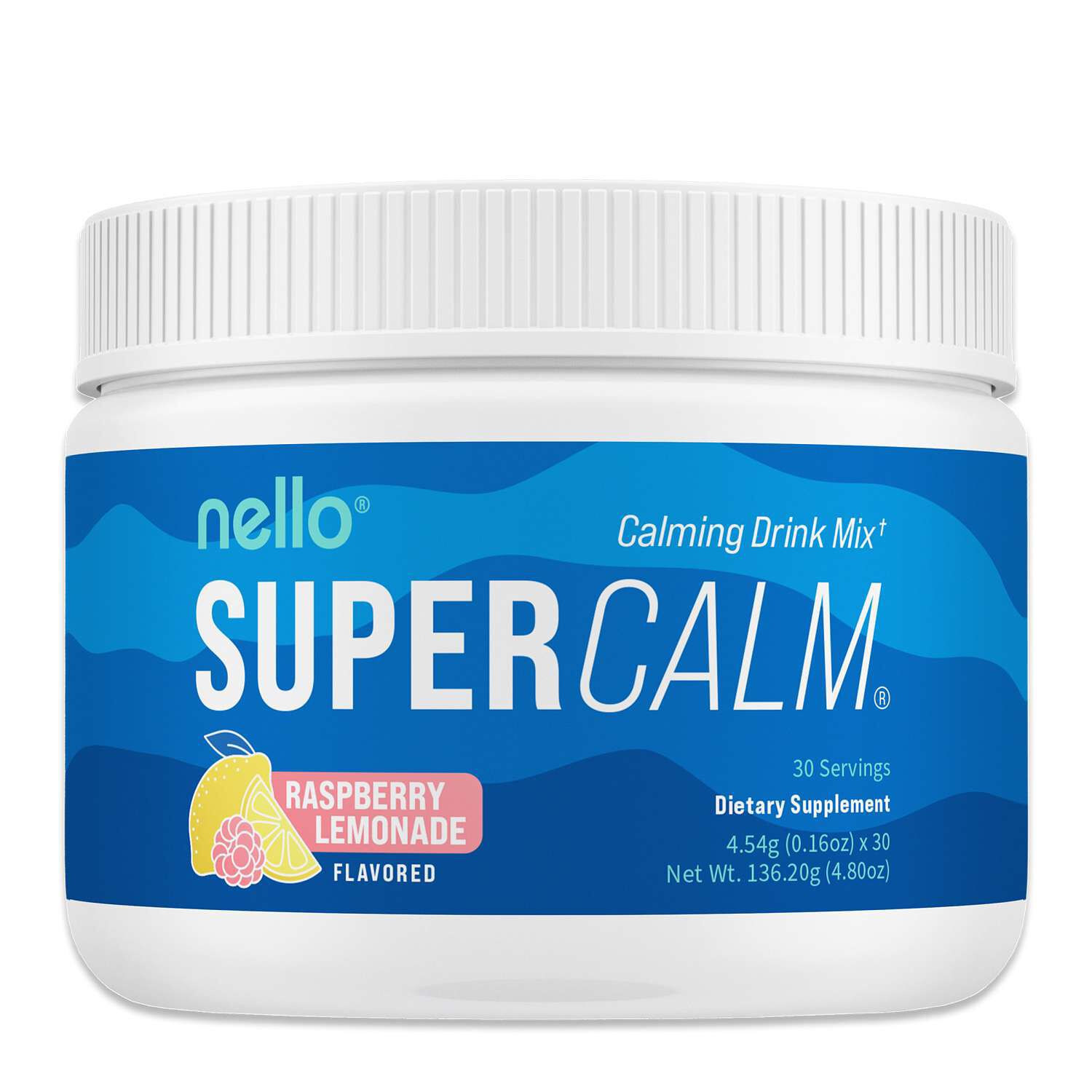
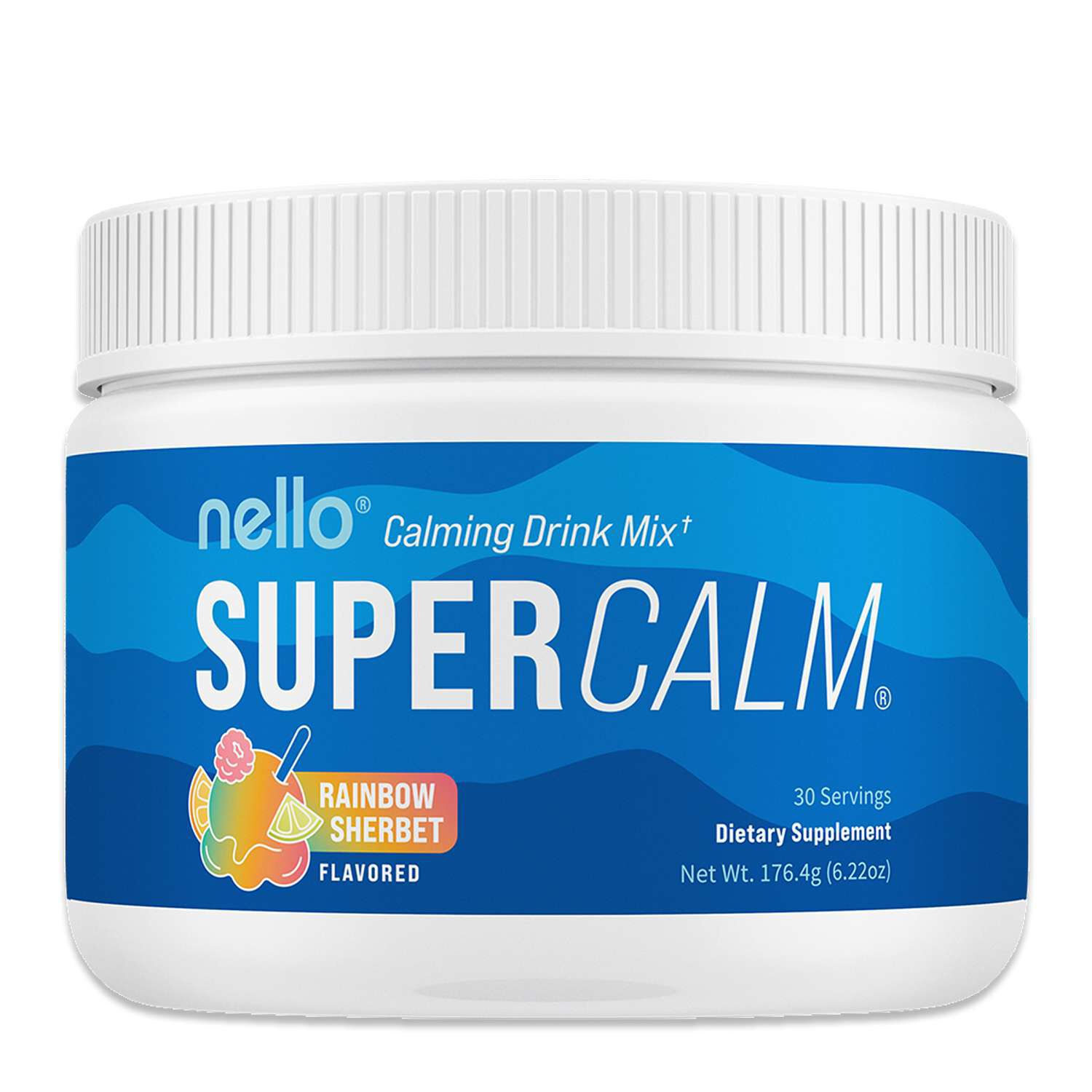
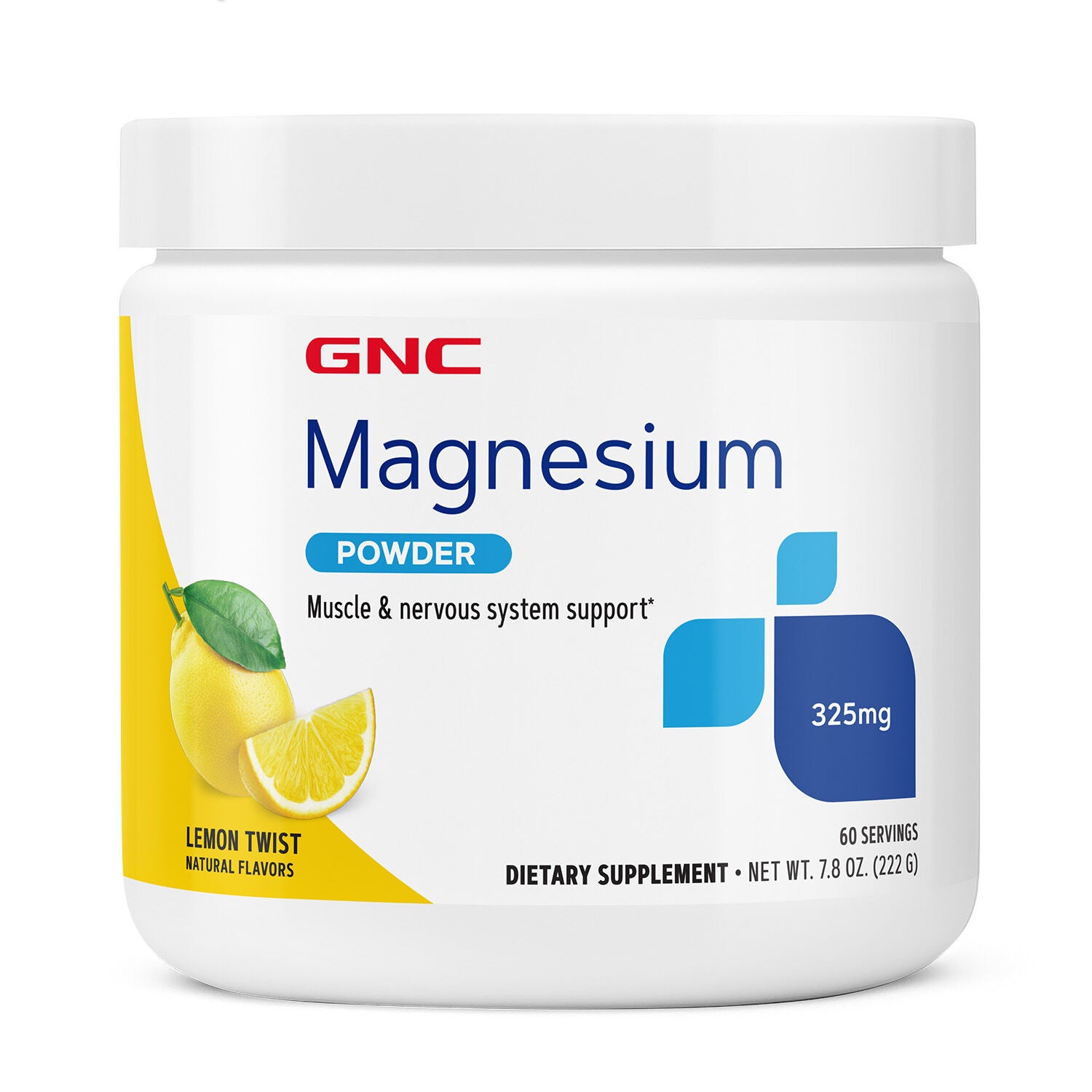
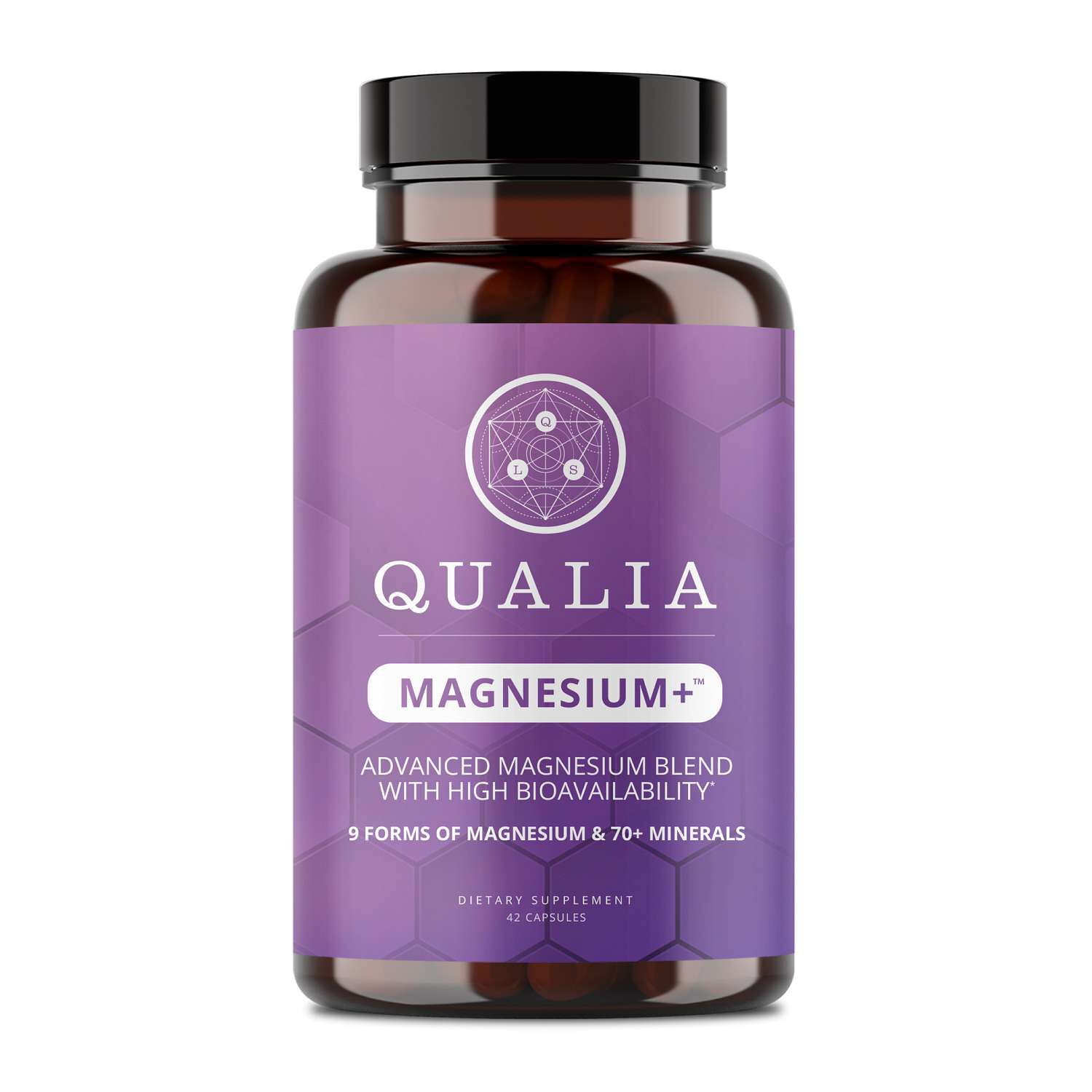
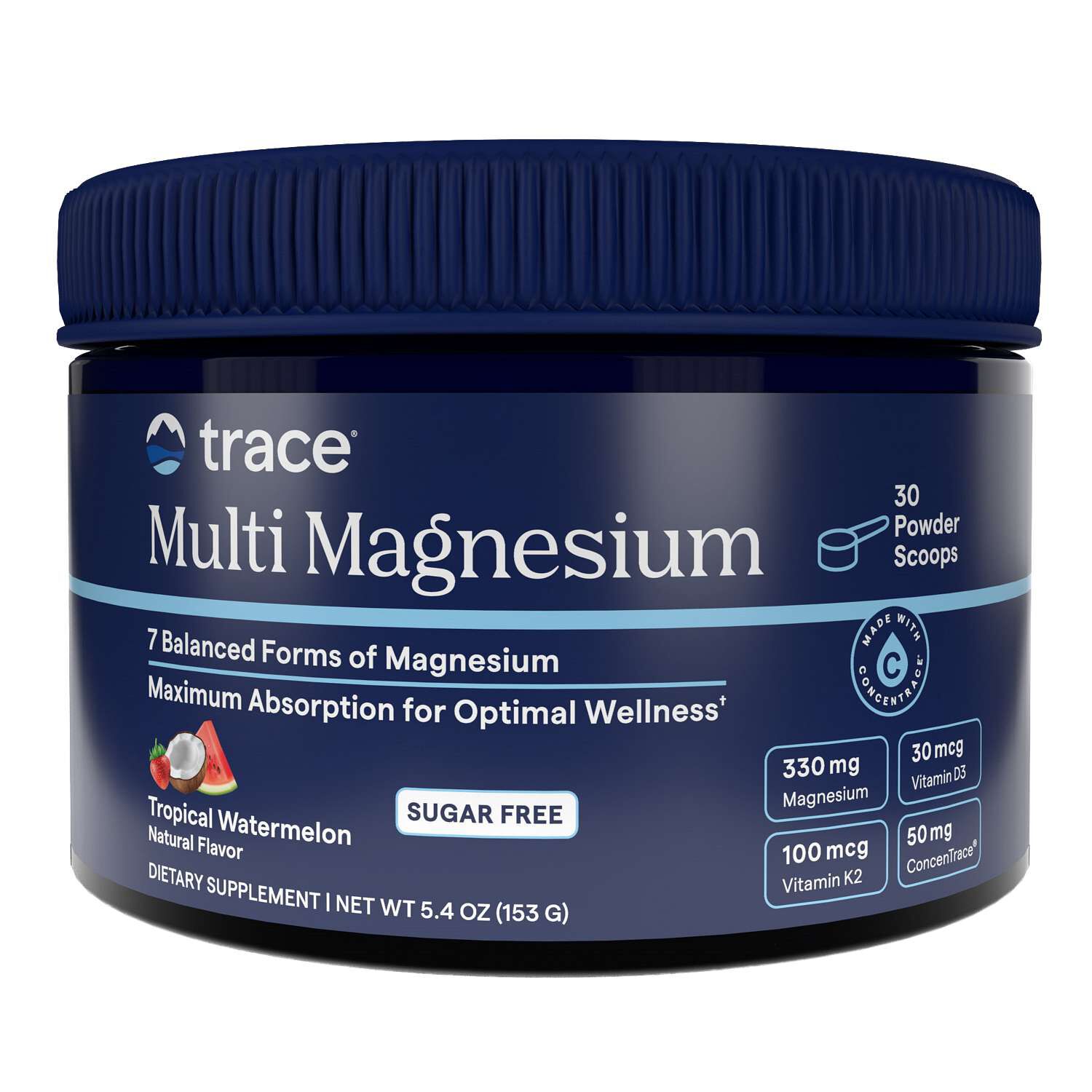
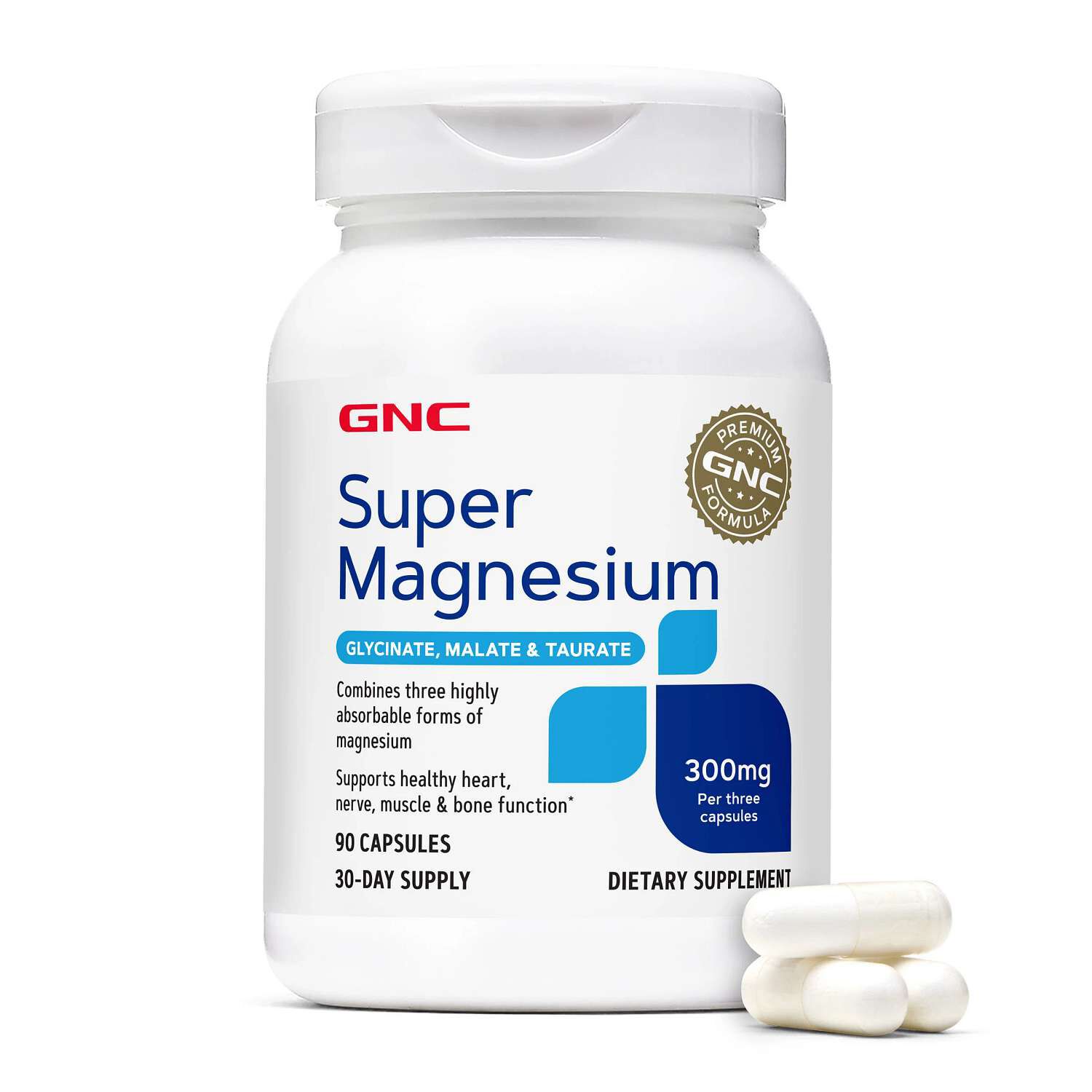
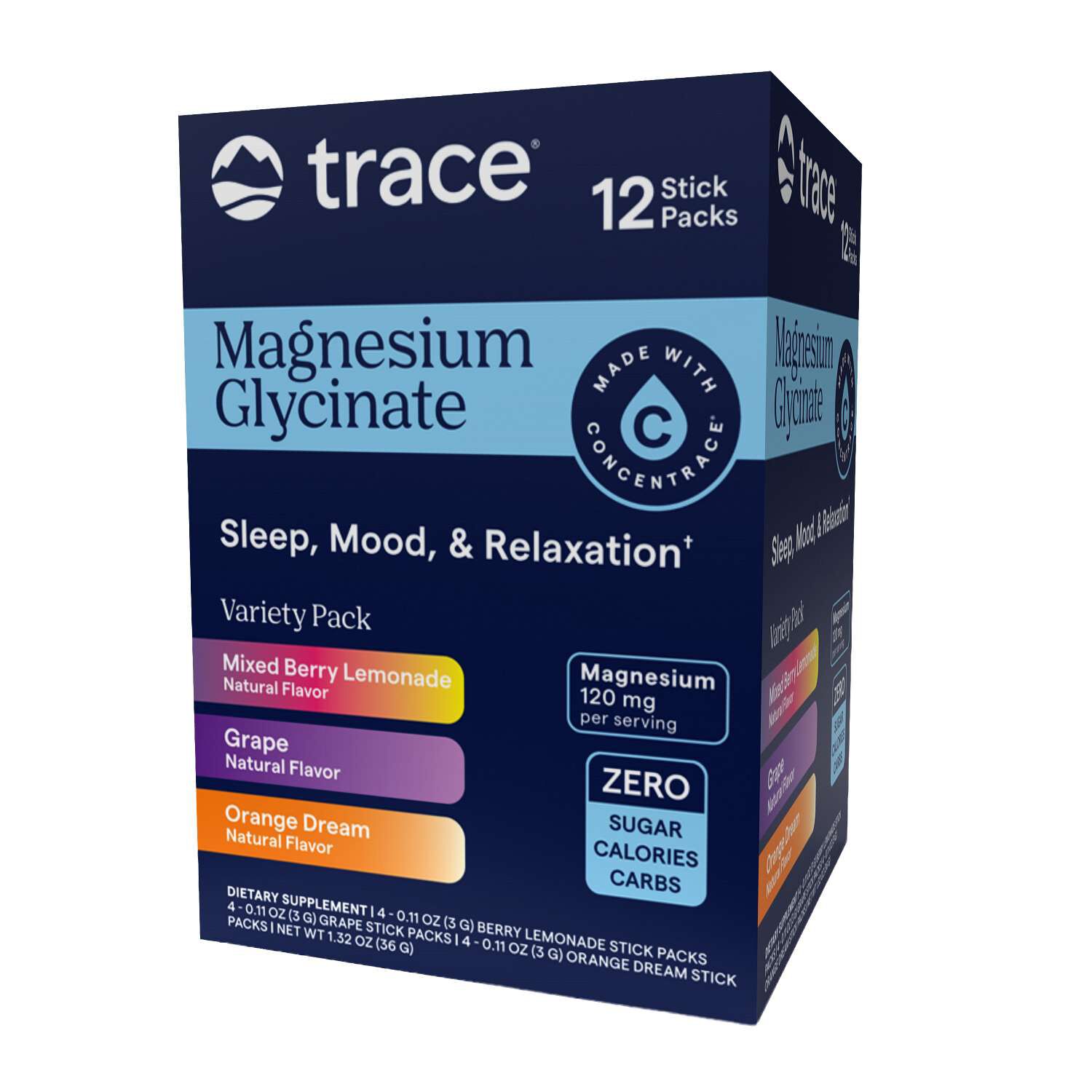
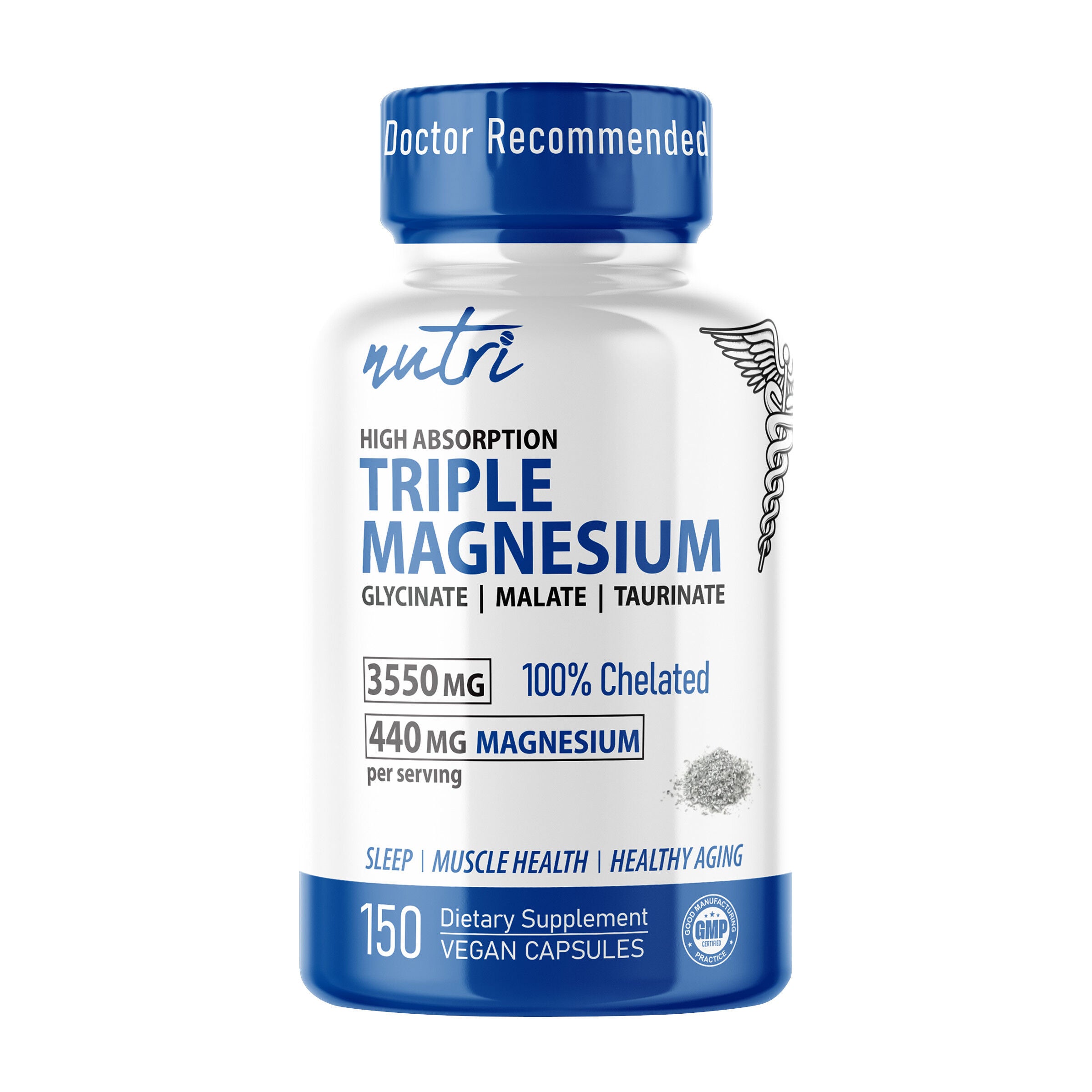
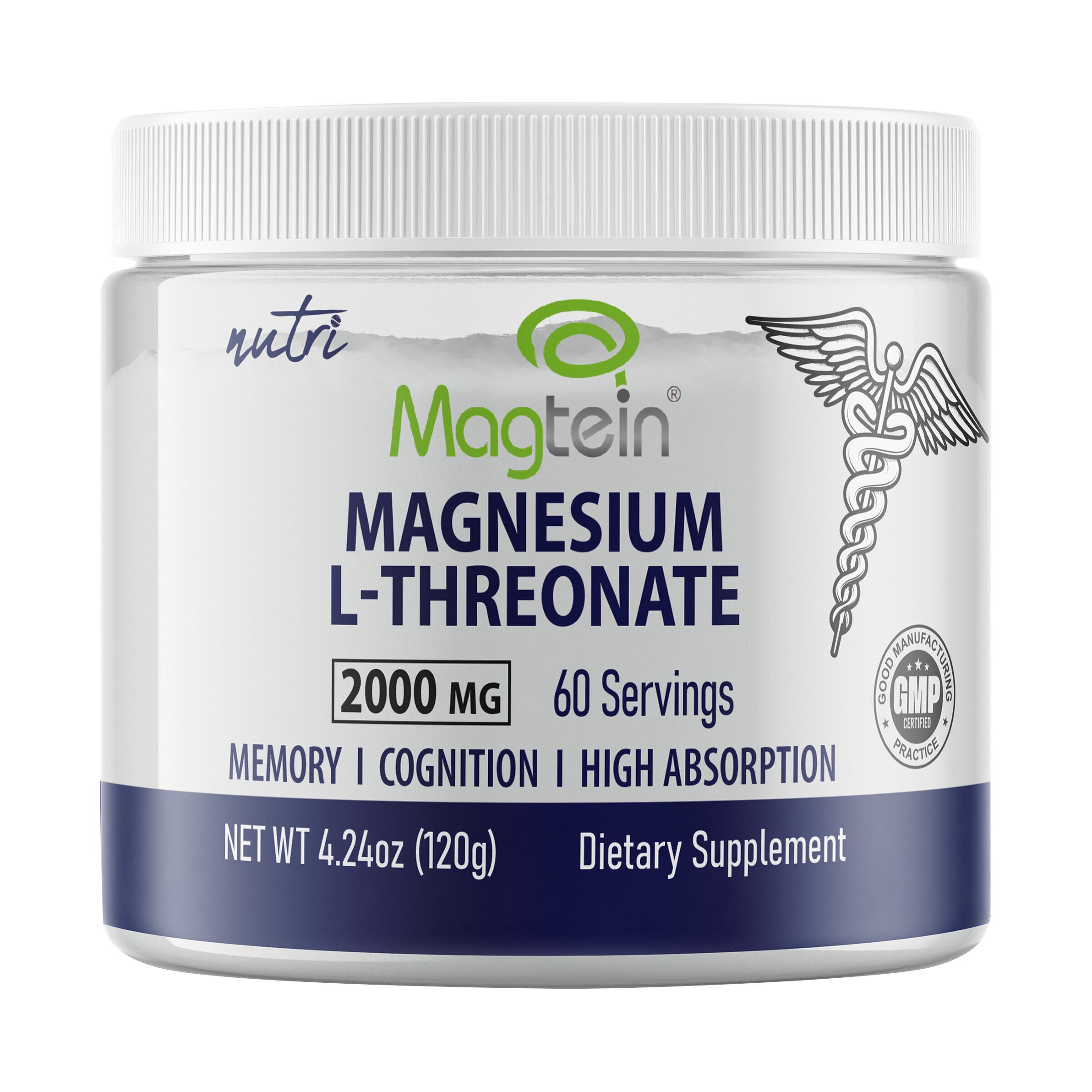
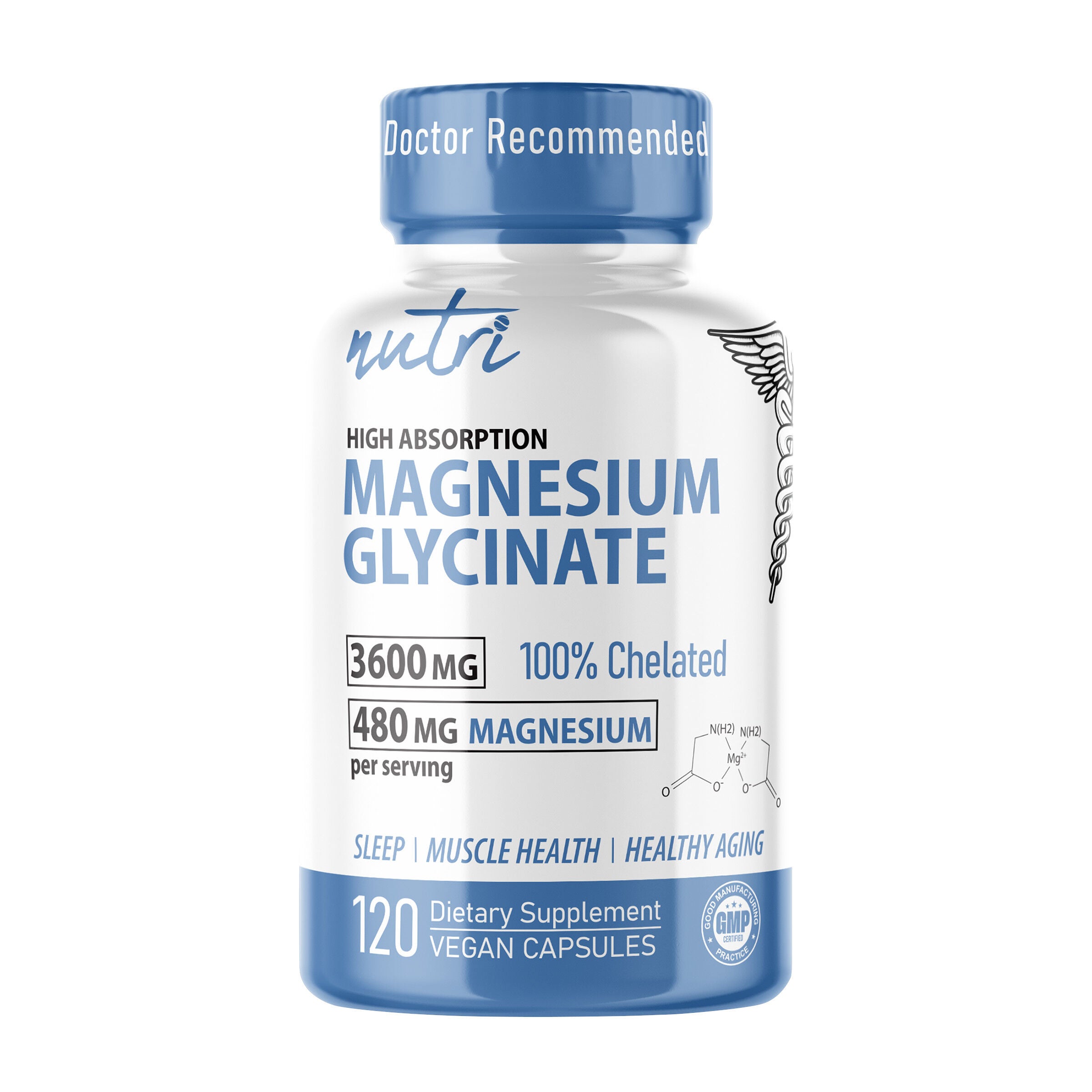
Magnesium options span several mineral forms and serving formats, with differences in ingredient composition, serving size, texture, and preparation. Magnesium glycinate combines magnesium with glycine, magnesium citrate combines it with citric acid, and magnesium malate combines it with malic acid. Magnesium oxide is a compound of magnesium and oxygen. These names identify the form of the mineral; capsules, tablets, powders, gummies, and liquids describe how a supplement is presented. Two bottles with similar-looking packaging can therefore contain different magnesium compounds, while the same compound can appear in several formats. Magnesium also occurs naturally in foods such as pumpkin seeds, almonds, beans, whole grains, and leafy greens, giving the mineral a place in everyday eating as well as the supplement aisle. For comparisons among supplements, the elemental magnesium amount is an important label detail. Elemental magnesium means the magnesium itself, rather than the weight of the entire compound that contains it. A compound weight shown elsewhere on a package is not necessarily the same measurement as the magnesium amount in the Supplement Facts panel. Serving size adds another distinction: the listed amount may correspond to one capsule, several tablets, a scoop of powder, or a measured portion of liquid. The percentage of Daily Value provides a standardized label reference, not a personalized serving recommendation. Some formulas contain a single magnesium compound, while others combine several forms or include additional nutrients. A blend name alone does not describe every ingredient or its quantity, so the ingredient list and Supplement Facts panel provide more detail than the front label. Among magnesium options, a clear description of the compound, elemental amount, and serving format creates a more useful comparison than a large number or an appealing flavor name by itself. Those details also distinguish a straightforward mineral formula from a broader combination formula without assuming that either category is the right match for every shopper.
The physical format brings another set of everyday considerations. Capsules and tablets are premeasured solid formats, though their dimensions, coatings, and number per serving can differ. A compact bottle may suit a small kitchen cabinet, while clearly printed serving information may matter more to someone comparing several supplements stored together. Capsule shells can contain gelatin or plant-derived materials, and tablet formulas may include binders, coatings, or other ingredients used in manufacturing. Those details matter to shoppers with preferences about animal-derived ingredients, colors, or particular additives. Powders are intended for mixing according to their package directions and may appeal to someone who prefers a prepared drink to a solid format. Flavor, sweetness, the suggested mixing liquid, and the amount of preparation involved all shape that experience. An unflavored powder is not necessarily tasteless, and a citrus flavor does not identify the magnesium compound unless the label also names it. A scoop tucked inside a container is part of that product’s serving system, rather than a universal measure for other powders. Liquid formats have their own serving measurements and may use marked caps, droppers, or other measuring tools, depending on the package. Gummies and chewables introduce additional differences in texture, sweeteners, and serving count. Their familiar shapes do not change their identity as dietary supplements. Ingredient lists may name sugars, sugar alcohols, flavorings, fruit-derived colors, or gelling agents, with the exact composition varying by formula. For a shopper who enjoys a deliberate mixing routine, a powder may feel more suitable than another bottle of capsules. Someone who prefers less preparation may favor a premeasured format instead. These are practical preferences rather than measures of quality, and they explain why magnesium options extend beyond choosing a single compound name. The experience includes opening the package, reading the serving information, preparing the portion, and storing the container afterward.
Product labeling and packaging also deserve attention beyond the first comparison. A statement about vegetarian ingredients addresses a different question from an allergen statement, and neither replaces the full ingredient list. Likewise, a certification symbol has a particular scope; its meaning comes from the named organization and the standard it represents, rather than from the symbol’s appearance alone. Shoppers exploring Natural Magnesium Supplements can apply the same distinctions between mineral form, elemental amount, serving format, and accompanying ingredients. The word natural, by itself, does not identify a specific magnesium compound, explain a capsule shell, or describe the contents of an entire formula. More detailed package information provides that context. Storage instructions are another part of the ownership experience, especially for a container that will be opened repeatedly. Powders, capsules, tablets, gummies, and liquids can have different storage requirements, so the directions on the individual package remain the relevant reference. A bathroom shelf near a steamy shower and a cabinet beside a stovetop present different conditions from a dry storage space away from those sources of moisture and heat. Secure closures, intact seals before first opening, and readable date markings are useful packaging details to notice. Keeping the original container also preserves access to the ingredient list, serving directions, lot information, and storage guidance. For shared households, a clearly labeled place outside children’s reach may be a practical part of organizing supplements separately from everyday snacks. Container shape and closure style may also matter when shelf space is narrow or several bottles sit side by side. Across the category, the most meaningful distinctions remain concrete: which magnesium compound is named, how much elemental magnesium is listed per serving, what else the formula contains, and how the format fits a person’s preferences. Together, those details give magnesium options their variety without reducing the choice to a single label claim or package design.
Best Sellers
-
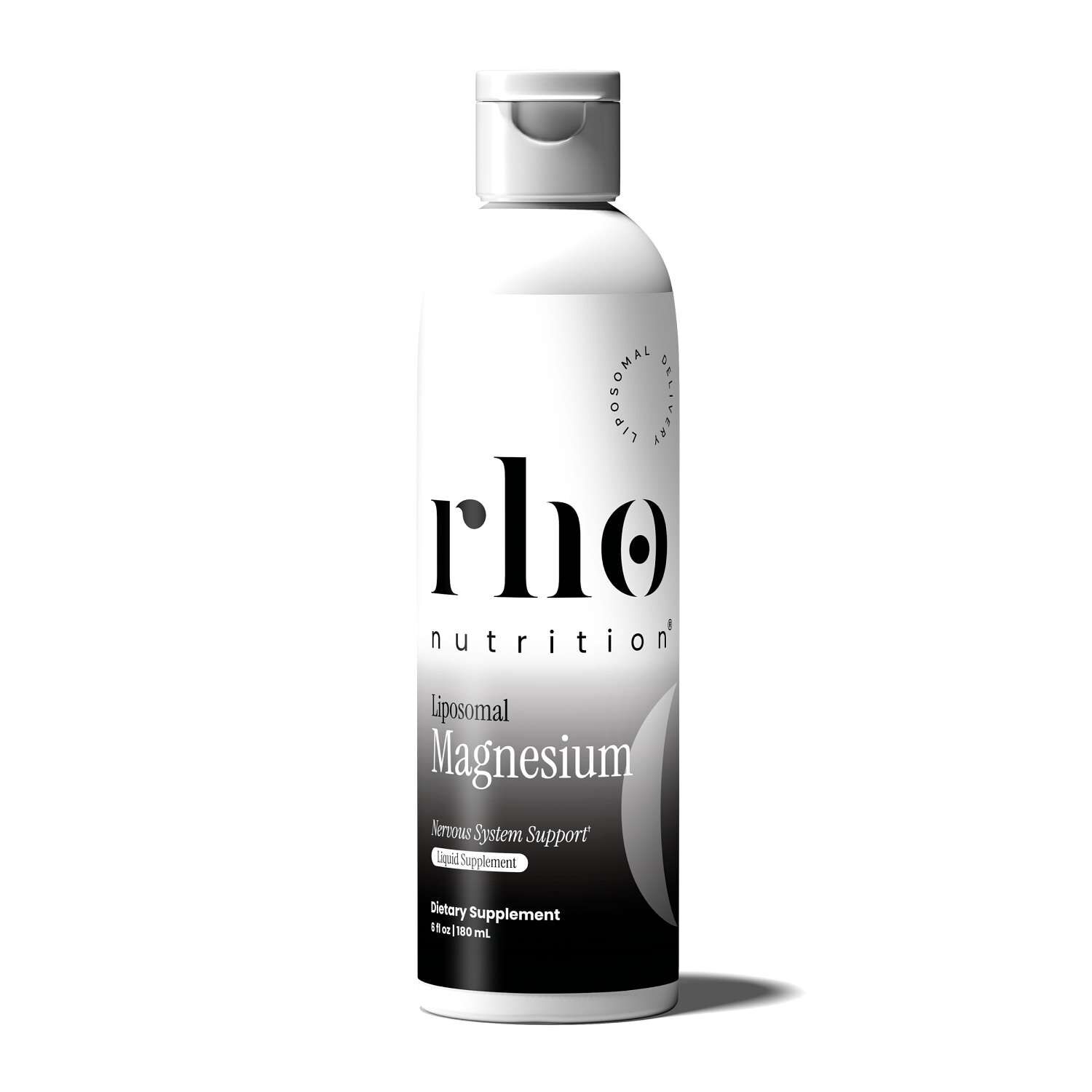 Rho Nutrition
-
Qualia Life Sciences