





Multivitamin Capsules With Natural Caffeine
(0 Results)
Multivitamin capsules with natural caffeine bring together the benefits of daily vitamins and the invigorating qualities of plant-based caffeine. Whether you're looking to support your wellness routine or seeking a convenient way to incorporate both nutrients and a gentle energy source into your day, these capsules offer a practical solution. Explore a variety of options designed for those who appreciate simplicity and want to make the most out of their supplement regimen with multivitamin capsules with natural caffeine.
-

-
-
-

-
-

-
-

-

-

-

-

-

-

-
 $44.99
-
-
 $24.99
-
 $59.99

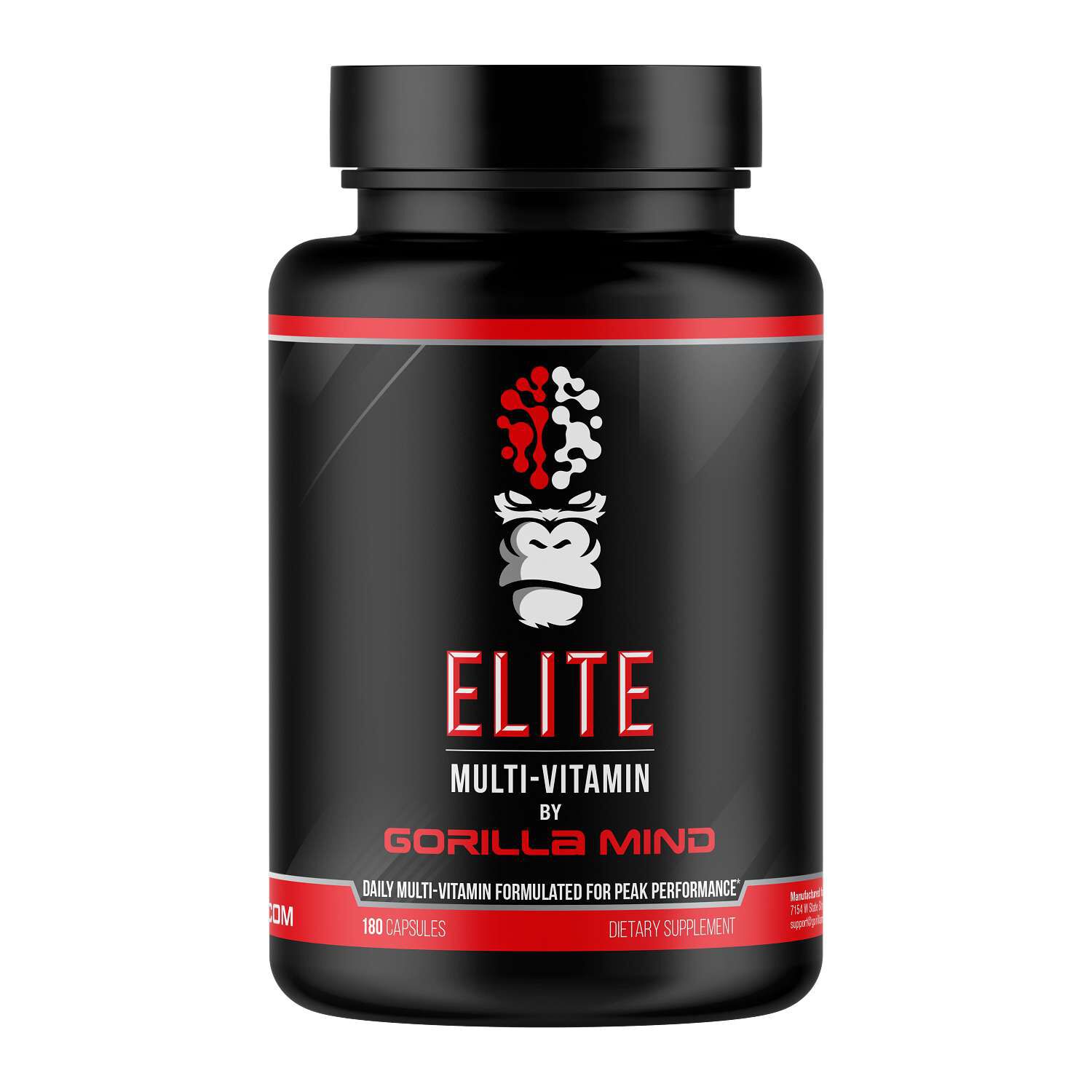
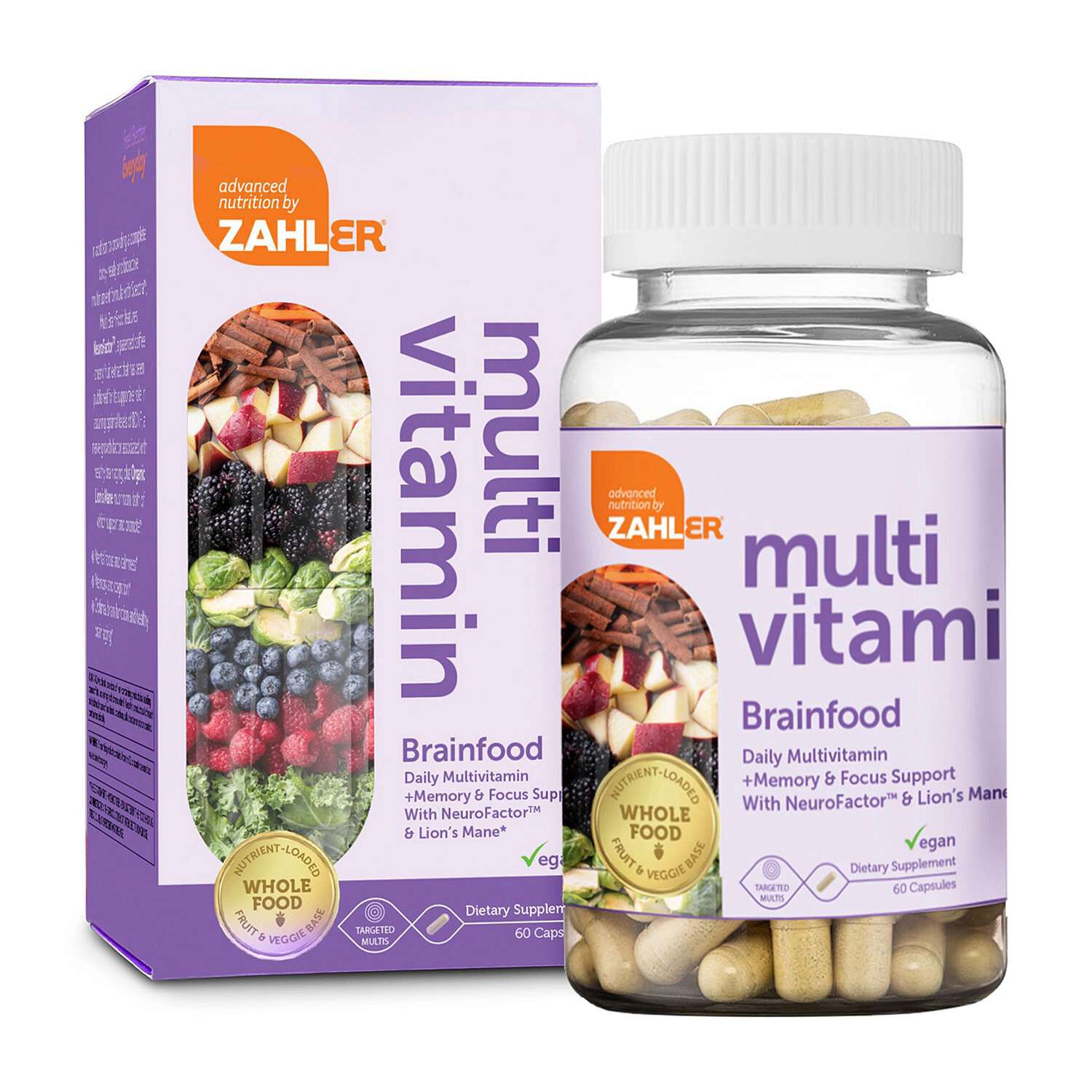
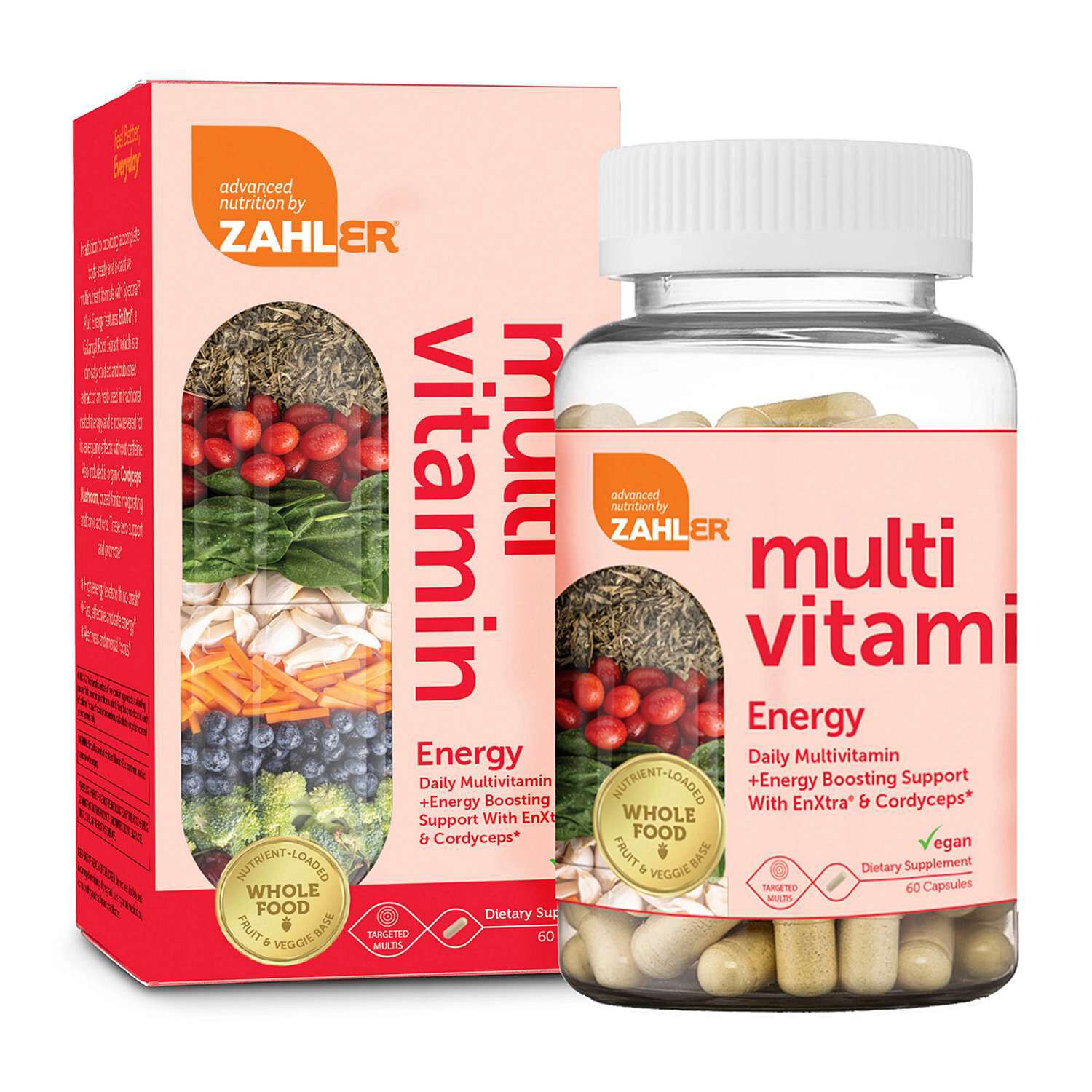
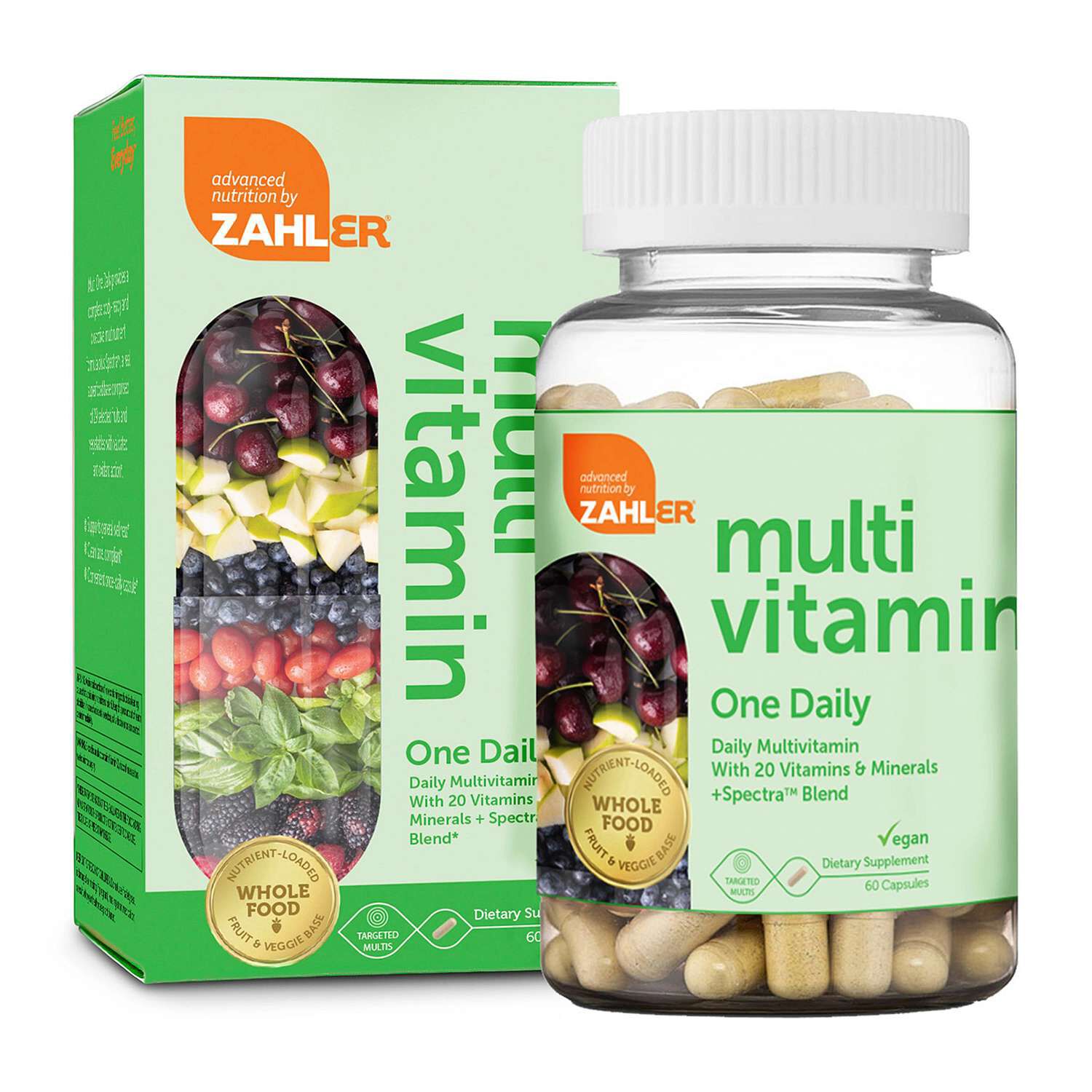
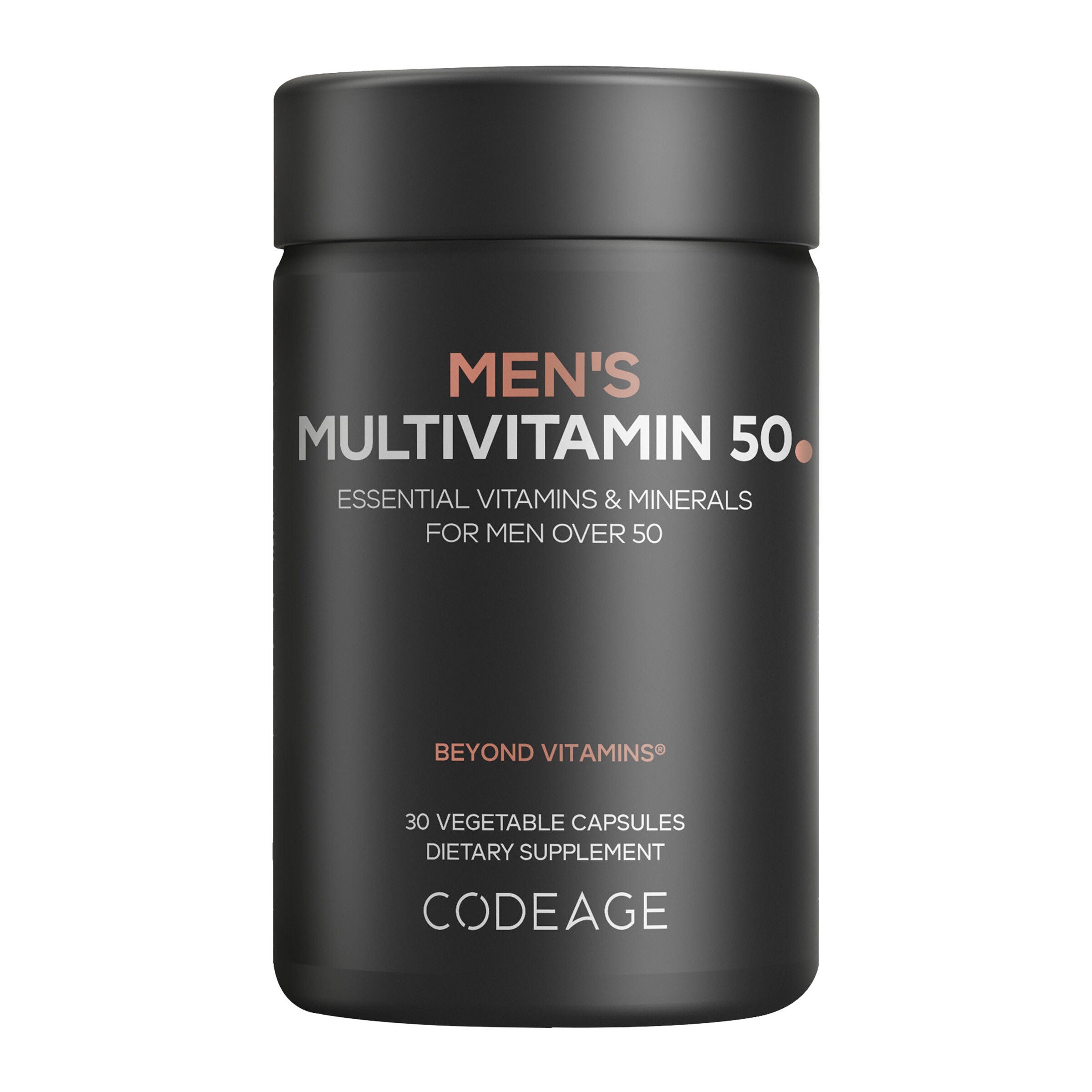
Multivitamin capsules with natural caffeine combine vitamins and minerals with caffeine derived from botanical sources, such as coffee beans, tea leaves, or guarana seeds. Depending on their ingredients, these formulas may complement everyday nutrition and support alertness within the same supplement routine. The category brings together two distinct considerations: the nutrient composition of a multivitamin and the caffeine content of a caffeinated supplement. Neither tells the whole story on its own. A formula may contain several B vitamins alongside vitamins A, C, D, and E, while its mineral content can vary considerably. Some formulas include zinc, selenium, or iodine; others feature a different selection or different amounts per serving. The Supplement Facts panel provides a clearer picture than a short description on the front of the bottle. It identifies the nutrients, their amounts, and their percentages of Daily Value, making it easier to compare formulas with different nutritional profiles. Ingredient forms may also differ, so two labels naming the same vitamin do not necessarily describe identical formulations. Natural caffeine describes the caffeine’s source, not the origin of every other ingredient in the capsule. This distinction matters when looking for a supplement that aligns with particular ingredient preferences. Capsule construction is another part of the comparison. Shells may contain gelatin or plant-derived materials such as cellulose, while other ingredients may serve manufacturing purposes or help maintain the capsule’s contents. A plant-derived shell does not, by itself, establish that the entire formula meets a vegetarian or vegan preference; the full ingredient list and any relevant labeling provide that context. Capsules also differ from chewables, gummies, powders, and tablets in how they fit into a daily routine. For adults who prefer a measured supplement format without mixing a drink, multivitamin capsules with natural caffeine may offer a practical option. Their appeal rests on the combination of ingredients, serving format, and intended use rather than the word “natural” alone.
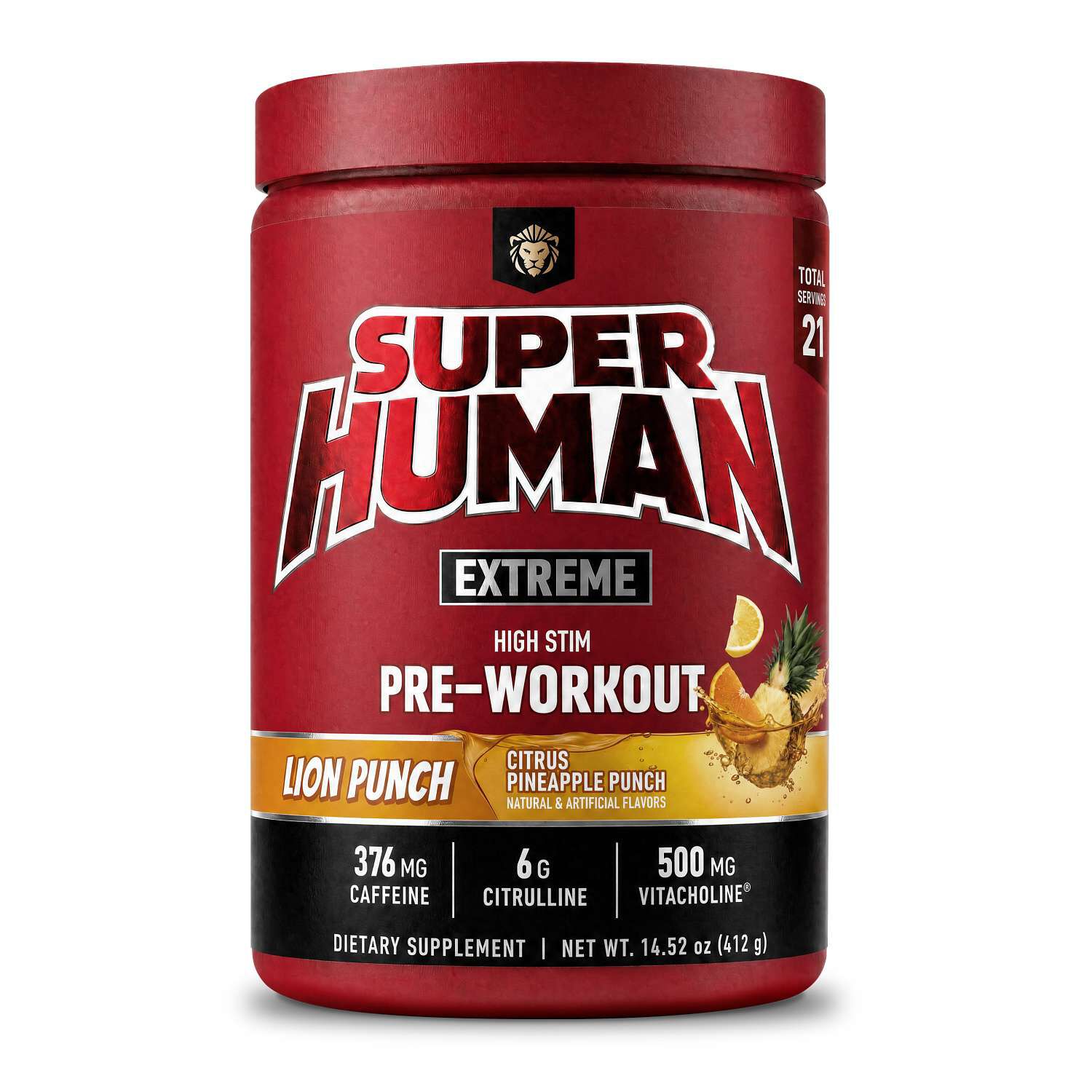
Caffeine content deserves its own close look because botanical sourcing does not establish how much caffeine a serving contains. Coffee-derived caffeine, tea extracts, guarana, and yerba mate can appear in different ingredient formats, and the weight of a botanical extract is not necessarily the amount of caffeine it supplies. A label might identify an extract amount separately from a stated caffeine amount, so those figures should not be treated as interchangeable. Serving size is equally important: an amount listed for two capsules cannot be compared directly with an amount listed for one capsule without accounting for that difference. Clearly stated caffeine information makes comparisons more straightforward, especially when several botanical ingredients appear in the same formula. Naturally sourced caffeine may support alertness, but the experience can vary by person, amount, and timing. The botanical source alone is not a reliable measure of how noticeable that experience might be. An adult who already enjoys coffee with breakfast may evaluate this category differently from someone whose usual morning drink contains no caffeine. Tea, energy drinks, and other supplements can also contribute caffeine to the same routine. Looking at those sources together gives the capsule’s stated caffeine amount more useful context than reading it in isolation. The intended setting matters as well: a supplement considered for an early commute occupies a different place in the day from one considered after an evening workout. Package directions and caffeine-related statements belong alongside ingredient preferences in that comparison. Shoppers comparing this category with High Caffeine Supplements can distinguish between a multivitamin formula that includes caffeine and supplements organized primarily around caffeine content. Those categories may overlap in individual ingredients, but they do not describe the same nutritional composition. A larger caffeine amount does not indicate a broader vitamin and mineral selection, just as a longer nutrient list does not establish a particular caffeine amount. Keeping those distinctions separate makes the label easier to interpret without relying on broad front-label descriptions.
Day-to-day fit often comes down to details that are easy to overlook in a quick comparison. Capsule size, the number of capsules per labeled serving, and any directions about taking the supplement with food all shape how the format might fit an established routine. A bottle that calls for several capsules per serving represents a different experience from one with a smaller capsule count per serving, even when the containers look similar. The capsule count printed on a package and the number of servings inside are different measurements, too. Reading both helps clarify what the package contains without assuming that one capsule equals one serving. For someone who organizes breakfast before a commute, a clearly labeled bottle stored with other morning supplies may suit an existing habit. For someone who travels between a home office and a shared workspace, packaging that keeps the directions and ingredient information close at hand may matter more. Keeping capsules in their original container preserves access to the serving information, storage directions, and date marking, while a securely closed lid may help protect the contents from moisture. A capsule shell’s appearance is not a substitute for that information, and capsules from different formulas can look alike. Storage and handling should follow the package rather than assumptions based on another supplement. Dietary preferences also warrant attention beyond the capsule shell: ingredient lists and allergen statements provide context that a short category name cannot convey. These considerations are especially relevant for adults seeking one supplement format that combines a multivitamin profile with a clearly described caffeine source. Someone who wants flexibility to adjust vitamin and caffeine routines independently may place different value on that combination. The most meaningful comparison brings the details back together: which nutrients are present, how much caffeine the labeled serving supplies, what the capsule contains, and how the directions fit the intended routine. That label-centered view keeps multivitamin capsules with natural caffeine grounded in their actual composition rather than assumptions about botanical ingredients or capsule convenience.
Best Sellers

Related Pages

Top Collections
- Joint Mobility Supplement Packs
- Zinc Supplements | Top Brands at Great Prices | GNC
- Supplements For Yoga Joint Flexibility
- Supplements For Balance
- Capsule Supplements For Energy And Stamina
- Daily Collagen Supplements | Top Brands & Deals | GNC
- Adult Mobility Supplements
- GLP 1 Support For Adults
- Vitamins For Hair Loss
- Gut Lining Protection Supplements