





Multivitamins For Women 50 Plus With Vitamin D
(0 Results)
Multivitamins for women 50 plus with vitamin d are designed to support the unique nutritional needs that may change over time. These supplements often include a blend of vitamins and minerals, including vitamin D, to help fill potential nutrient gaps that can arise with age. Explore a variety of options tailored to this life stage, so you can find multivitamins for women 50 plus with vitamin d that fit your wellness routine.

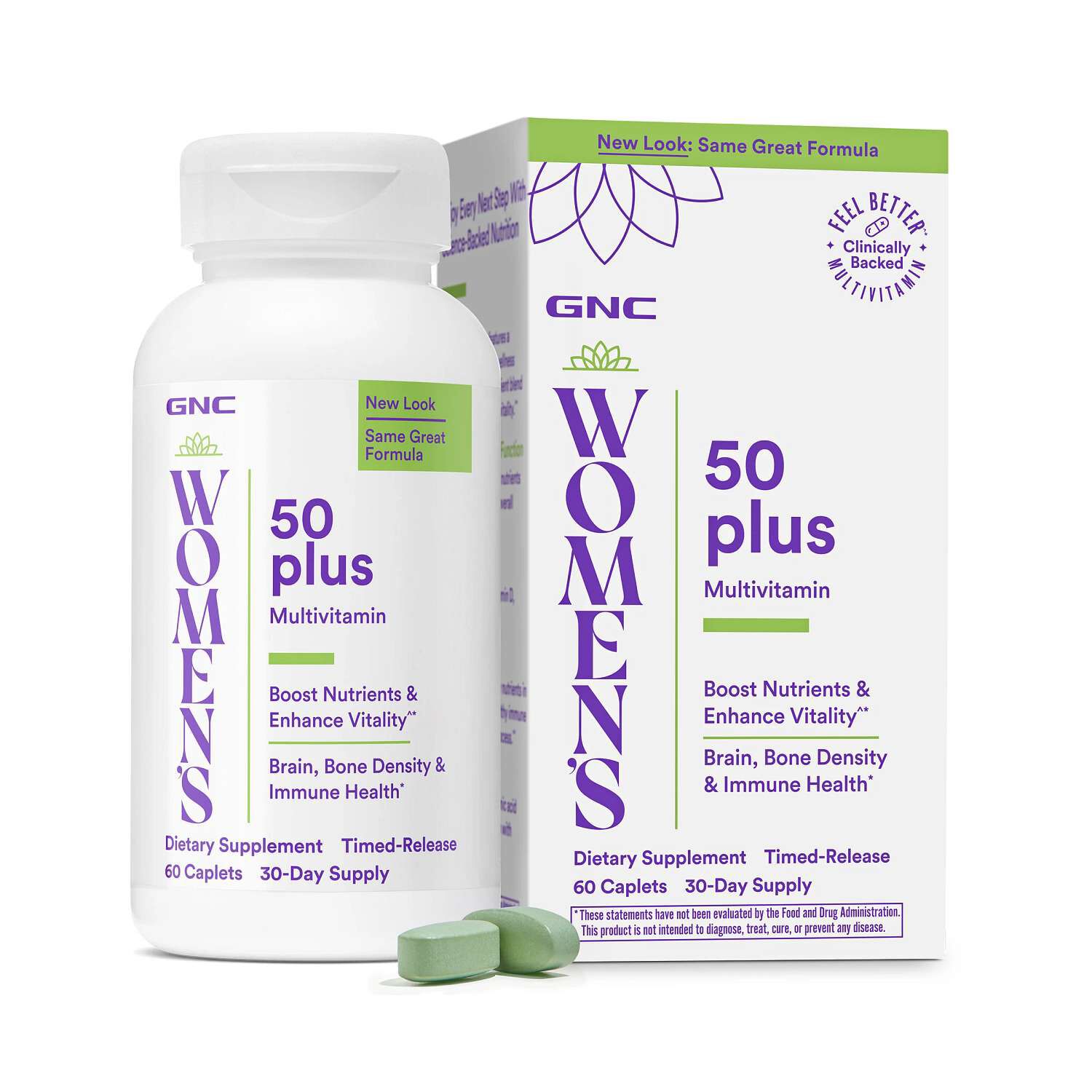
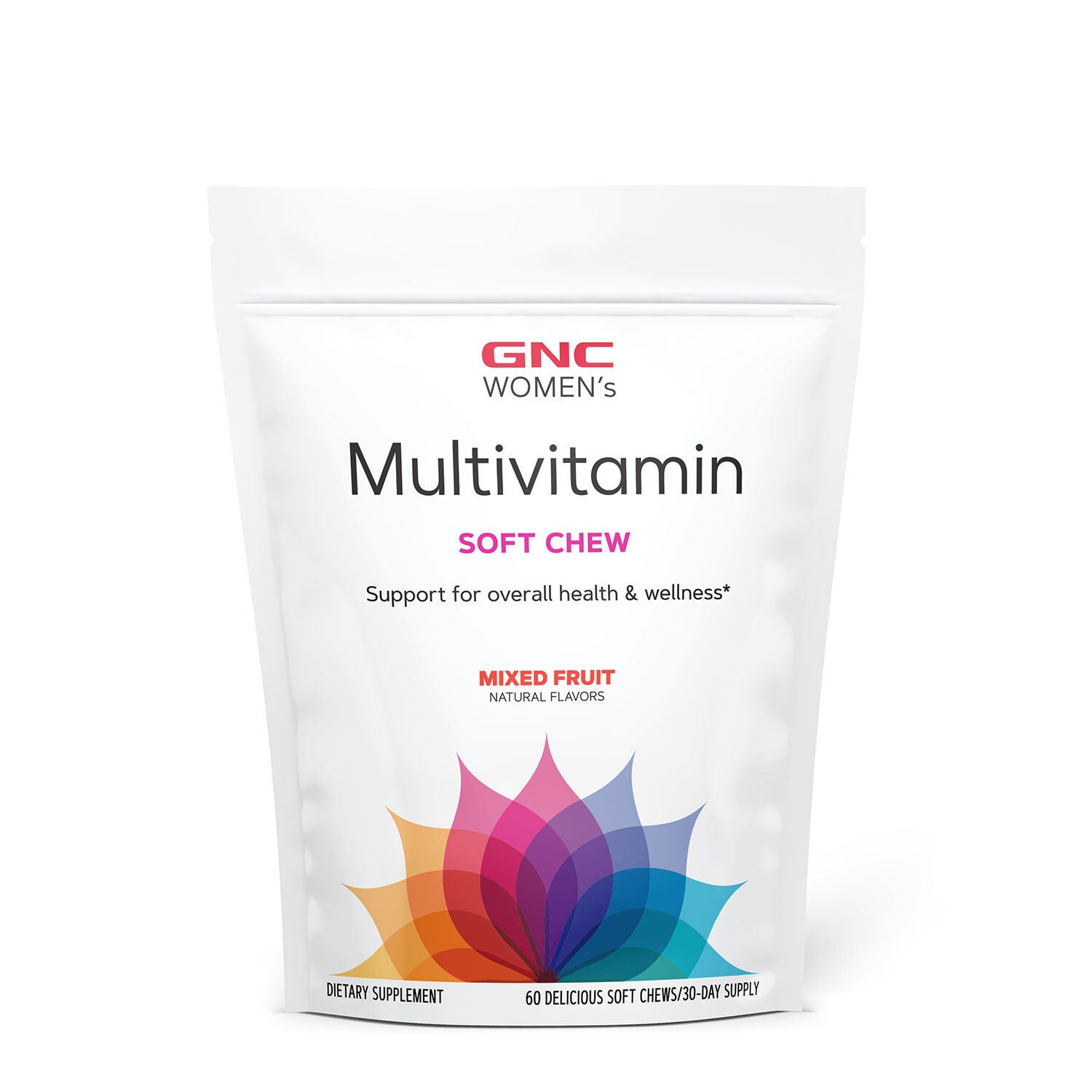
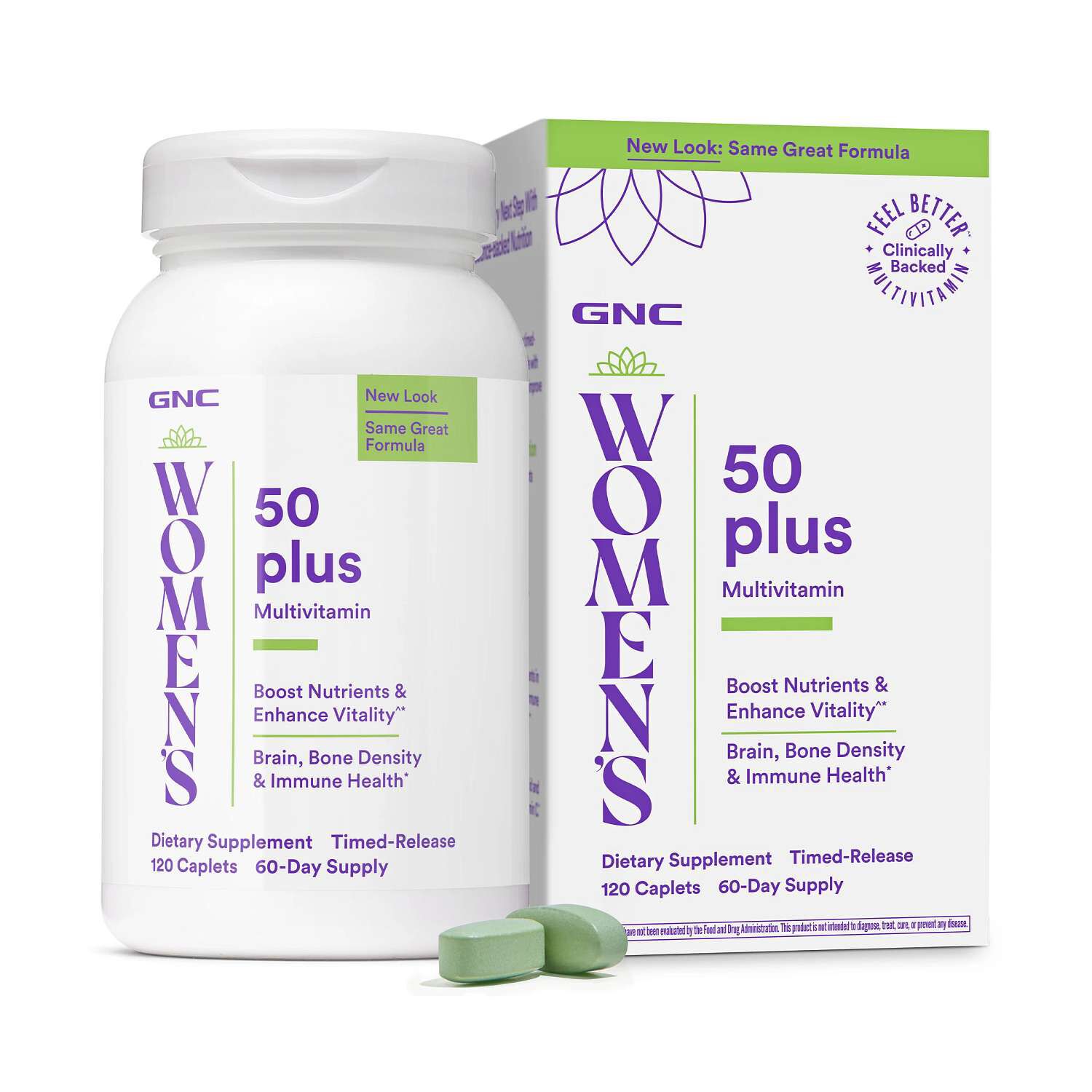
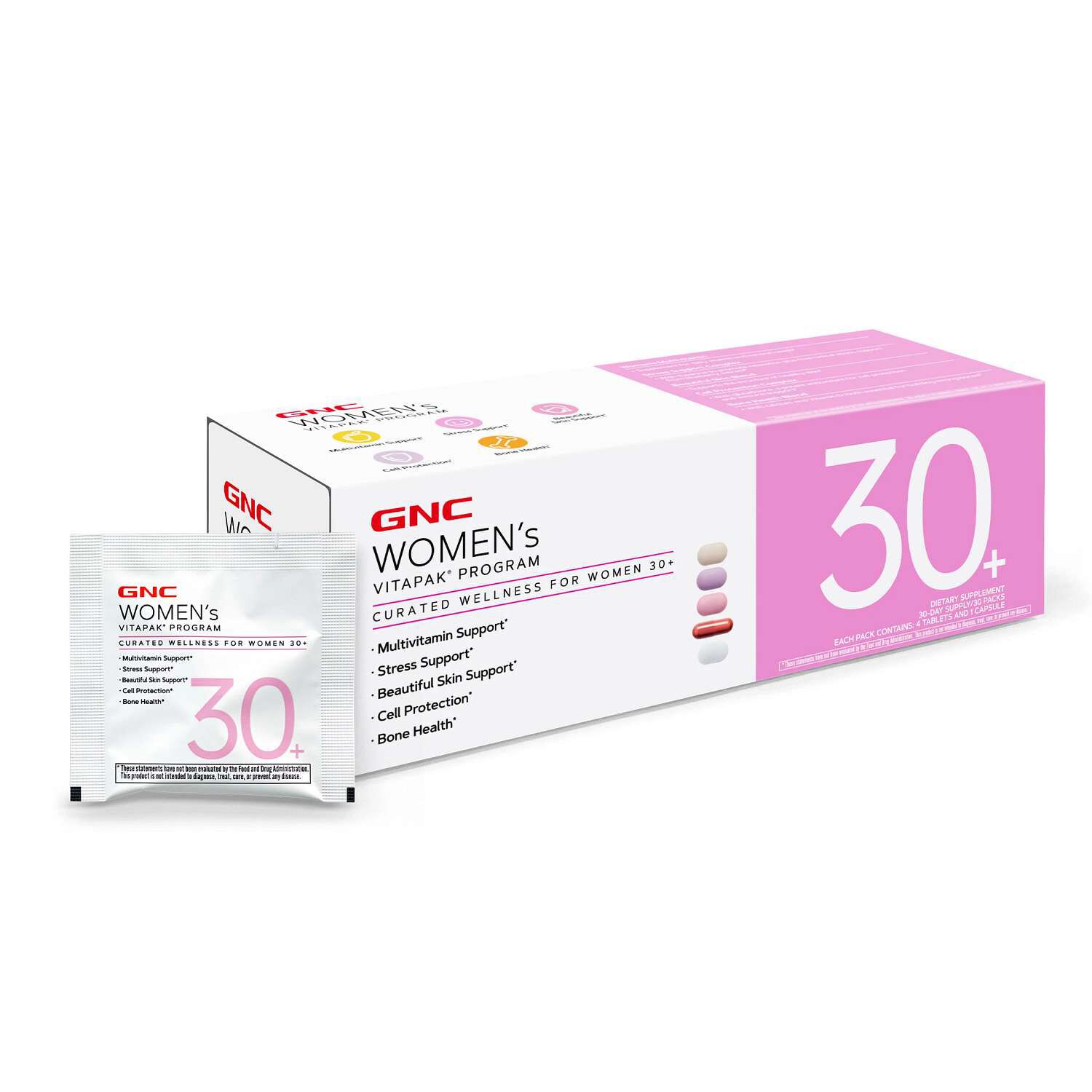

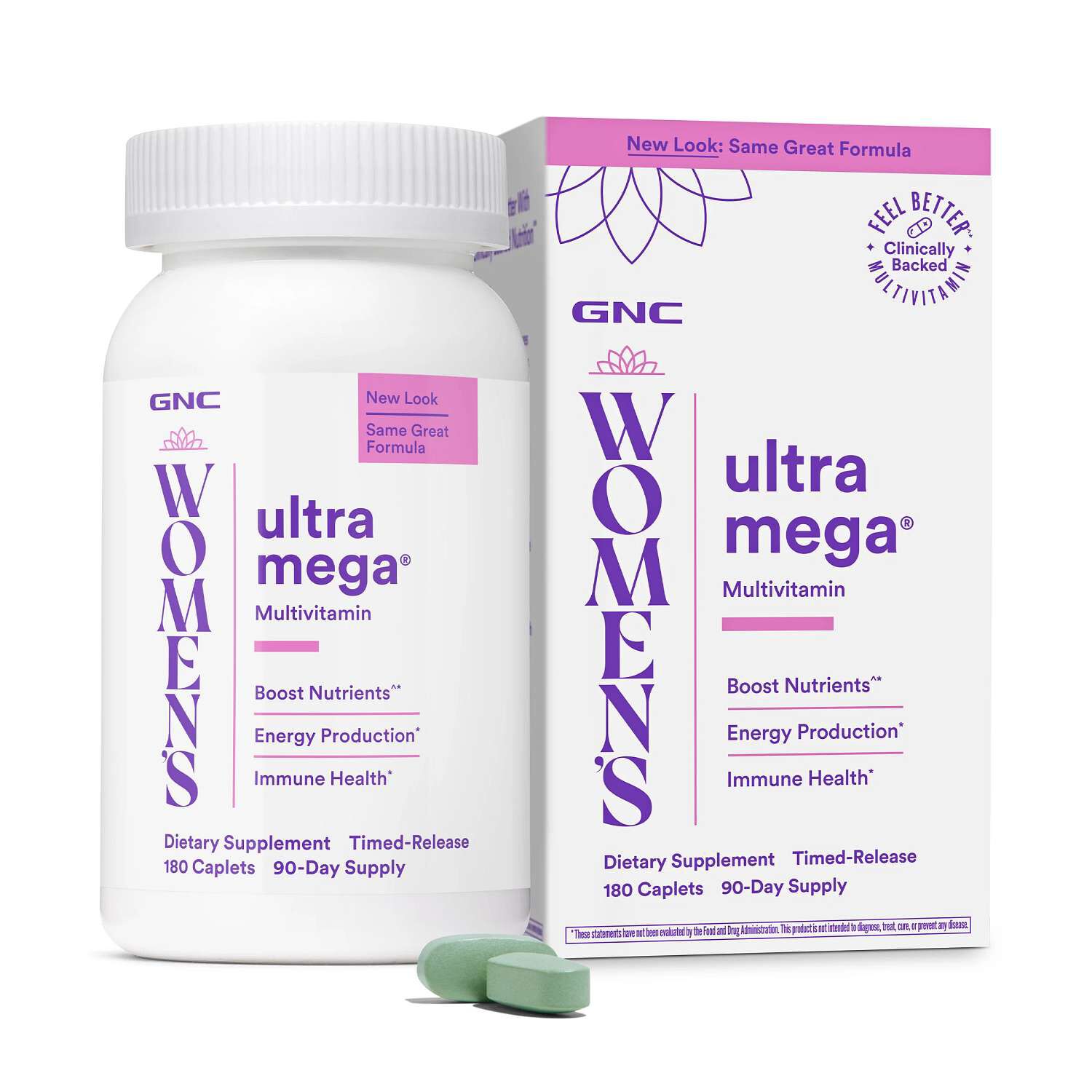
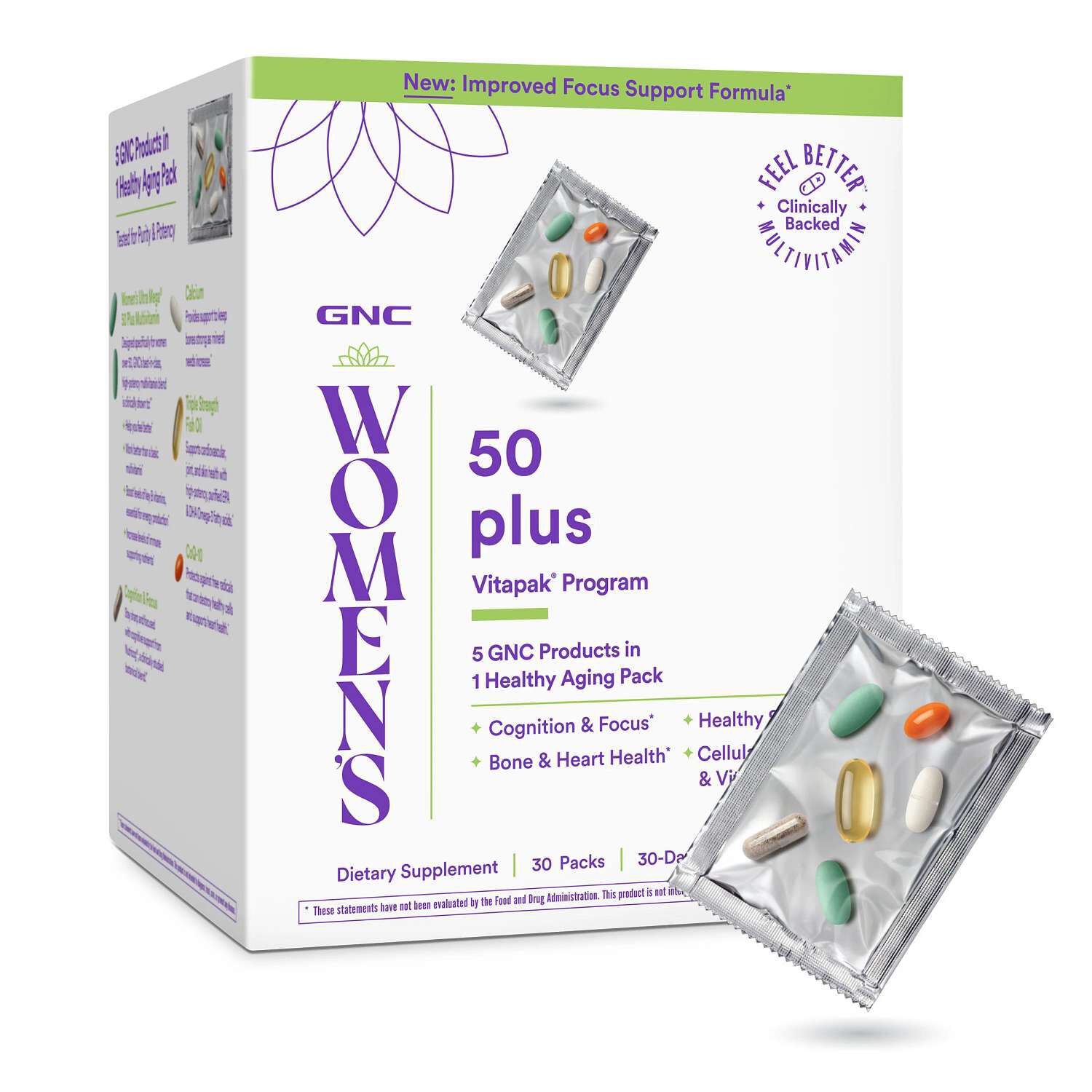
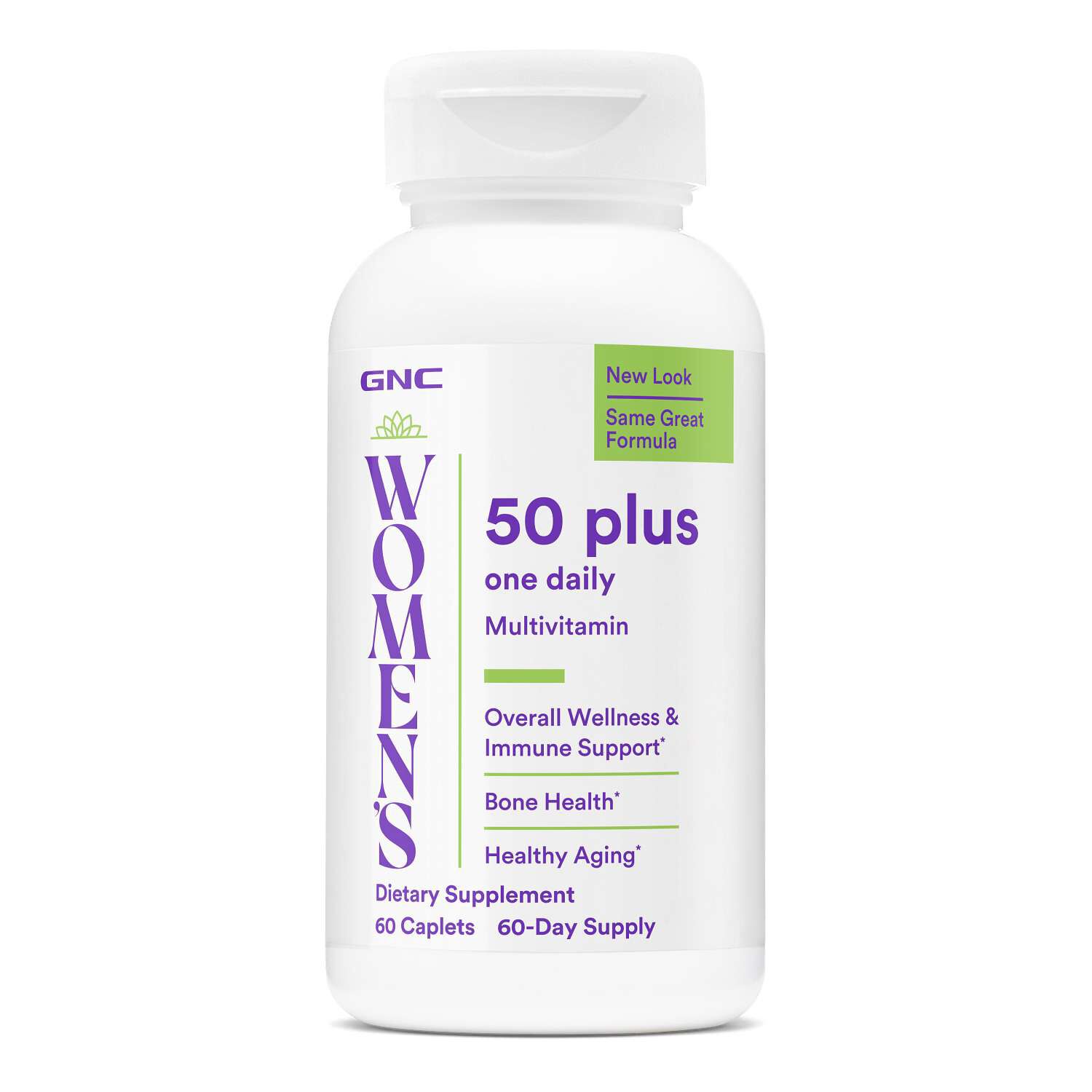
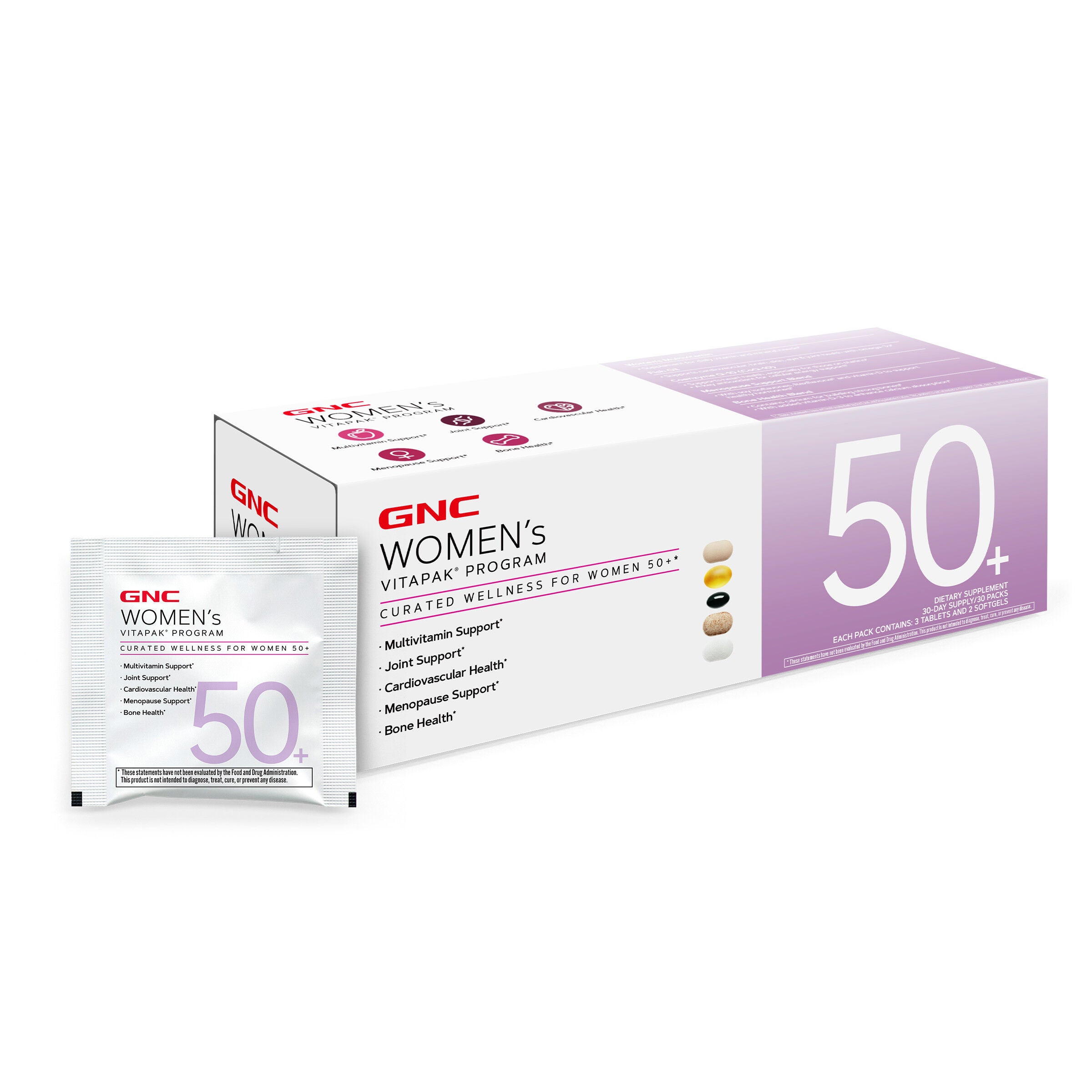


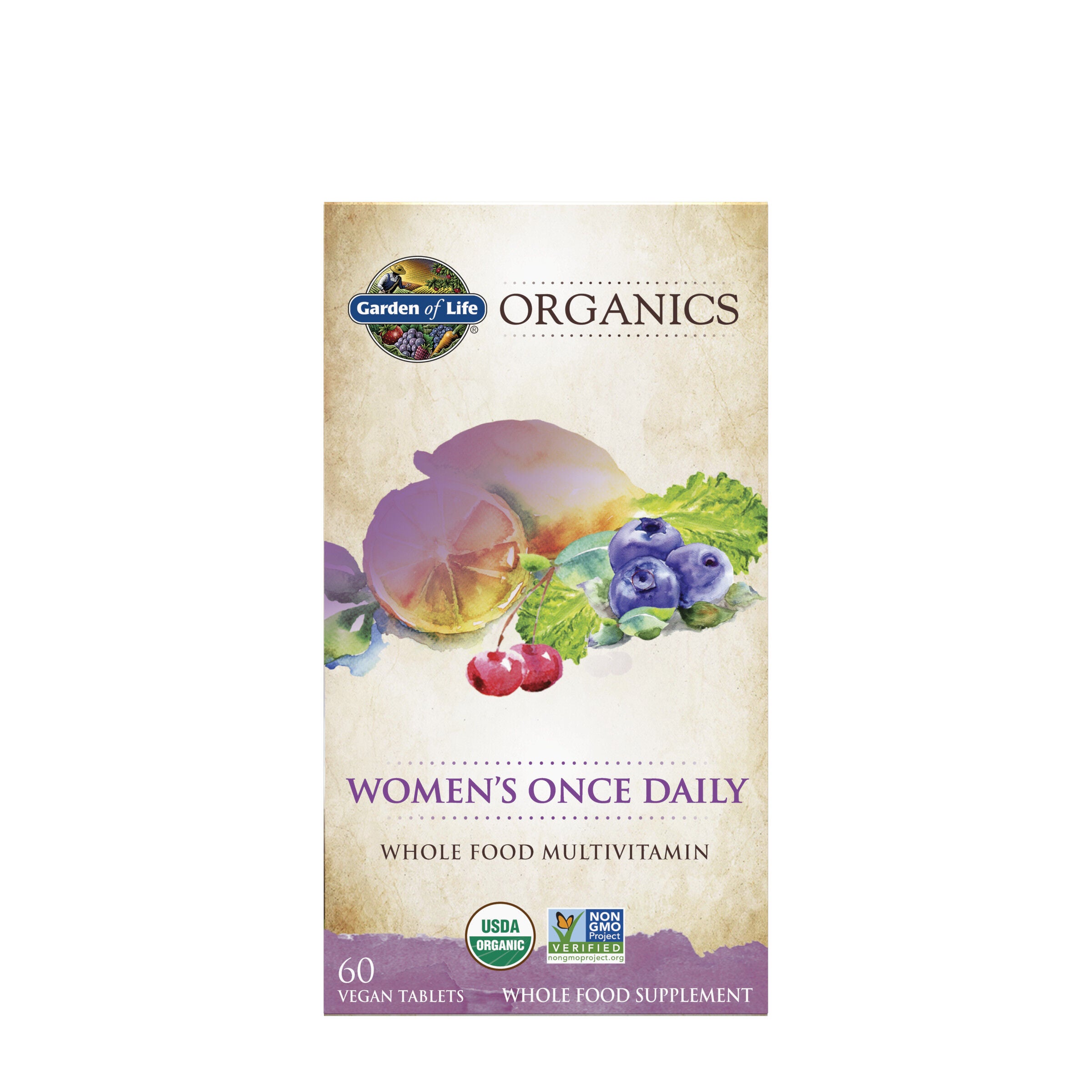

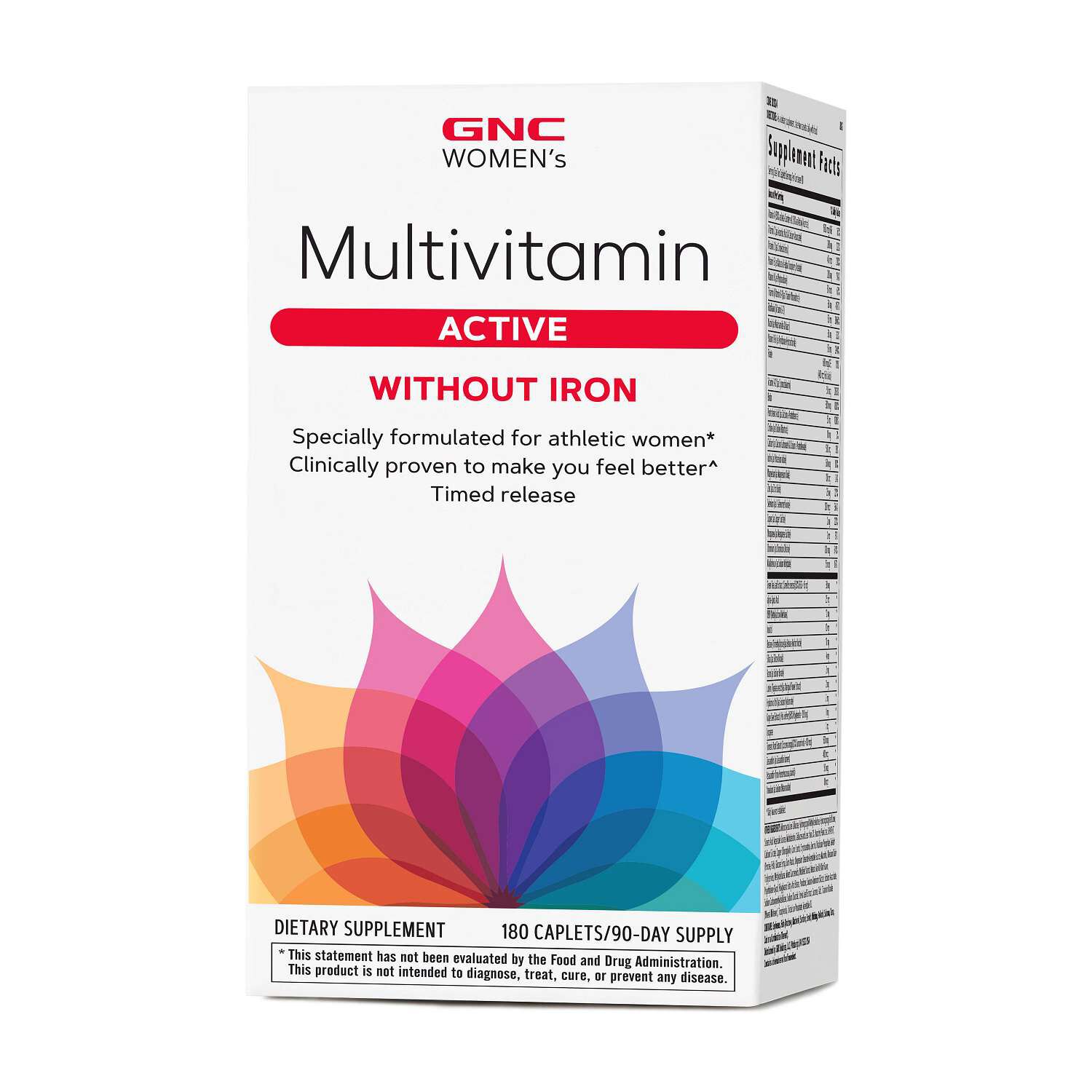
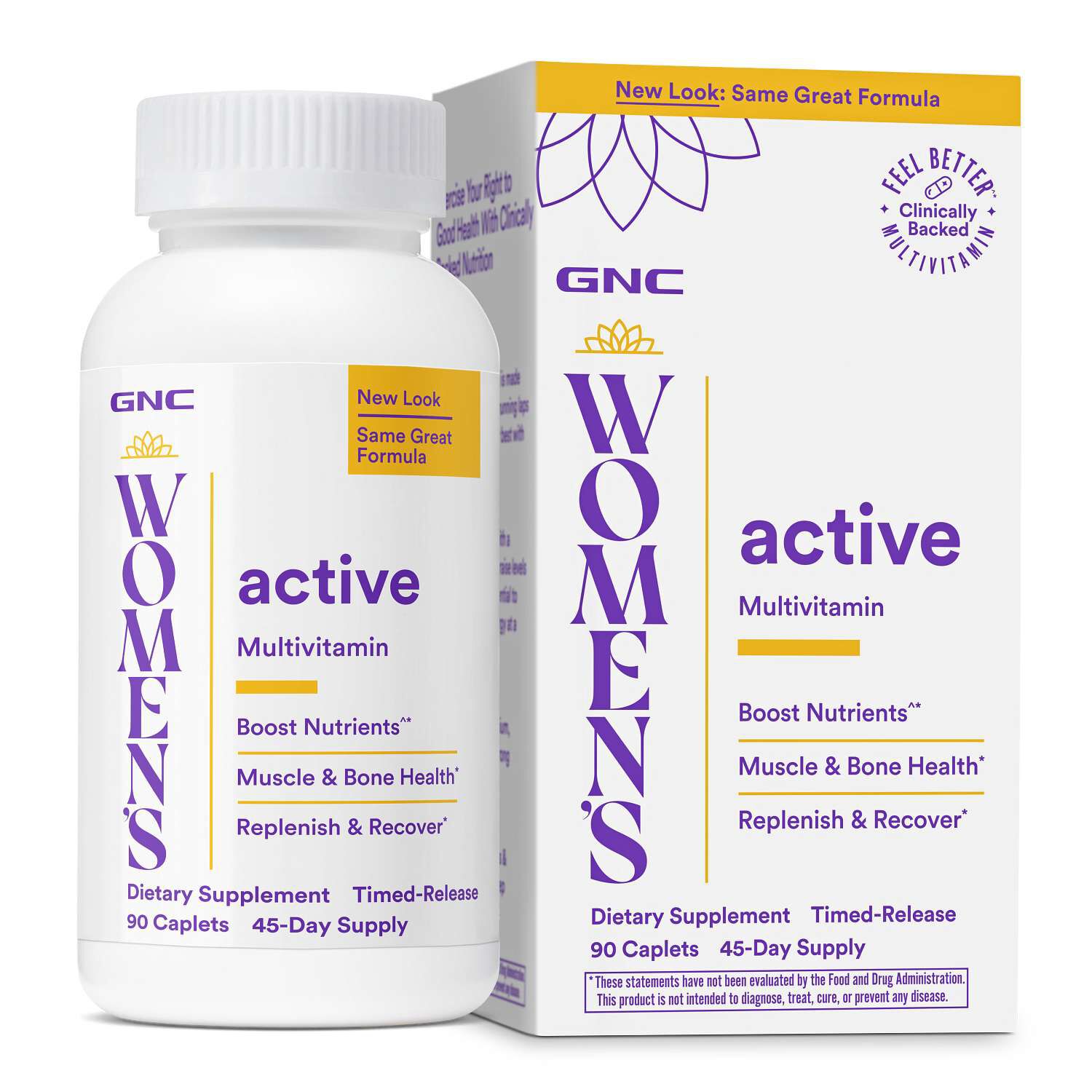
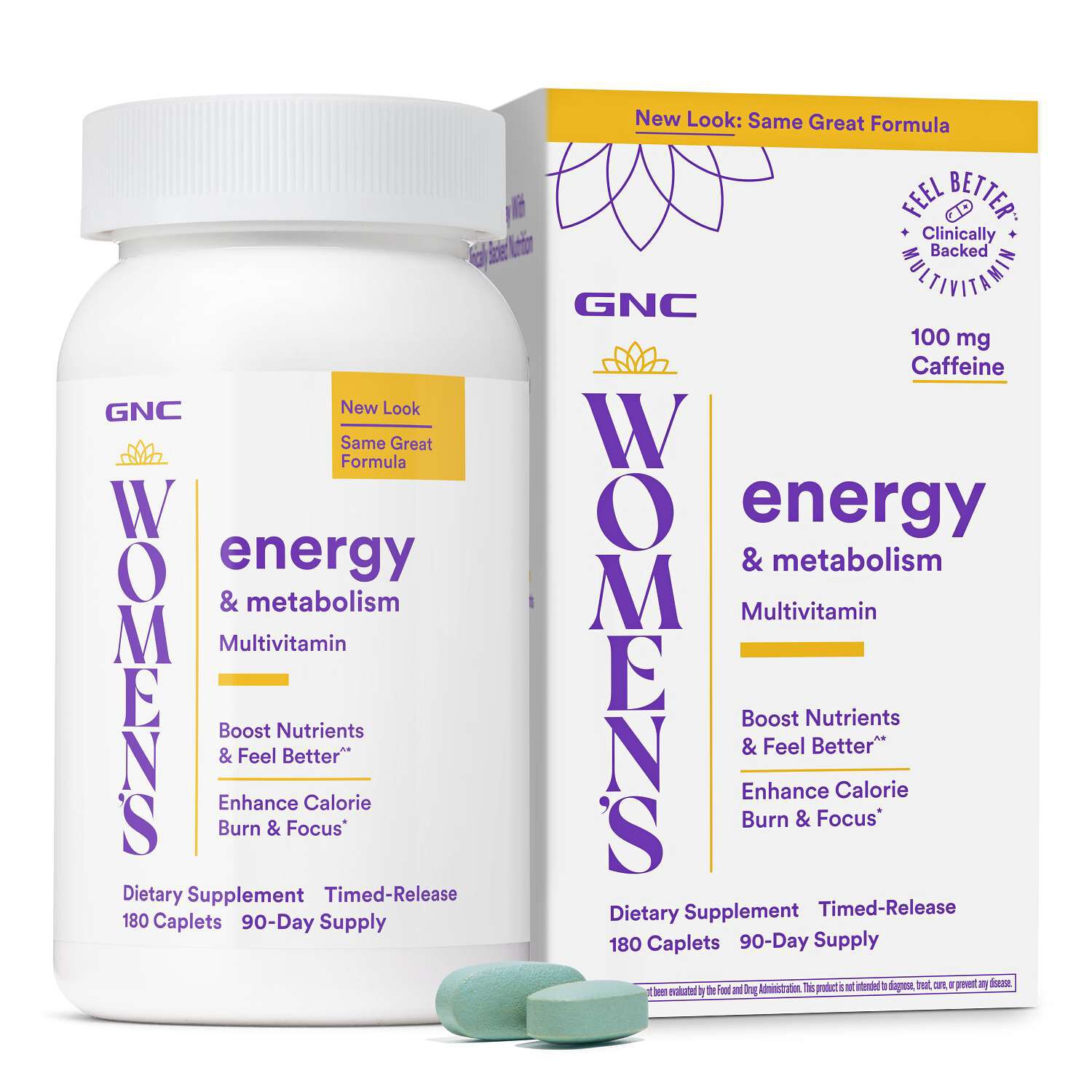

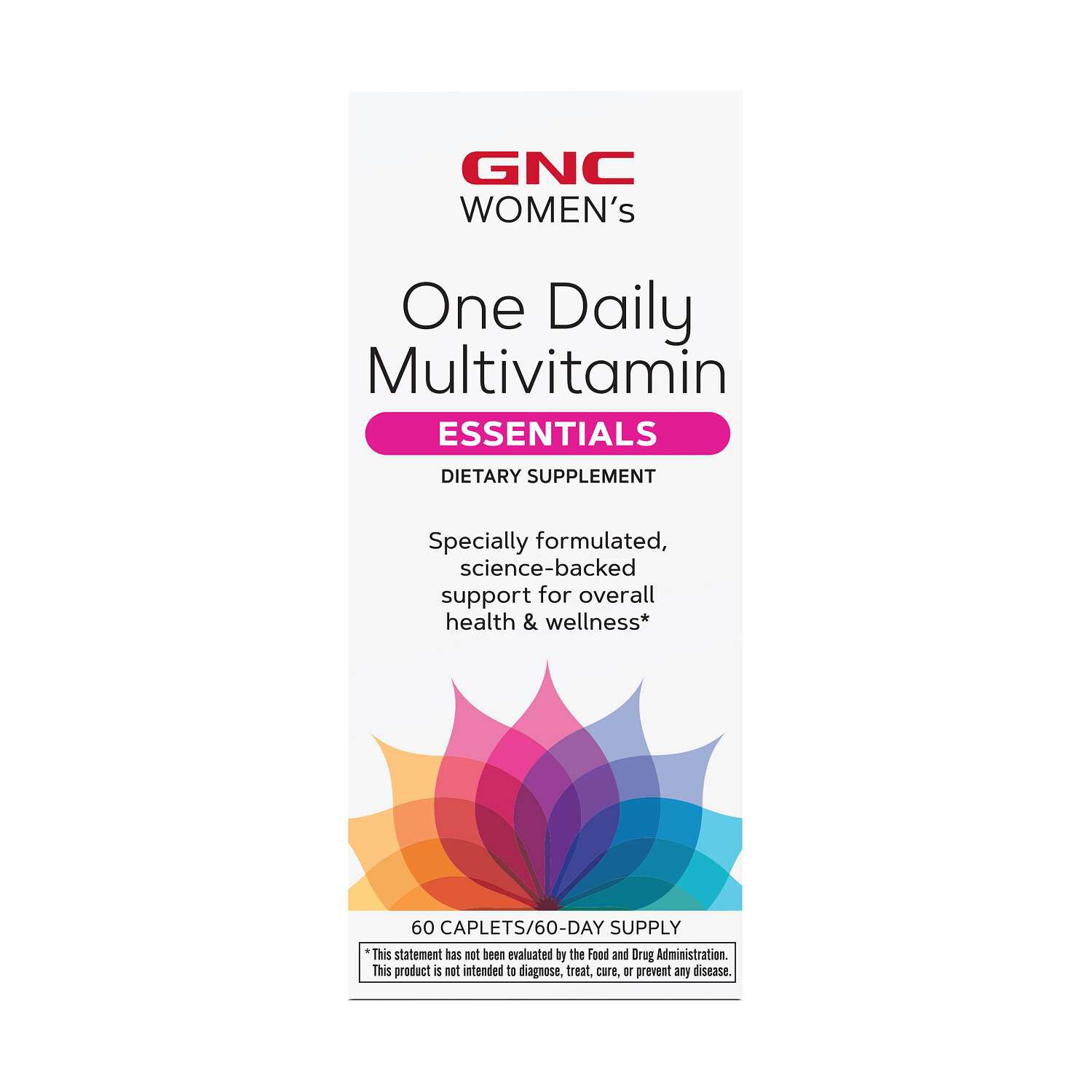

Multivitamins for women 50 plus with vitamin D are dietary supplements formulated for adults age 50 and older, combining vitamin D with a selection of other vitamins and minerals. These age-focused formulas may complement a varied eating pattern while bringing several nutrients into one supplement routine. Vitamin D is a useful starting point for comparing labels, but it is only one part of the formula. The ingredient list may identify it as vitamin D3, also called cholecalciferol, or vitamin D2, also called ergocalciferol. The Supplement Facts panel lists the amount per serving, which may appear in micrograms, international units, or both; one microgram of vitamin D equals 40 international units. That distinction matters when two labels use different units to describe their contents. Serving size matters just as much: the listed amount might represent one tablet, two capsules, or several gummies rather than a single piece. Alongside vitamin D, these formulas often include B vitamins, vitamins A, C, and E, and minerals such as zinc, iodine, and selenium. Calcium and magnesium may also appear, although their amounts vary considerably between formulas. Iron is another point of difference. Some multivitamins labeled for women 50 plus contain no added iron, while others include it, so the age designation does not establish the iron content. A formula’s name also does not reveal whether it contains botanical ingredients, added flavors, or nutrients beyond the familiar vitamins and minerals. Those details belong in the label comparison rather than being assumed from the front of the bottle. For shoppers with established food preferences or a familiar supplement routine, the most relevant distinctions are often practical ones: the vitamin D form and amount, the number of pieces in a serving, the accompanying nutrients, and the ingredients used to make the finished tablet, capsule, or chewable. The 50-plus label describes the intended audience, not an identical set of preferences shared by every woman in that age group.
Format can make a noticeable difference in how a multivitamin fits into an ordinary day. Tablets, capsules, softgels, gummies, and other chewable formats have different textures, dimensions, and ingredient requirements. A tablet may have a coating, a capsule has a shell, and a gummy typically includes ingredients that create its shape, flavor, and texture. A preference for an unflavored capsule is different from a preference for a fruit-flavored chewable, even when both formulas contain vitamin D. Gummies may contain added sugars or sugar alcohols, and their vitamin and mineral profiles should not be assumed to match those of tablets. Likewise, a smaller piece does not necessarily mean a smaller serving; a formula with smaller individual pieces may call for more pieces per serving. For someone who values a short morning routine, that distinction may be more meaningful than the bottle’s appearance. Dietary preferences introduce another layer of comparison. Capsule shells and softgels may contain gelatin, while some chewable formats use pectin. Vitamin D3 can come from different sources, including lanolin or lichen, so the nutrient name alone does not establish whether a formula aligns with a plant-based preference. Ingredient statements, dietary designations, and allergen information provide more specific context. A fruit flavor does not establish the absence of animal-derived ingredients, just as a capsule does not establish the absence of colors or other added ingredients. Clear labeling is especially useful when a shopper is comparing several formats with similar names. The number of servings in a container is also distinct from the number of tablets, capsules, or gummies inside it. A bottle containing sixty pieces does not necessarily represent sixty servings. Read together, the serving size, nutrient amounts, ingredient list, and package directions create a more accurate picture of the product than any single front-label description. These details help distinguish formulas intended for the same age group without treating every multivitamin as interchangeable.
The broader nutrient profile gives vitamin D additional context within this category. There is considerable overlap with Multivitamins With B Vitamins For Women Over 50, since vitamin D and B vitamins frequently appear together in age-focused formulas. Labels may list thiamin, riboflavin, niacin, vitamin B6, folate, vitamin B12, biotin, and pantothenic acid, with different amounts and forms across products. A longer nutrient list is not, by itself, a description of how well a formula suits a particular person’s routine. Familiar meals, dietary preferences, and other supplements already in the cabinet all shape the context in which a multivitamin is used. Vitamin D may also appear on the labels of fortified milk, fortified plant-based beverages, and separate supplements, making it useful to distinguish a multivitamin’s contents from those of other everyday choices. Daily Value percentages provide a reference for reading nutrition labels rather than a personalized assessment. Beyond the formula itself, packaging and storage are practical considerations for regular use. A clearly printed expiration date, readable directions, and a closure that can be secured after each use make the container easier to manage. Storage requirements vary, and the label identifies the conditions intended for that particular format. A bottle beside a bathroom sink, a pouch carried in a gym bag, and a container left in a parked car encounter different surroundings; the package directions remain the relevant reference. Keeping supplements in their original labeled containers preserves access to the ingredient list, serving information, and expiration date, including when packing for a trip. For someone replacing a familiar multivitamin, the comparison is most informative when it includes the full label rather than just the age range or vitamin D callout. Across this category, the meaningful differences lie in nutrient composition, serving size, dietary compatibility, format, and the everyday handling details that make each formula distinct.
Best Sellers
Related Pages
Top Collections
- Supplements For Yoga Joint Flexibility
- GLP 1 Support For Adults
- Joint Mobility Supplement Packs
- Chronic Fatigue Supplements
- Adult Mobility Supplements
- Supplements For Balance
- Supplements For Anxiety Relief Support
- Capsule Supplements For Energy And Stamina
- Zinc Supplements | Top Brands at Great Prices | GNC
- Anti Aging Supplements For Women