





Non Whey Protein Bars
(0 Results)
Looking for a delicious and nutritious way to fuel your body on-the-go without whey protein? Look no further than our selection of non-whey protein bars! Packed with high-quality plant-based proteins and a variety of tasty flavors, these bars are perfect for anyone seeking a convenient and satisfying snack or meal replacement. Whether you follow a vegan lifestyle, have lactose intolerance, or simply prefer non-dairy options, our non-whey protein bars are a great choice to support your active lifestyle and fitness goals.
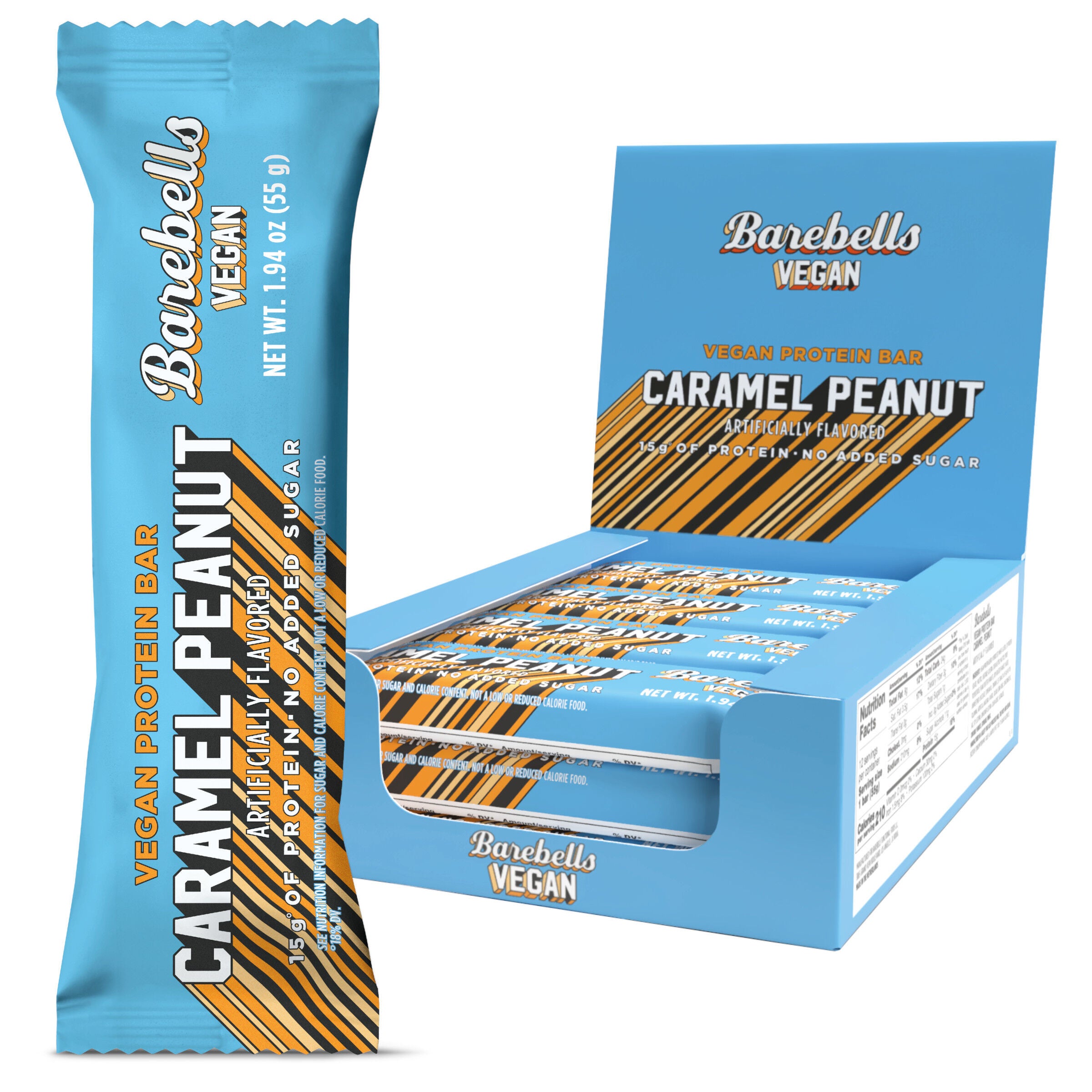
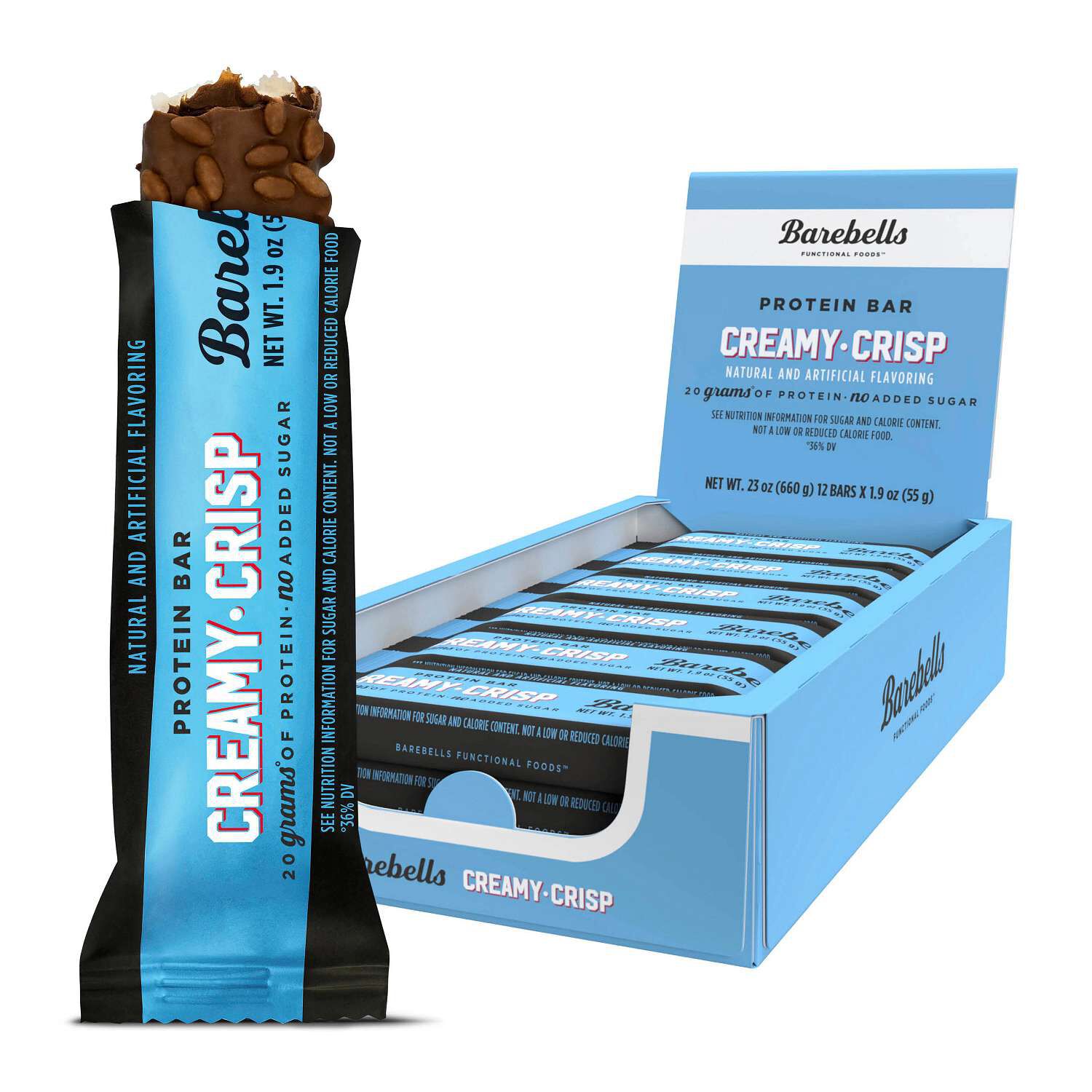
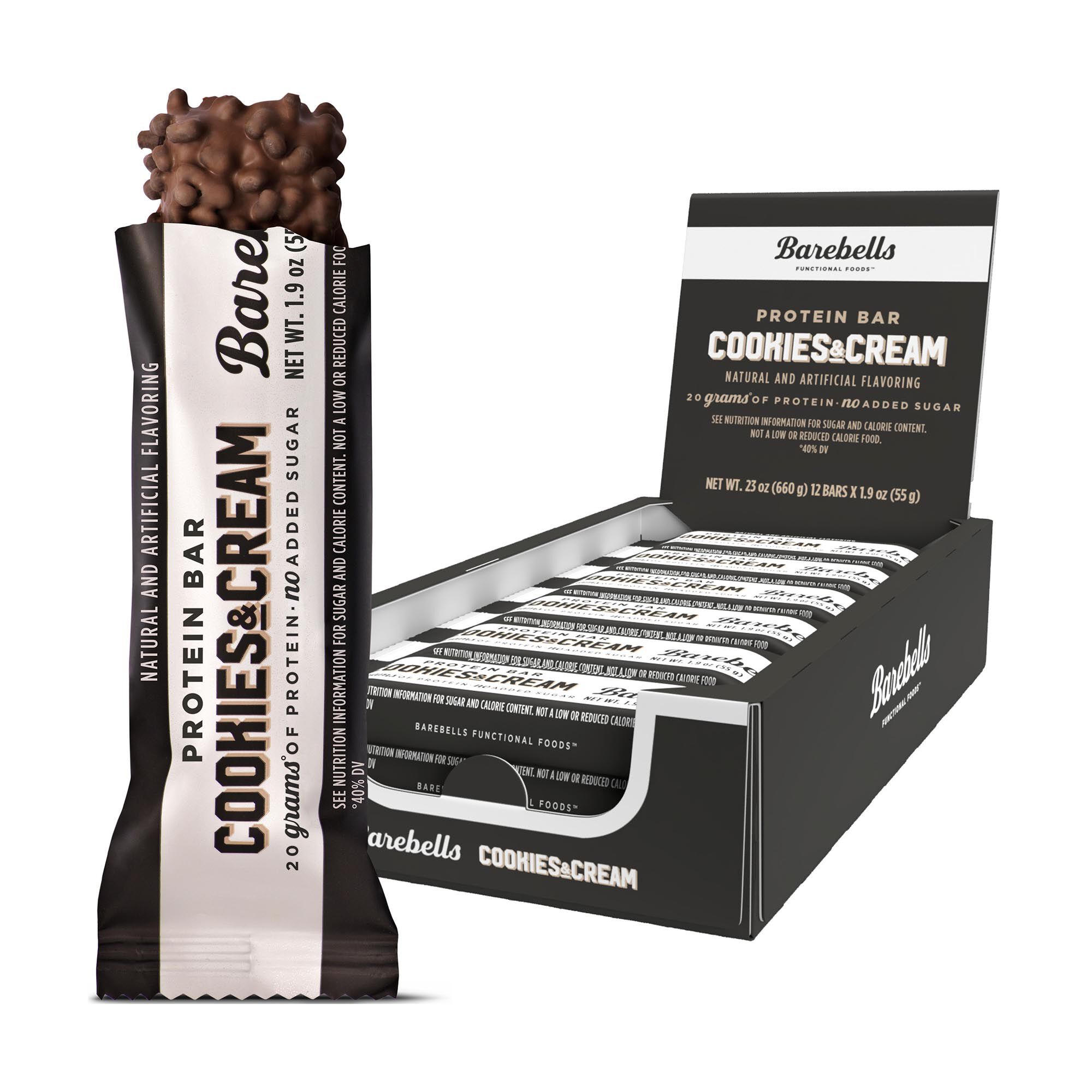
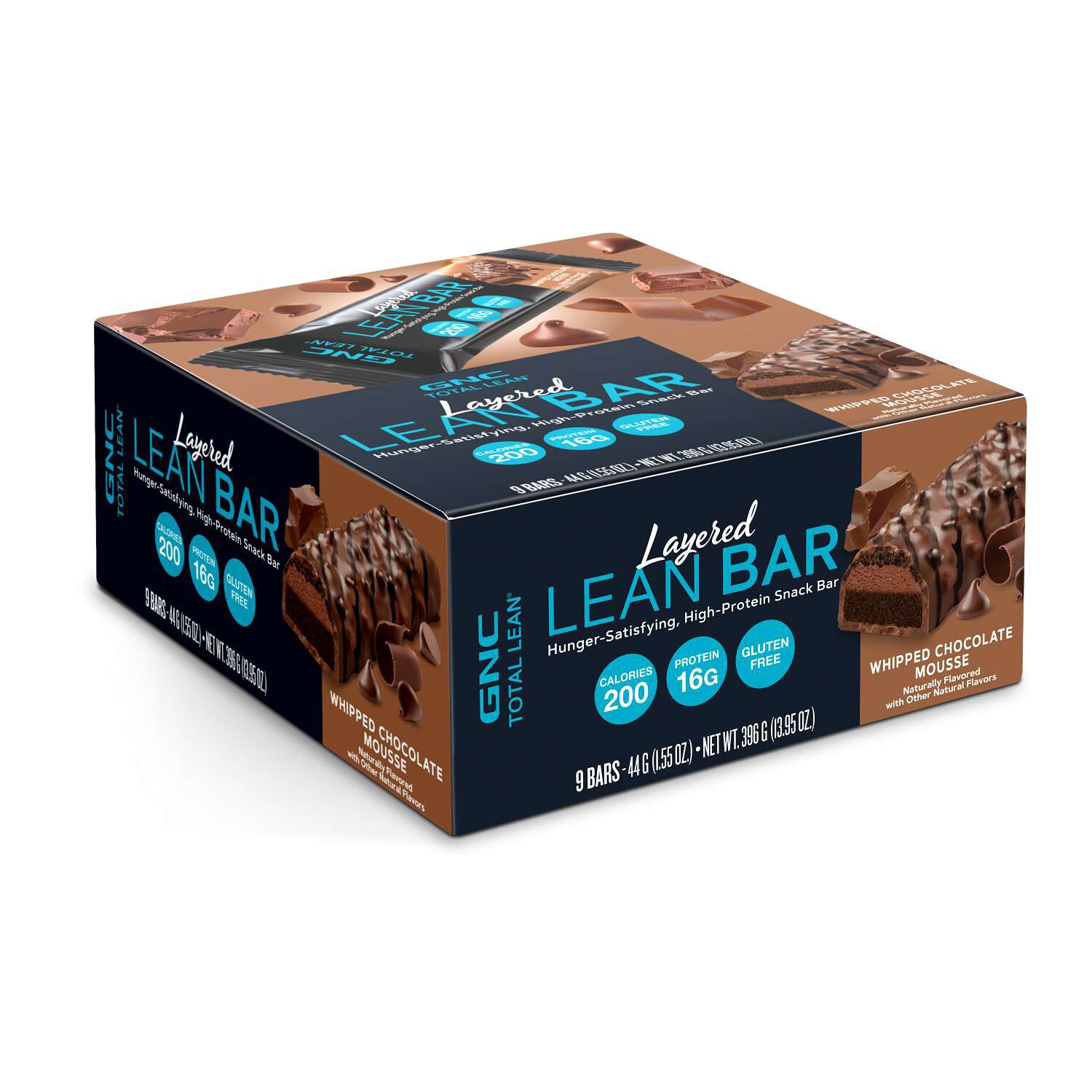
Non-whey protein bars are individually portioned snacks made with protein sources other than whey, the milk-derived protein commonly used in sports nutrition products. Plant-based formulas often use pea protein, brown rice protein, soy protein, pumpkin seed protein, or fava bean protein, sometimes combining several sources in one bar. Other formulas may use egg whites or casein, which is another type of milk protein. That distinction matters: a bar without whey is not necessarily vegan or made without dairy ingredients. The ingredient list provides a more precise description than the category name alone, especially when a recipe includes milk chocolate, yogurt-style coatings, milk protein blends, or other ingredients derived from milk. For shoppers who prefer plant-based snacks, both the protein source and the rest of the recipe deserve attention. Honey, egg whites, and dairy-based coatings can appear alongside plant proteins, so a vegan label offers different information from a statement about the absence of whey. Non-whey protein bars also differ considerably in their construction. Some feature a dense, chewy center made from protein powders and nut butter, while others incorporate crisped grains, chopped nuts, seeds, or pieces of dried fruit. Oats and date paste are common components in softer, whole-food-style recipes, although their presence alone does not establish how much protein a bar contains. Chocolate coatings, cocoa, cinnamon, vanilla, and fruit ingredients contribute to the range of flavor profiles within the category. A peanut butter bar with visible nut pieces has a different eating experience from a smooth chocolate-covered bar or a fruit-and-seed recipe with a pronounced chew. These differences make the category relevant to more than one kind of routine. Someone avoiding whey specifically, an adult choosing plant-based foods, or a shopper who simply prefers the taste of a particular protein blend may all consider bars without whey. Rather than describing one uniform type of snack, “non-whey” identifies a protein-source preference within a broader selection of textures, ingredients, and nutrition profiles.
The Nutrition Facts panel is useful for comparing non-whey protein bars because similar-looking bars can have very different amounts of protein, carbohydrate, fiber, fat, and added sugar. Protein grams per serving provide a clearer comparison than package size or a prominent flavor name. Serving information matters, too: a package may contain one serving or more than one, and smaller bars are not always directly comparable with larger ones. For an adult planning an afternoon snack between meetings, the preferred portion may be different from the one selected for a gym bag or a long day away from home. A bar may offer a convenient way to include protein in those routines, but its place depends on personal food preferences and the other foods eaten throughout the day. Nut butter, nuts, and seeds contribute ingredients beyond the named protein source, while fruit pastes, syrups, and other sweeteners influence the recipe’s carbohydrate and sugar content. Some formulas use sugar alcohols or other alternative sweeteners, making the ingredient list relevant for shoppers with particular ingredient preferences. A statement about added sugar does not describe every aspect of the bar’s nutrition or flavor. Texture is equally personal. Dense bars generally have a substantial bite, crisped-protein bars feature small crunchy pieces, and layered bars combine contrasting elements such as a chewy center and a smooth coating. For shoppers interested in a layered, crisp texture, Protein Wafer Bars are a related category, although the protein source still needs a separate check when avoiding whey. Chocolate, peanut butter, vanilla, and fruit flavors can take on different characteristics depending on the base ingredients and coating. A cocoa-forward recipe may appeal to someone who prefers a less fruit-focused snack, while a seed-and-fruit combination may suit someone who enjoys visible ingredients and a textured bite. These practical differences often matter as much as the nutrition numbers when choosing a bar for regular use.
Packaging and storage are part of the everyday appeal of protein bars without whey. An individually wrapped bar may fit neatly into a work tote, backpack, lunch bag, or desk drawer, with little preparation required before eating. The wrapper also provides space for ingredient details, serving information, storage directions, and a date marking, all of which remain relevant after the bar leaves its outer box. Keeping that packaging intact protects the bar from contact with other items and preserves access to its label. Softer bars and coated varieties can become flattened when packed beneath heavier belongings, while crisp layers may crumble under pressure; a small compartment or sturdy snack container may help protect their shape. Storage should follow the package directions, and the wrapper’s seal and date information are worth checking before use. For routines that involve carrying a bar for several hours, shape, portion size, and how easily the wrapper opens are practical considerations alongside ingredients and flavor. A compact bar may suit a short break at work, while a larger format may be preferable for someone who wants a more substantial snack portion. Bars can also accompany other familiar foods, such as fruit or a serving of nuts, according to individual preferences rather than a fixed eating plan. For shared snack baskets or a gift for an adult who enjoys fitness or plant-based foods, clearly labeled, individually wrapped bars may be a thoughtful choice when the recipient’s preferences are known. Milk, egg, soy, peanut, tree nut, sesame, and wheat information deserves particular attention where applicable, including any manufacturer statements about shared equipment or facilities. The absence of whey does not establish the absence of these ingredients. With non-whey protein bars, the most useful comparisons bring together the named protein source, the full ingredient list, the nutrition panel, and the eating experience. A bar that matches someone’s preferred flavor, texture, portion, and ingredient choices may be easier to incorporate into an ordinary snack routine than one chosen on protein grams alone.
Best Sellers
-
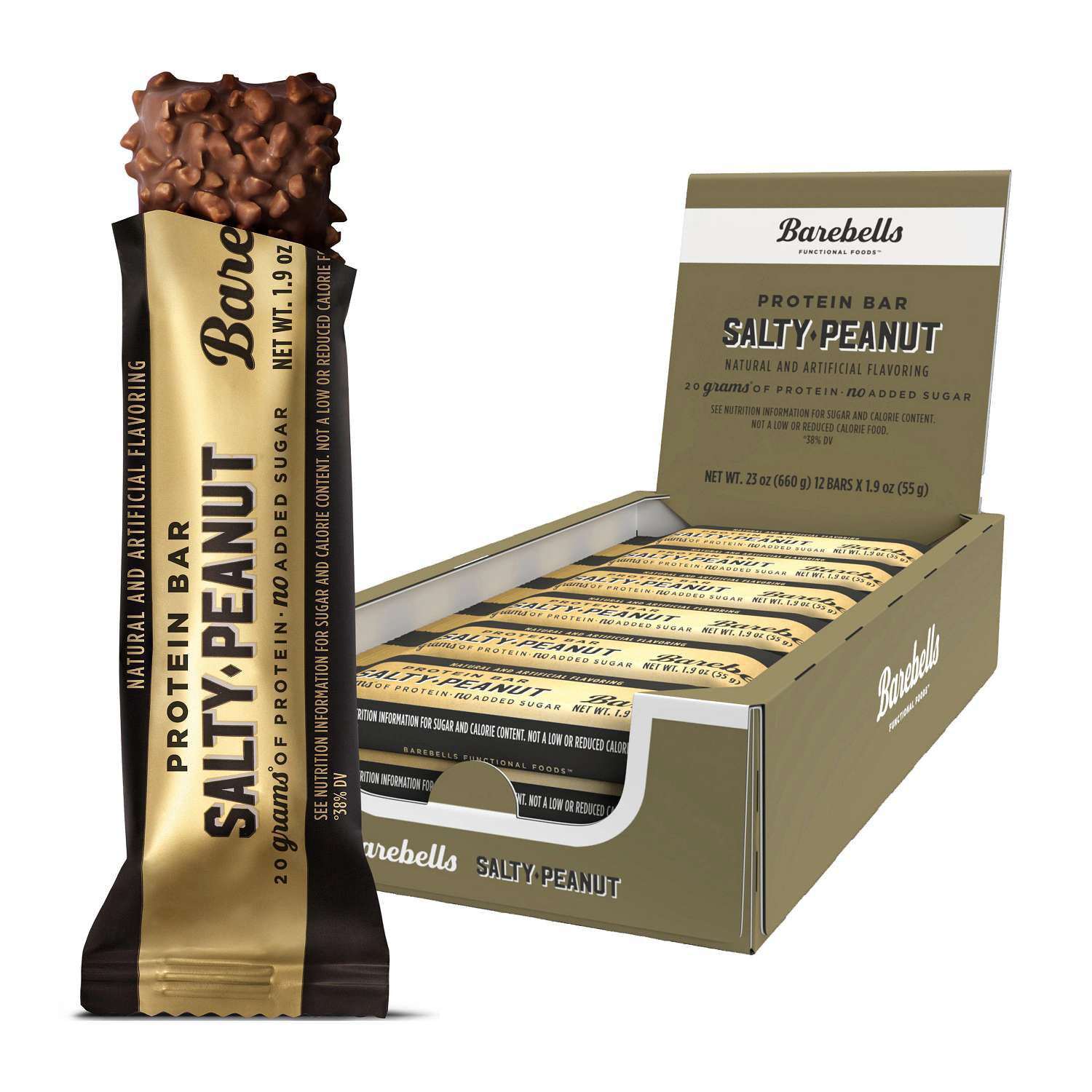 Barebells
-
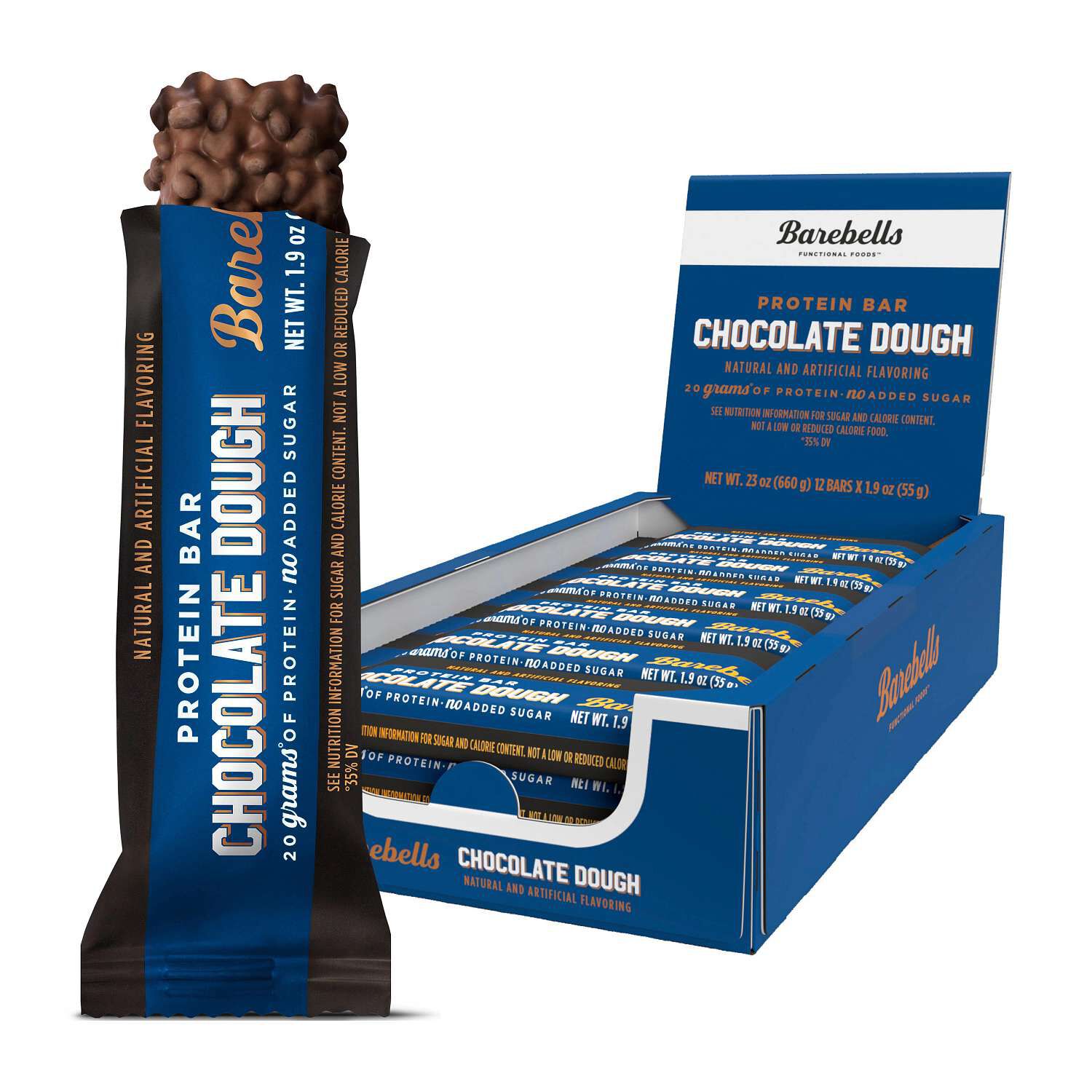 Barebells
-
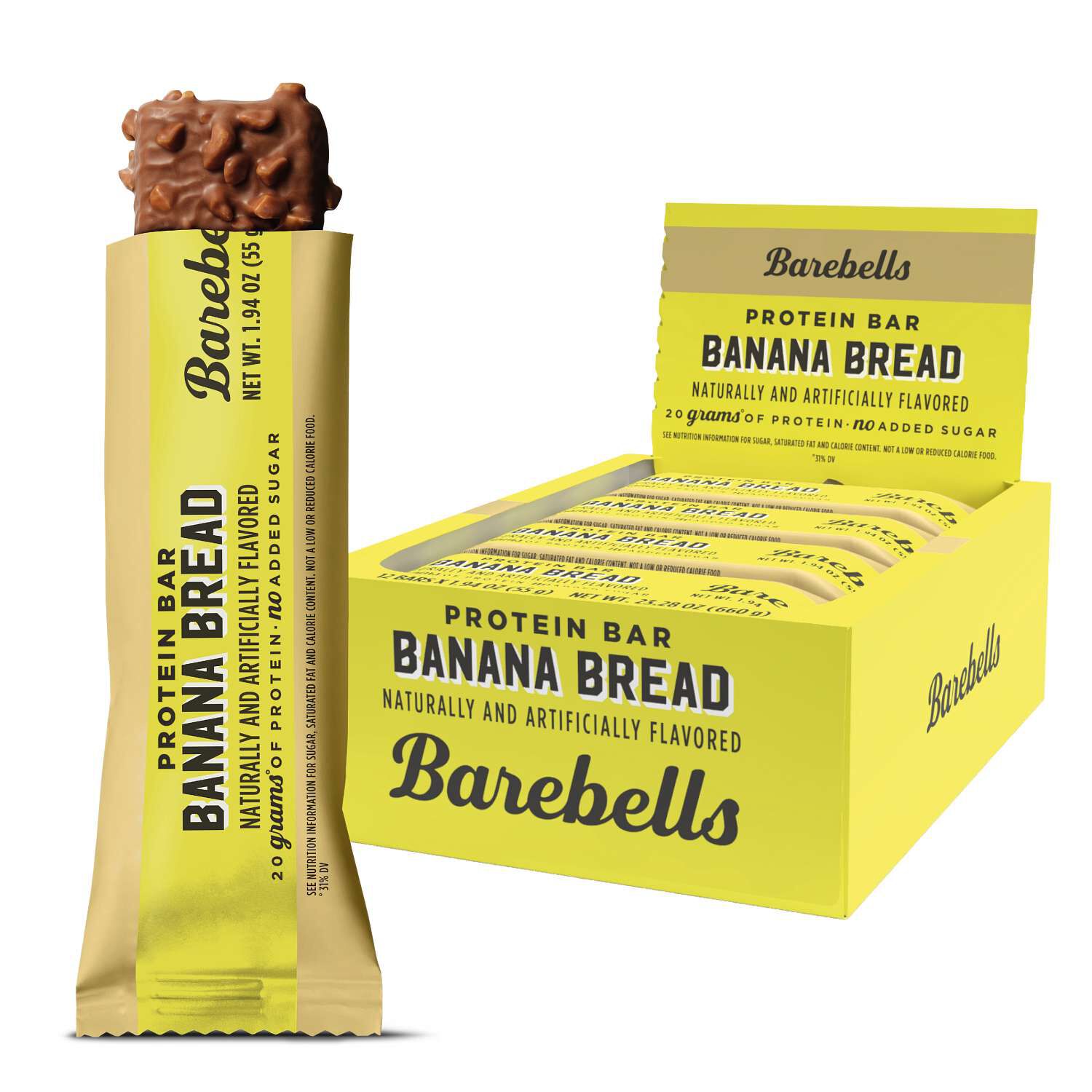 Barebells
-
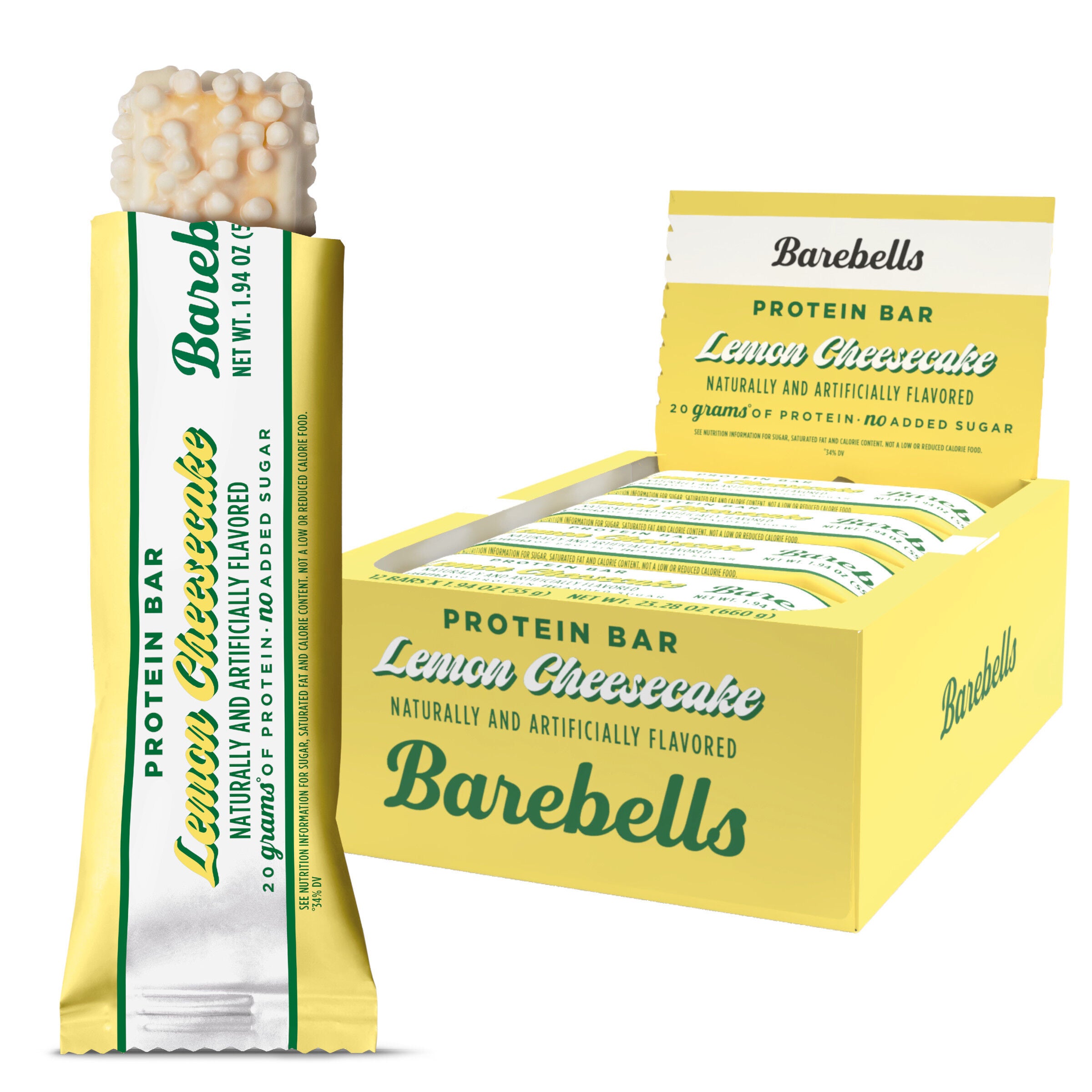 Barebells

