





Nutrient Blends
(0 Results)
Explore the world of nutrient blends, where a diverse range of vitamins, minerals, and other beneficial compounds come together to support your wellness journey. These carefully crafted combinations might offer a convenient way to help address various nutritional needs and lifestyle goals. Whether aiming to support energy, immunity, or overall vitality, nutrient blends could provide an array of potential benefits. Dive into the variety and discover how these innovative formulations may fit into your daily routine.
-
-
-
-
-
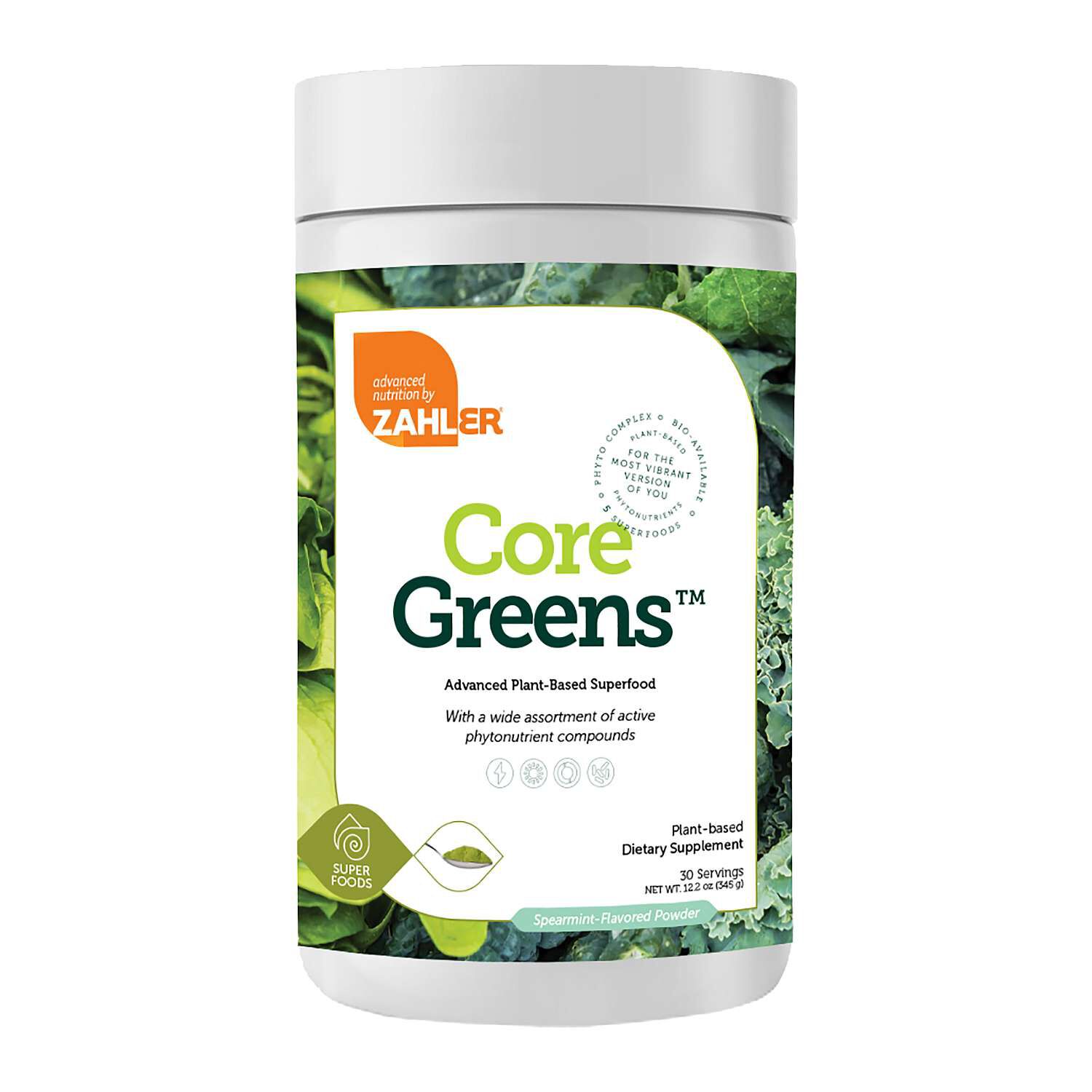
-
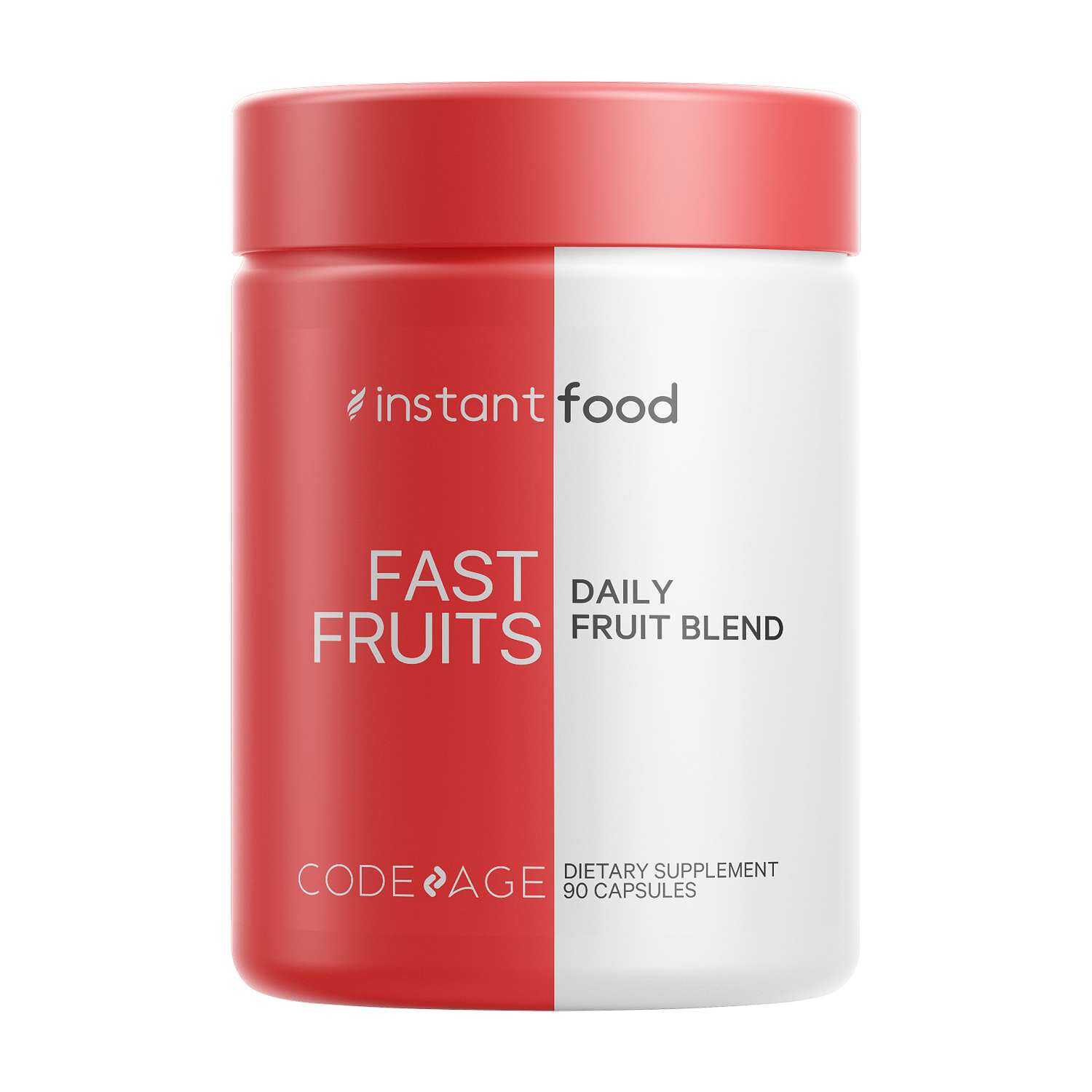
-

-
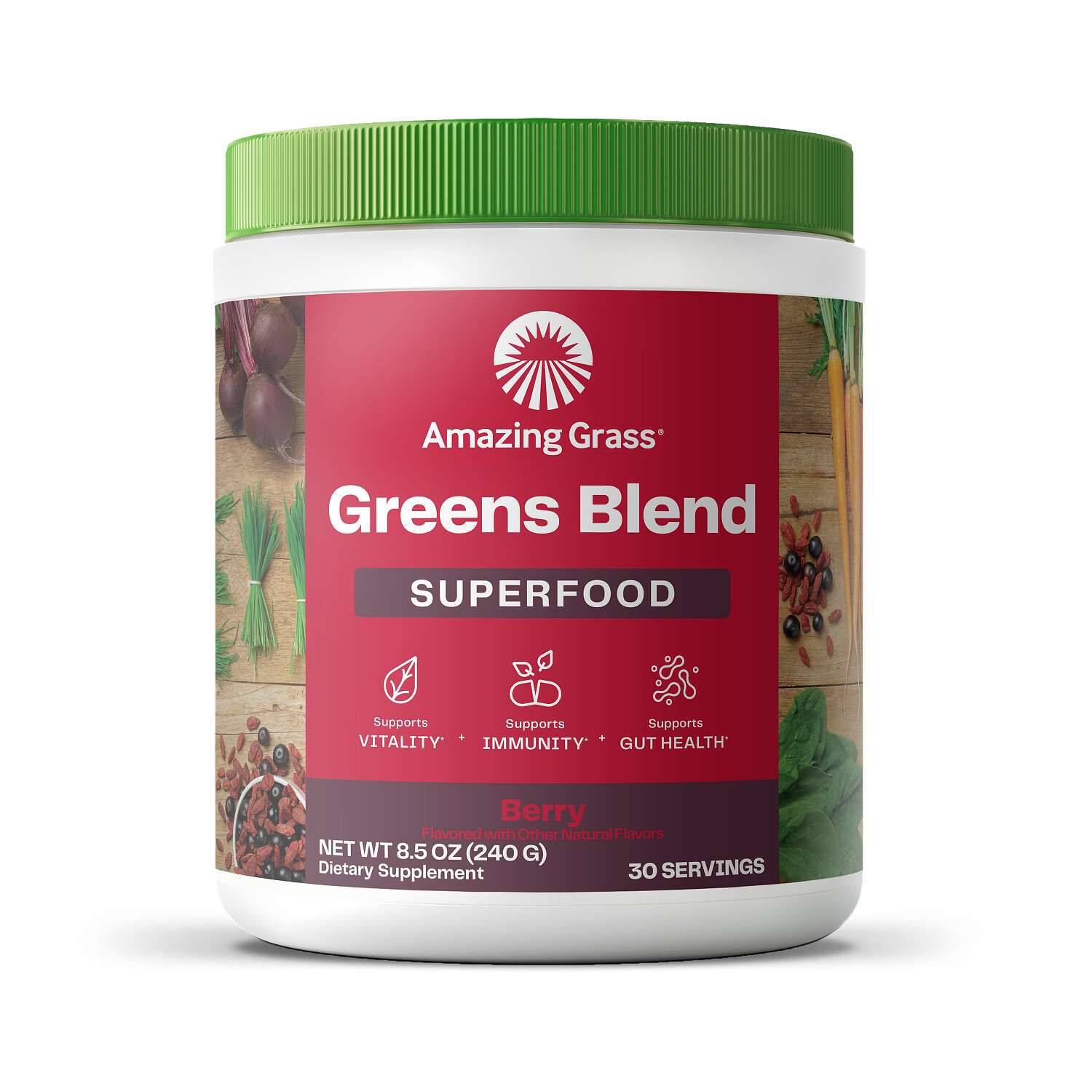
-

-
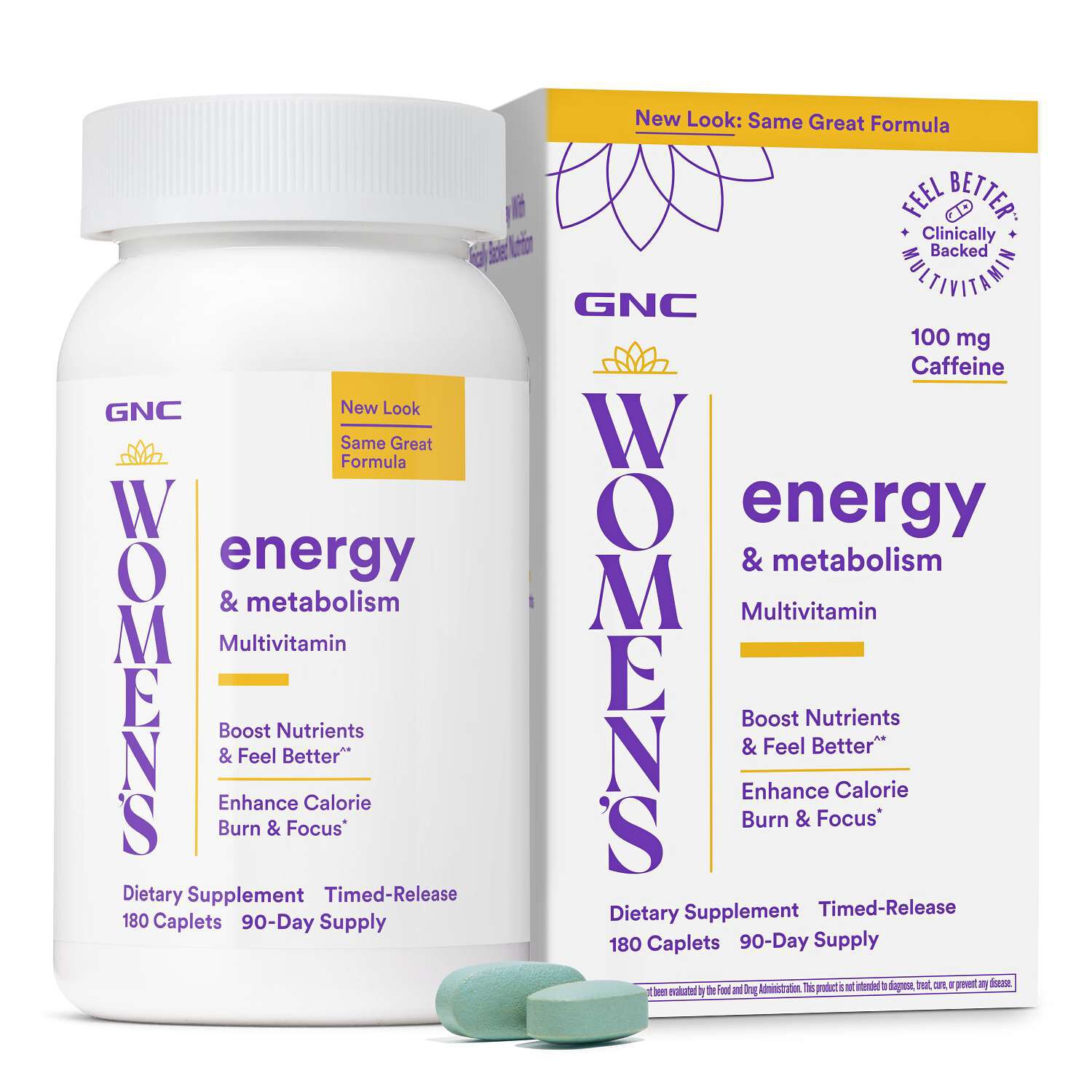
-
-
-

-
-
 Divine Health$44.99
-
-
-
-
 $24.99
-



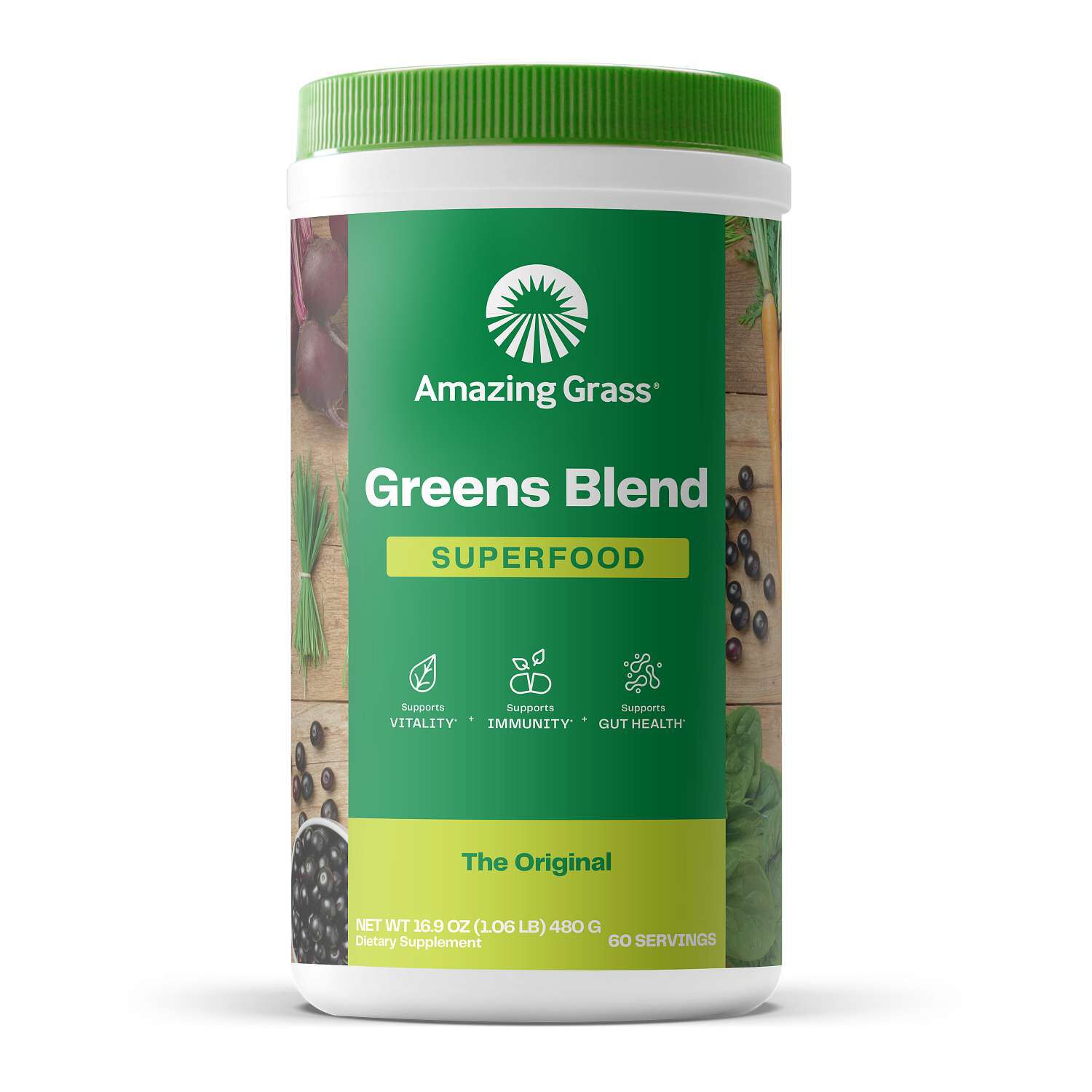
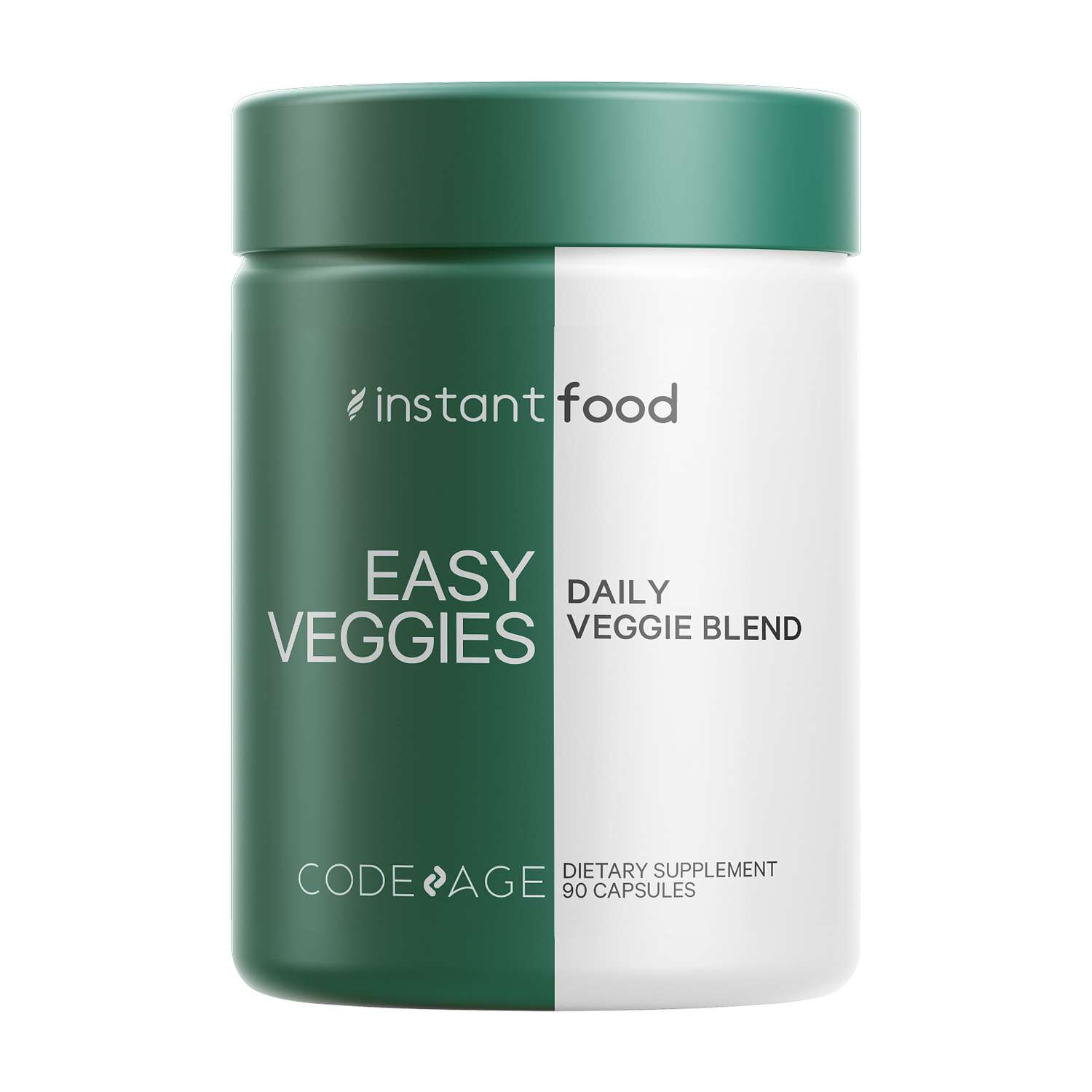
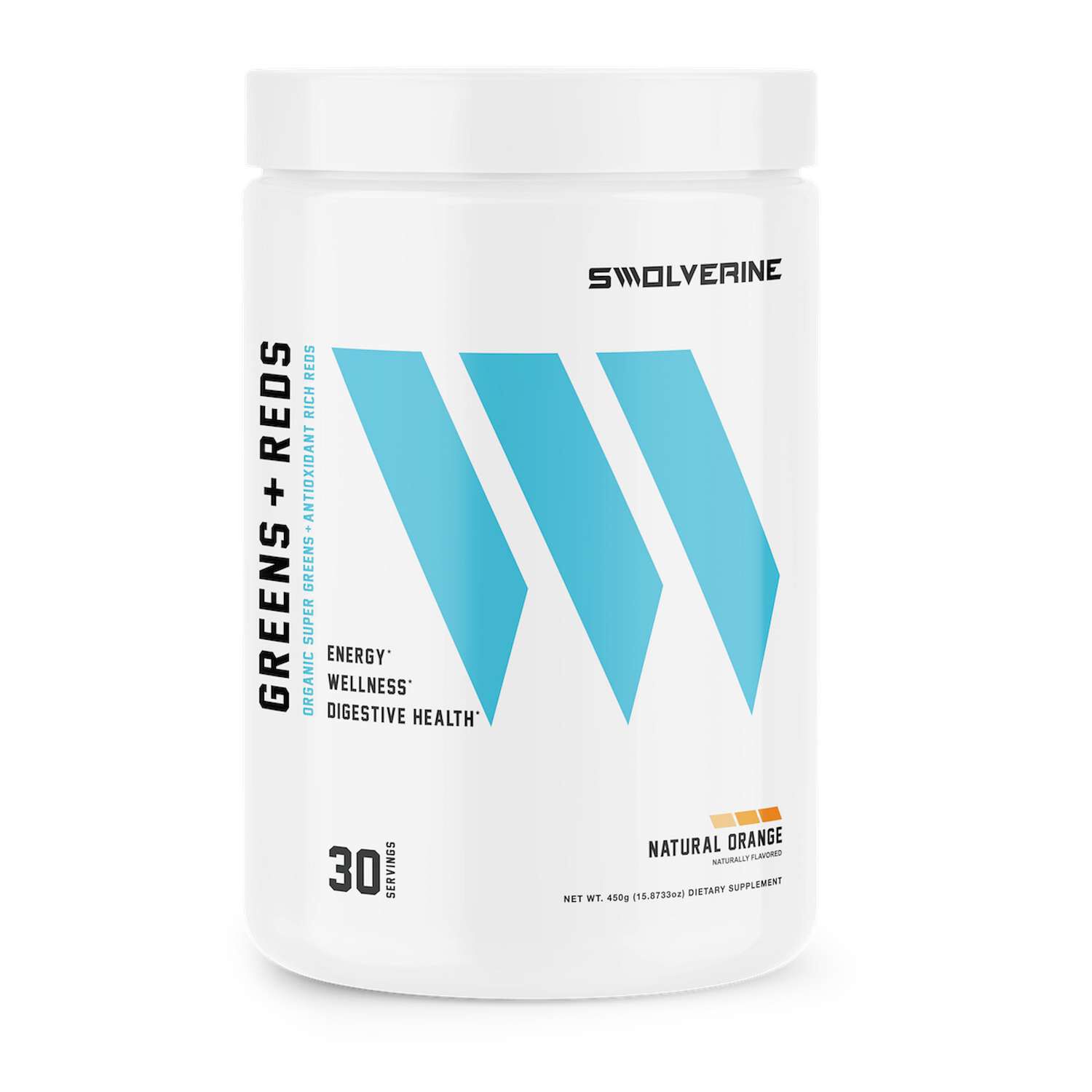
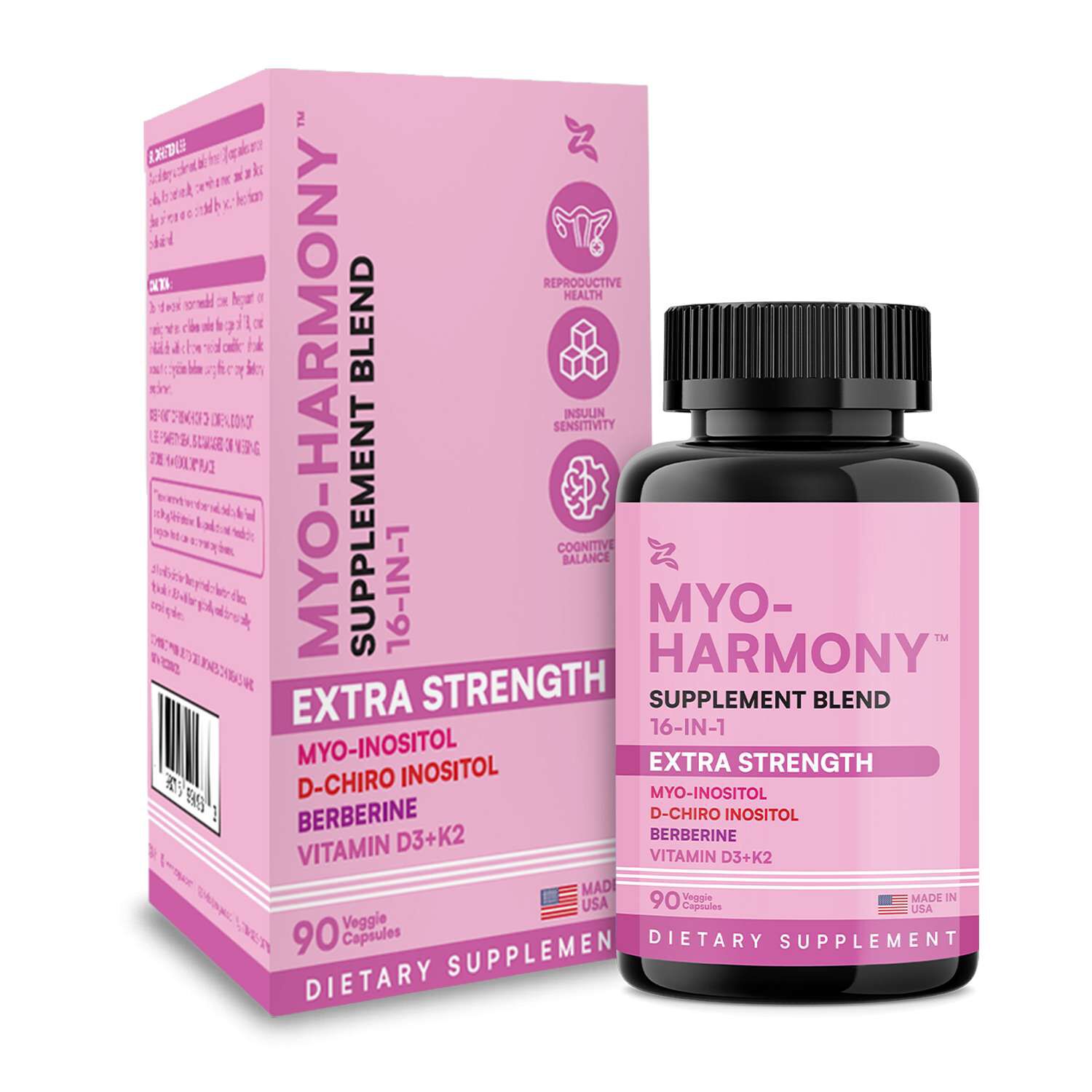
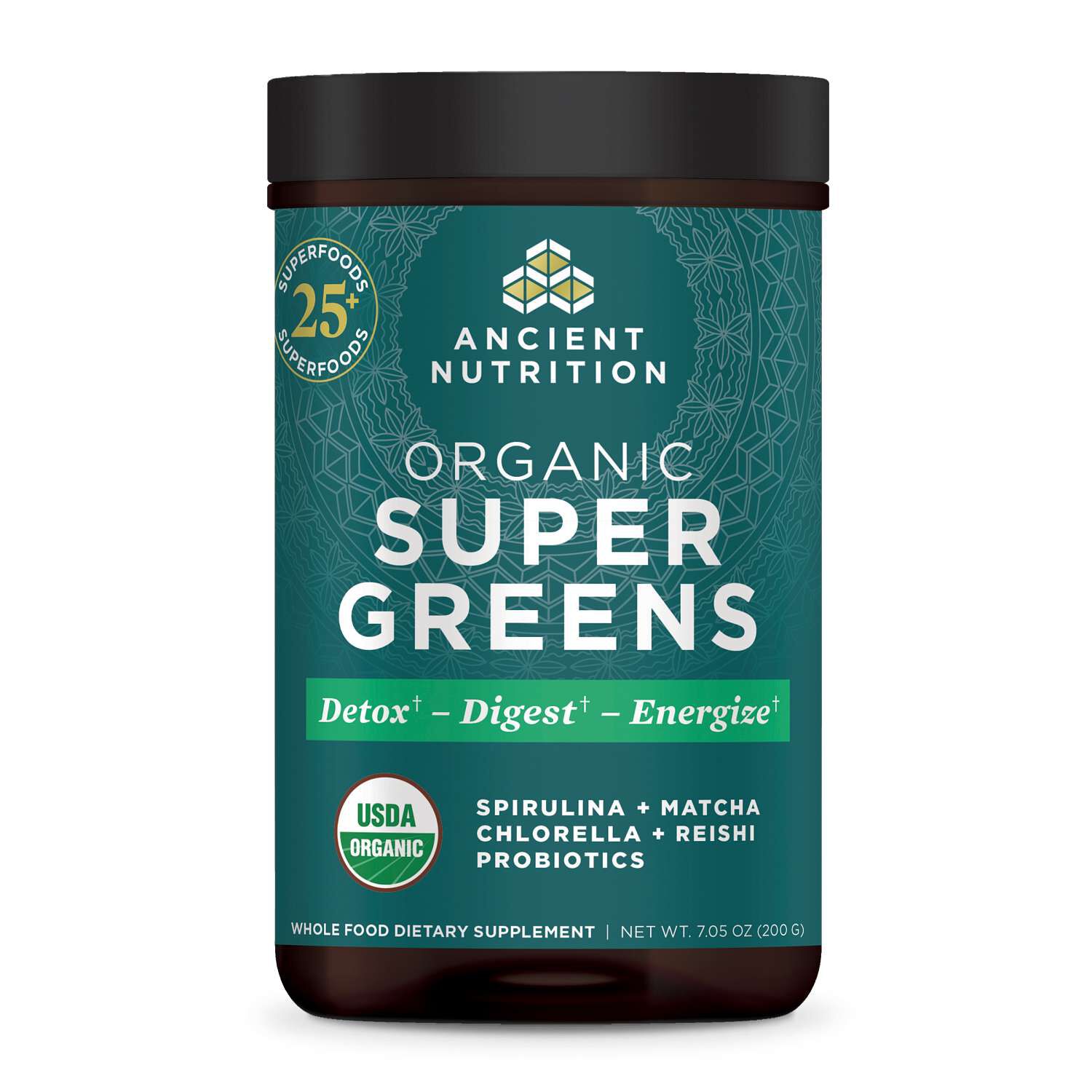
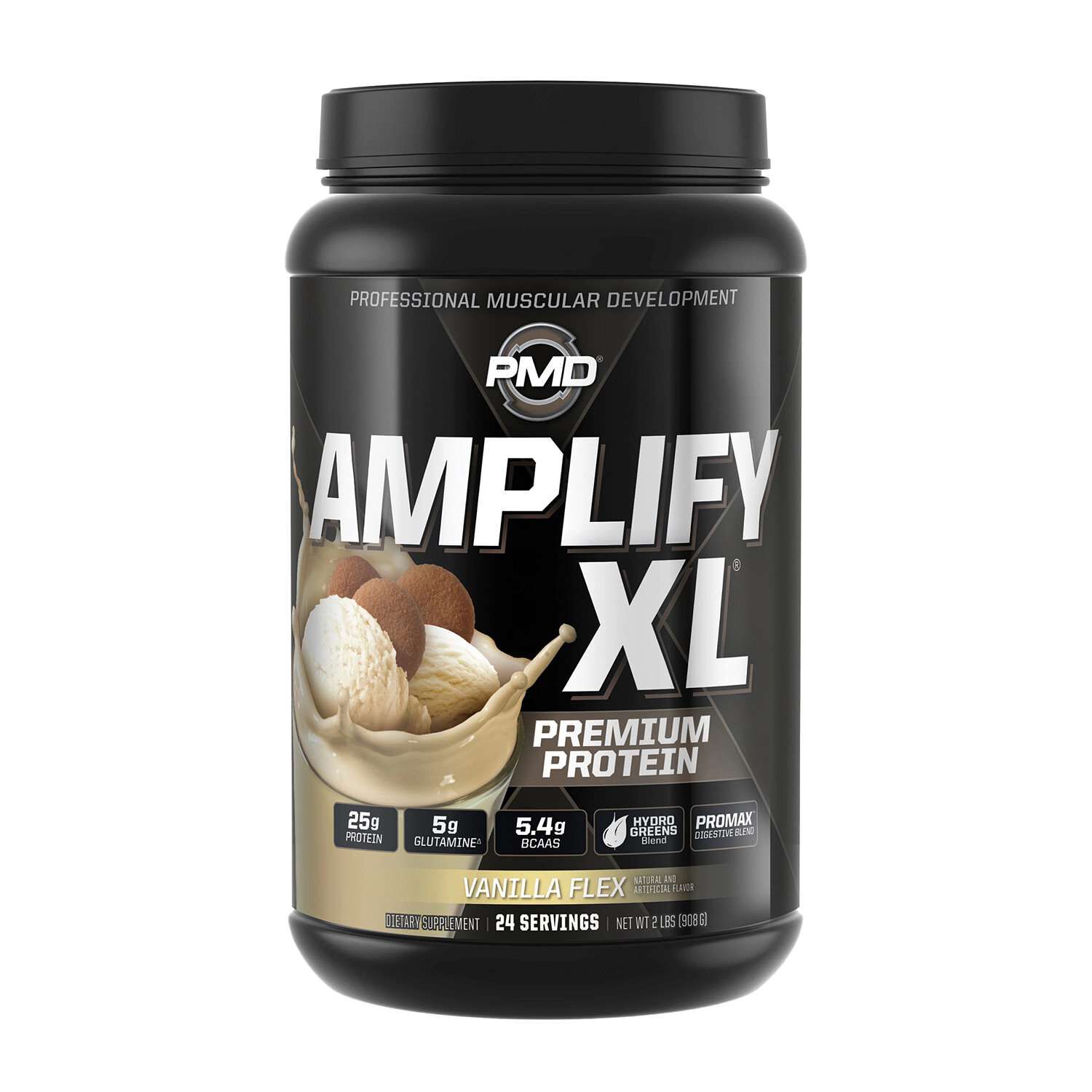
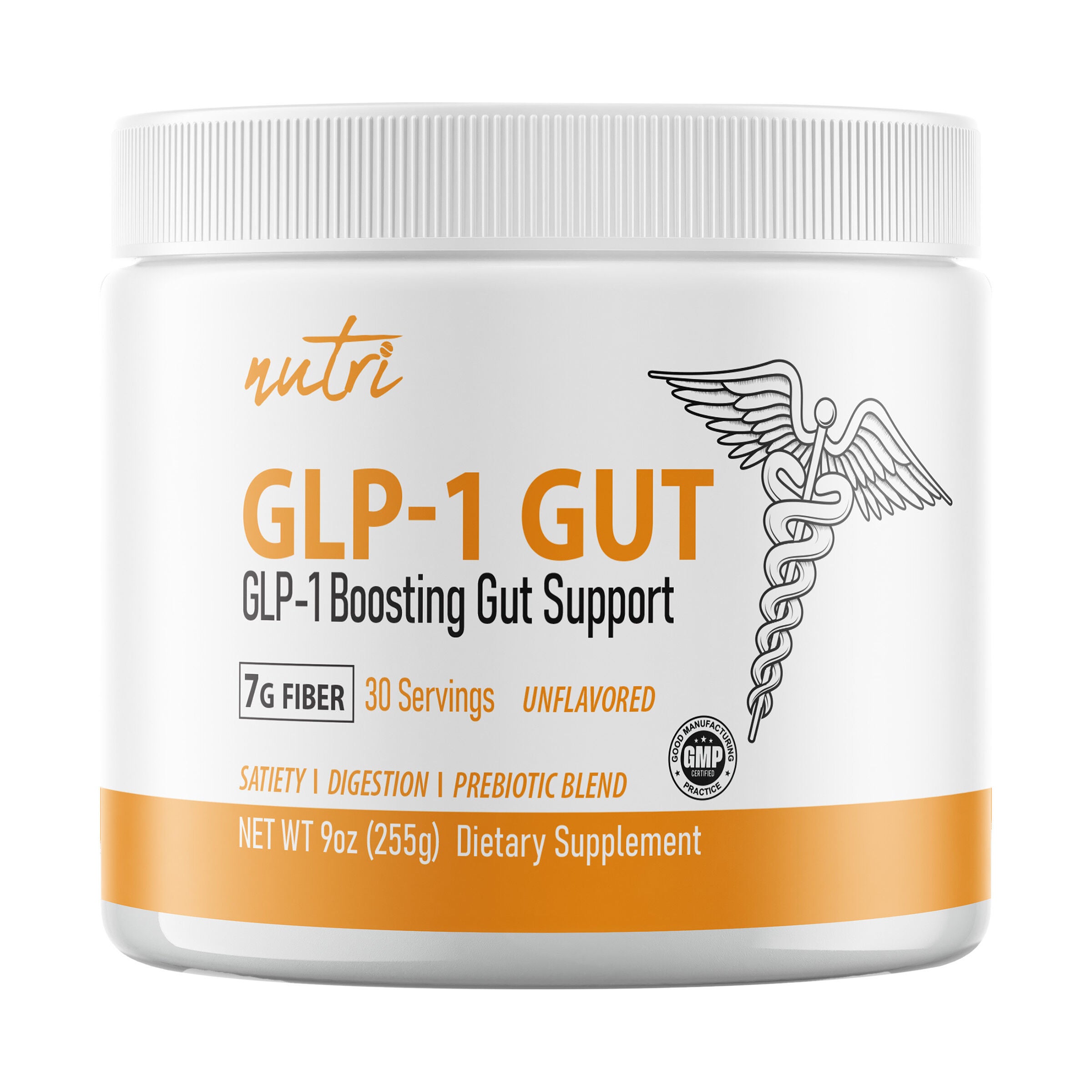
Nutrient blends are dietary supplement formulas that bring together multiple ingredients, such as vitamins, minerals, amino acids, dietary fiber, or plant-derived compounds, in a single serving. Some focus on a relatively short ingredient list, while others combine several categories of ingredients in one powder, capsule, tablet, or chewable format. For everyday nutrition, a nutrient blend may complement a varied eating pattern and provide a convenient way to incorporate selected nutrients into an established routine. The category encompasses different approaches: vitamin and mineral blends, powdered greens with added nutrients, protein-based mixtures, and formulas that include ingredients such as prebiotic fiber. These distinctions matter because two blends with similar names can have very different compositions. One might feature a selection of vitamins measured in milligrams or micrograms, while another emphasizes protein or fiber measured in grams. Ingredient names, amounts per serving, and the suggested serving size provide a more useful picture than the name on the front of the container alone. The Supplement Facts panel identifies dietary ingredients and their quantities, while the other ingredients list provides information about components such as capsule materials, flavorings, sweeteners, and ingredients used to create a particular texture. Some formulas also state the source of an ingredient, such as a plant-based protein or a particular mineral form. Those details can matter to shoppers comparing dietary preferences, familiar ingredients, and serving formats. A broad ingredient list does not automatically make a blend the better fit; a formula with fewer components might align more closely with a shopper’s priorities. Labels may also display a percent Daily Value for certain nutrients, while other ingredients do not have an established Daily Value. That difference reflects how the label presents the ingredients, not a ranking of the formulas. The most meaningful distinctions are what each blend contains, how much is included in a serving, and how the format fits its intended use. Adult shoppers interested in everyday nutrition, fitness-oriented routines, or alternatives to taking several separate supplements may find this category relevant.
The physical format of a nutrient blend shapes the everyday experience as much as its ingredient list. Powders involve measuring, mixing, and choosing a beverage or food that matches the preparation directions. A flavored powder mixed into water offers a different experience from an unflavored formula stirred into a smoothie, and ingredients such as protein and fiber can affect thickness, mouthfeel, and how readily the mixture disperses. An unflavored designation does not necessarily mean a powder has no noticeable taste; the underlying ingredients may still contribute earthy, mineral, or slightly savory notes. For someone who already prepares a breakfast smoothie, a blend labeled for that use may fit naturally beside the blender and measuring cup. Someone who prefers a shorter morning routine might favor capsules or tablets instead, with attention to their dimensions and the number required for a serving. A serving is not always one capsule, one tablet, or one scoop, so the package directions are an important part of comparing formats. Chewable options have their own texture and flavor considerations, along with ingredients that give them their shape and consistency. Liquid formulas require attention to the stated measuring method and any directions to shake the container before use. Individually portioned powders may suit a routine that moves between home, the office, and a gym bag, while a larger container may be a better practical fit for a kitchen counter or pantry shelf. Neither package style changes the importance of checking the serving instructions. Mixing directions also distinguish formulas that are intended for a shaker bottle from those that call for stirring or blending. The familiar scene of a scoop beside a breakfast bowl or a packet tucked into a lunch bag captures the practical appeal of nutrient blends: their role is often tied to an existing habit. Flavor preferences, preparation time, container size, and the utensils involved can all influence whether a particular format feels manageable. Those everyday details deserve attention alongside the nutrient profile, especially when comparing a powder-based routine with tablets or capsules.
Comparing nutrient blends also means looking beyond the headline ingredients to the details that affect selection and storage. Dietary preferences may bring capsule composition, protein sources, sweeteners, or listed allergens into focus. A plant-derived ingredient does not by itself describe the entire formula, and a blend containing familiar nutrients may still include additional components worth reviewing. For shoppers interested in formulas containing prebiotic ingredients, Prebiotic Blends provides a related category to explore. Prebiotic ingredients can appear alongside vitamins, minerals, or other components, so the ingredient names and quantities remain important when comparing these formulas with broader nutrient mixtures. The presence of an ingredient in the name does not explain every component in the container. Intended use matters as well: some blends are labeled for everyday use, while others have preparation directions associated with a beverage, smoothie, or fitness routine. Products labeled for adults should not be treated as interchangeable with products intended for other age groups. For households where several supplements share a shelf, keeping each product in its original packaging preserves access to its ingredient information, directions, and date markings. Storage requirements vary by formula, and the package is the appropriate source for those details. A powder container may include directions about moisture and lid closure, while a liquid may have instructions that apply after opening. Dry measuring utensils, a securely closed container, and intact individual packets are practical considerations where they match the label directions. Bathroom humidity, a damp scoop left inside a tub, or a container left open near food preparation can complicate storage. Shelf life is also different from how long a container lasts in a routine: the date marking addresses the product’s stated use period, while the number of servings describes its contents. A smaller container may suit occasional use, whereas a different package size may align with an established schedule. Taken together, ingredient transparency, serving format, preparation requirements, and storage directions offer a grounded way to distinguish nutrient blends and find a formula that fits everyday preferences.
Best Sellers
-
 Ancient Nutrition
-
Amazing Grass


Related Pages


Top Collections
- Joint Mobility Supplement Packs
- Daily Collagen Supplements | Top Brands & Deals | GNC
- GLP 1 Support For Adults
- Zinc Supplements | Top Brands at Great Prices | GNC
- Supplements For Yoga Joint Flexibility
- Supplements For Balance
- Capsule Supplements For Energy And Stamina
- Adult Mobility Supplements
- Chronic Fatigue Supplements
- Vitamins For Hair Loss