Omega 3 Triglycerides
(0 Results)
Explore a wide variety of omega 3 triglycerides options designed to fit your wellness routine. Omega 3 triglycerides are popular among those looking to support their nutritional goals and may offer a convenient way to add beneficial fatty acids to your daily regimen. Discover different forms, serving sizes, and ingredient combinations to find the omega 3 triglycerides that align with your preferences.
-

-
-

-

-

-

-
-

-
-
-

-
-
-
-

-
 $24.99
-
 Portions Master$25.99
-
 MRI Performance$29.99


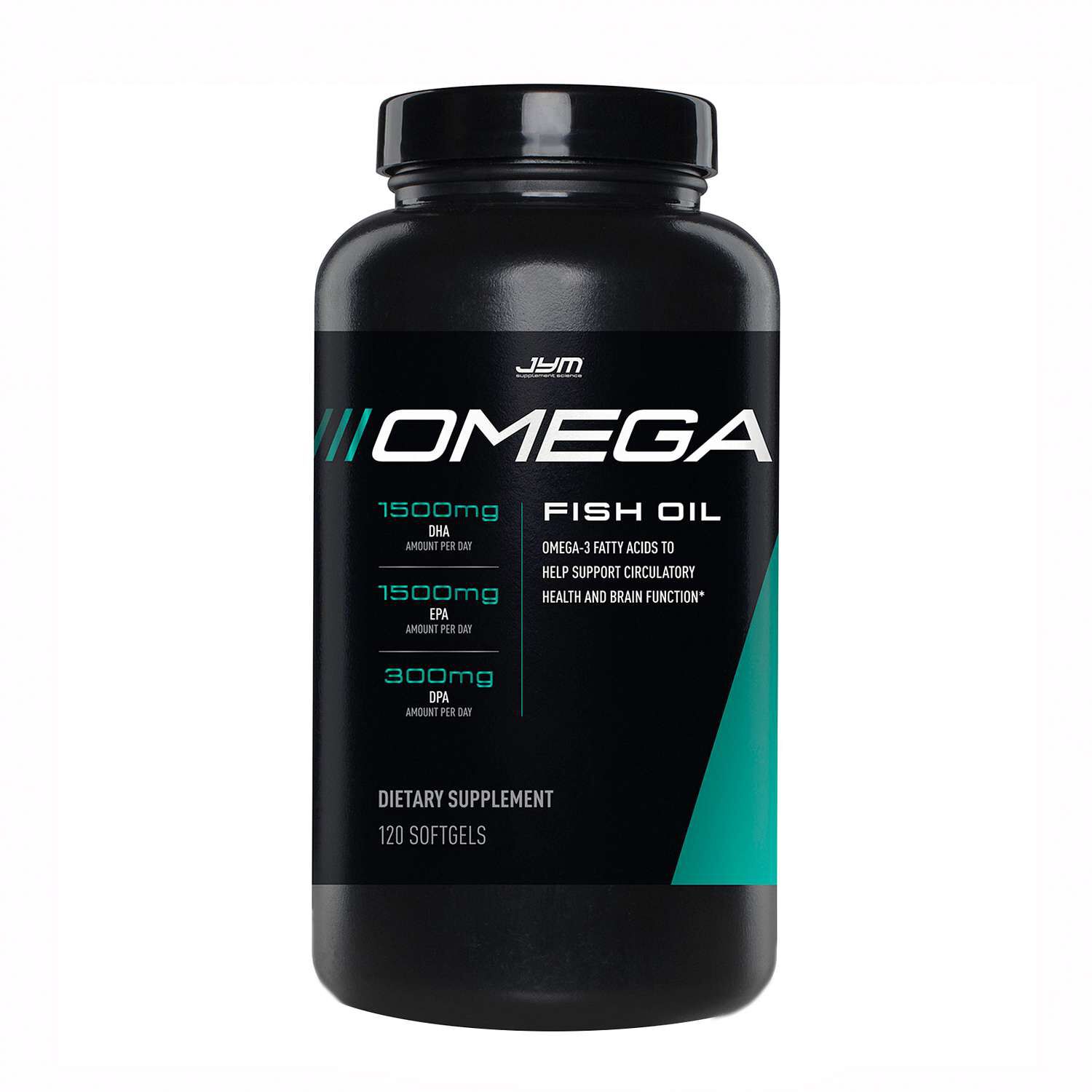
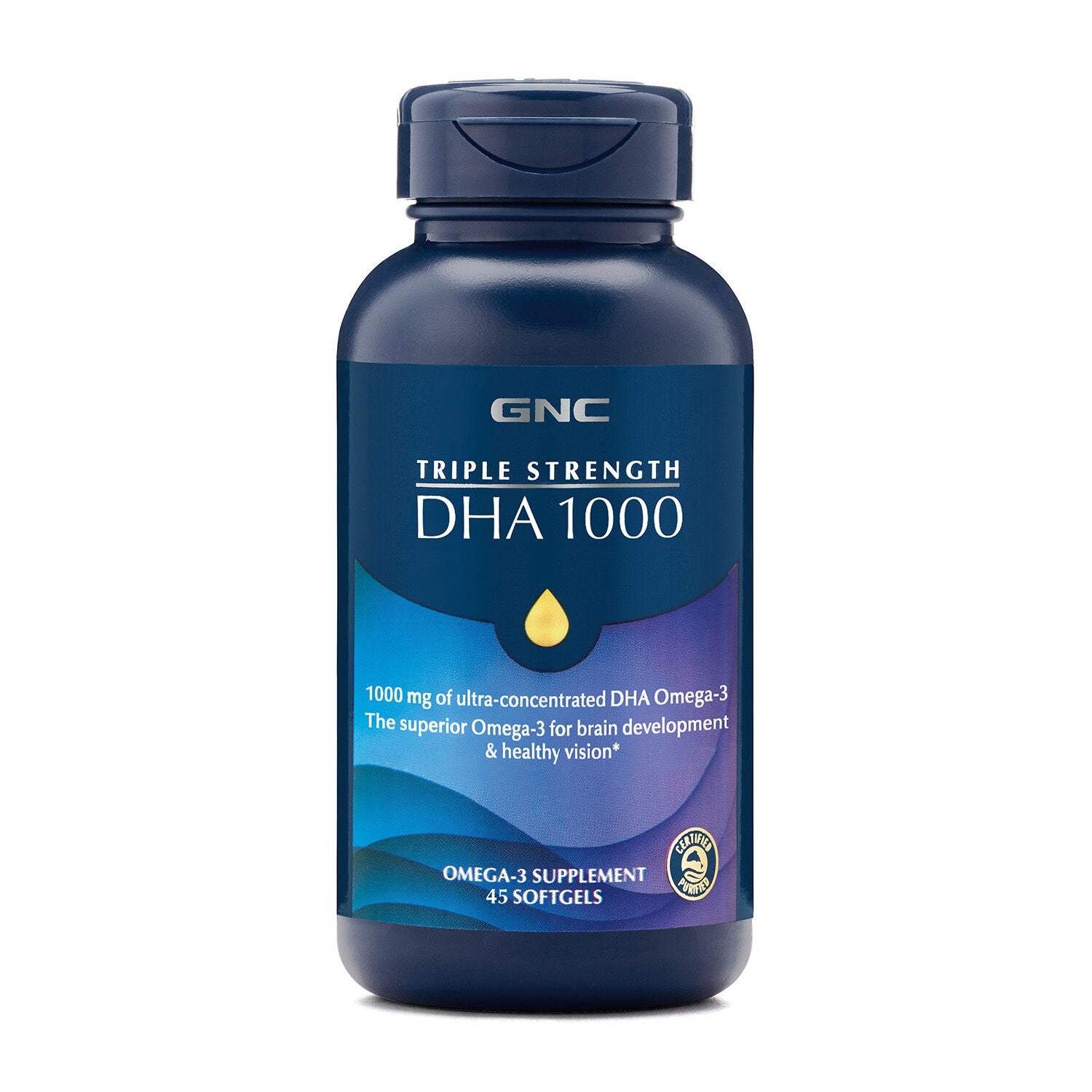
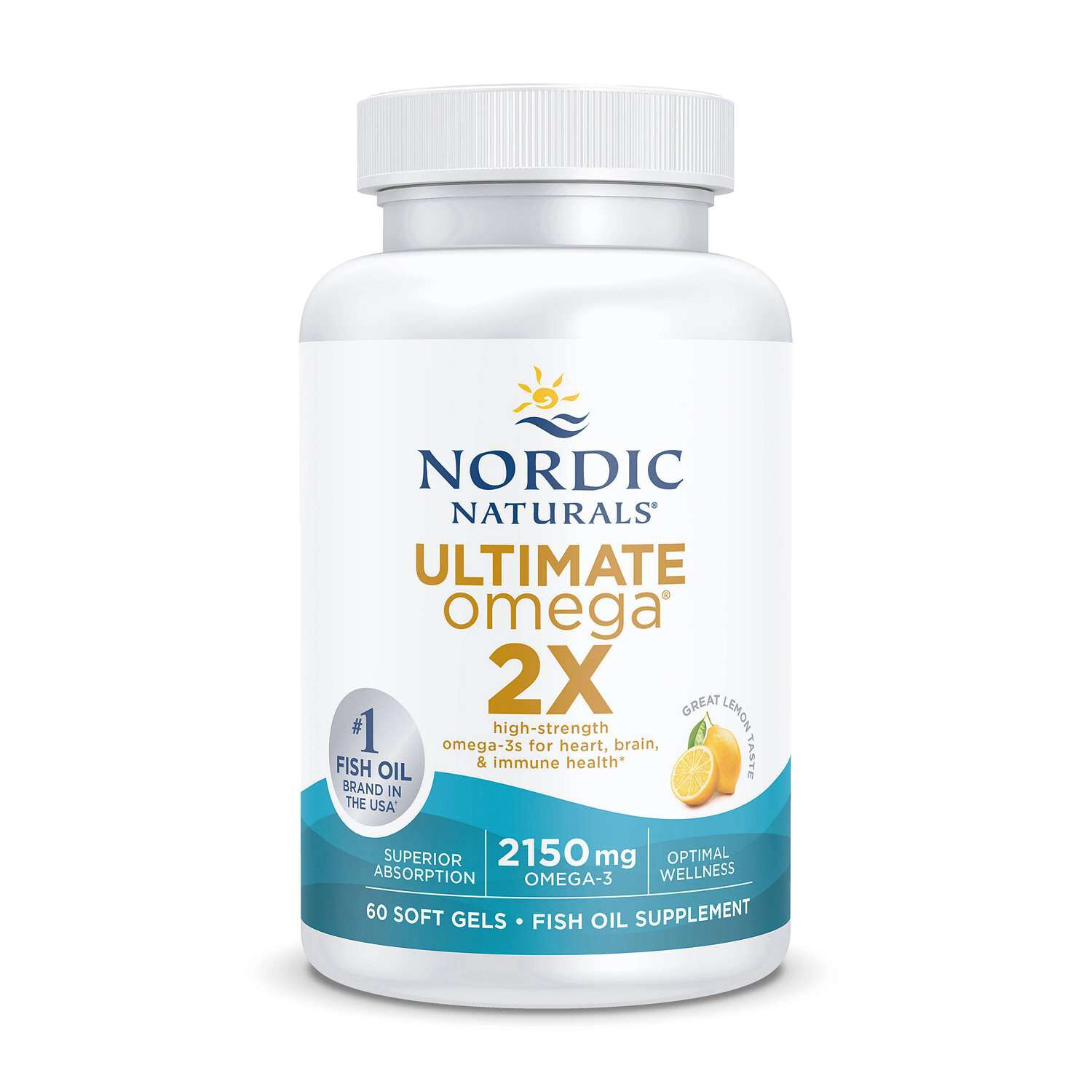
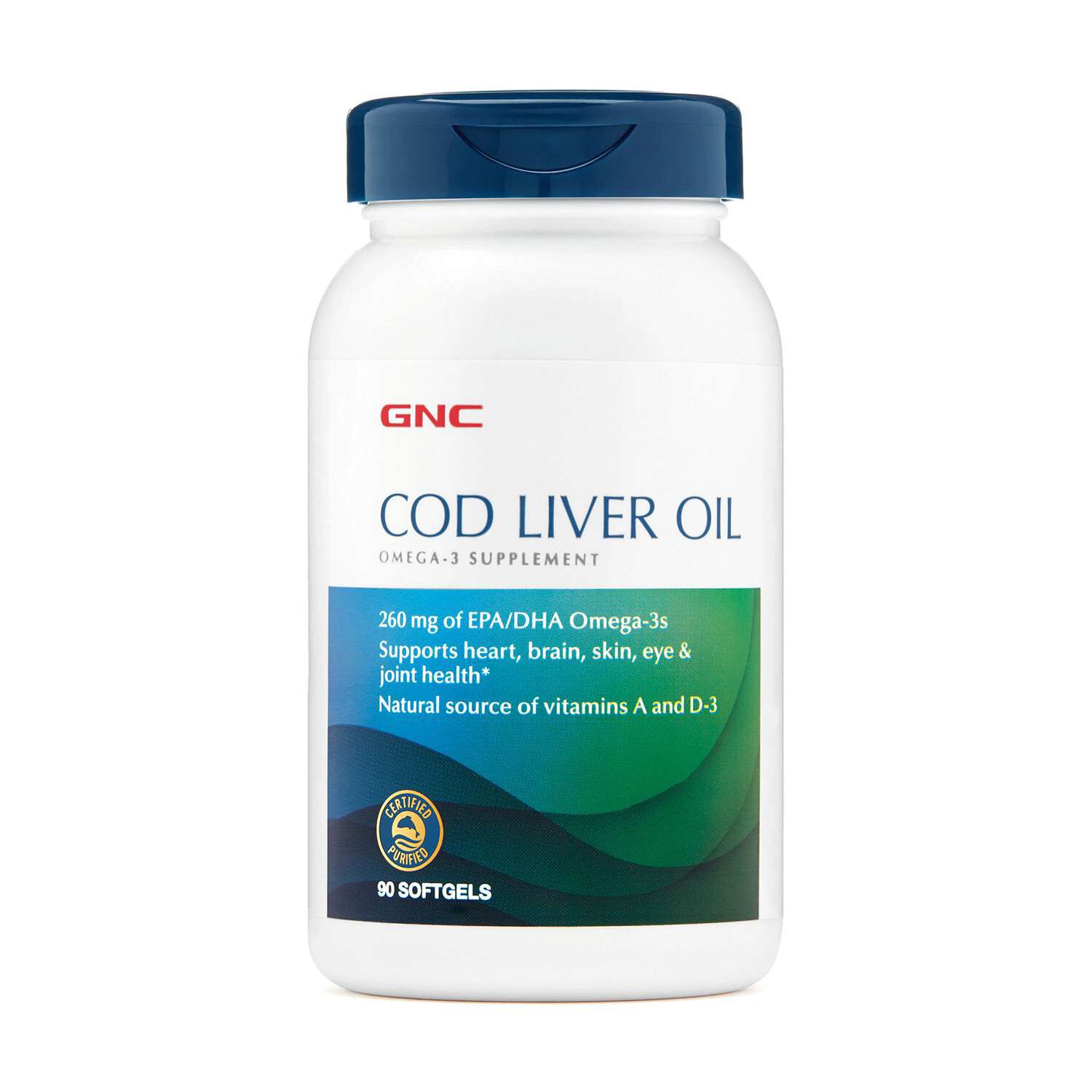
Omega-3 triglyceride supplements provide omega-3 fats in a form built around a glycerol backbone with three fatty acids attached. Fish oil is a familiar source, and labels commonly identify two omega-3 fatty acids: EPA, short for eicosapentaenoic acid, and DHA, short for docosahexaenoic acid. The triglyceride form of an omega-3 oil and triglycerides measured in blood have different meanings. The first describes the oil’s molecular structure; the second refers to fats measured in a blood test. For product comparisons, that distinction matters because the word triglyceride on a supplement label describes its form, not a predicted change in a blood measurement. Some oils contain naturally occurring triglycerides, while others undergo processing that concentrates the omega-3 content and returns the oil to triglyceride form. The latter may be described as re-esterified triglycerides. These descriptions provide context about the ingredient, but they do not replace information about the amount of EPA and DHA in each serving. Fish oil also contains fatty acids other than EPA and DHA, so the weight of the oil and the weight of these two omega-3s are not necessarily the same. Source information adds another useful point of comparison. Marine oils can come from fish such as anchovies, sardines, or pollock, with individual formulas identifying their sources in different ways. Algae-derived oils offer another source of omega-3s, although their EPA and DHA proportions vary and their form should be checked rather than assumed. Adults comparing supplements alongside their usual food choices may be interested in the source, capsule ingredients, serving format, or a combination of these details. Someone who rarely prepares fish may approach the category differently from someone who regularly eats seafood but prefers a particular supplement format. The clearest descriptions distinguish the source of the oil, the form of the fatty acids, and the amount provided in the labeled serving.
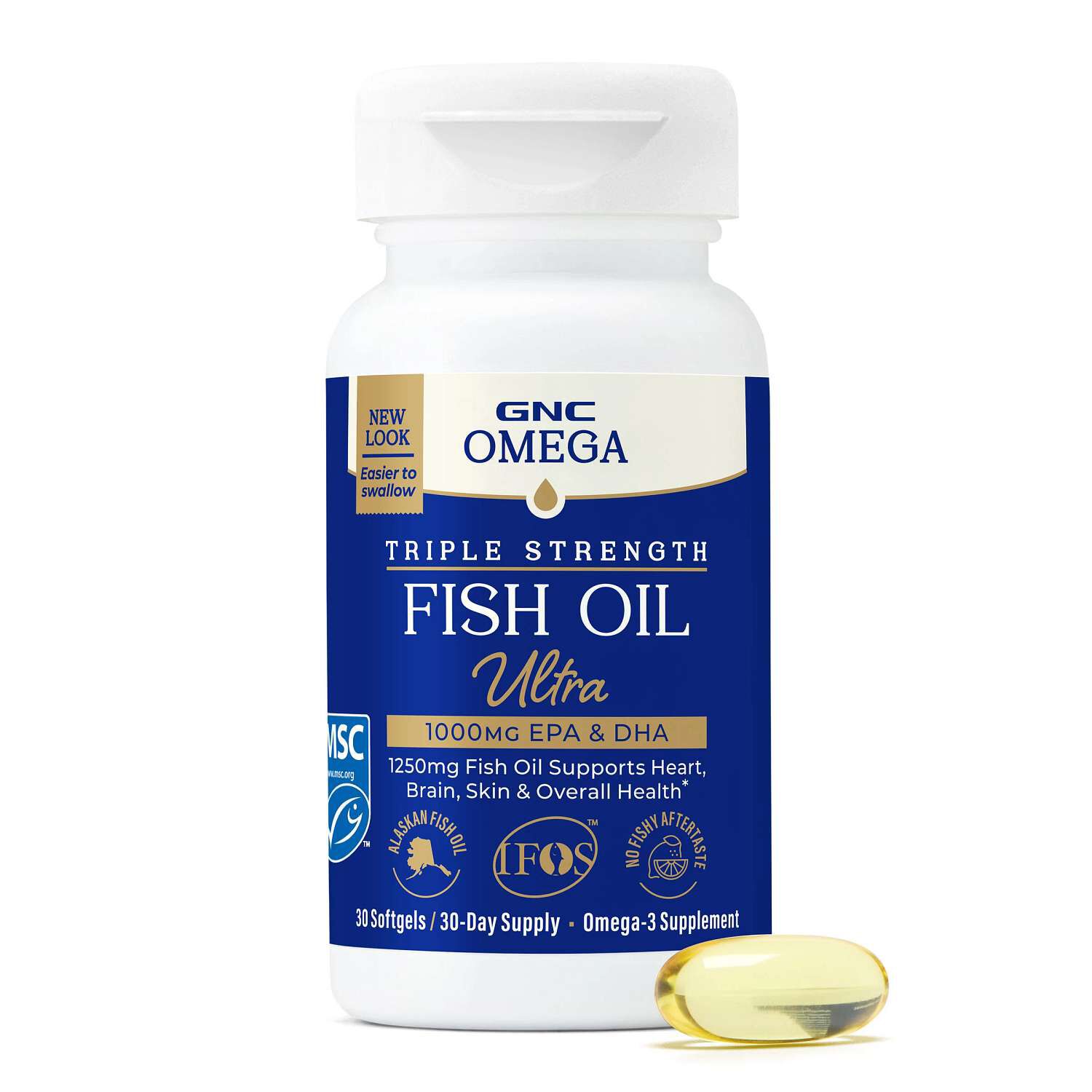
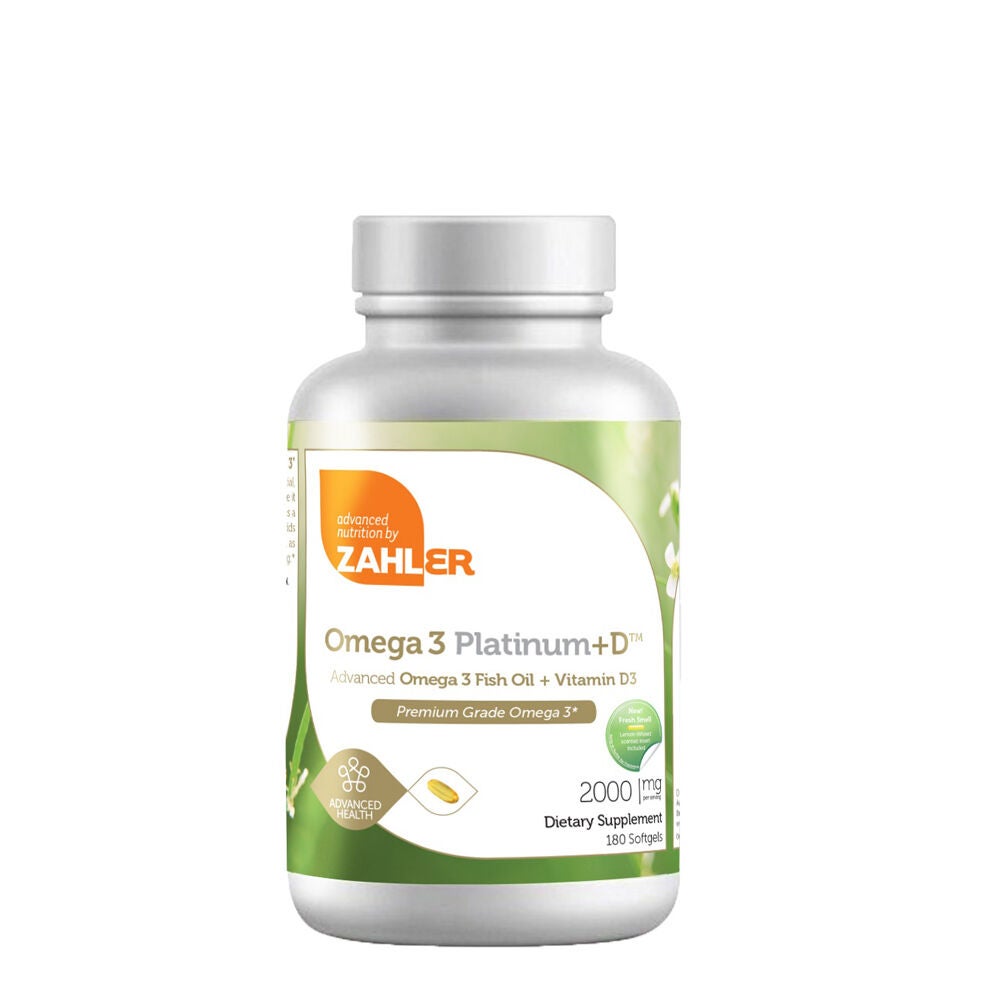
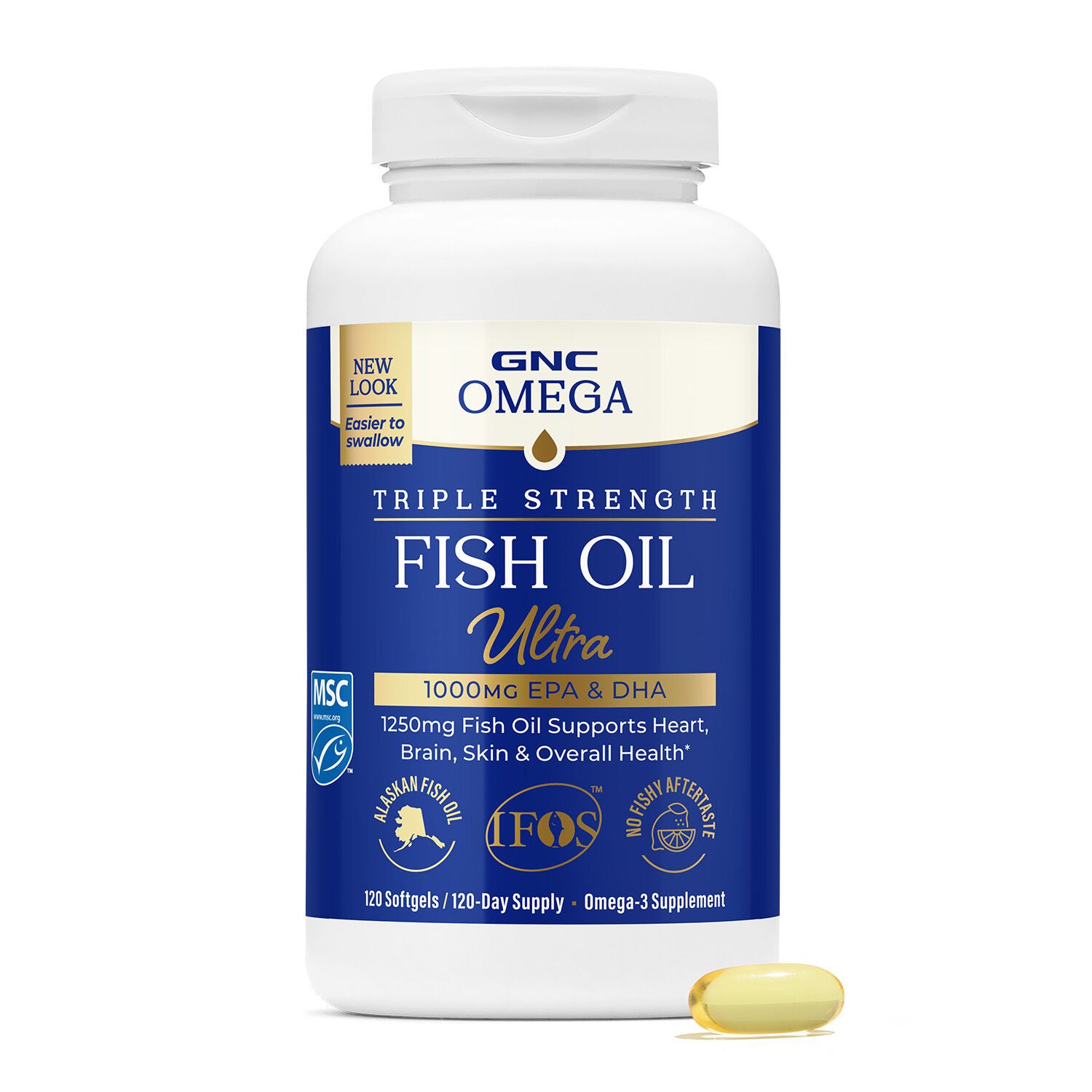
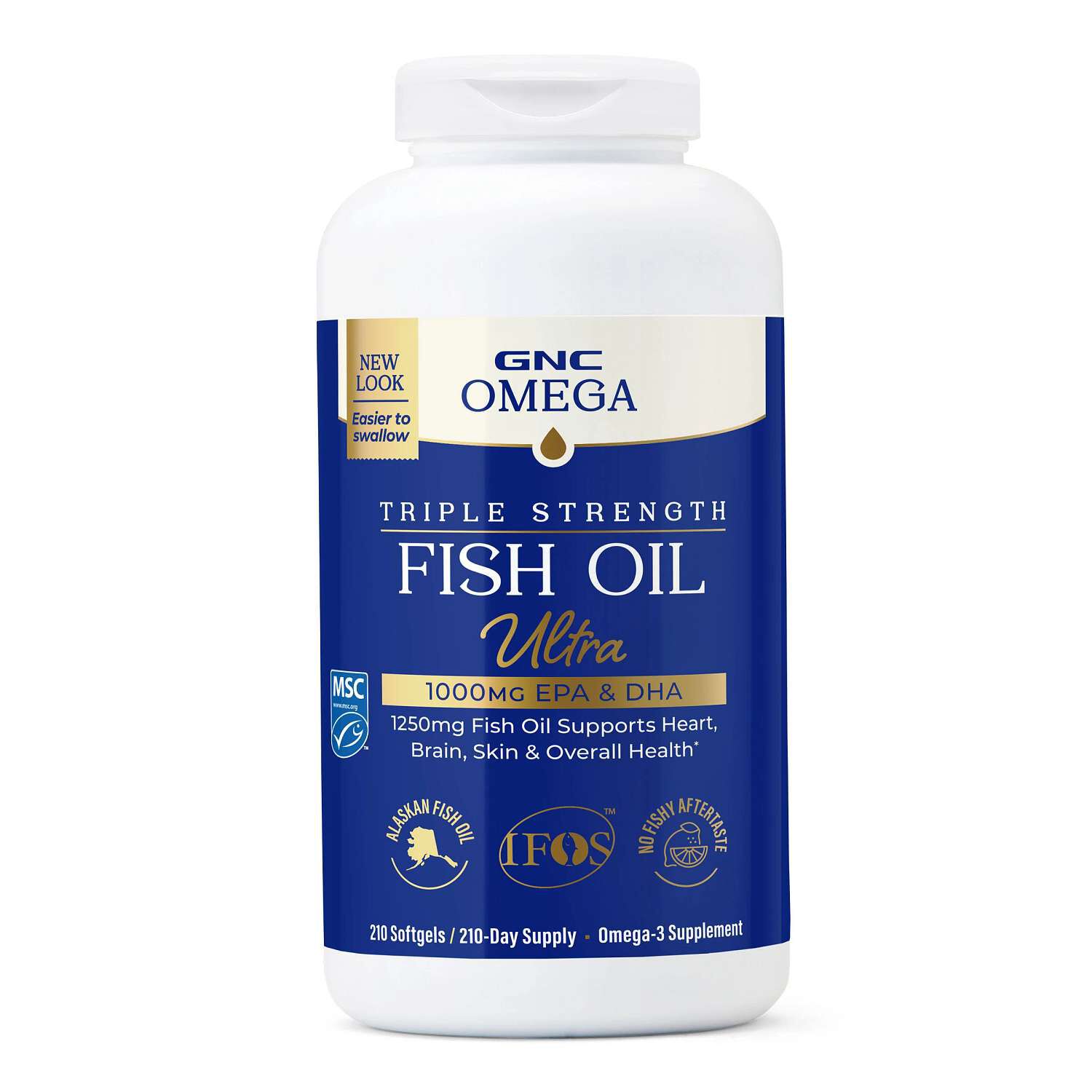
Serving information gives omega-3 triglyceride supplements much of their practical context. A number printed prominently on a bottle might describe the amount of fish oil, the amount of omega-3s, or another serving detail, so similar-looking numbers do not always represent the same thing. Shoppers browsing Omega 3 2000mg Supplements can compare the stated oil amount with the separately listed amounts of EPA and DHA. The serving size is equally relevant: an amount listed for two softgels is different from that amount listed for one. A concentrated oil may provide a stated amount of EPA and DHA in less oil, but concentration alone does not describe capsule size, taste, or the number of capsules in a serving. Those characteristics shape how a format may fit into an everyday routine. A person who keeps supplements beside a breakfast place setting may prefer a softgel bottle, while someone accustomed to measuring liquids may prefer a pourable format with clearly marked serving instructions. Softgels commonly have shells made with gelatin, glycerin, and water, although shell materials vary. The oil source and the shell source are separate details; an algae-derived filling, for example, does not automatically identify the material surrounding it. Ingredient lists also describe flavors, colors, coatings, and other components beyond the oil itself. For shoppers with particular dietary preferences, those details may matter as much as the front-label description. Capsule dimensions can also be more informative than photographs, which rarely convey size reliably. A smaller softgel may feel more manageable, although the labeled serving may contain more than one capsule. Liquid formats bring a different set of considerations, including flavor, measuring equipment, and storage directions after opening. Citrus flavoring may change the taste, but it does not establish the EPA or DHA content. Across formats, clearly stated quantities and readable directions provide a more useful basis for comparison than capsule count or bottle size alone.
Packaging, freshness information, and everyday handling round out the comparison. Omega-3 oils require attention to their storage instructions because exposure to air, light, and heat can affect oil quality. A tightly closed container and packaging designed to limit light exposure may help maintain the oil’s condition when used according to the label. Storage directions vary, especially between unopened containers and opened liquid bottles; refrigeration instructions belong to the individual formula rather than the category as a whole. A bottle kept beside a stove, on a sunny windowsill, or inside a parked car faces different conditions from one stored in a designated cabinet. Readable date markings, an intact closure, and clear instructions are useful packaging details for a product that may be opened repeatedly over time. Bottle size also has a practical side beyond the number of capsules inside. A larger container may occupy more cabinet space or take longer to use, while a smaller package may fit more easily into a household’s established routine. For travel, the original labeled container keeps serving directions, ingredient information, and source details together. Quality documentation adds another dimension. Some labels identify testing programs or provide information about ingredient identity, measured content, and checks for unwanted substances. A named testing organization or accessible description of testing is more informative than an unexplained symbol. Testing information and sourcing information answer different questions: one concerns what has been evaluated, while the other concerns where the oil originated. Neither should be confused with the triglyceride designation itself. For a shared household cabinet, legible labels and distinct packaging may also make different supplements easier to tell apart. Ultimately, omega-3 triglyceride supplements can be compared through a consistent set of concrete details: the oil’s source and form, EPA and DHA amounts, serving size, shell ingredients, flavor, packaging, and storage requirements. Together, those details may help shoppers find a format that suits their preferences without relying on a single prominent number or an unfamiliar technical term.
- Q: What are omega-3 triglycerides?
A: Omega-3 triglycerides are a form of omega-3 fatty acids, which are naturally found in fish oils and some plant oils. They are often included in dietary supplements to support overall wellness. - Q: How do omega-3 triglycerides differ from other forms of omega-3s?
A: Omega-3 triglycerides refer to the natural structure of omega-3 fatty acids as they occur in foods, while other forms, such as ethyl esters, may be processed differently during supplement manufacturing. - Q: Can omega-3 triglycerides be found in food sources?
A: Yes, omega-3 triglycerides are commonly found in fatty fish like salmon, mackerel, and sardines, as well as in certain plant-based oils. - Q: Are there vegetarian or vegan sources of omega-3 triglycerides?
A: While most omega-3 triglycerides come from fish oil, some plant-based oils contain alpha-linolenic acid (ALA), a type of omega-3 that the body can convert into other forms. - Q: How should omega-3 triglyceride supplements be stored?
A: Omega-3 triglyceride supplements are best stored in a cool, dry place away from direct sunlight to help maintain their freshness.
Best Sellers
-
Nordic Naturals
-
Nordic Naturals
-
Nordic Naturals