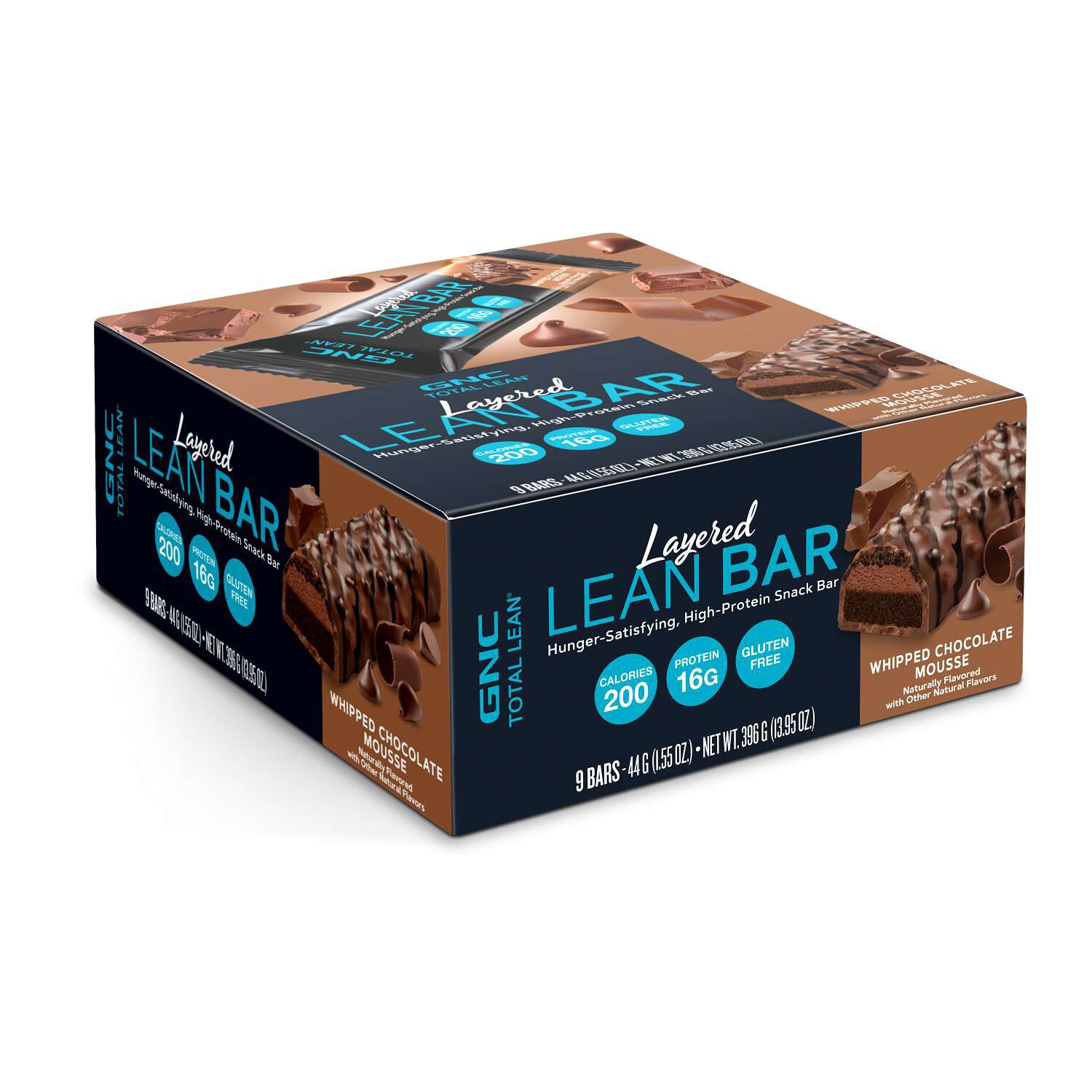
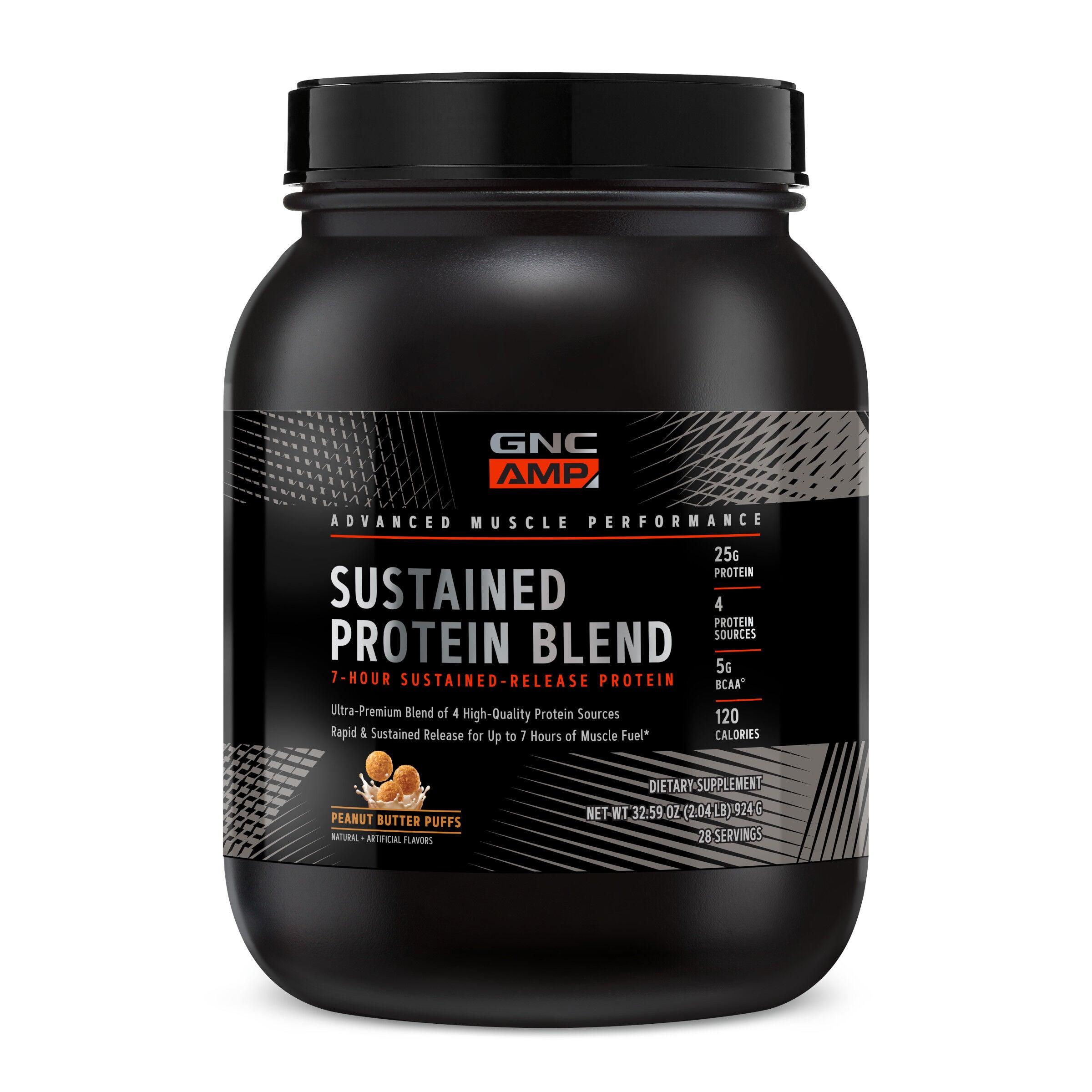
Peanut Butter Protein Snacks
(0 Results)
Looking for a delicious and convenient way to fuel your body with protein on-the-go? Our Peanut Butter Protein Snacks are here to satisfy your cravings while providing a powerful punch of protein. Whether you need a quick pick-me-up between meals or a post-workout refuel, these snacks are packed with flavor and nutrition to keep you going throughout your day. Indulge in a tasty treat that not only tastes great but also supports your fitness goals.


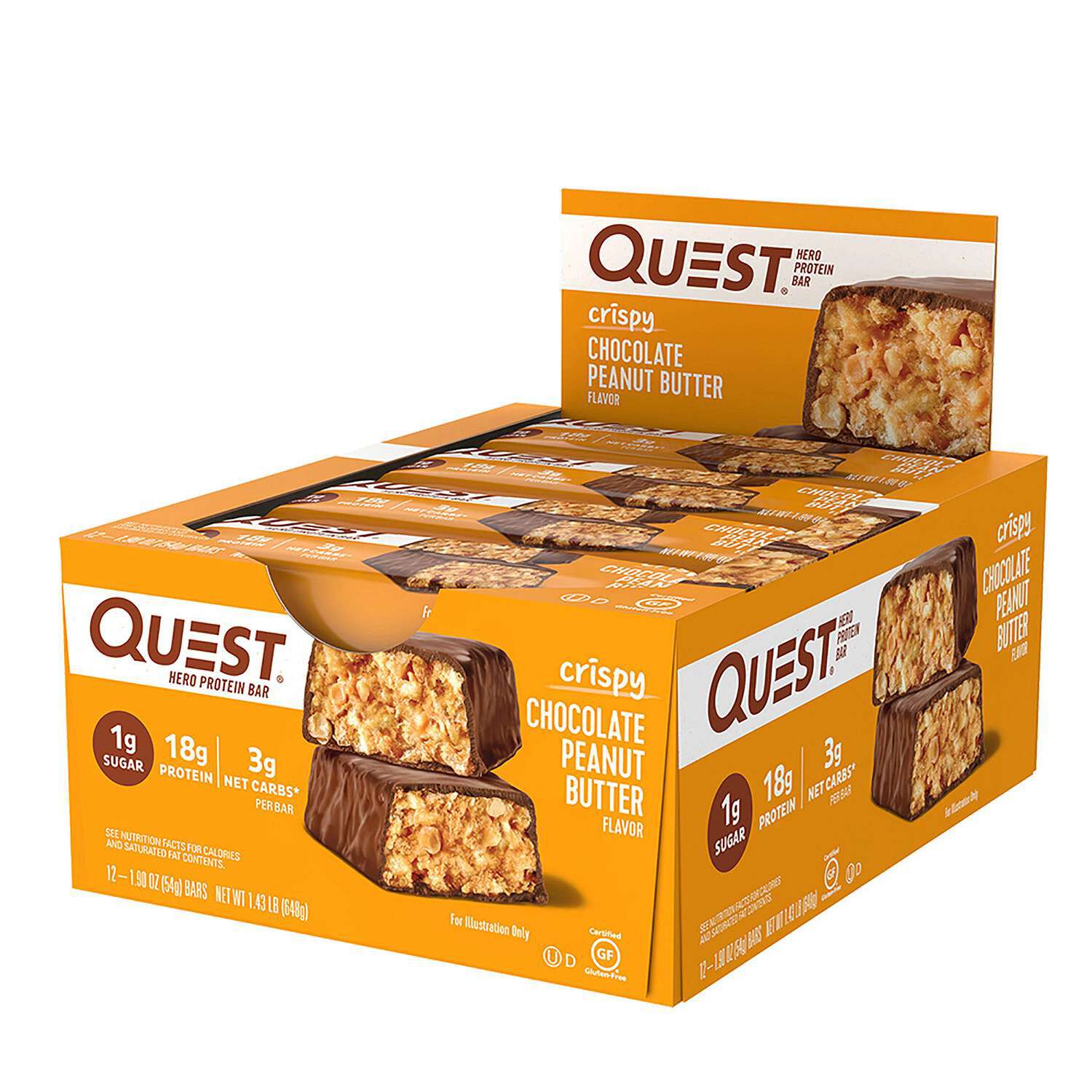
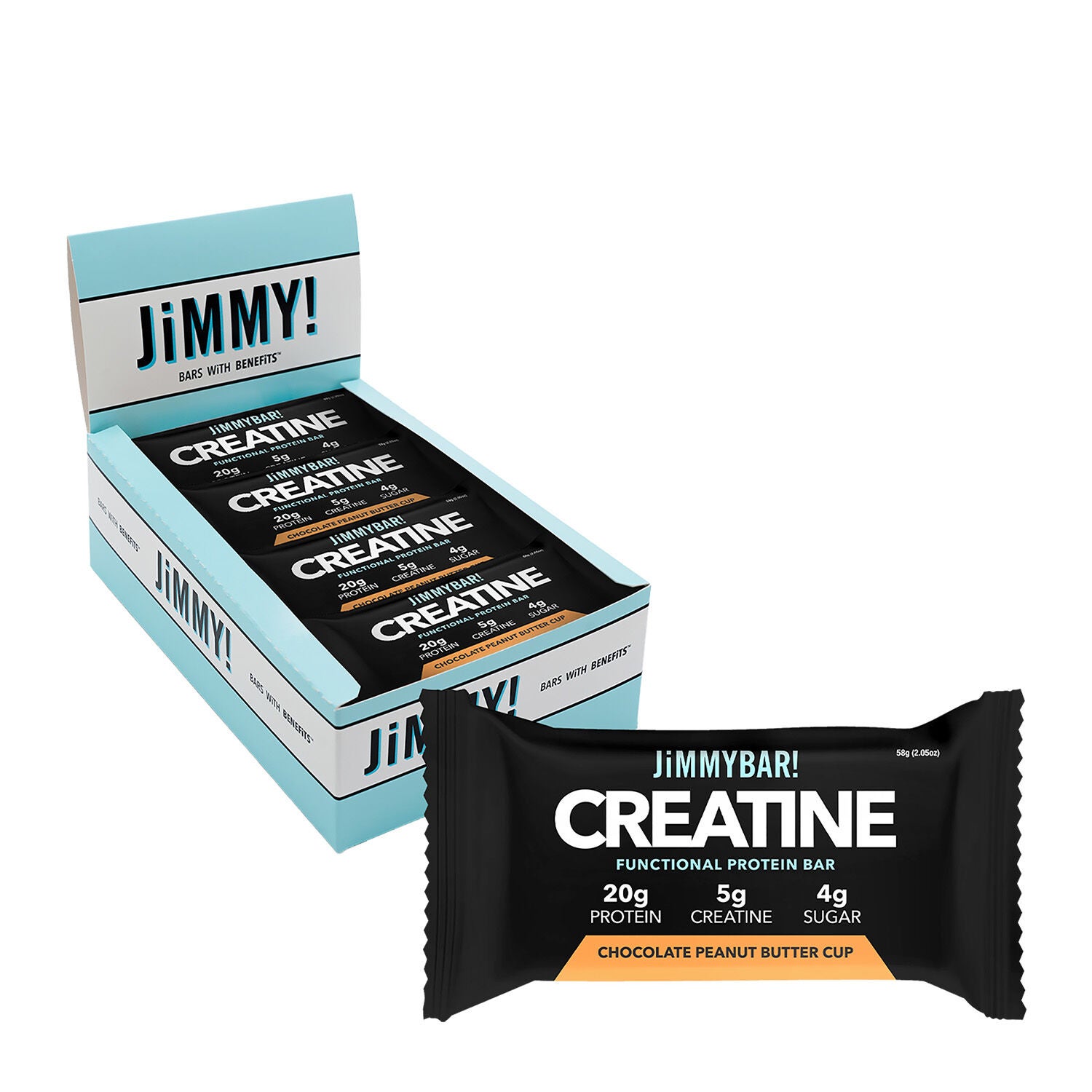
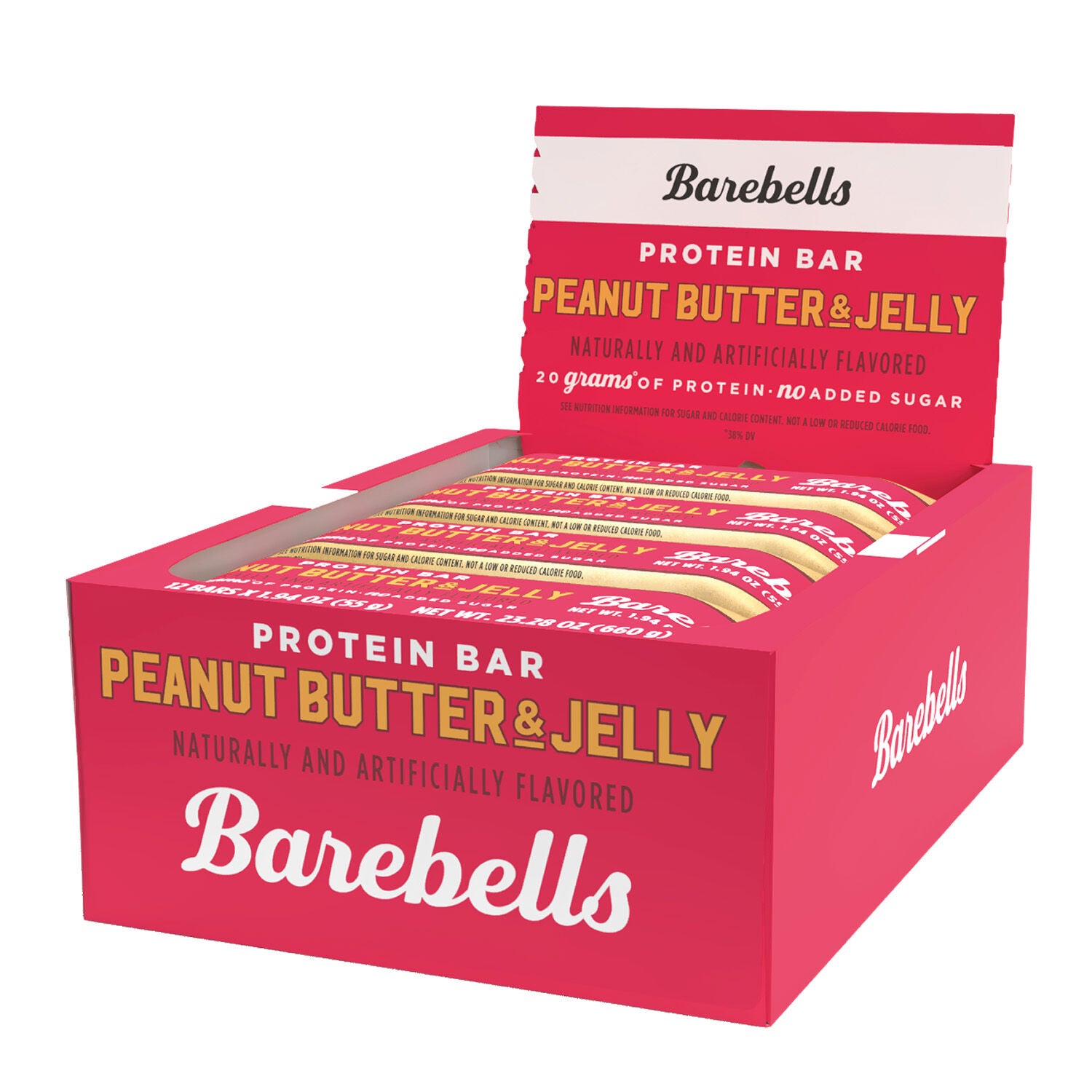

Peanut butter protein snacks pair the roasted, nutty flavor of peanut butter with protein-containing ingredients in convenient formats such as bars, bites, cookies, and filled snacks. Many recipes combine peanut butter or peanut flour with milk, whey, soy, pea, or other protein sources, while oats, crisped grains, chopped peanuts, and coatings contribute different textures. The result can range from a soft, dense bite with a smooth peanut center to a chewy oat-based snack with small pieces of peanut throughout. Peanut butter and chocolate is a familiar pairing, but vanilla, honey, cinnamon, and a touch of salt also complement the nutty base. Some snacks put peanut flavor at the center of every bite; others use it as a filling or accent beneath a chocolate coating. That distinction matters for someone who enjoys the taste of a spoonful of peanut butter versus someone who prefers a sweeter, dessert-style snack. Ready-to-eat formats also differ from homemade peanut butter mixtures: packaged options come with serving information, ingredient lists, and storage directions that make comparisons more straightforward. Although peanut butter contributes protein, the amount in a finished snack depends on the full recipe and portion size, not simply the presence of peanuts. A peanut butter cookie, for example, does not necessarily have the same protein content as a similarly sized bar. For shoppers drawn to individually wrapped, rectangular formats, Peanut Butter Protein Bars represent one part of this broader snack category. Other shapes and textures suit different preferences, from small bites meant for a short snack break to sandwich-style formats with distinct layers. Across these options, the most useful starting point is the combination of flavor, texture, portion size, and intended occasion. A snack tucked into a work bag has a different role from something plated alongside fruit at home, even when both feature the same familiar peanut butter taste.
The ingredient list and Nutrition Facts panel provide the clearest picture of what a peanut butter protein snack contains. Protein grams should be read alongside the stated serving size, since one package may contain more than one serving, and a serving of small bites may include several pieces. Comparing similar portions gives more context than comparing the largest number printed on the front of two packages. Calories, carbohydrates, dietary fiber, fat, sodium, and added sugars also vary with the recipe. Peanut butter naturally contributes fat as well as protein, while ingredients such as oats, syrups, coatings, and dried fruit change the overall nutritional profile. A chocolate-coated snack and an uncoated peanut-and-oat bar may have noticeably different proportions, even if their protein amounts are similar. Sweetness deserves its own consideration: some recipes use sugar, honey, or syrup, while others include alternative sweeteners or a combination of ingredients. These choices can create anything from a lightly sweet, roasted-peanut taste to a richer candy-like flavor. Protein sources are another meaningful difference. Whey and casein come from milk, while pea and soy proteins come from plants; a blend may include more than one source. A plant-derived protein ingredient alone does not establish that the entire snack is vegan, because coatings, fillings, or other ingredients may contain milk, honey, or additional animal-derived ingredients. Peanut butter snacks contain peanuts, and some recipes also include milk, soy, wheat, sesame, or tree nuts. Ingredient lists and package allergen statements matter when choosing for personal dietary requirements or buying for someone else. Texture often becomes clearer from the ingredients, too. Oats may lend a hearty chew, crisped ingredients may add an airy crunch, and peanut pieces may create a more varied bite. A smooth filling offers a different eating experience from a uniformly dense bar. Neither format is inherently the better choice; the details simply help distinguish snacks that otherwise look similar in a wrapper. Nutrition information and ingredient details are more informative than treating every peanut butter protein snack as interchangeable.
Everyday routines provide plenty of context for choosing among peanut butter protein snacks. An individually wrapped bar is a practical format for a desk drawer, while a resealable pouch of bites offers a different approach for someone who prefers to portion a snack into a small container. At a desk, a dense, uncoated format may be less messy than a crumbly cookie or a snack with a soft filling. For a commute, packaging that opens neatly and keeps the remaining portion contained may matter as much as the flavor. A workout bag is another common setting for a packaged protein snack, although the right portion and eating occasion depend on personal preferences and the rest of the day’s meals. These snacks can also sit alongside other foods rather than stand alone: peanut butter flavors pair naturally with apple slices, banana, plain yogurt, or a serving of berries. A chewy snack with coffee creates a different experience from crunchy peanut bites packed beside lunch. Package size influences these routines, especially when a pouch is meant for several occasions rather than one sitting. Individually sealed portions limit handling before opening, while larger bags require attention to closure and the storage directions printed on the package. Storage needs vary, so a snack labeled for refrigeration should not be treated like one intended for pantry storage. Keeping the original label accessible also preserves the ingredient, serving, and date information when portions are moved into another container. For shared offices, classrooms, or group outings, peanut policies deserve attention before a peanut butter snack goes into a communal basket. A snack assortment can also be a thoughtful gift for an adult who already enjoys peanut butter, provided their ingredient preferences and dietary requirements are known. Variety works best when it reflects actual preferences, such as smooth versus chunky textures or chocolate-coated versus oat-based recipes. The appeal of this category lies in those small, tangible differences: roasted peanut flavor, a pleasant chew or crunch, a portion that suits the occasion, and packaging that fits naturally into the day.
Best Sellers
-
 Barebells
-
 Barebells
-
 Barebells
-
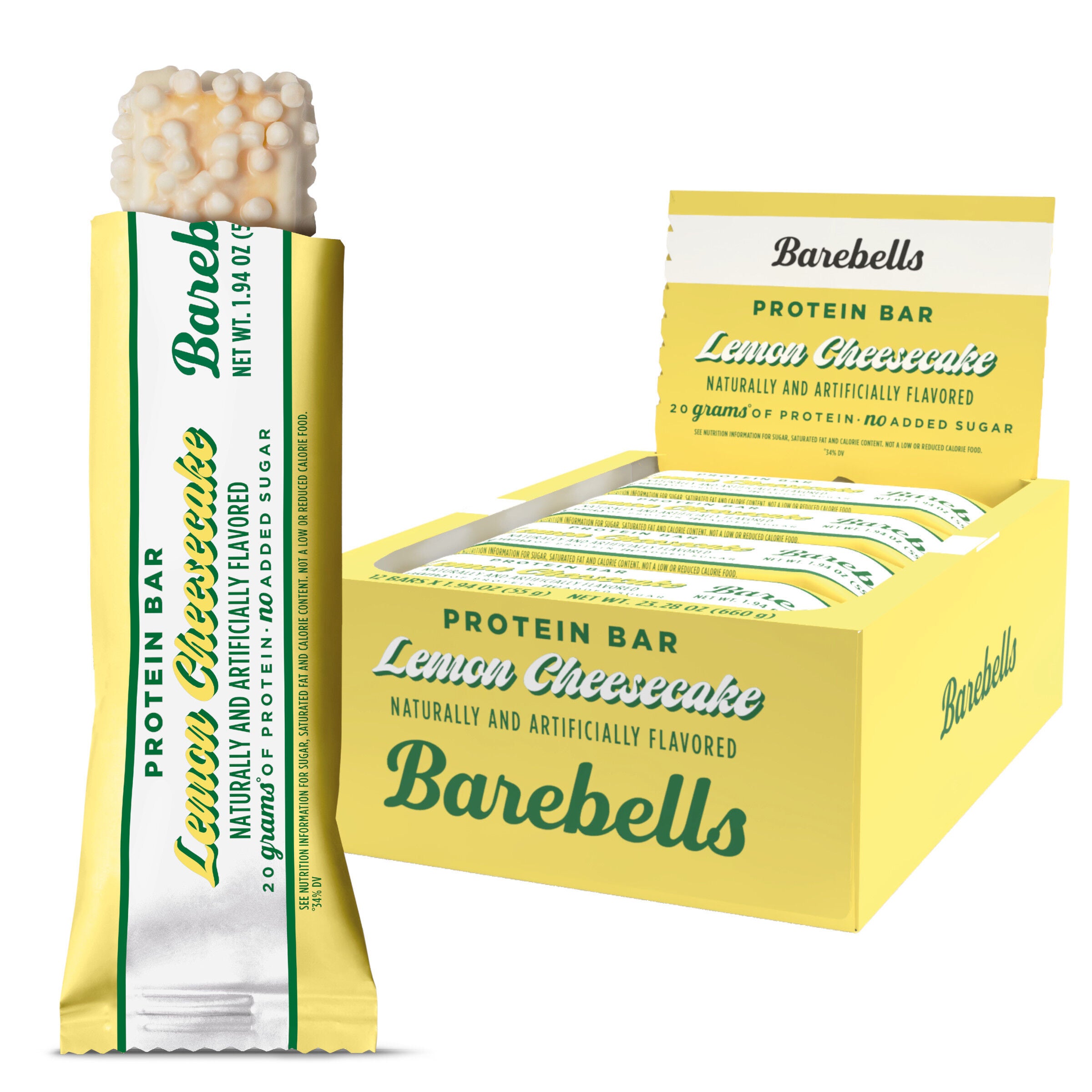 Barebells