Pre Workout Zero Sugar
(0 Results)
Get ready to take your workouts to new heights with our selection of zero sugar pre-workout supplements. Designed to give you a powerful energy boost without any added sugars, these products are perfect for anyone looking to enhance their performance in a healthy way. Packed with essential vitamins, minerals, and amino acids, our zero sugar pre-workouts will help you push through even your toughest training sessions. Whether you're a seasoned athlete or just starting your fitness journey, these supplements are sure to become an essential part of your routine.
-
-

-
-
-

-
 $14.99
-
-

-

-
 53$39.99
-
-
-

-

-
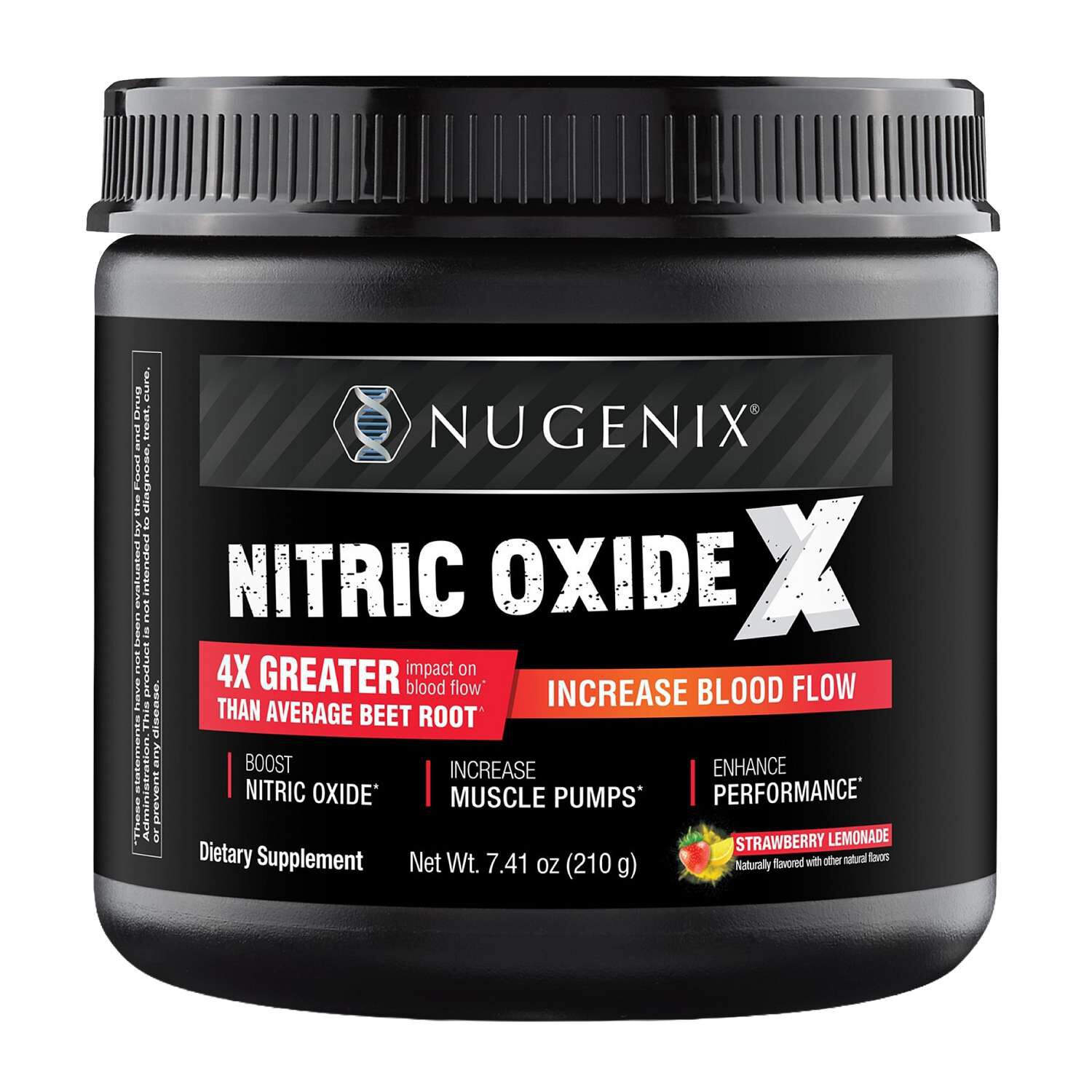

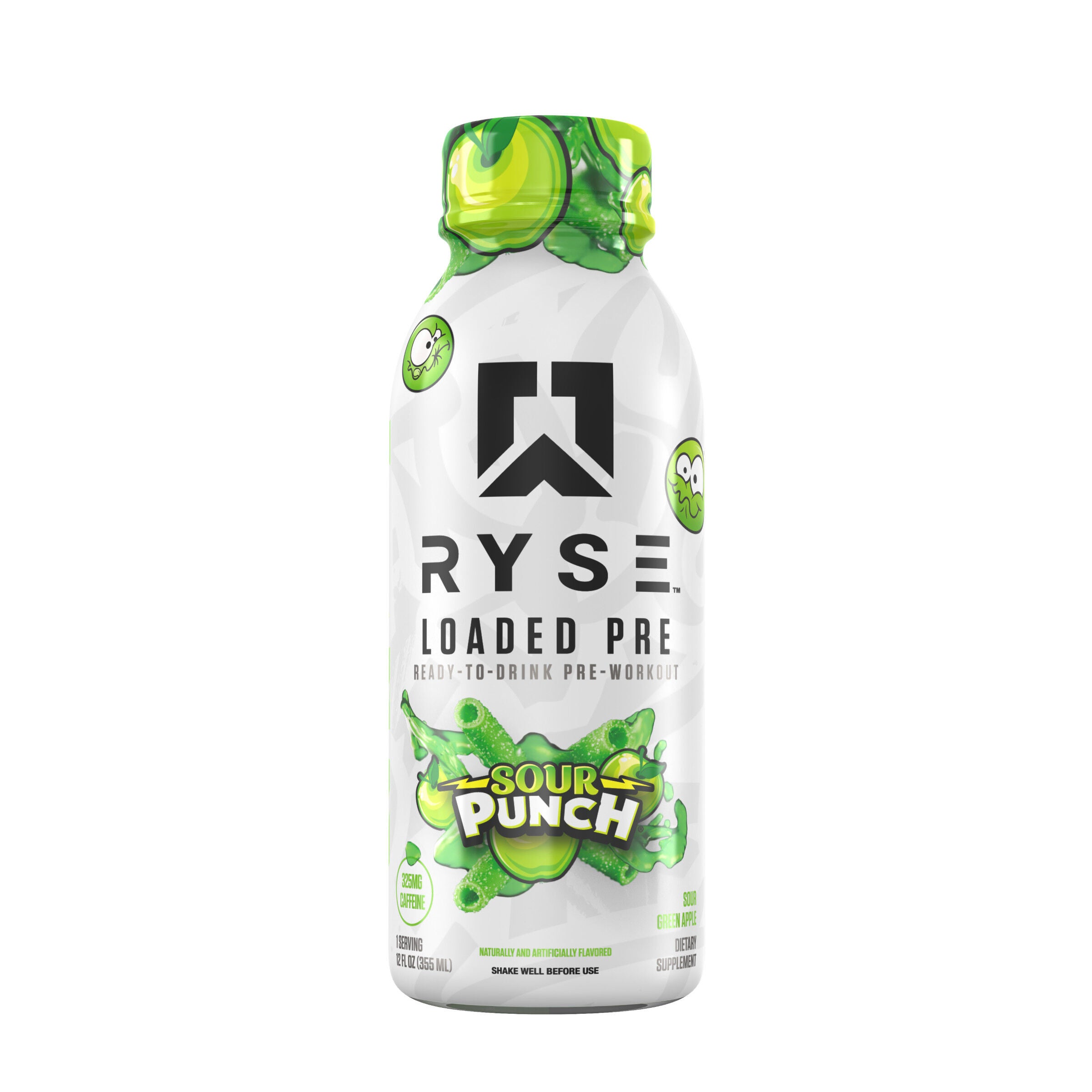
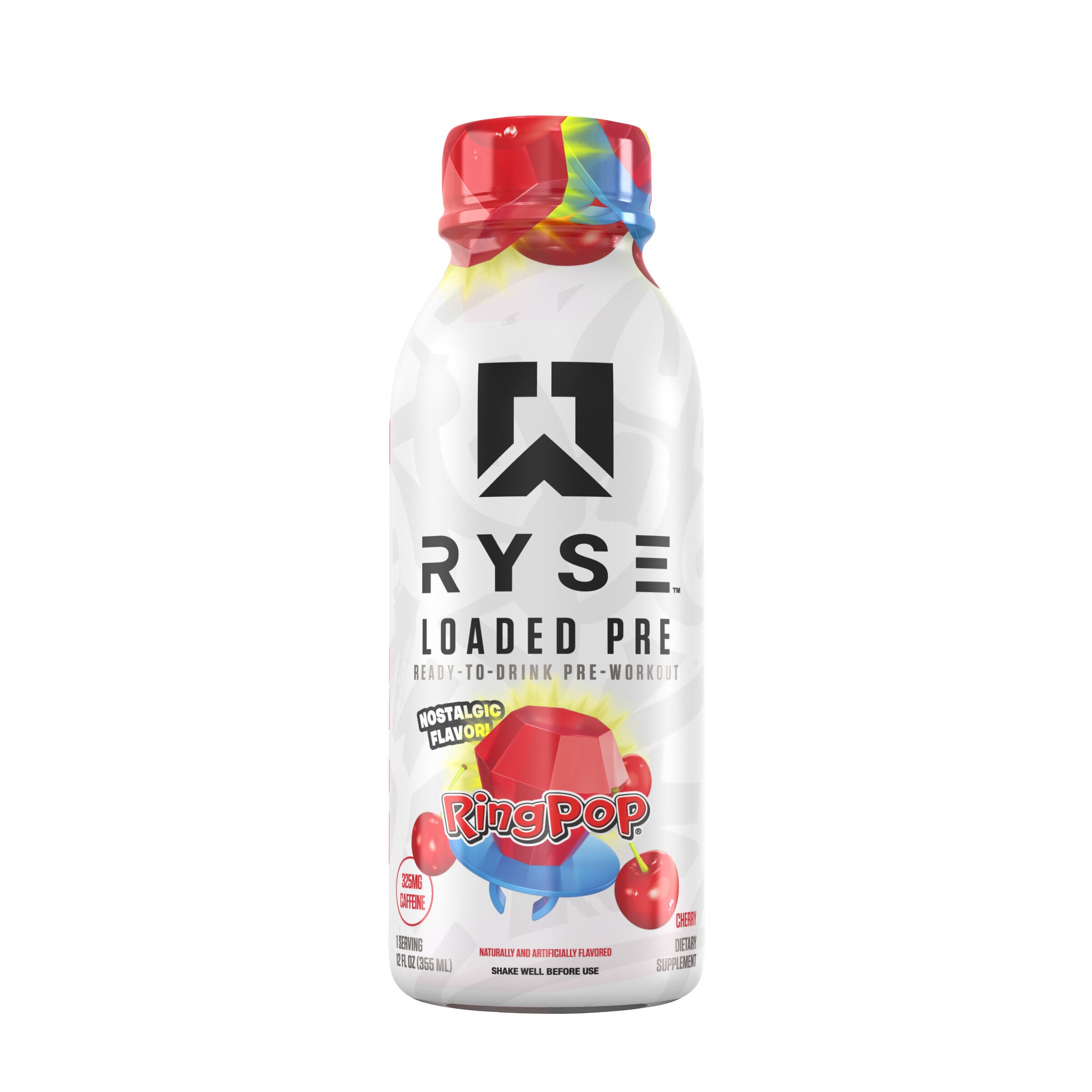
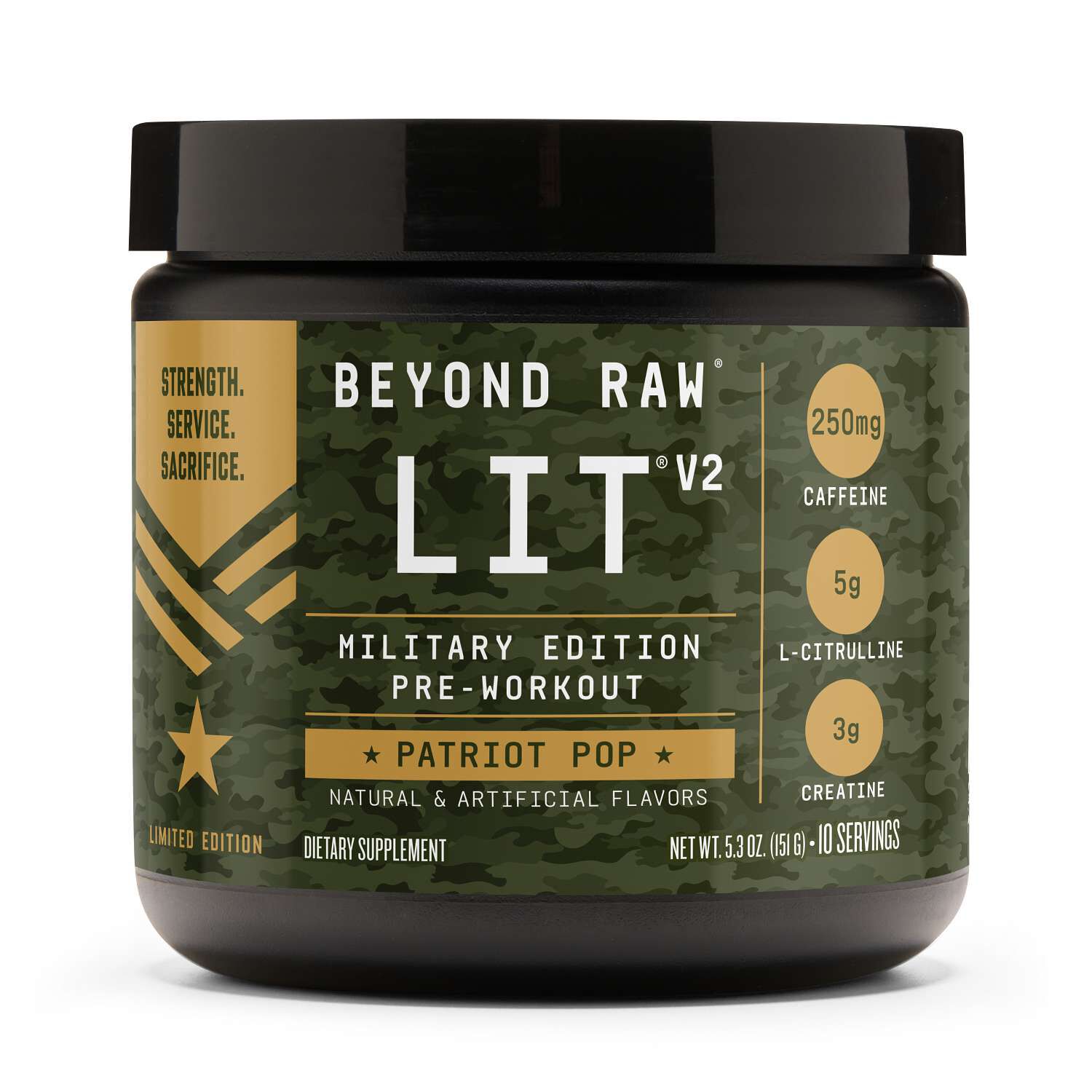
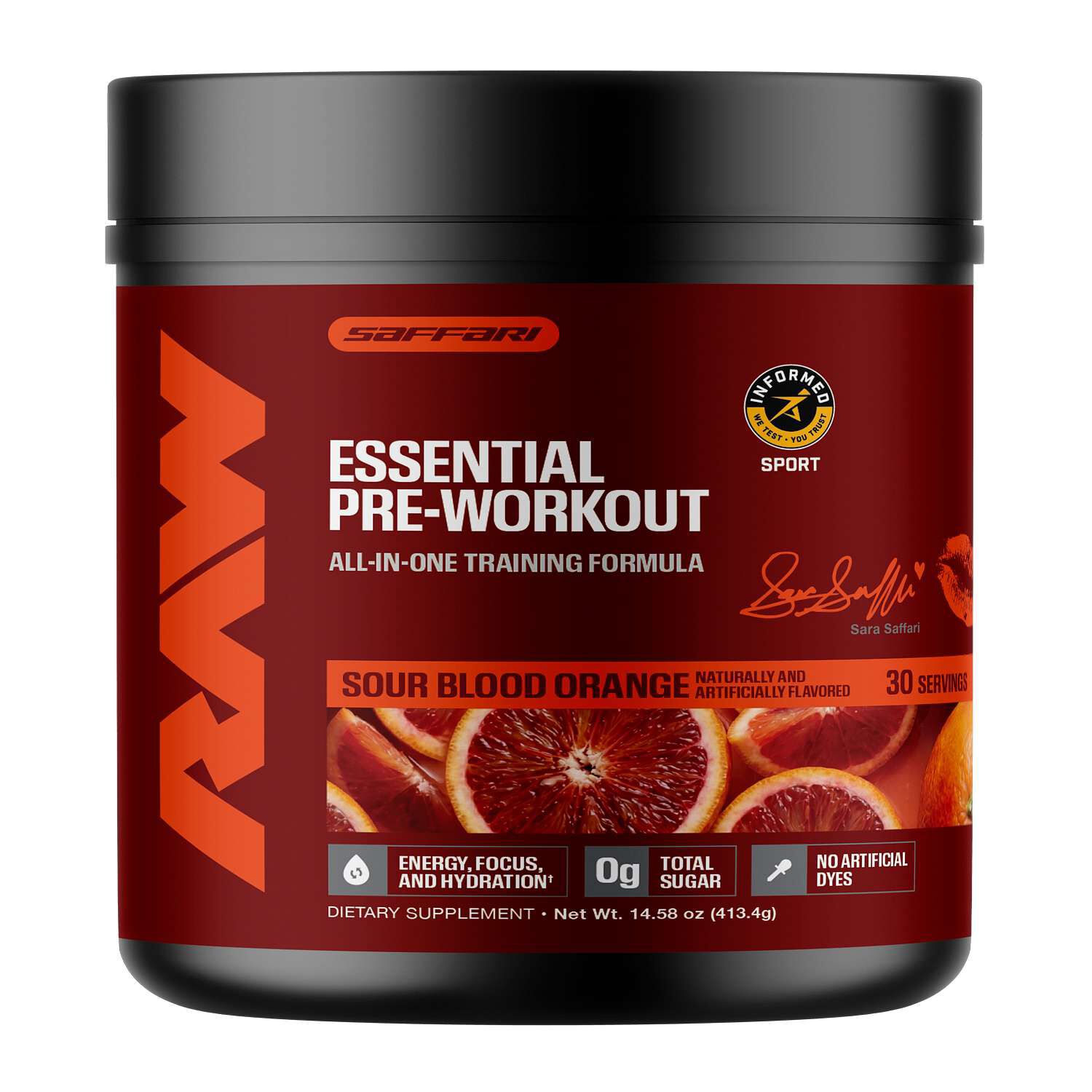
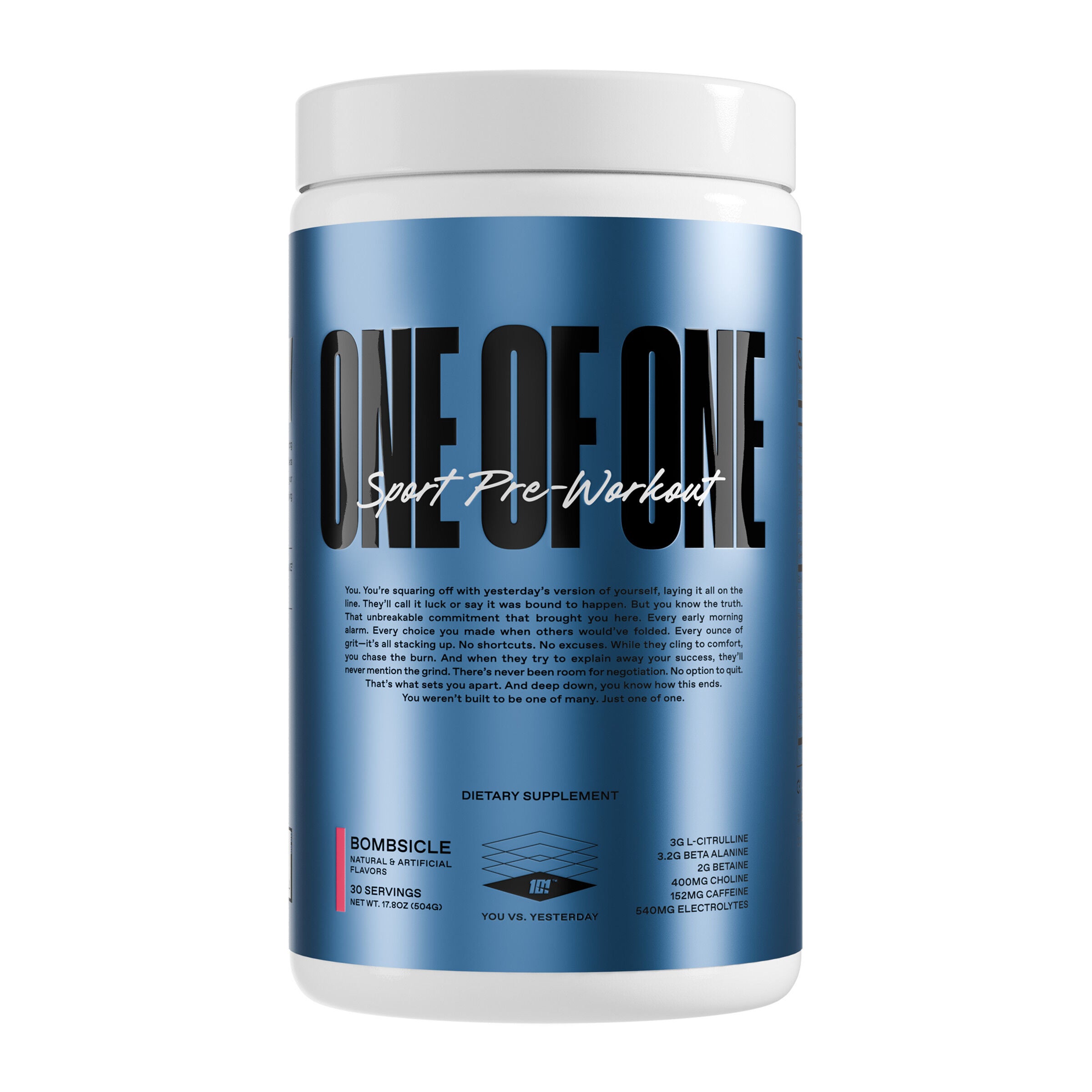
Zero-sugar pre-workout supplements are products intended for use before exercise that generally list 0 grams of sugar per serving. They come in formats such as powders and ready-to-drink beverages, with differences in caffeine content, ingredients, flavor, and serving size. A formula containing caffeine may support alertness and focus during a workout, but the zero-sugar description alone says nothing about how much caffeine it contains. It also does not necessarily mean zero calories, zero carbohydrates, or an absence of sweeteners. Some formulas use sucralose, stevia, monk fruit, or combinations of sweeteners to create a sweet taste without relying on sugar. Others include sugar alcohols, so the ingredient list provides useful context beyond the wording on the front of the package. Zero sugar and no added sugar are different descriptions: a product with no added sugar can still contain naturally occurring sugars. For adults comparing pre-workout options, the nutrition panel and ingredient list are more informative than either phrase on its own. Depending on the formula, ingredients may include amino acids, creatine, beta-alanine, citrulline, electrolytes, or botanical extracts. Not every formula contains all of these ingredients, and their amounts vary. A zero-sugar pre-workout may suit an adult who wants a flavored drink before a lifting session, a cycling workout, or another planned exercise session without sugar as part of that drink. Flavor can be an important part of that preference, whether the appeal is bright citrus, tart berry, or a milder fruit profile. Sweetness and tartness are separate qualities, and a drink can taste quite sweet while still listing 0 grams of sugar. The most useful comparison brings together sugar content, the full formula, and the way the product fits an established workout routine rather than treating one front-label statement as the whole story.
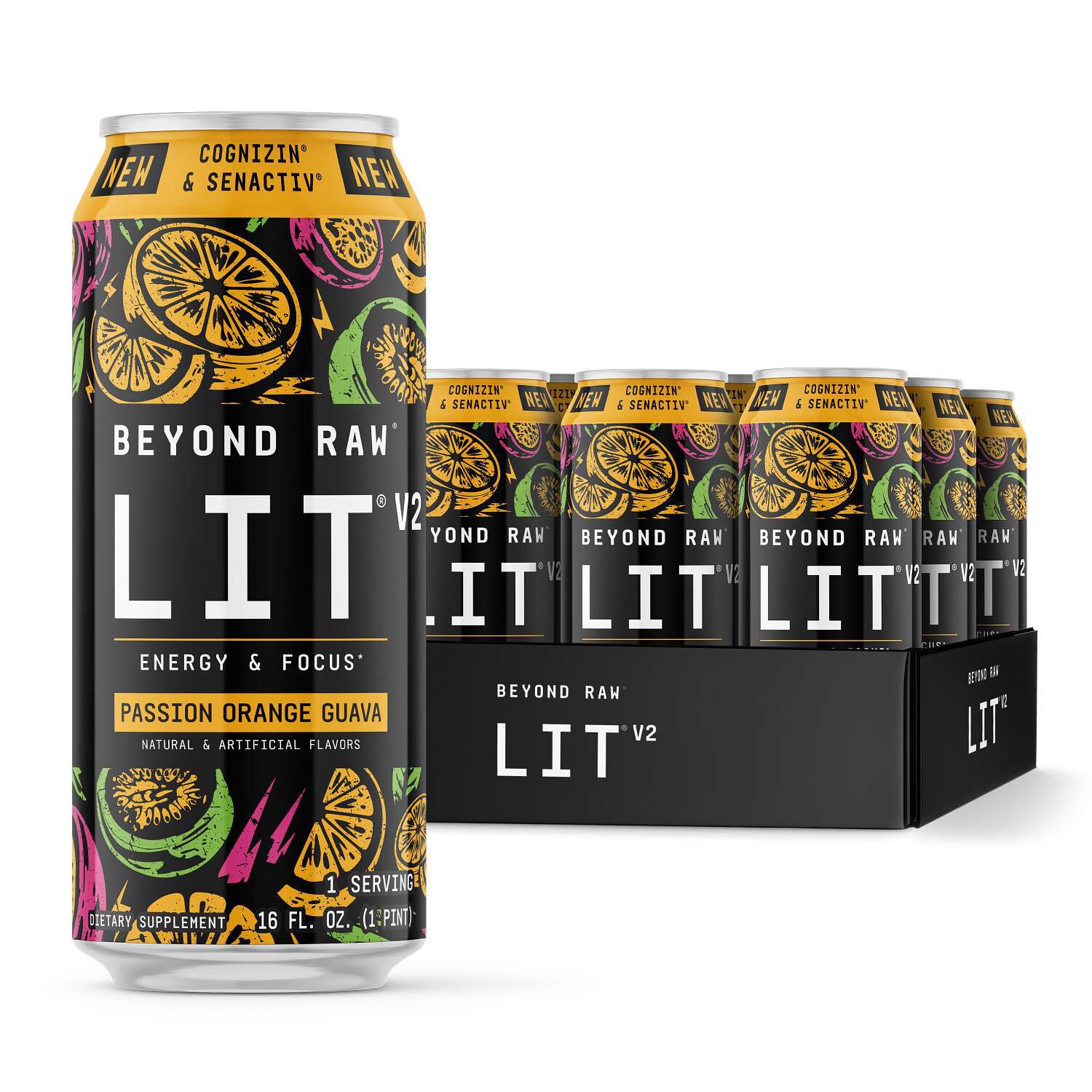
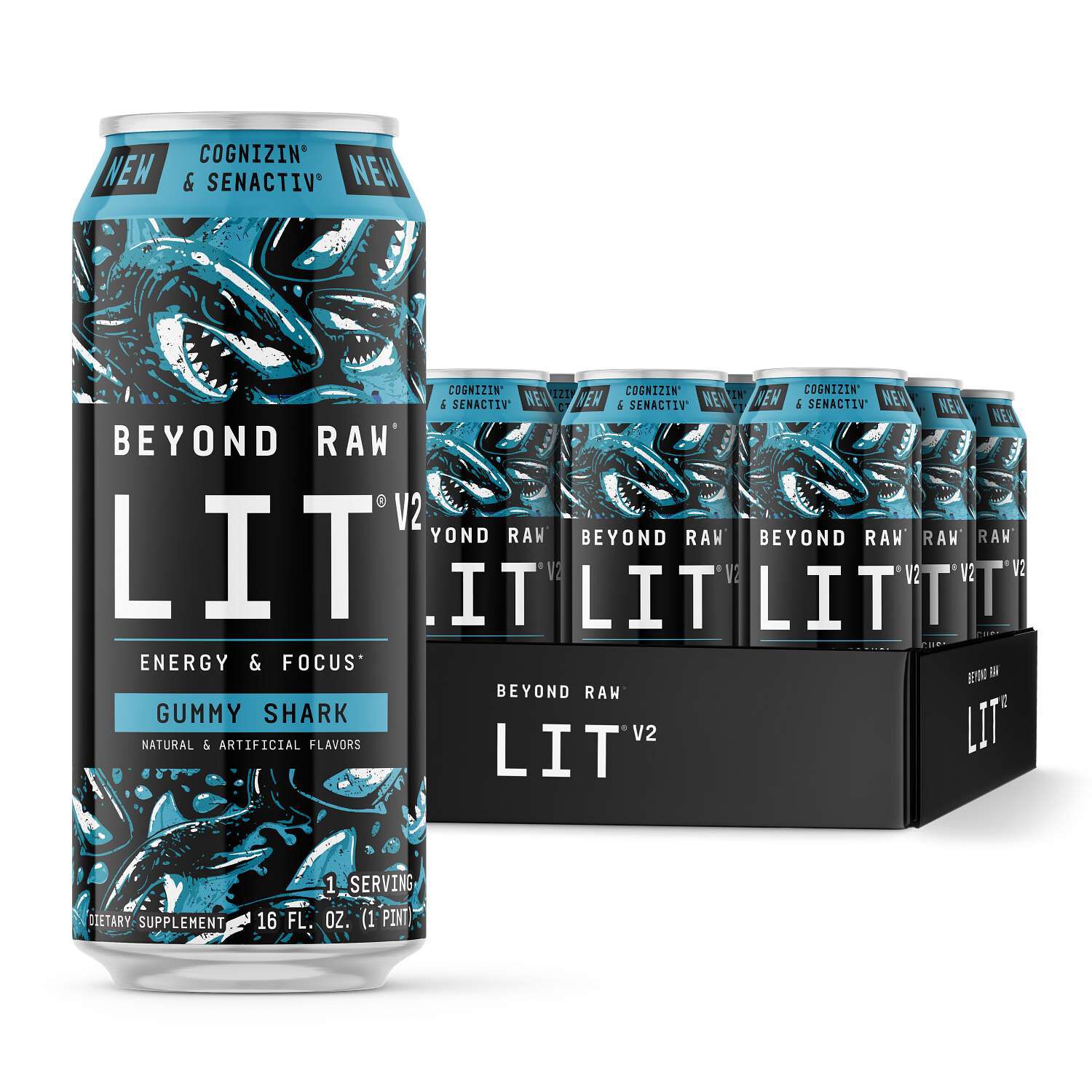
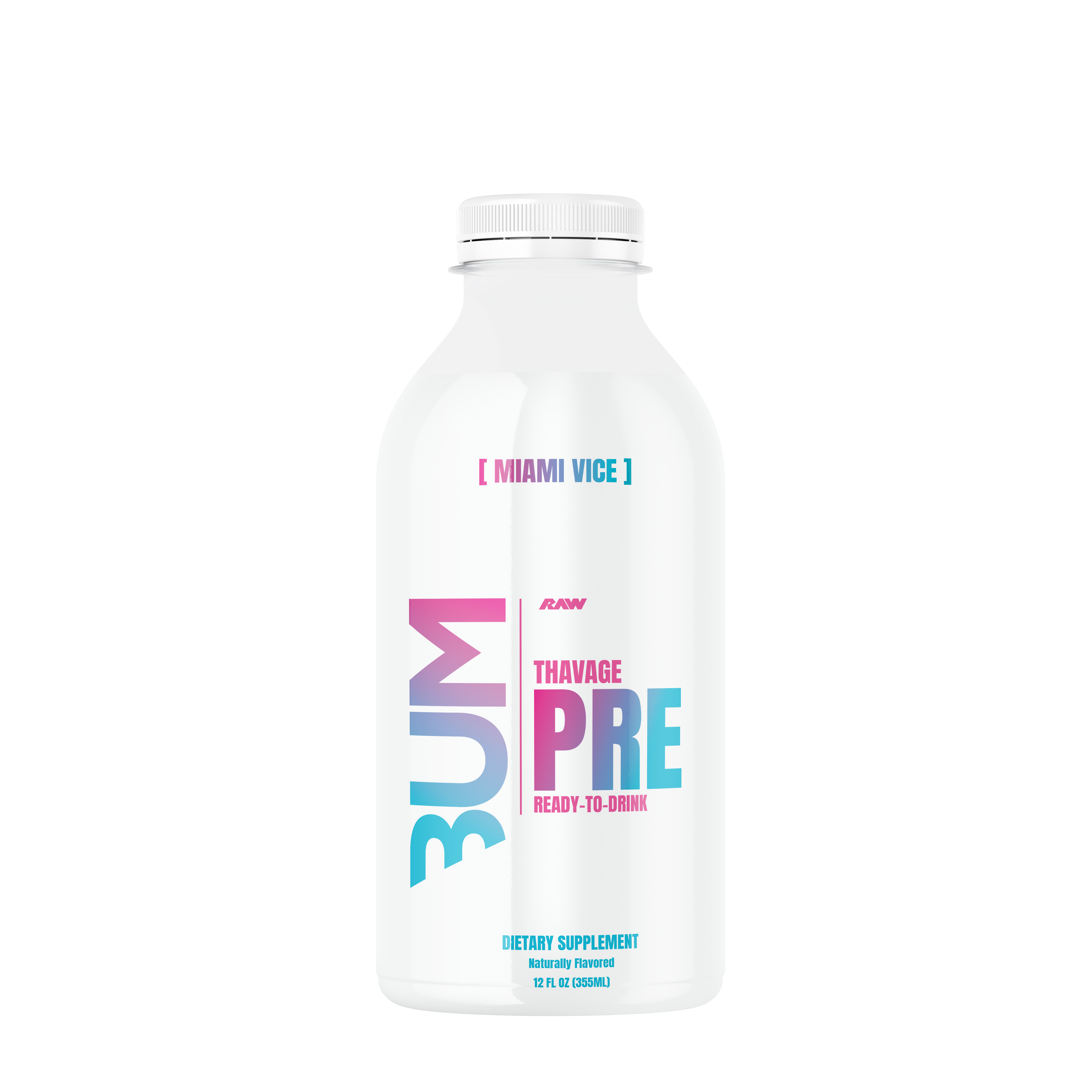
Format shapes the experience of using a zero-sugar pre-workout just as much as flavor does. Powders require measuring and mixing according to package directions, while ready-to-drink beverages come with the liquid already included. For someone packing a gym bag before leaving home, a sealed beverage is a different proposition from a tub and shaker carried separately. An adult who heads straight from work to a training session might prefer a packaged drink, while someone who prepares everything in a home kitchen might prefer measuring powder into a shaker before heading out. Neither format determines sugar content or caffeine content; those details belong to the individual label. Powder directions also specify the amount of water to use, which matters when comparing taste and texture. A formula mixed in the directed amount of water can have a different flavor intensity from one prepared with a different amount. Some powders have a light texture, while others may leave visible particles or sediment after standing. Package directions provide the appropriate preparation steps, including whether additional shaking is needed. For shoppers interested in prepared beverages, Pre Workout Energy Drinks is a related category to explore alongside powdered formats. Beverage size, carbonation, and packaging style are additional distinctions within that format. A carbonated drink has a different mouthfeel from a still beverage, and a resealable bottle has a different closure from a can. These details matter in ordinary situations: carrying a drink on a commute, fitting it into a gym bag pocket, or setting it beside a training notebook before a session. Serving information deserves attention as well, since the amount in a container and the amount defined as one serving are not always the same. Comparing the stated serving sizes keeps ingredient amounts in context across formats.
Caffeine content is another meaningful distinction among zero-sugar pre-workout formulas. Some contain caffeine, while others are made without it, so sugar content is not a shortcut for identifying either type. Coffee, tea, and other caffeinated beverages elsewhere in an adult’s routine are relevant context when considering a caffeinated pre-workout. An early training session and an evening workout may involve different preferences, even for someone who likes the same flavor and format. The amount of caffeine per serving is more useful for comparison than a broad description such as “energy,” and ingredient amounts should always be read alongside the stated serving size. Package directions also identify intended use, preparation, and any product-specific cautions. Beyond caffeine, clear ingredient labeling matters to shoppers with dietary preferences or ingredient restrictions. Sweetener type, allergen statements, and any stated dietary certifications are separate details, not qualities established by a zero-sugar description. Adults participating in organized sports may also consider third-party testing information when it is provided, while recognizing that different testing programs have different criteria. Once a format is chosen, storage and everyday handling become part of the experience. Powder containers should be closed and stored as directed on the package, with a clean, dry measuring utensil kept away from moisture. A shaker needs regular washing, including the lid, gasket, and mixing insert, followed by thorough drying. Prepared beverages have their own storage directions, particularly after opening, and the date and handling information on the package remain relevant whether or not sugar is present. A container left in a gym bag between visits still needs the same attention to its storage instructions. These practical details sit alongside taste and formula preferences when comparing the category. For one adult, the right match may be a powder prepared at home before a familiar strength routine; for another, it may be a ready-to-drink format packed for a scheduled studio session. Zero sugar narrows one part of the choice, while ingredients, caffeine content, serving directions, packaging, and flavor distinguish the options within it.