Prebiotic Fiber Proteins
(0 Results)
Prebiotic fiber proteins offer a convenient way to support your nutrition goals while incorporating more fiber into your daily routine. These versatile supplements may complement a balanced diet and active lifestyle, making them a popular choice for those looking to optimize their wellness journey. With a variety of options available, prebiotic fiber proteins could be an easy addition to smoothies, shakes, or recipes for those seeking to diversify their supplement regimen.
-

-
 $26.99
-
-

-

-
-

-

-
 $17.99
-

-

-

-
-

-

-
-

-

-

-
-
 $15.99
-

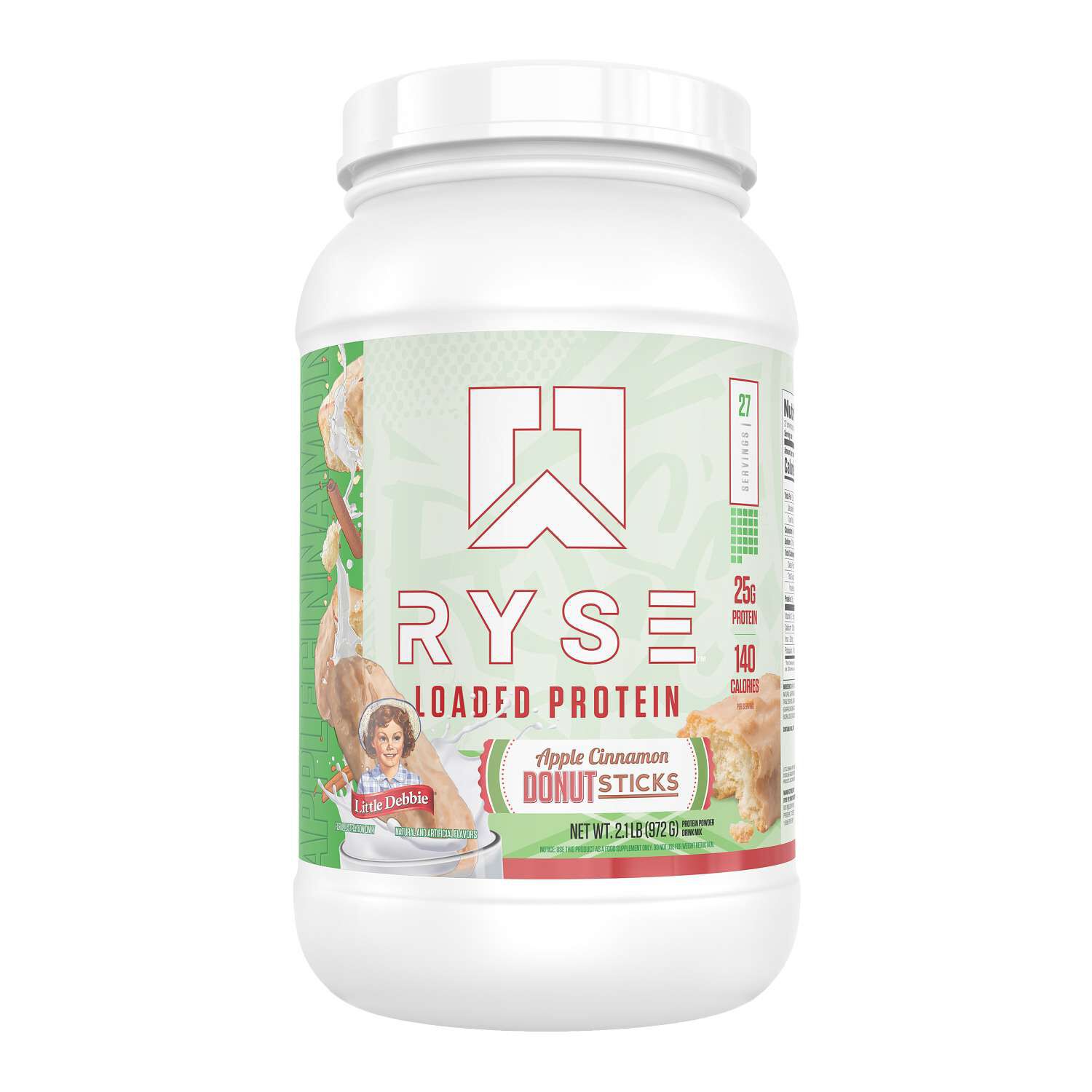

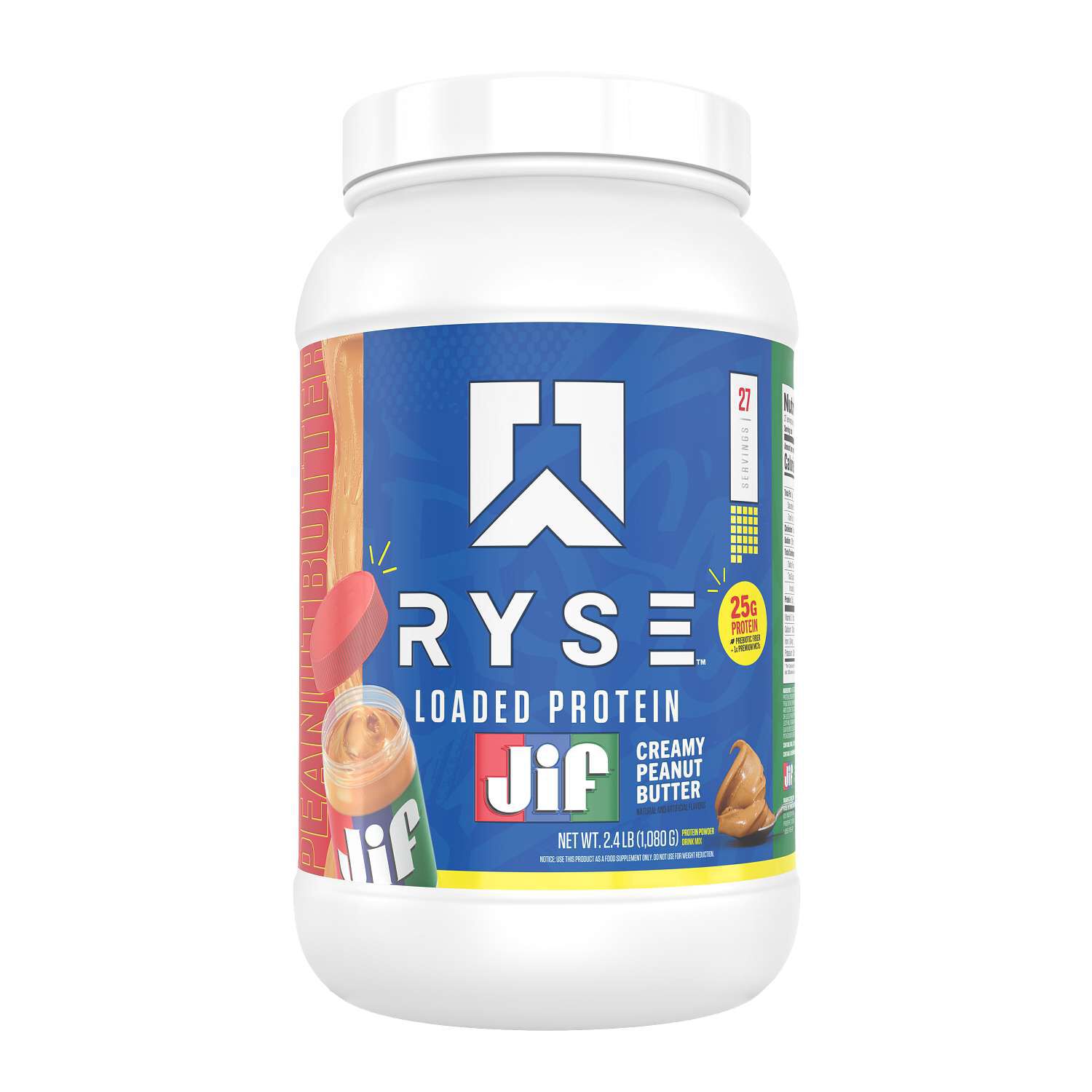
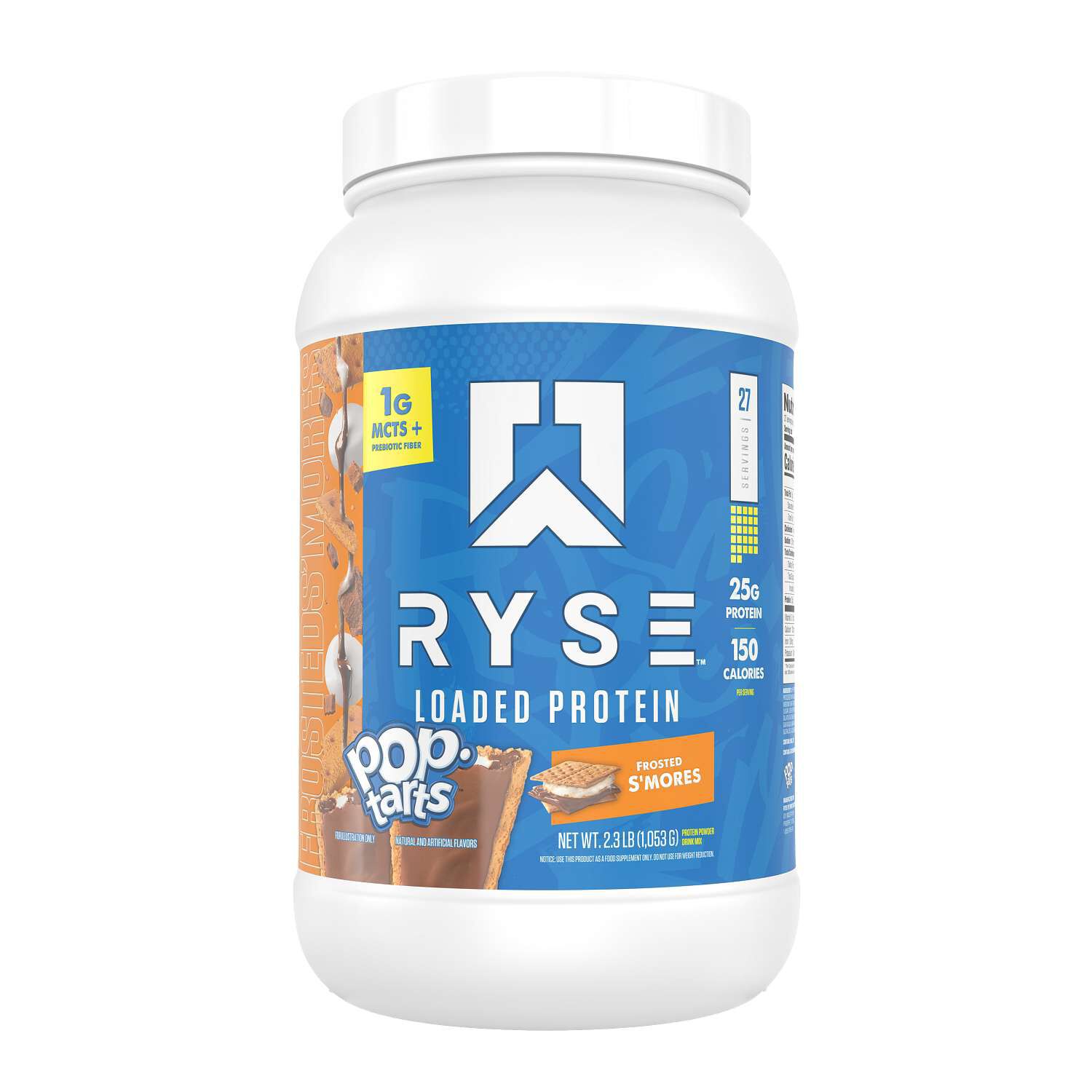
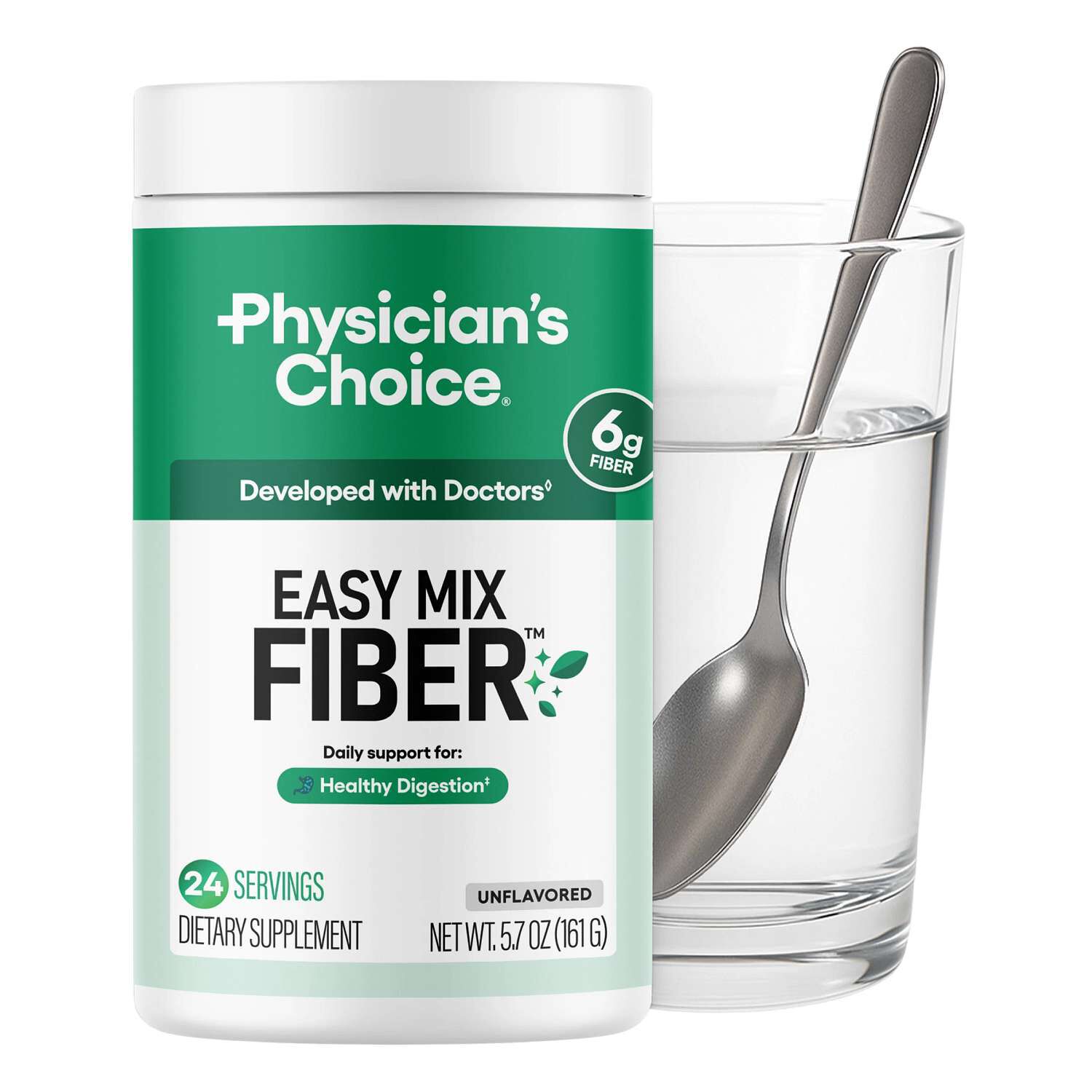
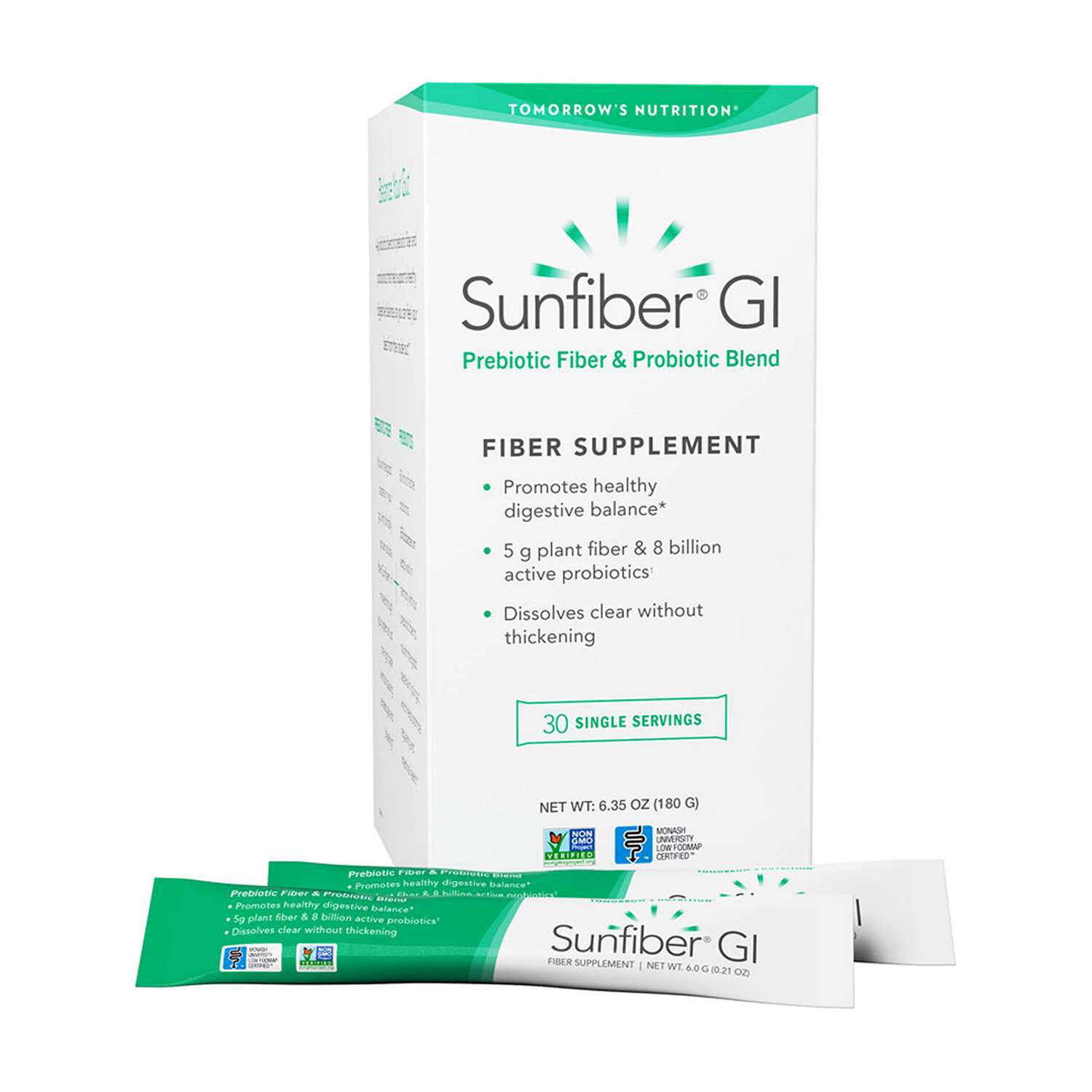
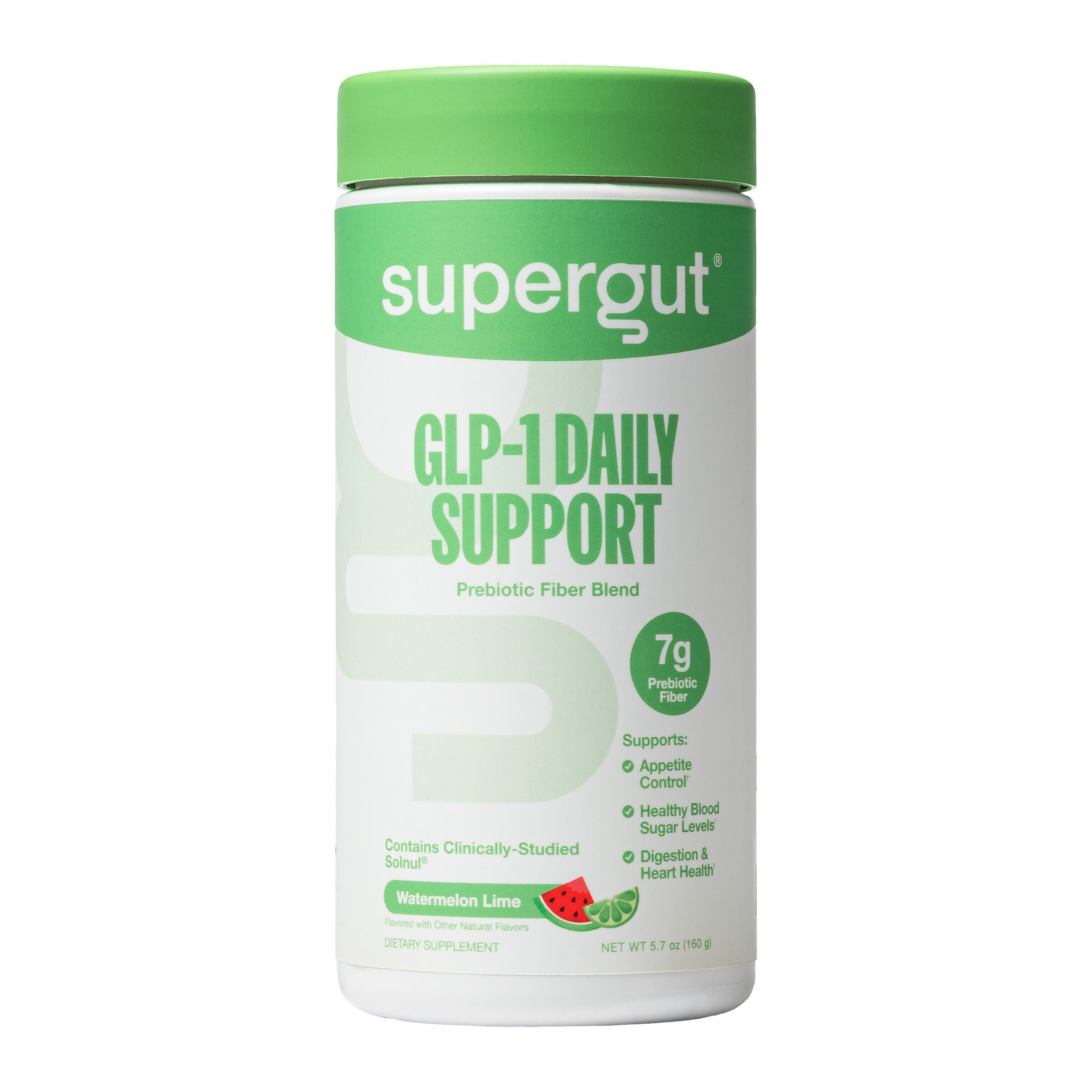
Prebiotic fiber proteins combine a protein source with added prebiotic fiber in a powder designed for shakes, smoothies, or other label-directed uses. The pairing brings two distinct nutritional components into the same serving: protein contributes amino acids, while prebiotic fiber may nourish beneficial bacteria in the digestive tract. Not every dietary fiber is a prebiotic, so the ingredient list matters as much as the category name. Common ingredients in this category include chicory root inulin, acacia fiber, and fructooligosaccharides, sometimes listed as FOS. Protein sources can include whey, casein, pea, brown rice, or a blend of different sources. These ingredients vary in flavor, texture, and nutritional composition, giving prebiotic fiber protein powders a range of uses within everyday eating routines. A dairy-based blend might appeal to someone who enjoys a creamy shake, while a plant-based formula could suit someone whose meals center on plant ingredients. The distinction is worth checking carefully: a plant-derived fiber does not mean that the entire protein powder is plant-based. Likewise, a product described as a protein blend does not automatically contain prebiotic fiber. Reading both the nutrition information and the ingredient list provides a clearer picture of what each serving contains. Protein grams, dietary fiber grams, serving size, and the named fiber source are useful details to compare together rather than in isolation. Some formulas also contain probiotic cultures, which are different from prebiotic fibers; probiotics are live microorganisms, whereas prebiotics are substances that those organisms may use as nourishment. One does not automatically stand in for the other. For shoppers seeking protein with prebiotic fiber, the most relevant distinction is whether the formula combines the desired protein source with a clearly identified prebiotic ingredient in a format that fits their usual meals and snacks. That makes this category a practical consideration for people who already use protein powder and want to include added fiber in the same preparation.
Taste and preparation often determine whether a prebiotic fiber protein powder fits comfortably into a routine. A lightly flavored powder could work in a banana-and-oat smoothie, while a chocolate or vanilla blend might be more appealing mixed with a chilled beverage. An unflavored option offers a different starting point, although unflavored does not necessarily mean tasteless: dairy proteins, plant proteins, and added fibers can each contribute their own character. Pea protein can have an earthy note, for example, while some fiber ingredients contribute subtle sweetness or a thicker texture. The finished consistency also depends on the liquid, mixing method, and proportions specified on the label. Water creates a different base from milk or a plant-based beverage, and frozen fruit changes the texture again. For a quick shake between a morning commute and the workday, a powder intended for shaker-bottle preparation could be a convenient match. For a smoothie prepared at home, a blender offers room for ingredients such as berries, oats, or nut butter, according to personal preferences. Those additions also change the nutritional content of the finished drink, so the powder’s nutrition panel describes only one part of the serving. Sweeteners deserve similar attention. Some blends use sugar, others use alternative sweeteners, and some combine several ingredients to balance flavor. A short ingredient list is not automatically a better fit than a longer one; the relevant details are the ingredients themselves and how they align with the shopper’s preferences. Milk, soy, and other allergen declarations are important when choosing for a household with dietary restrictions. Checking the full label is more informative than relying on front-of-package wording alone. A familiar flavor and a manageable preparation method could make the powder easier to incorporate into an established routine, whether that means a breakfast smoothie, an afternoon shake, or a drink prepared around a workout. Protein powder with prebiotic fiber is best considered in the context of those real uses rather than flavor names alone.
Choosing among prebiotic fiber proteins also involves matching the package and serving format to the setting where the powder will be used. A larger container may suit a kitchen counter routine, while individually portioned formats could be convenient for carrying to an office or packing for a trip. Package size and scoop size are separate considerations: containers with similar dimensions can hold different numbers of servings, and equal-looking scoops can represent different serving weights. Comparing the stated serving size alongside protein and fiber amounts keeps those differences visible. Preparation directions also matter when using a powder beyond a simple shake. A formula intended for cold mixing should not automatically be treated as interchangeable with one labeled for use in recipes. For oatmeal, yogurt bowls, or other foods, the manufacturer’s suggested uses provide a useful starting point for proportions and texture expectations. Storage is another practical detail, especially in kitchens where steam collects near the stove or dishwasher. Following the package’s storage instructions, closing the container securely, and using a clean, dry scoop may help preserve the powder’s intended quality between servings. A reusable shaker or blender cup also needs regular cleaning according to its care directions, including the lid, seal, and mixing components. These small details matter for a product that becomes part of repeated meal preparation. When comparing adjacent categories, the distinction between a protein-focused blend and a greens-focused blend is useful. Prebiotic Fiber Greens Powders offer a related category to explore, though their ingredients and protein content can differ substantially from powders formulated around a protein source. Neither category name replaces a close look at the label. For prebiotic fiber protein powders, a thoughtful match comes down to a recognizable protein source, identified prebiotic ingredients, an appealing flavor, and preparation requirements that suit everyday life. Those considerations remain relevant whether the powder is mixed in a quiet kitchen before breakfast or shaken into a drink during a busy afternoon.