





Probiotics With No Artificial Flavors
(0 Results)
Probiotics with no artificial flavors offer a straightforward approach for those seeking to support their wellness routine. With options designed to fit a variety of lifestyles and preferences, these supplements may help you maintain your daily balance. Explore probiotics with no artificial flavors and discover choices that could align with your nutritional goals.
-
 $18.99
-
-
-
-
$56.99
-
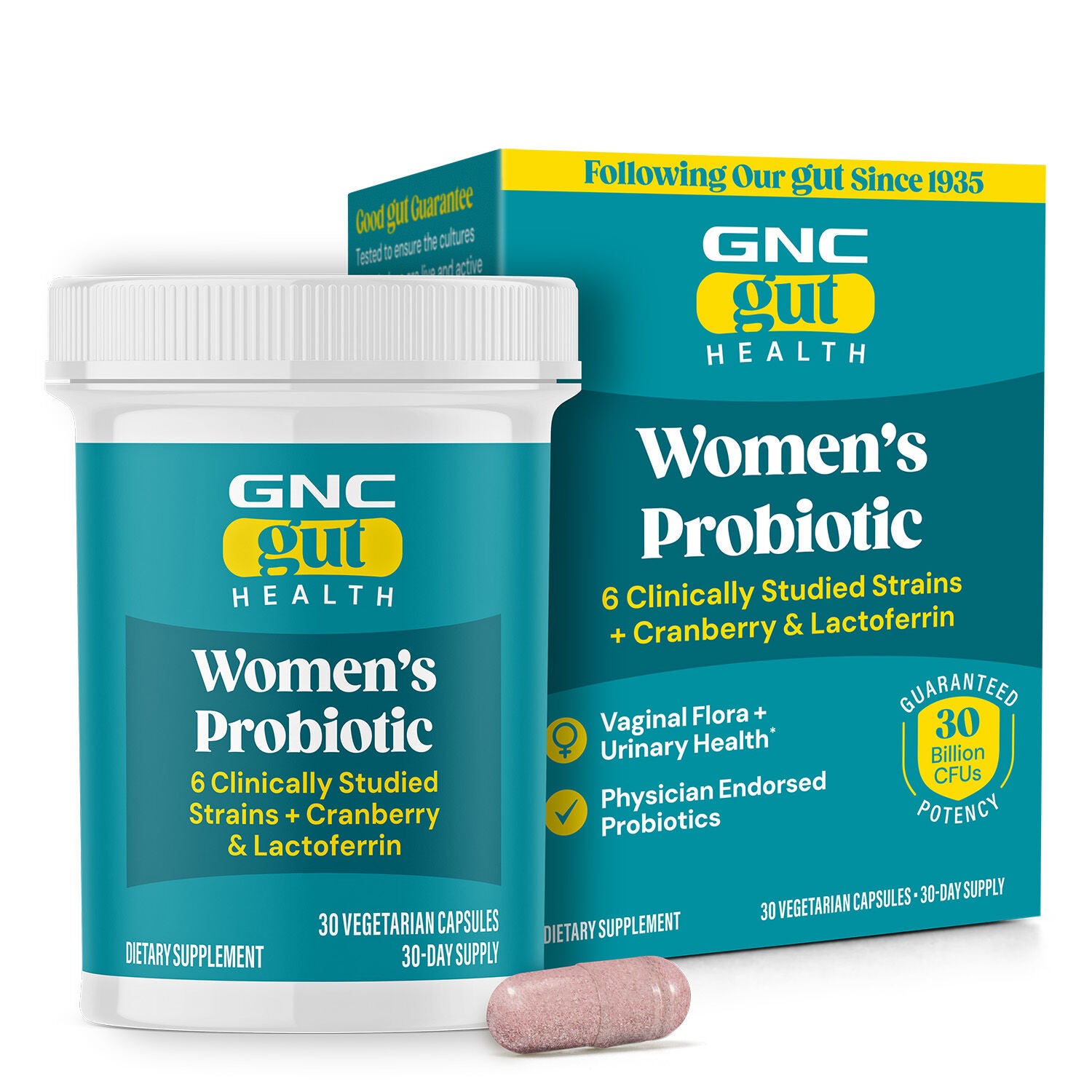 $36.99
-
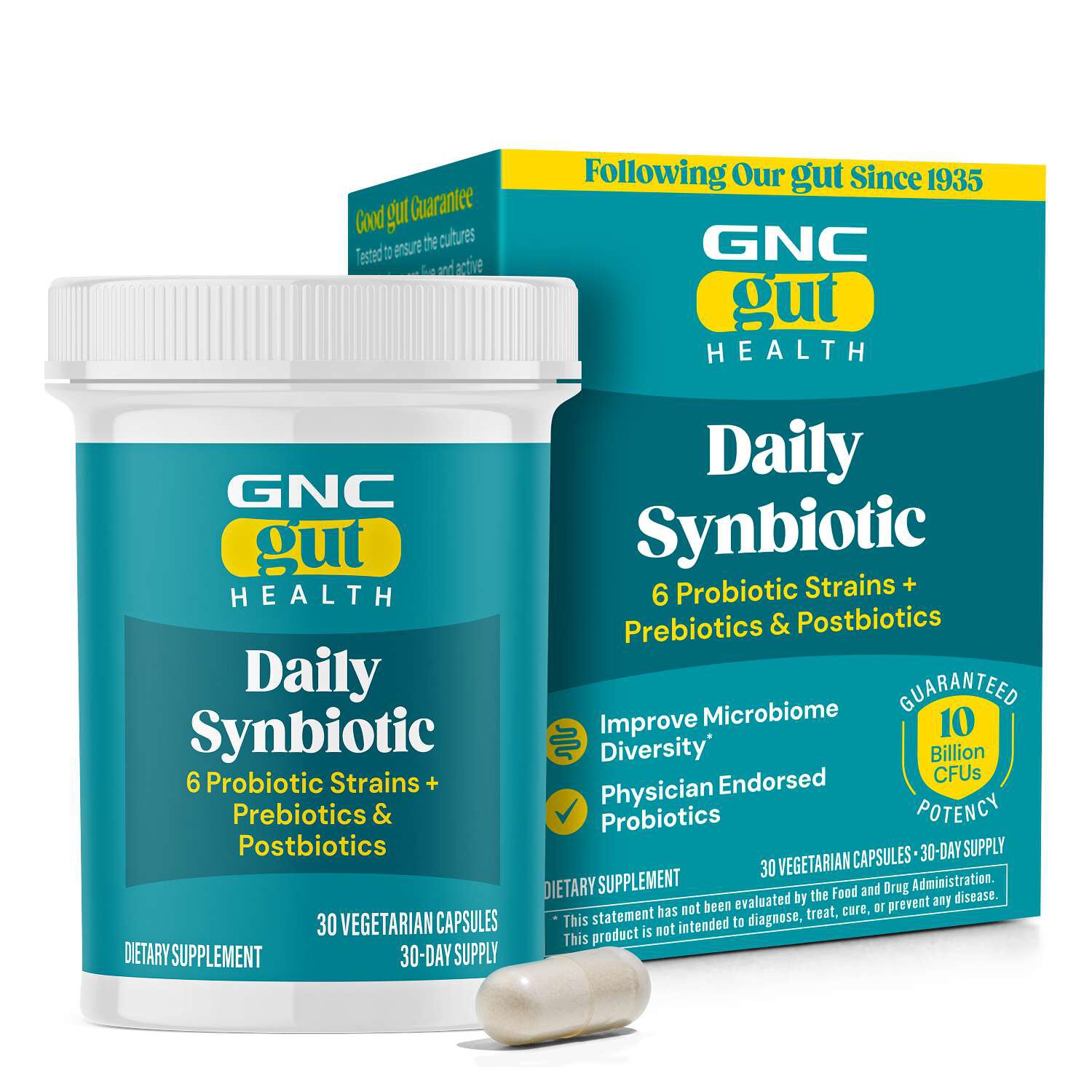 $14.97
-
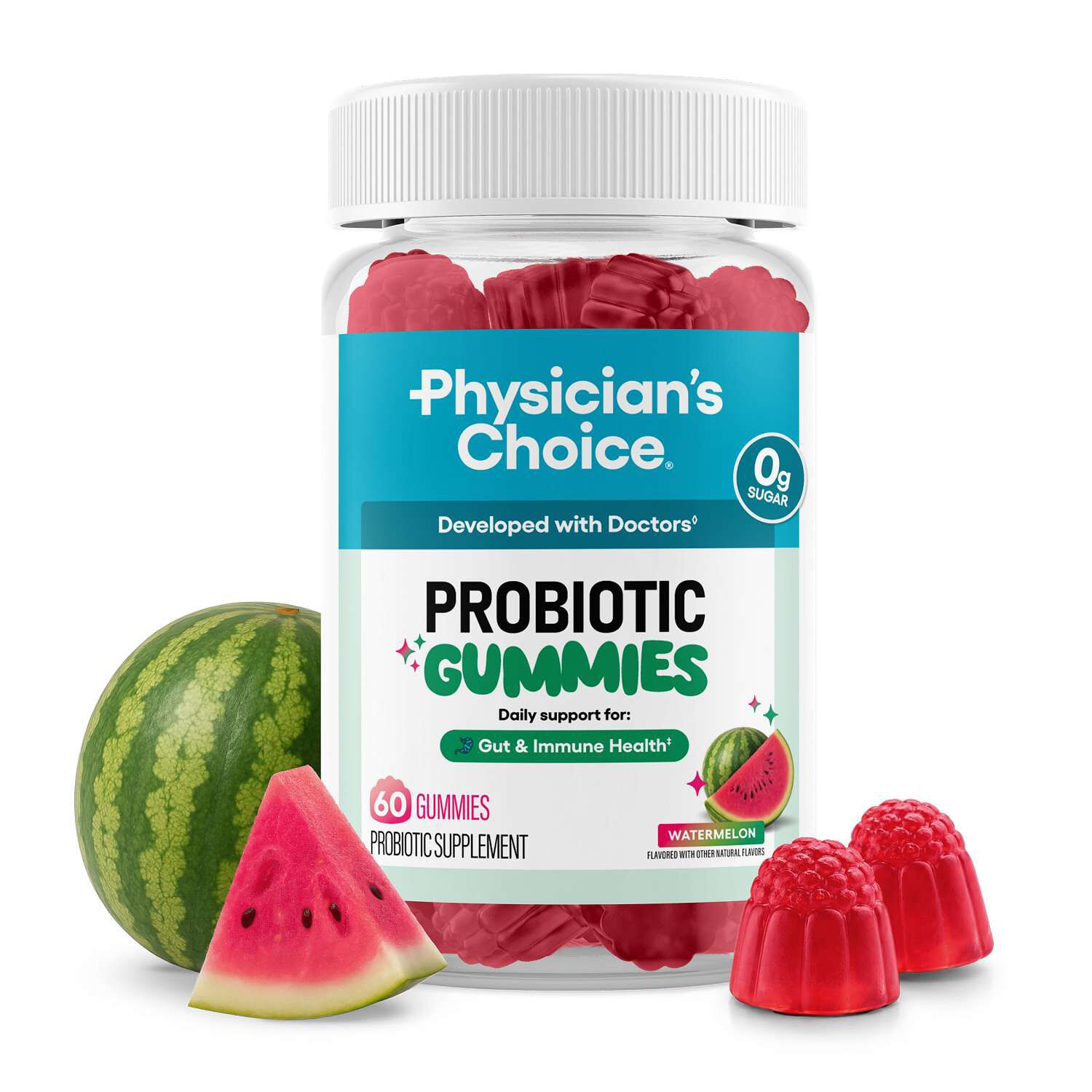
-

-
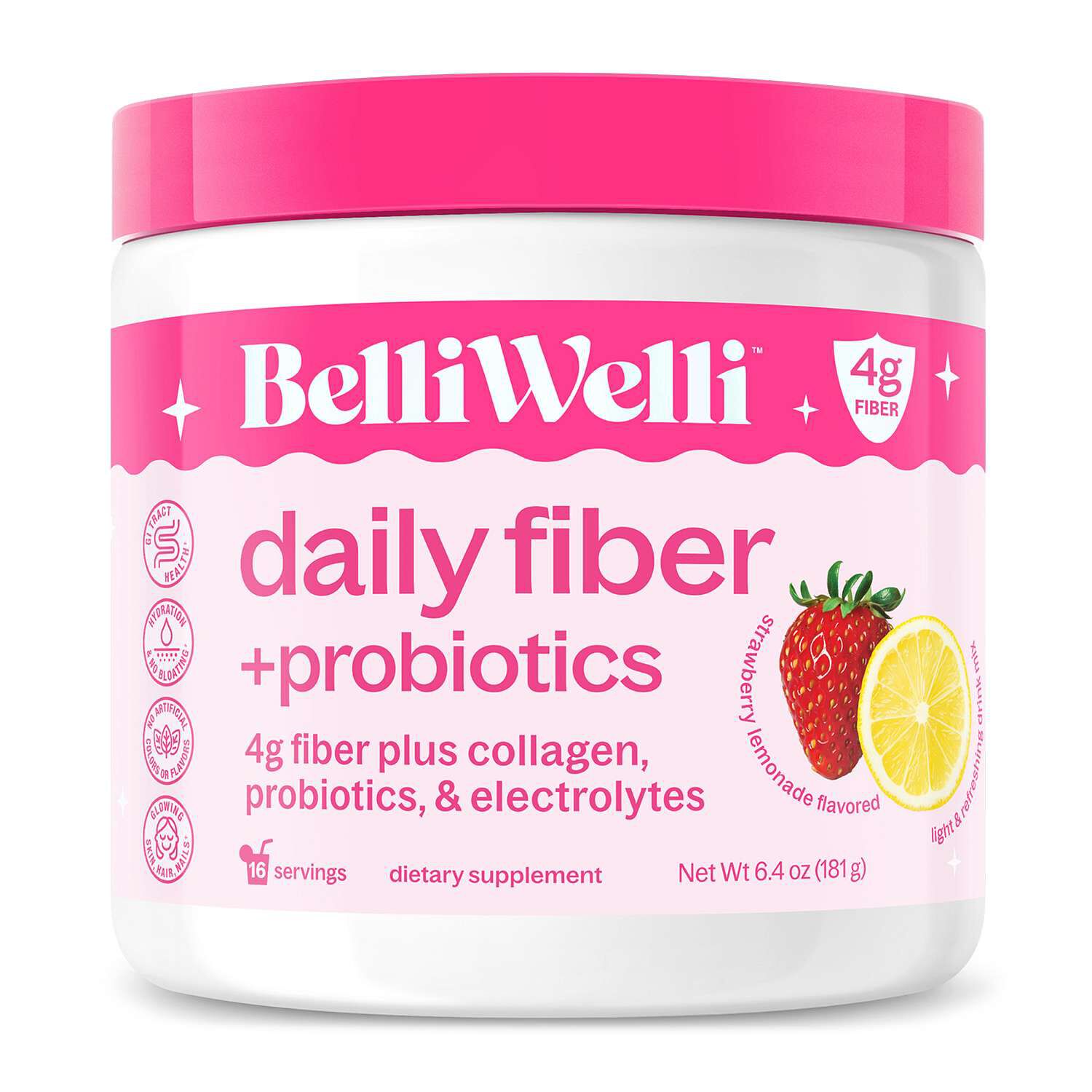 $17.97
-
 $29.99
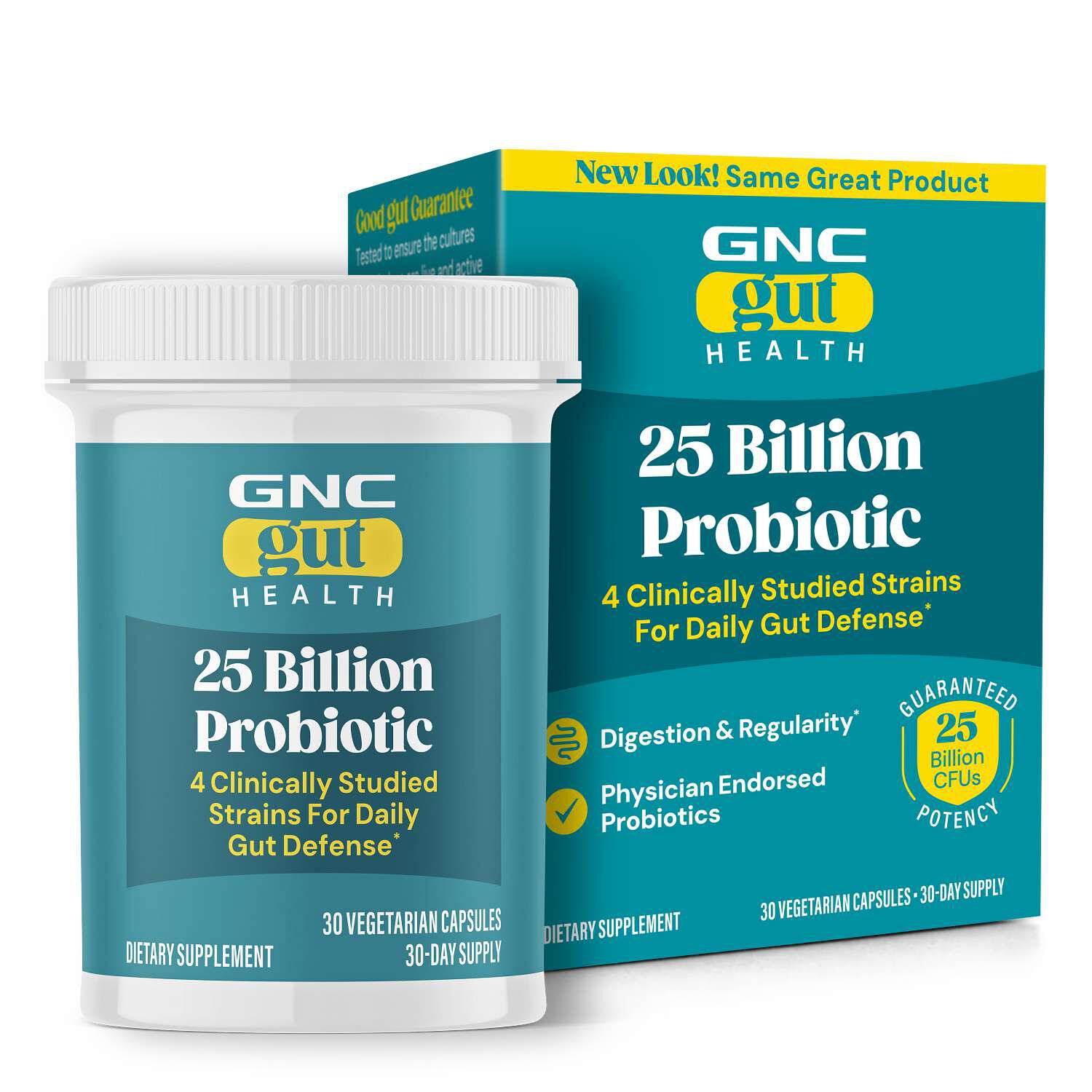
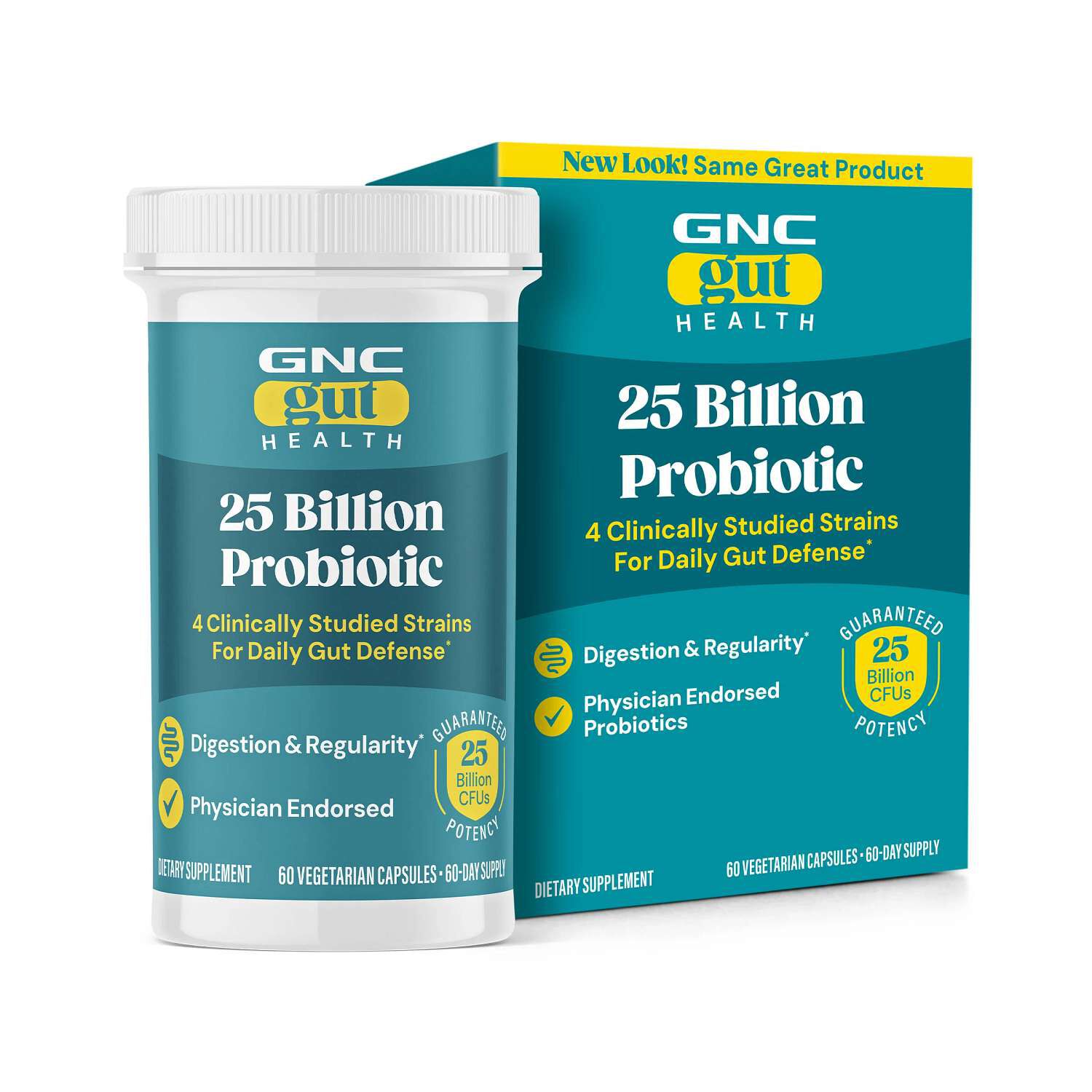
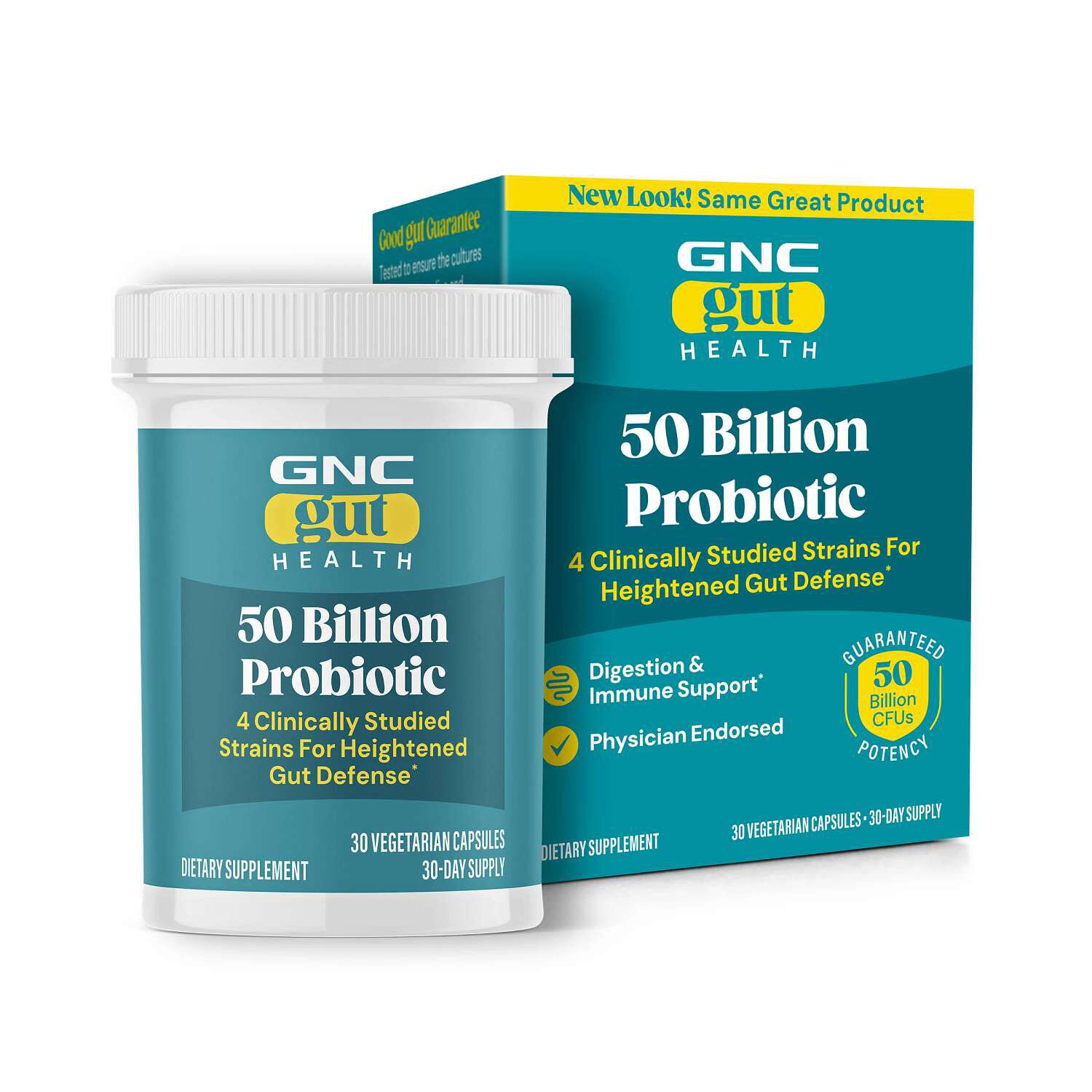


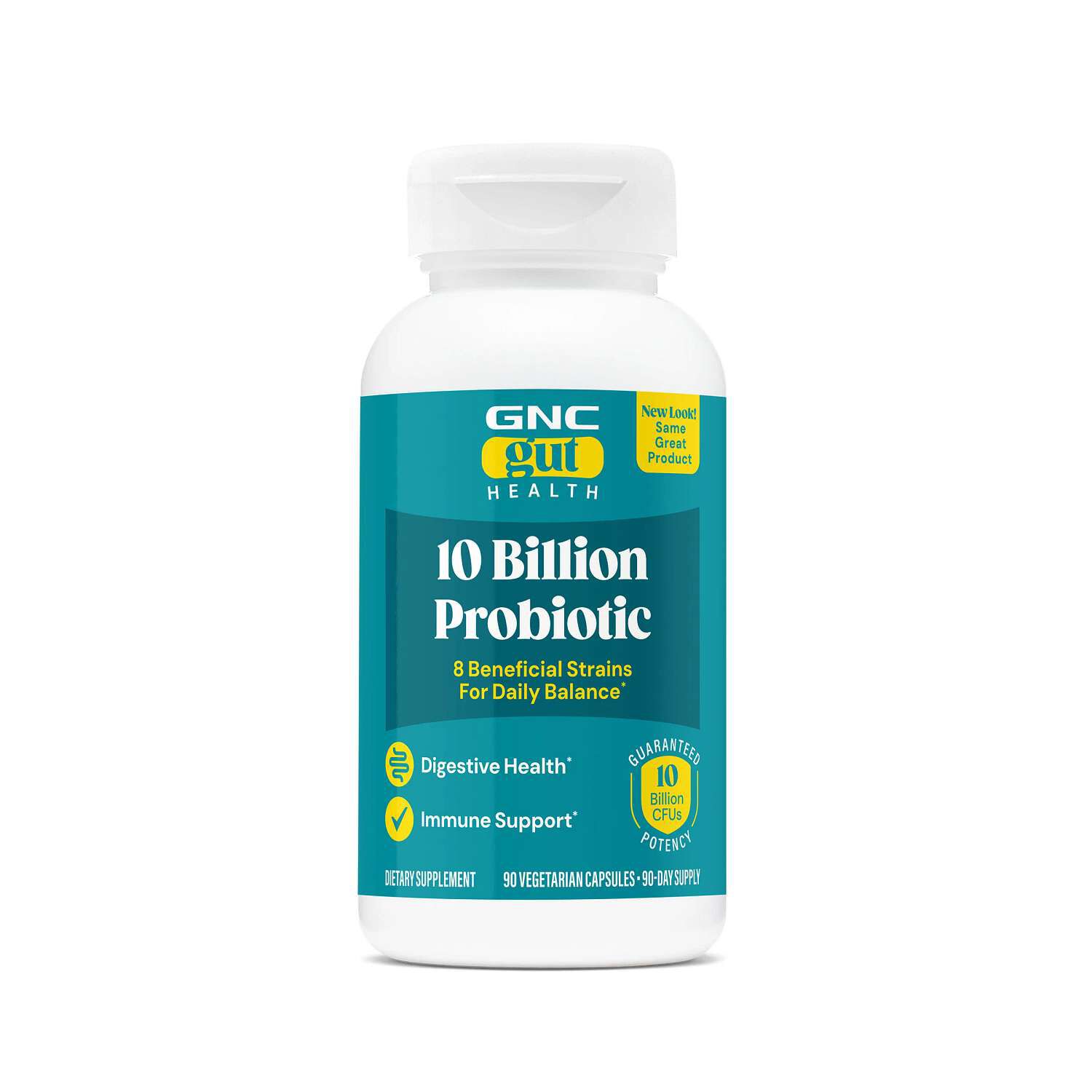
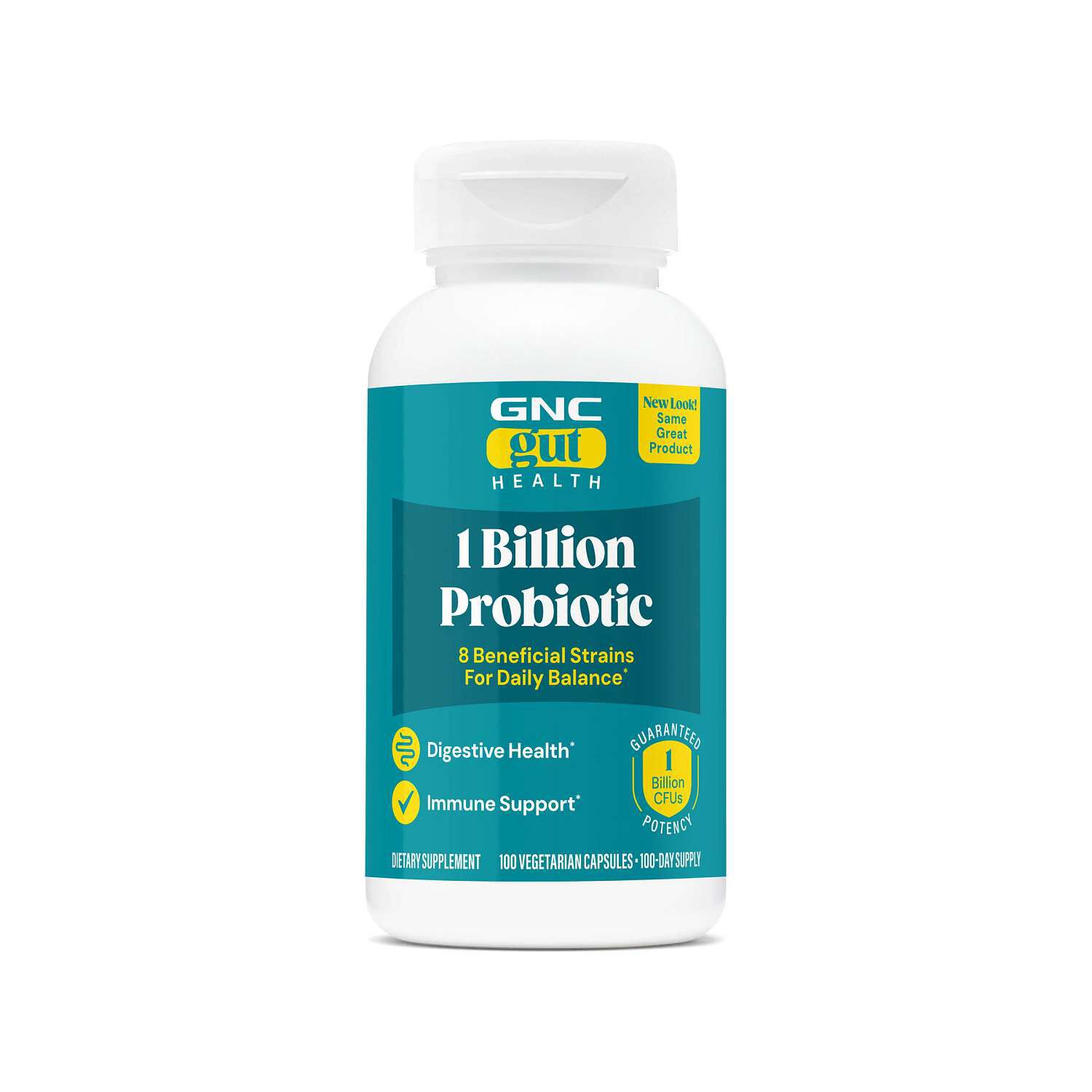

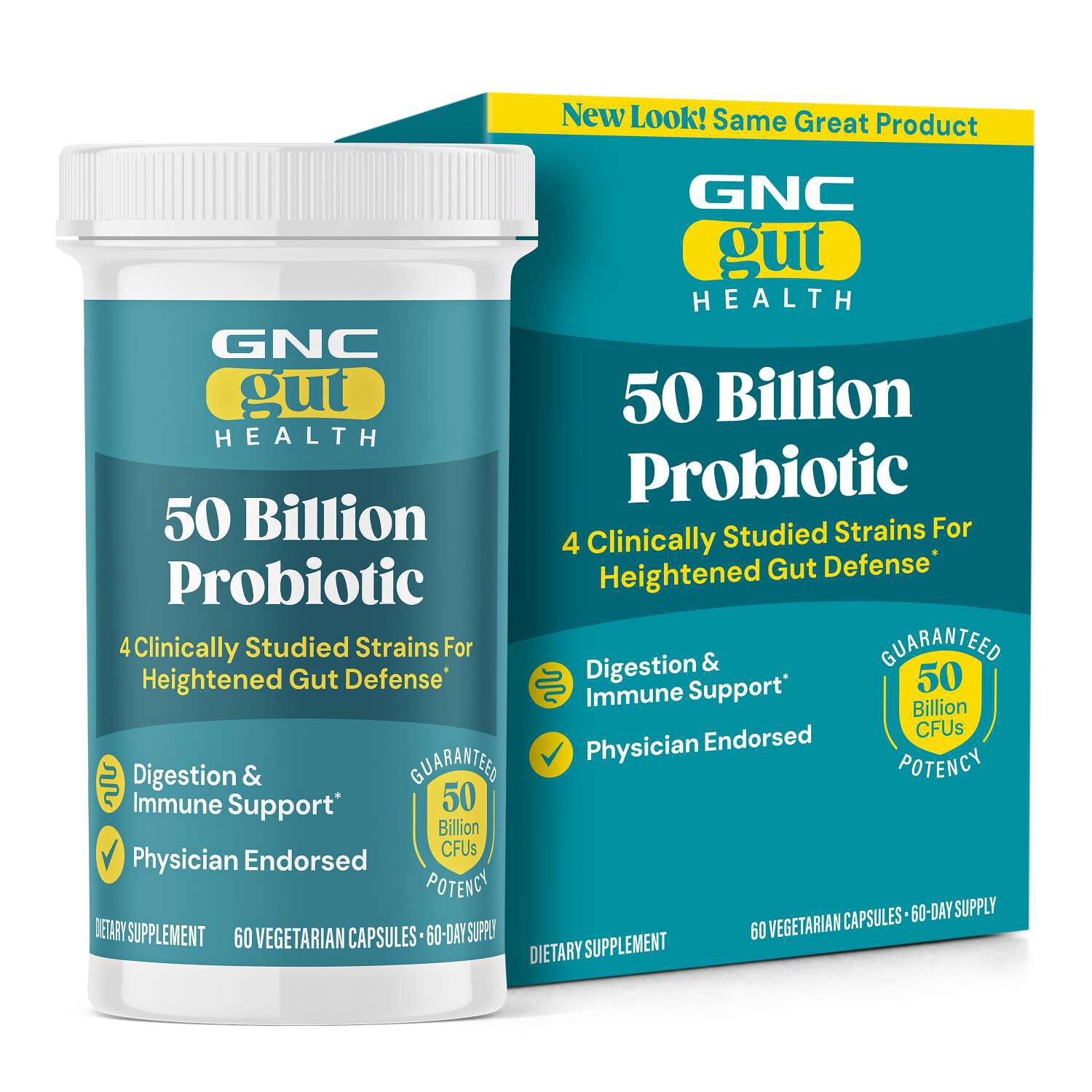
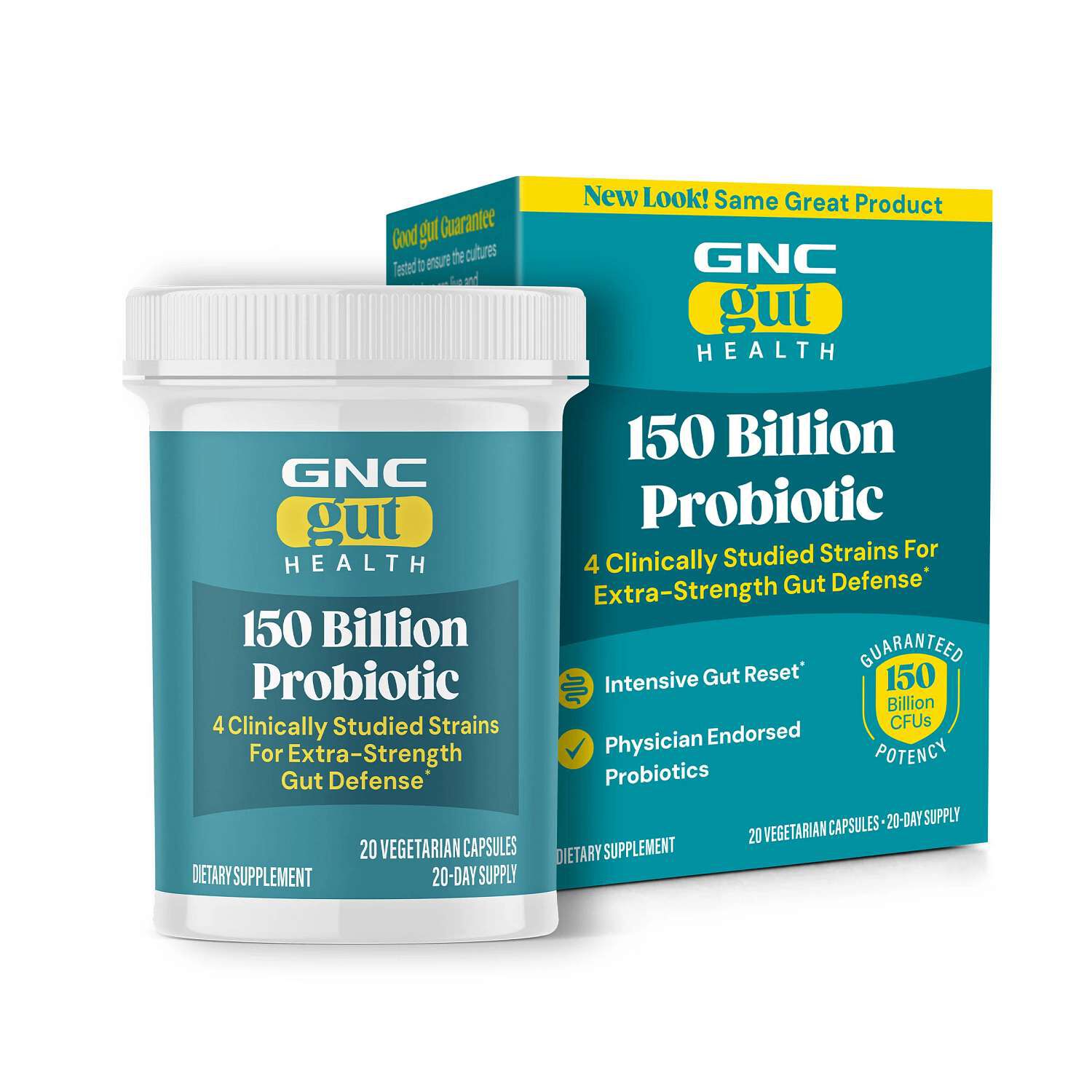

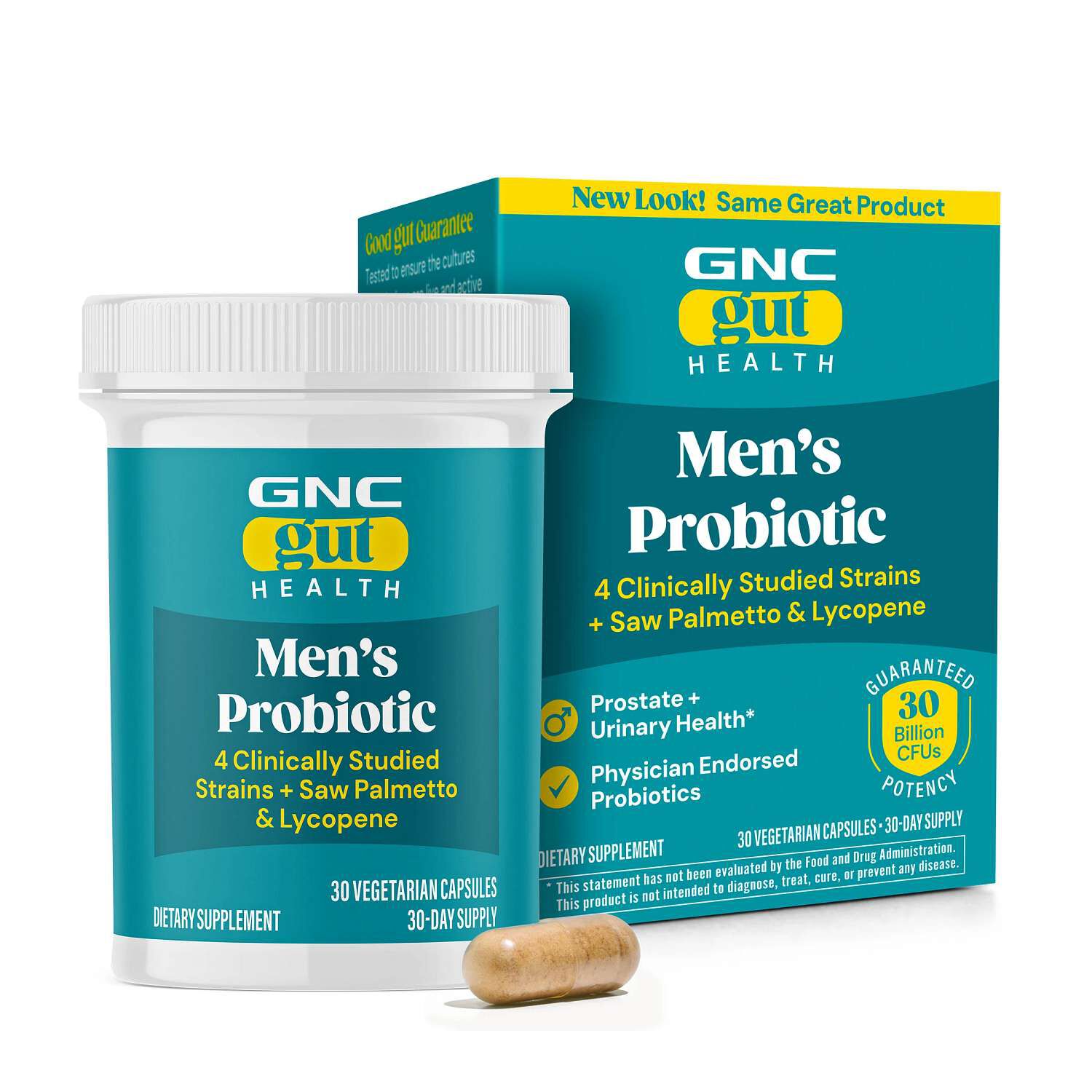
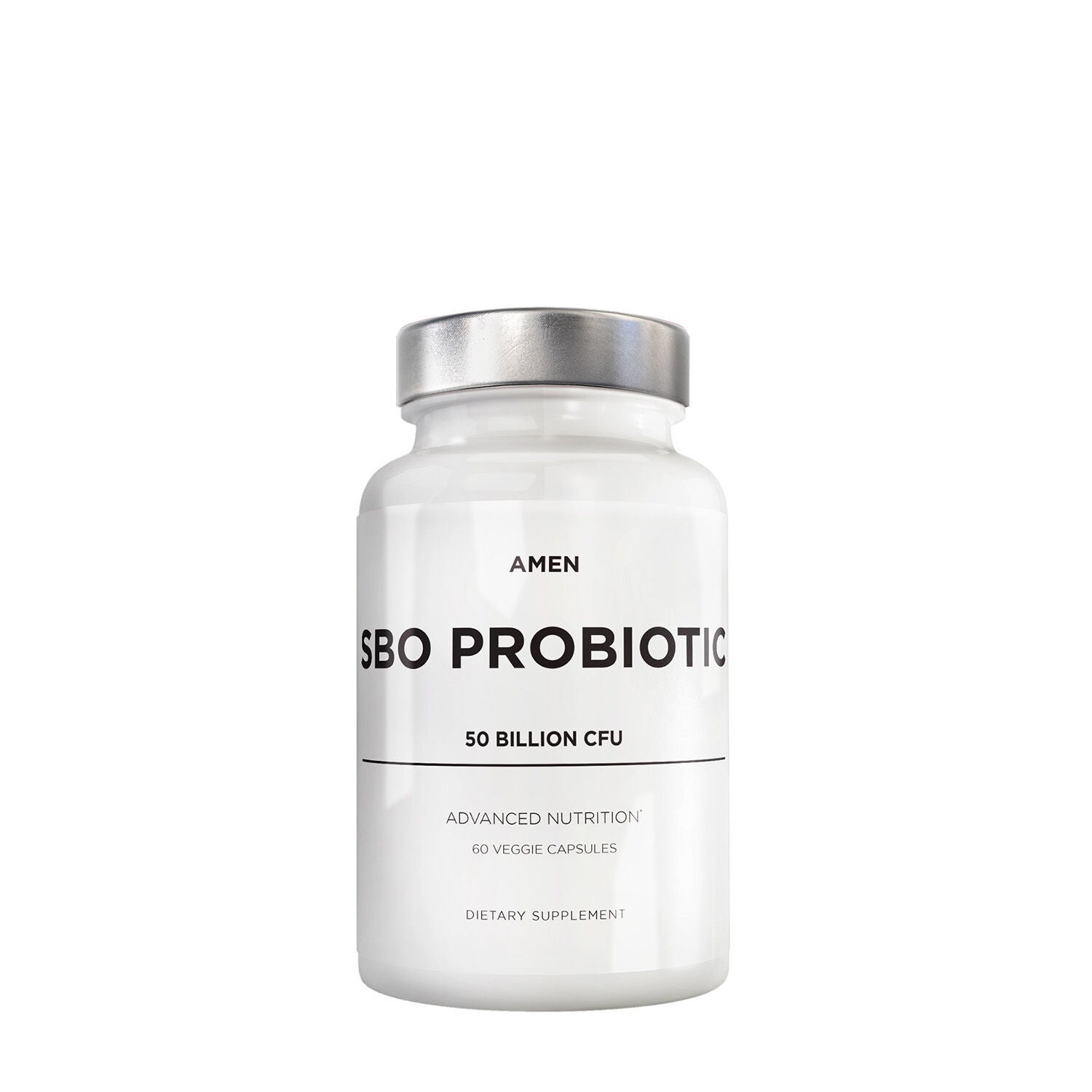

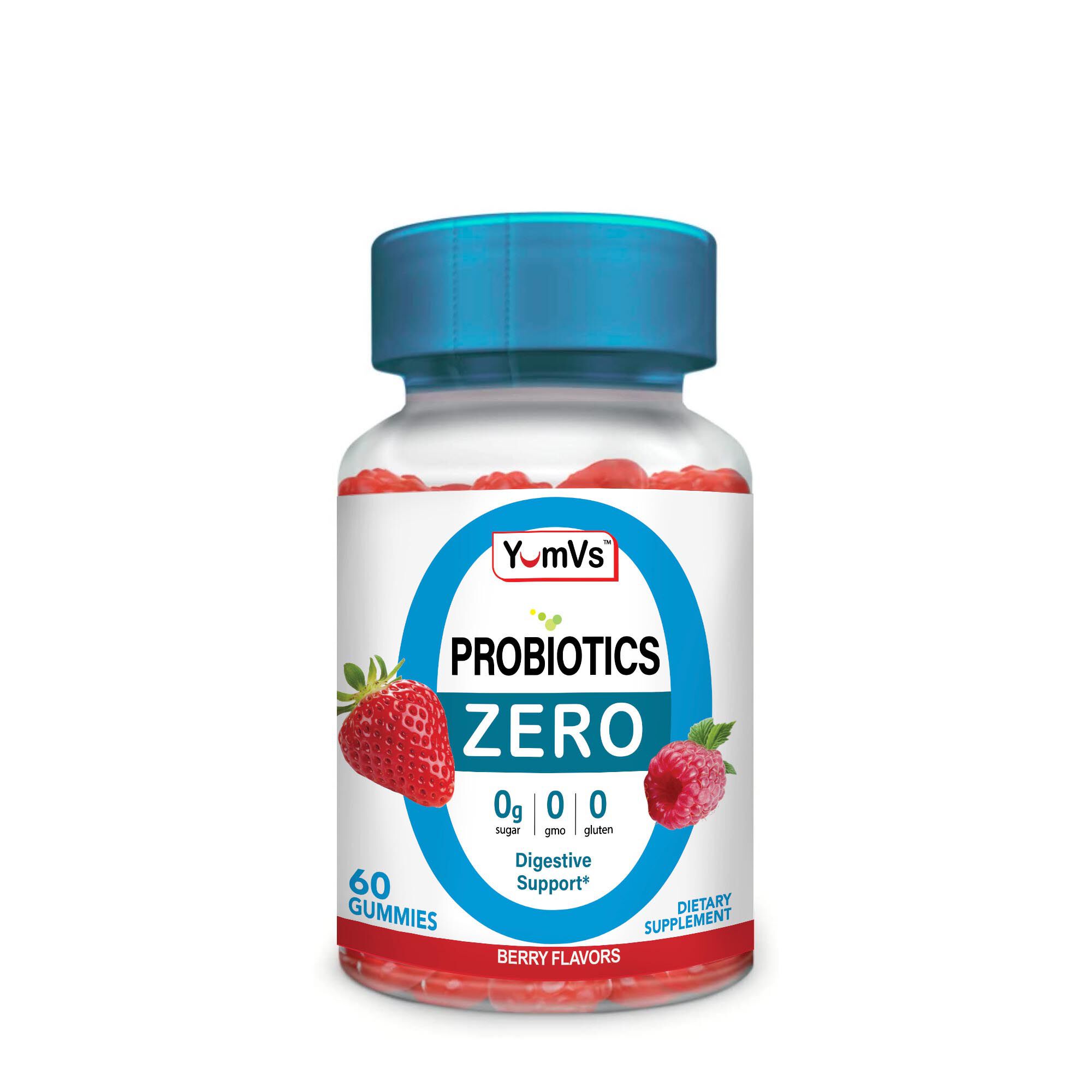
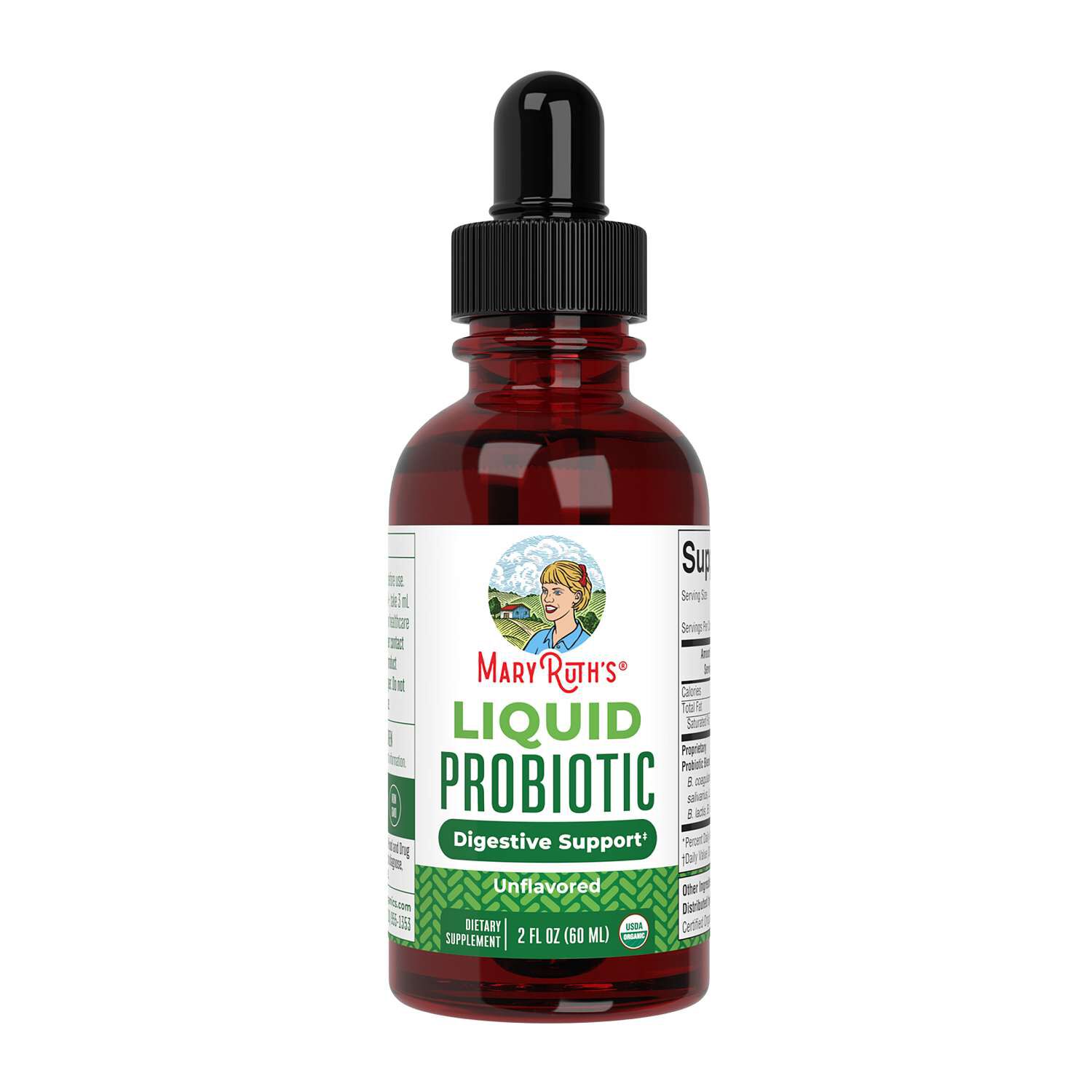
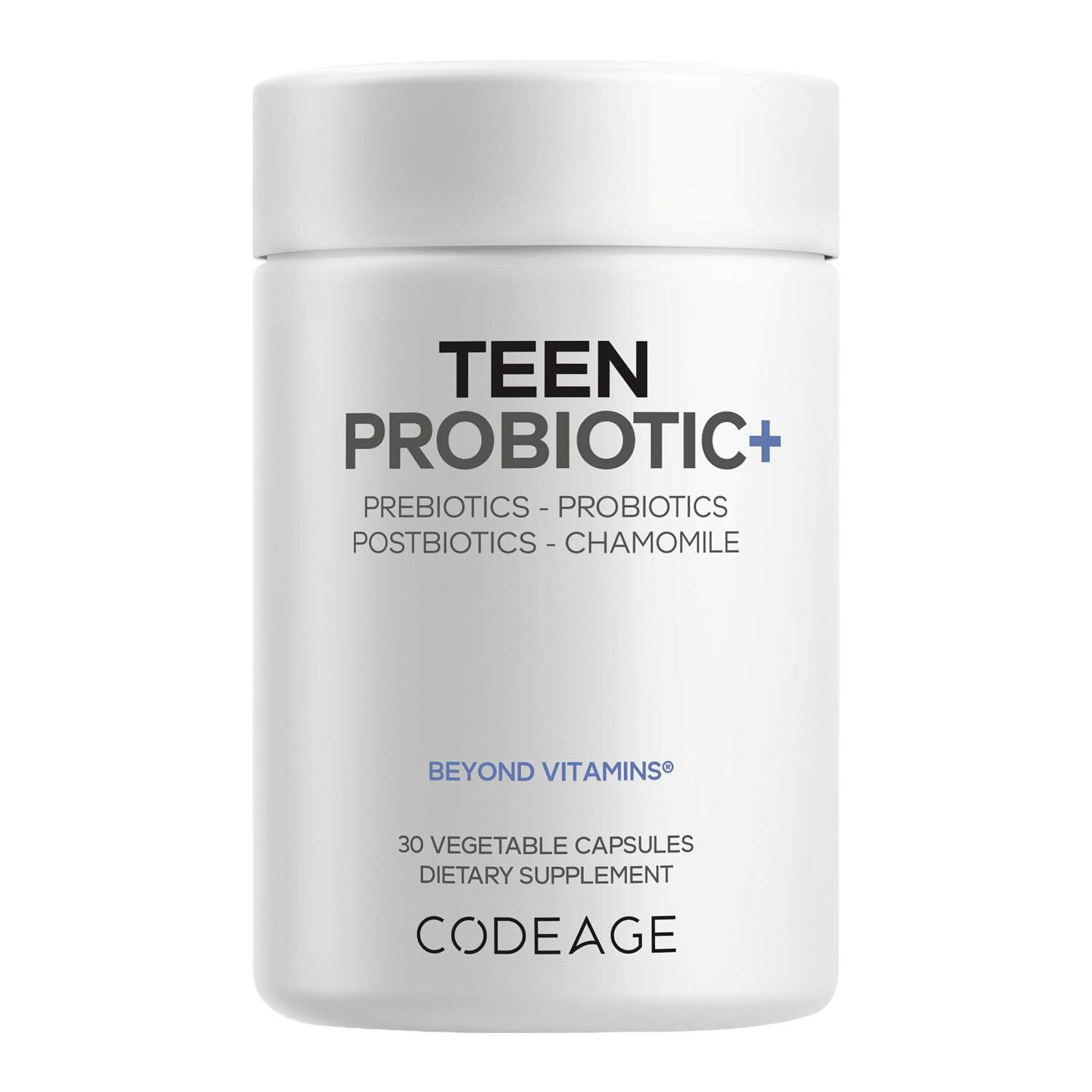
Probiotics with no artificial flavors are supplements made without artificial flavoring ingredients, with formats that include capsules, powders, chewables, and gummies. Some are unflavored, while others use naturally sourced flavoring ingredients. That distinction matters: no artificial flavors does not necessarily mean no flavor, no sweeteners, or no added colors. A fruit-flavored gummy can fit this preference without tasting neutral, and an unflavored powder can still have a mild taste from its ingredients. The ingredient list provides a clearer picture than flavor wording alone, especially when comparing a straightforward capsule with a chewable containing fruit ingredients, sweeteners, and other components. Probiotic supplements contain live microorganisms, and their formulas differ in the microorganisms included, the serving size, and the way they are packaged. For someone who prefers not to add another flavored food or drink to a daily routine, capsules offer a format that does not require mixing. For someone who prefers a supplement that can be measured and stirred into an appropriate food or beverage, a powder presents a different approach. Chewables and gummies bring taste and texture into the decision, making the source of their flavoring particularly relevant. A berry-flavored chewable and an unflavored capsule may share the same no-artificial-flavors attribute while differing in nearly every other practical detail. The distinction is especially noticeable at breakfast: one format involves a capsule taken according to its directions, while another involves measuring powder into a food the label permits. Neither format is automatically the better match simply because of its flavor description. Comparing the serving instructions, ingredient list, and packaging makes it easier to understand what each format involves before making it part of a routine. The most useful comparison starts with the desired flavor profile, then looks beyond taste to the formula itself.
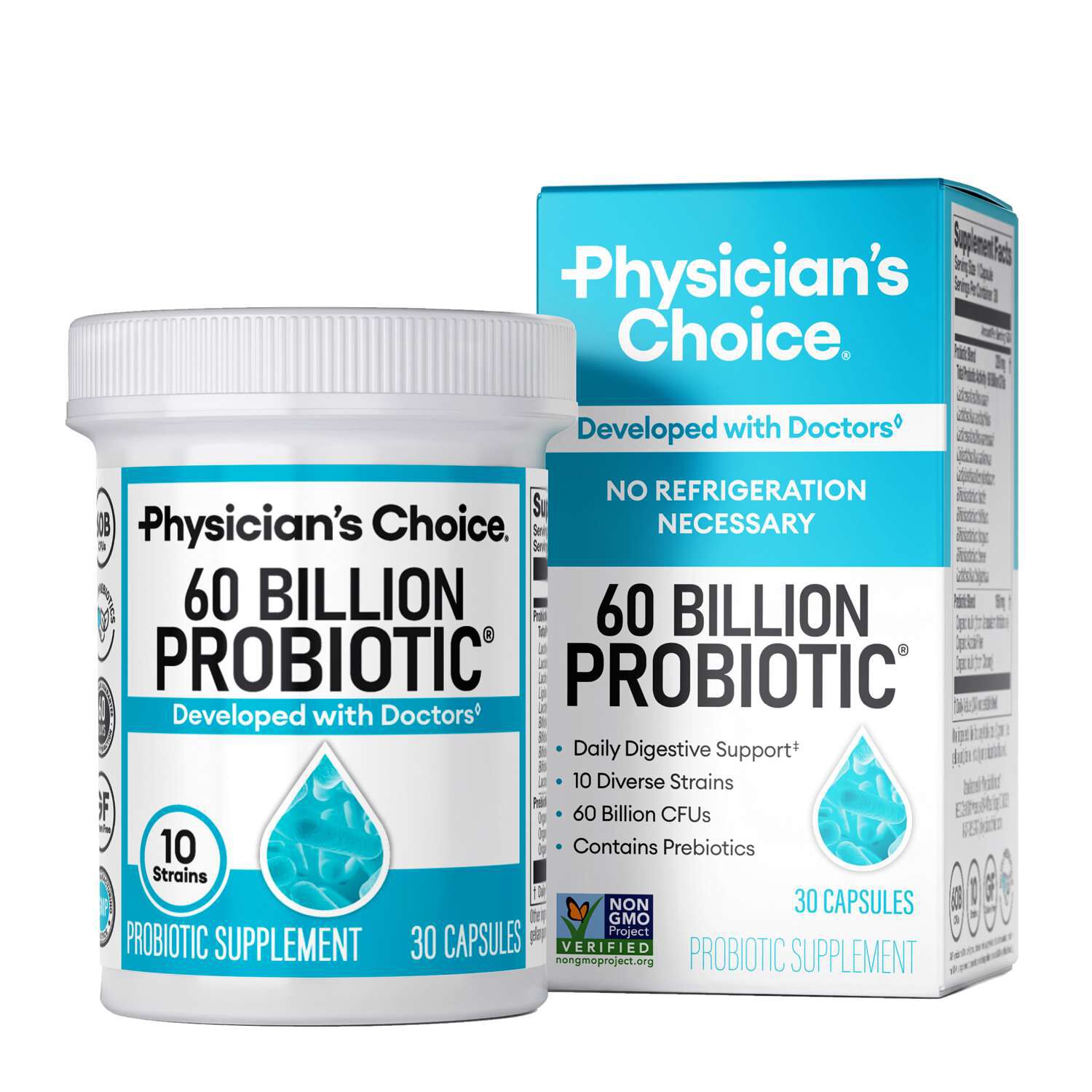
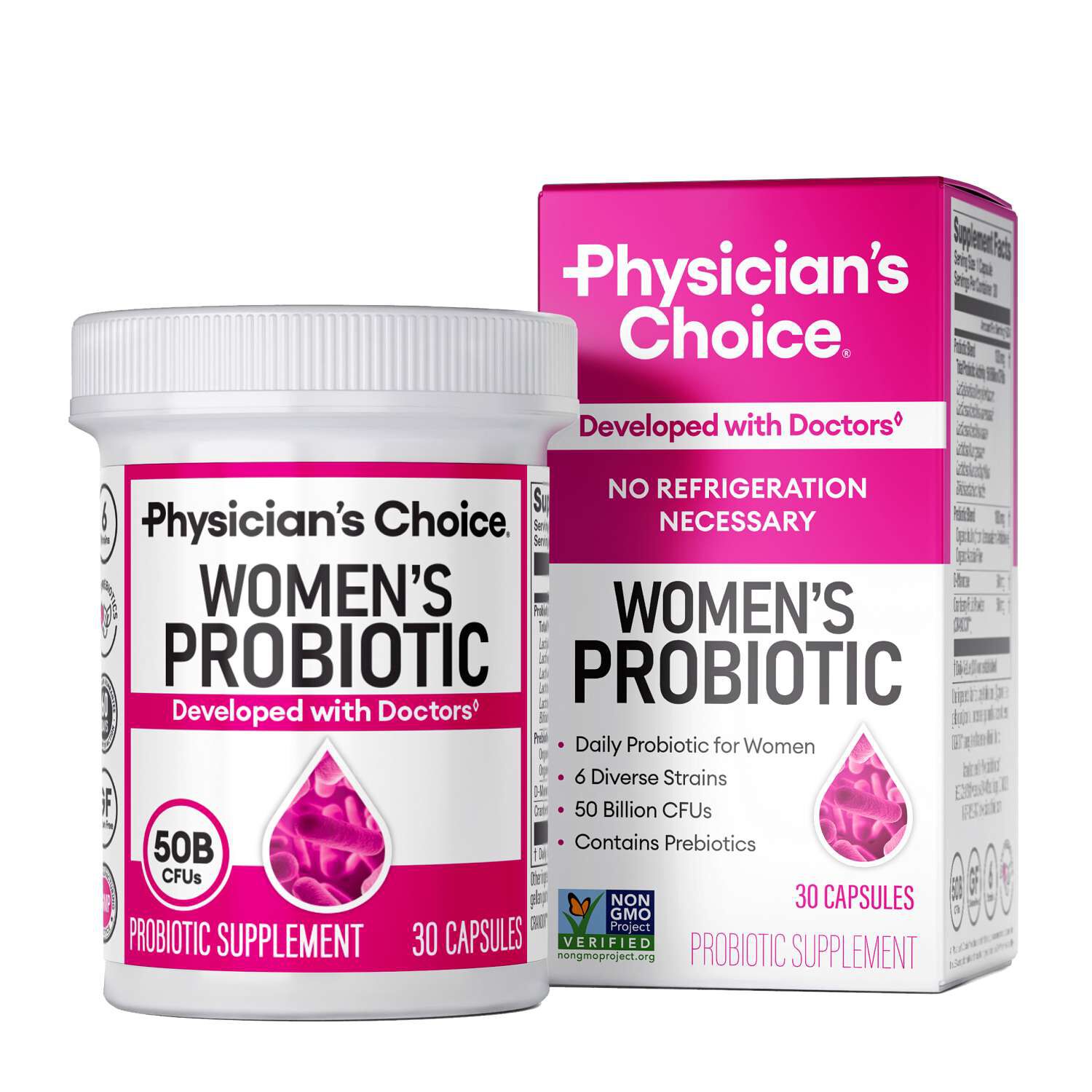
The details on a probiotic label help distinguish formulas that might otherwise look similar. Names can identify a microorganism’s genus, species, and strain, giving a more precise description than the word “probiotic” by itself. Two formulas can contain different strains even when their front labels use similar language. Colony-forming units, often abbreviated as CFU, describe a count of viable microorganisms; they are not a flavor measurement, and a larger number alone does not explain how two formulas compare. Check whether the stated count applies at manufacture or through the labeled expiration date, and read it alongside the serving size. A count listed for a serving of two capsules is not the same as that count per capsule. Powders deserve the same attention because a scoop, packet, and serving are not interchangeable terms. Other ingredients also shape the shopping decision. Capsule shells may be made with gelatin or plant-derived materials, while gummies and chewables can contain sweeteners, fruit concentrates, starches, or gelling ingredients. An unflavored powder may include ingredients besides the probiotic microorganisms, so the absence of artificial flavoring should not be treated as a description of the entire formula. Some blends include fiber or ingredients described as prebiotics; those additions are separate features worth noting rather than assumptions to make about every probiotic. Allergen statements and dietary suitability information matter independently of flavor, particularly for households that already read food labels closely. Likewise, a no-artificial-flavors statement does not establish that a formula is suitable for every age group. The intended user and labeled directions remain important parts of the comparison. An adult choosing a supplement for a personal routine will have different packaging and serving considerations than a caregiver reviewing a formula labeled for children. Looking at these details together creates a more grounded comparison than relying on the front label, the flavor name, or a single prominent number.
Storage and everyday handling are also part of choosing probiotics with no artificial flavors. Follow the package directions for refrigeration, moisture protection, and use after opening, since those instructions can vary between formulas. Keep the original container and its label so the serving directions, expiration date, and storage information remain close at hand. A bottle with a tightly secured lid has different handling needs from individually sealed packets, and a powder used at home involves different practical considerations from a capsule bottle packed for an overnight stay. For powders, use the measuring tool specified on the label and follow any directions about which foods or drinks are suitable for mixing. A packet intended for one serving should not be assumed to match the scoop size of another formula. For capsules, look at the size and number required per serving rather than judging the routine from the bottle’s appearance. For gummies and chewables, consider the labeled serving count, texture, and flavor ingredients without treating their resemblance to a snack as a serving cue. These small details become more noticeable in ordinary moments: packing a lunch bag, clearing space beside breakfast dishes, or checking a label before an overnight trip. Someone sharing a kitchen may prefer clearly labeled personal storage, while someone with a tightly organized morning may prioritize a format with fewer preparation steps. Comparing serving counts also helps show how often a container would need to be replaced when used as directed, without confusing the number of capsules or gummies with the number of servings. Shoppers applying the same flavor preference elsewhere can also explore Biotin Supplements With No Artificial Flavors, a separate supplement category with its own ingredients and directions. Across categories, flavor wording describes one attribute, not every characteristic of a supplement. For probiotics, a thoughtful choice brings that preference together with strain information, serving instructions, dietary considerations, and storage needs, keeping the focus on a format that fits the intended user’s everyday habits.
Best Sellers
-
Physician's Choice
Related Pages

Top Collections
- Joint Mobility Supplement Packs
- Daily Collagen Supplements | Top Brands & Deals | GNC
- GLP 1 Support For Adults
- Zinc Supplements | Top Brands at Great Prices | GNC
- Supplements For Yoga Joint Flexibility
- Supplements For Balance
- Capsule Supplements For Energy And Stamina
- Adult Mobility Supplements
- Chronic Fatigue Supplements
- Vitamins For Hair Loss