





Proline Supplements
(0 Results)
Proline supplements could be a convenient addition to your wellness routine for those looking to support their nutritional goals. As an amino acid, proline is a building block of protein that plays a role in the structure of various tissues in the body. Explore a range of proline supplements that may fit into your daily regimen and align with your lifestyle needs. Whether you’re focused on fitness or general well-being, discover options that might complement your dietary preferences.
-

-

-
-

-
-

-
-

-

-
-

-
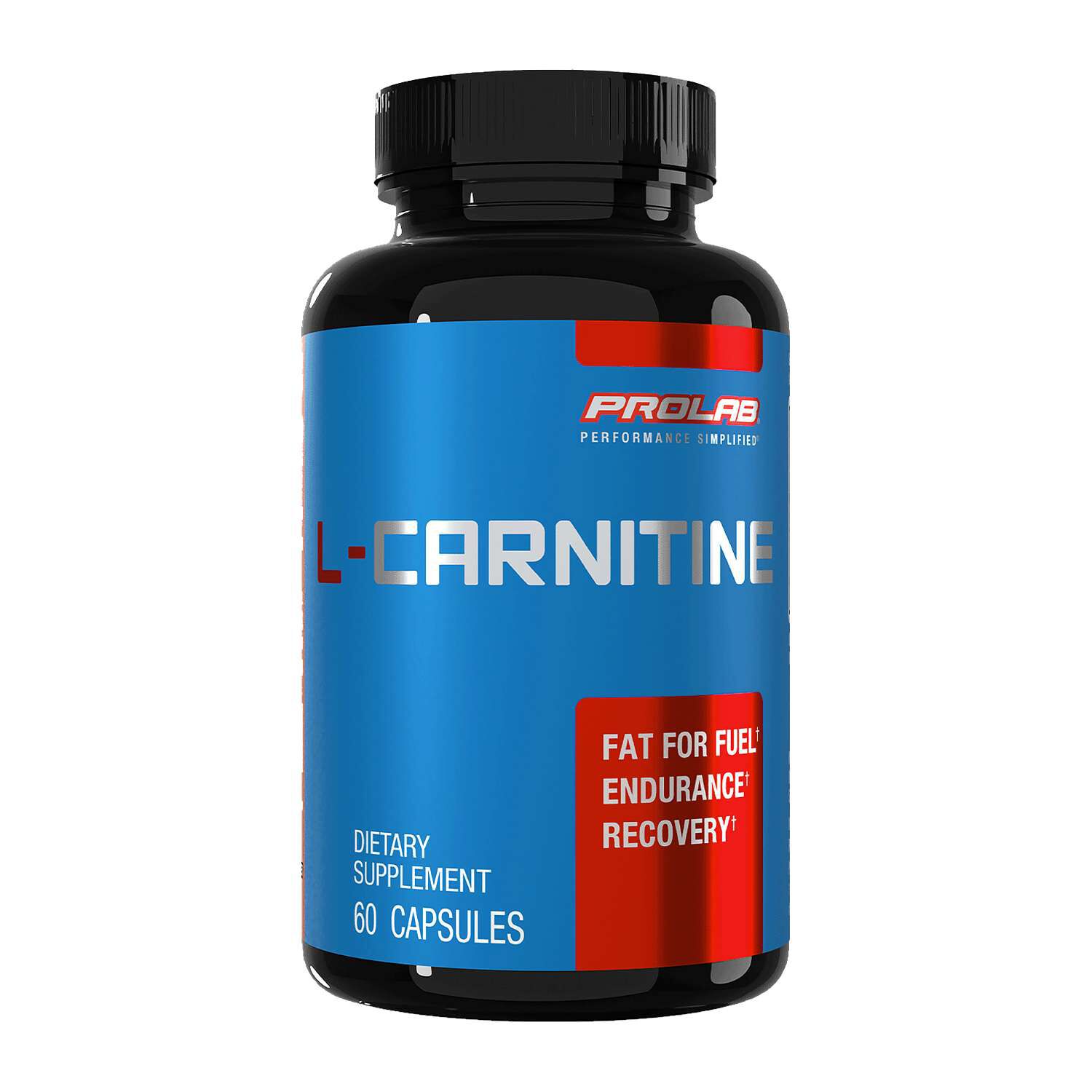 $19.99
-
 $39.99
-
 $39.99
-
 Prolab$39.99
-
 $49.99

Proline supplements contain proline, an amino acid commonly identified on supplement labels as L-proline. Amino acids are building blocks of proteins, and proline is part of the structure of collagen, a protein found in skin, cartilage, tendons, ligaments, and other connective tissues. The body can make proline, and dietary proteins also supply it through foods such as meat, fish, eggs, dairy, soy, and beans. This distinguishes proline from amino acids that must come from food because the body cannot produce them. Interest in proline supplements often begins with collagen nutrition, but an individual amino acid and a collagen supplement are different categories. L-proline supplies a particular amino acid, while collagen contains a mixture of amino acids within protein chains or smaller fragments. Hydroxyproline, another name that appears in discussions of collagen, is a modified form of proline found in collagen’s structure; the two terms are related but are not interchangeable ingredient names. Proline’s distinctive ring-shaped molecular structure also sets it apart from many other amino acids and contributes to the way it fits into proteins. These biological connections explain why proline appears in conversations about connective tissue nutrition, without establishing that taking additional proline produces a particular physical result. A proline supplement may fit a nutrition routine centered on individual amino acids, but its role is different from that of a protein powder used to contribute a broader mixture of amino acids to the diet. Familiarity with collagen ingredients may also lead shoppers to this category, especially when comparing a focused formula with a blend containing several nutrients. The useful distinction is what the formula actually contains: a measured amount of L-proline, a combination of amino acids, or a more varied supplement with additional ingredients. That ingredient-level perspective keeps the category grounded in its composition rather than assumptions based on collagen imagery or front-label language.
Proline supplement formats can include capsules, tablets, and powders, with differences in serving size, supporting ingredients, and preparation. Capsules and tablets contain measured portions, although one serving may consist of more than one capsule or tablet. The amount listed in the Supplement Facts panel therefore needs to be read alongside the serving size; a bottle’s capsule count and the number of servings describe different things. Powder formats involve measuring a portion, and the label may express that portion by weight as well as by a supplied scoop. Scoop dimensions are not standardized across supplements, so a scoop from another container does not necessarily represent the same amount. For someone who prefers a short ingredient list, a single-ingredient powder may be appealing, while a capsule may suit a routine that does not involve mixing. Neither format alone establishes ingredient quality or suitability. Capsule shells can be made from gelatin or plant-derived materials, and tablets may contain binders or coatings. Powder formulas may also contain flavorings, sweeteners, or other ingredients, making the full ingredient list relevant even when the front label emphasizes L-proline. Dietary preferences, ingredient sensitivities, and the texture or taste of a preparation can all influence the practical fit. An unflavored powder is not necessarily tasteless, and its behavior in a drink can vary with the formula and the label’s preparation directions. Packaging and storage matter as well: a tightly closed container, the original label, and storage consistent with the package directions help keep the product identifiable and properly handled. Moisture exposure is particularly relevant to powders, while capsules and tablets also have labeled storage requirements. Package seals, serving instructions, date markings, and any stated testing information provide additional context about the product. Independent testing, where specified, may address ingredient identity or particular quality criteria, but the scope depends on the testing program. These details offer more useful points of comparison than the container’s size or the prominence of a number on the front.
Proline also appears in formulas alongside L-lysine, vitamin C, or other amino acids, reflecting the wider nutritional context in which collagen is discussed. Those combinations differ from standalone L-proline because each included ingredient has its own listed amount and formulation purpose. A blend’s overall weight does not reveal how much proline it contains, and a formula with several ingredients is not automatically a closer match for every shopper. The distinction becomes especially relevant for someone who already uses a multivitamin, protein powder, or another amino acid supplement, since overlapping ingredients can make the combined routine less straightforward to understand. A clearly organized Supplement Facts panel makes those overlaps easier to recognize without relying on the product name alone. Related categories such as Peptide Supplements provide another point of comparison: peptides are short chains of amino acids, whereas standalone L-proline is an individual amino acid. A peptide formula’s serving weight should not be read as an equivalent amount of proline unless the label specifically supplies that information. For shoppers who strength train, enjoy recreational sports, or simply take an interest in protein nutrition, these differences may matter more than whether the packaging uses athletic imagery. The practical questions are often ordinary ones: whether a capsule format fits a breakfast routine, whether a powder requires preparation at the kitchen counter, and whether the serving information is easy to follow consistently. Intended use remains tied to the individual formula and its labeling rather than to a presumed result shared by every product in the category. Proline’s presence in connective tissue proteins is useful background, but that fact alone does not show how an additional serving will affect a person’s appearance, workout experience, or physical performance. A well-rounded view of proline supplements therefore brings together the amino acid’s biological context, the amount identified per serving, the other ingredients present, and the practical details of the format. Those distinctions may help shoppers find an option that aligns with their preferences while keeping expectations connected to what the label actually describes.
- Q: What is proline and why is it important?
A: Proline is an amino acid that plays a key role in the production of collagen, which supports healthy skin, joints, and connective tissues. - Q: Who might consider taking proline supplements?
A: Individuals looking to support joint health, athletes involved in intense physical activity, or those seeking to promote healthy skin and connective tissue may consider proline supplements as part of their wellness routine. - Q: How can proline supplements be incorporated into a daily routine?
A: Proline supplements are typically available in capsule or powder form and can be taken with water or added to smoothies as part of your daily supplement regimen. - Q: Are there natural food sources of proline?
A: Yes, proline is found naturally in protein-rich foods such as eggs, dairy products, meat, fish, and certain plant-based sources like soybeans and legumes. - Q: Can proline supplements be combined with other amino acids?
A: Proline supplements are often used alongside other amino acids like glycine and lysine to further support collagen synthesis and overall connective tissue health.
Best Sellers

Related Pages


Top Collections
- Joint Mobility Supplement Packs
- Daily Collagen Supplements | Top Brands & Deals | GNC
- GLP 1 Support For Adults
- Zinc Supplements | Top Brands at Great Prices | GNC
- Supplements For Yoga Joint Flexibility
- Supplements For Balance
- Capsule Supplements For Energy And Stamina
- Adult Mobility Supplements
- Chronic Fatigue Supplements
- Vitamins For Hair Loss