Protein For Swimmers
(0 Results)
Protein for swimmers is a popular choice for those who spend time in the pool and are looking to support their active lifestyle. Swimmers often seek out protein options to help them meet their daily nutrition goals and maintain a balanced diet. With a variety of formats and flavors available, finding the right protein for swimmers could make it easier to incorporate into your routine before or after swim sessions. Explore a wide selection designed to fit different preferences and routines, so you can discover what works best for your needs.

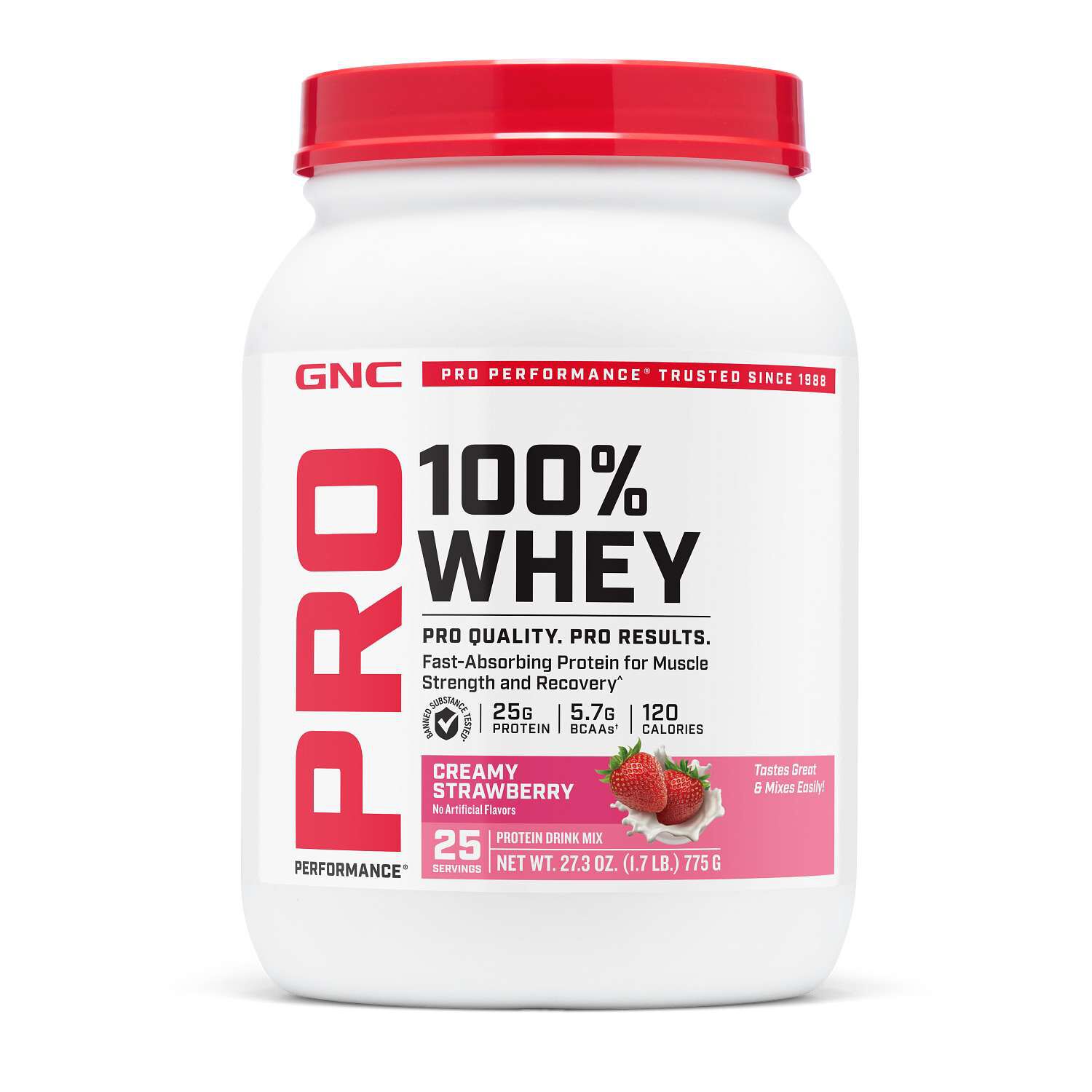
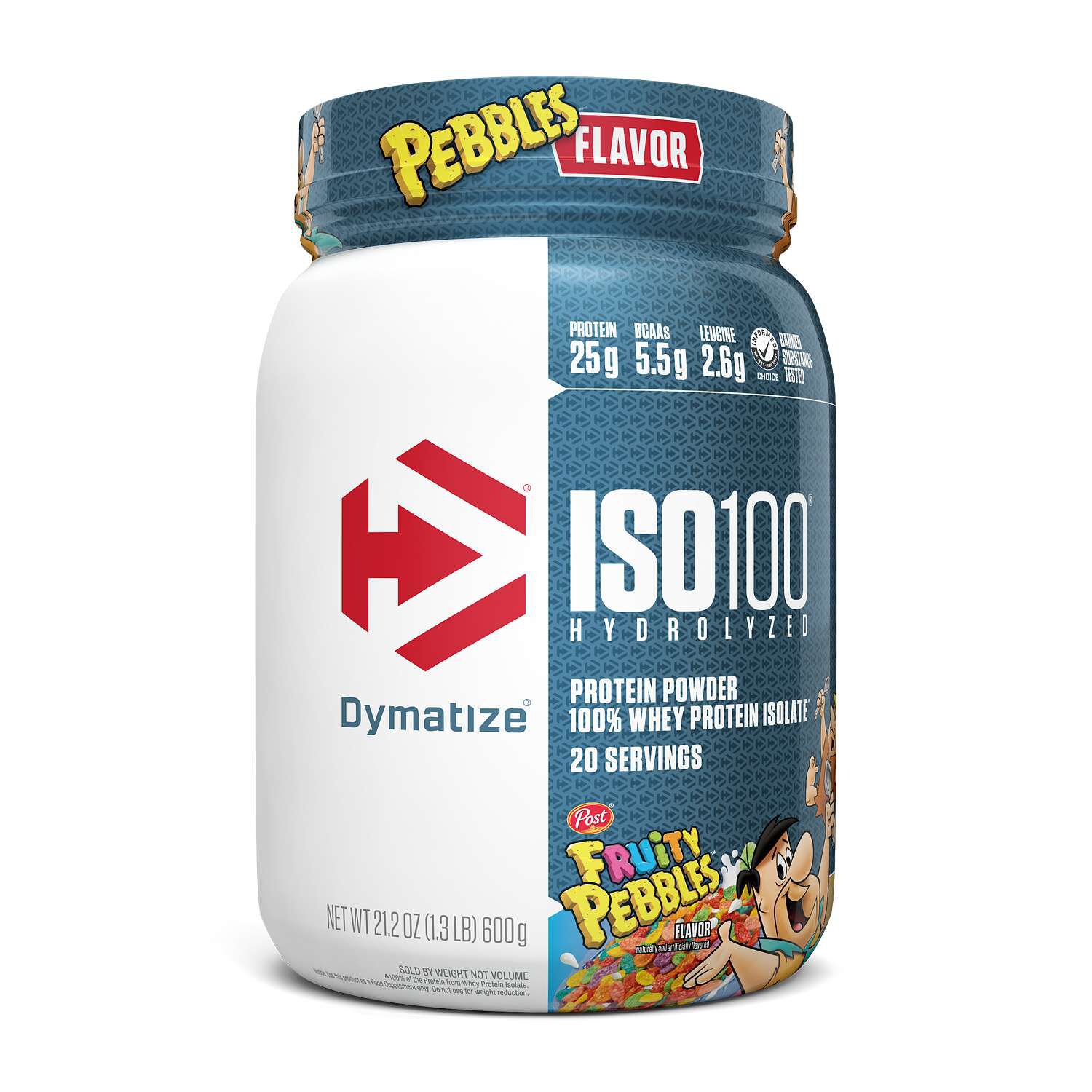


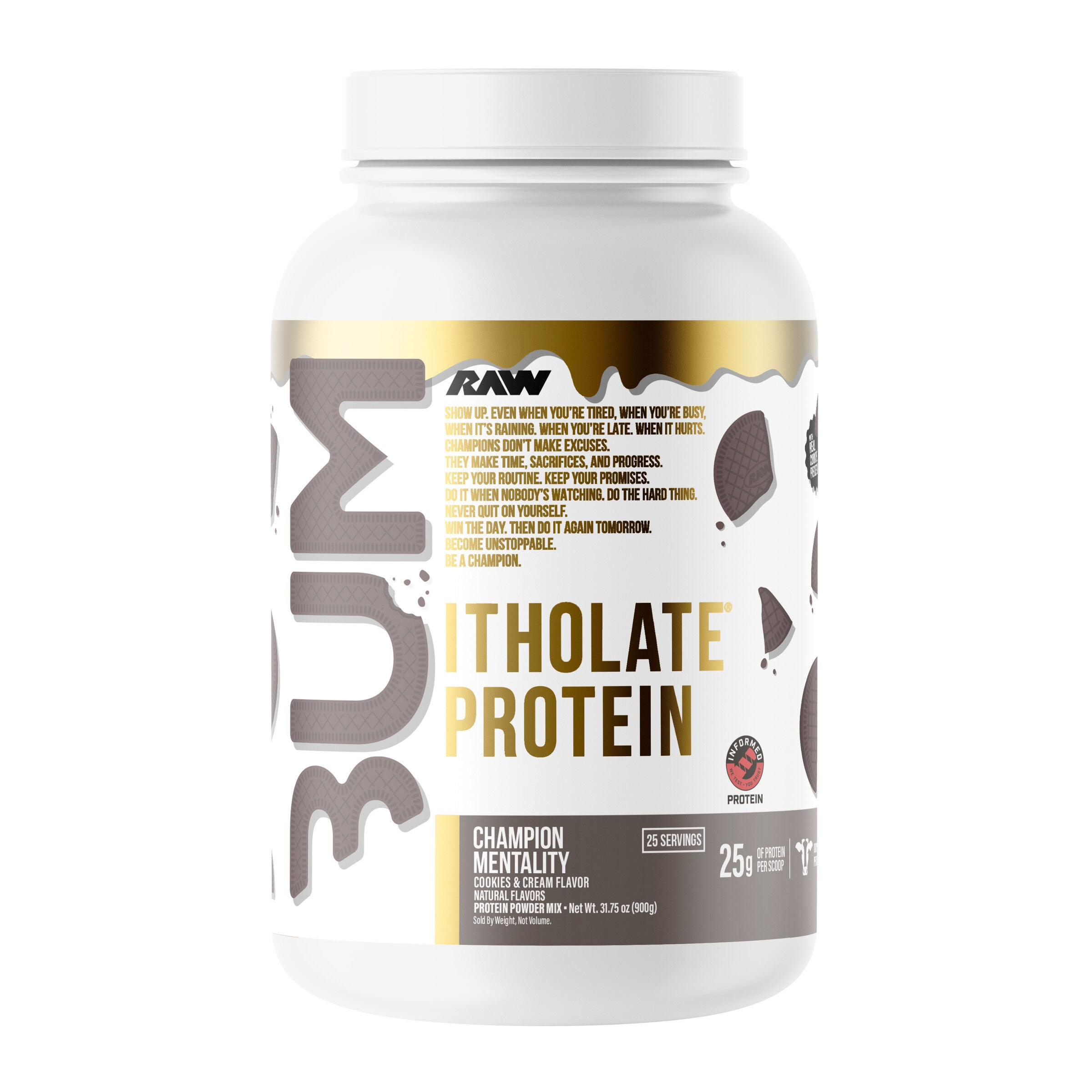


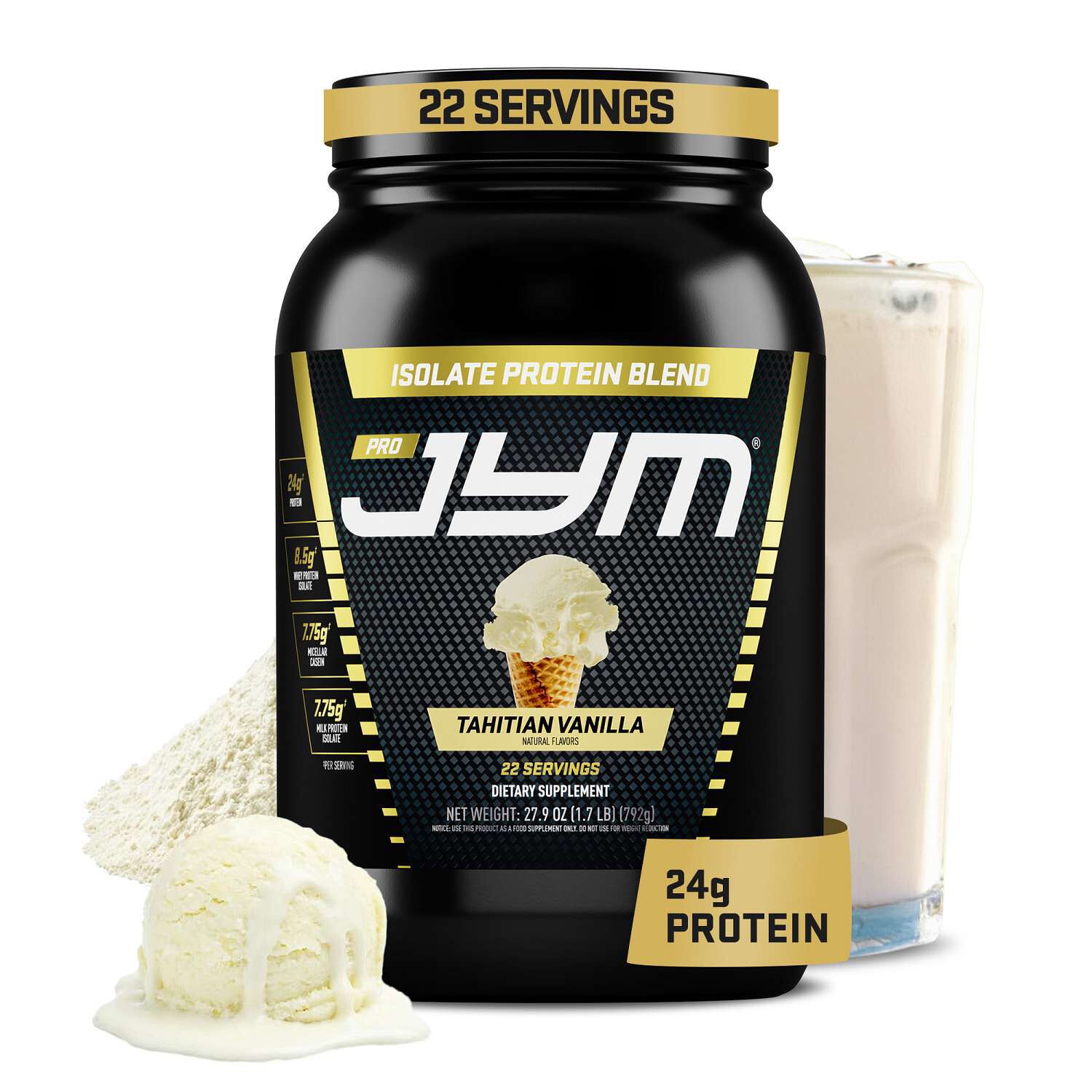
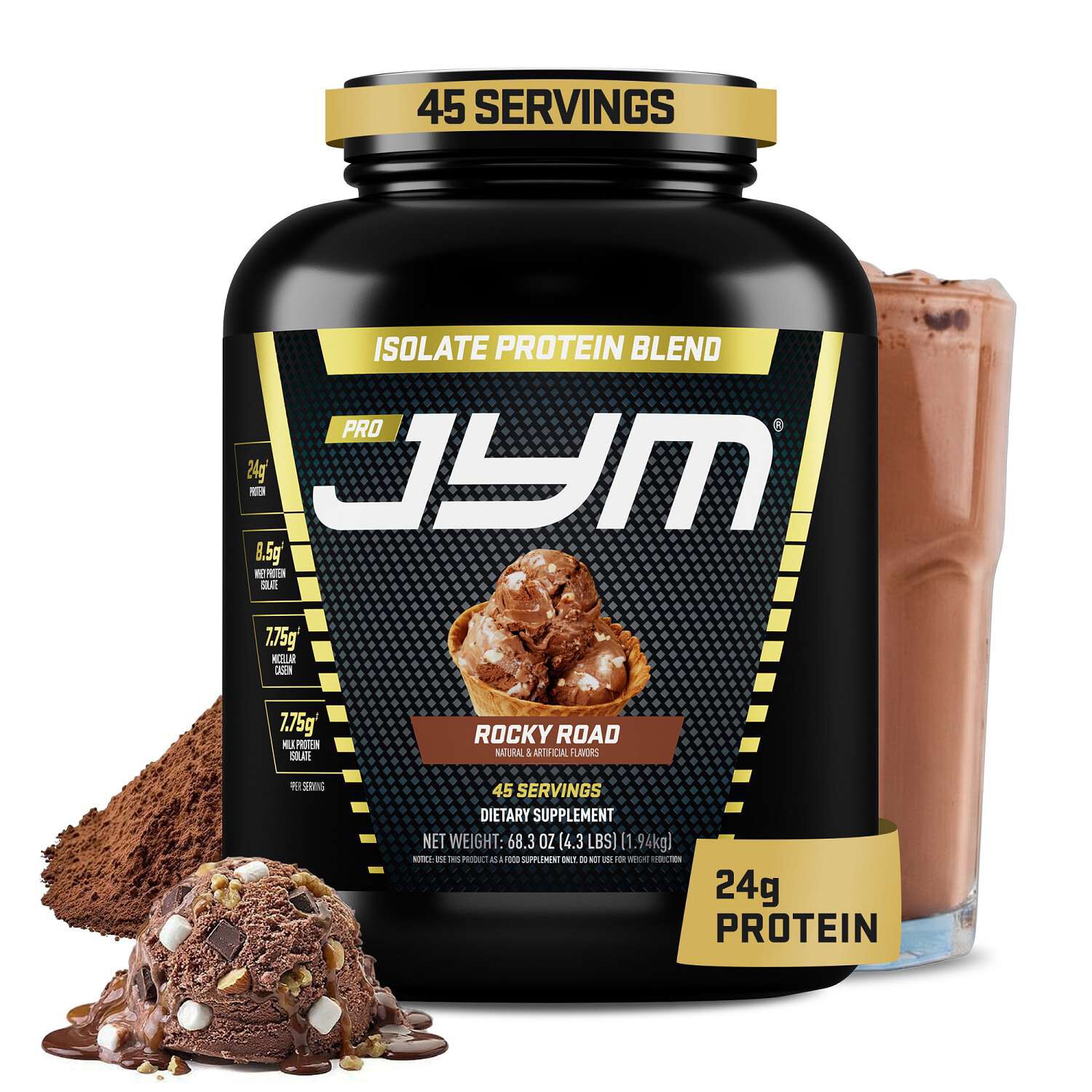
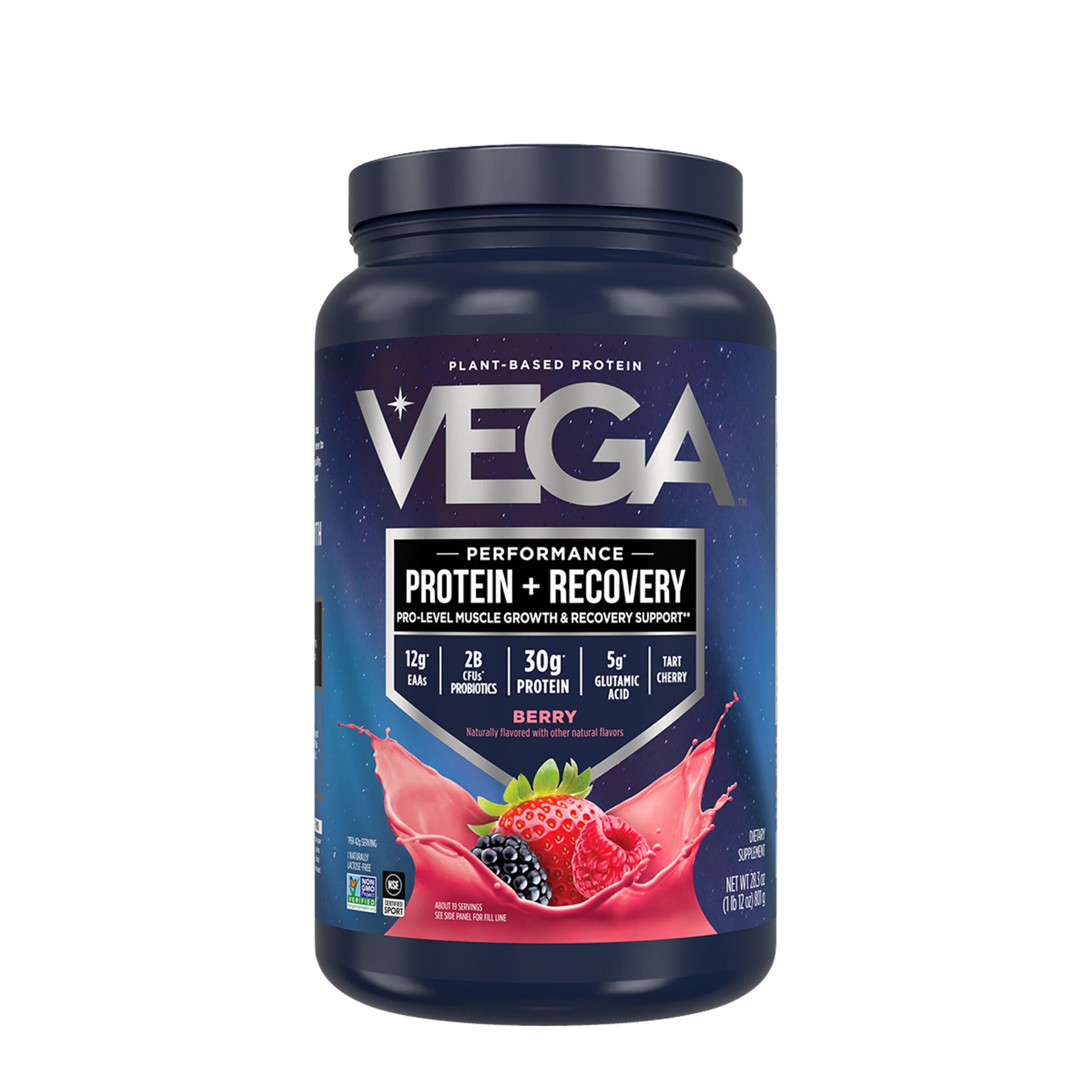

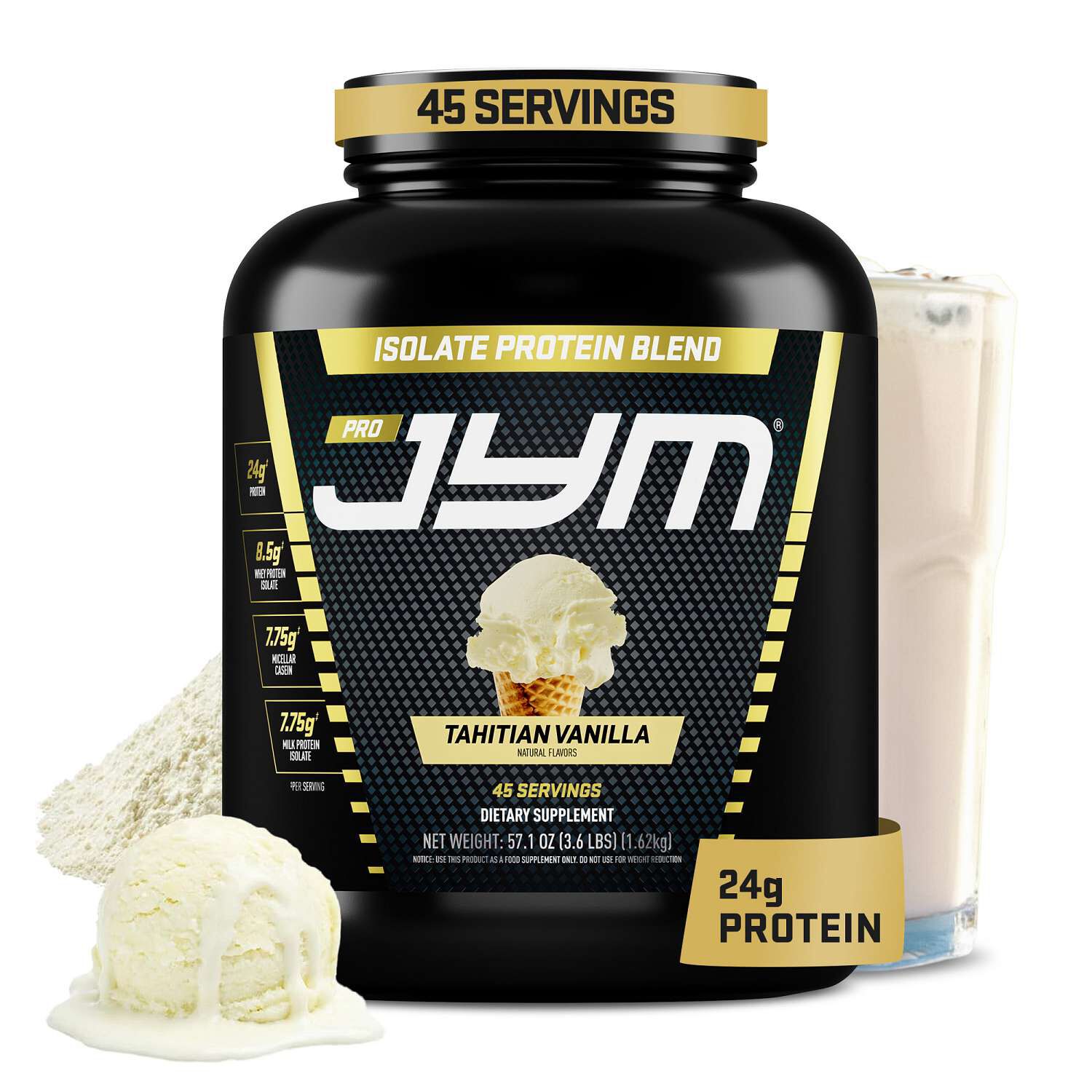
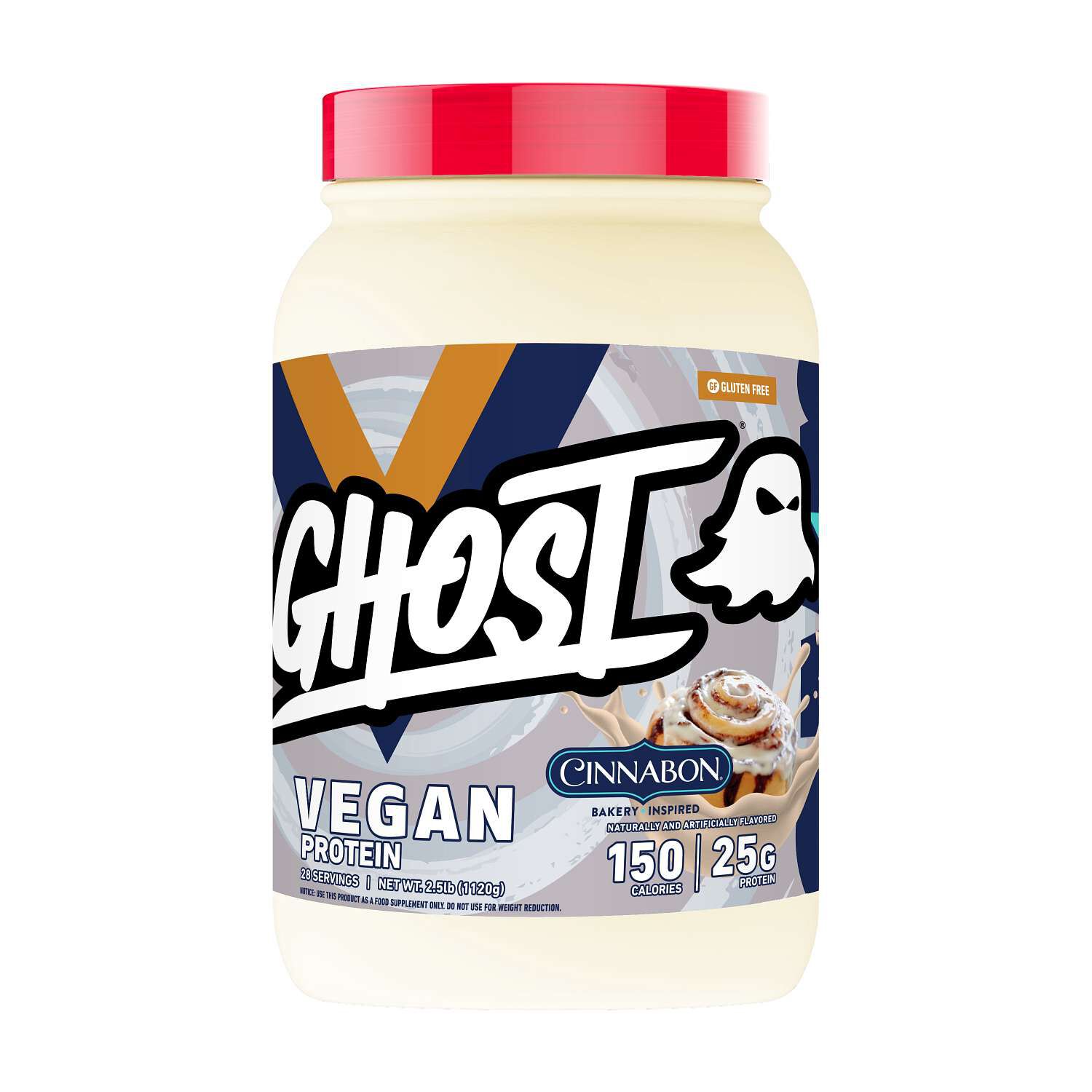

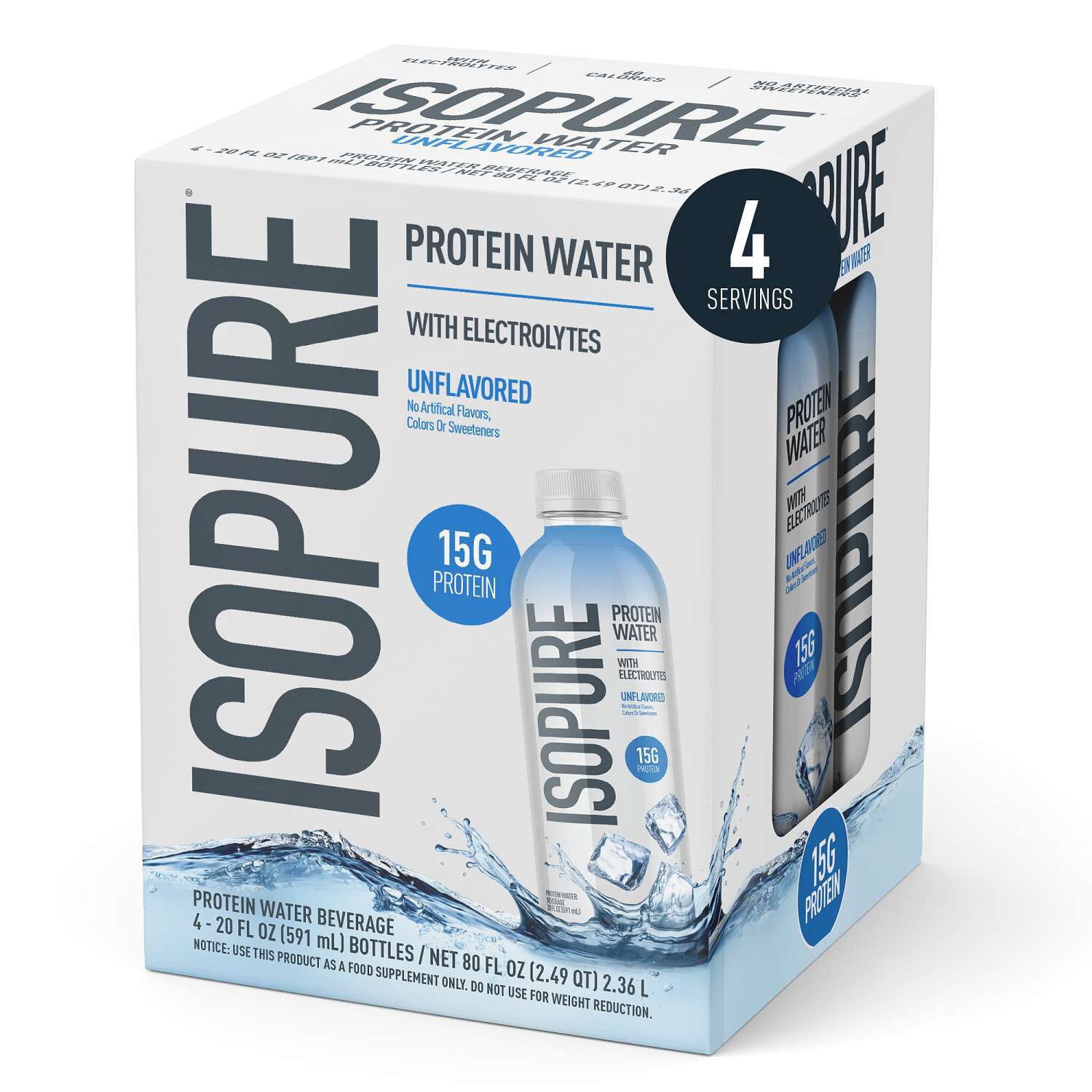
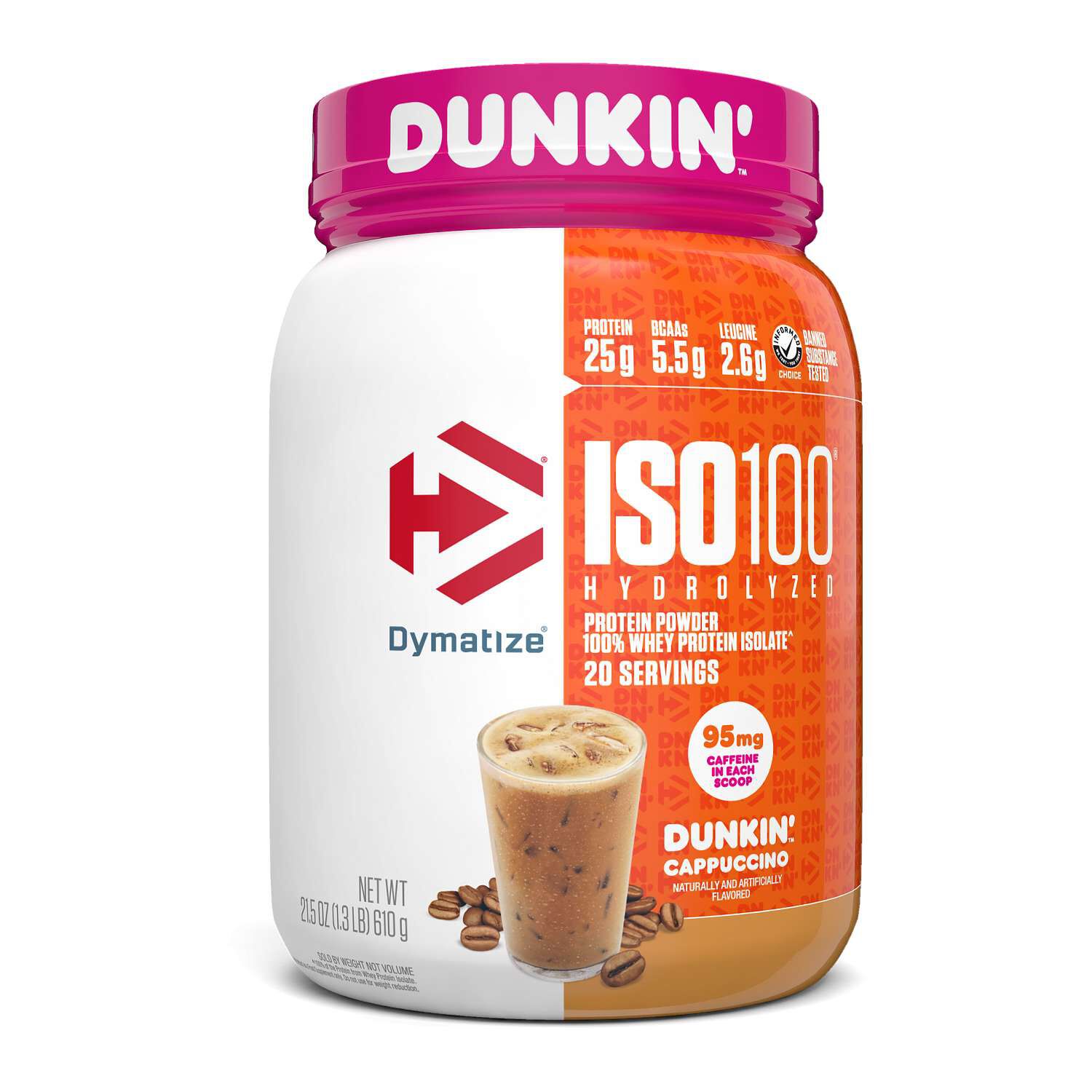

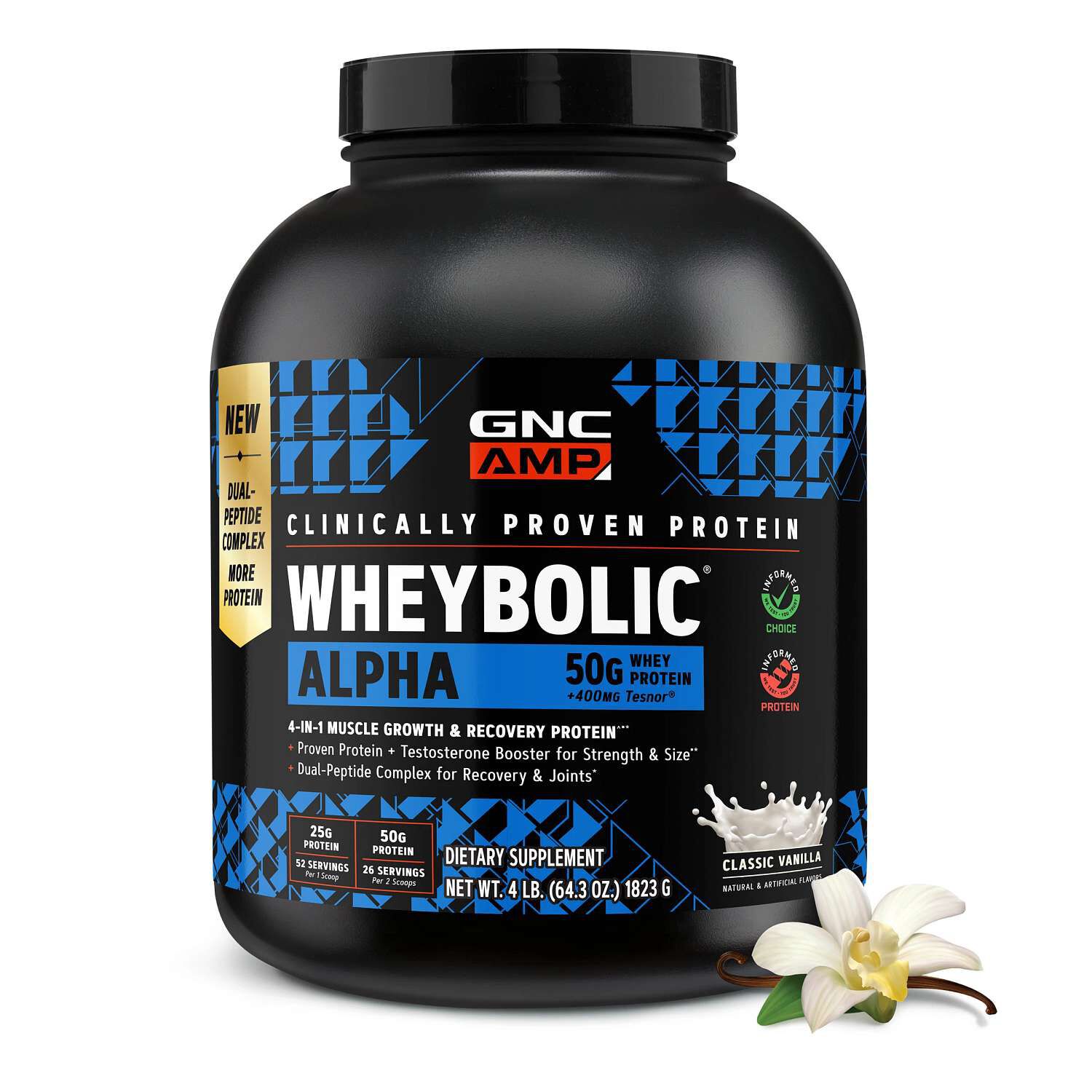
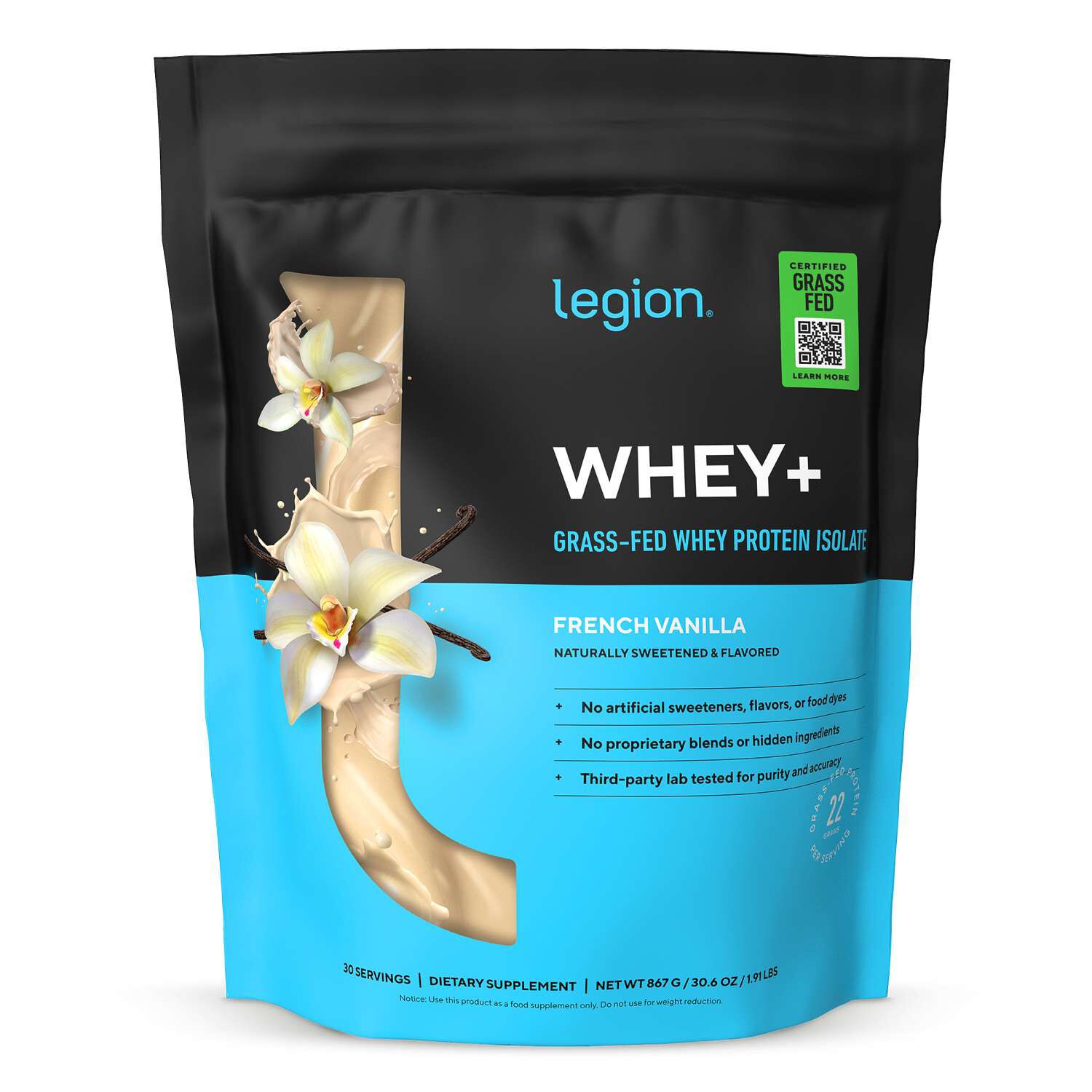
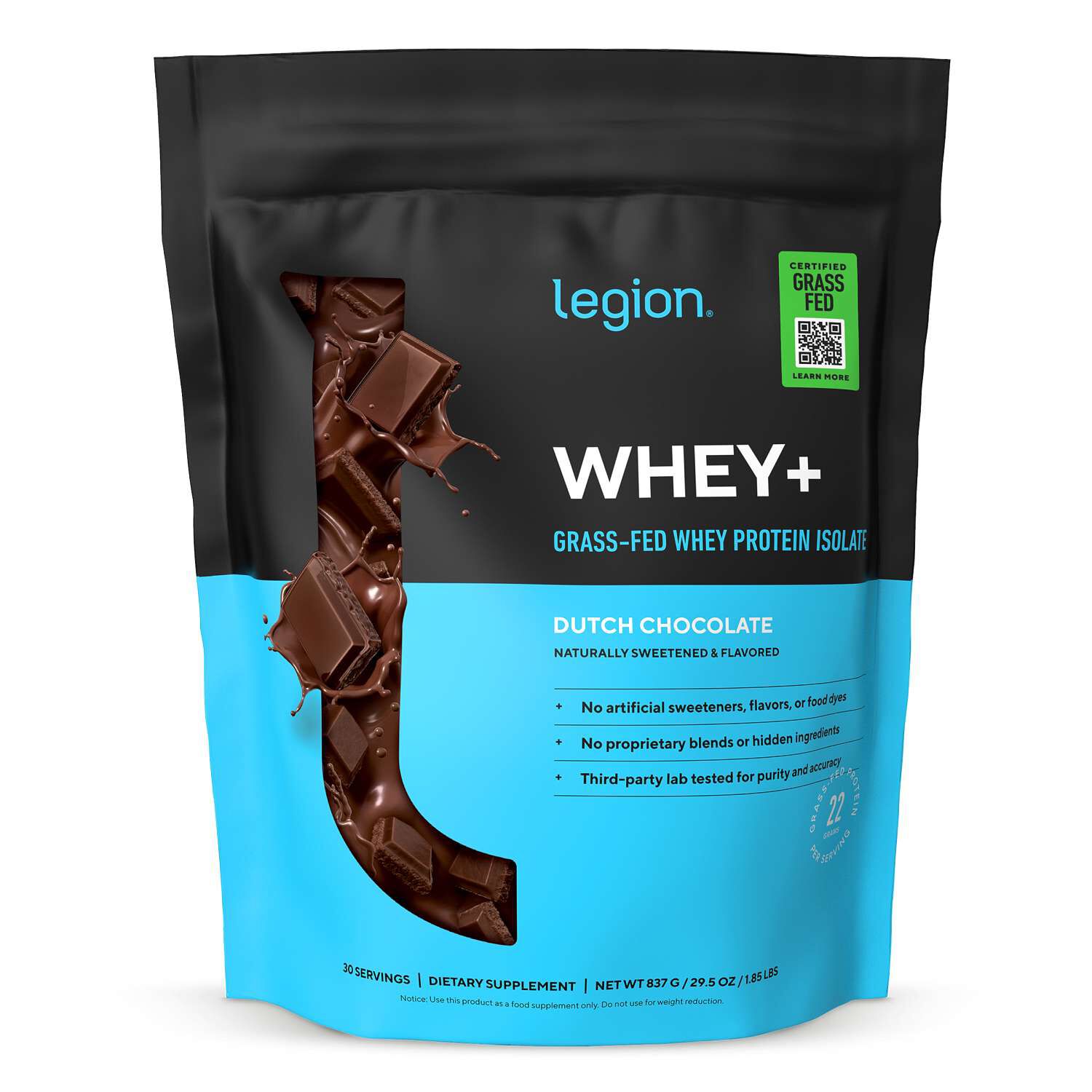
Protein for swimmers includes powders, ready-to-drink shakes, and bars that may make it easier to add protein around lap sessions, swim practices, and dryland workouts. Dietary protein contains amino acids and may support muscle maintenance and recovery after exercise as part of a varied eating pattern. The most practical format depends on the swimmer’s routine: an adult heading from an early pool session to work has different packing needs than someone spending an afternoon at a meet. Powder offers flexibility for mixing into a beverage or food, while a sealed shake requires no measuring or shaker bottle. Bars offer a chewable option when another drink does not sound appealing. These formats are convenient additions to everyday foods such as eggs, yogurt, beans, tofu, fish, and poultry rather than a reason to overlook regular meals. Protein needs vary with body size, training demands, and eating habits, so a single serving target does not suit every swimmer. Comparing the grams of protein per serving is more useful than assuming every scoop or bottle contains the same amount. Timing also belongs in the context of the whole day. Having protein after swimming may be convenient, especially when the next meal is several hours away, but there is no need to organize every purchase around a narrow post-workout countdown. A shake alongside oatmeal, fruit, or a sandwich may offer a more rounded meal or snack than protein alone. For a recreational swimmer, the priority might be something easy to keep at work. For an adult competitive swimmer balancing pool sessions with strength training, it might be a format that travels between facilities without extra preparation. In either case, protein for swim training is best considered alongside the rest of the eating routine, not as a substitute for meals, hydration, or rest. Flavor, texture, preparation time, and portion size all deserve attention because a product that fits naturally into the day may be easier to use consistently than one that requires an inconvenient routine.
The protein source is a useful starting point when comparing options. Whey and casein come from milk, while plant-based powders may use pea, soy, rice, or combinations of plant ingredients. Egg-based protein is another category. These distinctions matter for ingredient preferences and food allergies, and the ingredient list and allergen statement deserve a close read. A plant-based description alone does not answer every question about ingredients or manufacturing practices. Whey powders often appear in familiar shake flavors such as chocolate and vanilla; casein powders commonly have a thicker consistency when mixed. Plant-based textures vary with the source, processing, and other ingredients, so two powders with similar protein amounts may feel quite different in a shaker. Some protein beverages have a juice-like texture, while others are creamy. Someone who dislikes a thick drink after laps may prefer a lighter texture, whereas another swimmer may want a powder suitable for stirring into yogurt or oatmeal. Mixing directions offer a starting point for understanding the intended consistency, and the choice of water, milk, or a plant-based beverage changes both texture and nutritional content. Beyond the protein number, compare serving size, calories, carbohydrates, sugars, fats, and the ingredient list. A powder formulated primarily around protein is different from a drink containing substantial carbohydrates and other nutrients, even when both sit within a sports nutrition category. Sweeteners, flavorings, and added ingredients also influence whether a formula matches personal preferences. For swimmers participating in organized competition, third-party sport certification may be another comparison point. The certification program’s published criteria explain what its mark covers; a symbol on the package is not a prediction of performance. Straightforward labeling makes these comparisons easier. Rather than choosing by the largest number on the front, look at the stated serving and how the format fits the intended use. A smaller serving, a larger bottle, and a two-scoop preparation are not interchangeable measurements, even when the packaging looks similar.
Practical details become especially noticeable around a pool. A shaker with a secure lid and a separate compartment for dry powder may suit a commute, while a ready-to-drink format may suit a day without a convenient place to mix. Powder packets reduce the need to carry a large container, although they still require a suitable vessel and liquid. A bar may fit easily into a work bag, but its wrapper and storage directions still matter. Keep supplements separate from wet towels, damp swimwear, and pool water, and follow the package instructions for storage. Reseal powder containers promptly and use a clean, dry scoop; moisture inside a container may affect its condition. Prepared shakes and opened beverages require the handling described on their labels, particularly when refrigeration is specified. A bottle that sits in a locker through a long practice is a different storage situation from one mixed at home and consumed shortly afterward. Wash shaker lids, seals, and mixing pieces thoroughly according to their care instructions, then allow them to dry before the next use. These small details matter more than elaborate preparation rituals. Picture an adult lap swimmer packing breakfast before leaving home: a measured portion of powder, a clean bottle, and food for later may suit that routine. Another swimmer may prefer a ready-to-drink shake after practice and an ordinary meal once home. Someone attending a meet may value a portable format that fits between scheduled swims without requiring utensils. For routines that also include resistance exercise or other sports, Protein for Training provides a related category to explore. Across these settings, useful comparisons remain grounded in the label and the day ahead: protein source, serving size, texture, preparation, storage, and compatibility with familiar foods. Choosing protein for swimmers is less about finding a special formula for every stroke and more about selecting a manageable addition to an established eating routine. The right fit may be simple, portable, and familiar enough to belong beside the goggles and swim cap without adding much preparation.