





Protein Recovery Bars
(0 Results)
Protein recovery bars offer a convenient option for those looking to support their active lifestyles. With a variety of flavors and ingredient blends, protein recovery bars might fit seamlessly into your routine whether you’re at the gym, on a hike, or simply need a quick snack. Explore options that may align with your nutritional preferences and discover how protein recovery bars could become a satisfying part of your day.
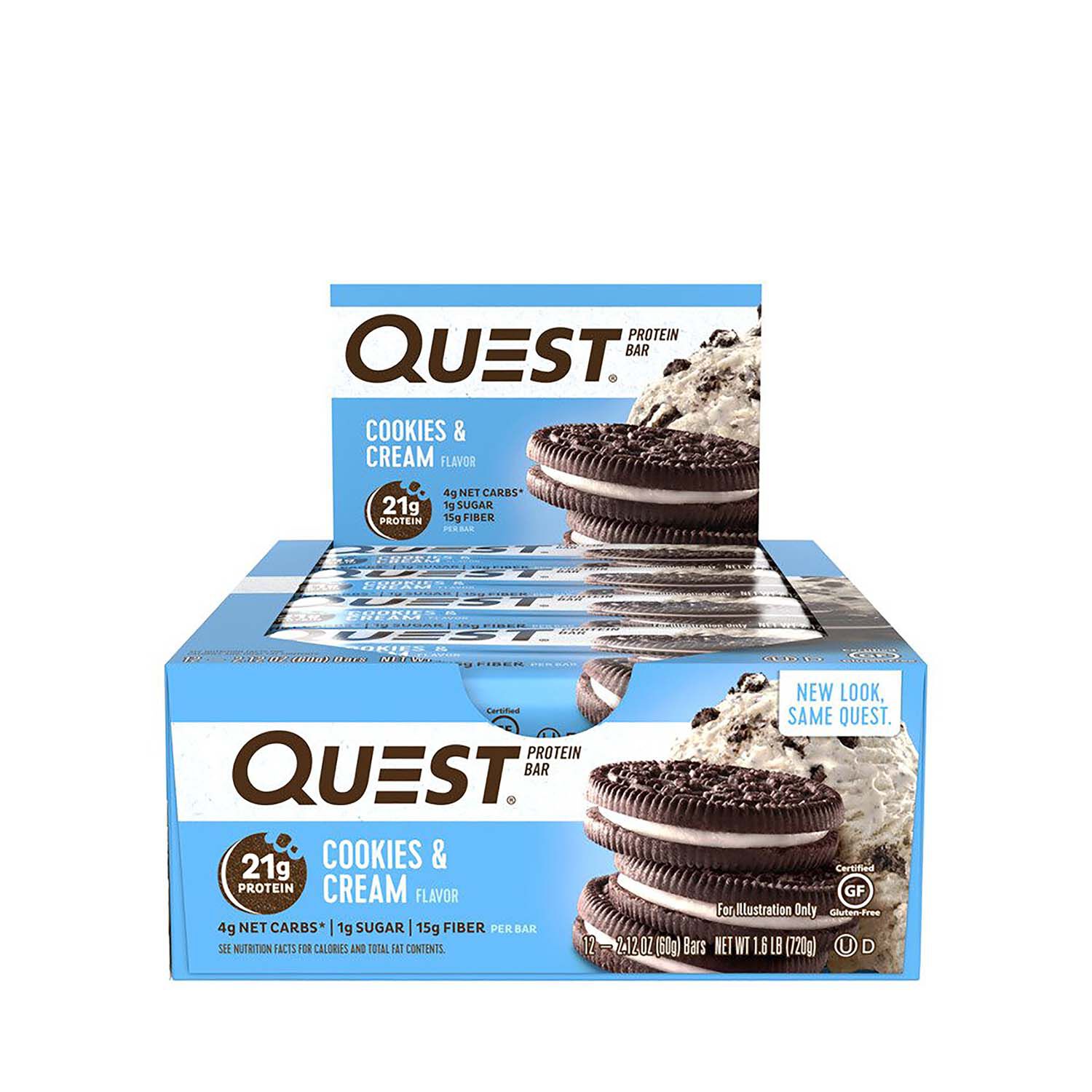


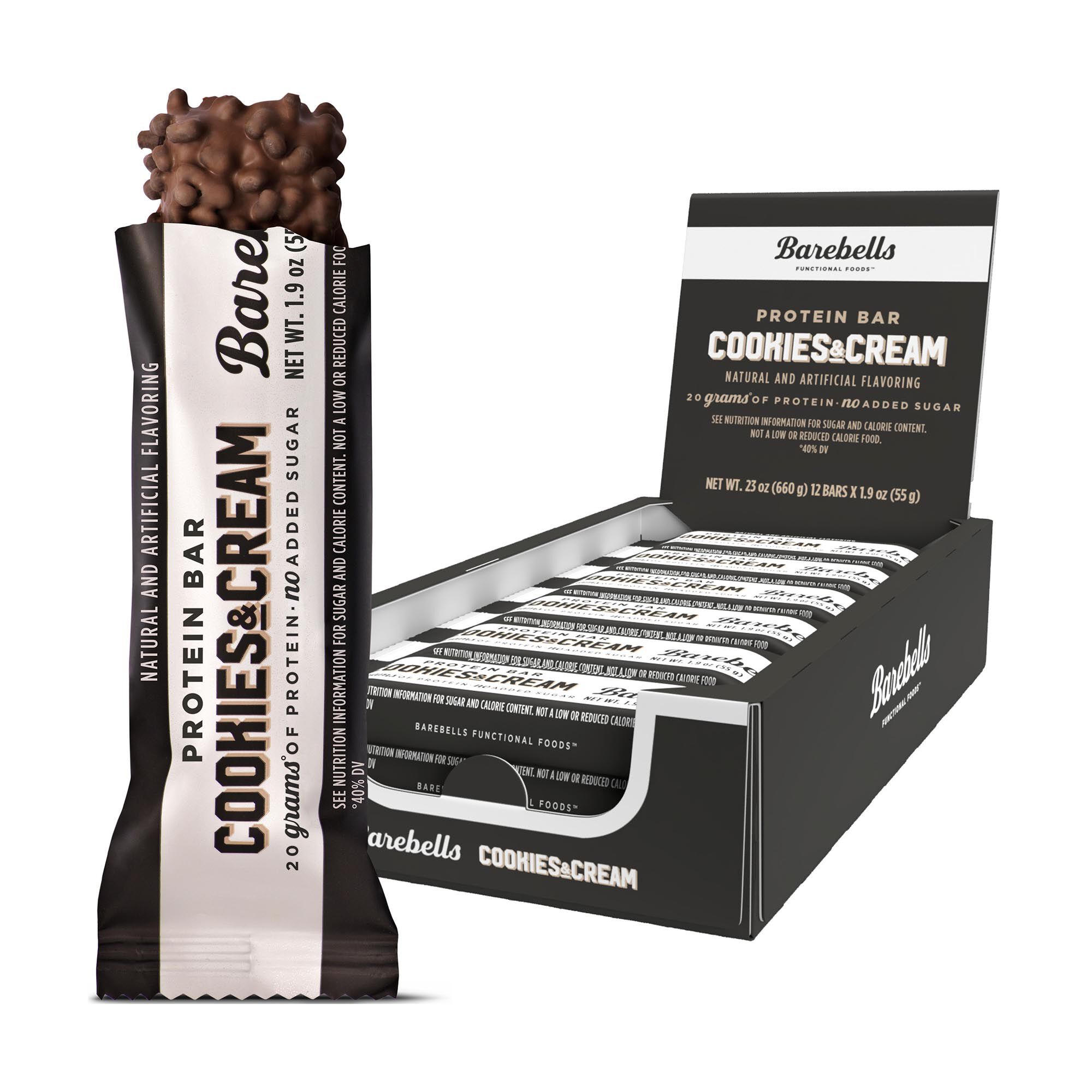

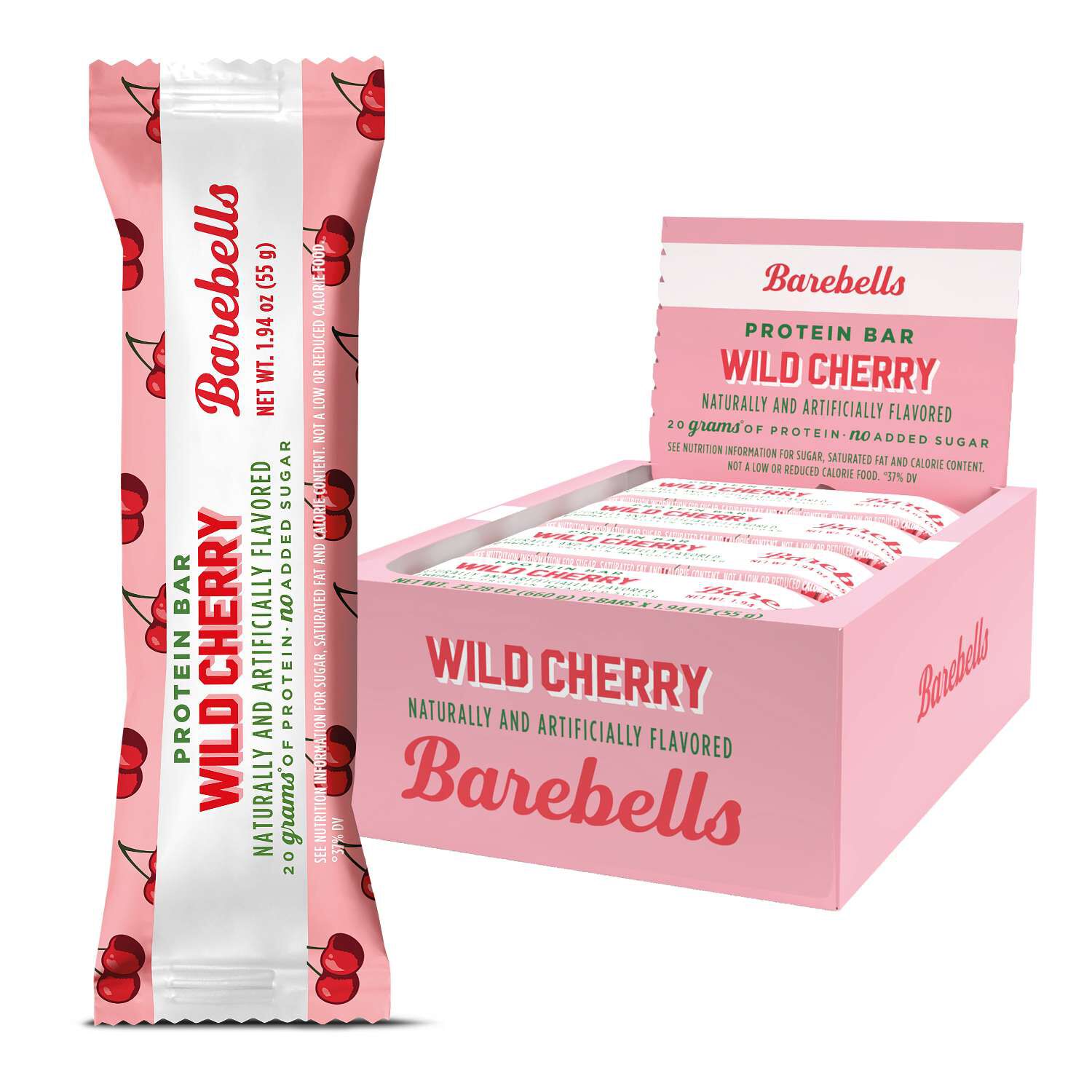

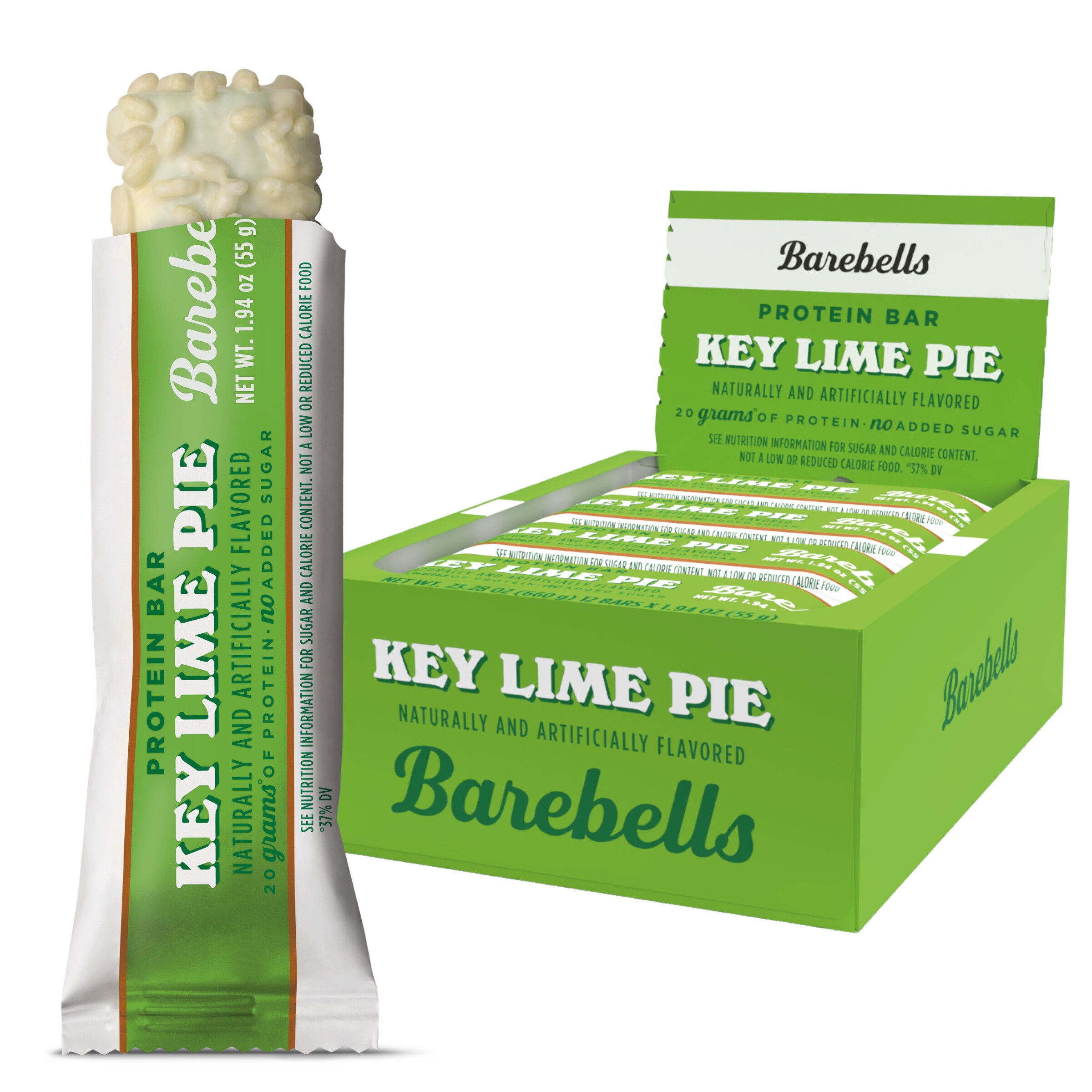
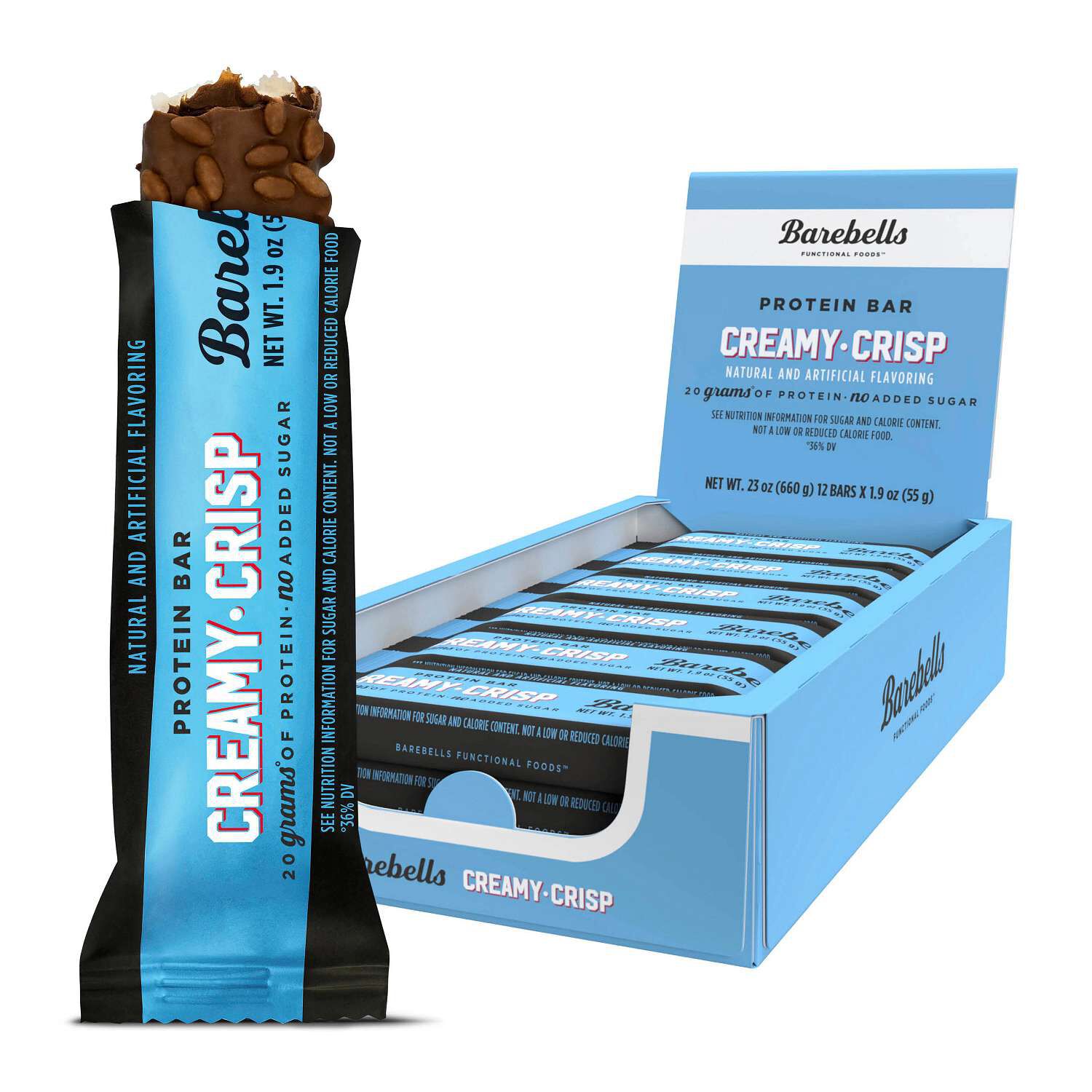
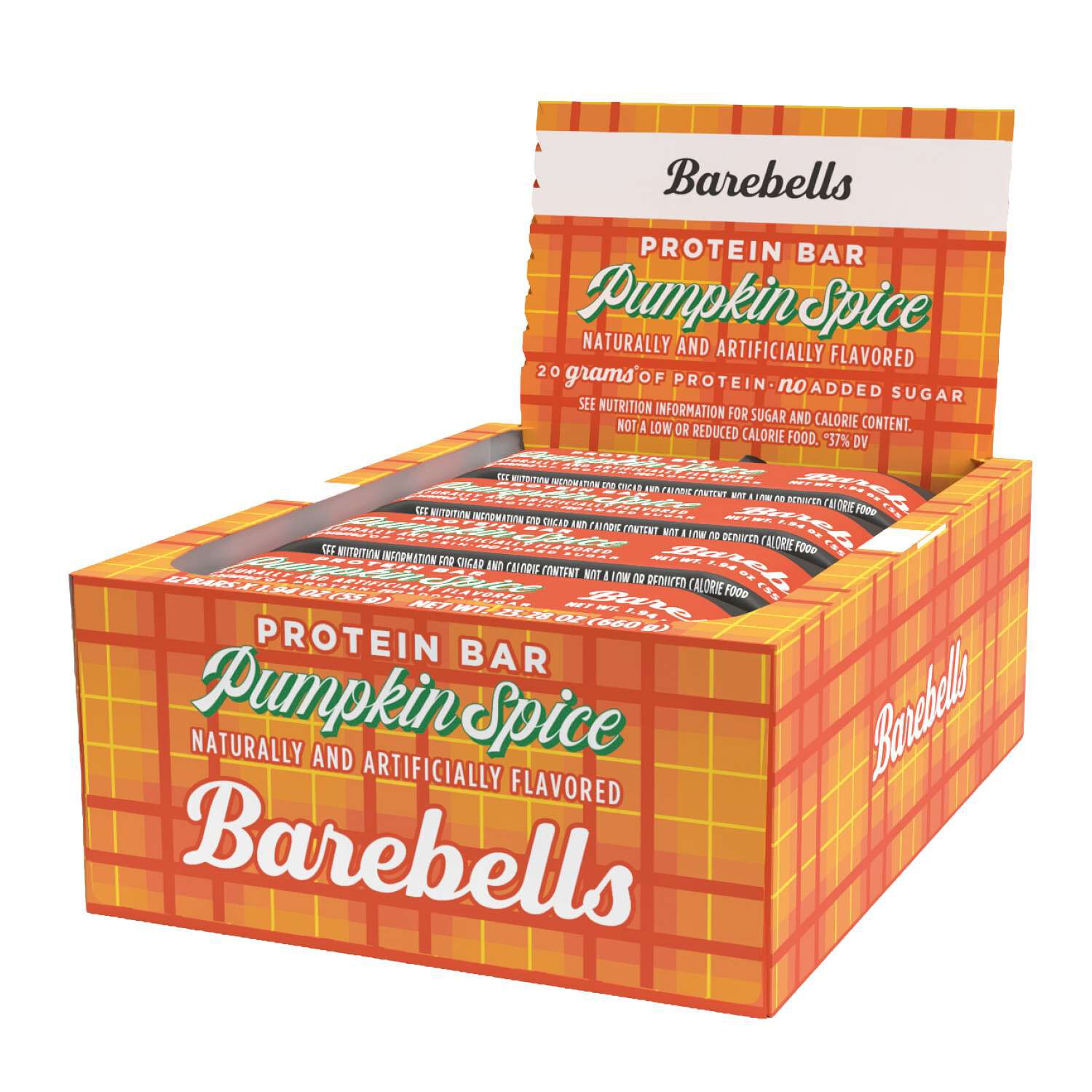
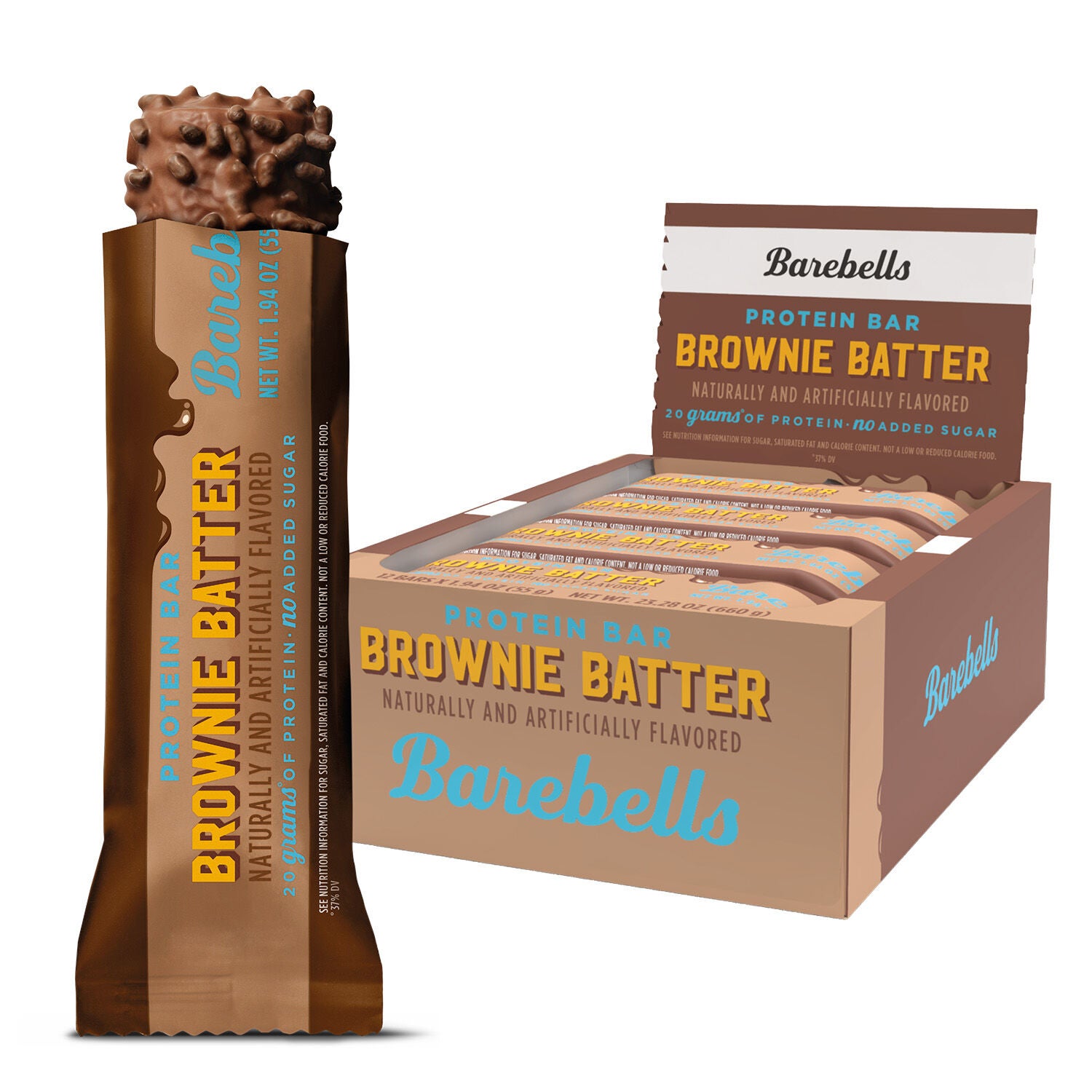
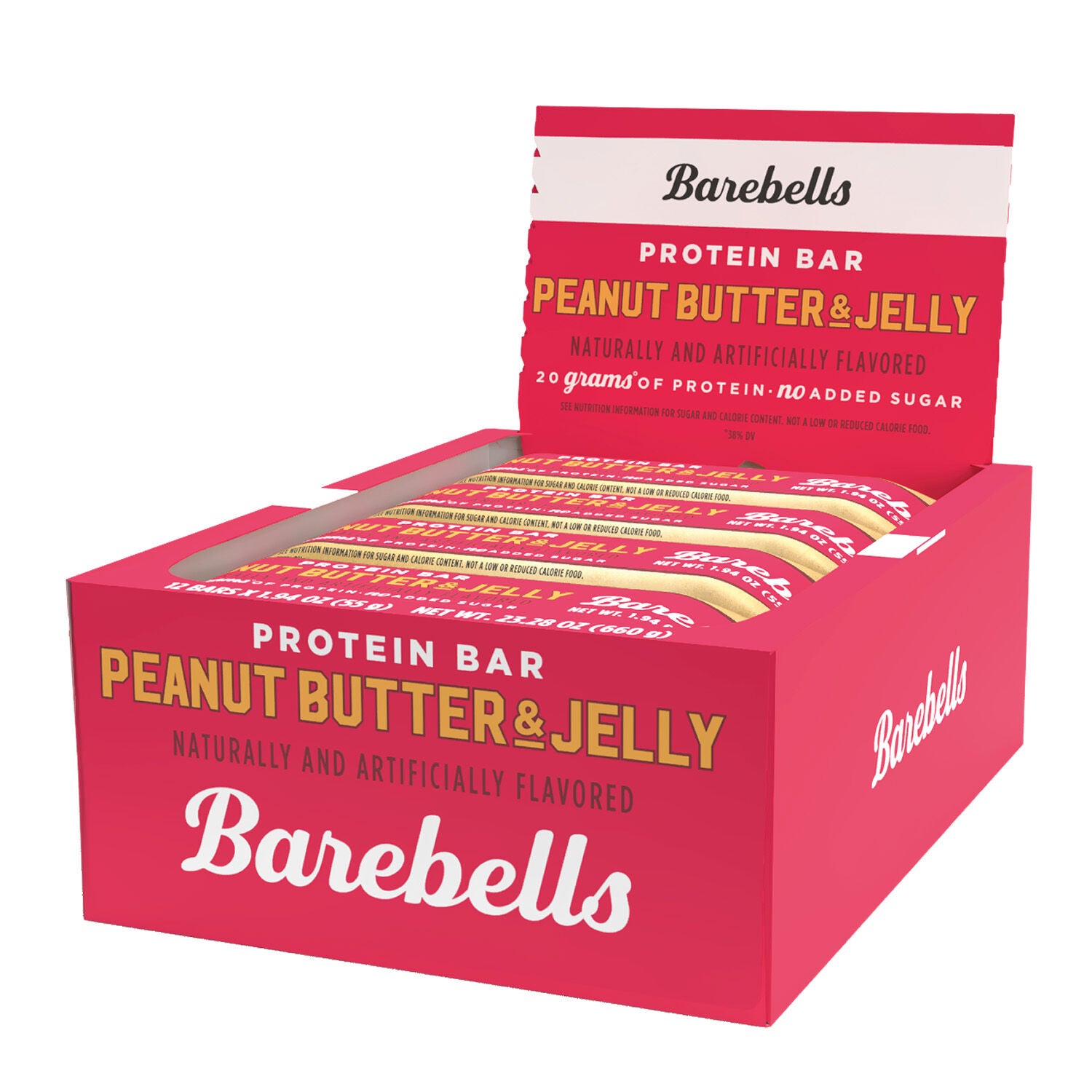
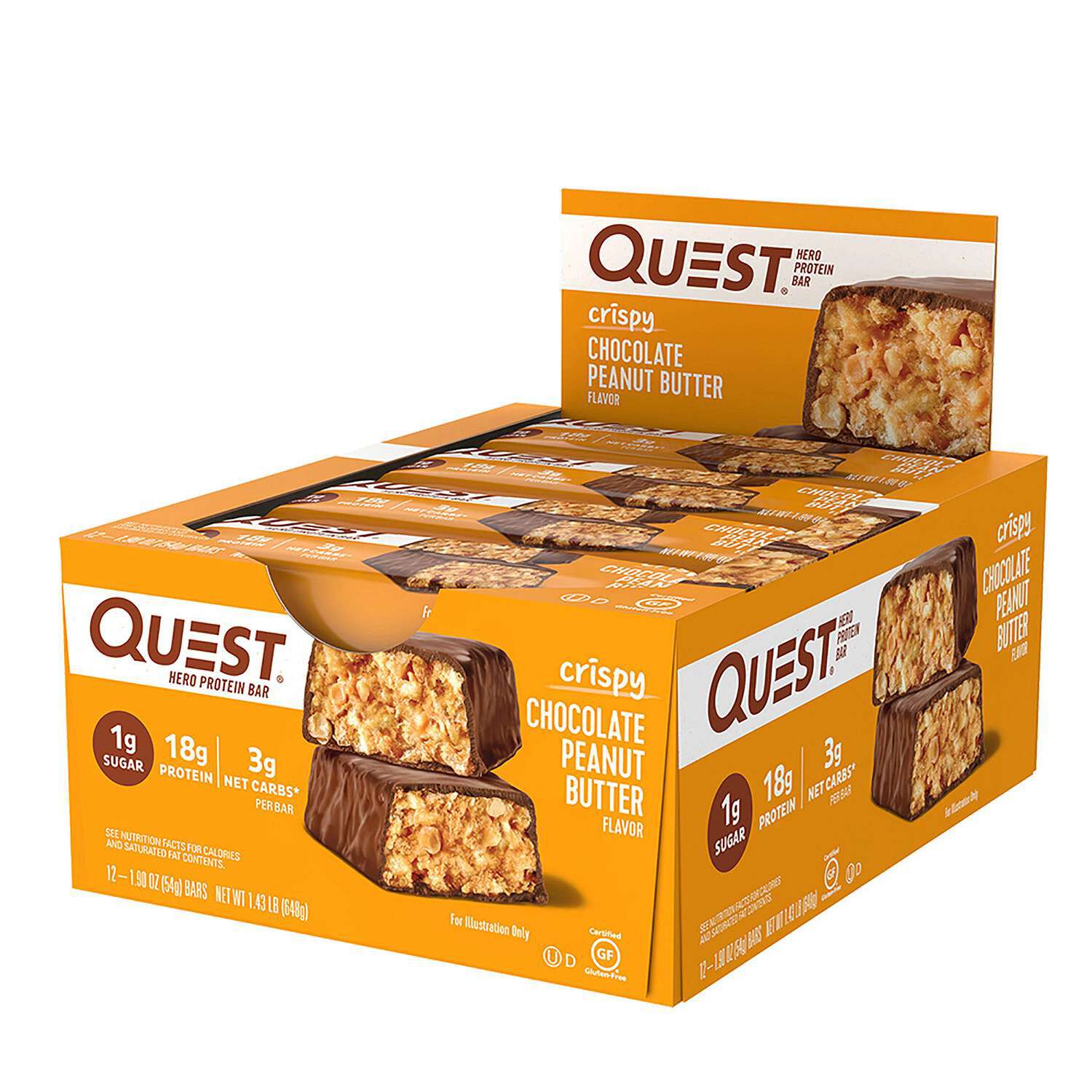
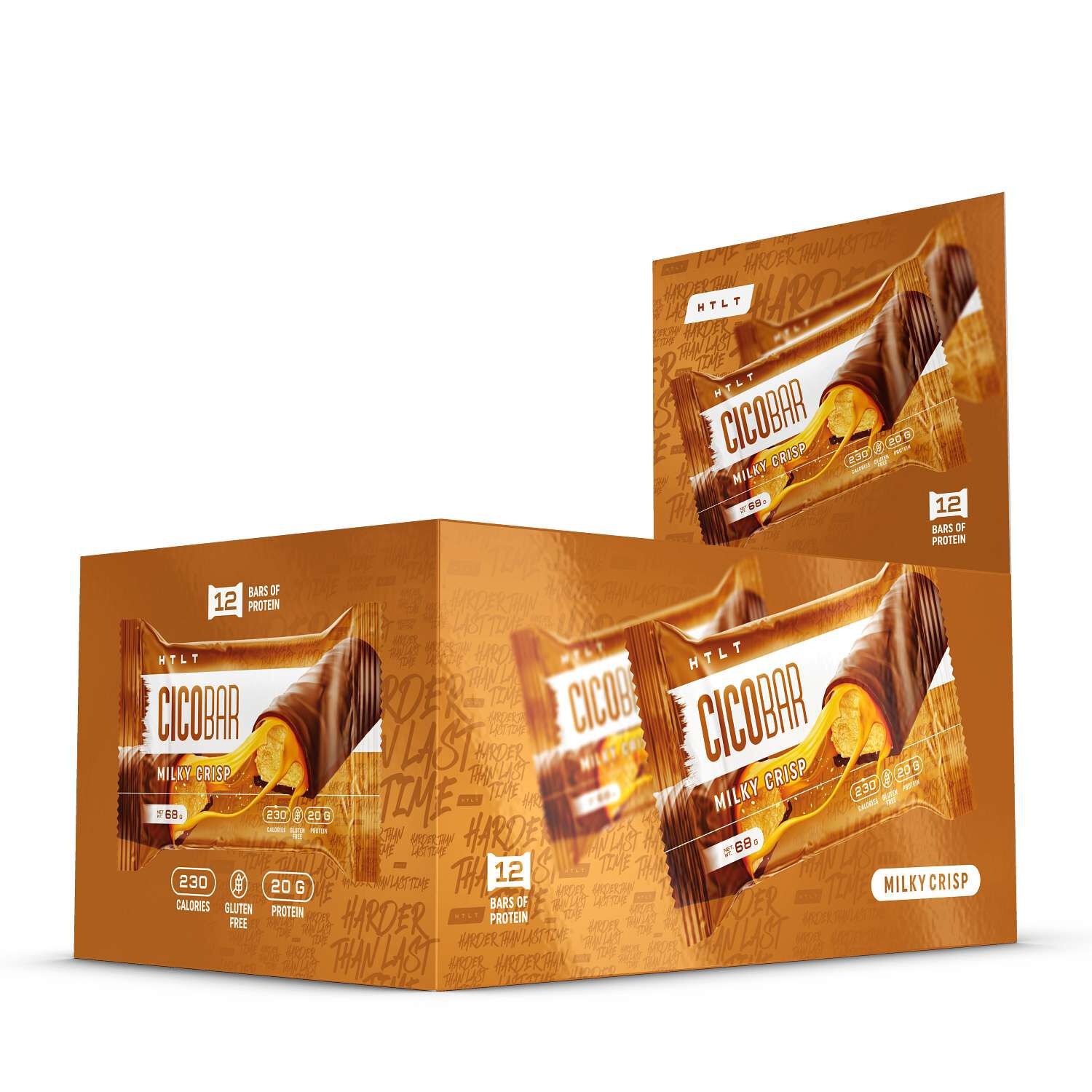

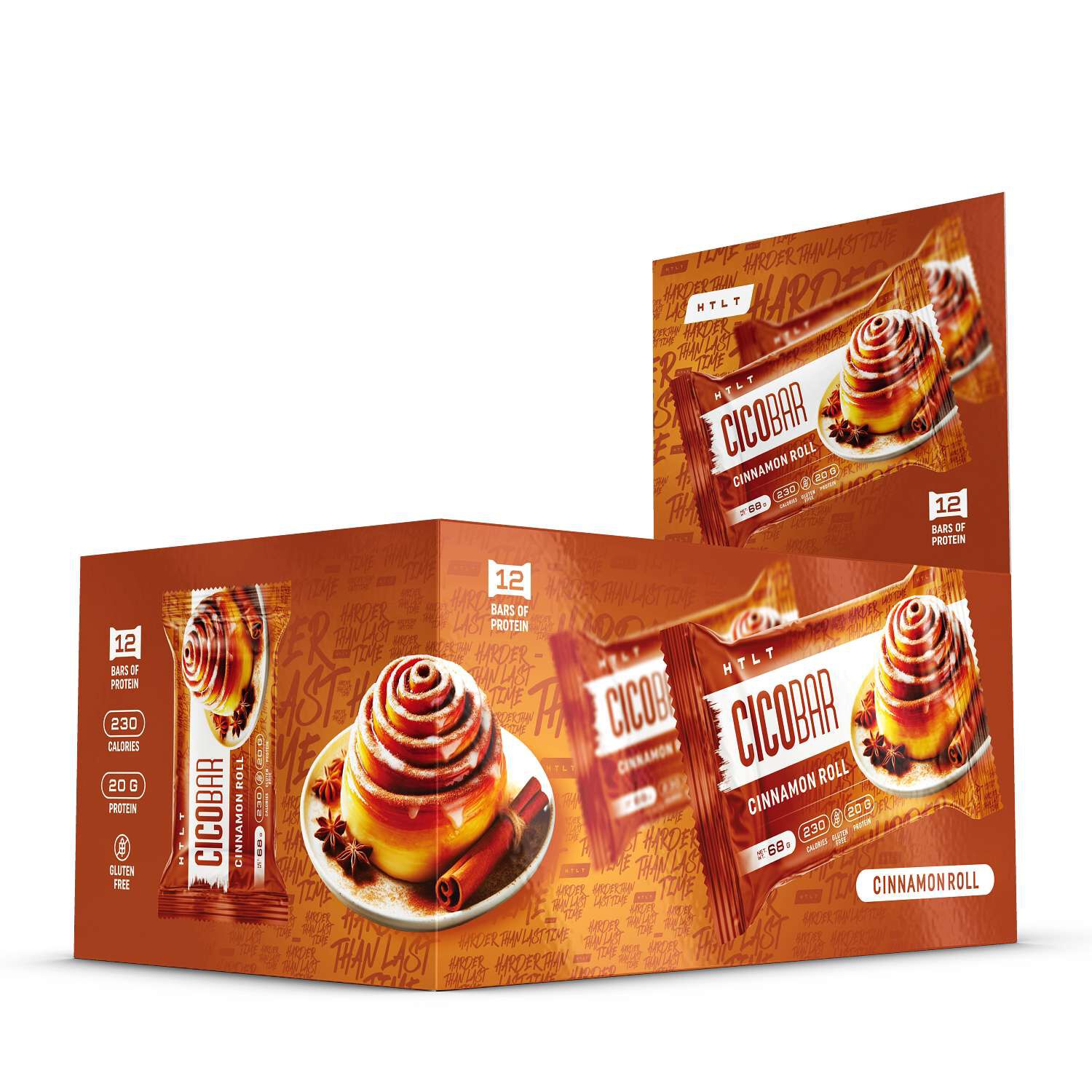
A protein recovery bar is a ready-to-eat snack intended for use after exercise, typically combining protein and carbohydrates in an individually wrapped serving. The category includes a variety of recipes, textures, and portion sizes, with options suited to the stretch between finishing a workout and sitting down to a meal. Protein may support normal muscle maintenance, while carbohydrates may provide energy as part of an everyday eating pattern. Together, these nutrients may make a bar a practical addition to a post-workout routine, whether that routine involves lifting weights, swimming laps, cycling, or playing a recreational sport. The term “recovery” describes the intended use rather than a single recipe or a standard amount of protein. Some recipes feature whey or milk protein, while others use ingredients such as soy, pea, or rice protein. Nuts, seeds, oats, dried fruit, and sweeteners may also appear, depending on the style of bar. A dense, chewy center offers a different eating experience from crisp protein pieces folded into a softer base, and a chocolate-style coating differs from an uncoated oat or nut bar. These details matter when a snack needs to fit comfortably into a familiar routine. A runner heading from a morning workout to the office might prefer a compact bar that is easy to eat alongside breakfast, while someone leaving an evening strength session might want a more substantial snack before dinner. Adults with active schedules, recreational athletes, and people who prefer packaged snacks over mixing a drink may all find this format useful. Protein recovery bars may help make post-exercise eating more convenient, but their role depends on the rest of the day’s meals, the serving size, and personal preferences. Their appeal lies in combining a clearly labeled portion with a familiar snack format that requires no utensils, mixing, or preparation.
Nutrition labels provide the clearest basis for comparing protein recovery bars because similar-looking bars can have quite different recipes. Protein grams are one useful detail, but carbohydrates, calories, fat, fiber, and added sugars also help describe what is inside the wrapper. A bar with 15 to 20 grams of protein, for example, can be considered alongside its carbohydrate content and serving weight rather than judged by protein alone. The number on the front of the package does not describe the entire eating experience: a smaller bar with a firm texture may feel quite different from a larger, softer bar with oats or nut butter. Serving information matters, too, since the nutrition panel may refer to one bar or another stated portion. For someone eating a meal shortly after exercise, a smaller serving could fit the occasion; for a longer stretch between meals, a larger portion might be more practical. Neither approach calls for treating a bar as a replacement for a varied eating pattern. Flavor and texture deserve attention alongside nutrition, especially for a snack that will become part of a regular routine. Cocoa, peanut butter, vanilla, fruit, and nut flavors offer different profiles, from dessert-like combinations to more straightforward grain-based recipes. Crisp pieces can add contrast, while nut butter or fruit ingredients may contribute a softer consistency. Fiber ingredients and sugar substitutes can also affect texture and flavor, so reading the ingredient list gives useful context beyond the nutrition panel. Dietary preferences require the same close attention. Plant-based protein does not necessarily mean every ingredient in the bar is plant-based, and an oat-based recipe does not by itself establish its suitability for someone avoiding wheat or gluten. Milk, soy, peanuts, tree nuts, wheat, and eggs are ingredients to check for when relevant. Ingredient lists, allergen statements, and package certifications are more dependable reference points than flavor names or broad descriptions. This attention to the full label may make it easier to find a snack that fits both the intended occasion and an established eating routine.
The practical details of a protein recovery bar are often what make it work well beyond the nutrition panel. An individually wrapped portion can tuck into a gym bag, desk drawer, backpack, or lunch bag without requiring a shaker bottle or a separate container. After a training session, that could mean having a snack on hand during the trip home rather than needing to prepare something immediately. The format may also suit a recreational player packing a bag before a game or a commuter carrying food for a workout followed by errands. Packaging protects the bar during ordinary handling, although soft centers, coatings, and crumbly textures benefit from thoughtful placement. A separate pocket or small container can keep a bar from being pressed beneath shoes, books, or heavier gear. The wrapper should remain sealed until use, and the manufacturer’s storage directions and best-by date provide the appropriate reference for keeping the snack in good condition. Storing bars in a dry location away from direct sunlight and checking the wrapper before packing are simple considerations for repeated use. Eating style matters as well: some bars are easy to take in small bites, while others are crumbly enough that a napkin or a place to sit is useful. Alongside protein recovery bars, High Protein Bars provide a related category for comparing protein-focused snacks across different everyday occasions. The distinction is less about a rigid boundary and more about how the nutrition profile, portion, and format fit the intended use. A post-workout snack does not need an elaborate ritual or a narrowly timed eating window to have a place in a routine. The time between exercise and the next meal, preferred ingredients, and the ease of carrying and eating the bar are all relevant considerations. Protein recovery bars may be a convenient option when their flavor, texture, and nutrition align with those everyday needs.
- Q: What are protein recovery bars?
A: Protein recovery bars are convenient, portable snacks designed to help replenish nutrients and support muscle recovery after exercise. They typically contain a blend of protein, carbohydrates, and sometimes added vitamins or minerals. - Q: When should I eat a protein recovery bar?
A: Protein recovery bars are best consumed within 30 to 60 minutes after completing a workout or intense physical activity to help refuel your body and support muscle repair. - Q: How do protein recovery bars differ from regular protein bars?
A: While both types of bars provide protein, recovery bars often include additional carbohydrates and nutrients specifically formulated to aid in post-workout recovery, whereas regular protein bars may focus more on general snacking or meal replacement. - Q: Can I use protein recovery bars as a meal replacement?
A: Protein recovery bars are primarily designed for post-exercise nutrition rather than as meal replacements. While they can be used as a snack, they may not provide all the nutrients needed for a balanced meal. - Q: Are there different flavors and dietary options available for protein recovery bars?
A: Yes, protein recovery bars come in a variety of flavors and formulations, including options that cater to specific dietary preferences such as plant-based or low-sugar varieties.
Best Sellers
-
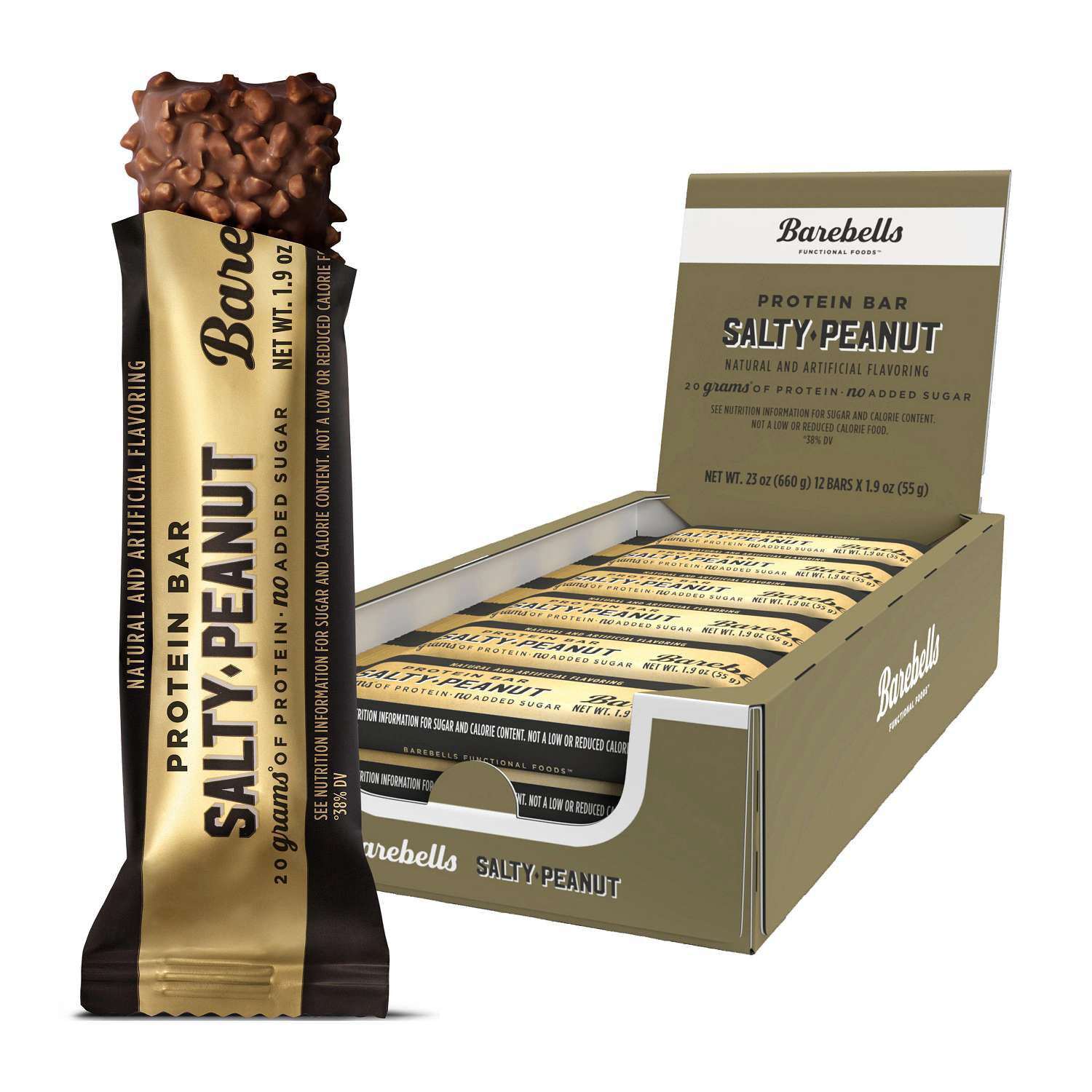 Barebells
-
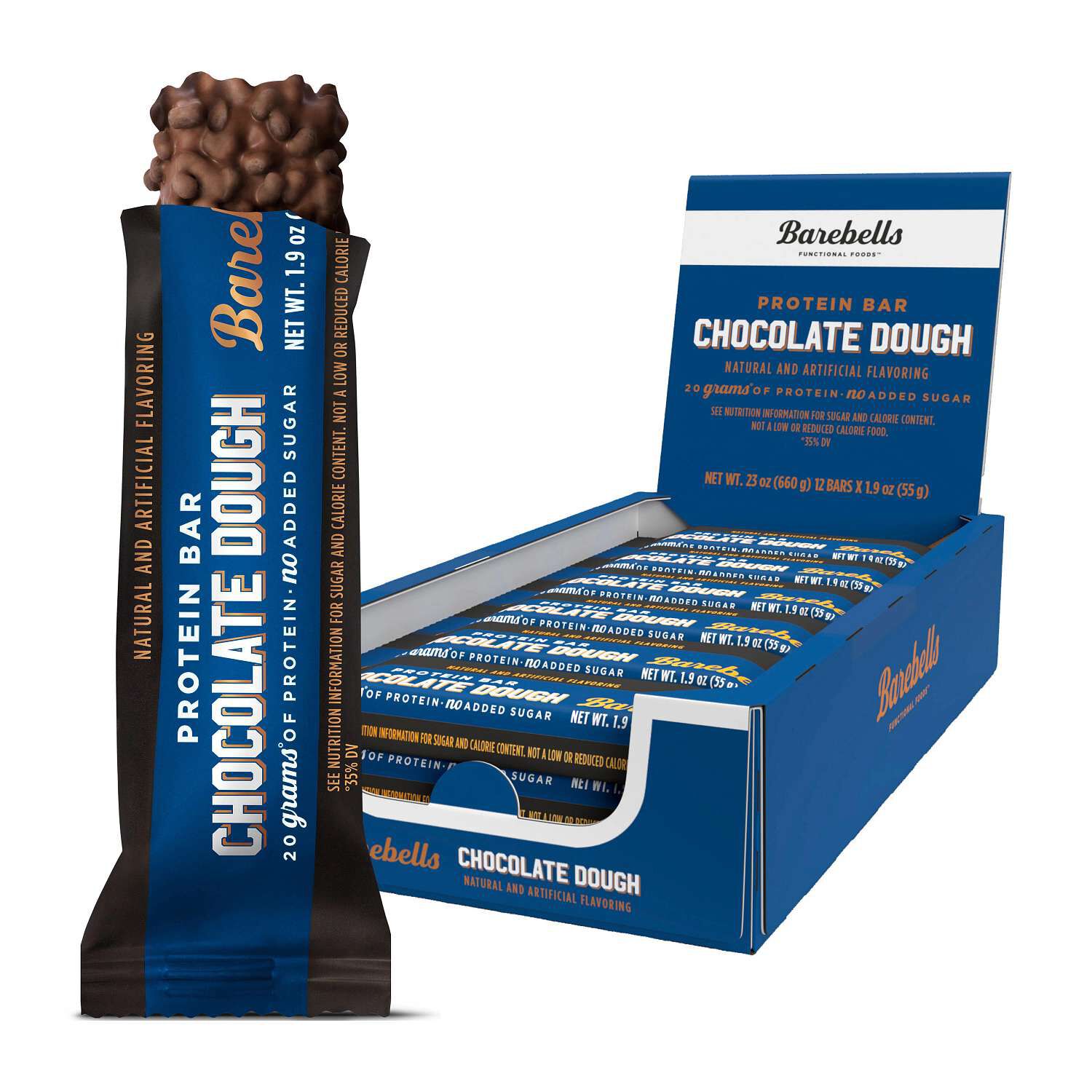 Barebells
-
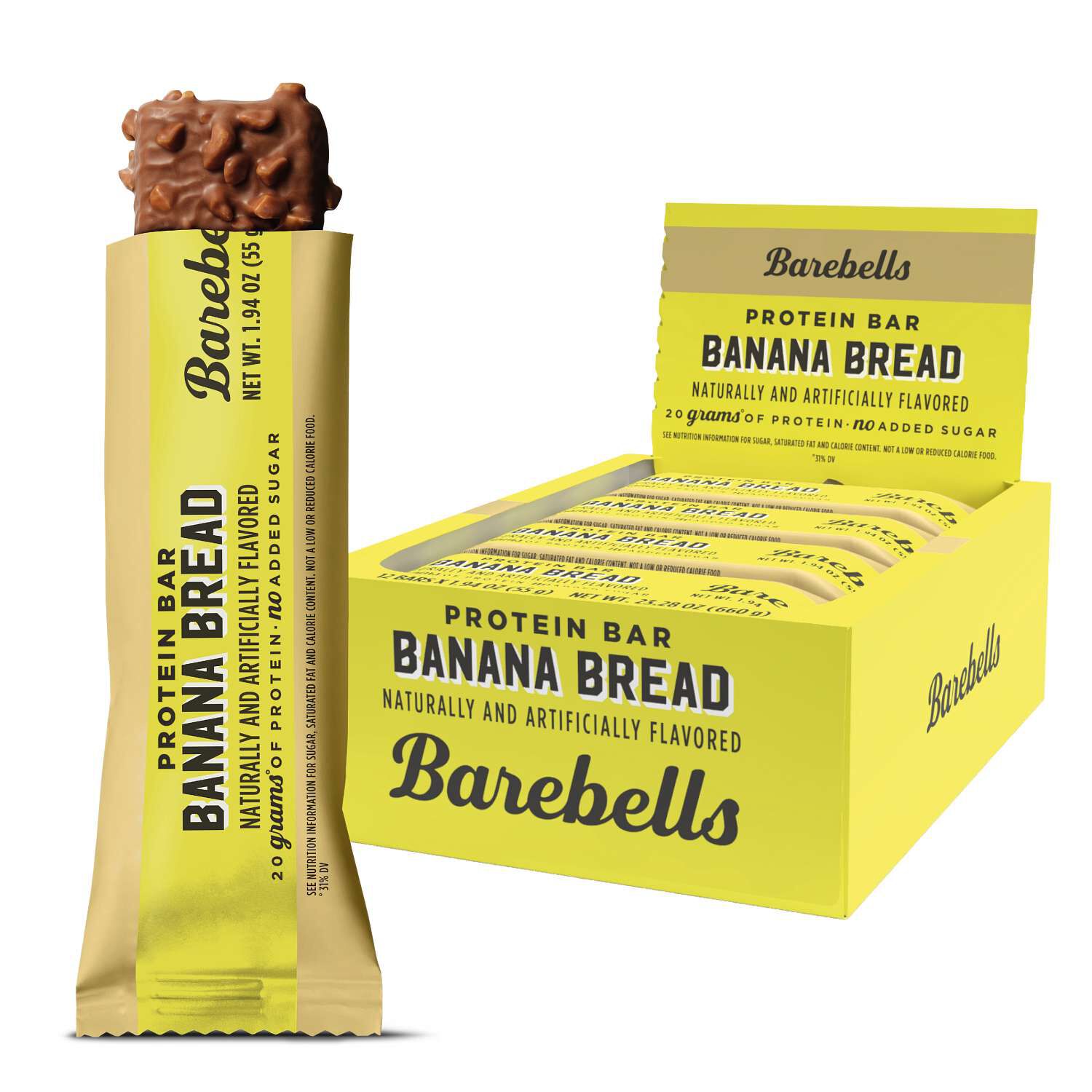 Barebells
-
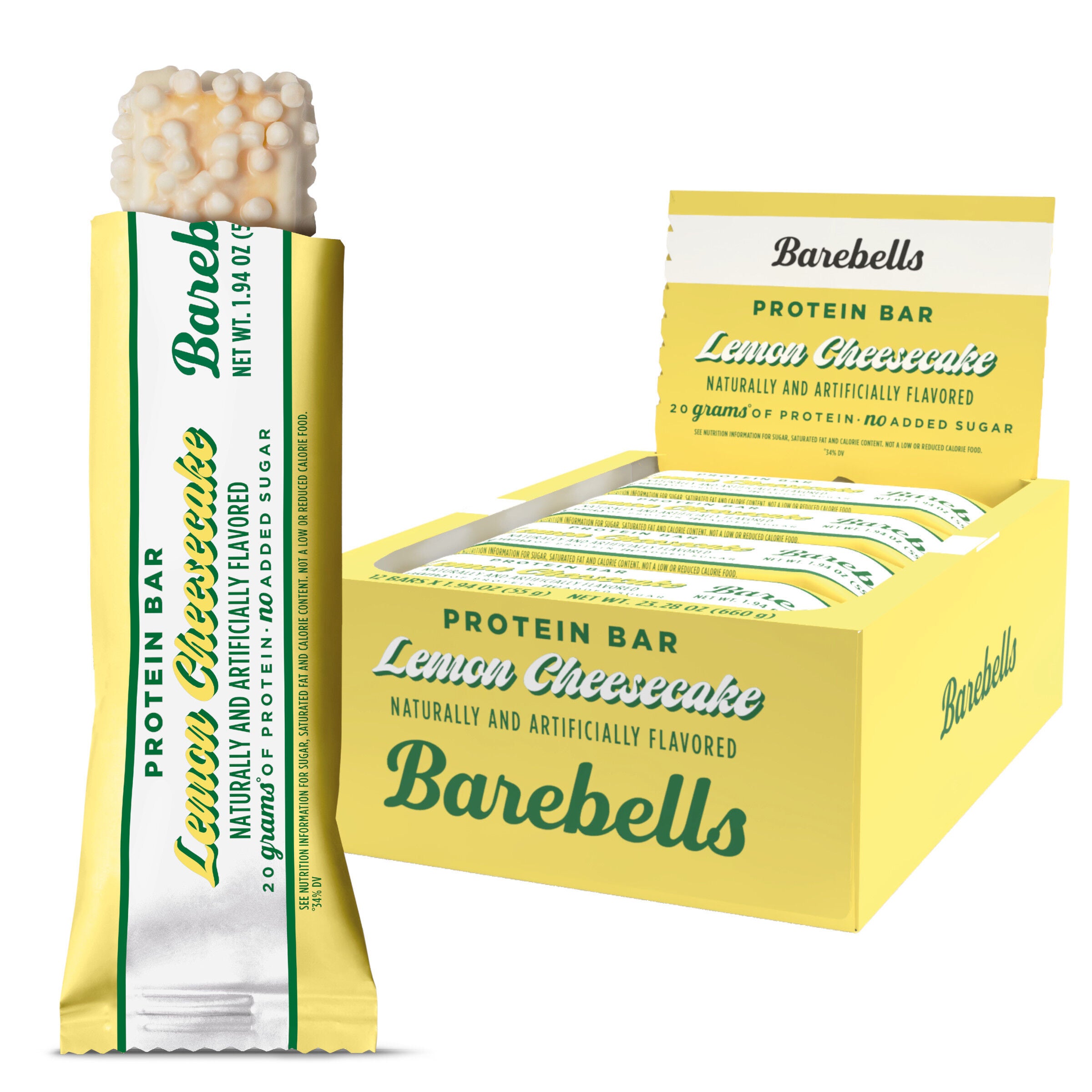 Barebells