Root Supplements
(0 Results)
Root supplements could be a convenient way to support your wellness routine with ingredients inspired by nature. Whether you’re looking to explore traditional herbal options or add something new to your daily regimen, root supplements offer a variety of choices to fit different lifestyles and preferences. Discover a selection that may complement your goals and help you feel your best every day.


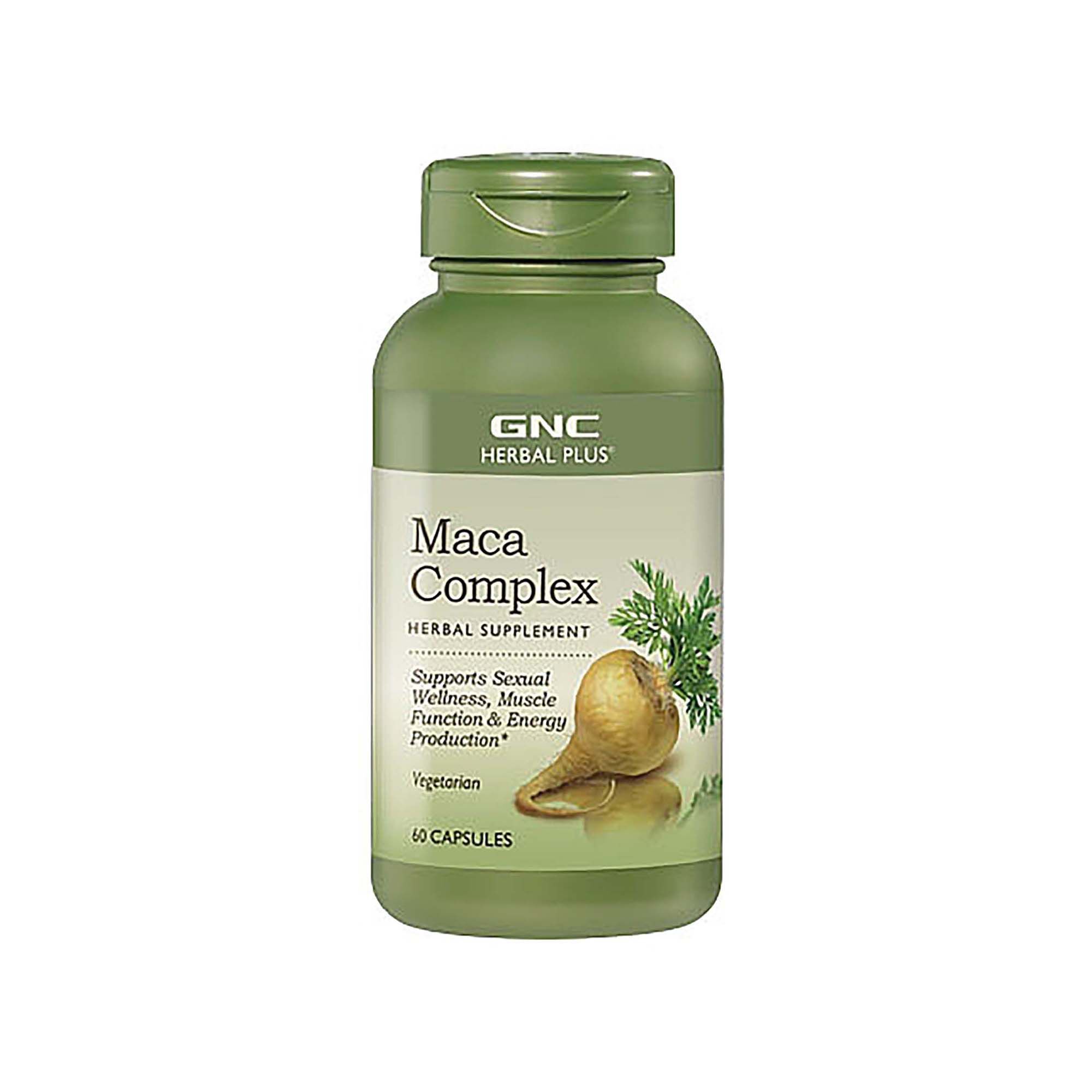
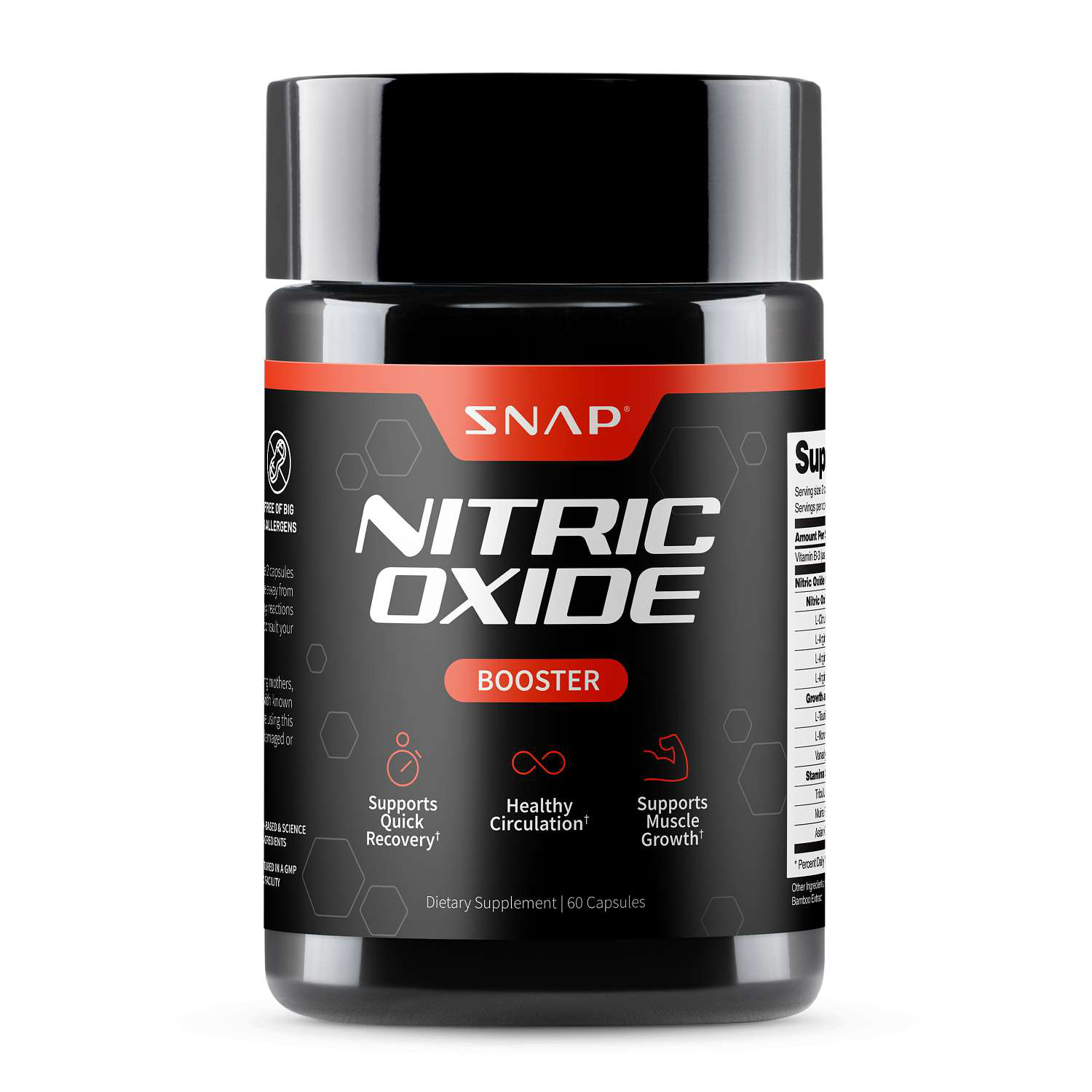


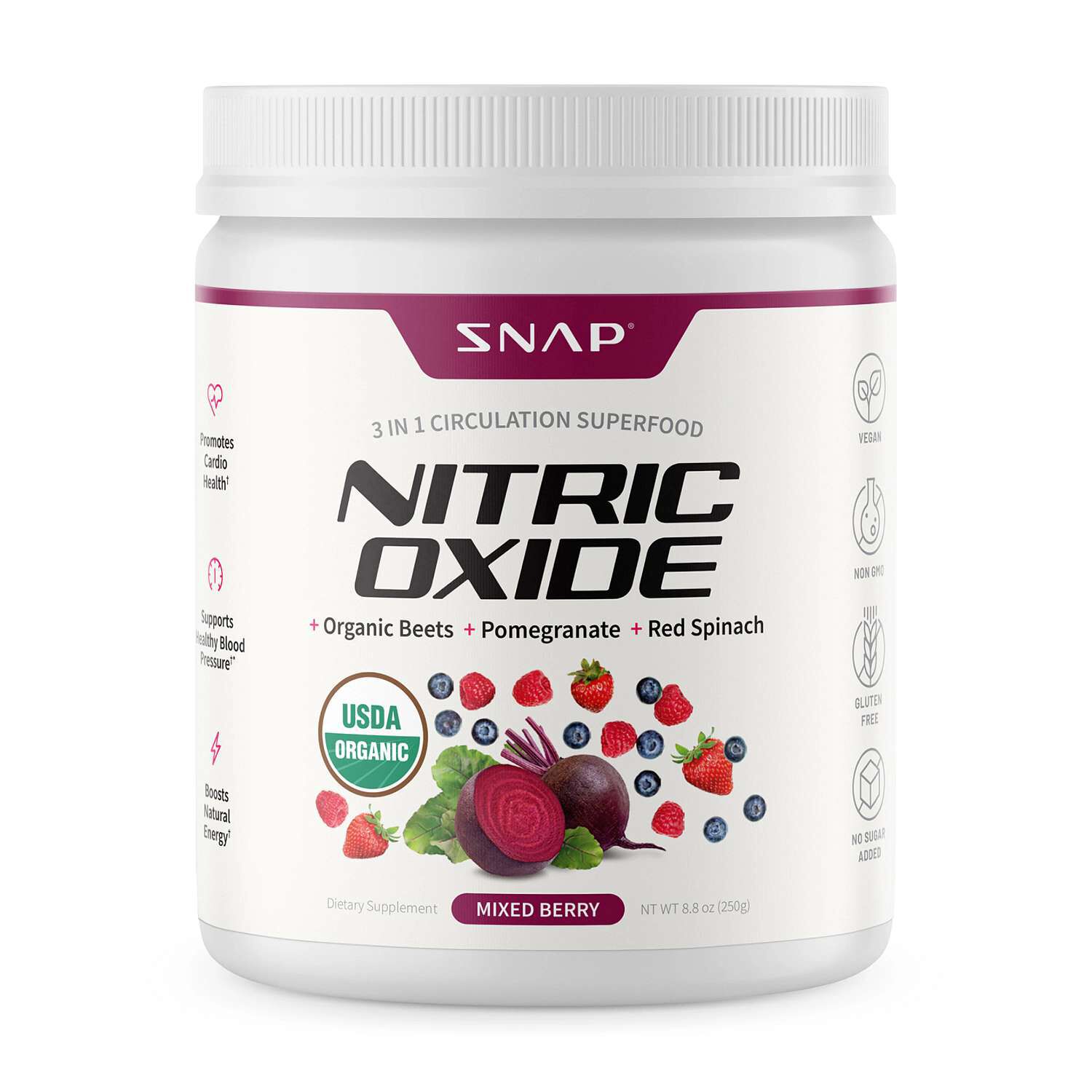
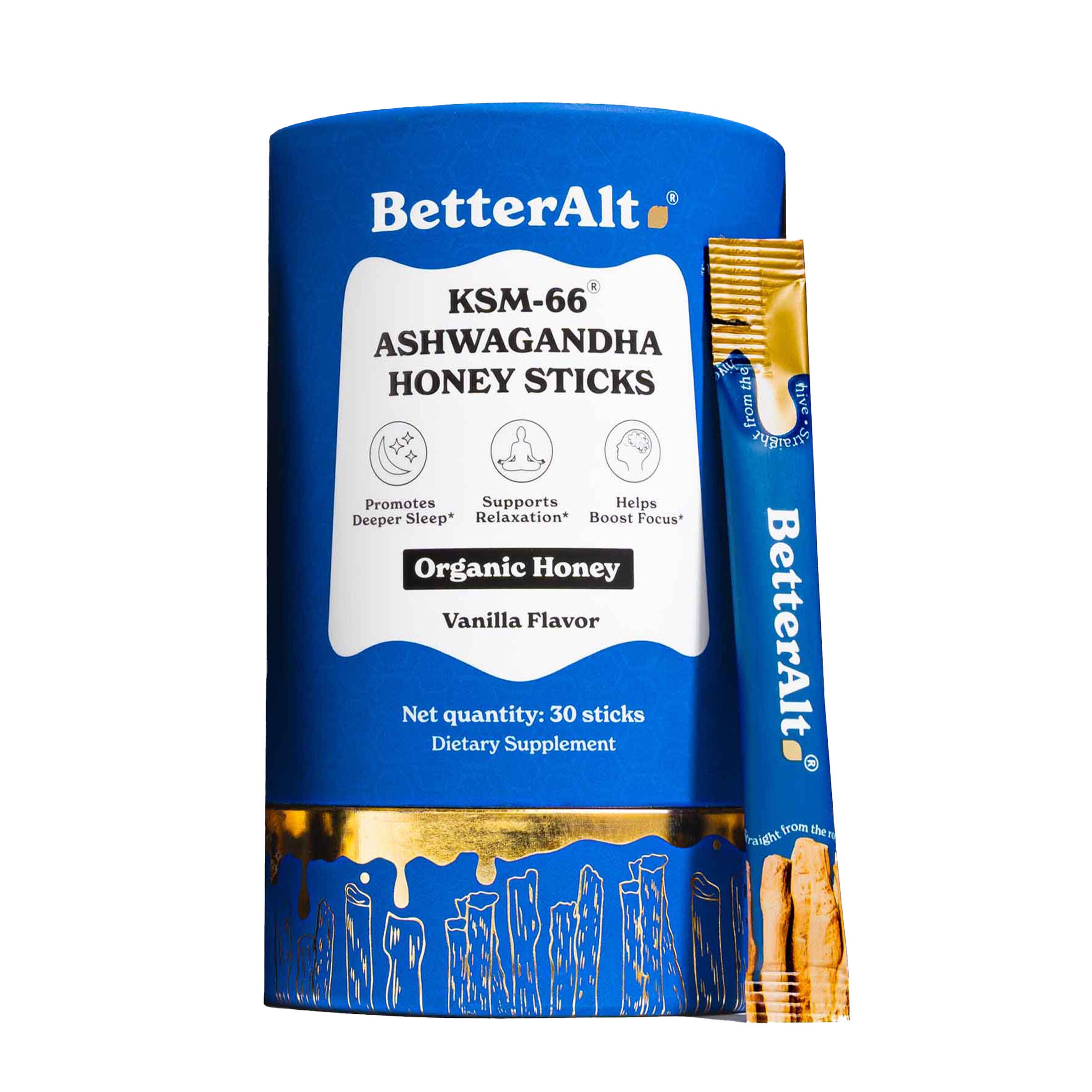
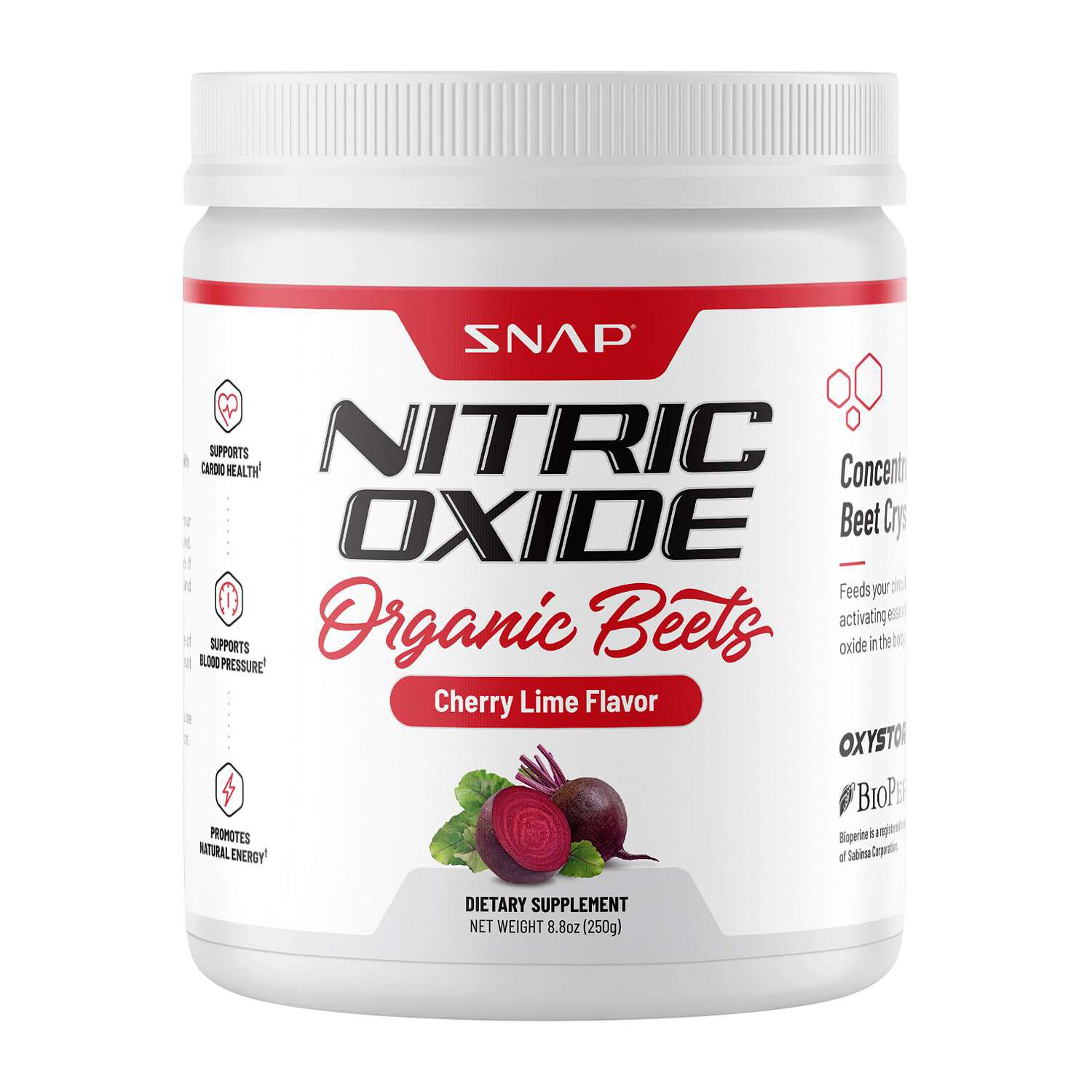
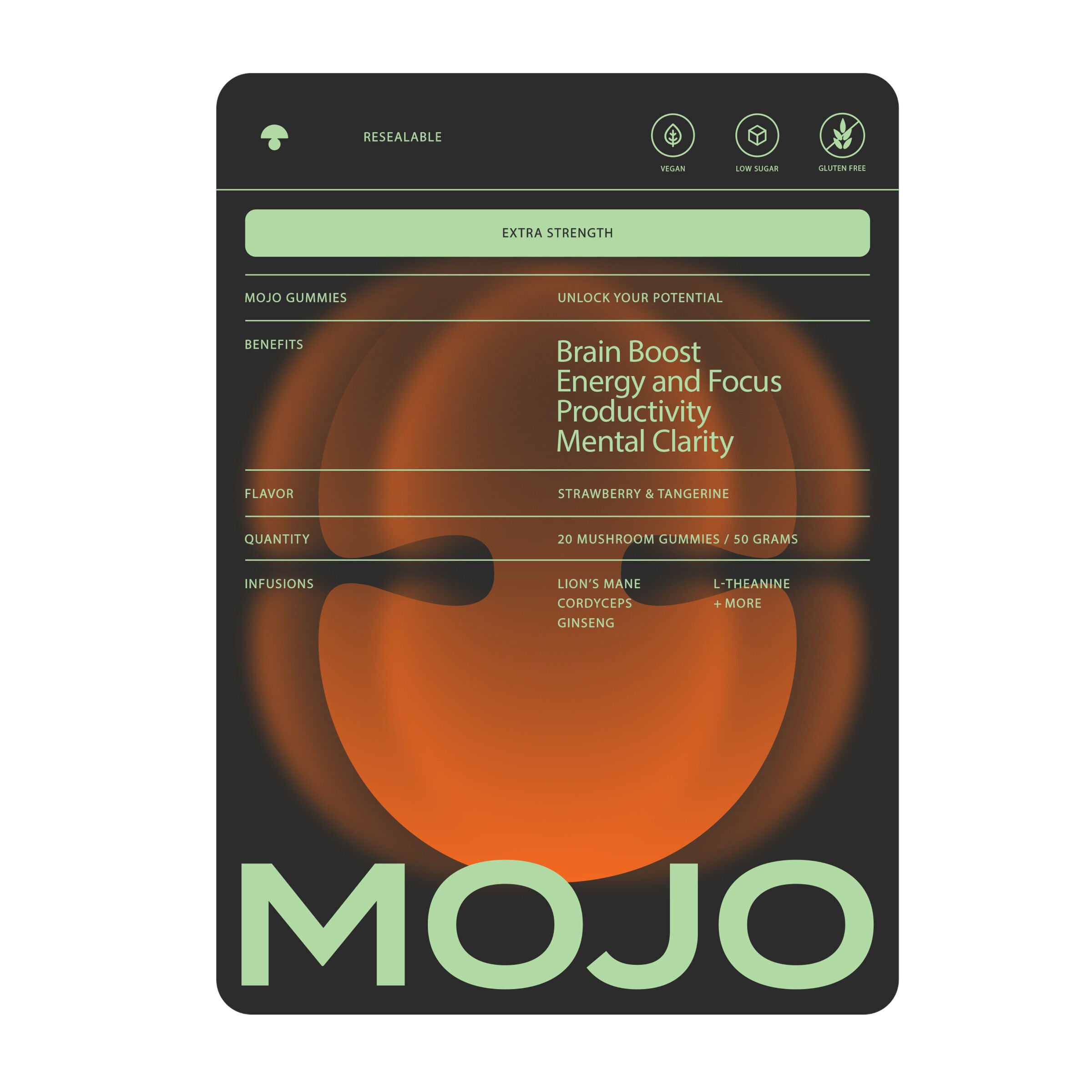


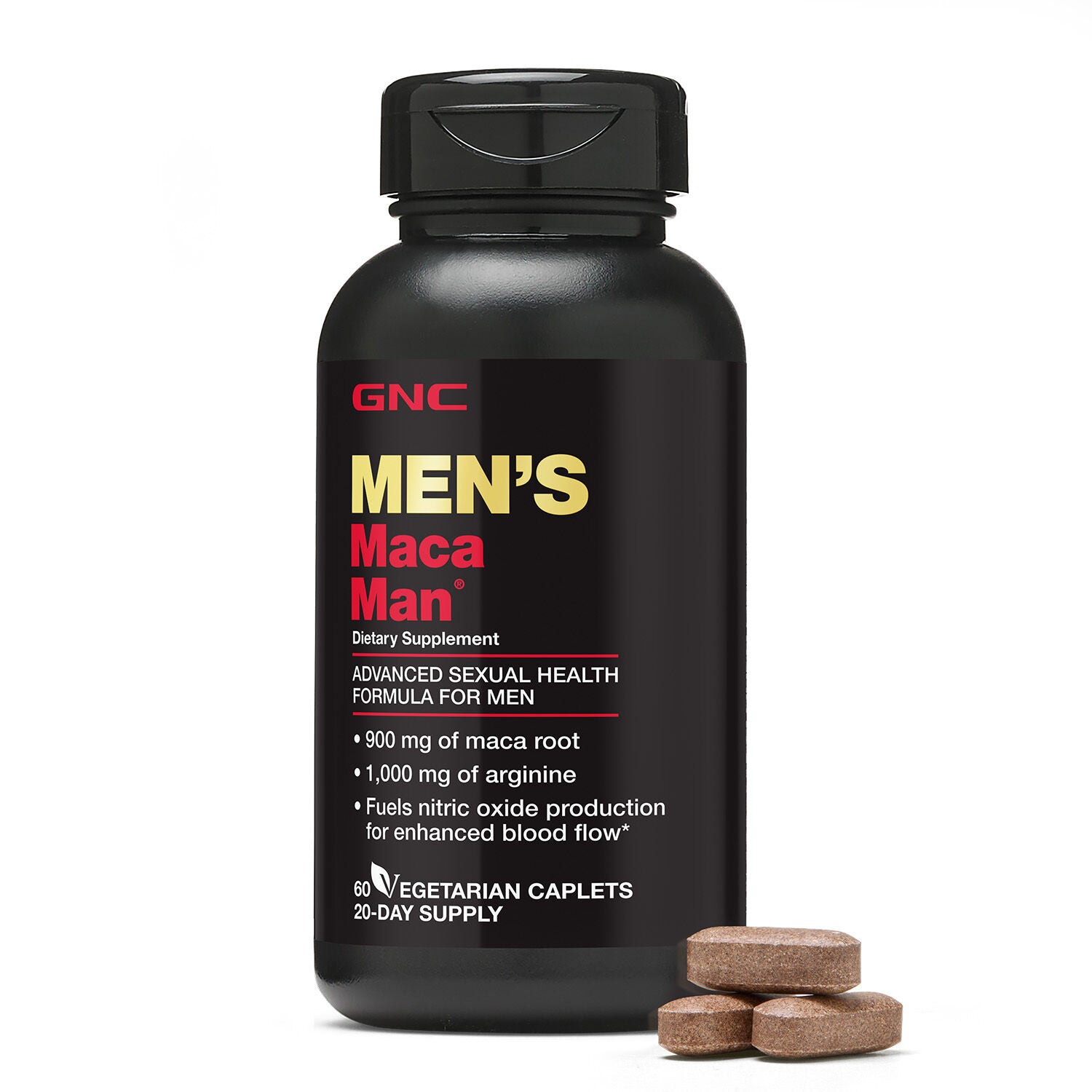

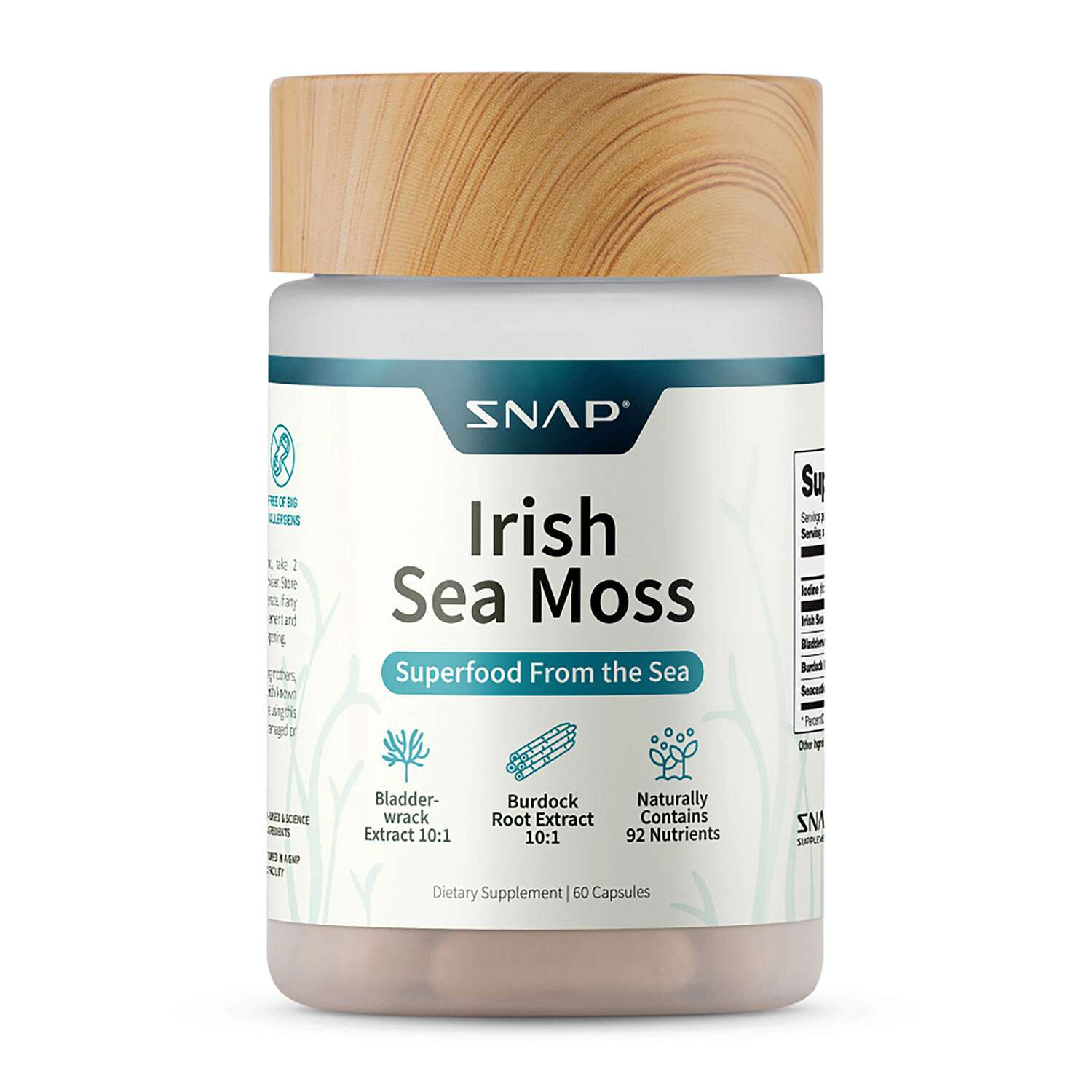


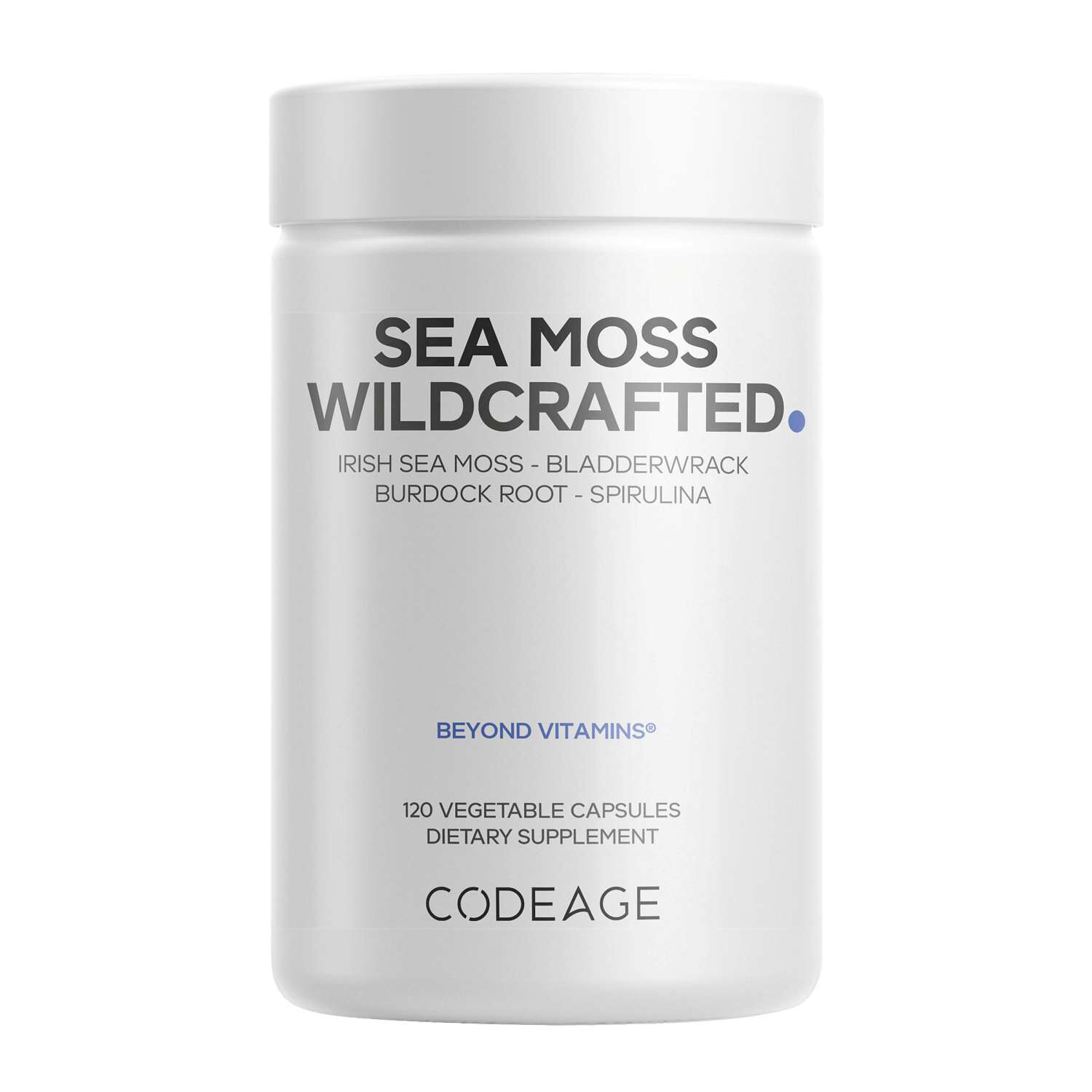
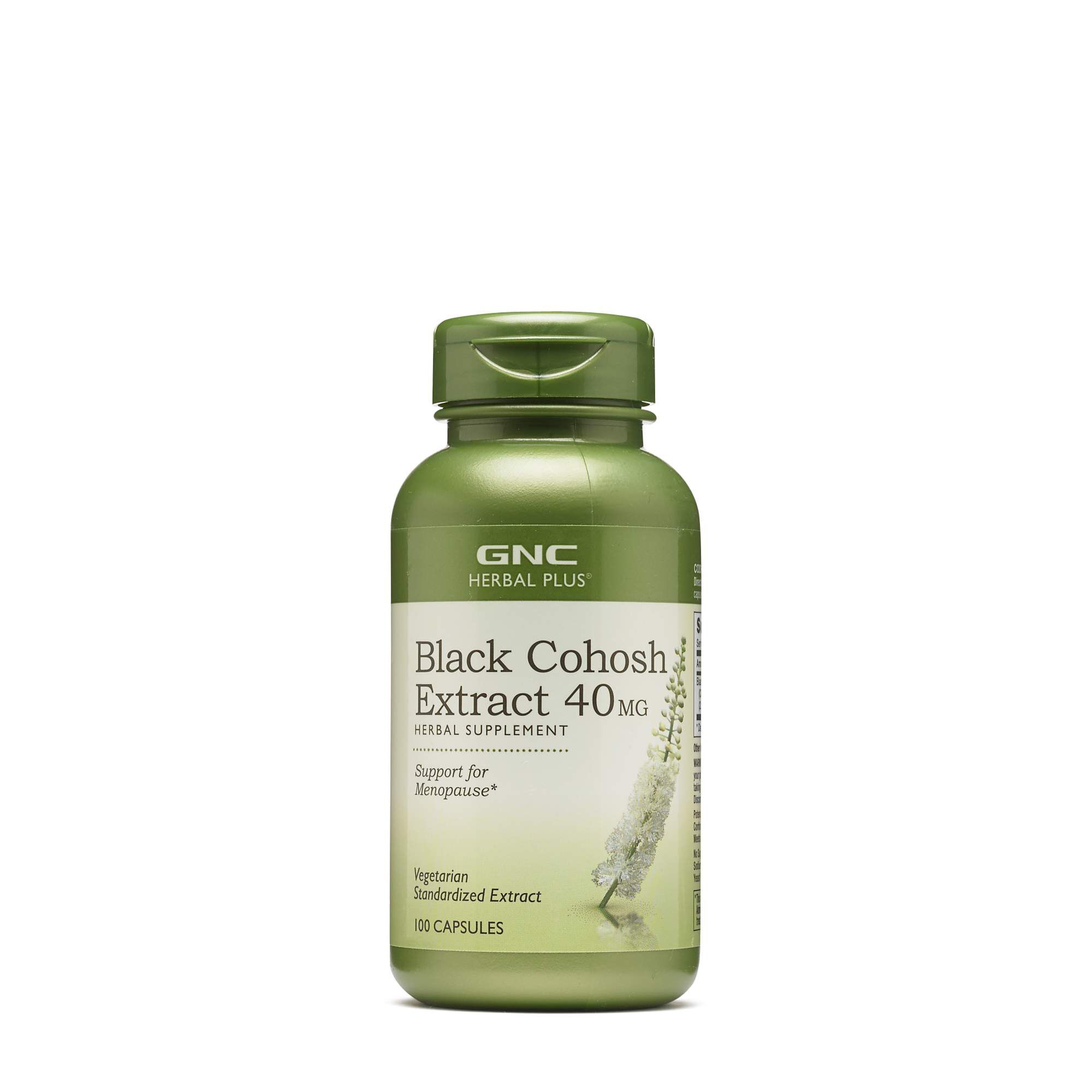
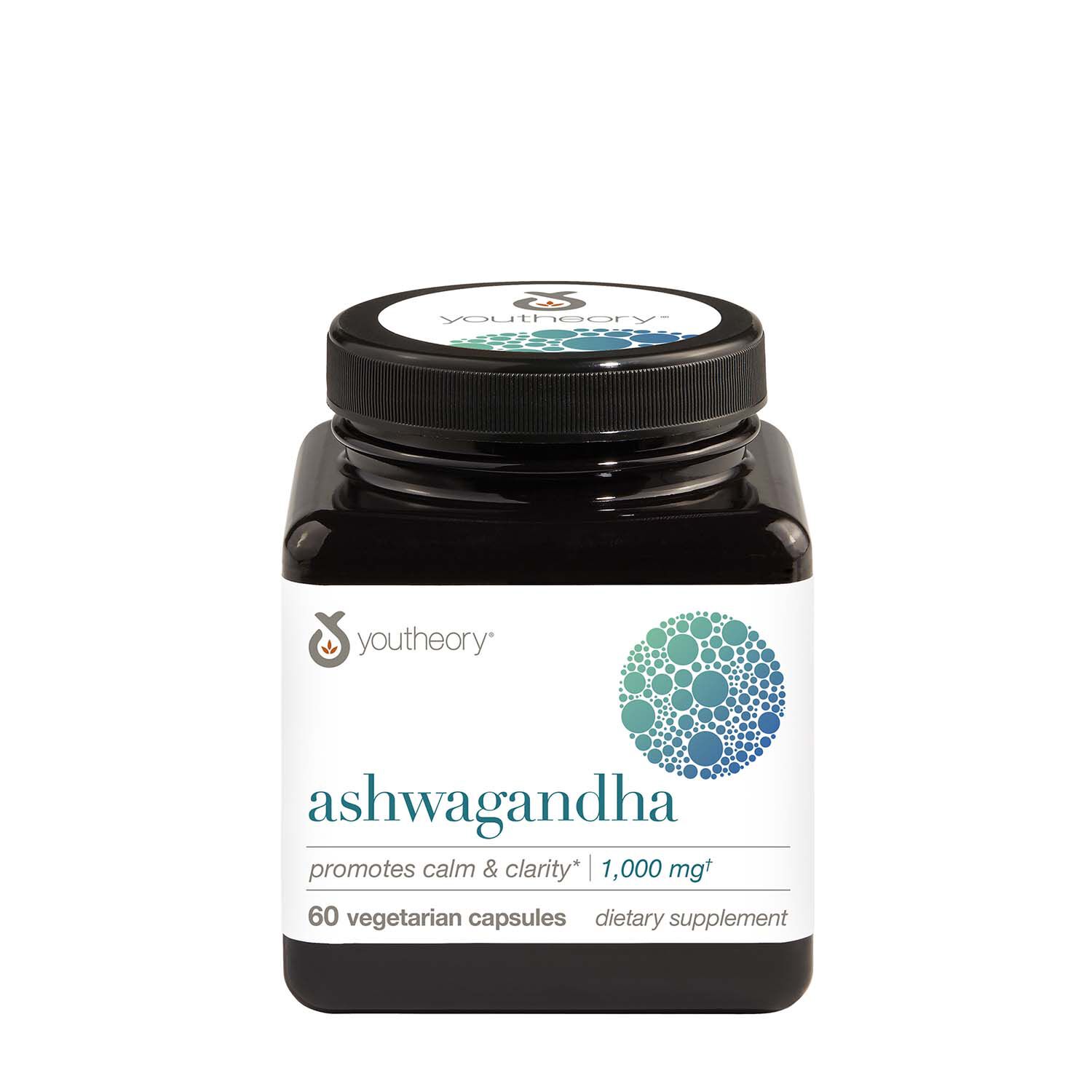
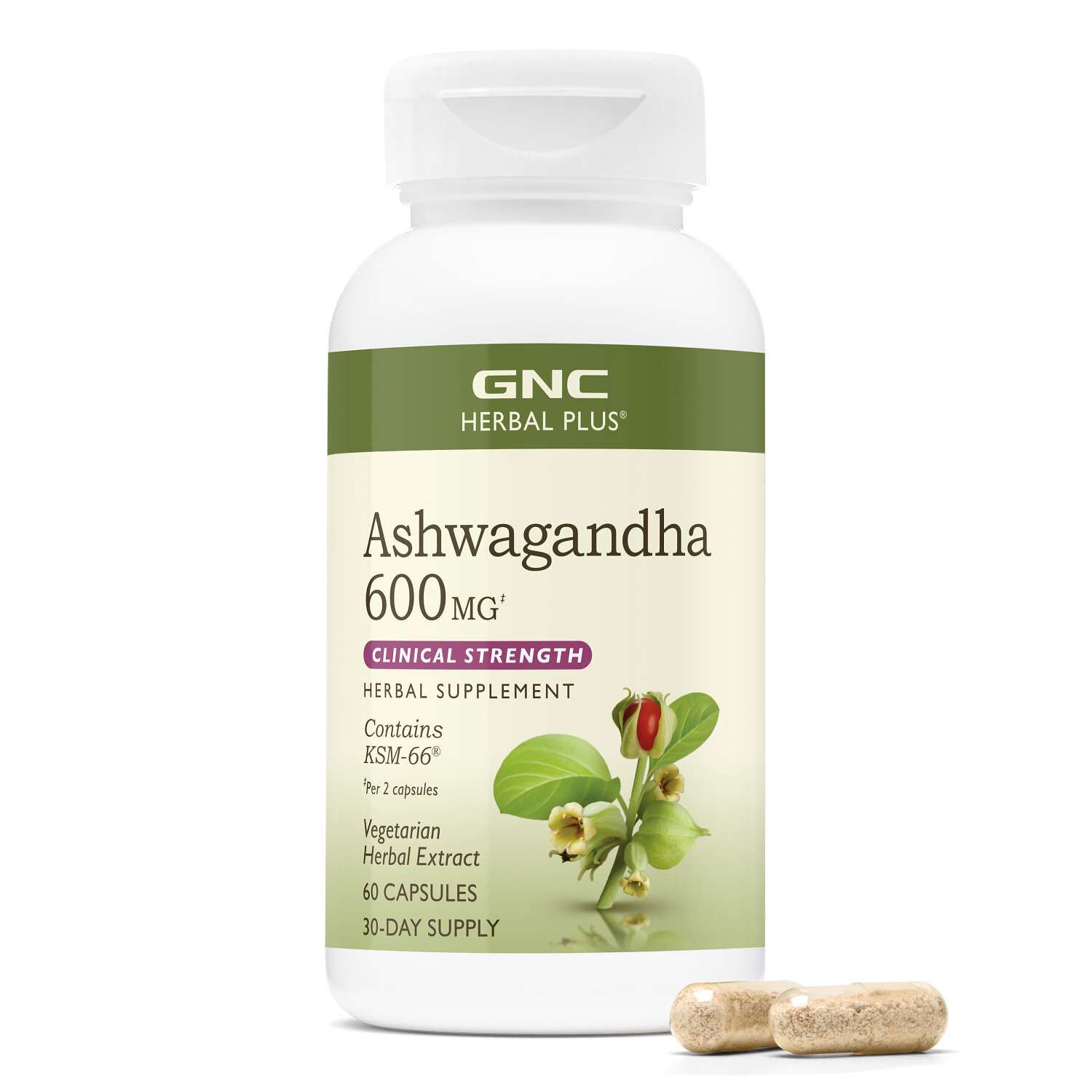
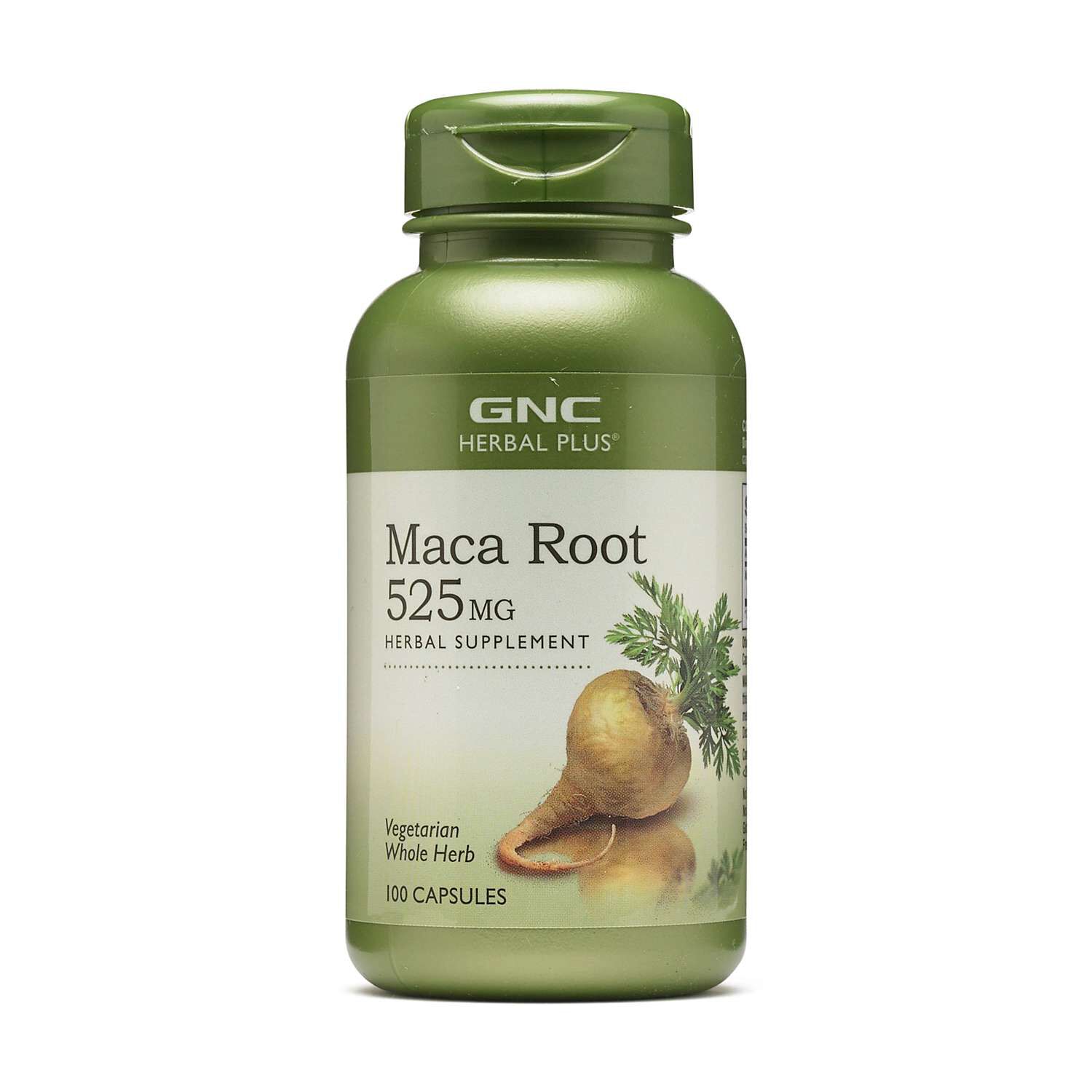
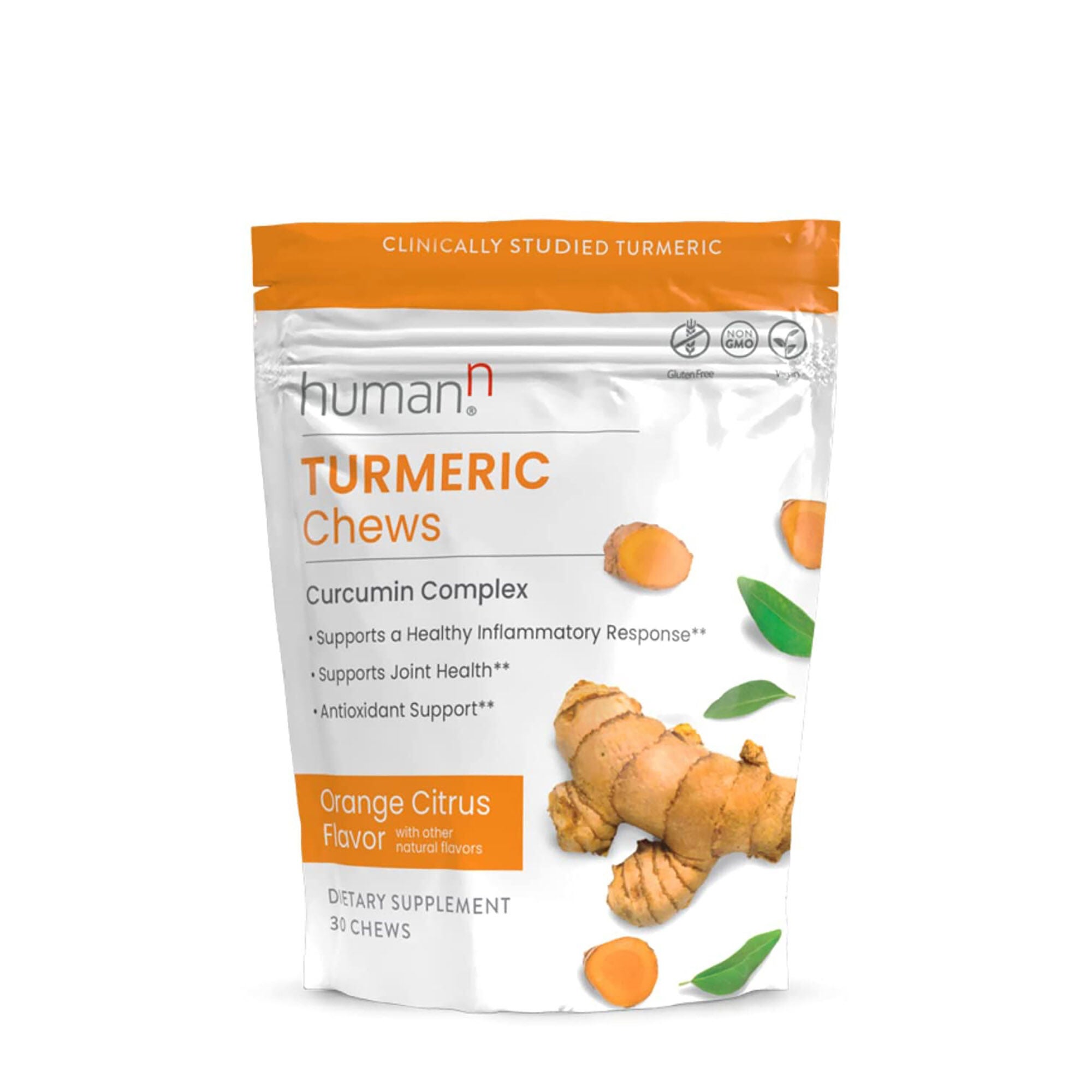
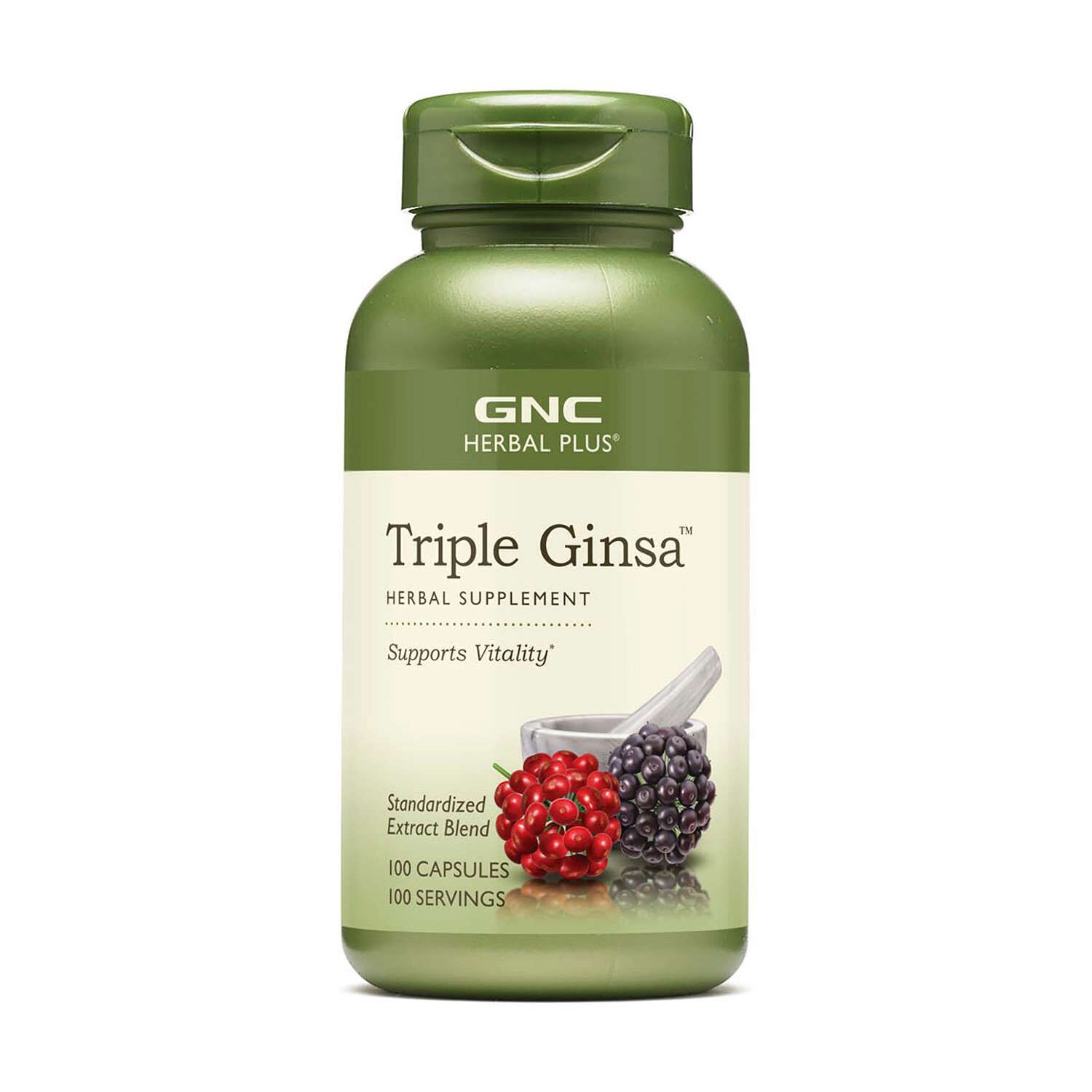
Root supplements are dietary supplements made with plant roots or related underground plant parts, offered in formats such as capsules, tablets, powders, and liquid extracts. The category includes familiar botanical ingredients such as ginger, turmeric, beet, maca, and ashwagandha, although their plant structures, preparation methods, and everyday uses differ. Ginger and turmeric, for example, come from rhizomes, which are underground stems rather than true roots, but often appear alongside root-based botanicals. The word “root” describes the ingredient source; it does not mean that every formula has the same composition or intended use. Some formulas feature one botanical, while others combine several plant ingredients or pair them with vitamins and minerals. A root supplement is therefore not automatically a multivitamin, an electrolyte mix, or a substitute for a varied diet. Its identity comes from the botanical species, the plant part used, and the way that ingredient is prepared. Those distinctions matter when comparing a finely milled root powder with a concentrated extract, even when both display the same familiar botanical name. Roots have longstanding culinary and botanical traditions, but a supplement format can differ substantially from the ingredient used in a recipe or brewed into a beverage. A capsule containing ginger powder, for instance, is a different preparation from sliced ginger in a cup of tea. Shoppers interested in plant-based ingredients may be drawn to this category for its variety of formats and straightforward single-botanical options. Others may prefer blends that bring several ingredients into one labeled serving. For either preference, the most useful context is the actual formula rather than broad wording on the front of the package. Botanical names, ingredient amounts, serving sizes, and preparation details make the category easier to understand without assuming that all root supplements are interchangeable. Familiarity with a plant in the kitchen can be a starting point for interest, but the supplement label provides the details that distinguish one formulation from another.
The physical format of a root supplement has a practical role in how it fits into an established routine. Capsules contain a measured amount inside a shell, while tablets compress ingredients into a solid form. Capsule shells can be made from gelatin or plant-derived materials, so the botanical ingredient alone does not determine whether the finished formula suits a vegetarian or vegan preference. Powders allow for preparation in a beverage or food when that use appears in the directions, but their texture, color, and flavor can be noticeable. Beet powder can bring a deep reddish color, while ginger has a recognizable sharpness and maca often has an earthy character. A powder added to a plain beverage may be more apparent than the same ingredient incorporated into a smoothie, and some preparations settle rather than dissolve. Flavored blends can also contain sweeteners and other ingredients that change the drinking experience. Liquid formats have their own considerations, including the carrier ingredients, serving measurement, and directions for mixing. Someone who prefers a brief routine without beverage preparation might favor capsules or tablets; someone who already prepares a smoothie might prefer a powder intended for that use. Packaging also matters in ordinary settings, from a bottle stored in a kitchen cabinet to a resealable pouch used beside a blender. Clearly printed directions and a closure that seals securely are useful details for repeated handling. Storage and care depend on the preparation, with the package directions providing the appropriate conditions and any instructions that apply after opening. Keeping the original packaging preserves access to the ingredient list, serving directions, date information, and lot identification. For powders, using a clean, dry measuring utensil and closing the container after use may help limit moisture exposure. Shelf life is separate from package sturdiness: a substantial bottle or thick pouch does not establish how long the contents retain their stated quality. The printed date and storage directions offer more relevant information than the appearance of the container.
Preparation is another important distinction within root supplements, particularly when comparing whole-root powders and extracts. A whole-root powder generally consists of dried botanical material that has been milled, whereas an extract is made by processing plant material to obtain selected constituents. Extraction methods vary, and a formula may identify water, alcohol, or another processing medium in its supporting details. An extract ratio describes a relationship between the starting botanical material and the resulting extract, while standardization refers to a specified amount or proportion of a named constituent. These descriptions are not interchangeable, and neither is a reason to compare formulas by a single number alone. A larger milligram amount of root powder does not necessarily represent the same preparation as a smaller milligram amount of extract. For a closer look at that preparation category, Herbal Root Extracts offers a related selection centered on extracted botanical ingredients. Across formats, the Supplement Facts panel helps distinguish the amount per serving from the amount in an individual capsule or tablet. A serving can include more than one unit, which matters when comparing package counts and the number of servings listed. Blends require a different kind of attention: the label may identify several botanicals, additional nutrients, and a combined blend amount rather than separate amounts for every component. The other ingredients list adds context about capsule materials, binders, flavorings, and sweeteners. Allergen statements and dietary designations can further clarify whether a formula aligns with personal food preferences or ingredient restrictions. For shoppers who value transparency, a clearly identified botanical species and plant part can be more informative than a broad plant name alone. A root-and-leaf blend, for example, is compositionally different from a formula made only from the root. Choosing among these preparations ultimately involves matching the labeled ingredients, format, and preparation requirements to personal preferences, with enough attention to the details to distinguish a simple botanical powder from a more involved formula.