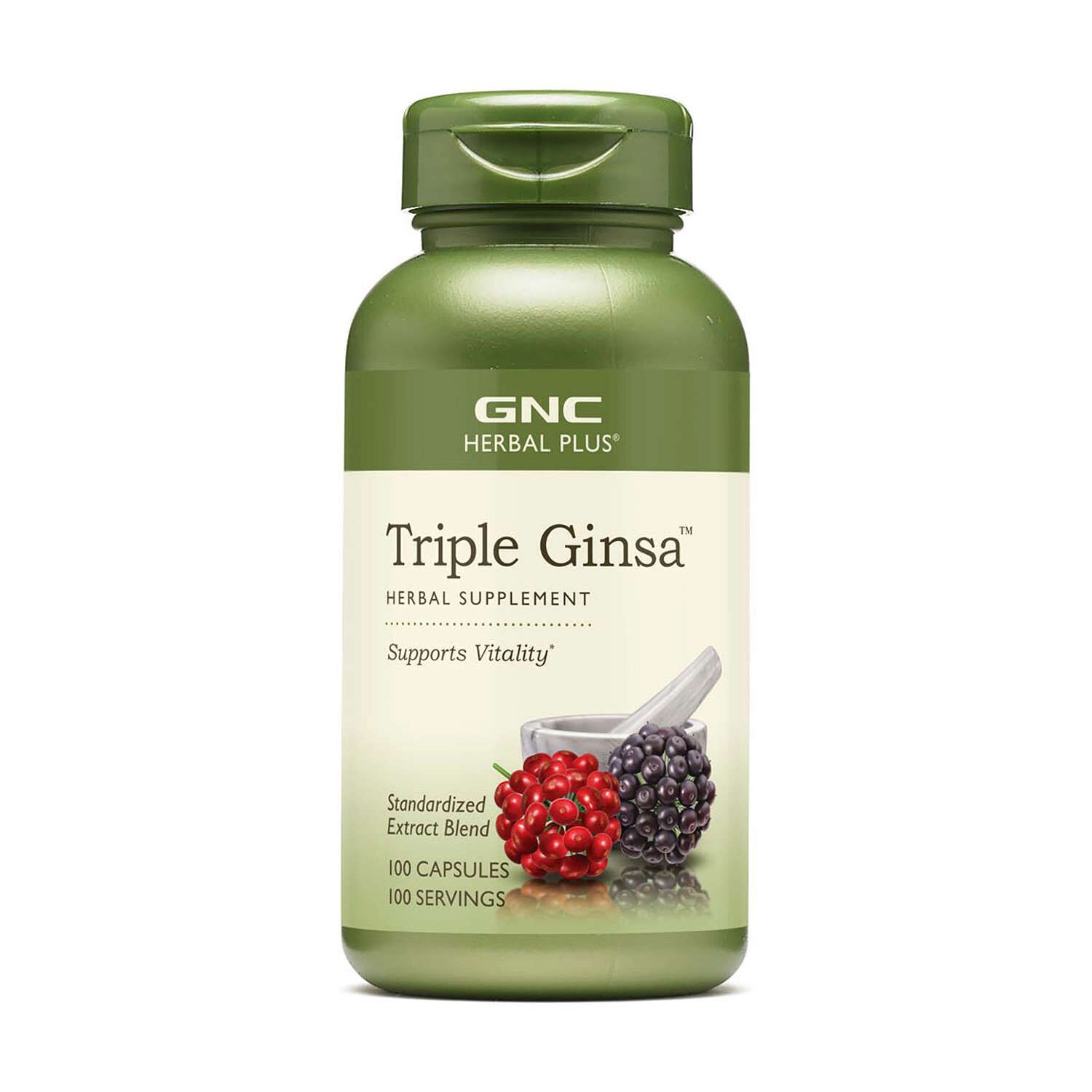
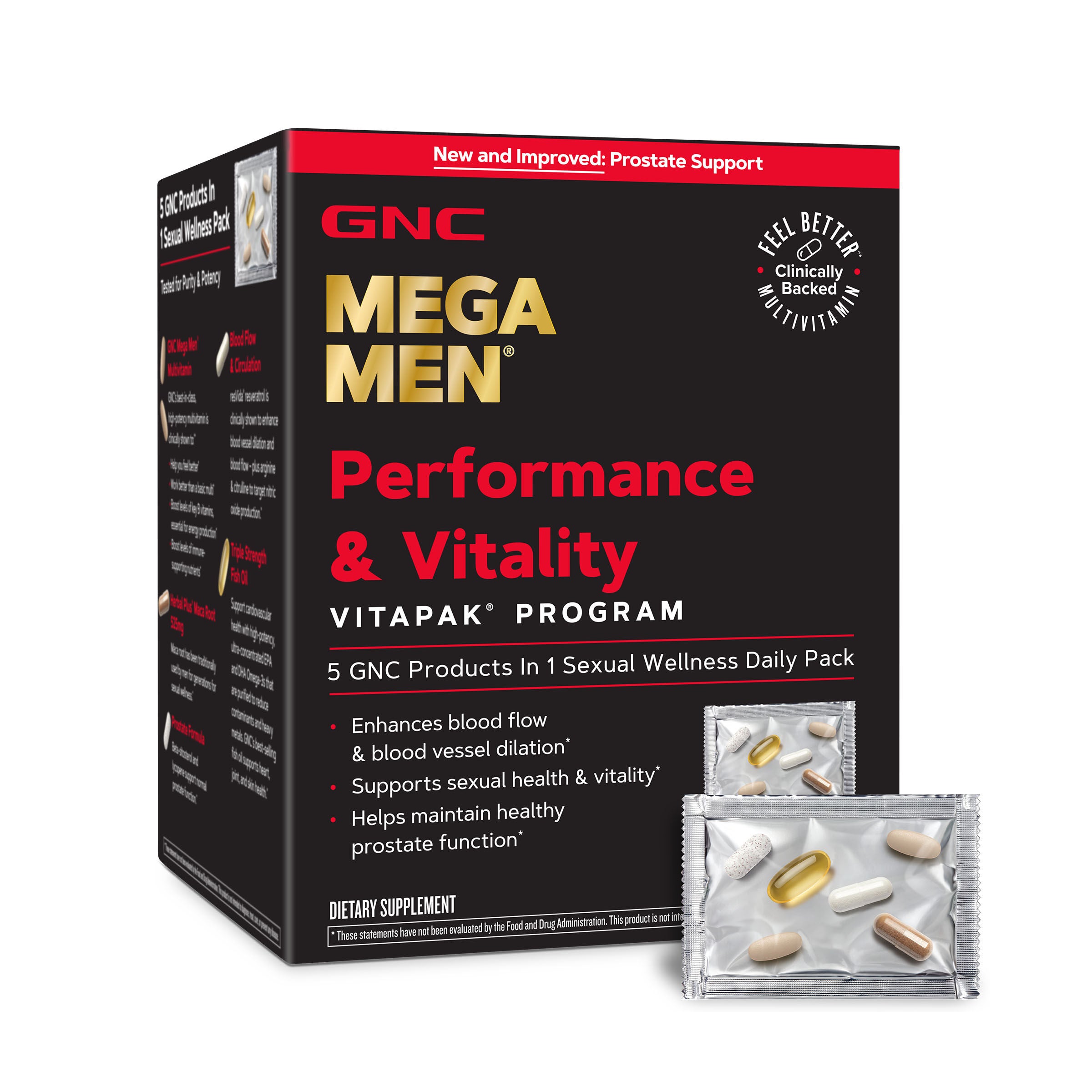
Vegetable Root Supplements
(0 Results)
Vegetable root supplements offer a convenient way to incorporate nutrient-rich roots into your daily routine. Packed with the potential benefits of nature’s underground bounty, these supplements may help support overall wellness and complement a balanced lifestyle. Explore a variety of vegetable root supplements that could fit seamlessly into your health and nutrition goals.
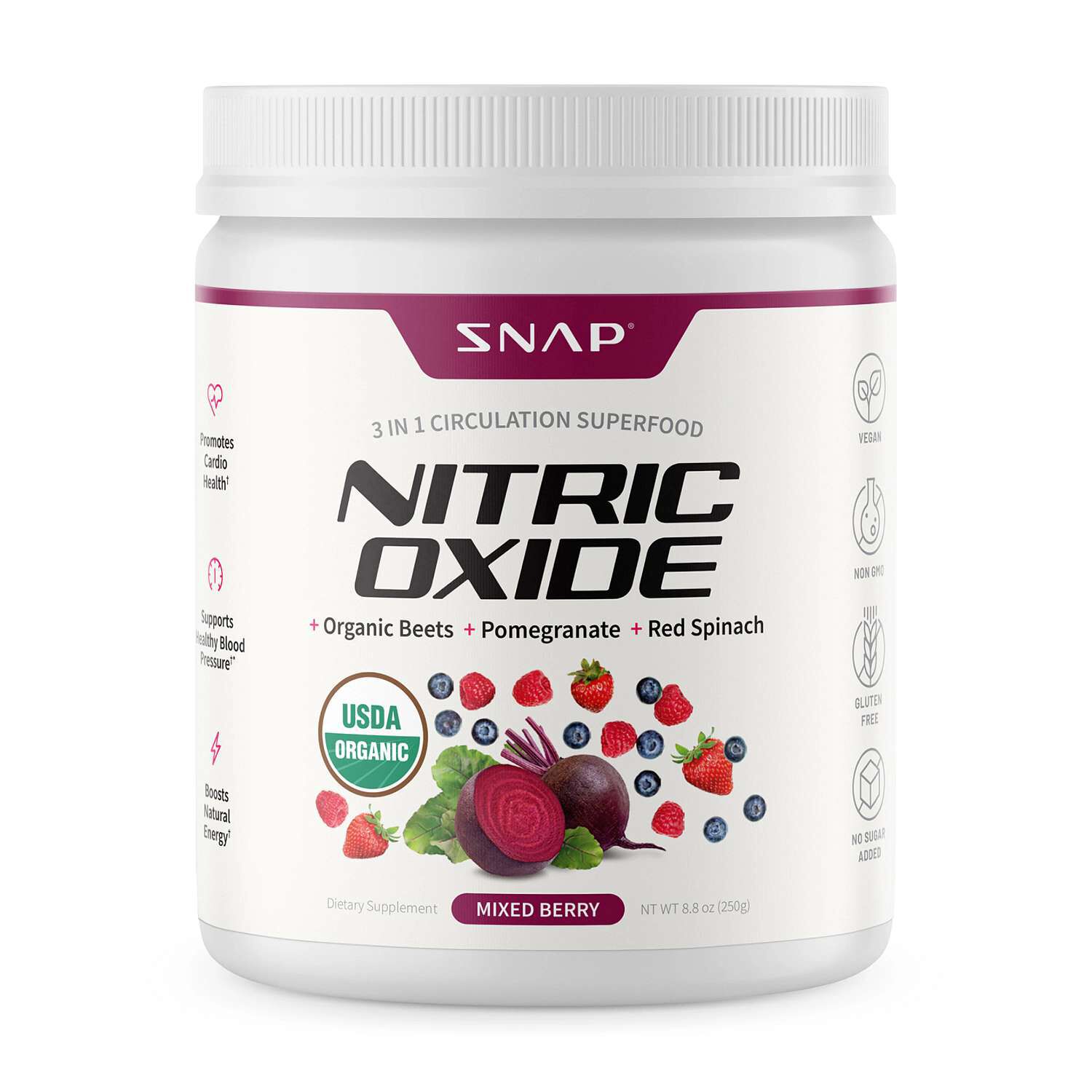
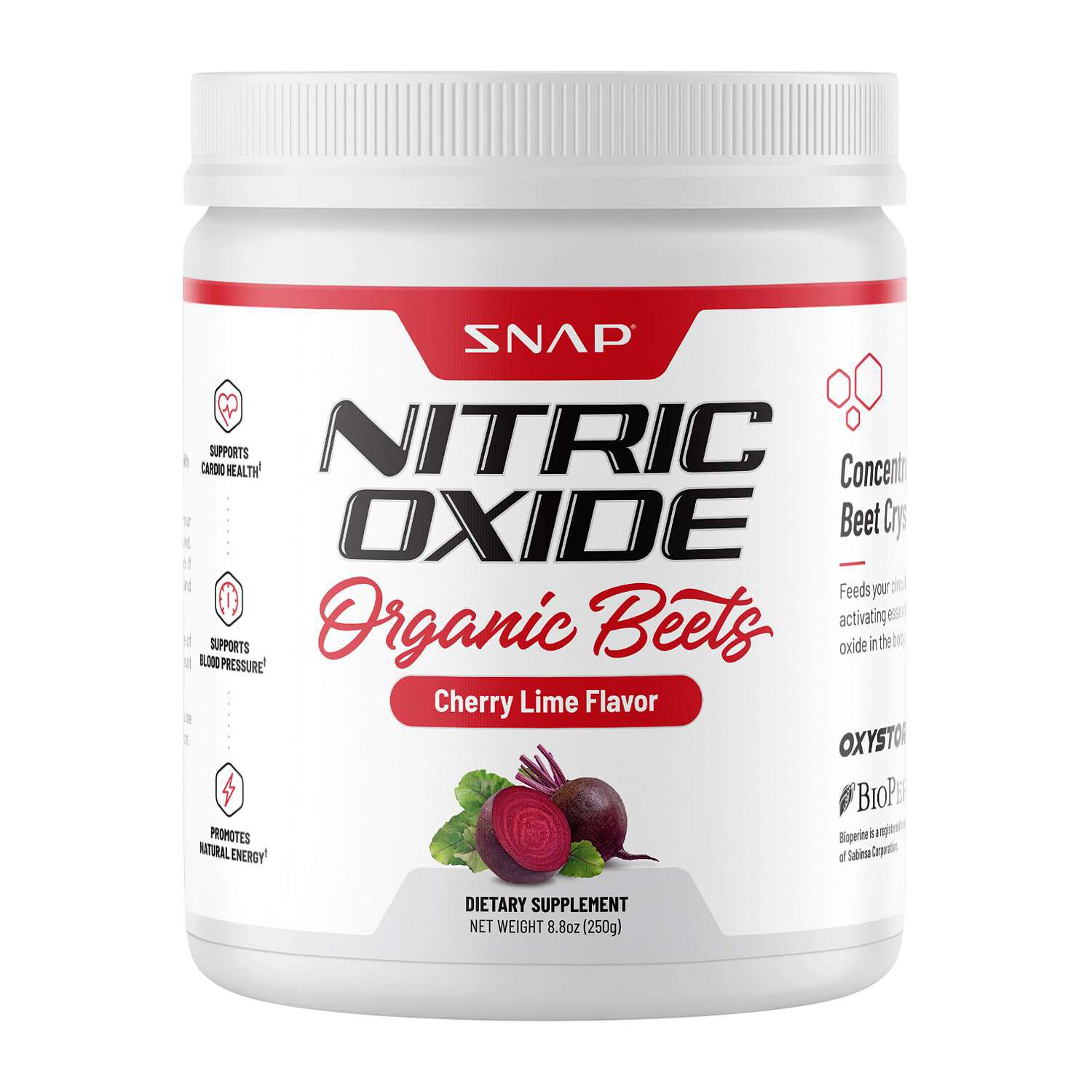
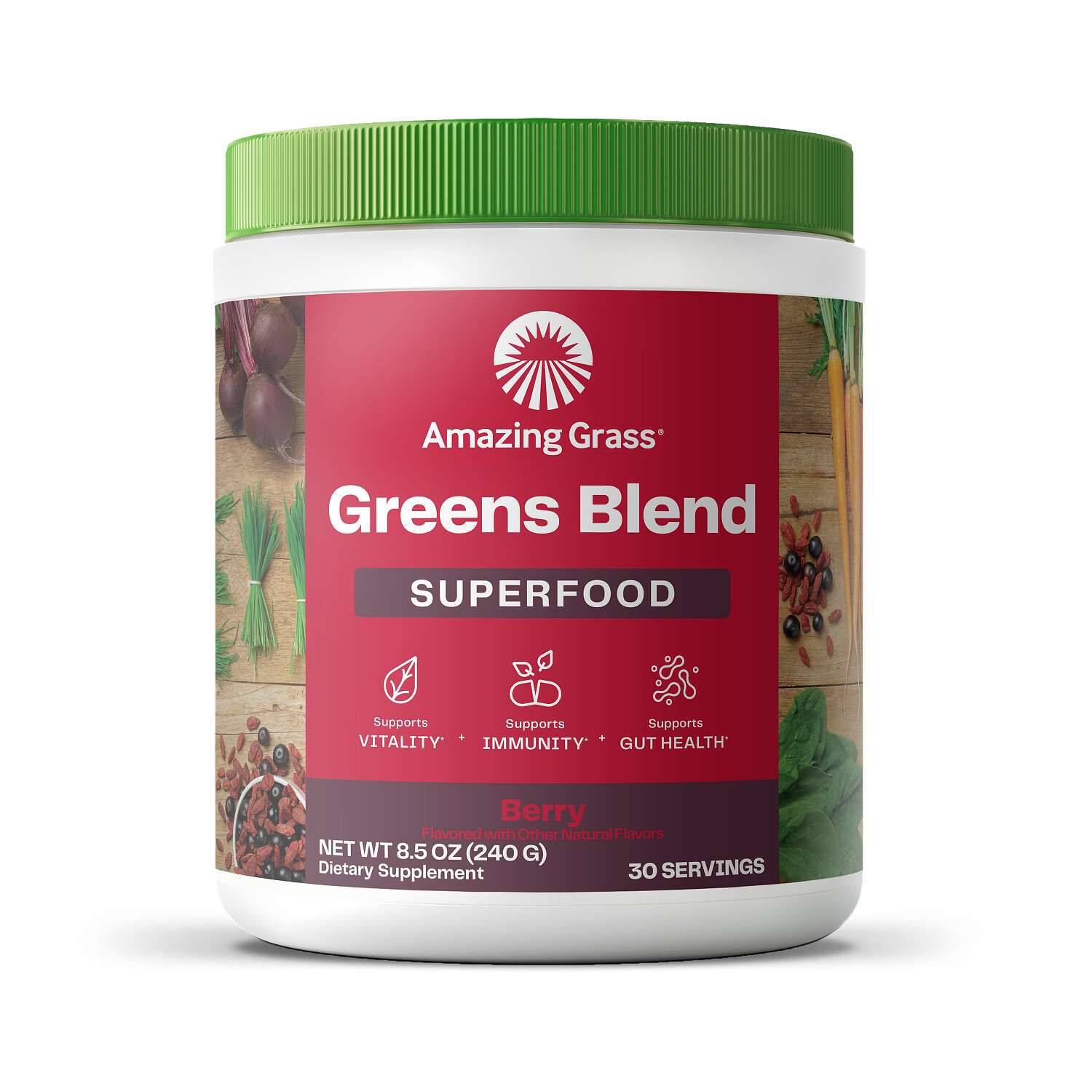


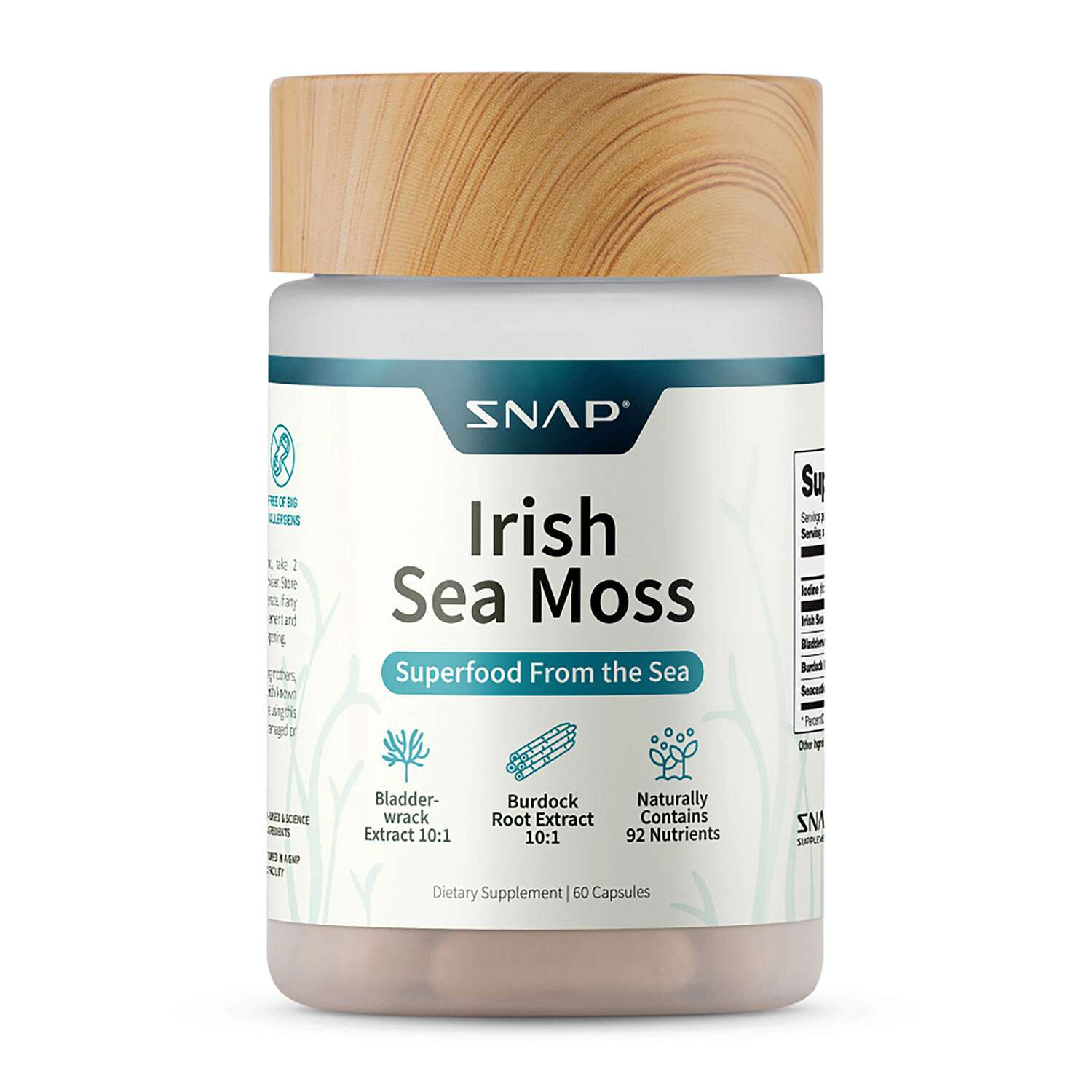

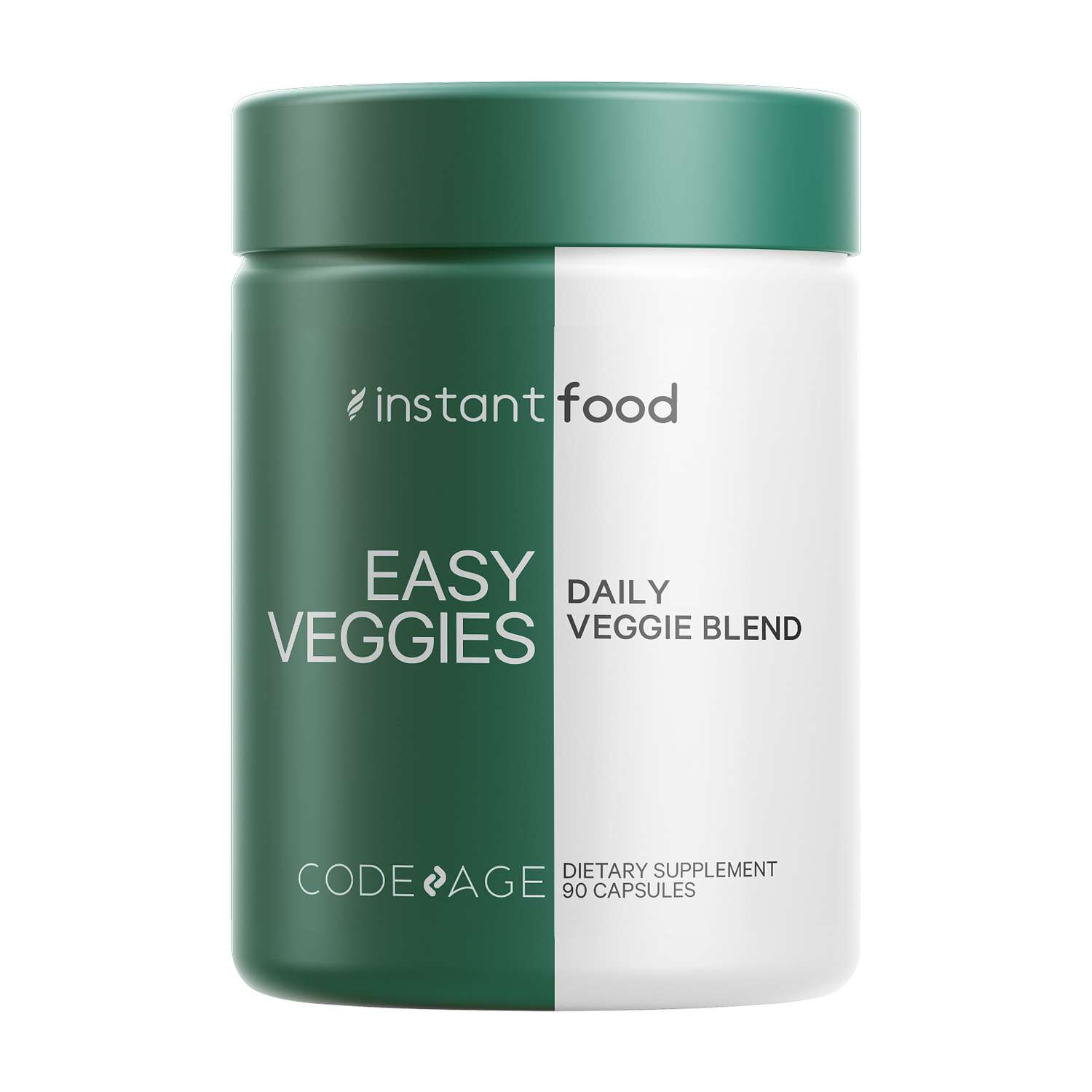
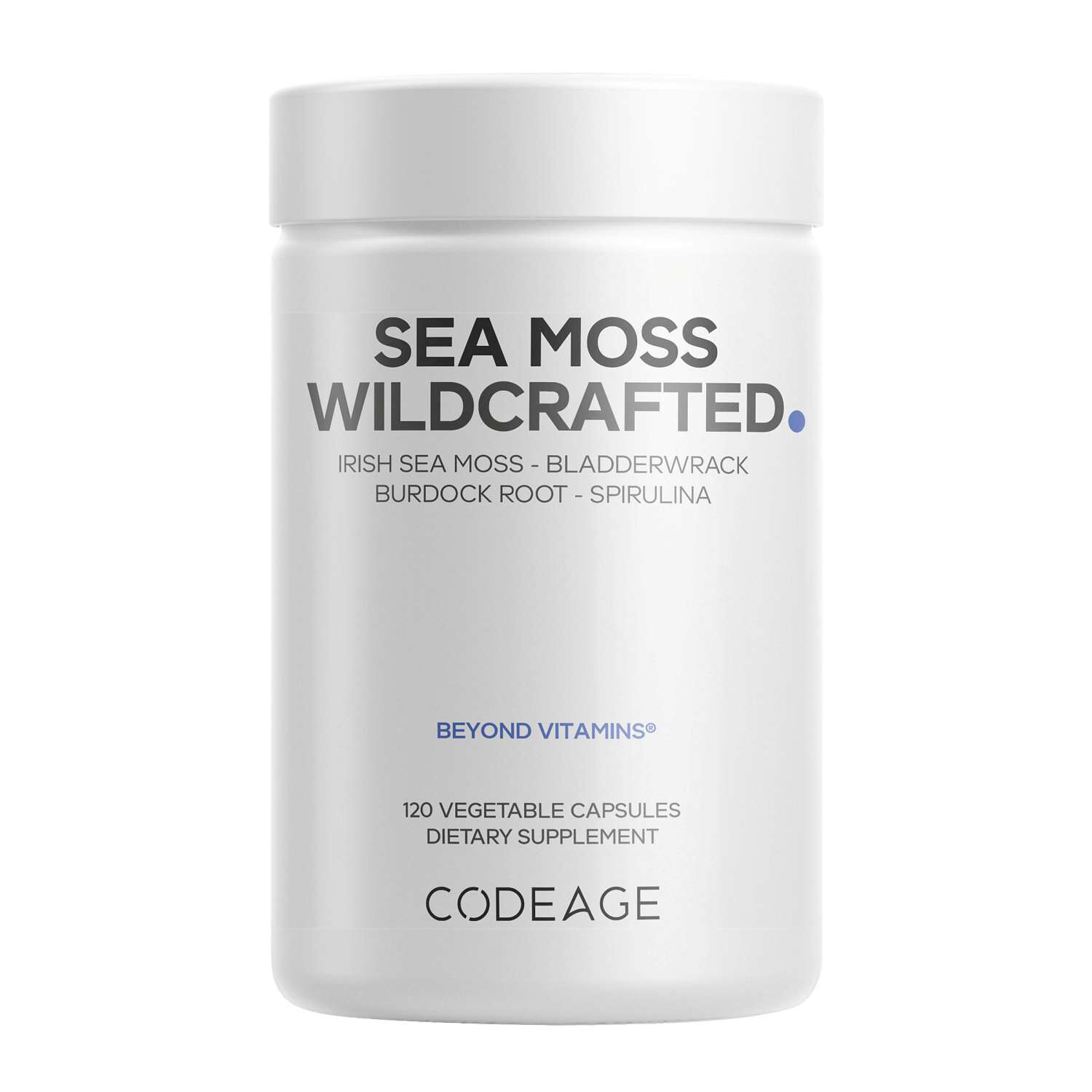
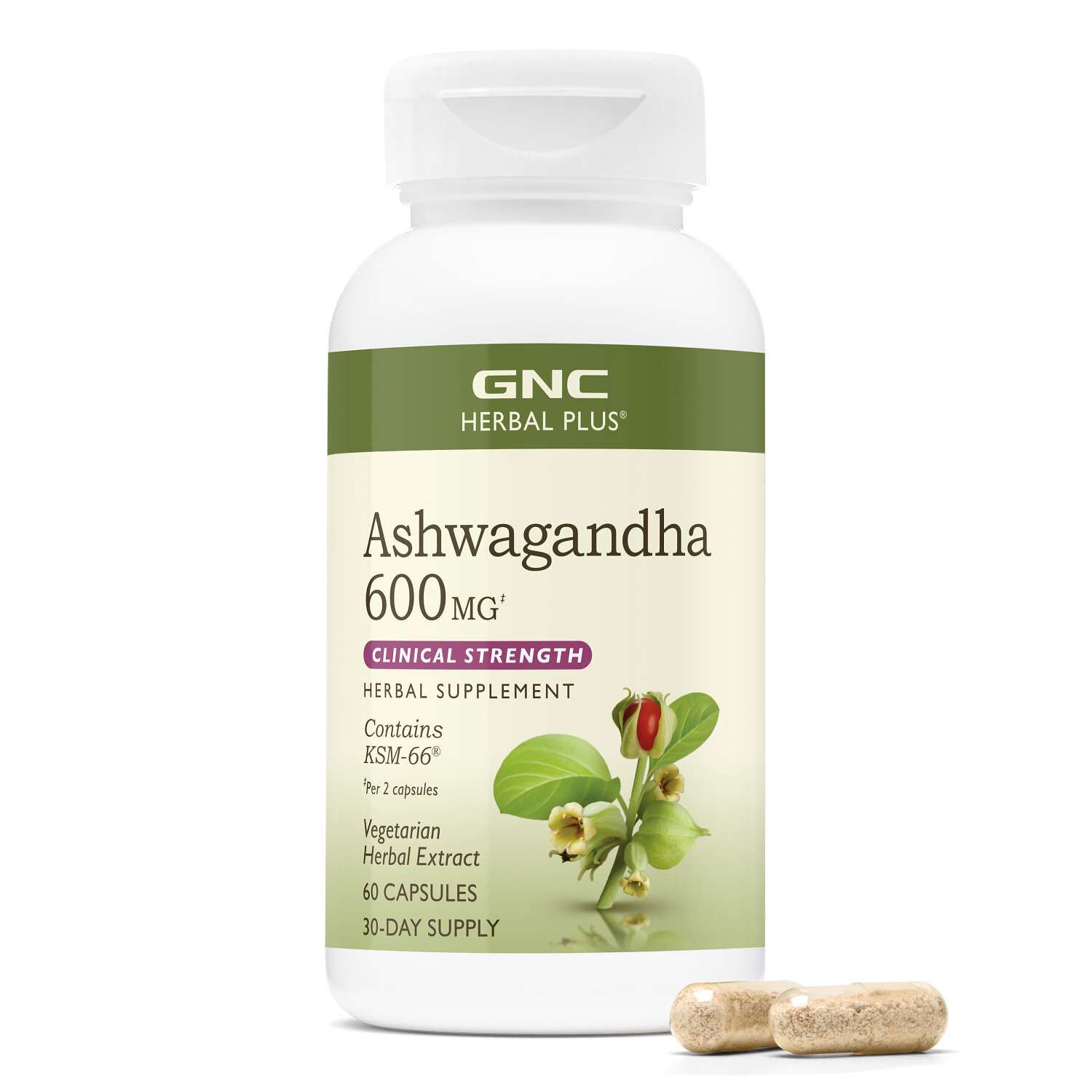
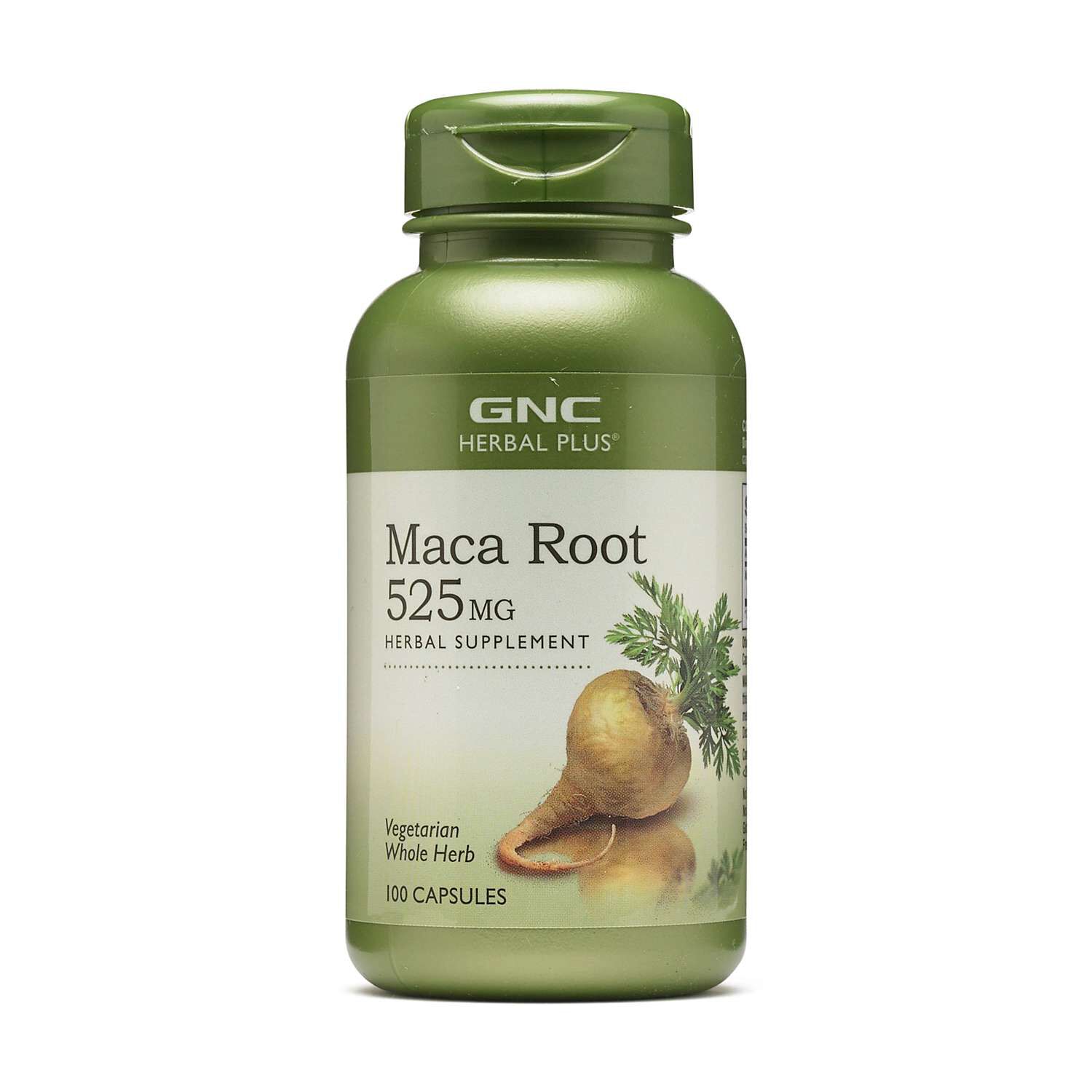


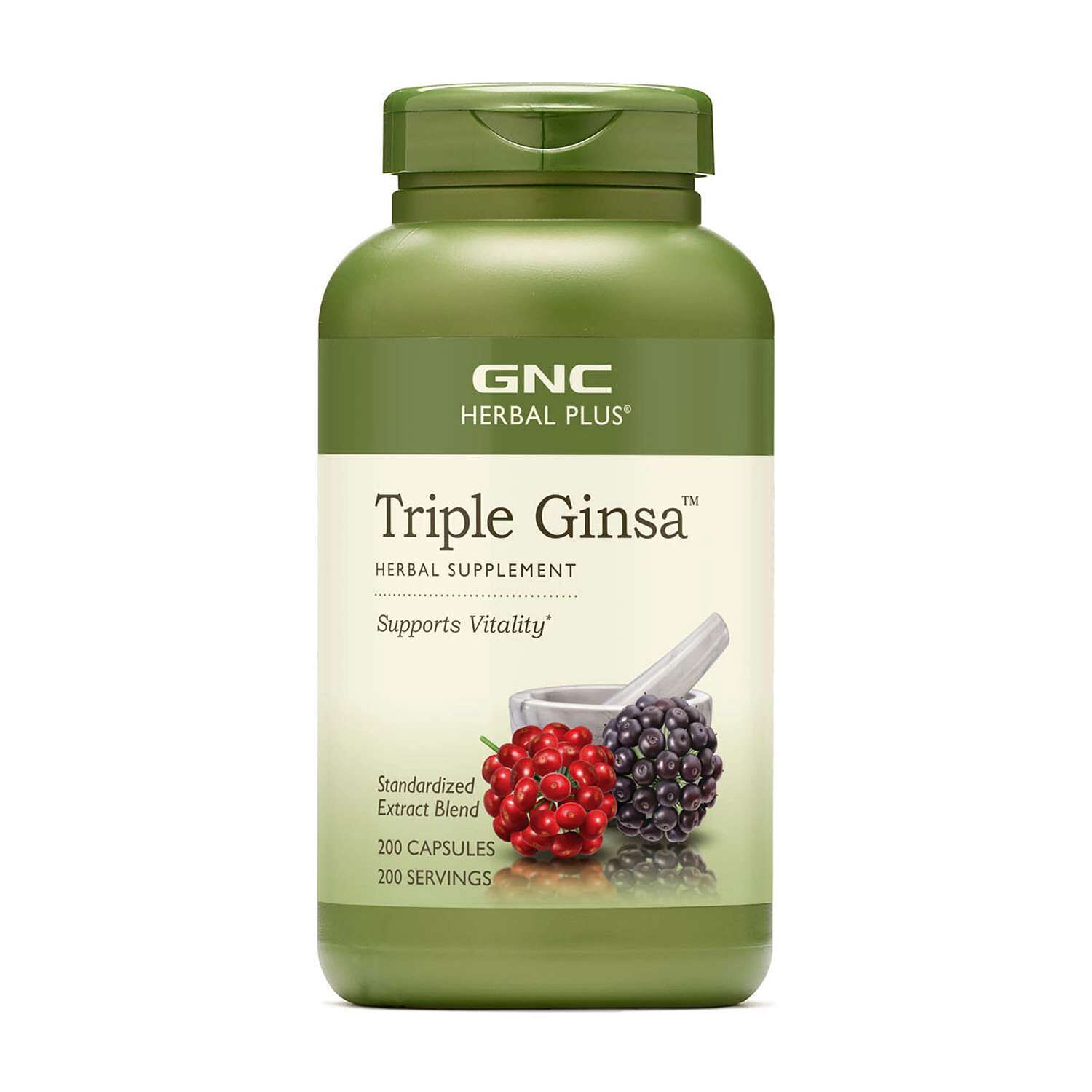

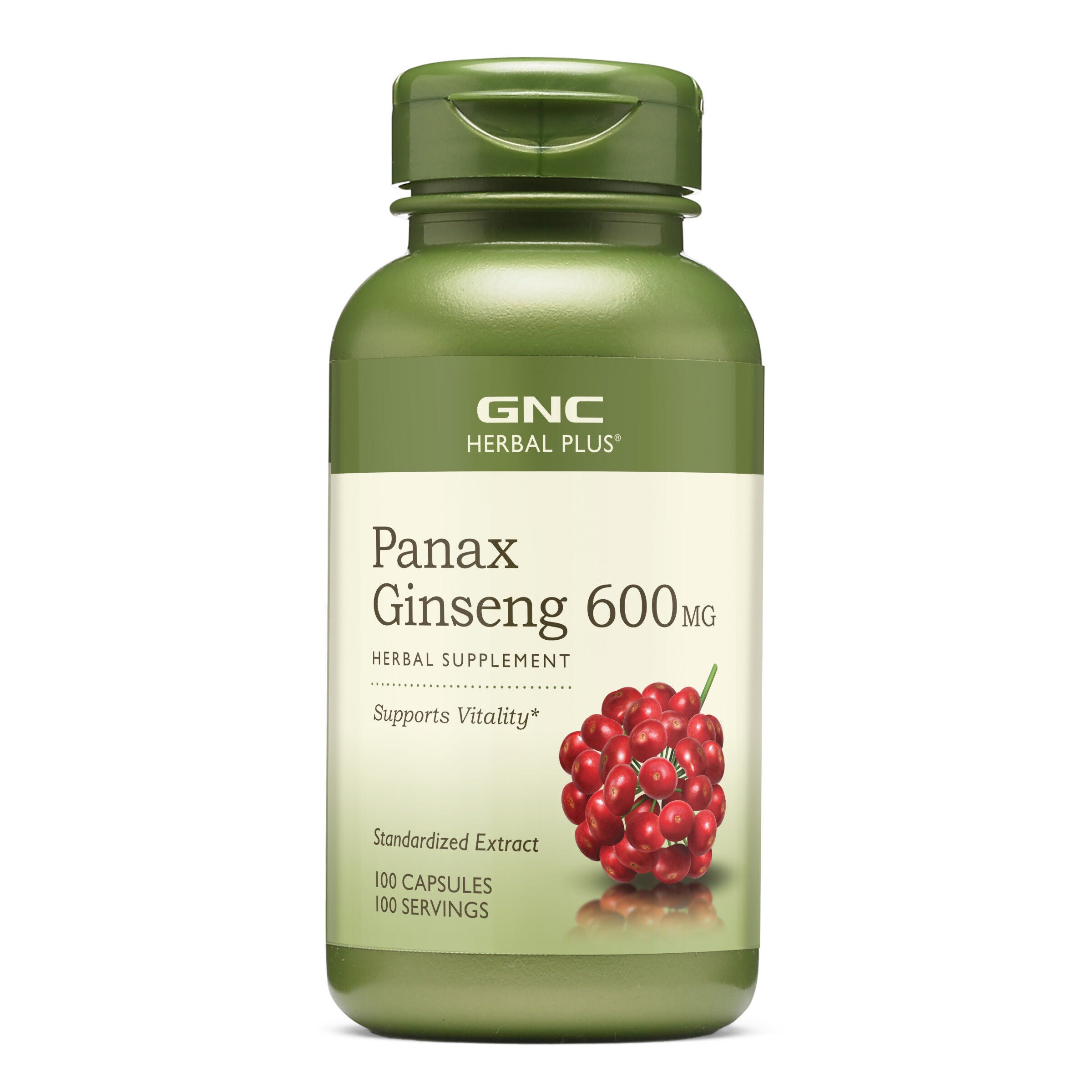

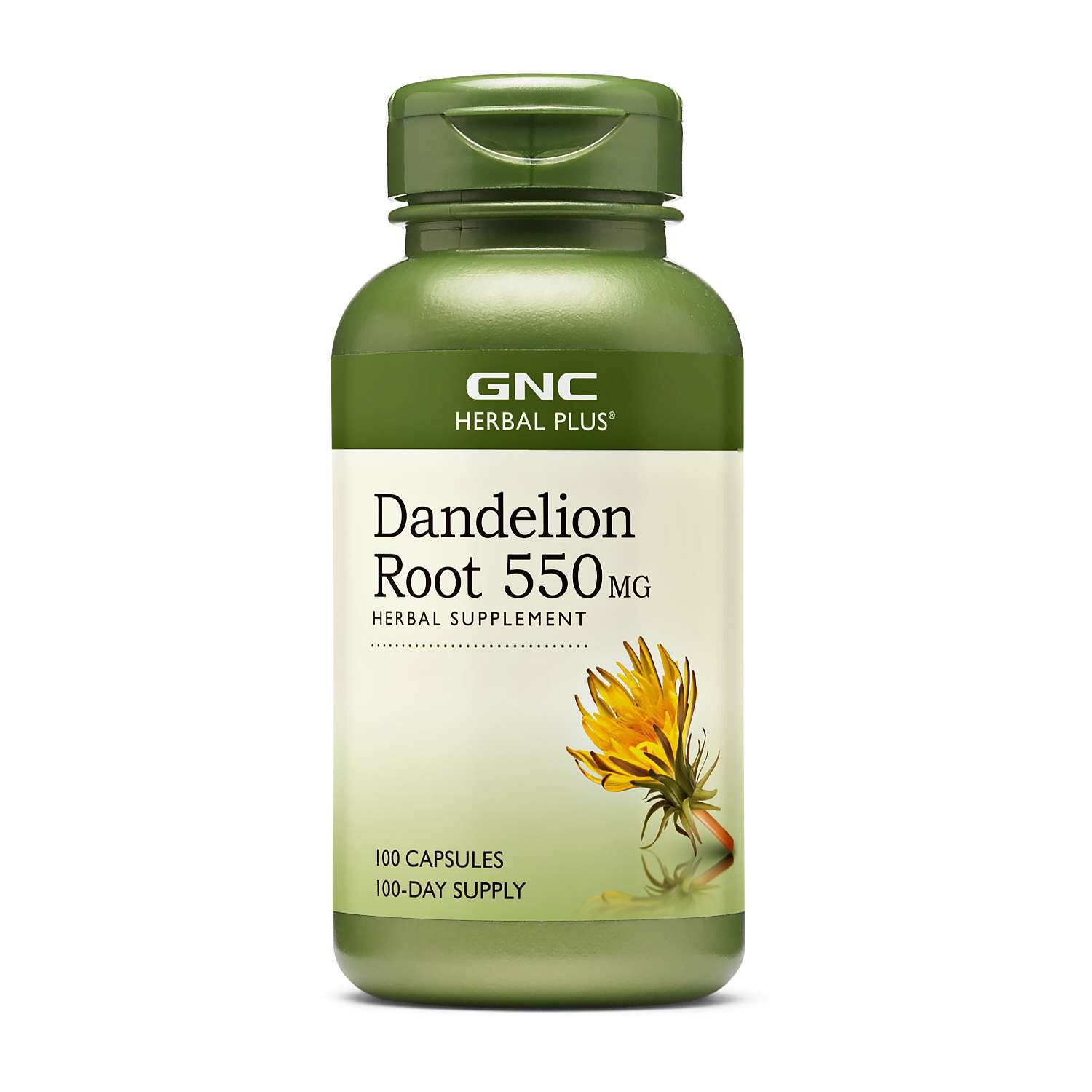


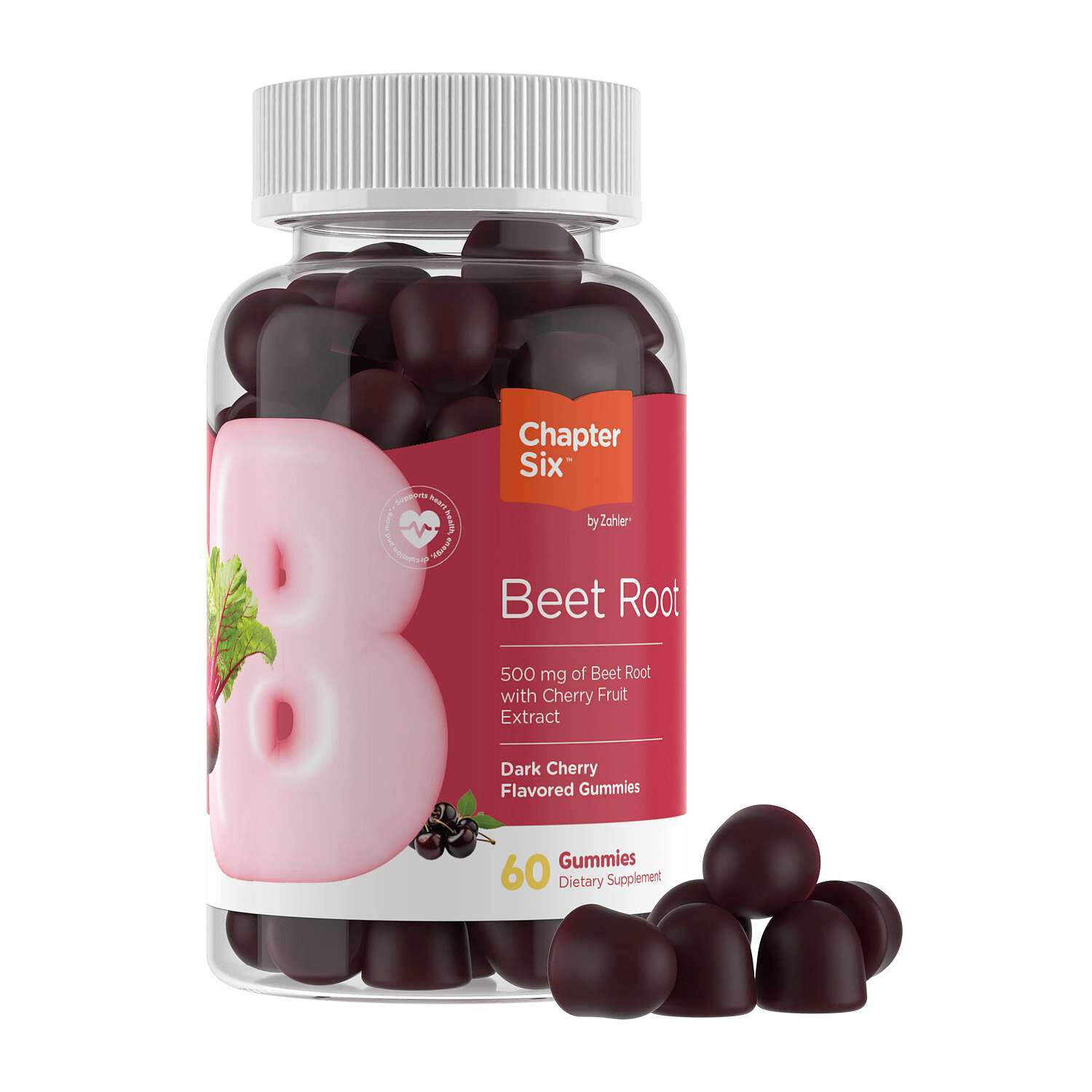
Vegetable root supplements bring ingredients from underground plant parts into formats such as capsules, tablets, powders, and gummies. This category includes familiar food ingredients like beetroot, ginger, and turmeric, along with roots such as maca that have their own culinary and botanical histories. Although these ingredients often share a place on the same shelf, they are not interchangeable. Beetroot is a true root, while ginger and turmeric are rhizomes, underground stems that store resources for the plant. Maca belongs to the mustard family and has traditionally been used as a food in the Andes. The broad vegetable root category brings these different ingredients together around their plant origins rather than a single purpose or nutritional profile. Their distinct identities carry through to color, aroma, texture, and preparation: beet powders often have a deep red hue and earthy character, ginger has a sharp, aromatic quality, turmeric is known for its golden color, and maca often has a malty, earthy taste. Those characteristics matter most with powders, where the ingredient becomes part of a drink or food rather than remaining enclosed in a capsule. Supplement ingredients also take different forms before they reach the container. A dried root powder typically consists of plant material that has been dried and milled, while an extract is made through processing that separates selected constituents from the starting material. Neither description, by itself, establishes that one formula is a better match than another. The botanical name, plant part, processing description, and amount per serving offer more useful context than a prominent root name alone. Vegetable root supplements are intended to supplement an eating pattern, not stand in for the variety of foods on a plate. A capsule or scoop does not necessarily contain the same fiber, nutrients, or proportions of plant constituents as a serving of the vegetable itself. That distinction gives this category a practical place alongside food without treating every root-based formula as the nutritional equivalent of fresh produce.
The right format is often a matter of how a supplement fits into an ordinary day. Capsules offer a measured format without the mixing step associated with powders, making them a consideration for adults who prefer a straightforward routine or do not enjoy the taste of concentrated botanical ingredients. Capsule shells may be made from gelatin or plant-derived materials such as cellulose, so the shell deserves attention alongside the root ingredient when dietary preferences matter. The phrase “vegetable capsule” generally describes the capsule material; it does not necessarily mean that the contents are a blend of vegetables. For another look at this format, Veggie Supplement Capsules offers a related category to explore. Powders have a different kind of appeal for someone who already prepares a smoothie or another mixed drink. Their texture can range from finely milled to slightly gritty, and not every botanical powder dissolves like sugar in water. Some settle after stirring, while others include additional ingredients intended to help them disperse. A plain beetroot powder and a flavored root blend can therefore create very different drinking experiences even when they share a leading ingredient. Earthy beet notes might suit a berry smoothie, while maca’s malty character might fit a cocoa or oat-based mixture, where the product’s labeled directions allow food use. Turmeric’s vivid pigment may leave color on utensils or porous surfaces, another small but practical consideration for a frequently used kitchen counter. Gummies offer a chewable format, with sweeteners, flavorings, and texture-forming ingredients that are part of the formula rather than the featured botanical. Tablets can differ in size, shape, and coating. Across these formats, serving size matters: one serving might involve several capsules or gummies, and a powder scoop is not automatically equivalent to a serving in another form. The most useful fit is the one that matches the labeled use, personal taste preferences, and the amount of preparation a shopper actually wants to make.
Formula details provide another way to distinguish vegetable root supplements beyond format and flavor. A single-ingredient formula centers on one botanical, while a blend combines multiple roots or pairs them with other plant ingredients, vitamins, or minerals. Even a formula featuring only one root can contain additional ingredients used to form a tablet, fill a capsule, or maintain texture. The Supplement Facts panel and other ingredient list serve different purposes, and both contribute to an accurate picture of what is inside. An amount listed for dried root powder should not be treated as directly equivalent to the same amount of an extract. Some extracts identify a particular plant constituent, such as curcuminoids in turmeric, while others describe an extract ratio. Those details characterize the ingredient; they do not establish identical composition across formulas or predict a particular personal outcome. Likewise, the presence of beetroot does not establish a specified nitrate amount unless that information is provided on the label. For shoppers with dietary preferences, explicit statements about capsule materials, animal-derived ingredients, and third-party certifications are more informative than assumptions based on a botanical name or green packaging. Everyday handling also matters. Powders are best considered alongside the container’s closure, the serving utensil, and the label’s storage directions; moisture from a damp scoop can contribute to clumping. Keeping containers securely closed, preserving the original label, and noting the printed date help keep product information connected to the contents. Capsules and gummies have their own storage requirements, making the package directions relevant even when several supplements share the same cupboard. These practical details are especially meaningful for adults building a consistent routine, people who prefer plant-focused ingredients, or shoppers moving between powdered and capsule formats. As a gift, a root supplement is a more personal choice than a kitchen accessory, and familiarity with the recipient’s preferences matters more than an attractive package. Across the category, a thoughtful match comes from the ingredient identity, preparation, serving information, and format—not from assuming that all roots offer the same experience.
Best Sellers
-
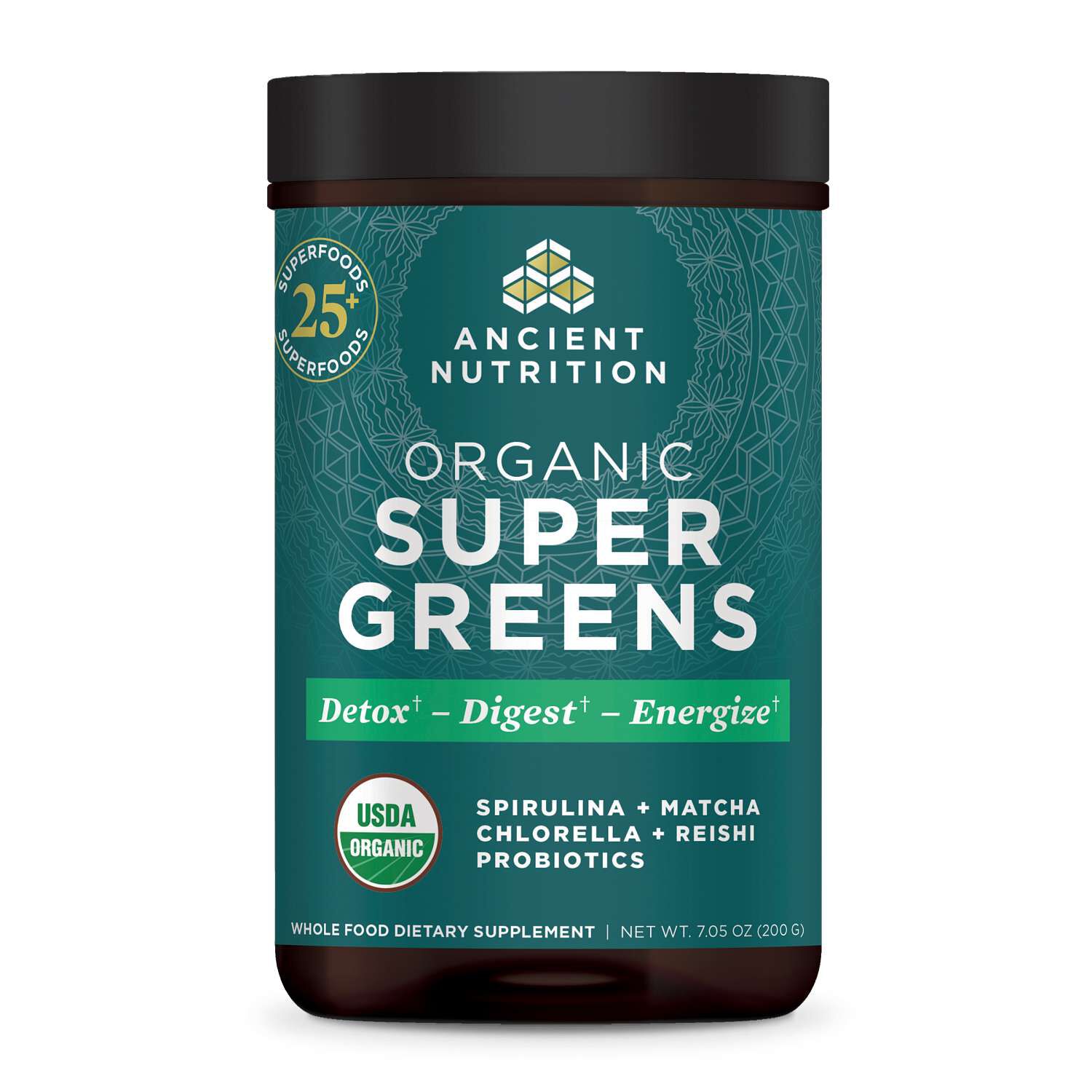 Ancient Nutrition
-
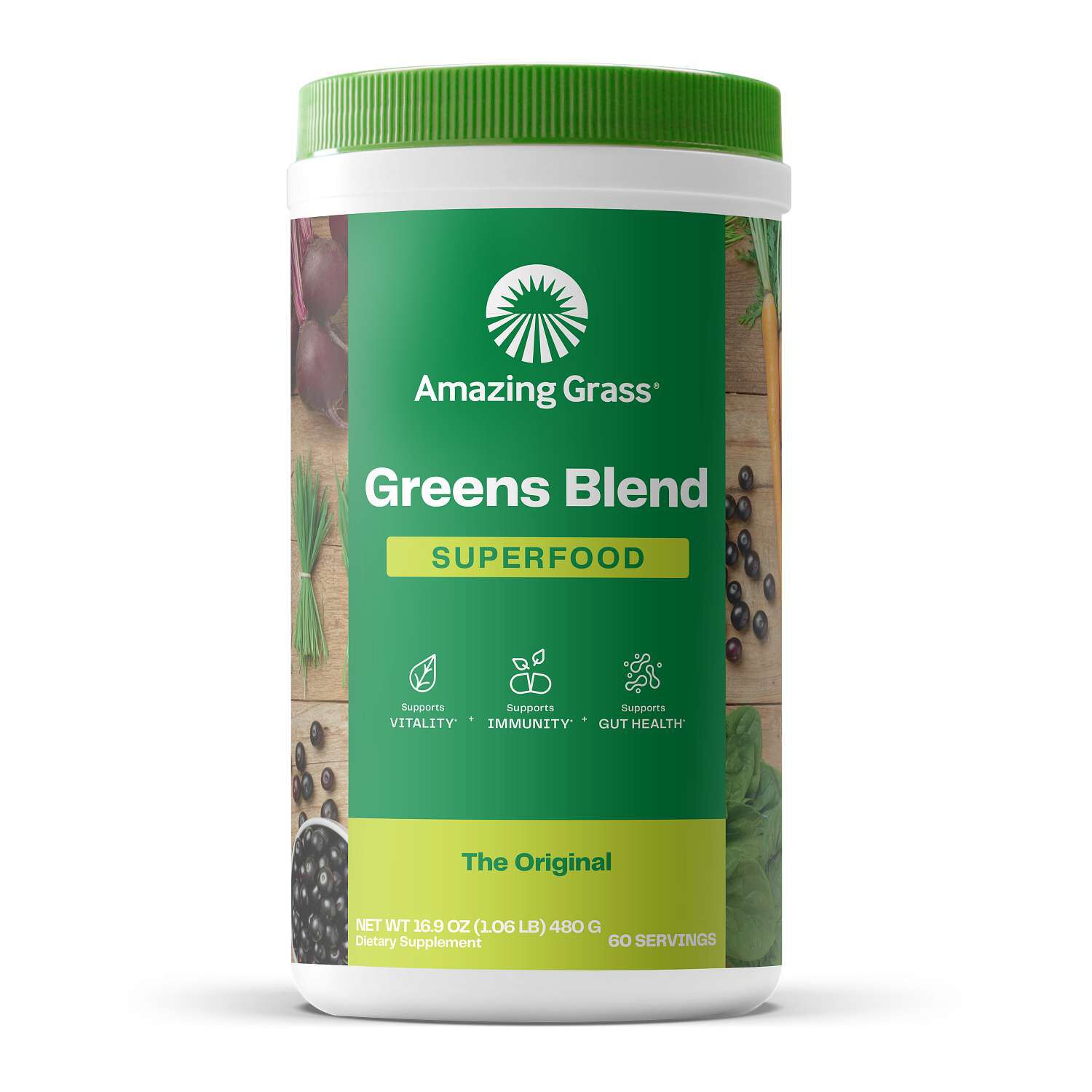 Amazing Grass