Silica Supplements
(0 Results)
Discover the potential benefits of silica supplements, a popular choice for those seeking to support their overall well-being. Silica, a natural compound found in various foods and the earth's crust, may play a crucial role in promoting healthy hair, skin, nails, and connective tissues. Incorporating silica into your daily regimen could also aid in maintaining strong bones and joint flexibility. Explore how adding this essential mineral to your diet might enhance your health journey and contribute to a vibrant, active lifestyle.
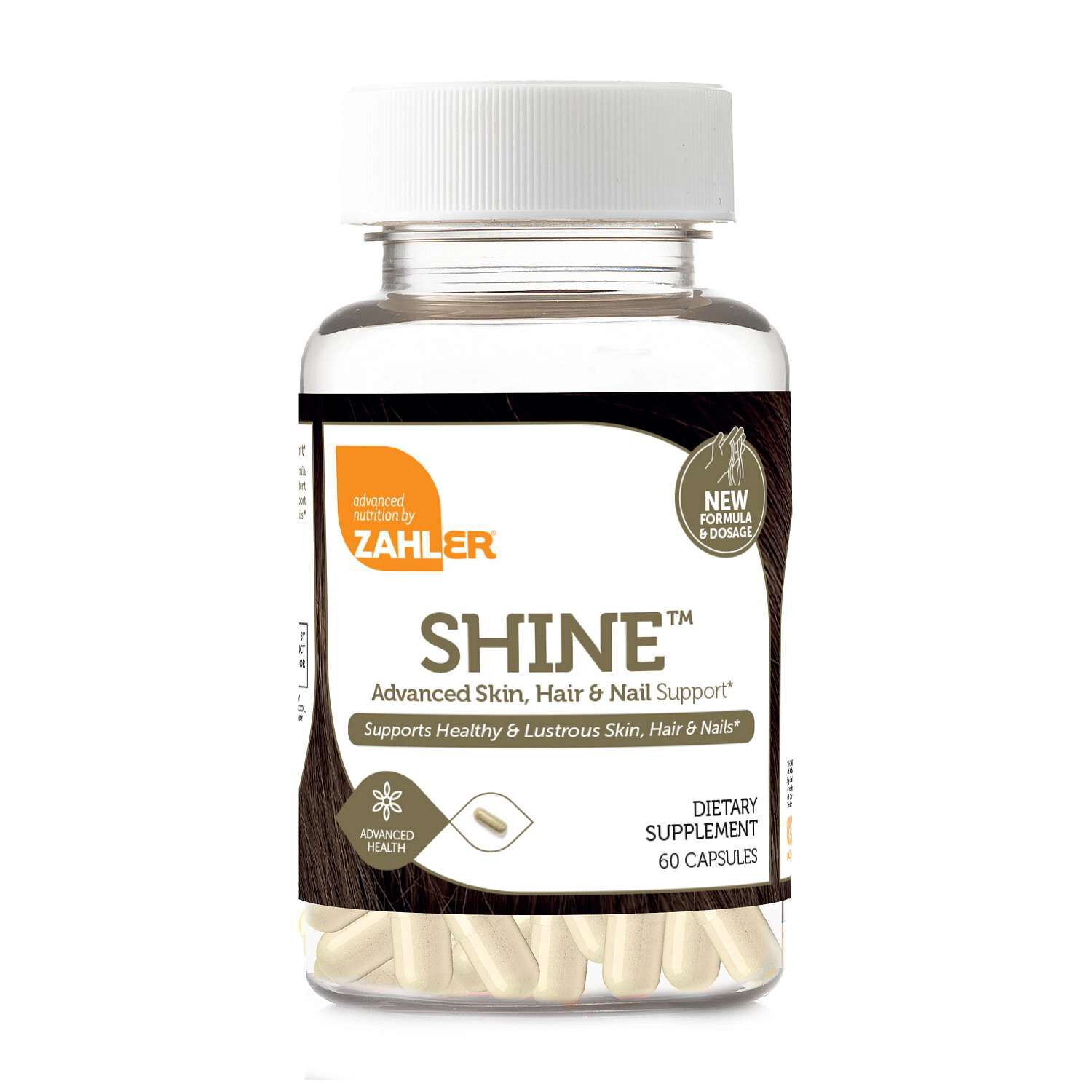
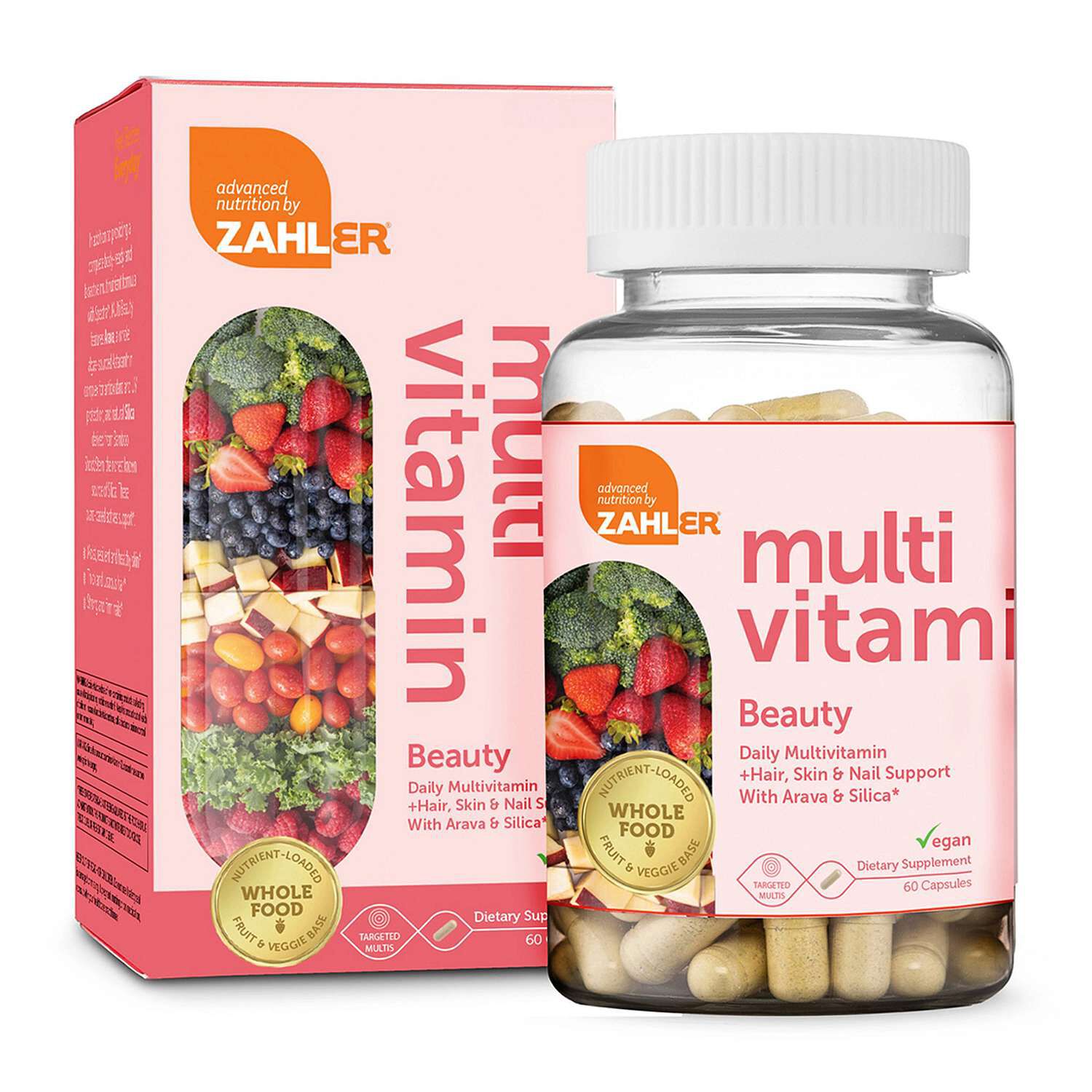
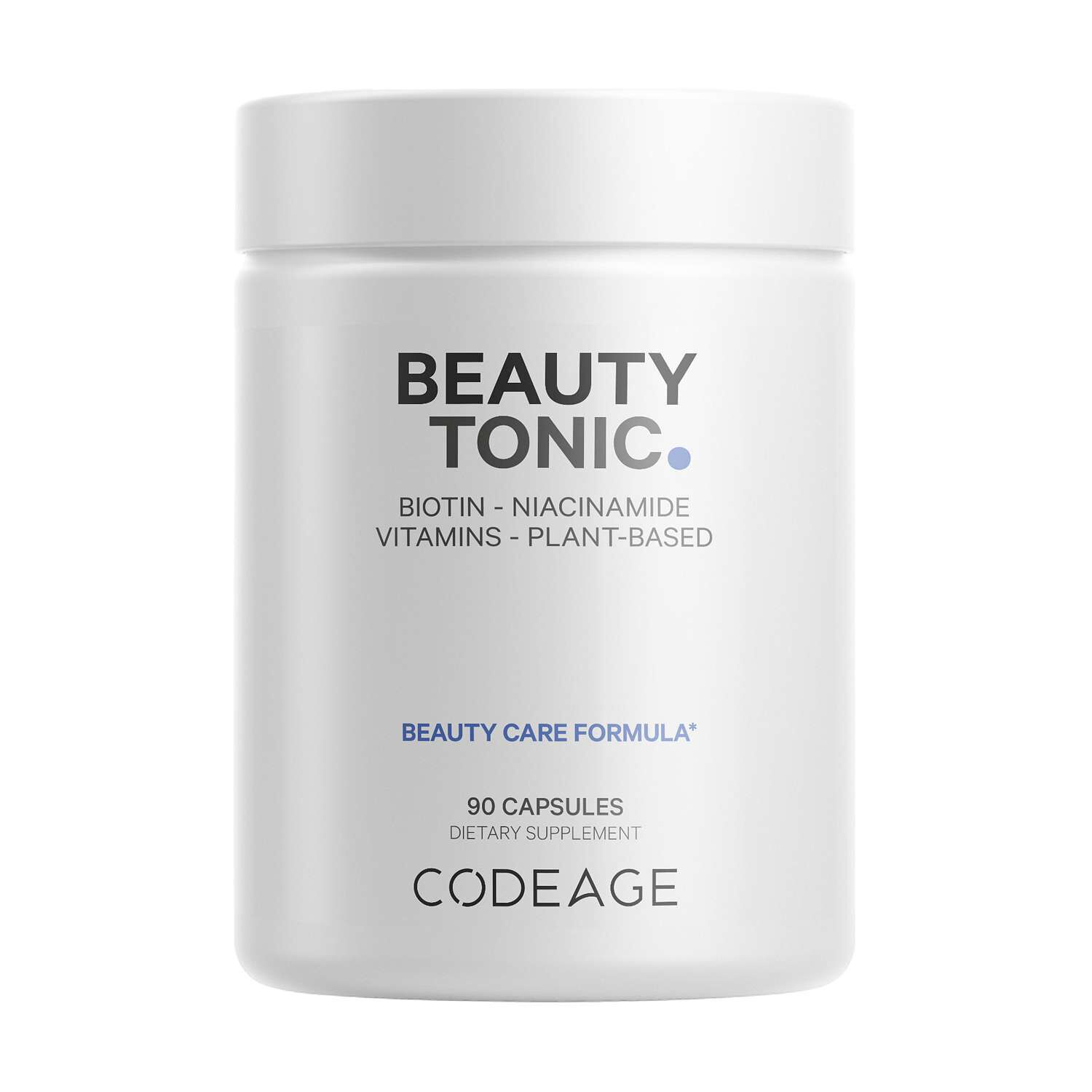
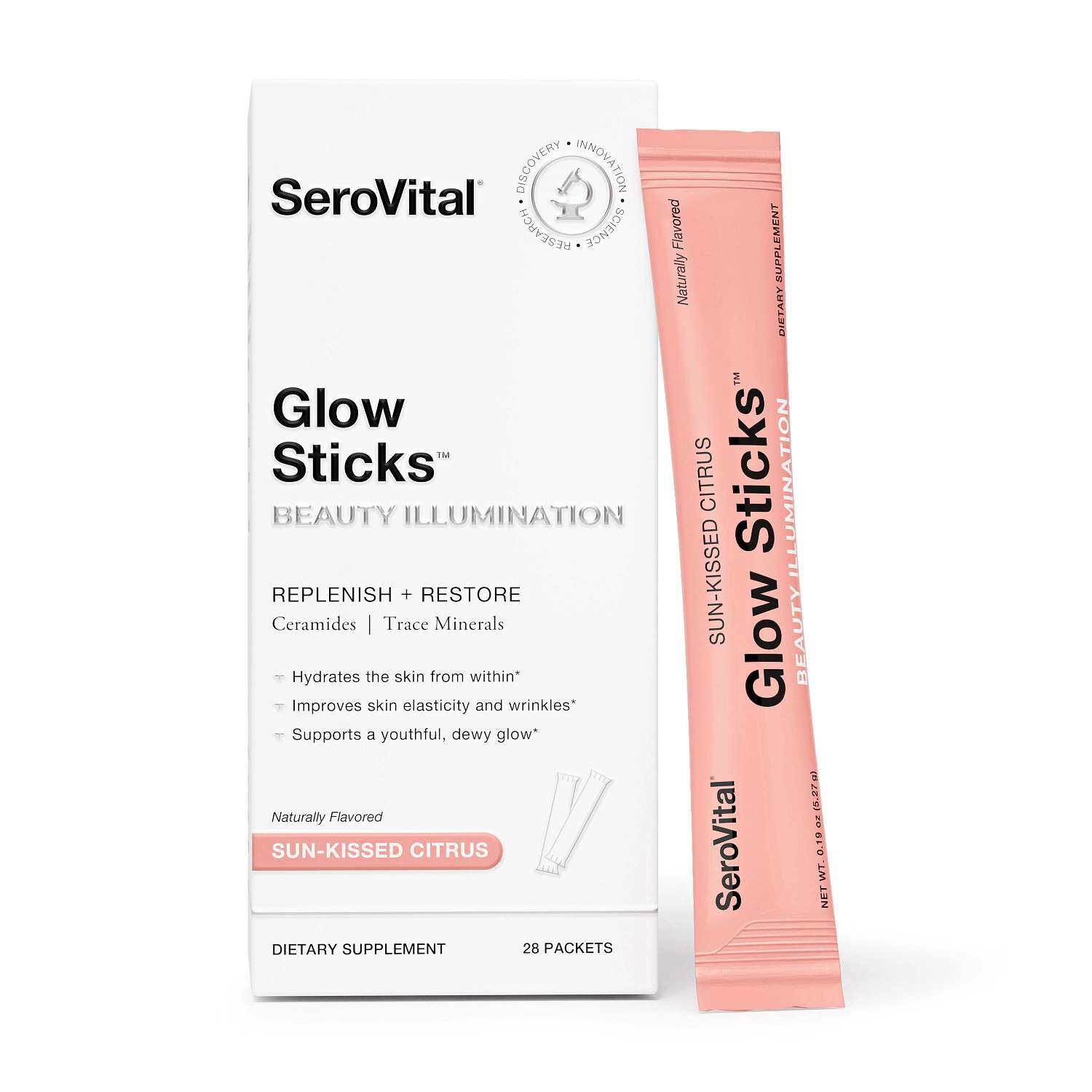
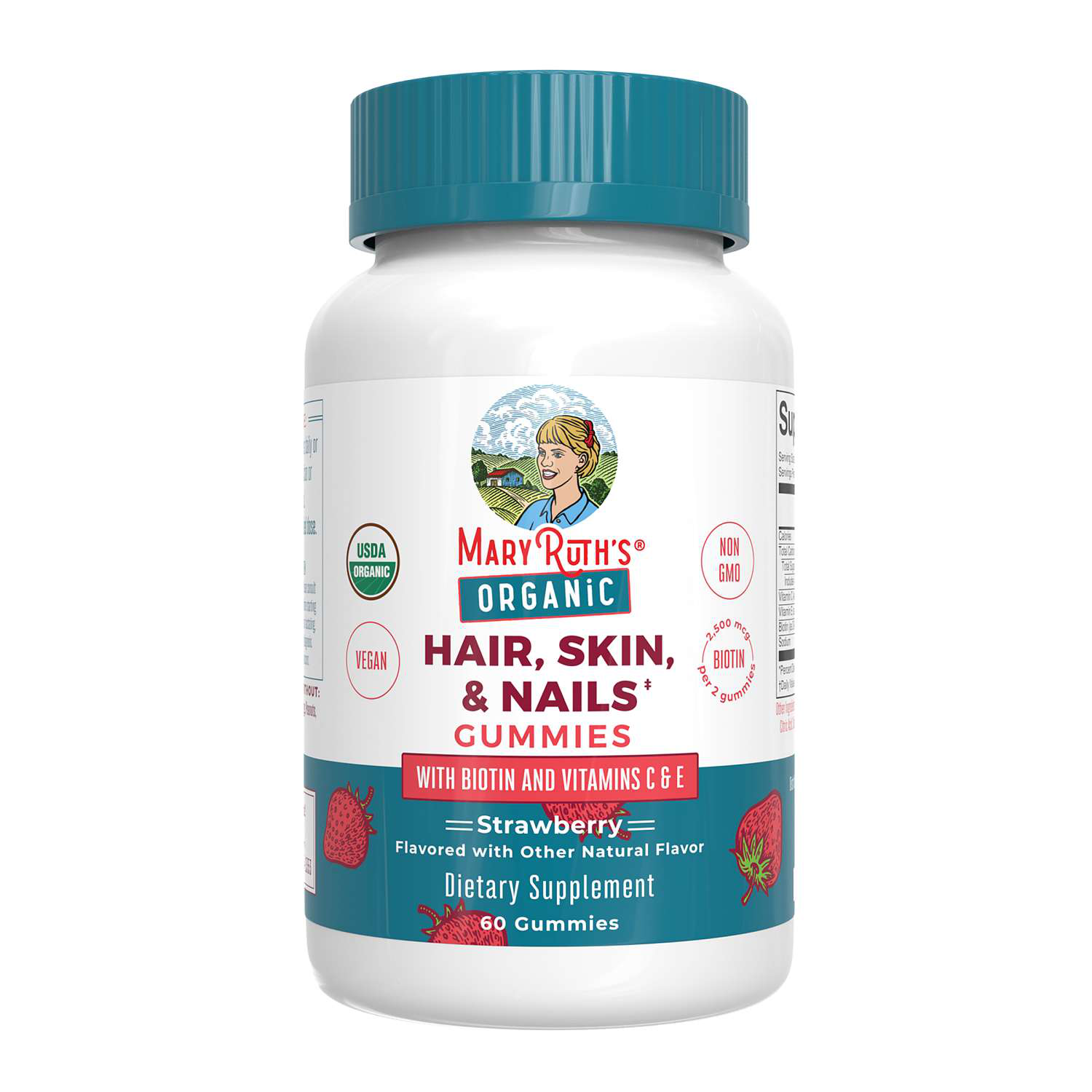
Silica supplements are dietary supplements associated with silicon, an element found in naturally occurring mineral compounds and plant materials. Silica is silicon dioxide, a compound of silicon and oxygen, while silicon is the element itself. The two names are related, but they are not interchangeable descriptions of every supplement ingredient. This category can include silica-containing botanical extracts and other silicon-containing ingredients, so the source and chemical form printed on the label provide useful context. Bamboo and horsetail are examples of plants used as sources; a botanical extract has a different composition from an isolated mineral ingredient. Shoppers often explore silica supplements as part of a personal care routine centered on hair, skin, and nails. A supplement may complement that routine, although the category name alone does not establish what someone will experience. Silica also appears in discussions of collagen, but the two are different materials: silica is a mineral compound, and collagen is a protein. Their presence in the same conversation does not make them equivalent ingredients. Silicon occurs naturally in foods, including whole grains and some vegetables, placing these supplements within the broader context of everyday nutrition. Some formulas pair a silicon source with vitamins, minerals, or other ingredients associated with beauty-oriented routines, while others take a more focused approach. Those distinctions give shoppers something more concrete to compare than a phrase on the front of a bottle. For someone who already takes a multivitamin or another supplement, the full ingredient panel shows where formulas overlap and where they differ. A product description can introduce the intended use, but the Supplement Facts panel identifies the dietary ingredients and their amounts per serving. Together, those details offer a clearer picture of what a silica supplement contains, whether its source is botanical or otherwise, and how it compares with other formulas in the category.
The physical format is another meaningful difference among silica supplements. Capsules and tablets provide a measured portion without a mixing step, while liquid and powdered formats have their own preparation and measuring requirements. A shopper who prefers a straightforward breakfast routine may gravitate toward a capsule format; someone who dislikes capsules may prefer to compare other forms. Serving size matters in either case, since one serving is not necessarily one capsule, one tablet, or one dropper. The number of servings per container is a separate measurement from the number of pieces inside. Ingredient amounts also require context: the weight of a botanical extract, the amount of silica, and the amount of silicon are not necessarily the same measurement. A label that identifies an extract’s composition offers different information from a label that lists only the extract’s weight. These distinctions make side-by-side label comparisons more useful than comparing front-panel numbers alone. Capsule shells, tablet coatings, flavorings, and other supporting ingredients can also vary. For shoppers with dietary preferences, the ingredient list and clearly stated dietary attributes provide more detail than the word botanical by itself. A plant-derived featured ingredient does not automatically describe the source of every component in the finished formula. Silicon dioxide can also appear in the other ingredients section of supplements as an anticaking ingredient rather than as the featured dietary ingredient. Its presence in that section does not, by itself, identify a formula designed around silicon. This is one reason the front label, Supplement Facts panel, and other ingredients list each deserve attention as separate pieces of information. Format alone does not establish ingredient quality or describe the entire formula. The more useful comparison considers the stated source, the amount per serving, the supporting ingredients, and the preparation involved, with those details viewed together rather than as isolated claims.
Silica supplements fit most naturally into a shopping decision shaped by personal preferences and an existing routine, rather than by expectations of a particular visible result. An adult interested in hair, skin, and nail care may be looking for a focused formula, while another shopper may prefer a blend with several dietary ingredients. Someone who keeps a compact supplement organizer may care about capsule dimensions and the number of capsules in a serving. Another person may place more importance on a clearly identified botanical source or a short ingredient list. These are practical differences, and none makes one format universally suitable for everyone. Packaging and storage details matter after purchase as well. A securely closed original container preserves access to the ingredient panel, serving directions, lot information, and printed date. The package also provides the manufacturer’s storage directions, which can differ by format. A dry cabinet away from a sink offers a different setting from a bathroom counter exposed to frequent splashes and steam. For a liquid or powder, any measuring tool and preparation directions are part of the everyday experience, not incidental details. Clear labeling can make a formula easier to distinguish from other supplements kept in the same household. Because ingredient preferences and existing routines are personal, supplements are generally a more considered purchase than an interchangeable addition to a gift basket. Shoppers exploring neighboring mineral categories can also browse Chromium Supplements, while keeping in mind that chromium and silicon are different elements with different ingredient identities. Similar category names do not indicate equivalent formulas or intended uses. Within silica supplements, the most informative distinctions remain straightforward: what the silicon source is, how the serving is defined, which additional ingredients are included, and what the label says about preparation and storage. Those concrete details keep the focus on the actual formula and the routine it may suit.