Sour Patch Kids Inspired Energy Powders
(0 Results)
Craving a burst of tangy sweetness with your daily boost? Sour patch kids inspired energy powders could offer a playful twist on your routine, delivering bold flavors that may awaken your senses. Perfect for anyone looking to shake up their energy game, these unique powders might bring a nostalgic kick to your day. Explore the exciting world of sour patch kids inspired energy powders and discover options that could satisfy both your taste buds and your need for an energizing pick-me-up.
-

-
-
 ABE Nutrition$39.99
-
 ABE Nutrition$39.99
-
 $39.99
-

-

-
-
-

-
-
-
-

-
-
-

-
-

-

-
-
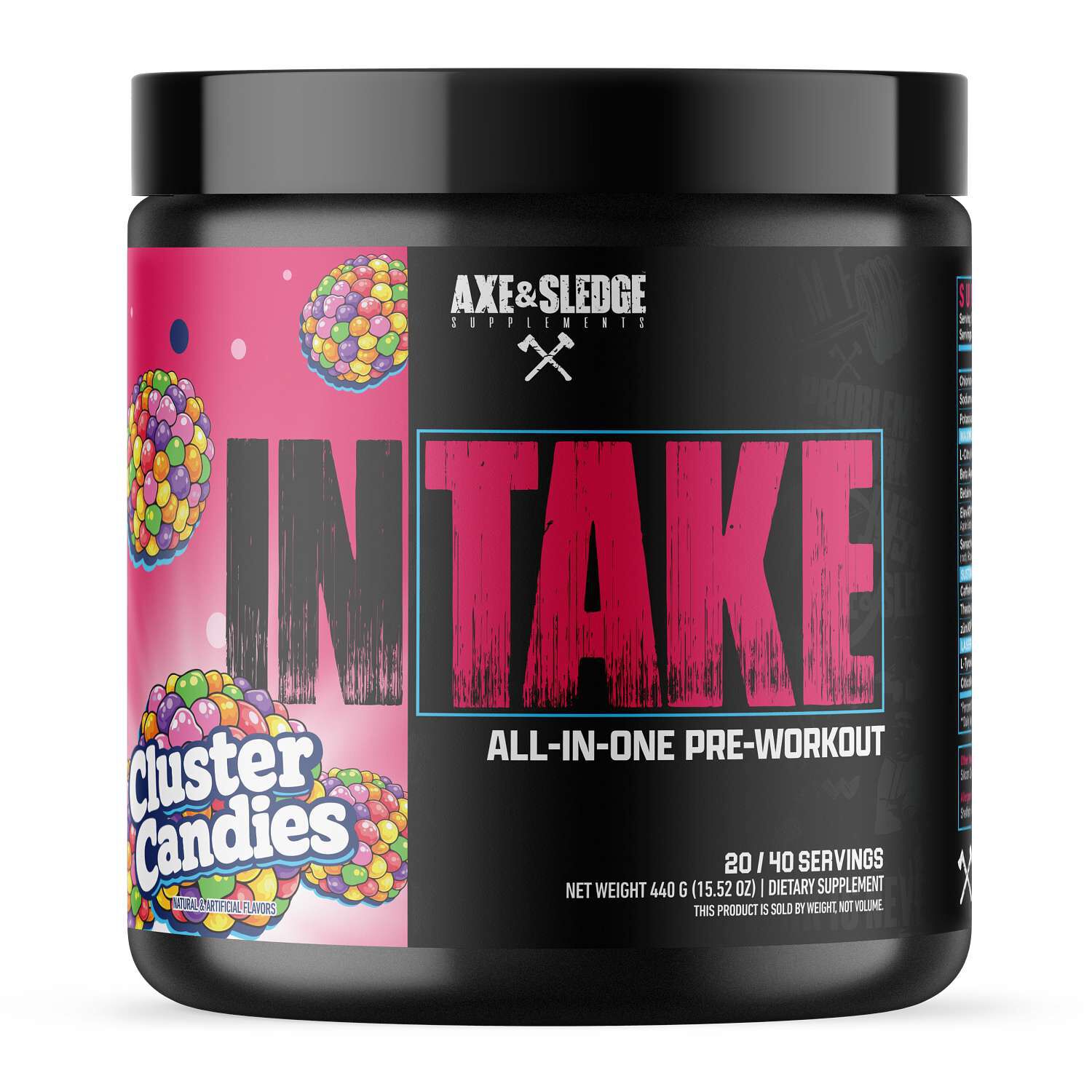 Axe & Sledge Supplements20$49.99
-
-
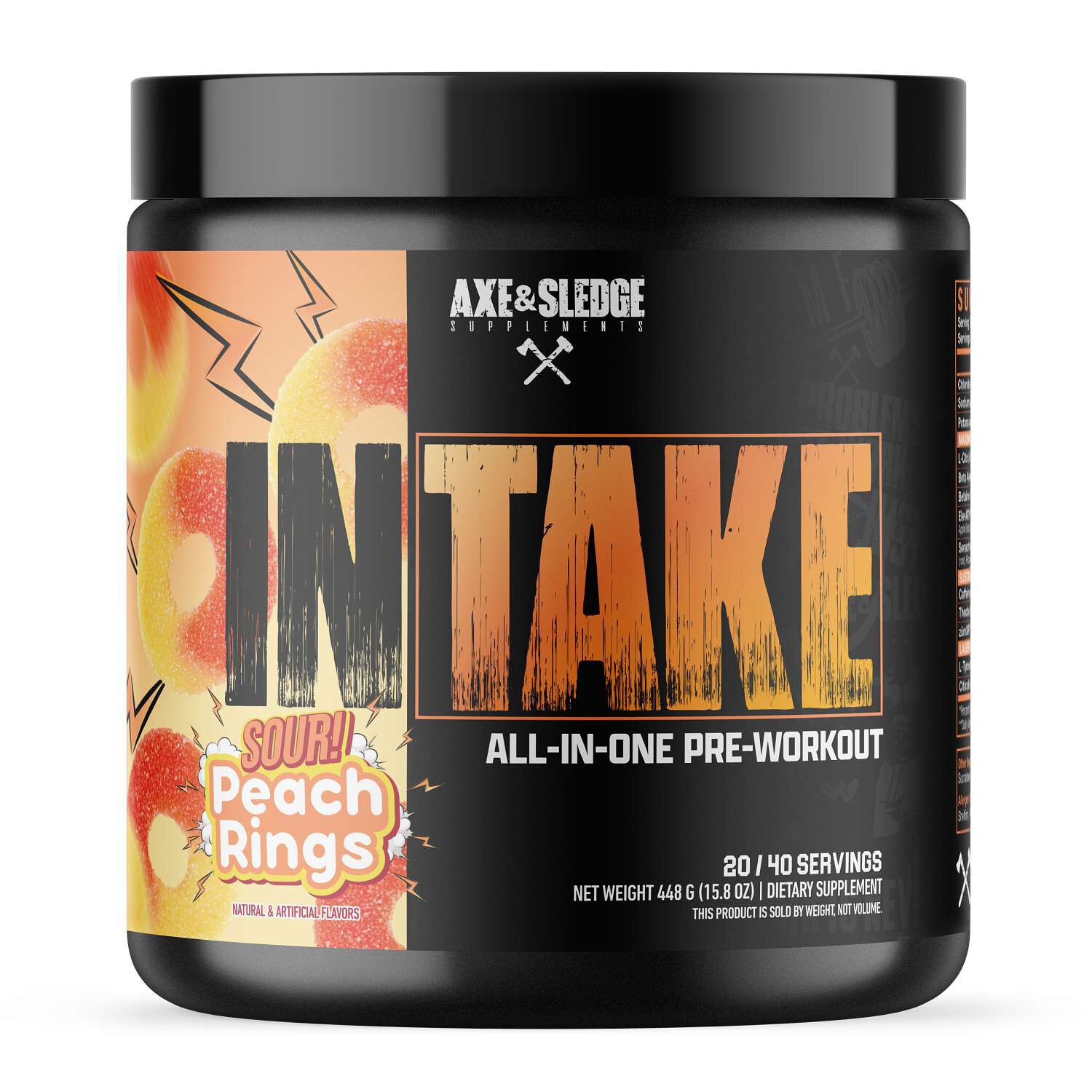 Axe & Sledge Supplements20$49.99
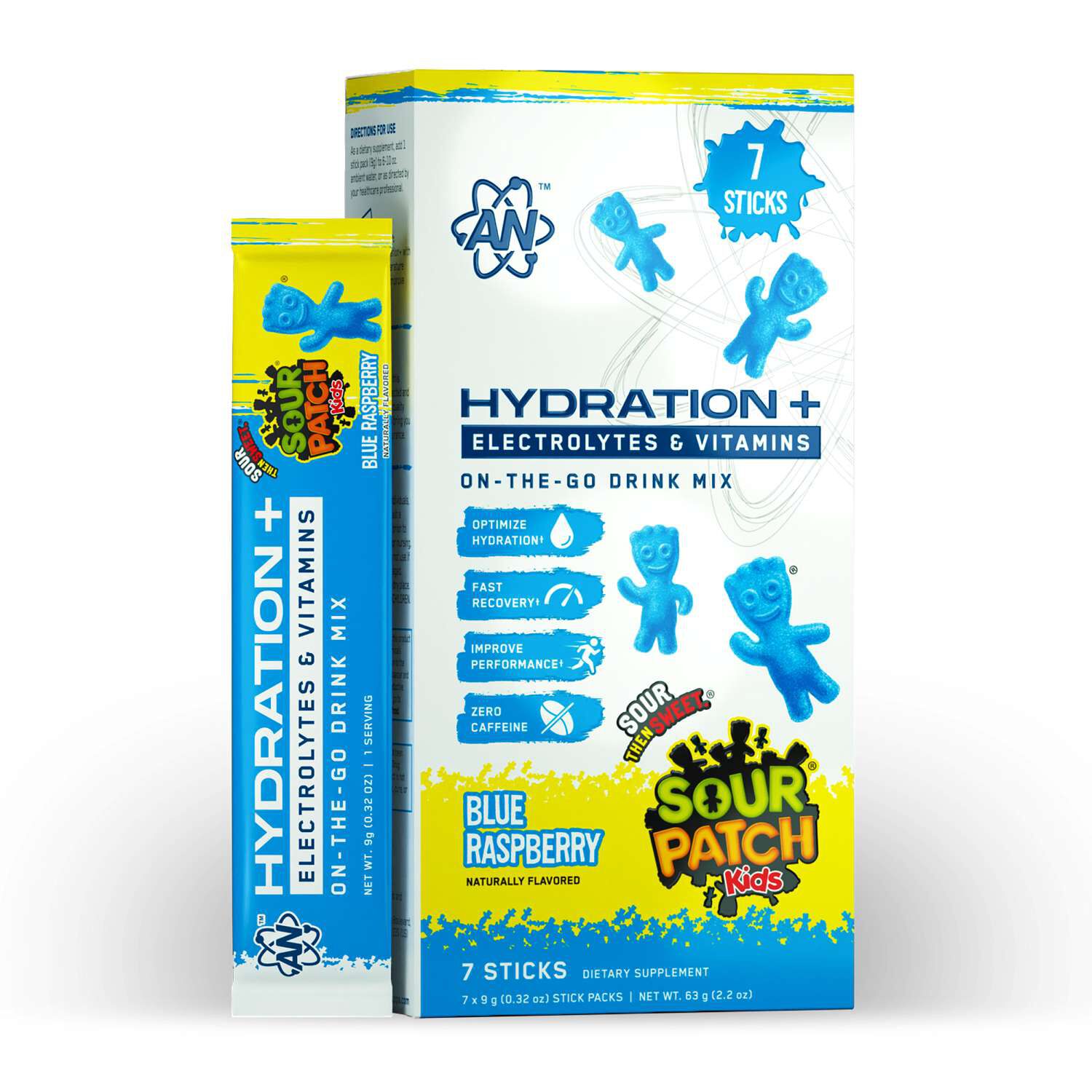
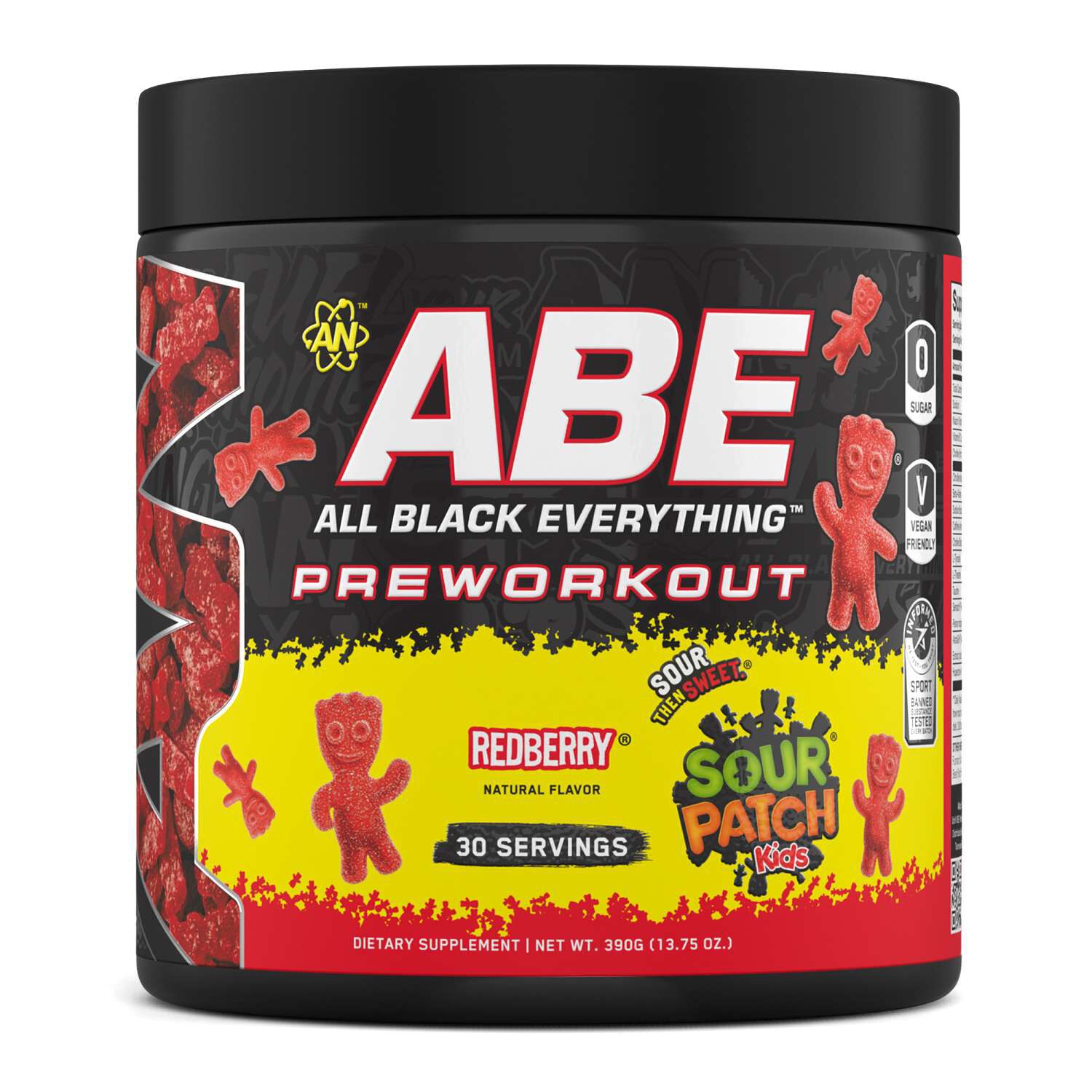
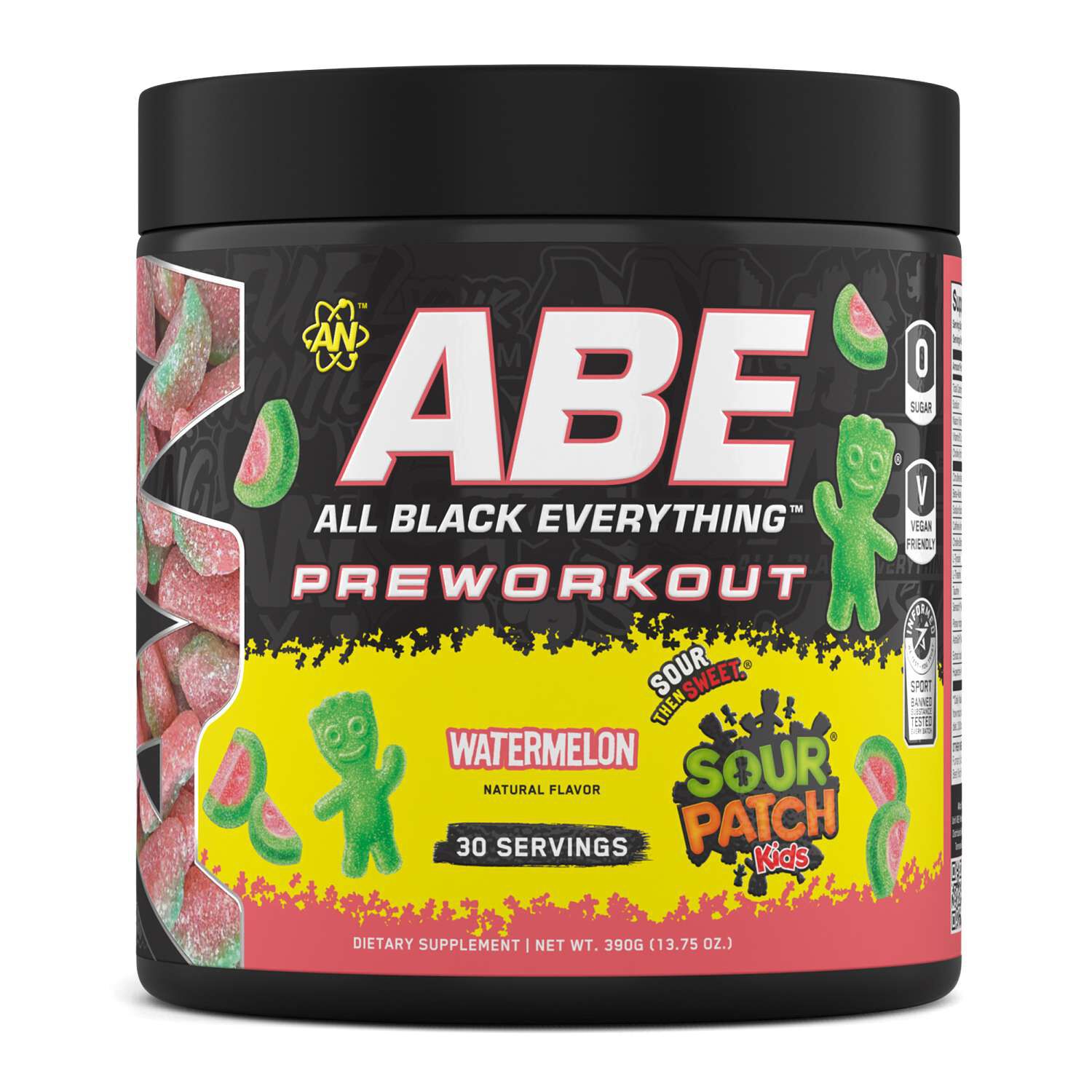
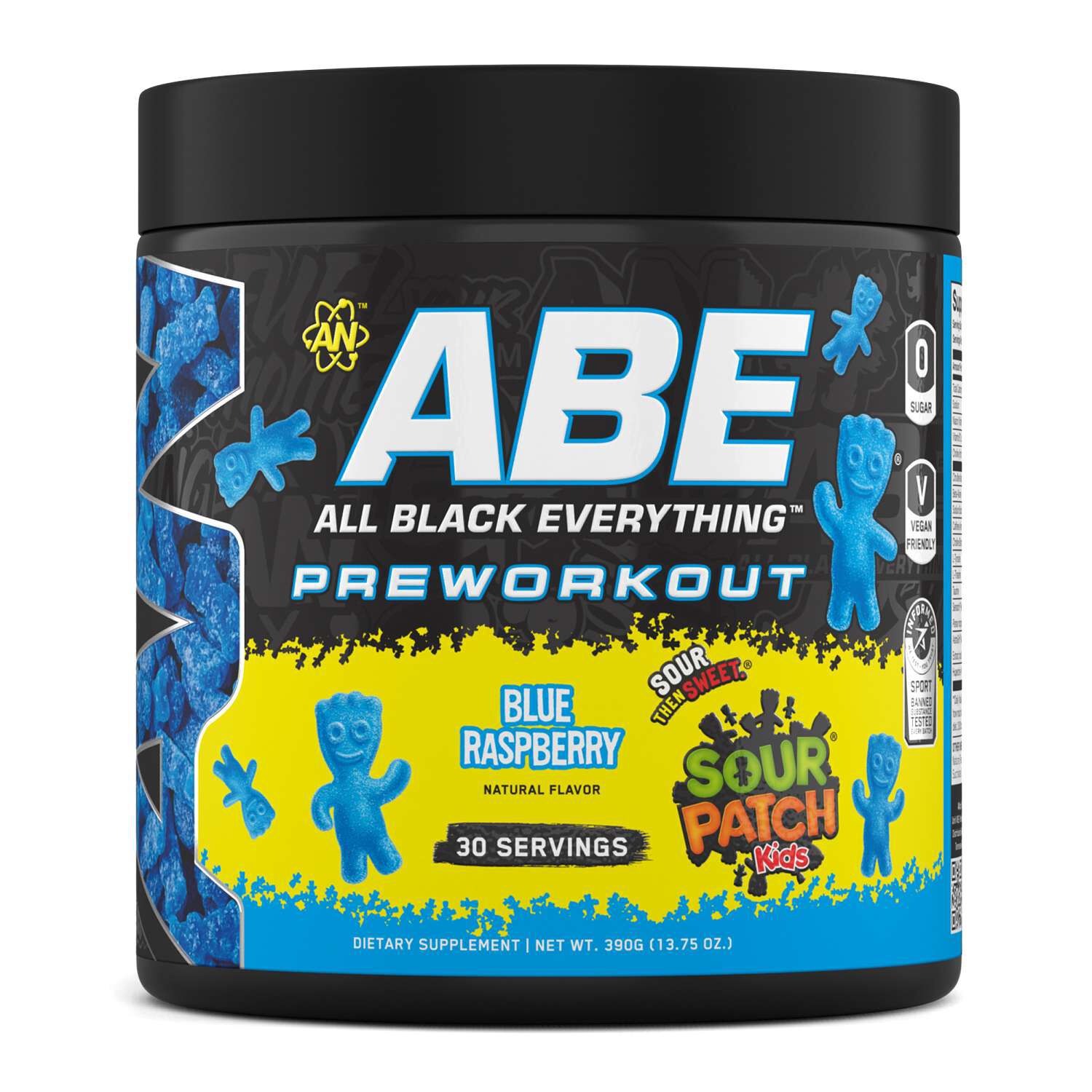
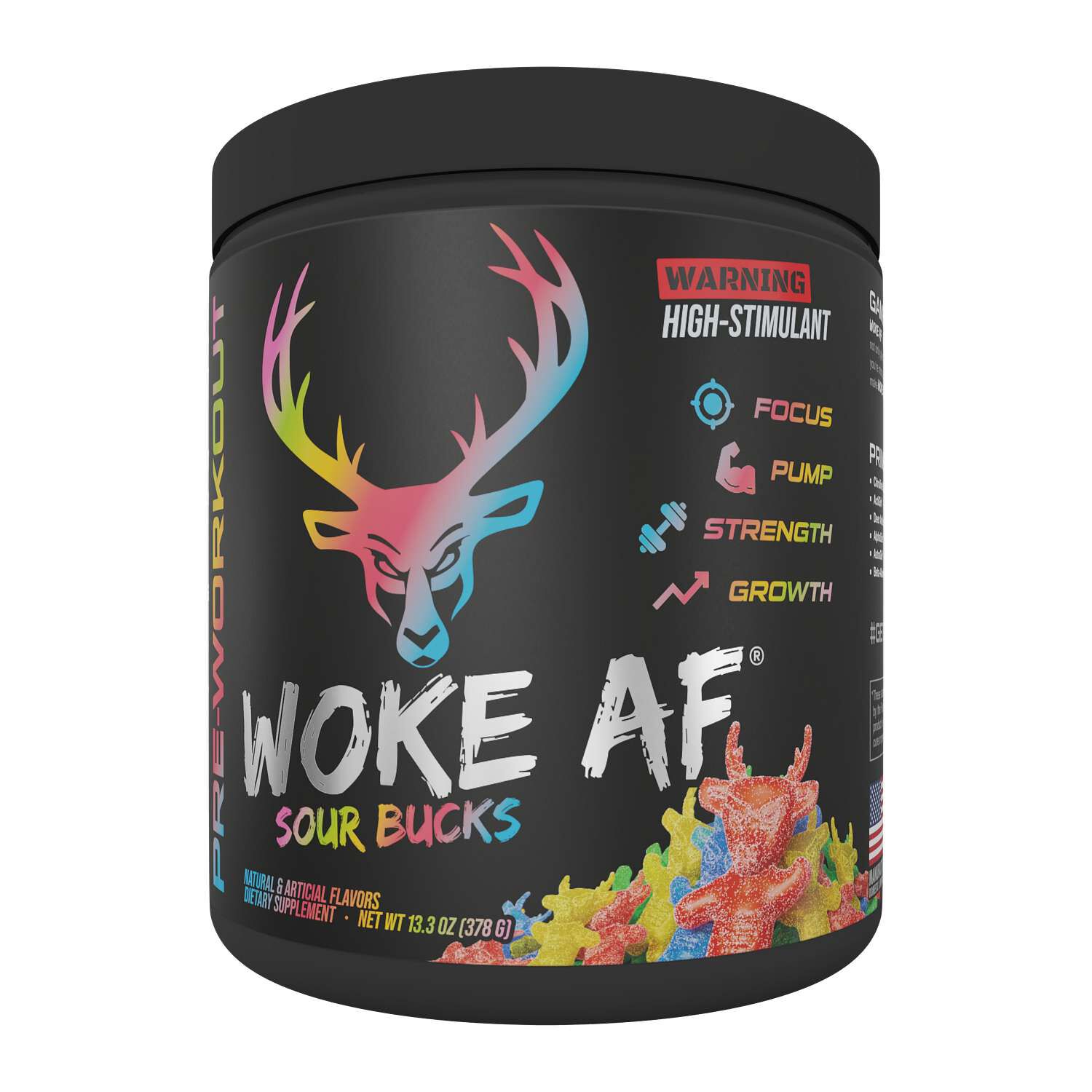
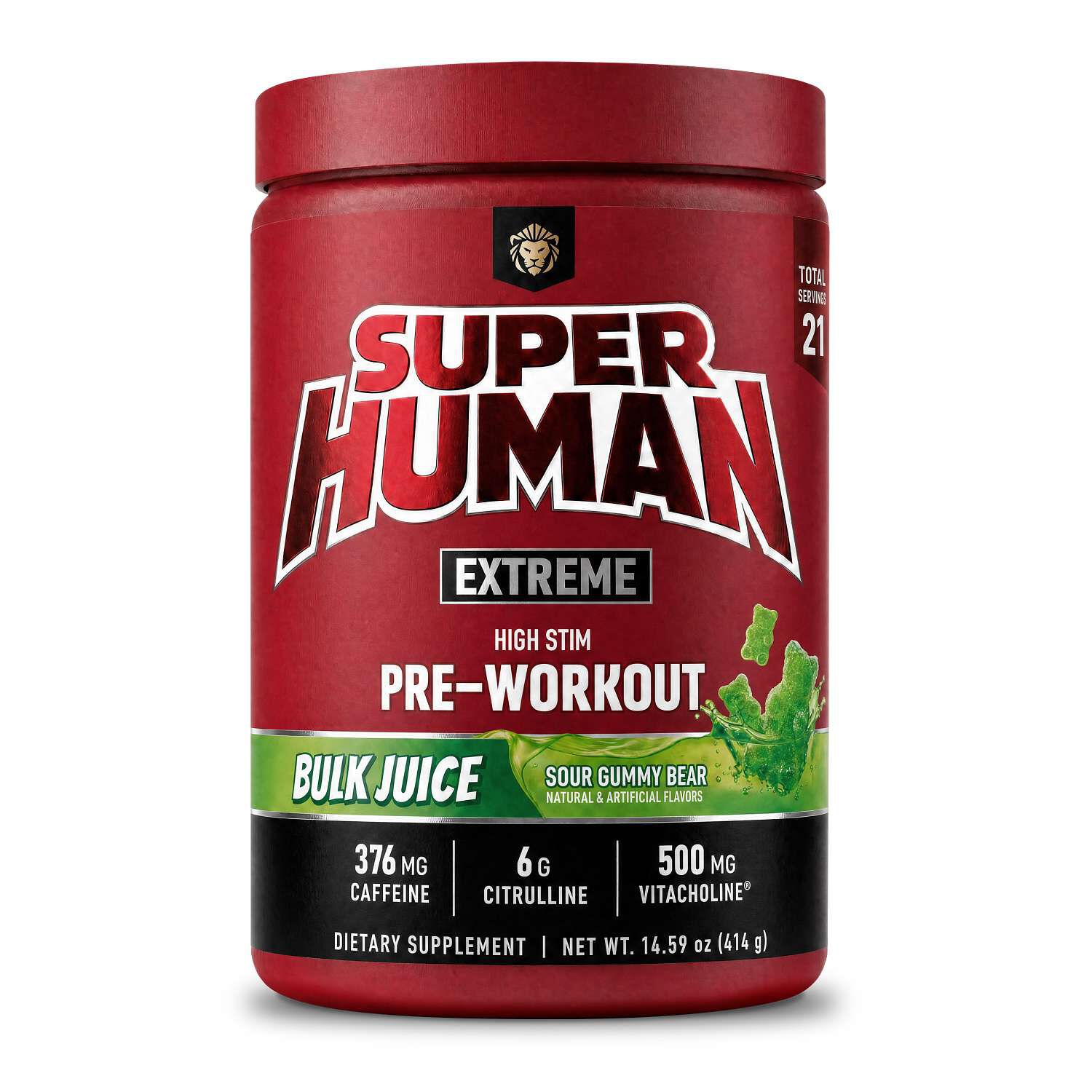
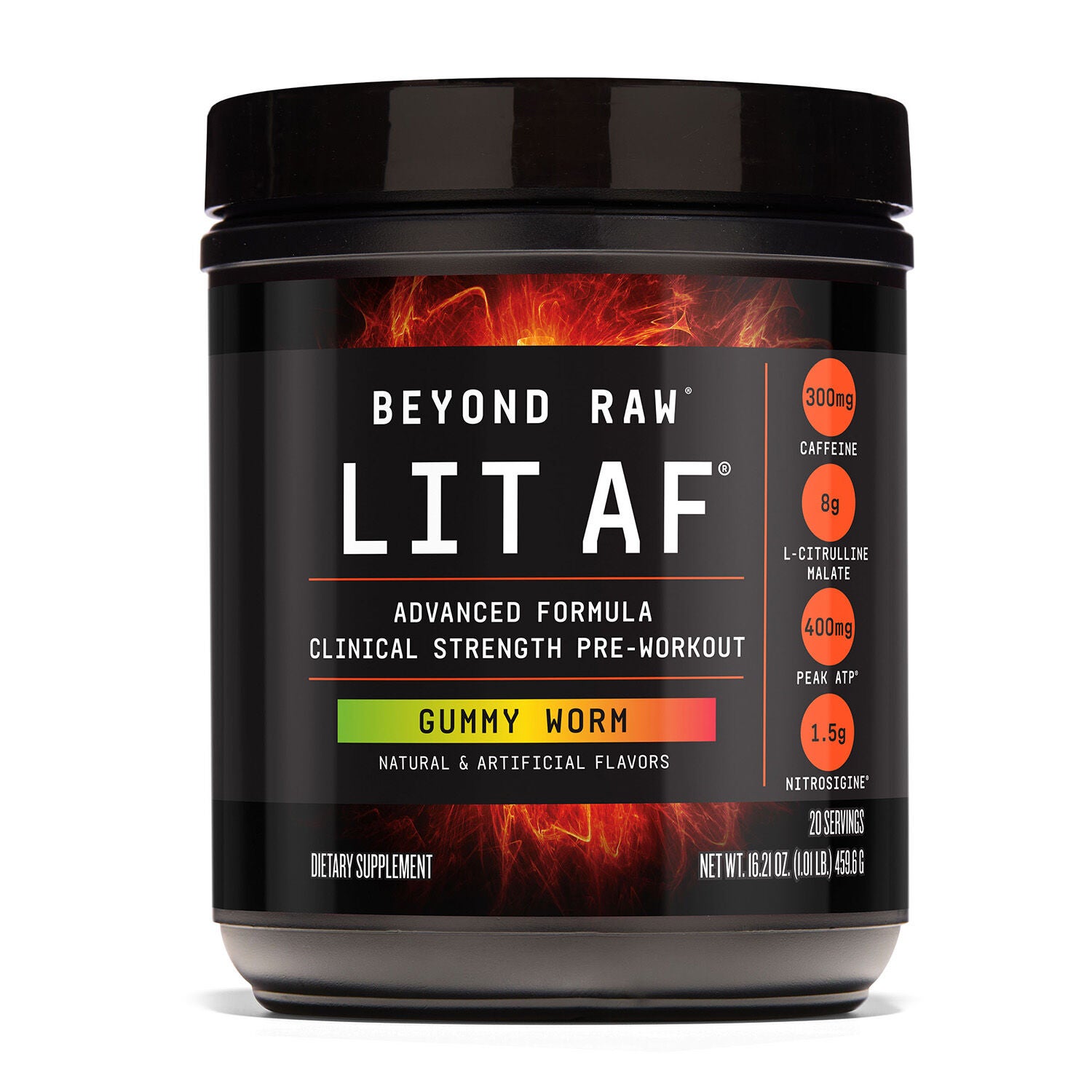
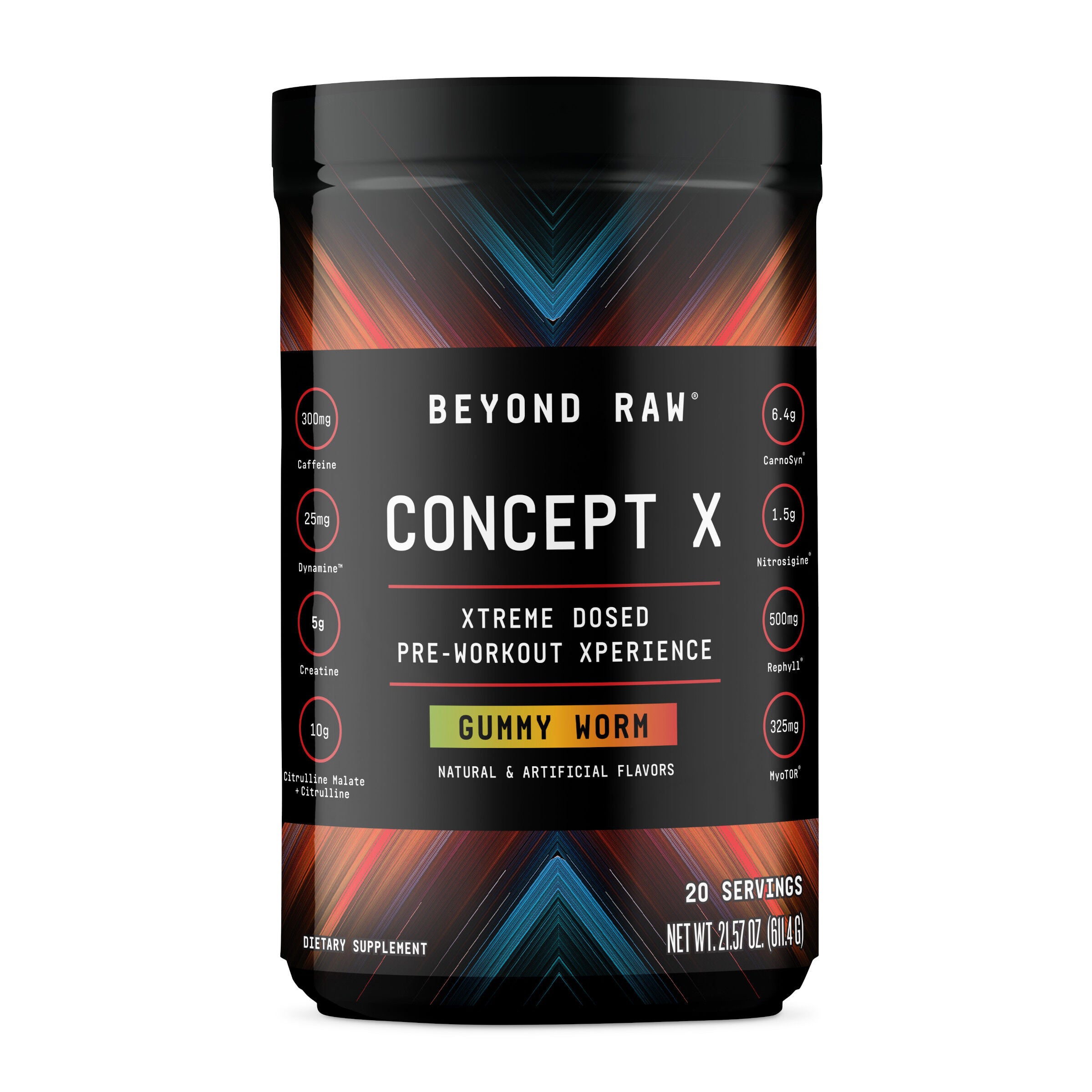
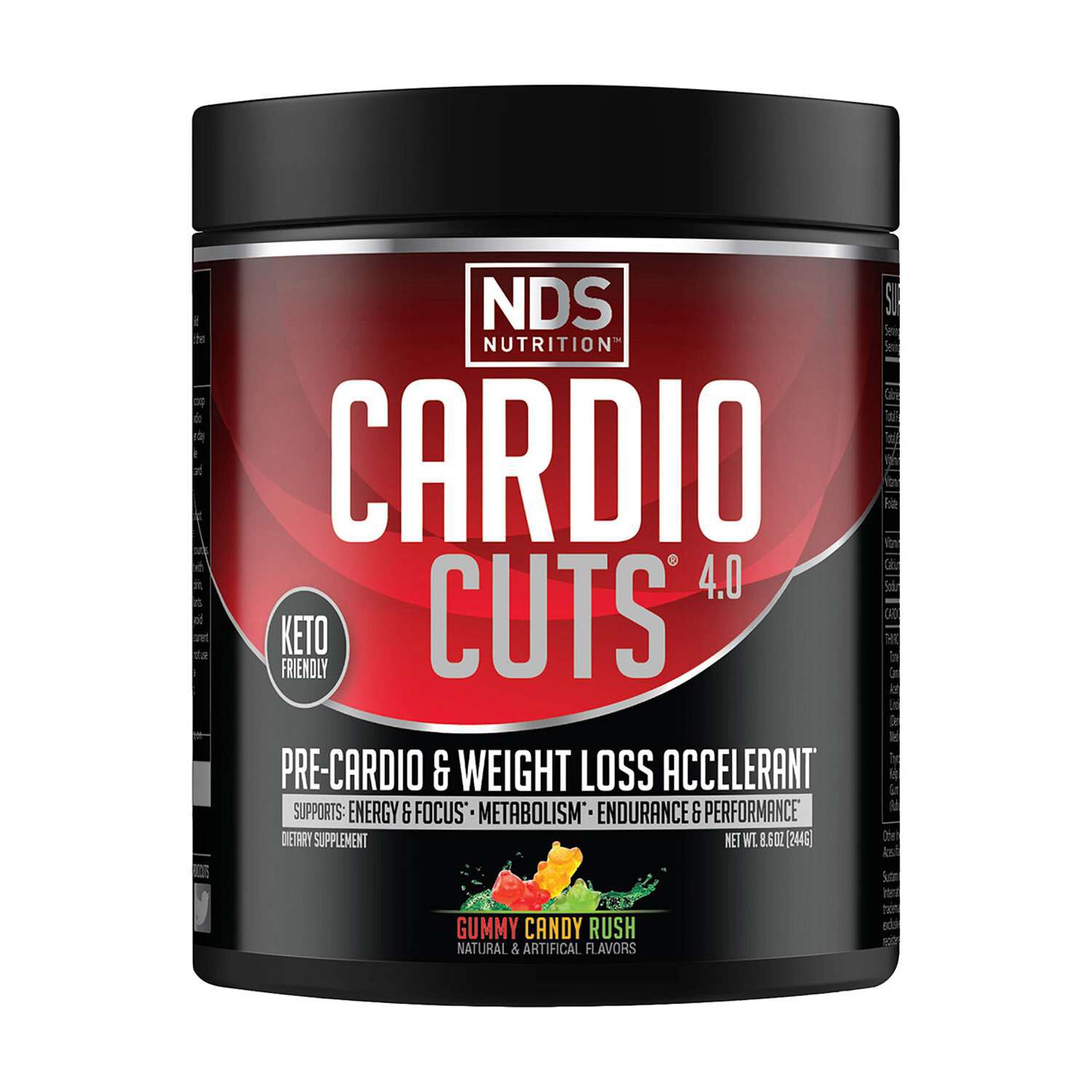
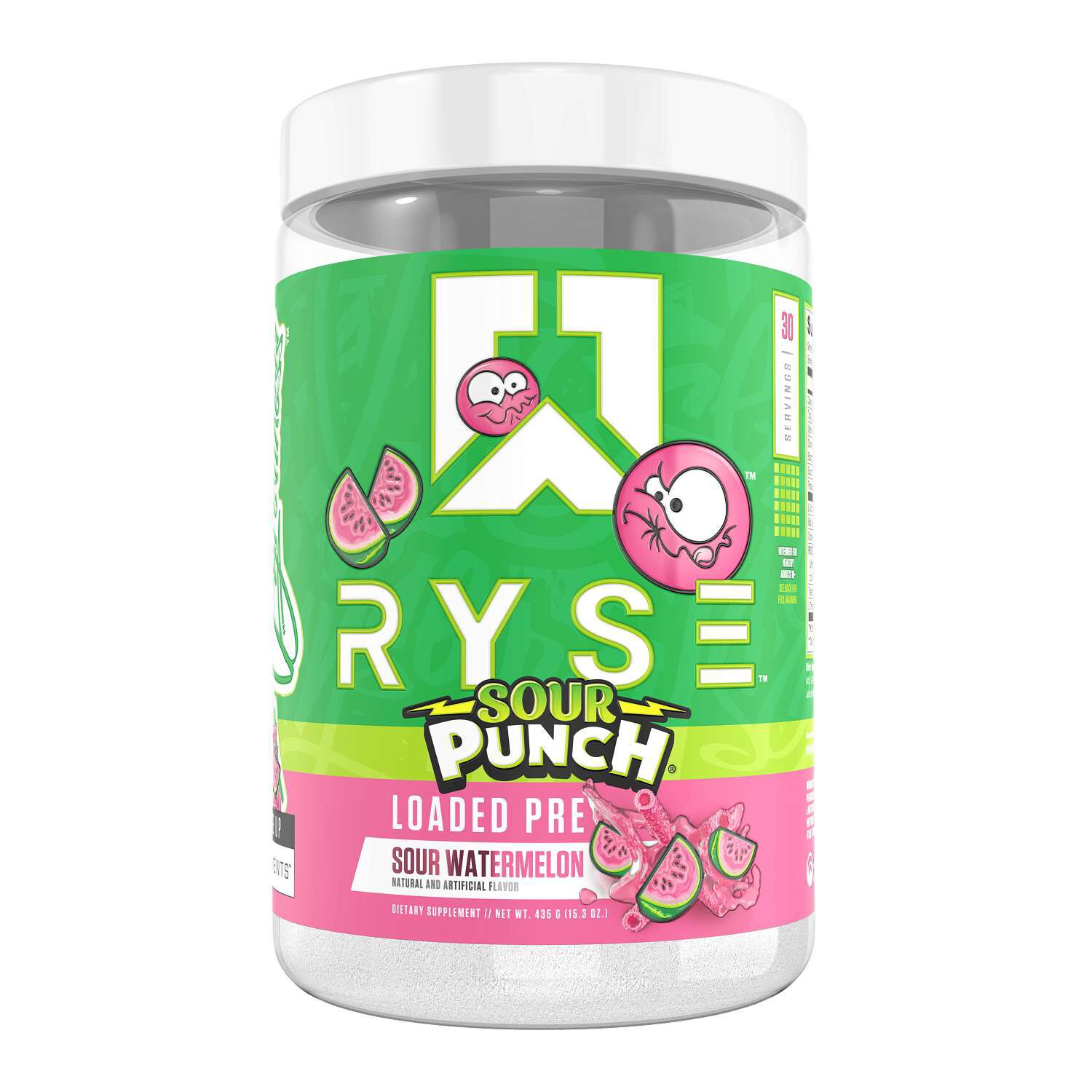
Sour candy–inspired energy powders bring a familiar sweet-and-tart flavor profile to a mixable drink format. The appeal is in the contrast: a puckery opening, a fruit-forward middle, and a sweeter finish reminiscent of chewy candy. For adults who enjoy bold flavors, that combination offers a different drinking experience from coffee, plain tea, or more traditional fruit punch mixes. Berry, citrus, apple, and watermelon flavor profiles can each put a different spin on the sour candy theme, although the exact flavor selection depends on the formula. A berry-style blend might lean toward rounded sweetness, while an apple-style blend might emphasize a sharper tart note. The name on the package describes the intended flavor experience, not necessarily the presence of fruit juice or actual candy ingredients. These products are generally powdered drink mixes that combine flavorings and sweeteners with caffeine and, in some cases, other ingredients selected for an energy or exercise-oriented formula. They are not interchangeable with ordinary candy, and a playful flavor name does not describe the strength or intended audience of the drink. Caffeine content, serving size, and preparation directions remain important distinctions even when two mixes share a similar flavor description. For shoppers browsing this category, the useful comparison is both sensory and practical: how tart the drink sounds, how it is sweetened, what a labeled serving contains, and how the powder fits into an established routine. Someone who enjoys sipping a fruit-flavored drink at a desk may have different preferences from an adult who wants a mix specifically labeled for use before exercise. The common thread is a candy-inspired taste in a format prepared with water, rather than a ready-to-drink beverage. Flavor provides the personality; the ingredient panel and directions provide the details that distinguish one type of powder from another. That balance helps make the category understandable without treating every sour-flavored mix as the same kind of product.
The formula deserves as much attention as the flavor description. Sour candy–inspired energy powders can differ in caffeine source, caffeine amount per serving, sweetener blend, carbohydrate content, and additional ingredients. Caffeine may come from a clearly named caffeine ingredient or from sources such as tea or coffee extracts, depending on the product. A familiar ingredient name alone does not establish how much caffeine a prepared serving contains. The declared amount on the label is a more useful comparison than package size, scoop size, or how intense the flavor sounds. A larger scoop can reflect a different combination of ingredients rather than simply more caffeine. Likewise, a very tart taste does not indicate a stronger energy formula. Some powders are positioned for general adult energy use, while others are labeled as pre-workout supplements and may include ingredients such as amino acids alongside caffeine. Those categories can overlap in flavor without matching in composition or directions. For someone choosing between them, intended use is a more meaningful distinction than candy imagery. Nutrition information also helps explain differences that are not obvious from the front of the package. Sweetness can come from sugar, other sweeteners, or a combination, and candy-inspired flavor does not by itself establish sugar or calorie content. Citric acid and other food acids may contribute tartness, while flavorings create the recognizable fruit-and-candy character. Ingredient lists, allergen statements, and dietary labels offer more specific information for shoppers with established preferences. A powder described as fruit flavored should not automatically be treated as a fruit-based beverage, just as a candy-inspired supplement should not be treated as candy. These caffeinated products are intended for adults, and package warnings and labeled directions matter regardless of the flavor theme. When coffee, tea, or other caffeinated beverages are already part of the day, the amount listed for the powder provides useful context for understanding that routine. No single flavor description can substitute for those formula details.
Packaging and preparation shape the everyday experience of using sour candy energy powders. Depending on the format, a container may hold multiple servings measured with a scoop, or the powder may come in individual packets with their own mixing directions. A tub can suit a regular setup at home, where a clean bottle and measuring supplies are close at hand. A packet can be convenient for an adult carrying a drink mix to a workplace or fitness facility, although its serving information still needs the same attention as a larger container. The labeled water amount is a useful reference for the intended flavor concentration and mixing process. More powder is not simply a way to get a more pronounced candy taste; it also changes the amount of caffeine and every other ingredient in the drink. A bottle with a secure lid and enough room for mixing can make preparation less cumbersome, especially when the drink is part of a familiar pre-exercise routine. Following the package directions helps account for differences in how individual formulas disperse in water. Appearance can vary, too: color, cloudiness, or settling may depend on the ingredients, so visual intensity is not a reliable measure of serving strength. Powder care is mostly about keeping the product in the storage conditions specified on its label. A securely closed container, a dry scoop, and protection from moisture help preserve the intended powder texture between uses. Rinsing the mixing bottle after use and washing it according to its care instructions can help keep yesterday’s flavor from lingering in the next drink. For adults considering a gift, a recipient’s known flavor preference and familiarity with caffeinated powders matter more than novelty packaging; the candy theme alone is not a reason to choose a supplement for someone else. Shoppers who enjoy the same sweet-and-sour character but prefer a beverage format can also explore Candy Flavored Energy Drinks. Across formats, the most useful distinctions remain straightforward: the flavor profile, the labeled ingredients, the serving directions, and the way the product is intended to be used.