Triple Magnesium Supplement
(0 Results)
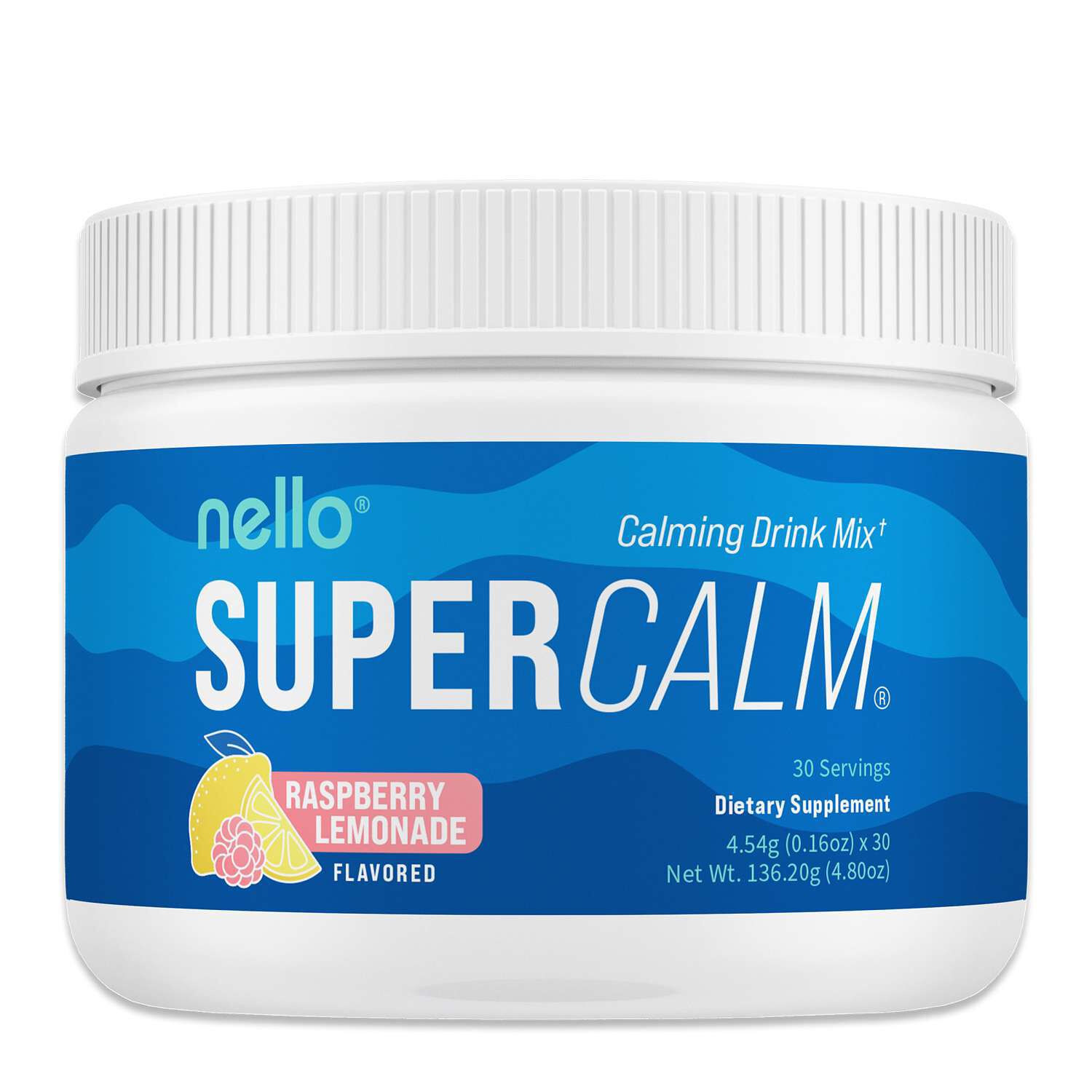
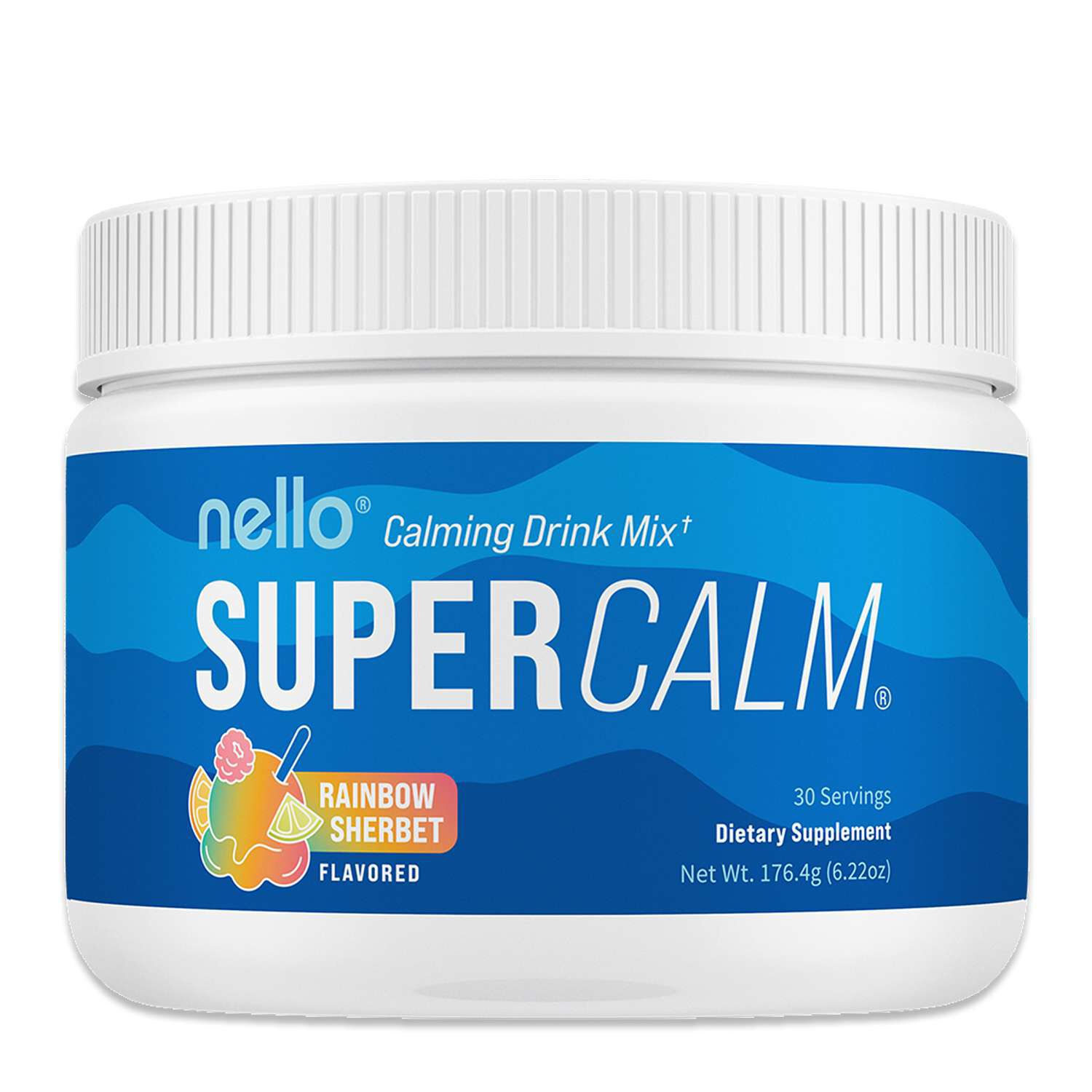
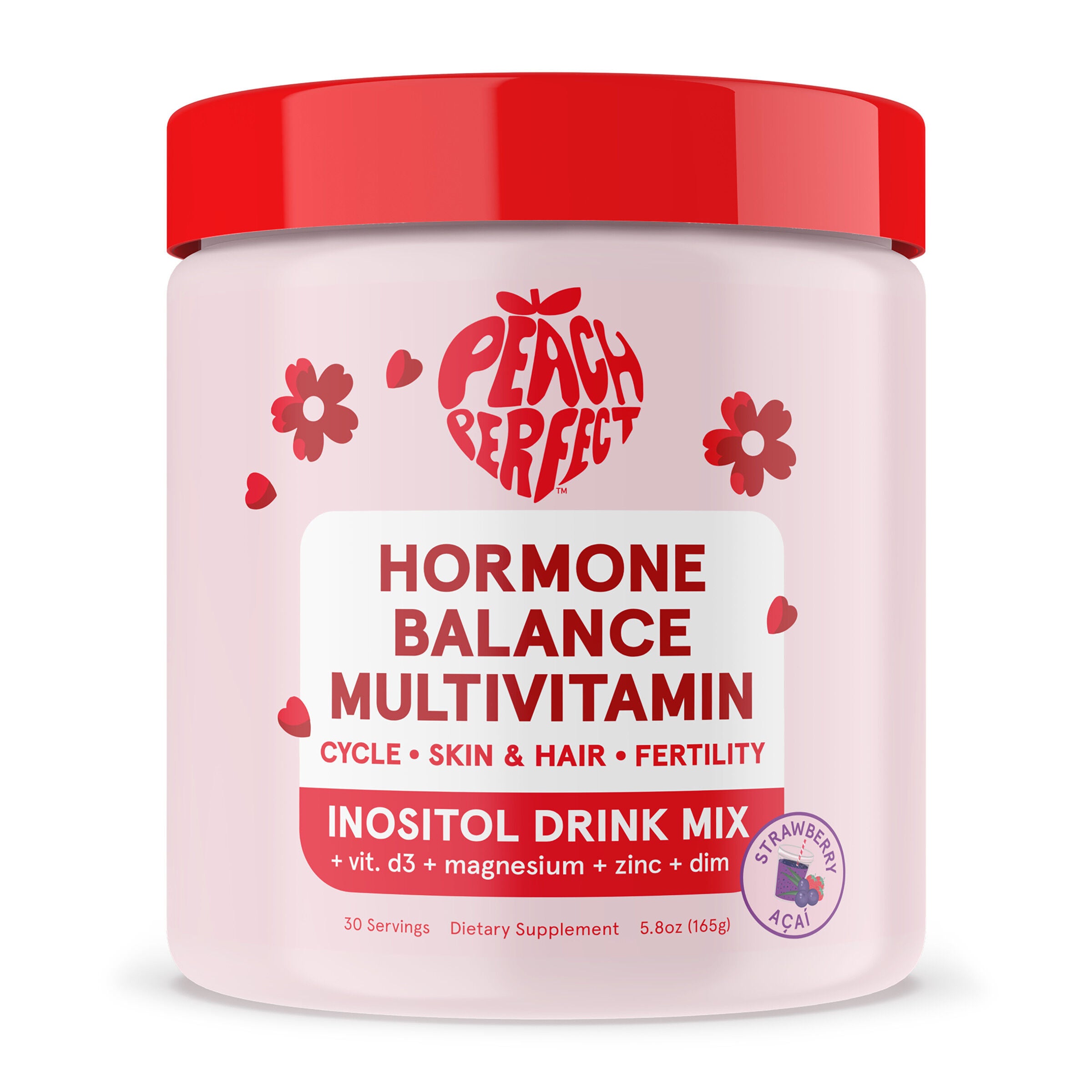
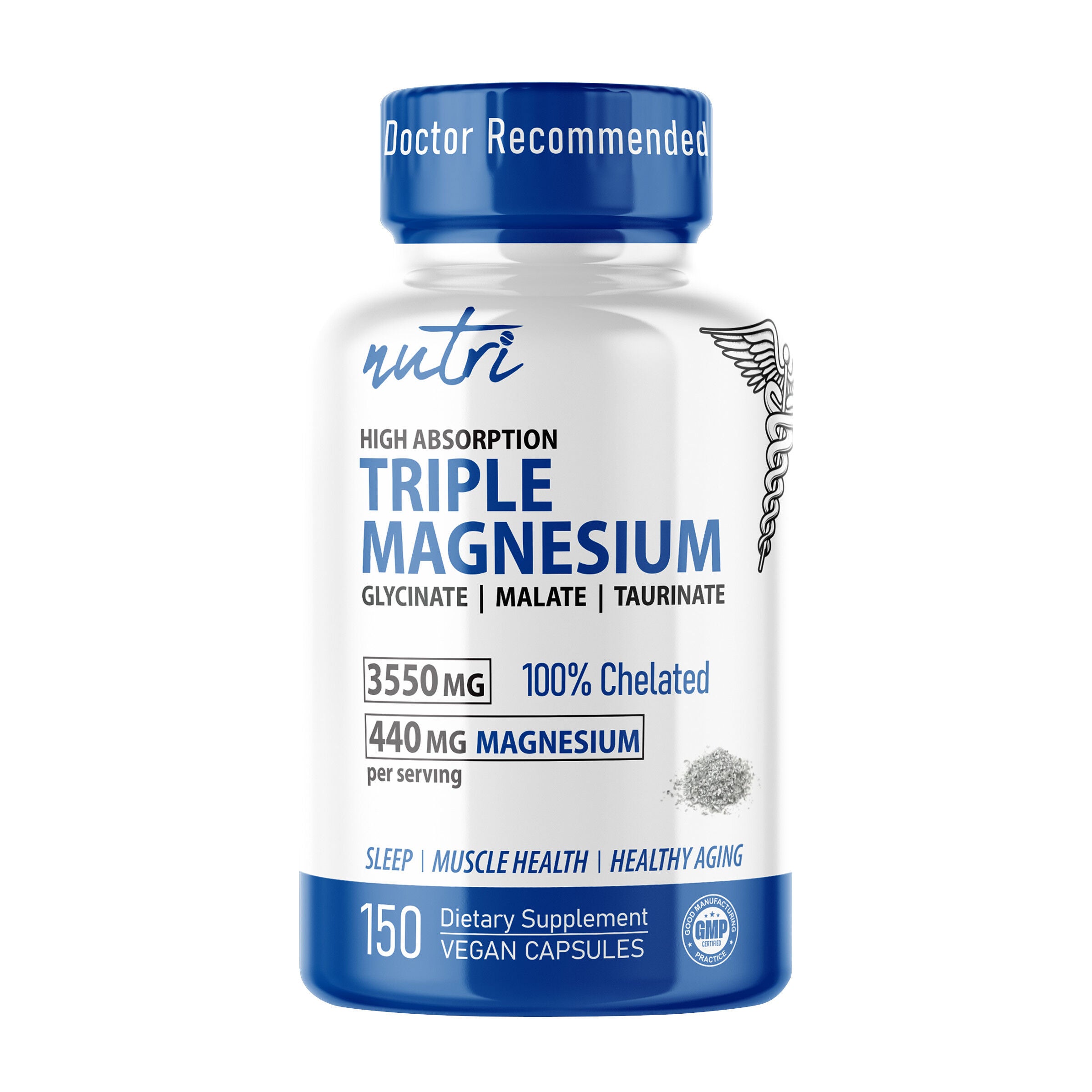
Triple magnesium supplement options offer a convenient way to support your wellness routine. With a blend of three distinct forms of magnesium, these supplements are designed for those looking to incorporate this important mineral into their daily regimen. Whether you’re focused on maintaining overall well-being or seeking a versatile addition to your supplement stack, triple magnesium supplement selections may fit seamlessly into your lifestyle. Explore a range of formulas and find the right option to help you meet your health and fitness goals.
-
-
-
 Nature's Fusions$29.99
-

-

-
-
 _Front.jpg?sw=305&sh=305&sm=fit "Magnesium: Bioactive Magensium Citrate - 120 Capsules (120 Servings) | GNC")
-

-
-
 _Front.jpg?sw=305&sh=305&sm=fit "Magnesium: Bioactive Magensium Citrate - 60 Capsules (60 Servings) | GNC")
-

-

-

-

-

-

-

-

-

-
-



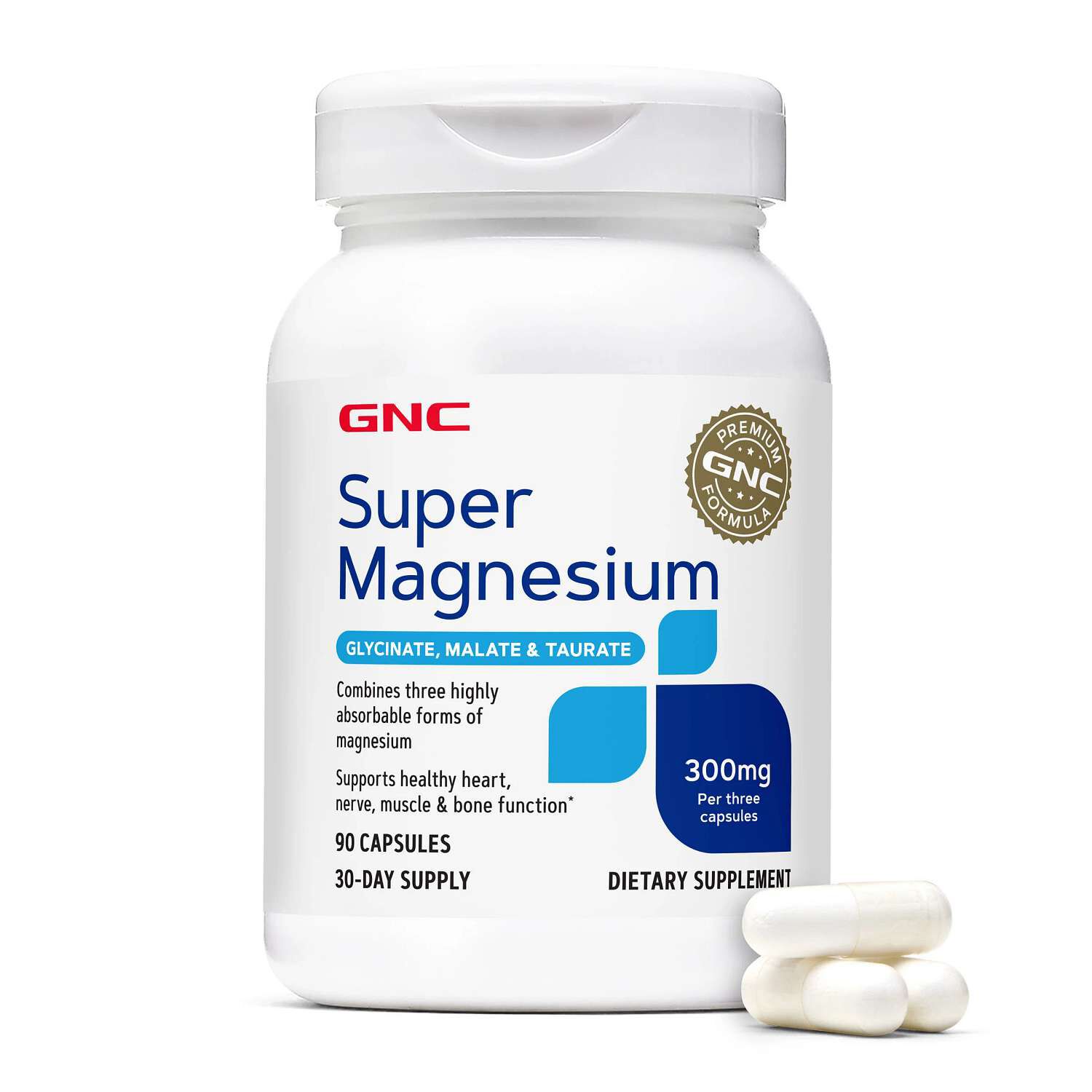
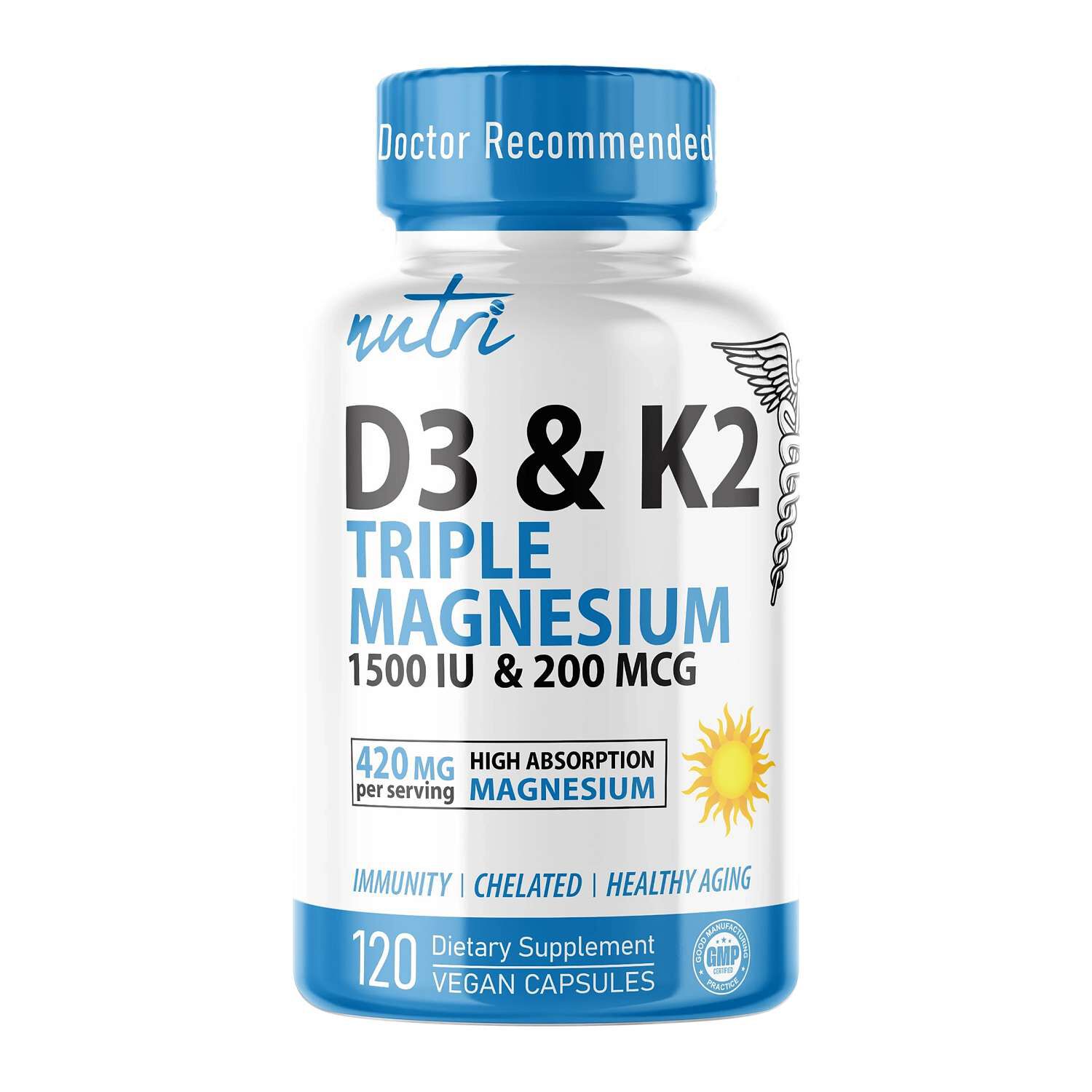
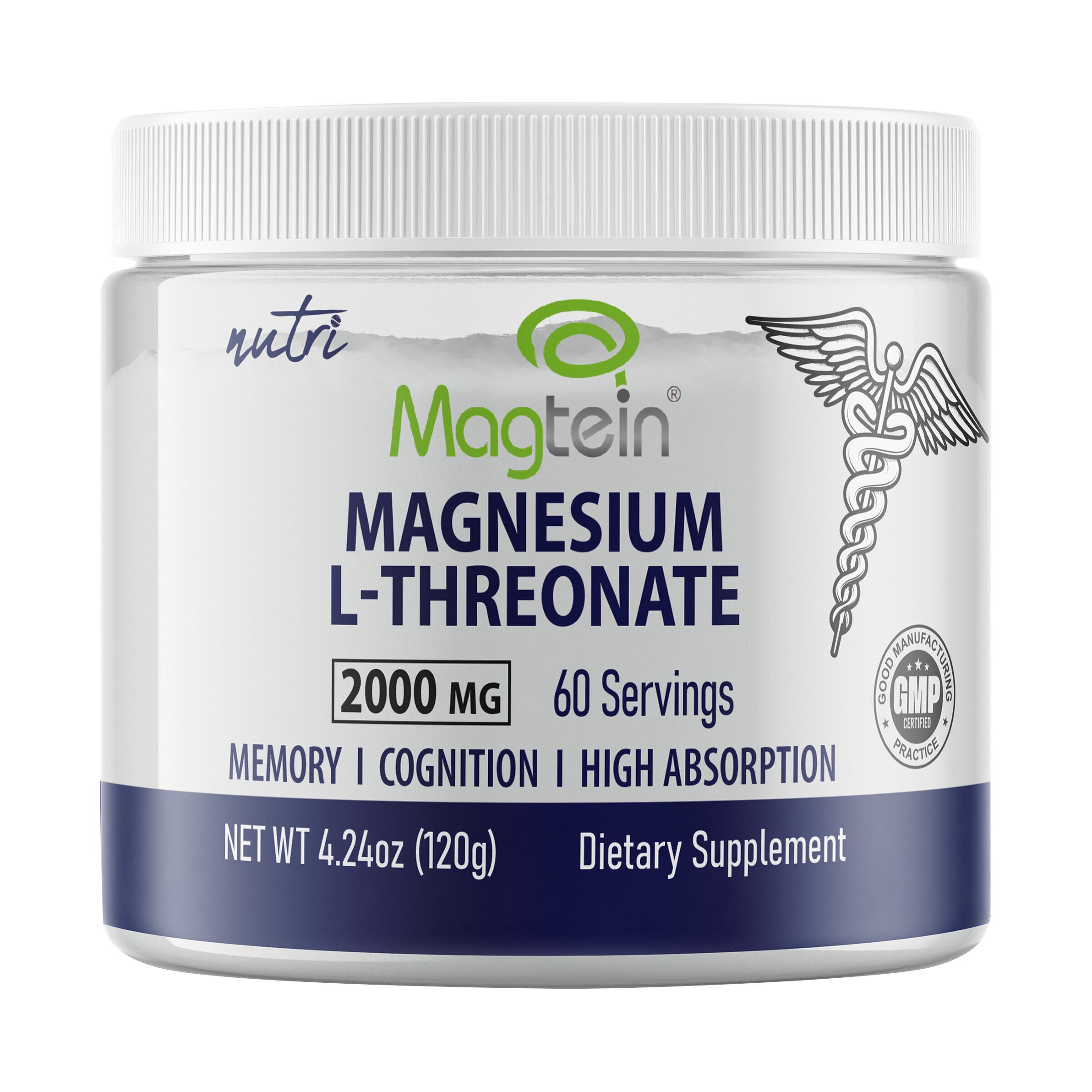
A triple magnesium supplement combines three forms of magnesium in one formula. The word “triple” describes the number of forms, not the amount of magnesium or the number of capsules in a serving. Magnesium is a mineral found in foods such as pumpkin seeds, almonds, beans, and leafy greens. In supplements, the form name identifies what the magnesium is paired with. Magnesium glycinate contains magnesium bound to glycine, an amino acid. Magnesium malate pairs magnesium with malic acid, while magnesium citrate pairs it with citric acid. Glycinate, malate, and citrate are a common combination, but not every triple magnesium blend uses that lineup. Another blend might include magnesium oxide or magnesium aspartate, and the name on the front of the package may not spell out all three. The Supplement Facts panel is where the formula becomes easier to recognize. The forms may appear in parentheses after the word “Magnesium” rather than on three separate lines, and the panel may use a more specific name, such as magnesium bisglycinate. That detail matters to a shopper looking for a particular form. Someone who has used a single-form magnesium citrate supplement, for instance, may want a blend that still contains citrate. The word “triple” alone doesn’t tell that shopper whether citrate is included. The distinction between a single-form supplement and a three-form blend is about the makeup of the formula. It doesn’t establish how much magnesium is in a serving or whether the three forms are present in equal amounts. Those are separate details, and equal proportions aren’t part of what makes a supplement a triple blend.
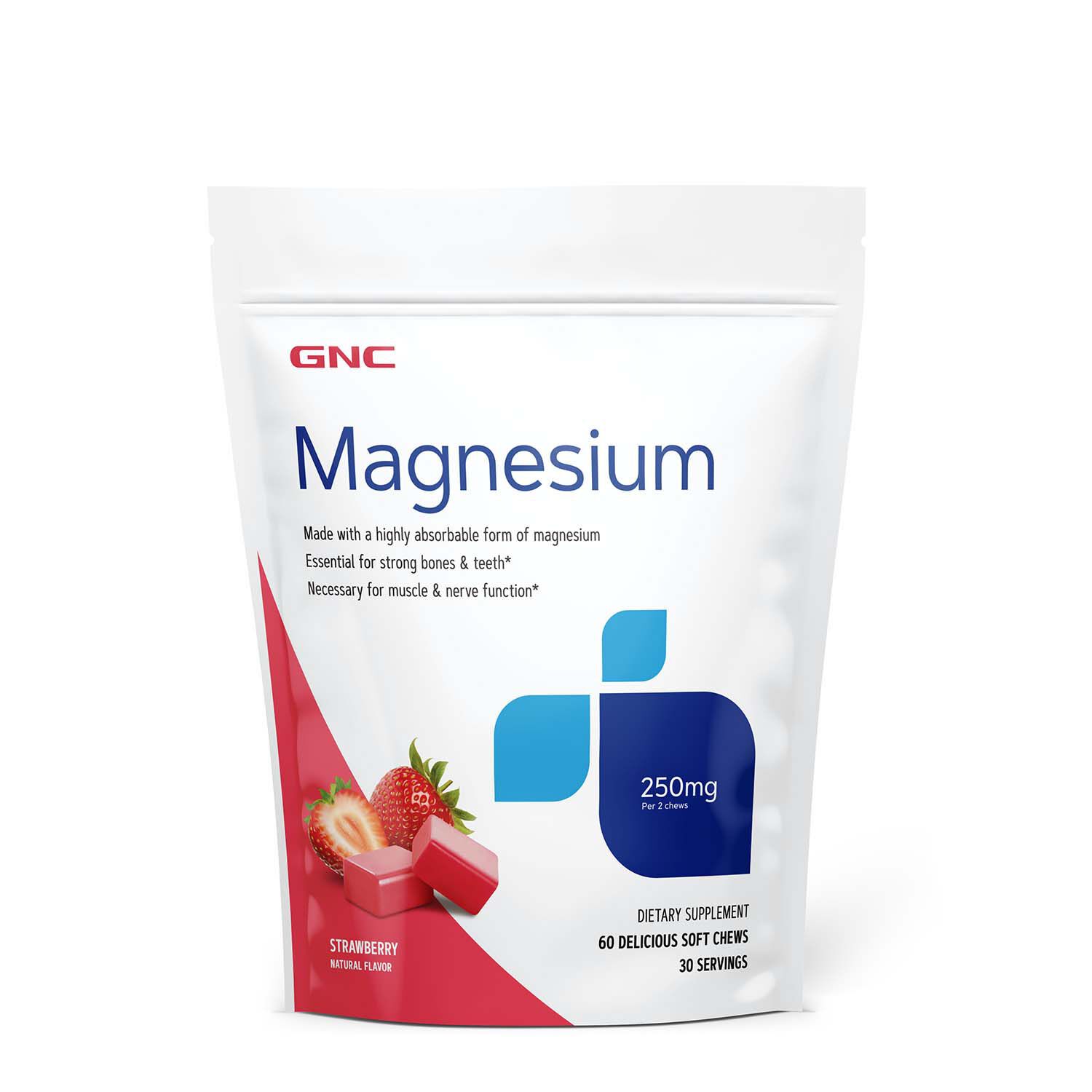
The amount listed next to “Magnesium” on the Supplement Facts panel refers to elemental magnesium, meaning the amount of the mineral itself rather than the weight of the compounds that supply it. For a triple magnesium supplement, that figure generally represents the magnesium contributed by all three forms in a serving. Unless a label gives a separate breakdown, the figure doesn’t reveal how much comes from glycinate, malate, citrate, or any other listed form. Serving size gives that number its context. Two capsule formulas can list the same amount of magnesium per serving even if one serving consists of one capsule and the other consists of two. A shopper comparing the amount of magnesium would see a match, while someone who prefers fewer capsules would see a practical difference. The capsule count on the front of a bottle describes what’s inside the container; the servings per container on the panel reflects how those capsules are grouped. With powders, there’s a similar distinction between the net weight of the container and the amount of magnesium in a measured serving. A number printed prominently on the front may refer to the mineral or to the weight of a blend, so the words beside that number are as useful as the number itself. The percent Daily Value, when shown, expresses the amount of magnesium in one serving relative to a standard label reference. It doesn’t describe the share contributed by each form. For shoppers comparing formulas that look nearly identical from the front, the named forms, the elemental magnesium per serving, and the serving size answer three different questions: what’s in the blend, how much magnesium it contains, and what counts as one serving.
Format can make as much difference to the shopping decision as the ingredient list. Capsules may suit someone who prefers a premeasured format without mixing, while a powder may fit someone who already keeps a glass and spoon handy on the kitchen counter. With capsules or tablets, dimensions can be a useful detail when listed, especially for shoppers who know they prefer a smaller format. With powders, flavor, sweeteners, and the suggested amount of liquid are more relevant to the experience. An unflavored powder may still have a noticeable taste or texture, so the flavor description is only one part of the comparison. Capsule shell ingredients are another detail worth noticing. Some shells are made with gelatin, while others use plant-derived materials such as cellulose. Those materials describe the shell, not the forms of magnesium inside it. The other ingredients list may also identify tablet coatings or the ingredients that give a flavored powder its taste. Packaging matters once the supplement has a place in the home. The original container keeps the ingredient list, serving information, and any storage directions together. A powder stored in a kitchen cabinet may be easier to keep dry with the lid closed and the scoop kept away from moisture; the package directions are the reference for that particular formula. Container size can also matter to someone with a shallow shelf or a small space set aside for everyday supplements. For a wider comparison of ingredient lists and formats, Natural Magnesium Supplements offers another way to browse the category. A three-form blend may be the starting point, but the specific forms, the serving details, and the format help distinguish formulas that share the same description.
Best Sellers
-
Rho Nutrition
-
Qualia Life Sciences