Vegan Constipation Relief Support Supplements
(0 Results)
Vegan constipation relief support supplements offer a plant-based approach for those seeking gentle digestive support while maintaining a vegan lifestyle. With a variety of options featuring thoughtfully selected ingredients, these supplements may help promote regularity and comfort as part of your daily wellness routine. Explore vegan constipation relief supplements designed to fit seamlessly into your dietary preferences, so you can prioritize digestive health without compromise.
-

-
-

-
-

-

-

-

-
-
 209$34.99
-
-
 _Front.jpg?sw=305&sh=305&sm=fit "Magnesium: Bioactive Magensium Citrate - 120 Capsules (120 Servings) | GNC")
-

-
 _Front.jpg?sw=305&sh=305&sm=fit "Magnesium: Bioactive Magensium Citrate - 60 Capsules (60 Servings) | GNC")
-
-

-

-

-

-

-

-

-
-
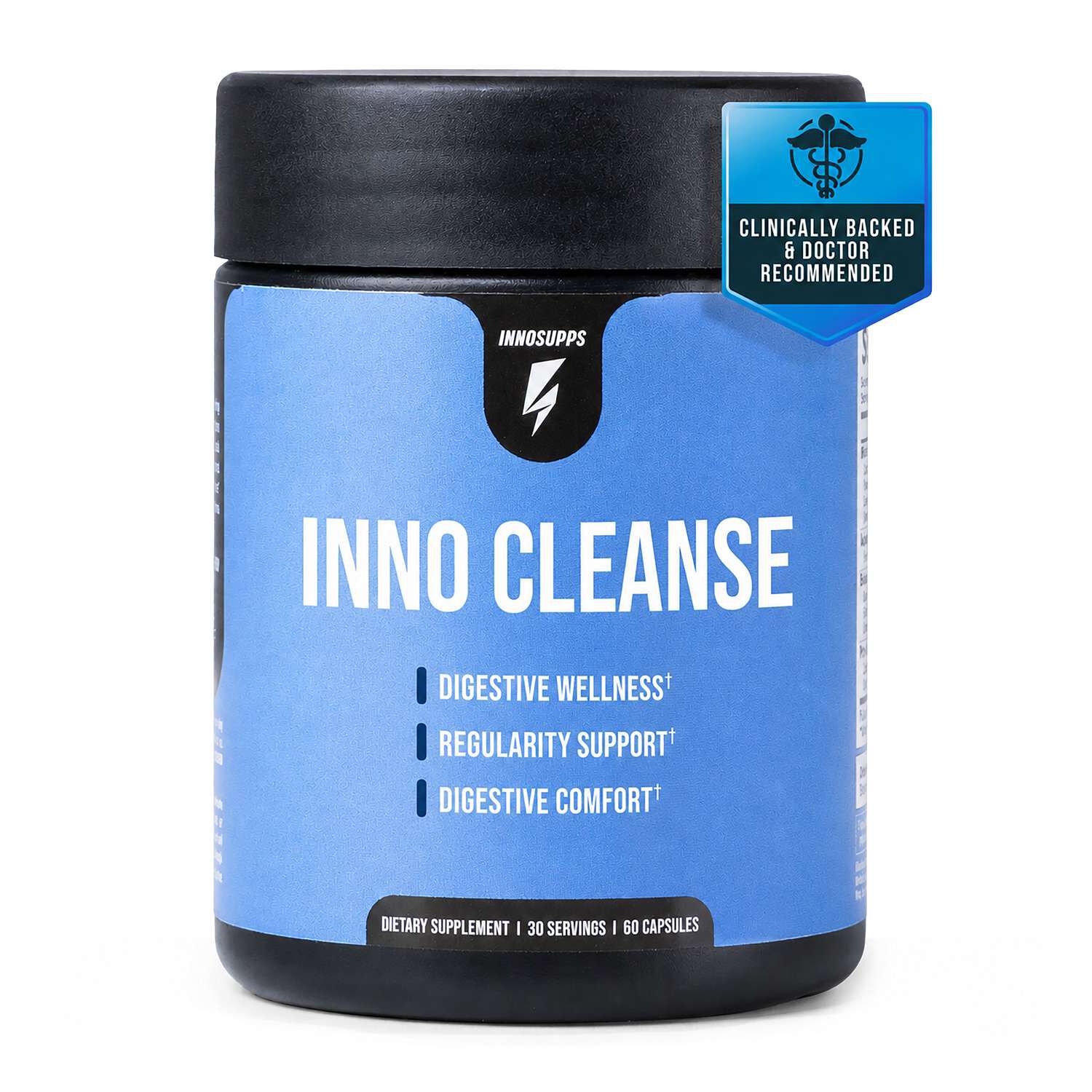
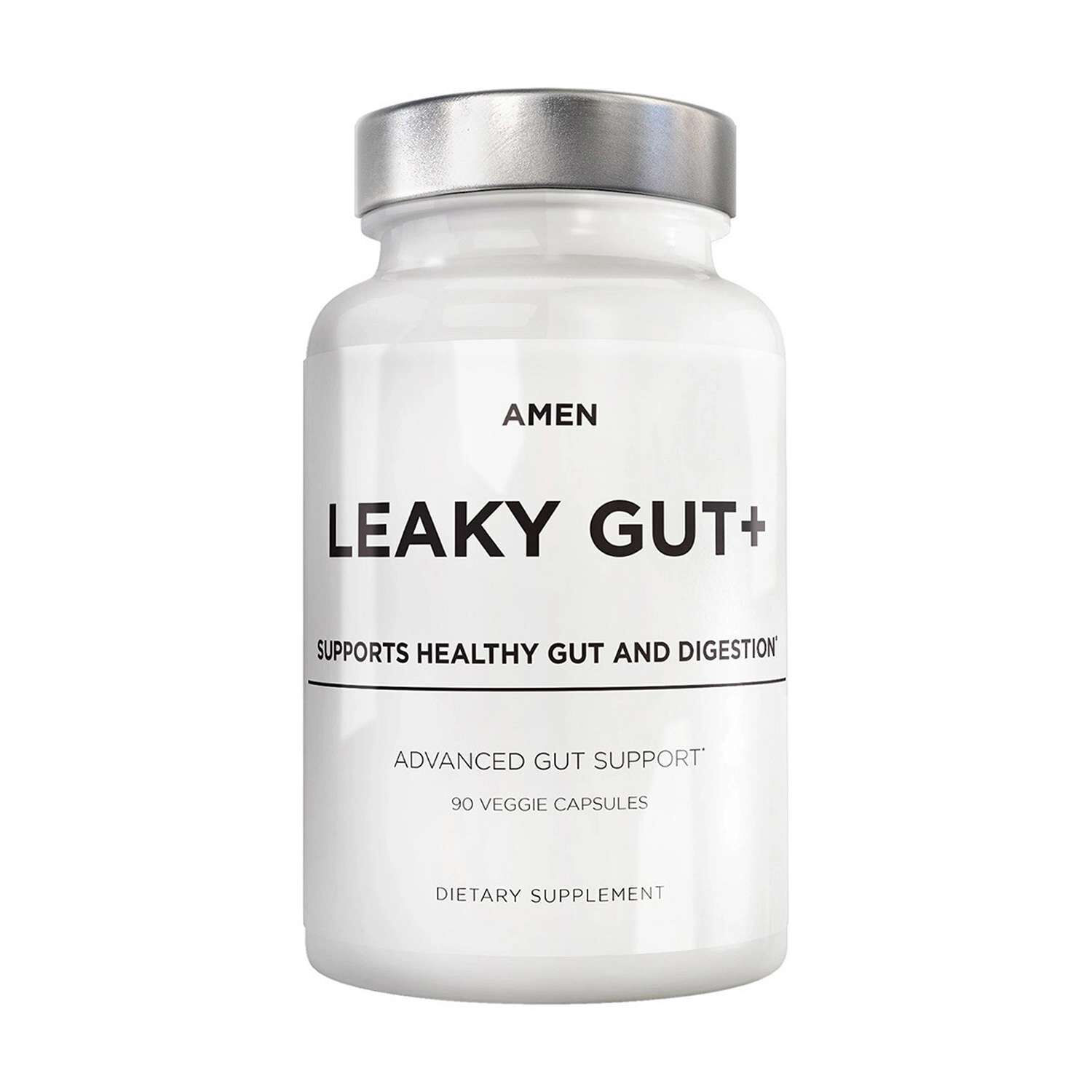
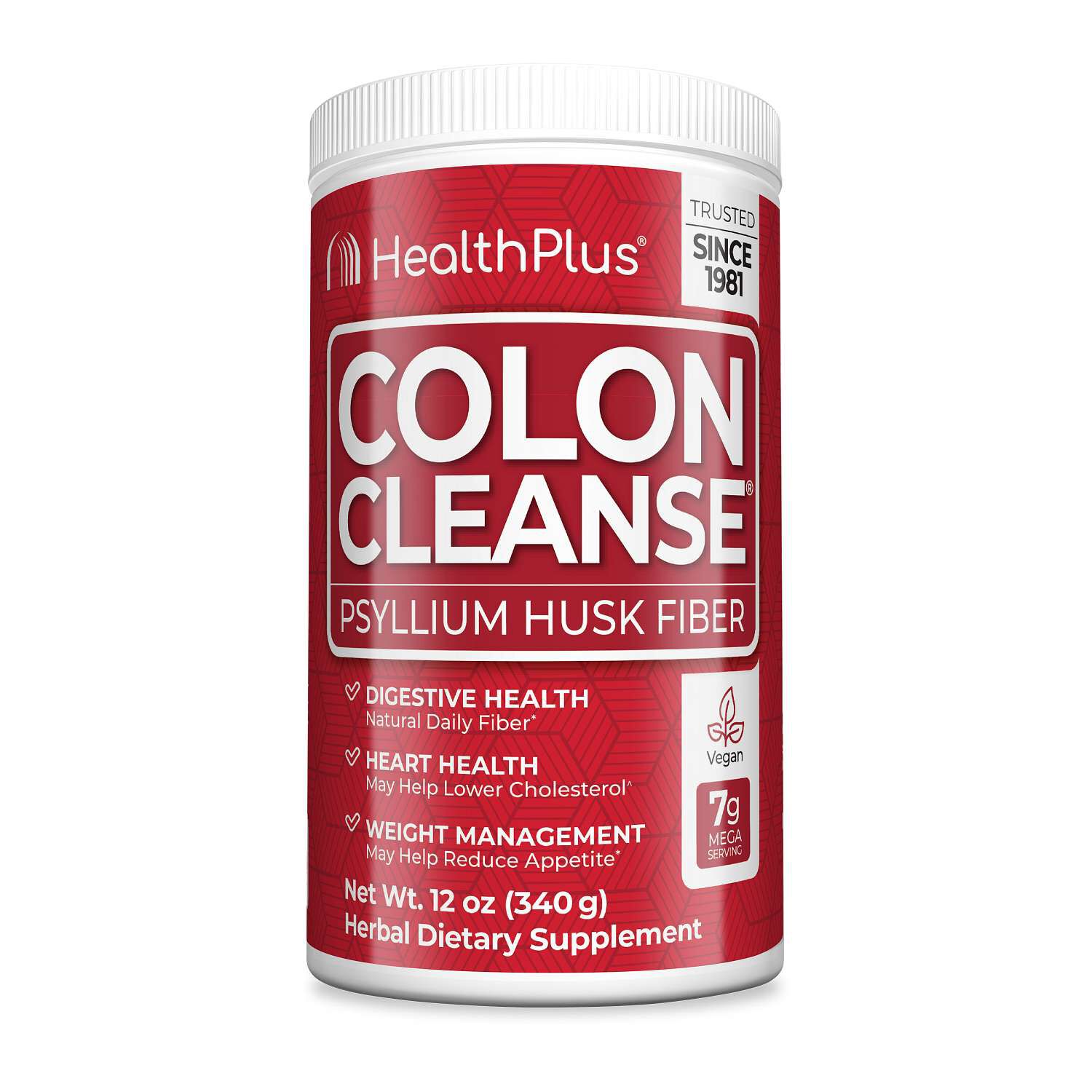
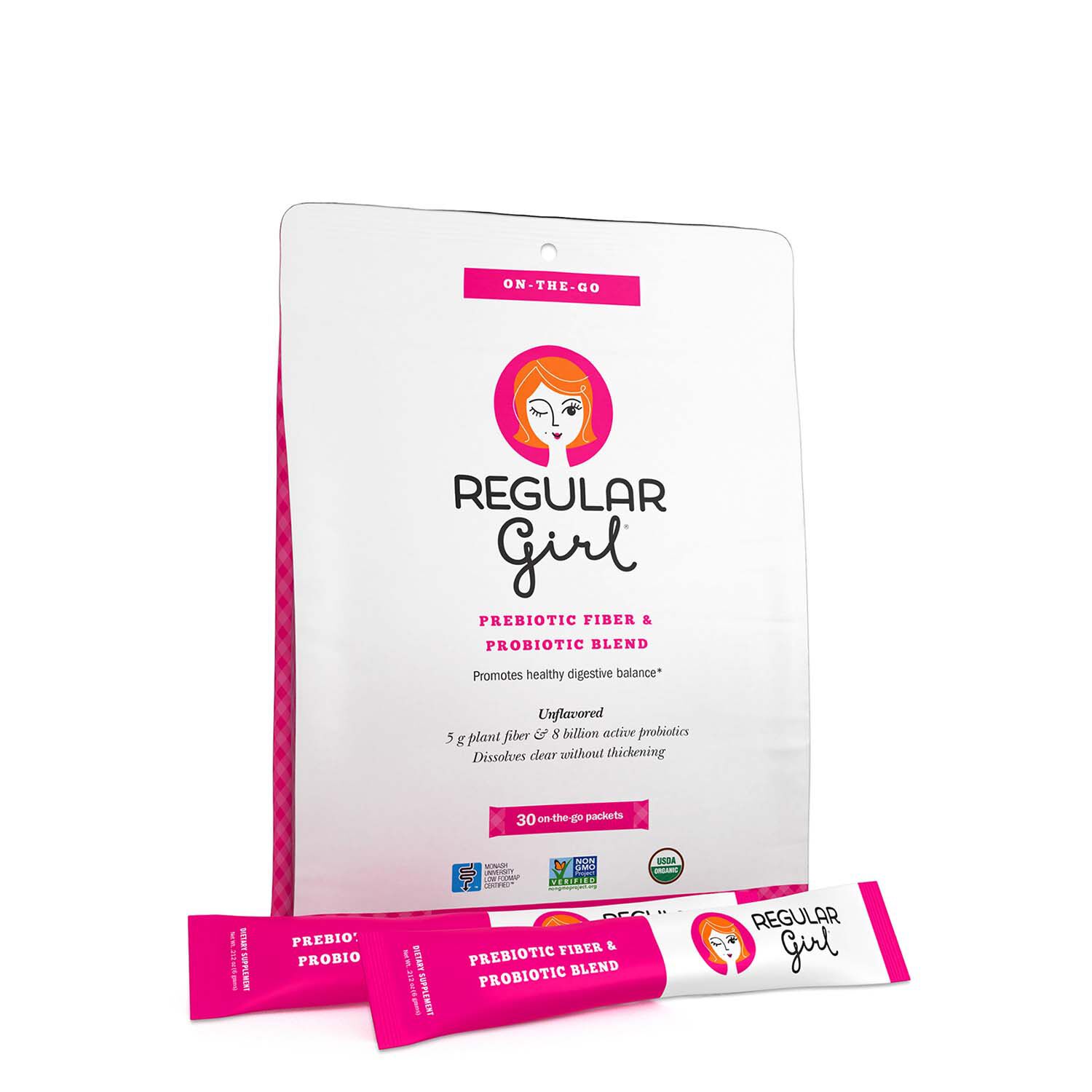
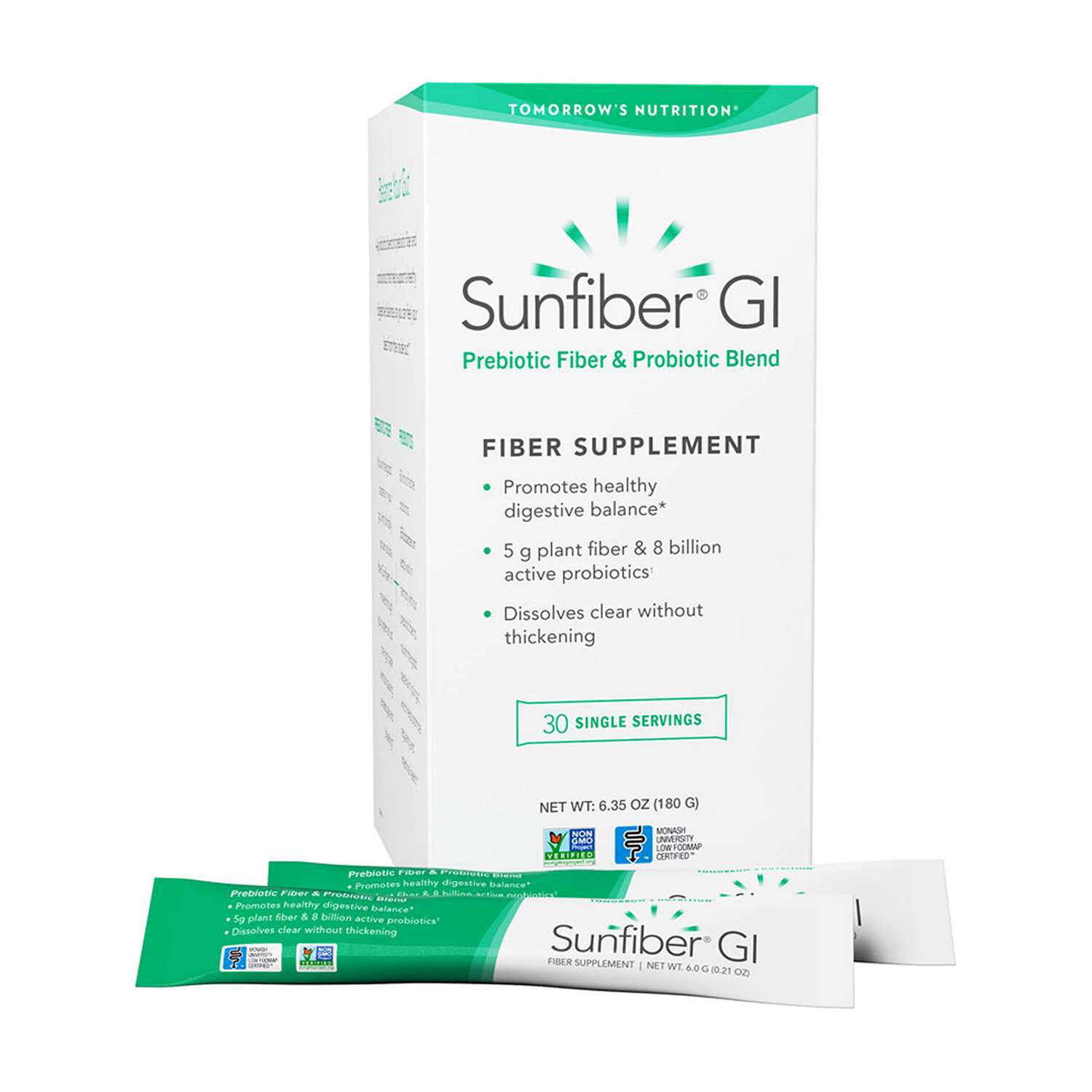
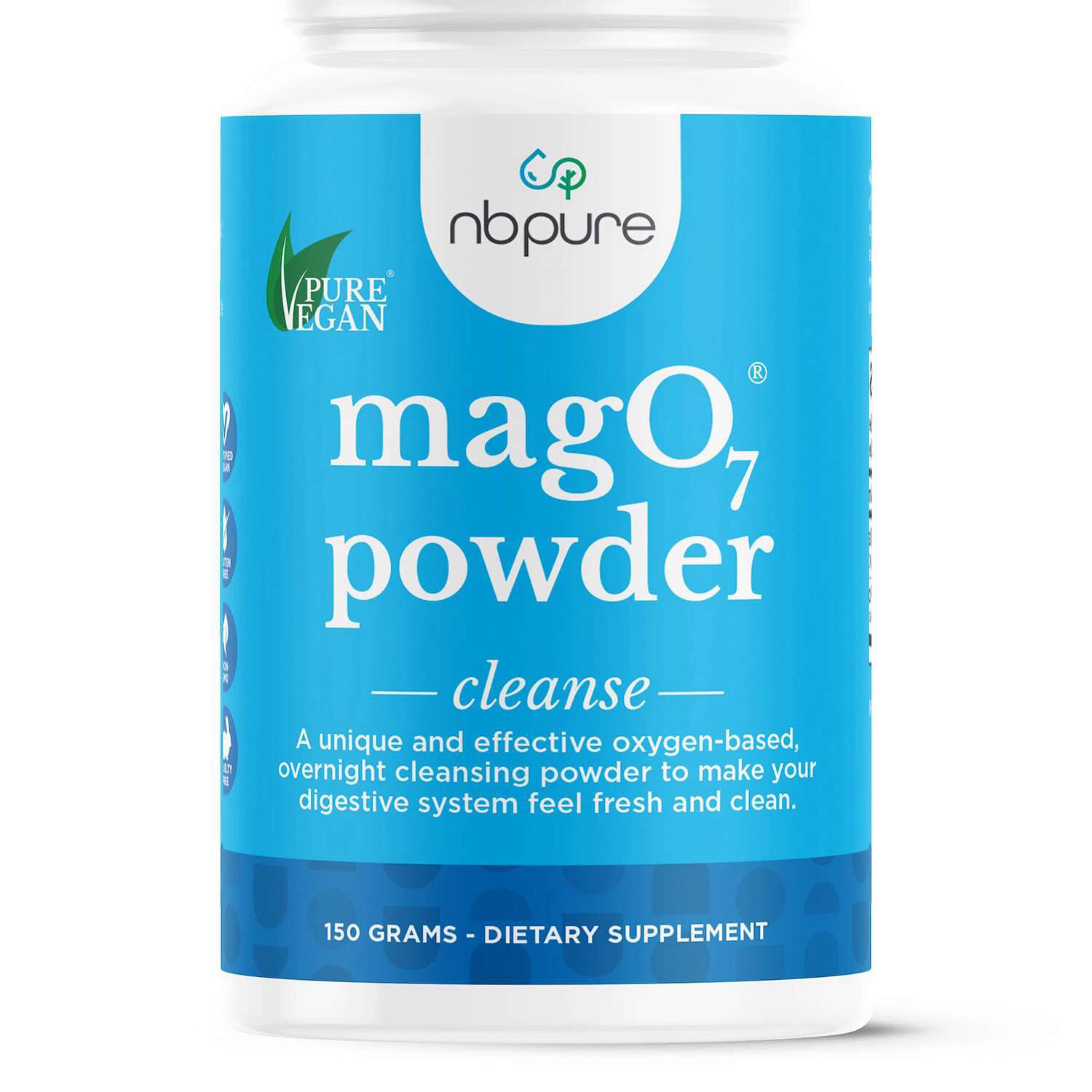
Shopping for vegan constipation relief support supplements involves more than checking whether a bottle says plant-based. Some formulas may support everyday digestive regularity, but vegan describes ingredient sourcing rather than a particular result or speed of action. Fiber is one of the main ingredients associated with this category. Common sources include psyllium husk, acacia, and inulin, each with its own characteristics. Psyllium comes from the husks of Plantago seeds, acacia fiber comes from tree gum, and inulin is often sourced from chicory root. These names are useful distinctions when comparing labels because a fiber blend is not necessarily interchangeable with a single-source powder. The grams of dietary fiber per serving provide a more meaningful comparison than the size of the container or the weight of a scoop alone. Powders offer a different experience from capsules: some have a noticeable texture when mixed, while others dissolve with less visible residue. Preparation directions identify the intended amount of liquid, mixing method, and serving size. A powder intended for a glass of water might have a different flavor and texture profile from one labeled for mixing into food. Unflavored options may appeal to shoppers who prefer a simpler taste, while flavored versions introduce additional considerations such as sweeteners, colors, and fruit-derived ingredients. The ingredient list also distinguishes the fiber source from the rest of the formula, including flavoring systems and ingredients used for consistency. For someone comparing a scoopable powder with capsules, the number of capsules per serving matters just as much as the amount listed on the front panel. These practical details make the category easier to understand without assuming every vegan formula has the same composition or intended use.
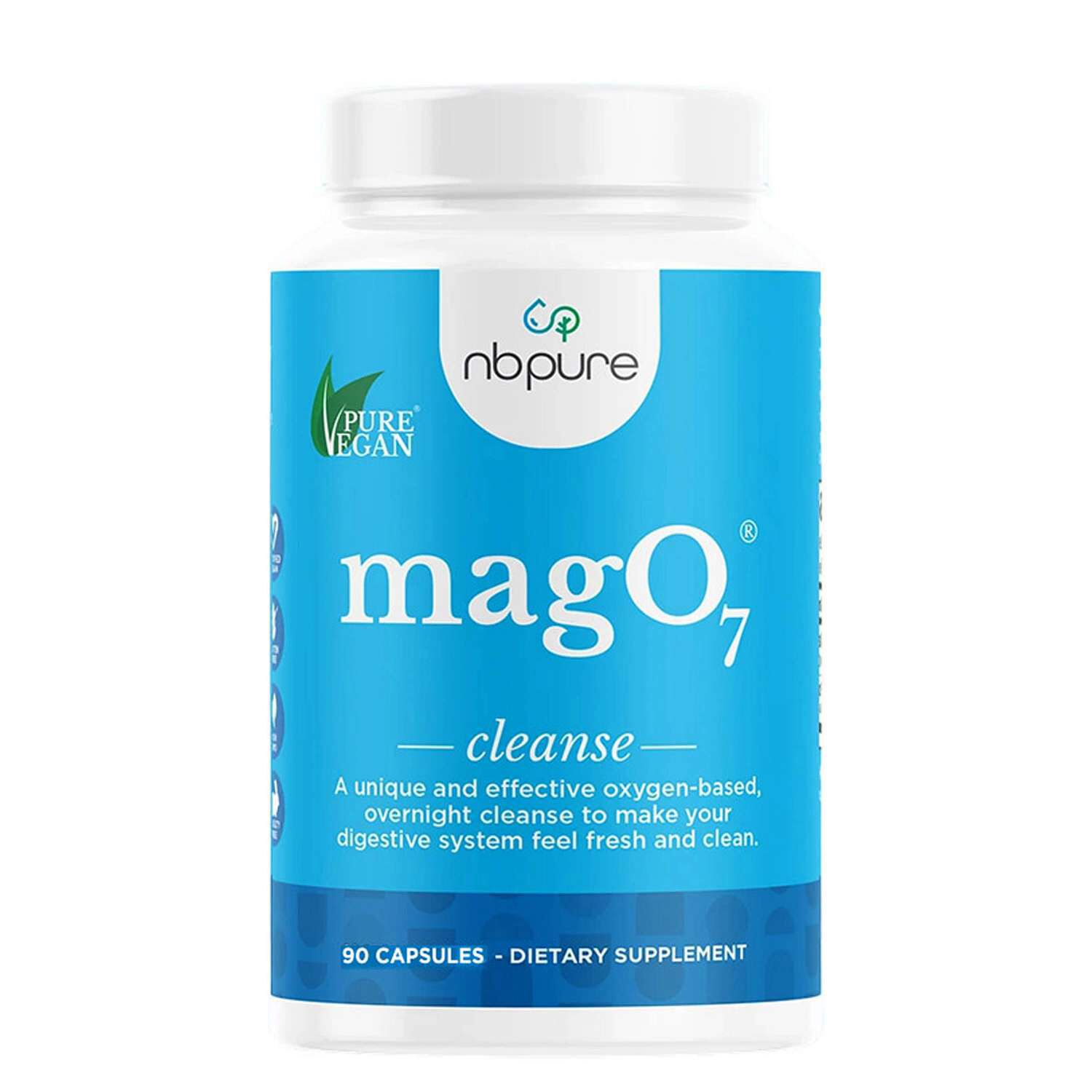
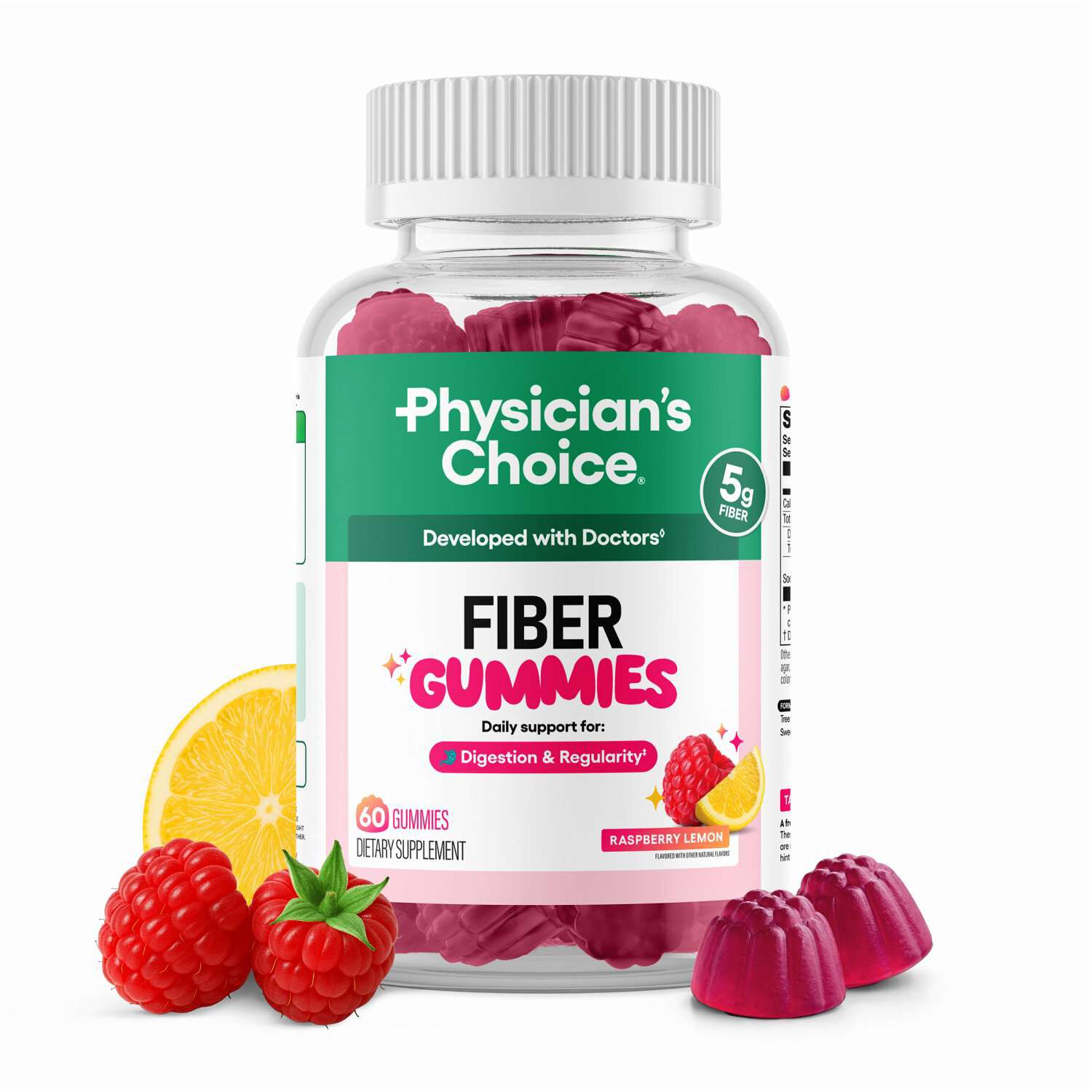
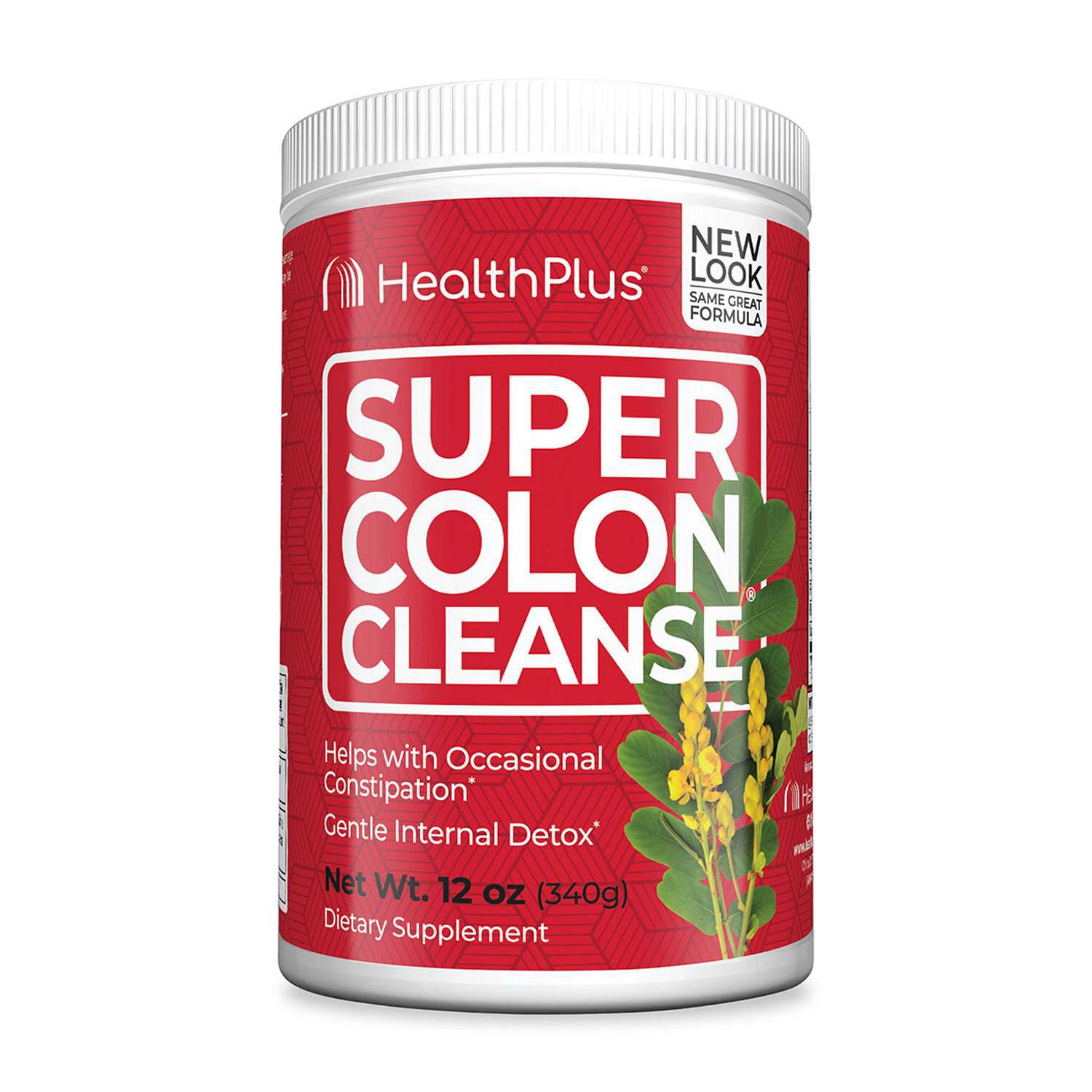
Mineral and probiotic formulas bring another set of label details into the comparison. Magnesium citrate and magnesium oxide are different forms of the same mineral, and the amount of magnesium listed per serving is distinct from the weight of the entire magnesium compound. A mineral formula is also different from a fiber supplement, even when both appear within the same digestive wellness category. Probiotics, meanwhile, contain identified microorganisms rather than serving as a source of dietary fiber. Labels may name organisms within groups such as Lactobacillus and Bifidobacterium, sometimes followed by a specific strain designation. The full organism name, strain information when provided, serving size, and stated potency offer a clearer description than a large number displayed by itself. Some labels state potency through the expiration date, while others describe the amount at manufacture; that wording is part of a useful side-by-side comparison. Botanical blends introduce still more variation through the named plant, the plant part used, and whether the ingredient is a powder or an extract. A leaf, root, seed, and fruit are not interchangeable descriptions, and a blend with individually listed amounts provides different information from one that lists only a combined blend weight. Across all these formats, vegan suitability extends beyond the featured ingredient. Capsule shells may be made with hypromellose, a cellulose-derived material, or pullulan rather than animal-derived gelatin. Chewable and gummy formats have their own ingredient considerations, including gelling agents, coatings, colors, and flavor sources. For probiotics, vegan labeling or certification may provide information that the microorganism names alone do not convey about ingredient sourcing and production. A clear vegan statement, a readable ingredient panel, and any relevant certification marks help distinguish a formula’s composition from the broader wellness language on its packaging. Vegan labeling also addresses a different concern from allergen labeling, so the two statements provide separate information rather than serving as substitutes for one another.
The most practical format often comes down to the details of an ordinary day. A tub of powder, a bottle of capsules, and individually portioned packets each occupy a different place on the kitchen shelf or in a work bag. Someone who regularly prepares a drink at home may prefer the measuring and mixing involved with a powder, while another shopper may prefer a format without a scoop or shaker. Neither format, by itself, establishes how a formula might fit a person’s digestive wellness needs. Serving instructions, ingredient amounts, and intended use remain more informative than convenience alone. Powders also vary in aroma, sweetness, and texture, details that become noticeable when a supplement is part of a familiar routine. A strongly flavored blend has a different sensory profile from a plain powder mixed according to its label. Packaging deserves attention as well: a wide opening, a clearly marked scoop, a secure closure, and legible serving information are practical features rather than measures of effectiveness. Storage directions are especially relevant when comparing powders, capsules, and probiotic formulas, since requirements differ by product. Some labels call for refrigeration, while others specify a dry storage location; moisture exposure may also affect powder texture. The expiration date and the condition of the original packaging provide additional context for everyday handling. For a broader look at related categories, Vegan Digestive Support For Adults offers another place to explore plant-conscious digestive wellness options. Within this category, transparent ingredient sourcing and straightforward labeling make meaningful comparisons possible. A clearly identified fiber source, a named mineral form, a detailed probiotic label, or a well-described botanical blend tells a shopper more than broad language about digestive wellness. The distinction is not simply between powders and pills, but between formulas with different compositions, preparation needs, and labeled purposes. Those details keep the focus on what each supplement contains and how its format fits an established routine.
Best Sellers
-
Physician's Choice
-
Tomorrow's Nutrition
-
 Tomorrow's Nutrition